
In regions where freshwater supplies are limited, farmers sometimes rely on treated wastewater to water their crops. While this practice helps conserve scarce water resources, it has raised concerns among regulators and consumers. Wastewater can contain trace amounts of various substances, including psychoactive medications commonly used to treat mental health conditions.
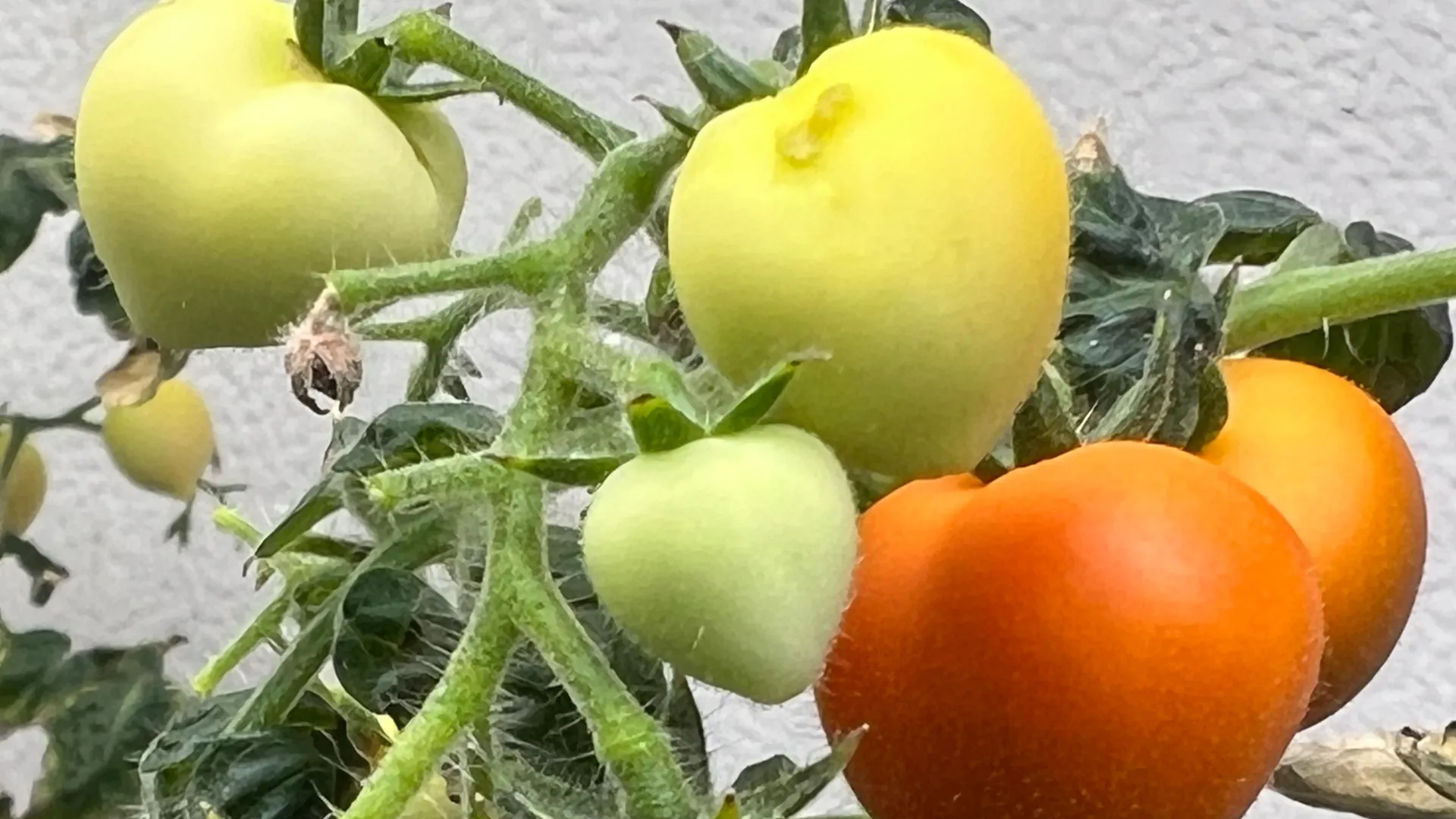
New research from Johns Hopkins University suggests that certain crops — tomatoes, carrots, and lettuce — tend to store these chemicals mainly in their leaves. This finding may be reassuring for people who eat tomatoes and carrots, since the parts we typically consume are the fruit and the roots rather than the leaves.
The study, published in Environmental Science and Technology, is part of a broader effort to understand the safety of irrigating crops with municipal wastewater. In most cases, this water has already been processed through treatment facilities before being reused.
“Farming practices place a high demand on freshwater resources. With limited rainfall and droughts threatening global water supplies, we’re looking at a future with shortages that may only be met by repurposing treated wastewater,” said Daniella Sanchez, a doctoral student at Johns Hopkins University and lead author on the study. “To continue to use wastewater safely, we need a more sophisticated understanding of where and how crop species metabolize, or break down, agents in the water.”
Studying How Crops Absorb Psychiatric Medications
Sanchez examined four psychoactive pharmaceuticals frequently detected in treated wastewater: carbamazepine, lamotrigine, amitriptyline, and fluoxetine. These medications are prescribed to treat conditions such as depression, bipolar disorder, and seizures.
To study how plants interact with these drugs, the researchers grew tomatoes, carrots, and lettuce in a temperature-controlled chamber. The plants were supplied with a nutrient solution made of ultrapure water, salts, nutrients, and one of the medications for as long as 45 days.
Scientists then collected samples from various parts of each plant. Using advanced chemical analysis, they investigated how the medications were taken up by the plants, what byproducts formed as the plants processed them, and where those substances ended up within the plant tissues.
Pharmaceuticals Concentrate in Plant Leaves
The analysis showed that pharmaceuticals and their breakdown products largely accumulated in leaves. Tomato leaves contained more than 200 times the concentration of these compounds compared with the tomato fruits. In carrots, the leaves had roughly seven times the levels found in the edible roots.
The researchers stressed that these measurements should not be interpreted as a health warning. Instead, the results provide a clearer picture of how plants distribute chemical compounds that enter through irrigation water.
How Water Moves Drugs Through Plants
According to the researchers, the way water flows through plants likely helps explain the pattern. Water carries nutrients and other molecules throughout the plant, moving upward from the roots through the stem and into the leaves.
Pharmaceutical compounds travel along with this flow. When water reaches the leaves, it evaporates through tiny openings known as stomata. As the water escapes, the remaining drug compounds are left behind in the leaf tissue.
“Plants don’t have a well-developed mechanism to excrete these drug compounds. They can’t easily get rid of waste by peeing, like humans do,” Sanchez said.
Why Plants Store Drug Compounds
Because plants cannot easily remove these substances, the compounds tend to remain inside their tissues. Some become embedded in the cell walls of leaves, while others are placed into structures called vacuoles, which act as storage compartments that hold unwanted materials inside cells.
Over time, these pharmaceuticals and their byproducts can accumulate in the plant tissue since there is no efficient way for the plant to eliminate them.
Some Medications Build Up More Than Others
The study also found that plants handle different drugs in different ways. For instance, the epilepsy medication lamotrigine and its byproducts appeared at relatively low levels across all plant tissues.
Carbamazepine showed a different pattern. It accumulated in higher concentrations throughout the plant, including the edible carrot roots, tomato fruits, and lettuce leaves. If regulators eventually examine possible health risks, identifying which medications tend to build up in edible plant parts could help guide those assessments.
Implications for Future Regulation
“Just because these medications are commonly found in treated wastewater doesn’t mean they’ll have any meaningful impact on the plant or plant consumer,” said co-author Carsten Prasse, an associate professor of environmental health and engineering at Johns Hopkins who studies environmental contaminants and wastewater.
Prasse added that studies like this highlight the importance of examining not only the original pharmaceuticals but also the byproducts formed when plants process them. “Hopefully, this research will help in identifying which compounds should be assessed in more detail in order to support potential future regulations,” Prasse said.