
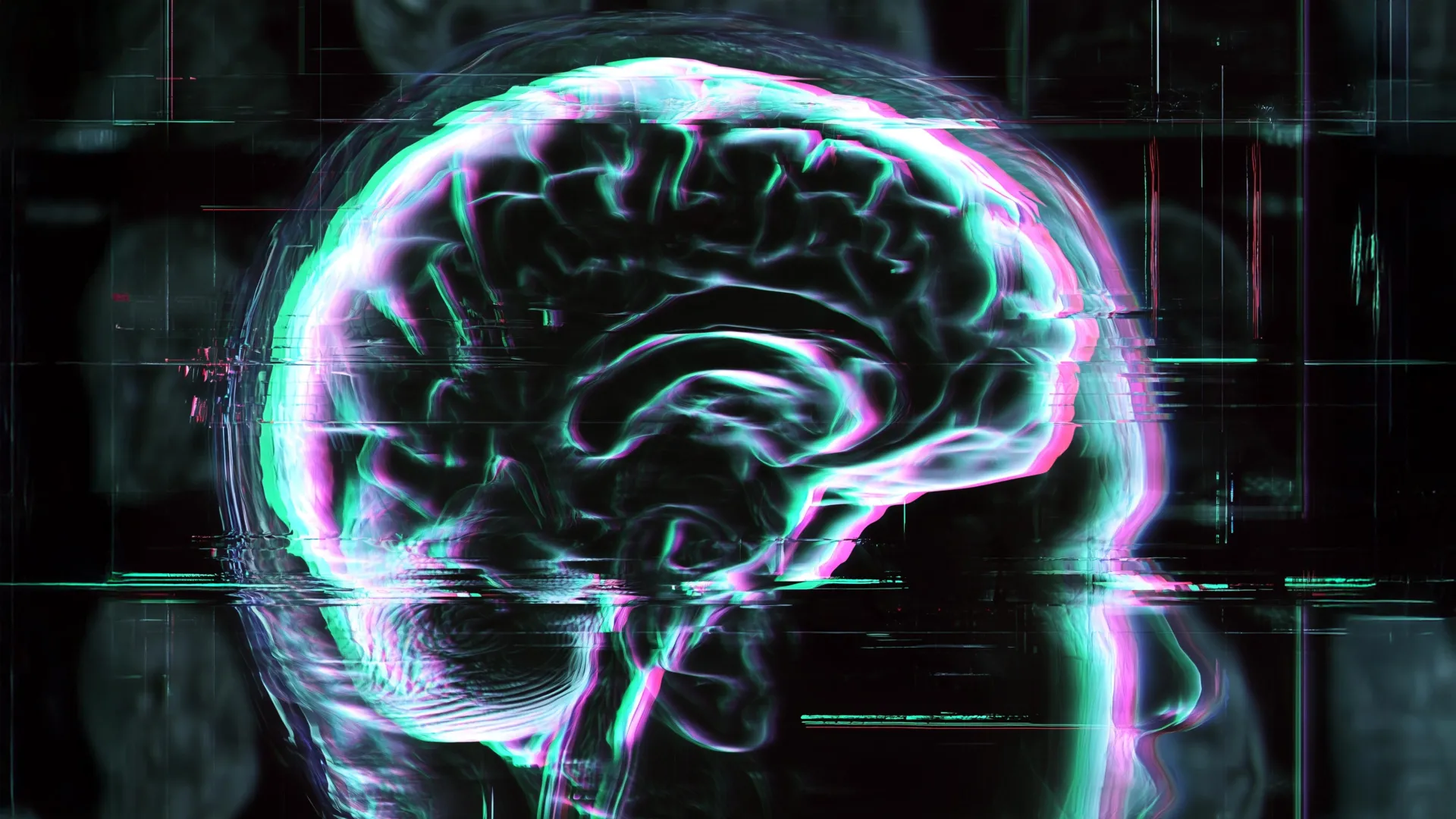
Sleep disorders may have consequences that extend far beyond fatigue. New research from Florida International University (FIU) has found that several types of sleep disorders are associated with physical changes in brain regions responsible for attention, motivation, and decision-making. These findings suggest that disrupted sleep may be connected to important differences in the brain’s structure.
Published in the journal Scientific Reports, the research offers one of the broadest examinations yet of the brain changes associated with different sleep disorders. The discoveries could eventually help scientists identify sleep problems earlier and develop treatments tailored to the specific brain systems involved.
What 57 Brain Imaging Studies Reveal About Sleep Disorders
An estimated 50 million to 70 million Americans experience sleep disorders, making them a major public health concern. To investigate their effects on the brain, scientists at FIU’s Center for Children and Families combined and analyzed findings from 57 studies that used brain imaging to examine adults.
Rather than focusing on a single condition, the researchers compared several sleep disorders to determine whether they were associated with similar changes in brain structure. This approach, which is still relatively uncommon in sleep research, also allowed the team to identify differences specific to certain disorders.
The analysis focused on two broad groups. The first, known as dyssomnias, includes insomnia and sleep apnea, conditions that interfere with falling asleep, staying asleep, or getting sufficient restorative sleep. The second group, called parasomnias, includes sleepwalking, nightmare disorder, and sleep terrors. These conditions involve unusual events or behaviors that interrupt normal sleep cycles.
“As more people recognize how important sleep is, there’s growing urgency to understand what’s happening in the brain,” said Matthew Sutherland, a cognitive neuroscientist at FIU and senior author of the study. “By bringing together results from many studies, this research gives us a clearer picture of how sleep disorders affect brain structure and function and where we need to focus next.”
Sleep Disorders Share Changes in a Critical Brain Region
One of the most striking findings was that both groups of sleep disorders were associated with reductions in the thalamus, a structure deep within the brain that plays a central role in processing information, sustaining attention, and supporting complex thinking.
The researchers identified changes in a specific part of the thalamus called the pulvinar. This region helps the brain direct attention toward important information and manage cognitive control, which allows people to regulate their thoughts and actions while completing tasks.
The affected areas are connected to larger brain networks that help people concentrate, make decisions, and respond to their surroundings. Differences in these systems may help explain why people with sleep disorders often experience slower reaction times, difficulty making decisions, and a greater likelihood of errors or accidents.
“Most research looks at sleep disorders one at a time,” said Katharine Crooks, a recent FIU cognitive neuroscience doctoral graduate and lead author of the study. “By looking across many studies, we found shared patterns in the brain that help explain why sleep problems can impact focus, decision-making and everyday functioning. With so many people struggling with sleep, understanding what is happening in the brain is key to finding better interventions, diagnostic tools and personalized treatments.”
Sleepwalking and Nightmares Show Additional Brain Differences
Although the researchers discovered common structural patterns across sleep disorders, they also found differences associated specifically with parasomnias.
People with these conditions showed changes in the posterior cingulate cortex, a brain region involved in motivation, decision-making, and the regulation of emotions. This finding may help explain why disorders such as sleepwalking, recurring nightmares, and sleep terrors can sometimes be accompanied by difficulties with mood, behavior, or emotional control.
In contrast, the analysis did not reveal a consistent pattern of structural changes found exclusively in dyssomnias, the category that includes insomnia and sleep apnea.
Together, these results suggest that different forms of disrupted sleep may be associated with both shared and distinct changes in the brain. The particular regions involved may depend on the nature of the sleep disorder.
Could Brain Imaging Lead to Better Sleep Disorder Treatments?
The findings provide researchers with new clues about the relationship between sleep disorders and the brain systems that support everyday thinking and behavior.
By identifying which regions are associated with particular sleep problems, scientists hope to improve diagnostic methods and develop more personalized interventions. Future treatments could potentially aim not only to improve sleep quality but also to protect the brain networks involved in attention, decision-making, and emotional regulation.
However, an important question remains unanswered. The research identified associations between sleep disorders and differences in brain structure, but it did not establish whether disrupted sleep causes those differences, whether existing brain differences contribute to sleep disorders, or whether both processes occur.
To investigate this relationship further, the FIU team plans to examine individual parasomnias in greater detail, including sleepwalking and REM sleep behavior disorder.
Understanding how these conditions relate to changes in the brain could help researchers develop better ways to recognize, manage, and potentially prevent some of the cognitive and emotional difficulties associated with disrupted sleep.