
Antibiotic resistance (AR) has escalated rapidly in recent years, growing into a serious global health emergency. Disease-causing bacteria are continually adapting, finding new ways to survive treatments that once eliminated them. As a result, more drug resistant “superbugs” are spreading, and projections suggest that by 2050 they could be responsible for more than 10 million deaths worldwide each year.
These dangerous bacteria often thrive in hospitals, wastewater treatment facilities, livestock operations, and fish farms. In response to this expanding threat, scientists are turning to advanced genetic technologies. Researchers at the University of California San Diego are now using powerful new gene editing tools to directly counter antibiotic resistance.
CRISPR Gene Drive Strategy Targets Resistance
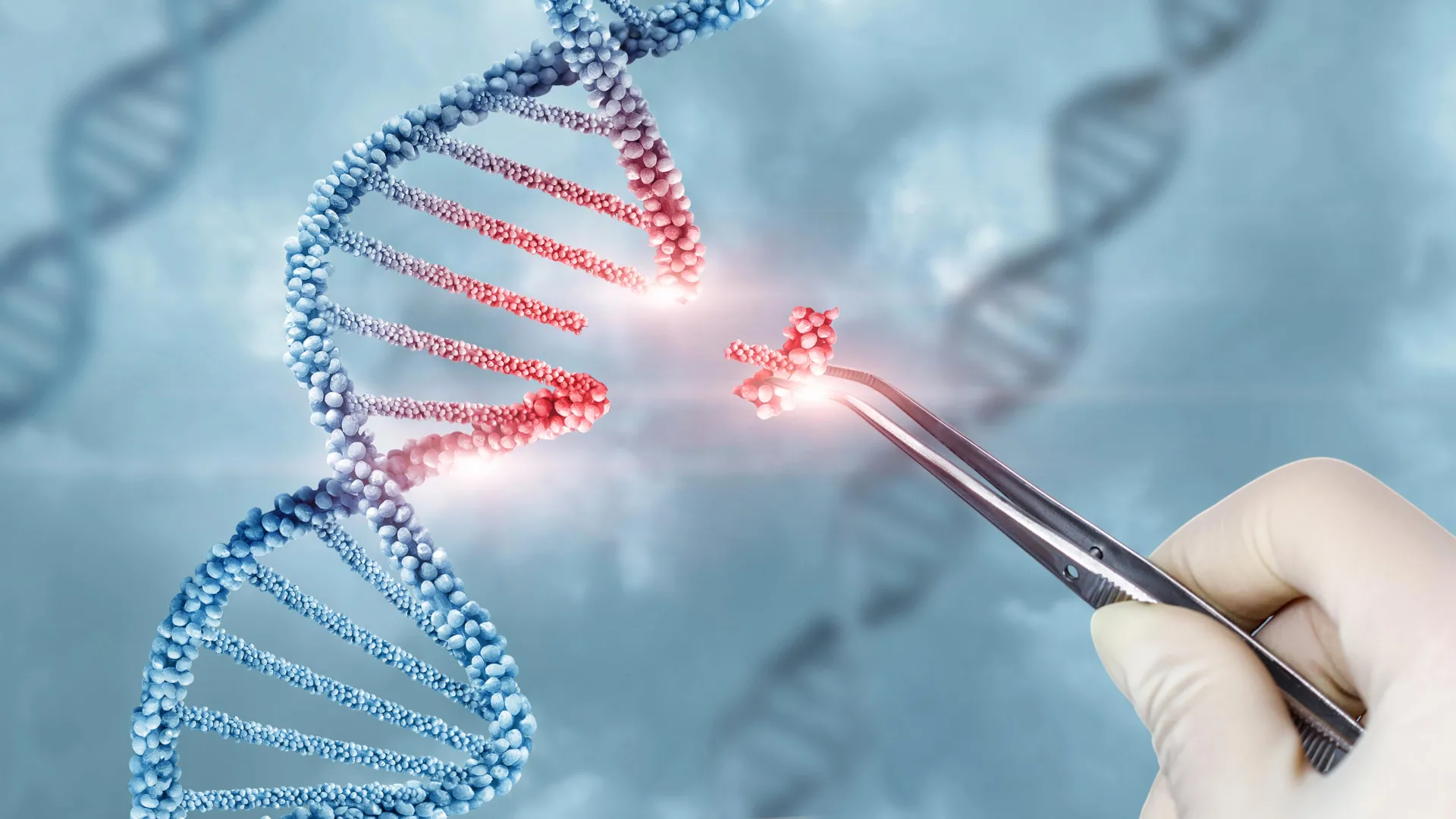
Professors Ethan Bier and Justin Meyer of the UC San Diego School of Biological Sciences have teamed up to create a new way to remove resistance traits from bacterial populations. Their approach builds on CRISPR gene editing and borrows concepts from gene drives, which are used in insects to block the spread of harmful traits such as malaria carrying parasites.
The team developed a second generation Pro-Active Genetics (Pro-AG) system called pPro-MobV. This updated technology is designed to spread through bacterial communities and disable the genes that make them resistant to antibiotics.
“With pPro-MobV we have brought gene-drive thinking from insects to bacteria as a population engineering tool,” said Bier, a faculty member in the Department of Cell and Developmental Biology. “With this new CRISPR-based technology we can take a few cells and let them go to neutralize AR in a large target population.”
How the Genetic Cassette Restores Antibiotic Sensitivity
The foundation for this work began in 2019, when Bier’s lab partnered with Professor Victor Nizet’s team (UC San Diego School of Medicine) to design the original Pro-AG system. That earlier version introduced a genetic cassette into bacteria, allowing it to copy itself between bacterial genomes and shut down antibiotic resistance genes.
This cassette specifically targets resistance genes carried on plasmids, which are small circular DNA molecules that replicate inside bacterial cells. By inserting itself into these plasmids, the cassette disrupts the resistance genes and makes the bacteria vulnerable to antibiotics again.
Spreading Through Biofilms and Bacterial Mating
The newer pPro-MobV system expands on that concept by using conjugal transfer, a process similar to bacterial mating, to move CRISPR components from one cell to another. According to findings published in the Nature journal npj Antimicrobials and Resistance, the researchers demonstrated that the system can travel through a natural mating channel formed between bacteria, distributing the resistance disabling elements across populations.
Importantly, the team showed that this method works inside biofilms. Biofilms are dense communities of microbes that cling to surfaces and are notoriously difficult to eliminate with standard cleaning methods. They are involved in most serious infections and help bacteria survive antibiotic treatment by forming a protective barrier that limits how easily drugs can penetrate. Because of this, the new approach could have important applications in hospitals, environmental cleanup efforts, and microbiome engineering.
“The biofilm context for combating antibiotic resistance is particularly important since this is one of the most challenging forms of bacterial growth to overcome in the clinic or in enclosed environments such as aquafarm ponds and sewage treatment plants,” said Bier. “If you could reduce the spread from animals to humans you could have a significant impact on the antibiotic resistance problem since roughly half of it is estimated to come from the environment.”
Pairing CRISPR With Bacteriophages
The researchers also discovered that elements of their active genetic system can be transported by bacteriophage, or phage, viruses that naturally infect bacteria. Phage are already being engineered to fight antibiotic resistance by slipping past bacterial defenses and delivering disruptive genetic material into cells. The team envisions pPro-MobV working alongside these engineered phage to strengthen the impact.
As an added safeguard, the platform can include a process known as homology-based deletion, which allows scientists to remove the inserted genetic cassette if necessary.
“This technology is one of the few ways that I’m aware of that can actively reverse the spread of antibiotic-resistant genes, rather than just slowing or coping with their spread,” said Meyer, a professor in the Department of Ecology, Behavior and Evolution, who studies the evolutionary adaptations of bacteria and viruses.