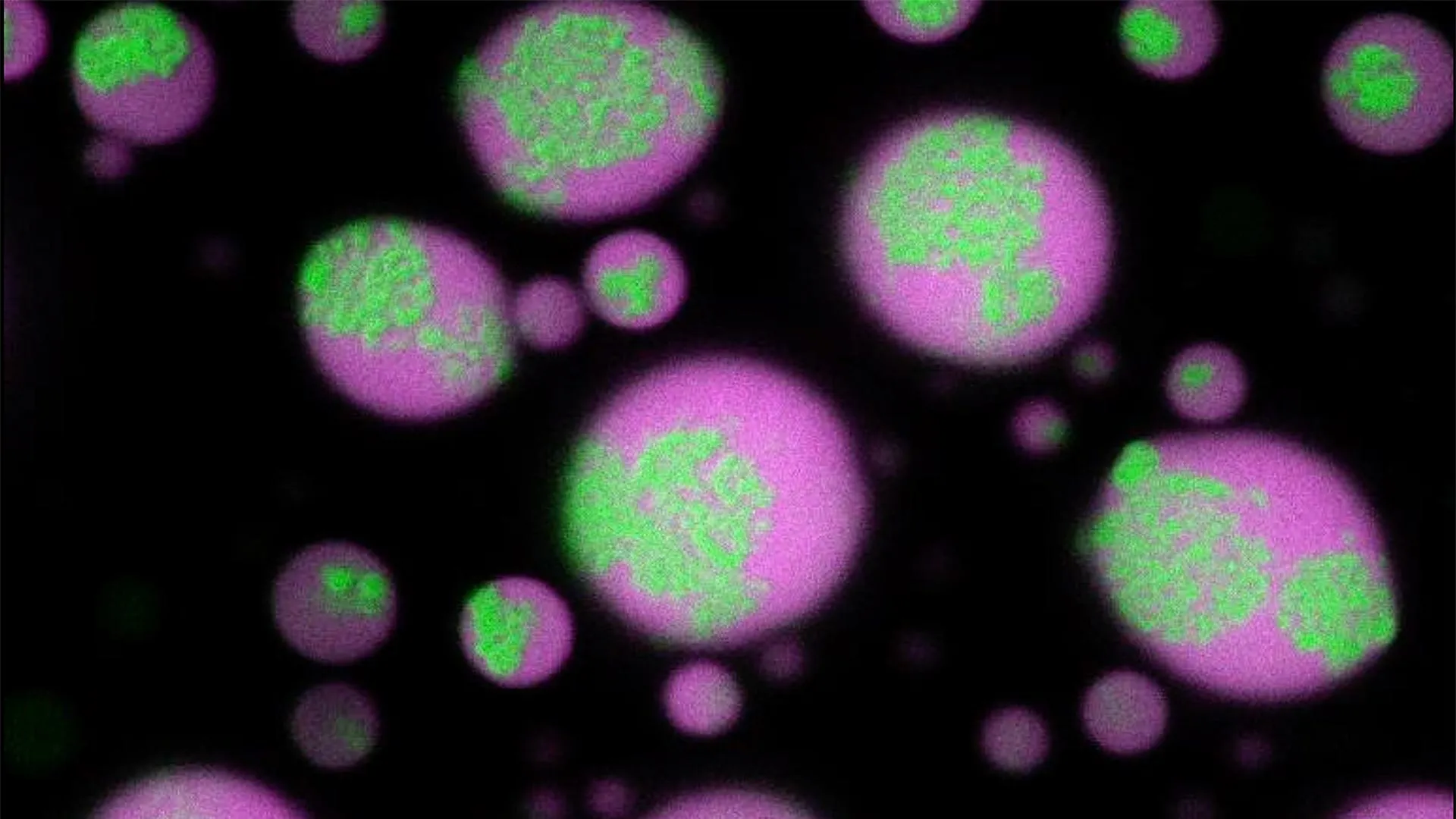
Scientists crack the mystery of brain cell clumps, and make them vanish

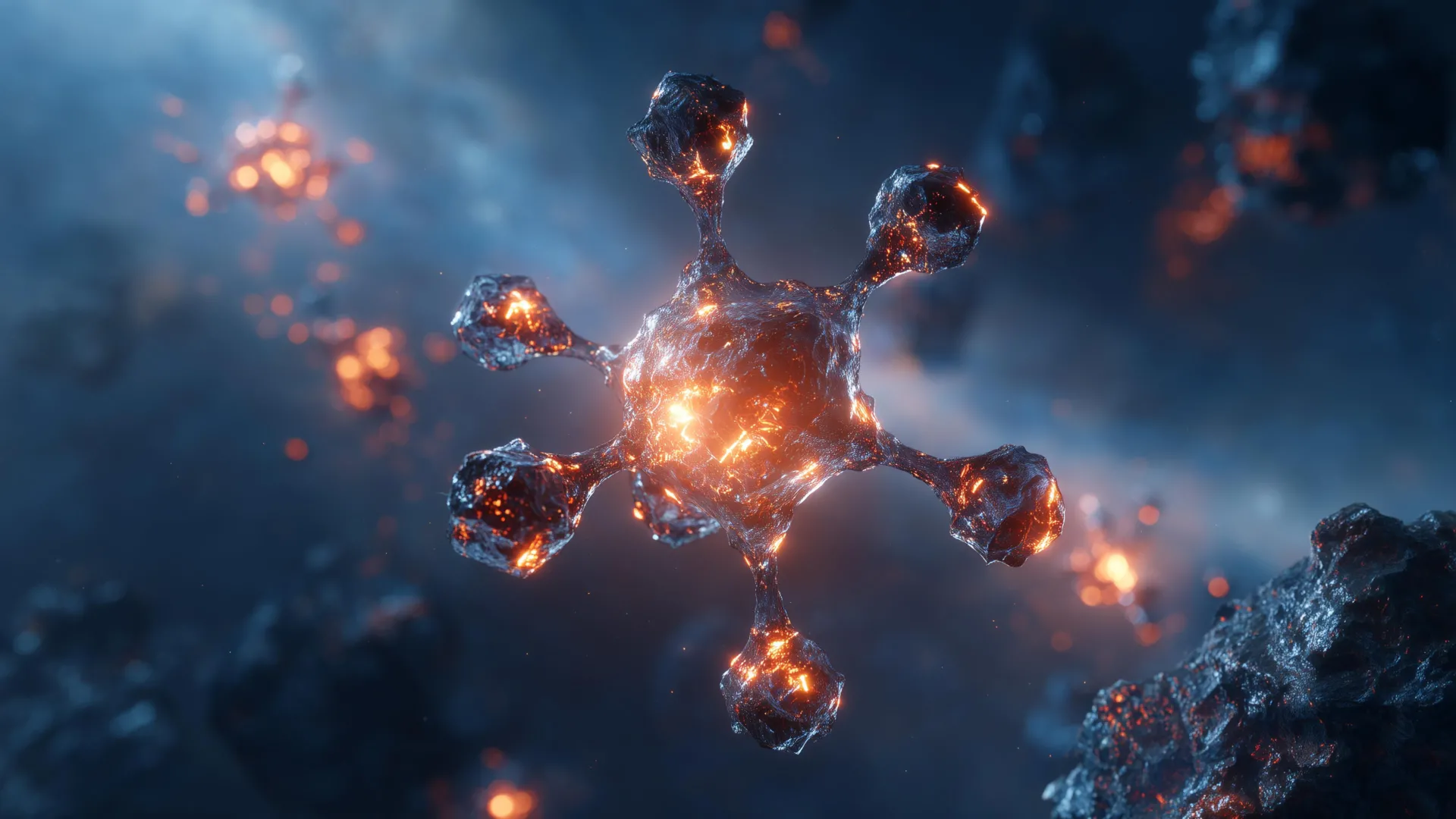
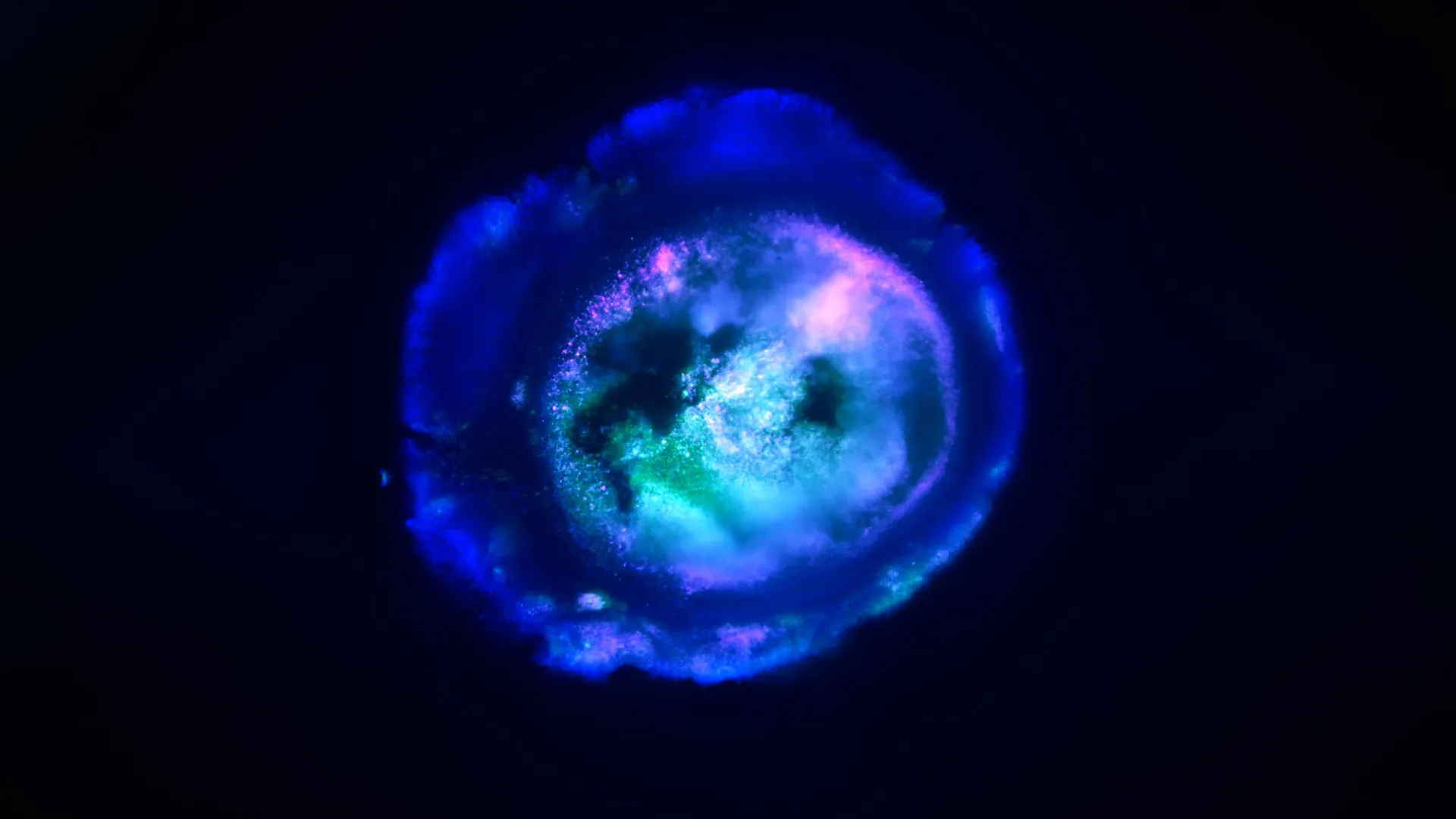
Look inside a brain cell with Huntington’s disease or ALS and you are likely to find RNA clumped together. These solid-like clusters, thought to be irreversible, can act as sponges that soak up surrounding proteins key for brain health, contributing to neurological disorders. How these harmful RNA clusters form in…


The hidden ways light at night damages your brain, mood, and metabolism

In a comprehensive Genomic Press Innovators & Ideas interview published today, distinguished neuroscientist Dr. Randy J. Nelson shares insights from his pioneering research on how disrupted circadian rhythms affect brain function and overall health. The interview, published in Brain Medicine, traces Dr. Nelson’s unconventional path from farm work and autopsy…

New “evolution engine” creates super-proteins 100,000x faster

In medicine and biotechnology, the ability to evolve proteins with new or improved functions is crucial, but current methods are often slow and laborious. Now, Scripps Research scientists have developed a synthetic biology platform that accelerates evolution itself — enabling researchers to evolve proteins with useful, new properties thousands of…

Breakthrough “smart” gel restores blood flow and heals diabetic wounds in days

Chronic diabetic wounds, including diabetic foot ulcers, are a significant burden for patients, as impaired blood vessel growth hinders the healing process. A recent breakthrough offers hope by combining small extracellular vesicles (sEVs) loaded with miR-221-3p and a GelMA hydrogel to target thrombospondin-1 (TSP-1), a protein that suppresses angiogenesis. This…

What really happens to your body when you stop weight loss drugs like Ozempic

Patients prescribed drugs to help them lose weight may experience a rebound in weight gain after halting their prescription, finds a meta-analysis published in BMC Medicine. The study, which analyses data for patients receiving weight loss drugs across 11 randomised trials, suggests that while the amount of weight regain varies…

Life without sunlight? Earthquake fractures fuel deep underground microbes

Chinese researchers have recently challenged the long-held belief that “all life depends on sunlight.” In a study published in Science Advances, the researchers identified how microbes in deep subsurface areas can derive energy from chemical reactions driven by crustal faulting, offering critical insights into life deep below Earth’s surface. The research…

Nature’s anti-aging hack? Jewel wasp larvae slow their biological clock

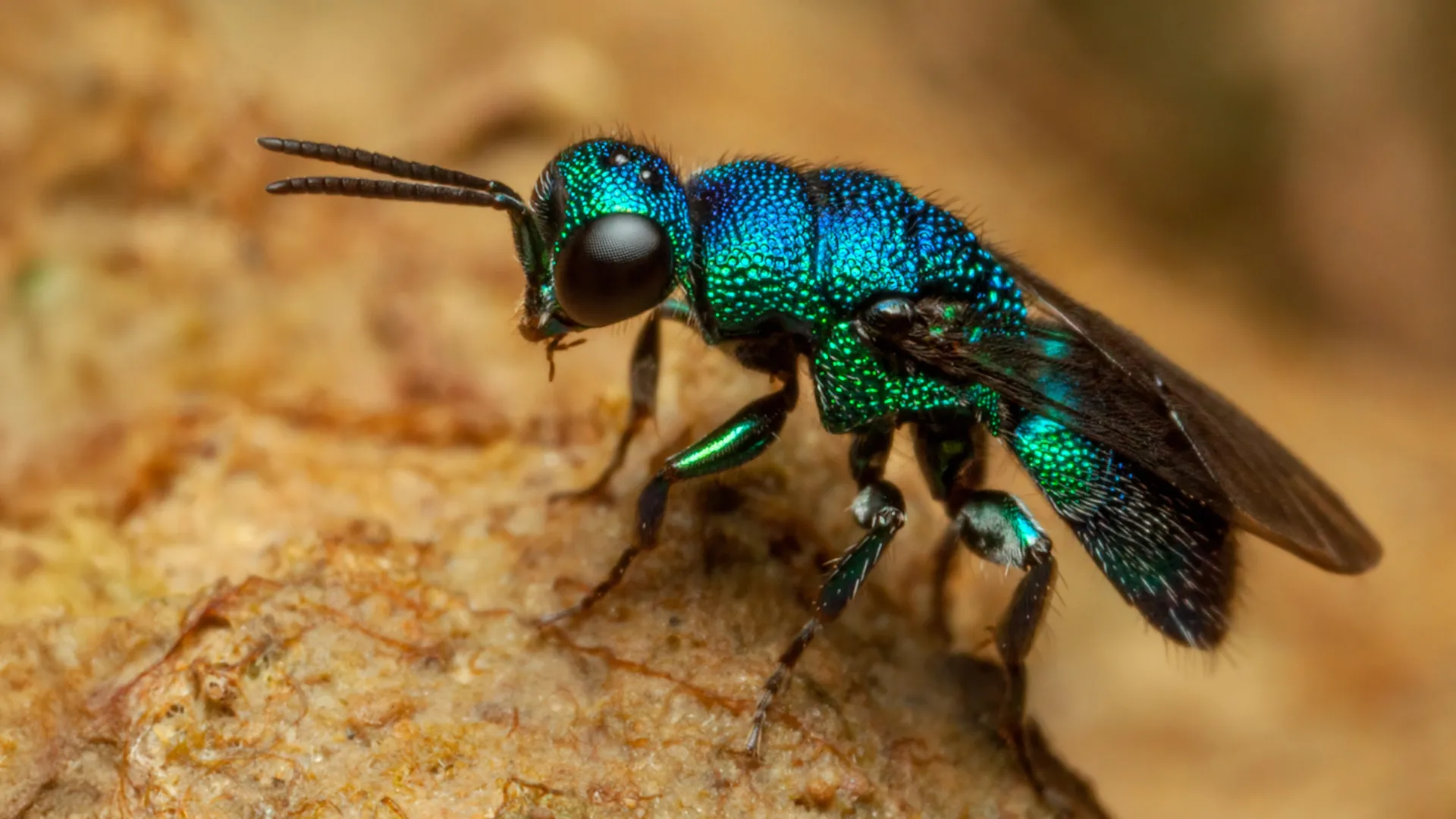
Scientists have discovered that jewel wasps can slow down their biological rate of aging. A study of jewel wasps, known for their distinctive metallic colors, has shown that they can undergo a kind of natural ‘time-out’ as larvae before emerging into adulthood with this surprising advantage. The groundbreaking study by…

Hubble just exposed a rare and violent star collision

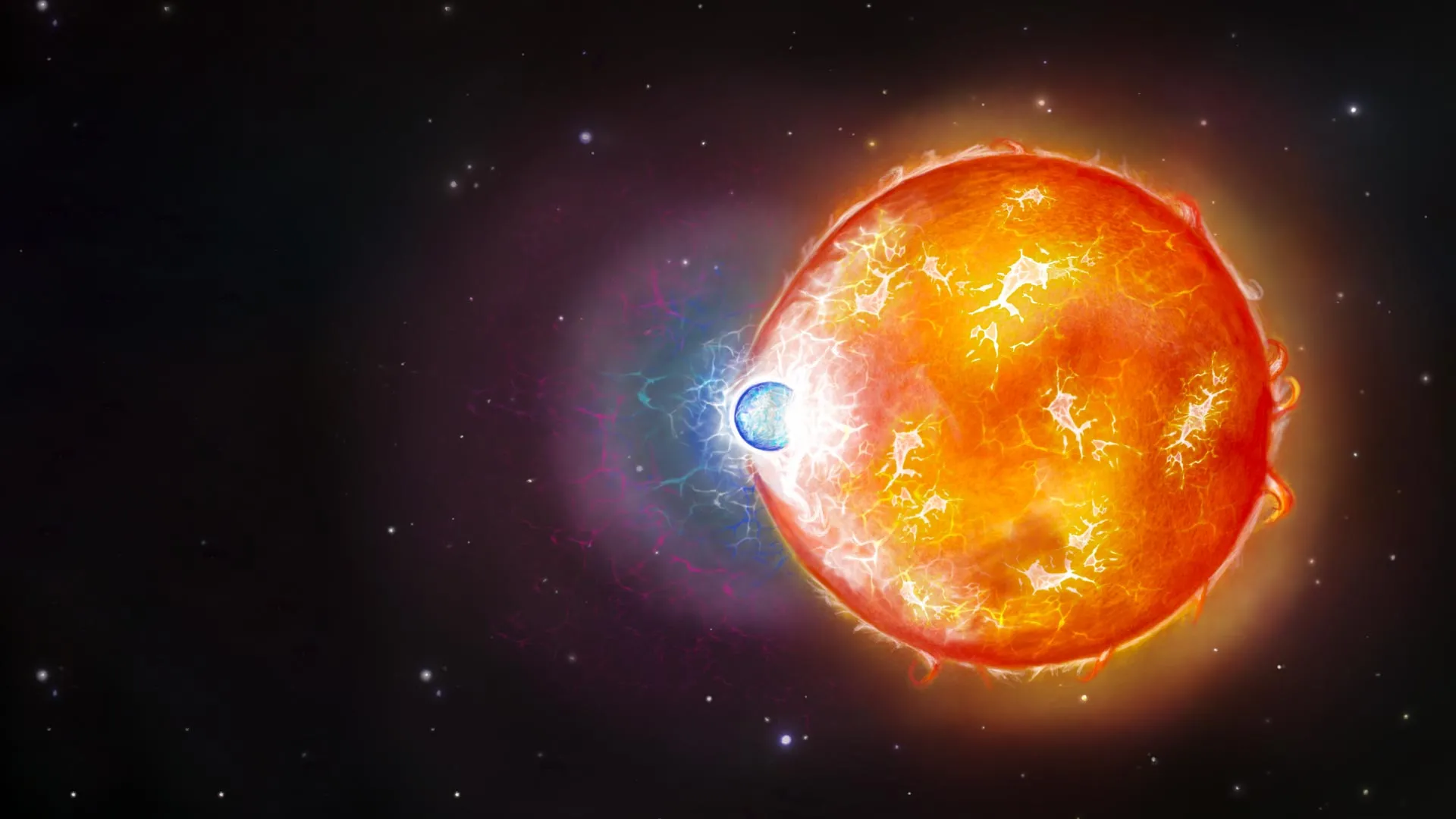
University of Warwick astronomers have uncovered compelling evidence that a nearby white dwarf is in fact the remnant of two stars merging — a rare stellar discovery revealed through Hubble Space Telescope ultraviolet observations of carbon in the star’s hot atmosphere. White dwarfs are the dense cores left behind when…

Baby star fires a jet, then gets blasted by the fallout

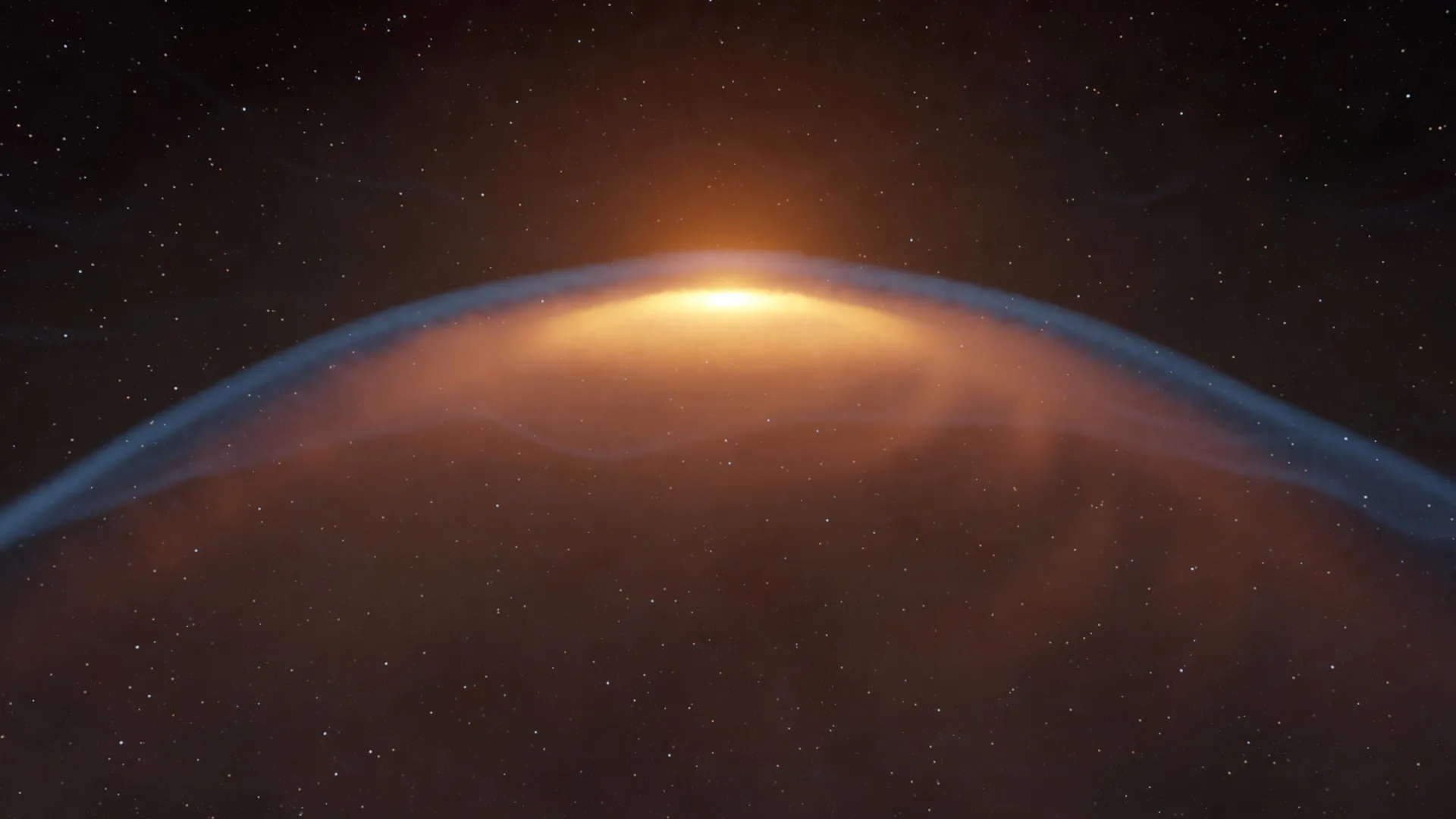
Astronomers have observed an explosion in space that is pushing back against and influencing the baby star which triggered the explosion in the first place. If explosions like this one are common around young stars, then the young stars and their planets are exposed to a harsher environment than previously…

DNA from the deep reveals a hidden ocean “superhighway”

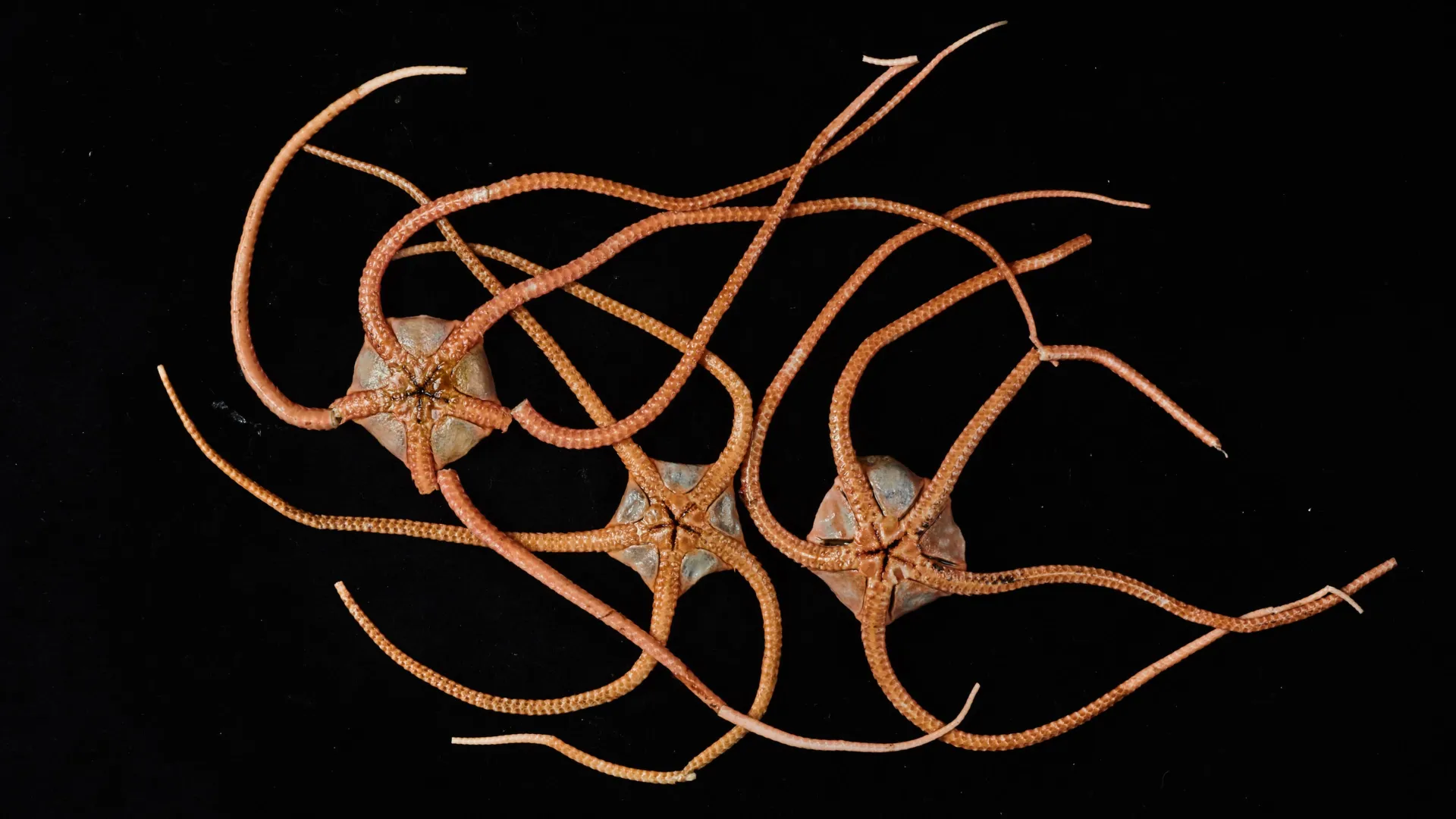
A world-first study led by Museums Victoria Research Institute has revealed that beneath the cold, dark, pressurized world of the deep sea, marine life is far more globally connected than previously imagined. Published on July 23 in Nature, this landmark study maps the global distribution and evolutionary relationships of brittle stars…

This prehistoric predator survived global warming by eating bones

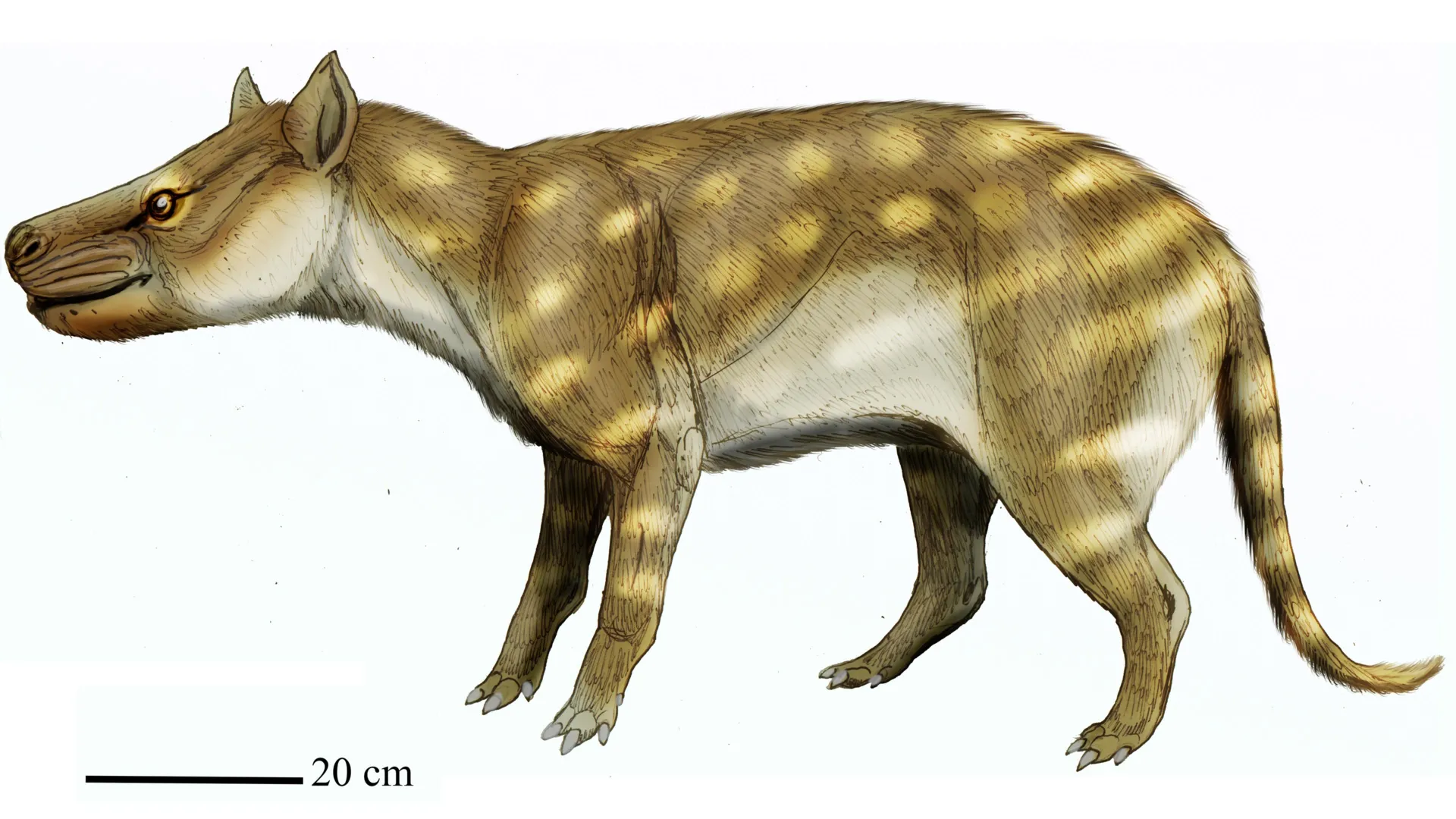
About 56 million years ago, when Earth experienced a dramatic rise in global temperatures, one meat-eating mammal responded in a surprising way: It started eating more bones. That’s the conclusion reached by a Rutgers-led team of researchers, whose recent study of fossil teeth from the extinct predator Dissacus praenuntius reveals…

Scientists found the gene that makes Aussie skinks immune to deadly snake venom

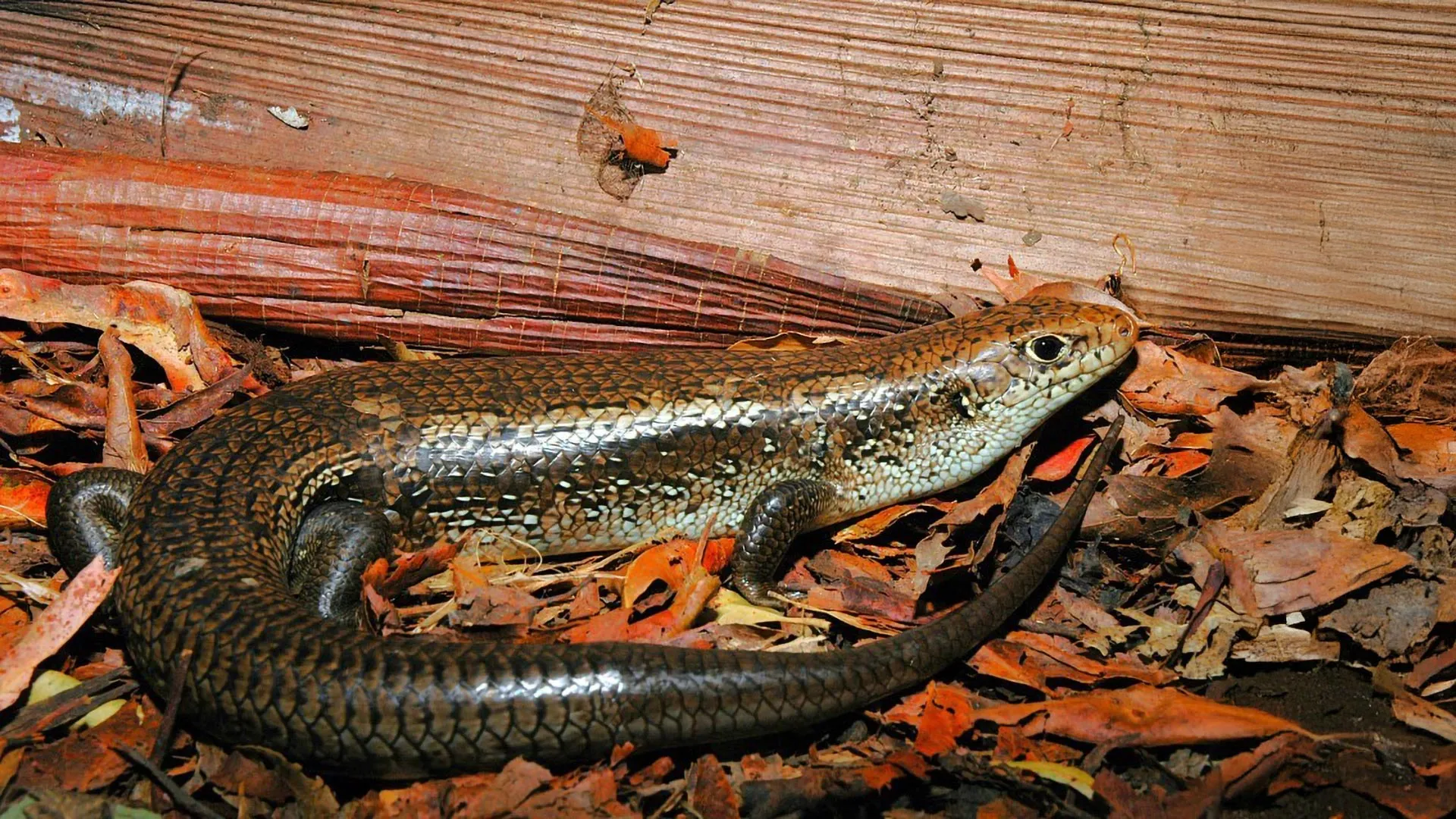
A University of Queensland-led study has found Australian skinks have evolved molecular armor to stop snake venom from shutting down their muscles. Professor Bryan Fry from UQ’s School of the Environment said revealing exactly how skinks dodge death could inform biomedical approaches to treating snakebite in people. “What we saw…

Can humans regrow eyes? These snails already do

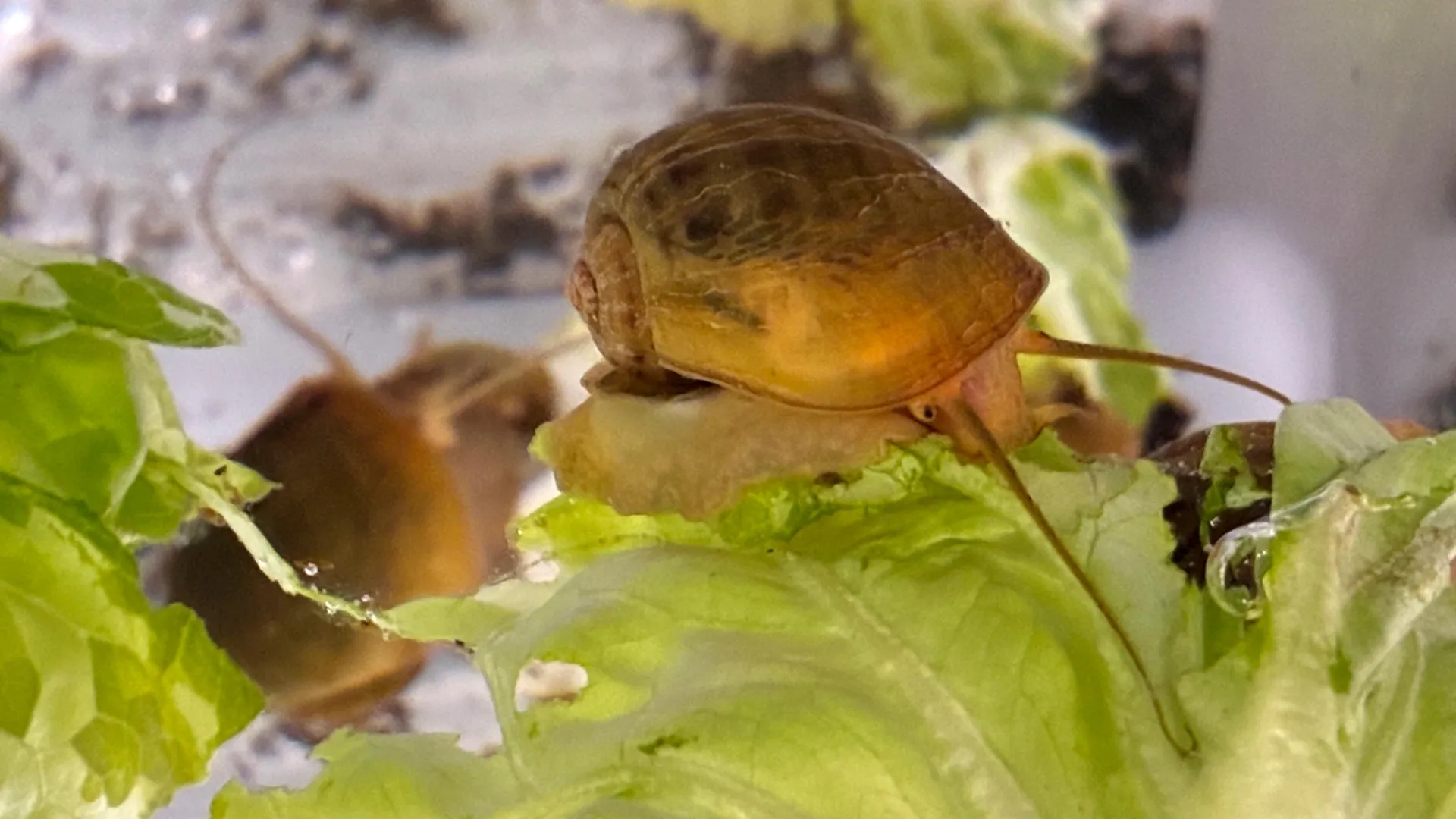
Human eyes are complex and irreparable, yet they are structurally like those of the freshwater apple snail, which can completely regenerate its eyes. Alice Accorsi, assistant professor of molecular and cellular biology at the University of California, Davis, studies how these snails regrow their eyes — with the goal of…

Scientists create mysterious molecule that could spark life in space

Researchers have for the first time isolated a compound that could open new doors in understanding the chemistry that supports life in space. Ryan Fortenberry, an astrochemist at the University of Mississippi, Ralf Kaiser, professor of chemistry at the University of Hawaii at Mānoa, and Alexander M. Mebel, computational chemist…

NASA and Japan’s XRISM just found sulfur hiding between the stars

An international team of scientists have provided an unprecedented tally of elemental sulfur spread between the stars using data from the Japan-led XRISM (X-ray Imaging and Spectroscopy Mission) spacecraft. Astronomers used X-rays from two binary star systems to detect sulfur in the interstellar medium, the gas and dust found in…

Star survives black hole and comes back for more

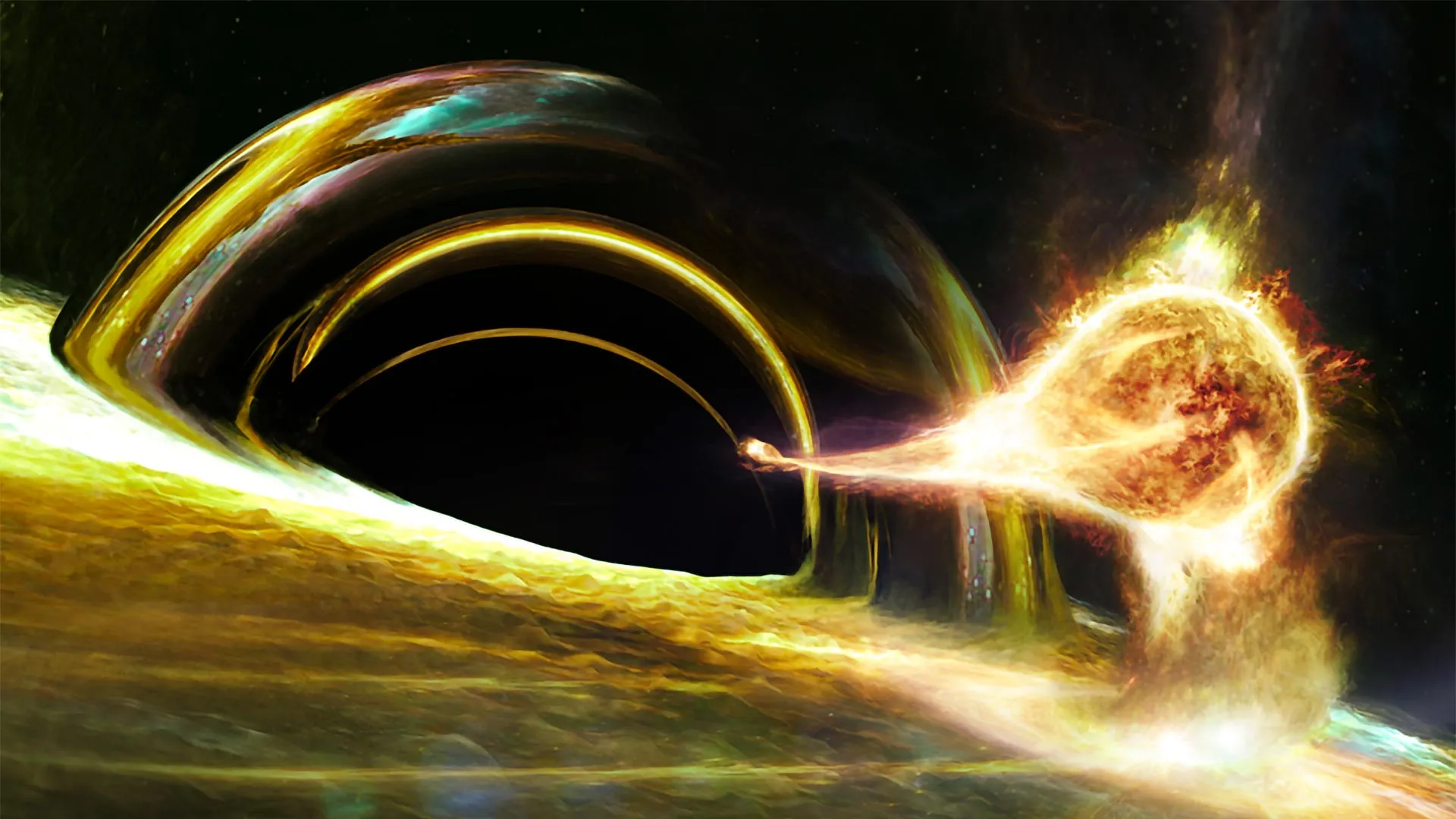
Lightning might not strike twice, but black holes apparently do. An international group of researchers led by Tel Aviv University astronomers observed a flare caused when a star falls onto a black hole and is destroyed. Surprisingly, this flare occurred about two years after a nearly identical flare named AT…

Scientists just found a massive earthquake threat hiding beneath Yukon

New research led by the University of Victoria (UVic) has illuminated a significant and previously unrecognized source of seismic hazard for the Yukon Territory of northwestern Canada. The Tintina fault is a major geologic fault approximately 1,000 km long that trends northwestward across the entire territory. It has slipped laterally…

Scientists uncover hidden gut ‘sense’ that talks to your brain

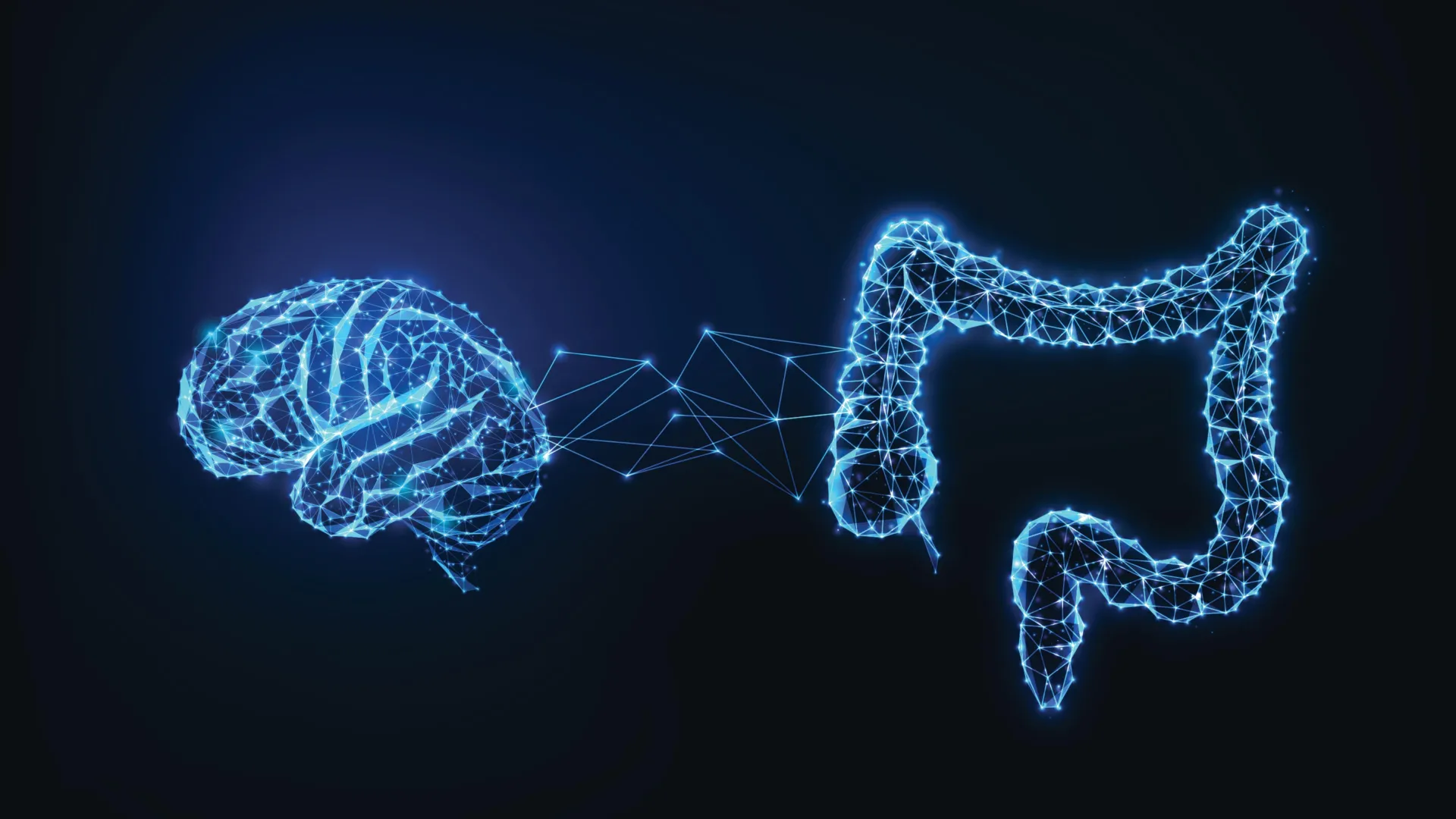
In a breakthrough that reimagines the way the gut and brain communicate, researchers have uncovered what they call a “neurobiotic sense,” a newly identified system that lets the brain respond in real time to signals from microbes living in our gut. The new research, led by Duke University School of…

Starving tumors makes cancer treatment work better

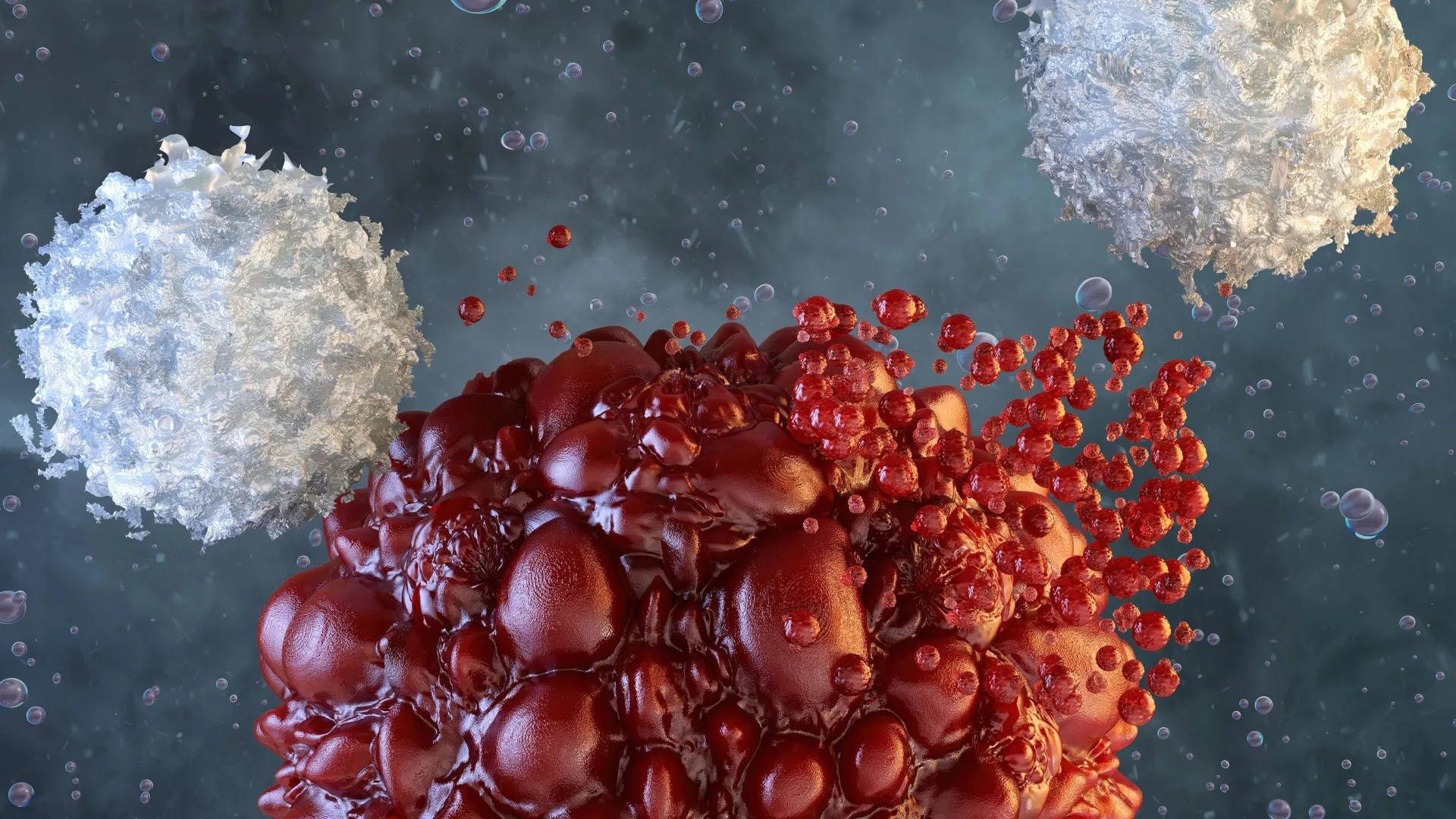
Cancer cells and tumors do not exist in a vacuum. Far from the isolation and self-sufficiency of the fictional Wakanda, tumors develop in and alter the nearby milieu of immune cells, connective tissue, blood vessels and a sea of proteins and carbohydrates that provide structure and other supportive functions. Cancer…

Brain fog, falls, and fatigue? This app helps seniors cut risky meds

McGill University researchers have developed and are licensing a digital tool to help safely reduce patients’ use of medications that may be unnecessary or even harmful to them. When clinicians review a patient’s file, MedSafer flags potentially inappropriate medications. In a new clinical trial, the software helped deprescribe such medications…

This diet helped people lose twice as much weight, without eating less

When given nutritionally matched diets, participants lost twice as much weight eating minimally processed foods compared to ultra-processed foods, suggesting that cutting down on processing could help to sustain a healthy weight long term, finds a new clinical trial led by researchers at UCL and UCLH. The study, published in…

Crushing vs. Slashing: New skull scans reveal how giant dinosaurs killed

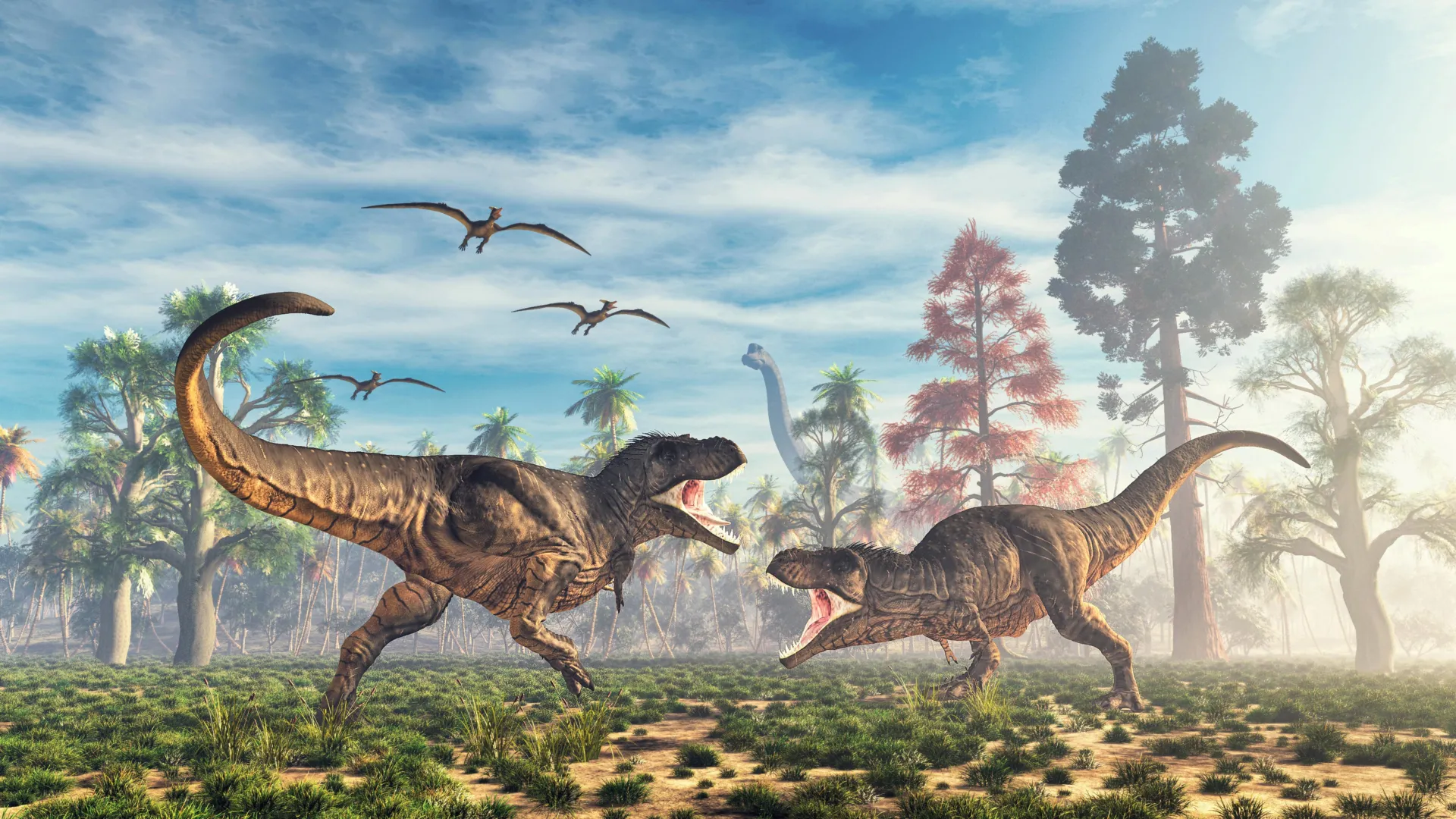
A new analysis of the bite strength of 18 species of carnivorous dinosaurs shows that while the Tyrannasaurus rex skull was optimized for quick, strong bites like a crocodile, other giant, predatory dinosaurs that walked on two legs — including spinosaurs and allosaurs — had much weaker bites and instead…

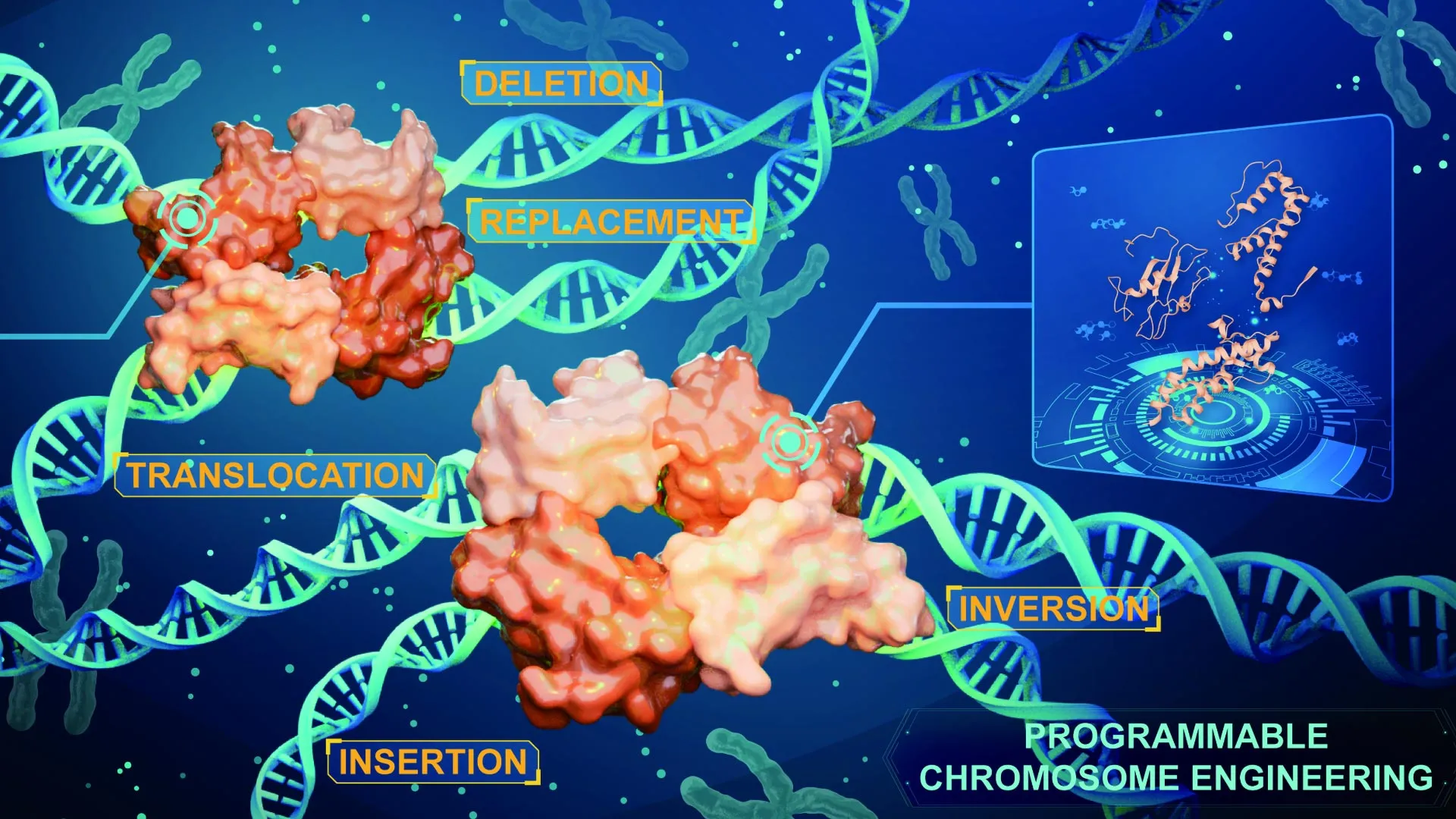
Scientists just cracked the code to editing entire chromosomes flawlessly

A team of Chinese researchers led by Prof. GAO Caixia from the Institute of Genetics and Developmental Biology of the Chinese Academy of Sciences has developed two new genome editing technologies, known collectively as Programmable Chromosome Engineering (PCE) systems. The study, published online in Cell on August 4, achieves multiple…

Alzheimer’s risk may start at the brain’s border, not inside it

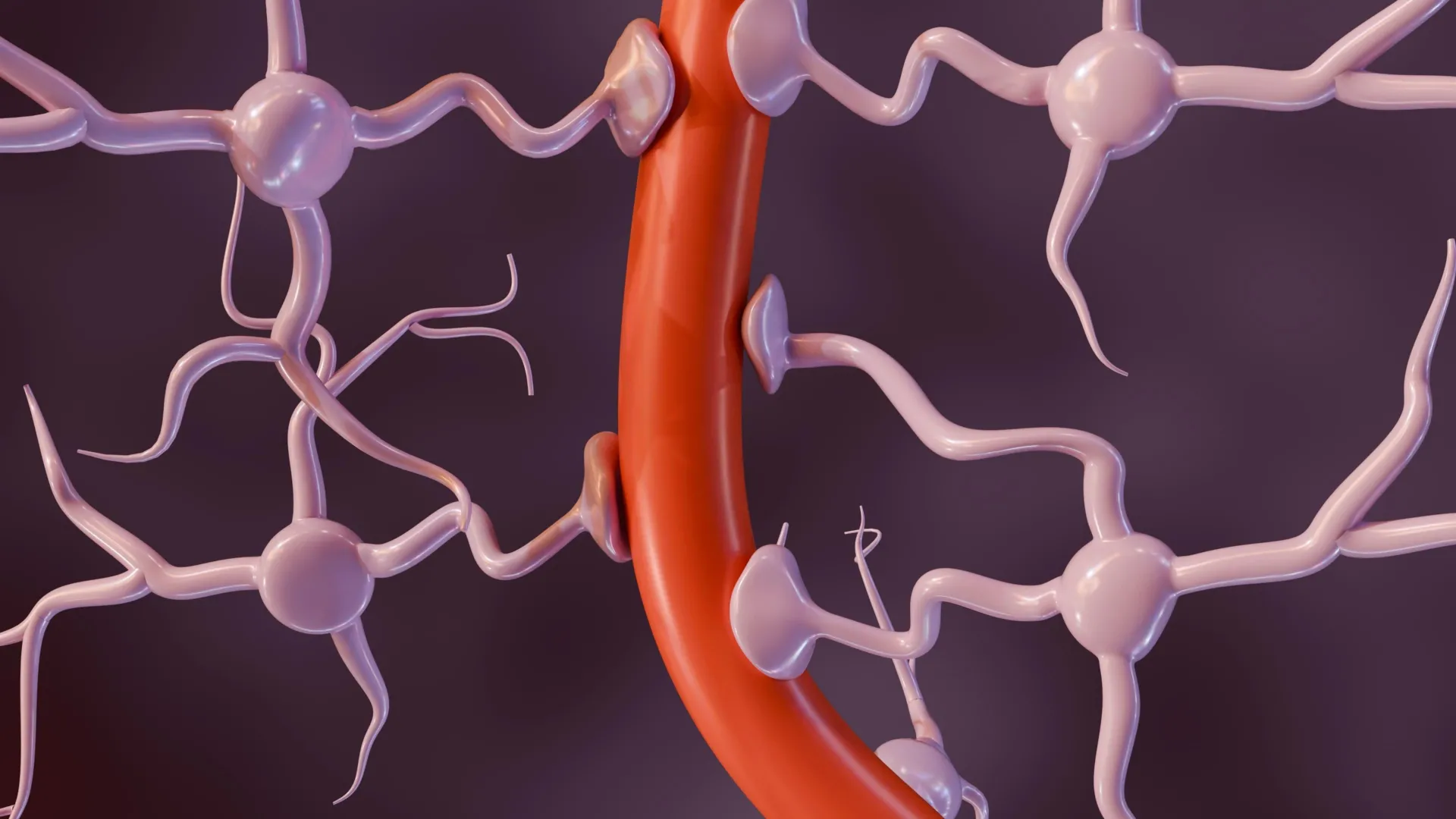
The brain’s health depends on more than just its neurons. A complex network of blood vessels and immune cells acts as the brain’s dedicated guardians — controlling what enters, cleaning up waste, and protecting it from threats by forming the blood-brain barrier. A new study from Gladstone Institutes and UC…

Scientists reexamine 47-year-old fossil and discover a new Jurassic sea monster

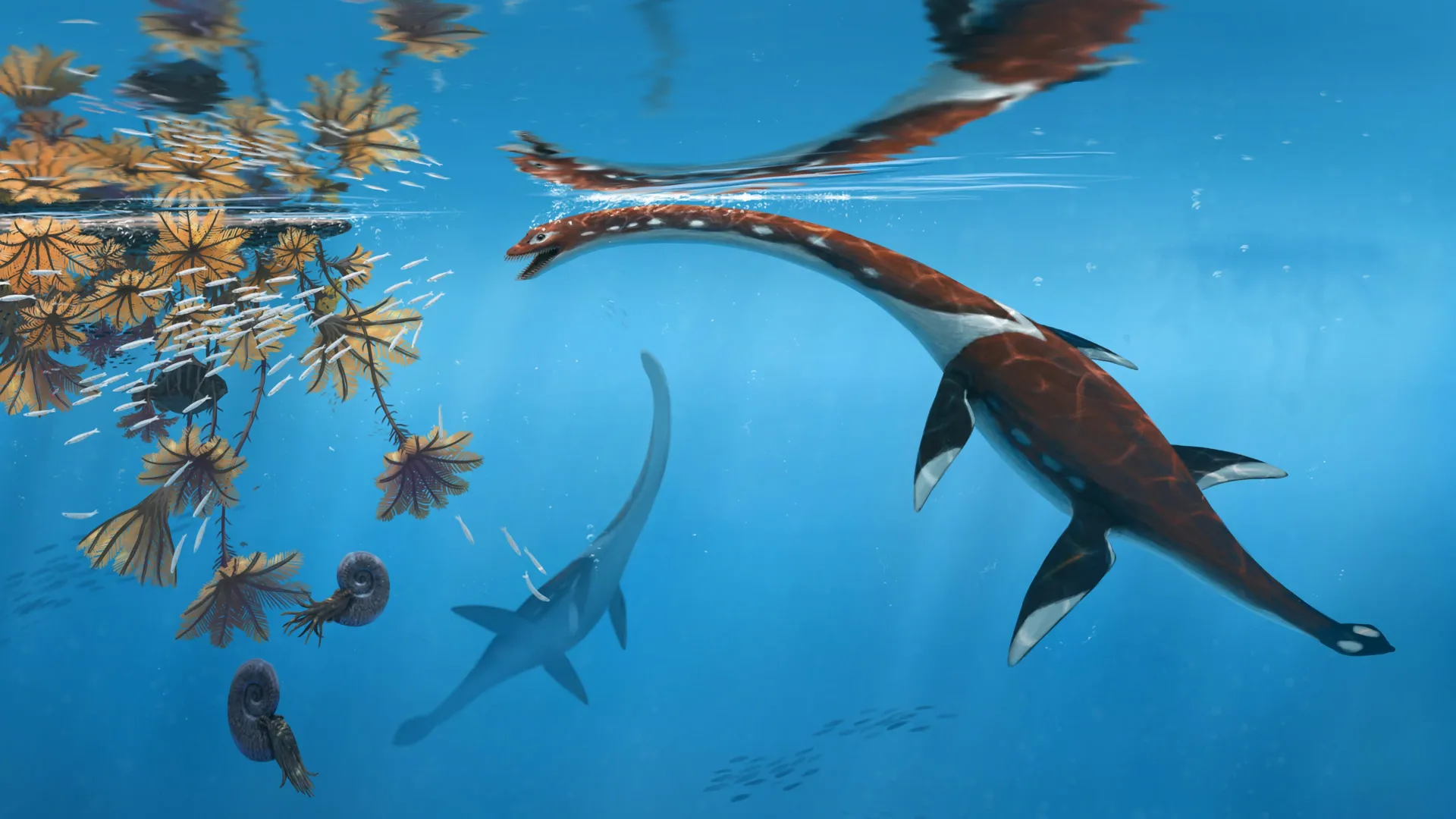
Paleontologists have identified a new species of ancient marine reptile from Germany’s world-renowned Posidonia Shale fossil beds, expanding our understanding of prehistoric ocean ecosystems that existed nearly 183 million years ago. The newly classified species, named Plesionectes longicollum (“long-necked near-swimmer”), represents a previously unknown type of plesiosauroid — the group…

This star survived its own supernova and shined even brighter

Rich with detail, the spiral galaxy NGC 1309 shines in this NASA/ESA Hubble Space Telescope Picture of the Week. NGC 1309 is situated about 100 million light-years away in the constellation Eridanus. This stunning Hubble image encompasses NGC 1309’s bluish stars, dark brown gas clouds and pearly white centre, as…