What happens when light smashes into itself? Scientists just found out

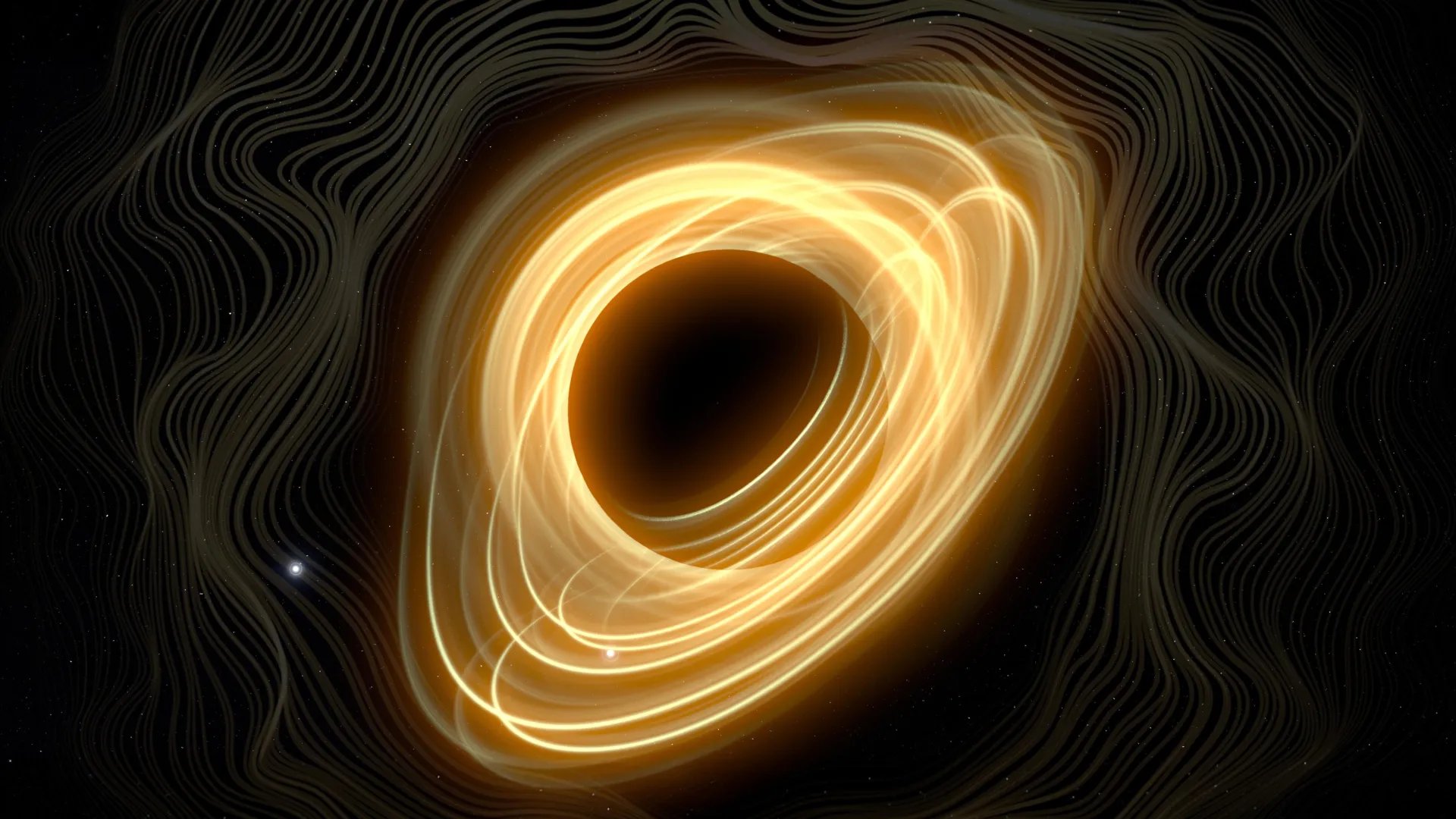
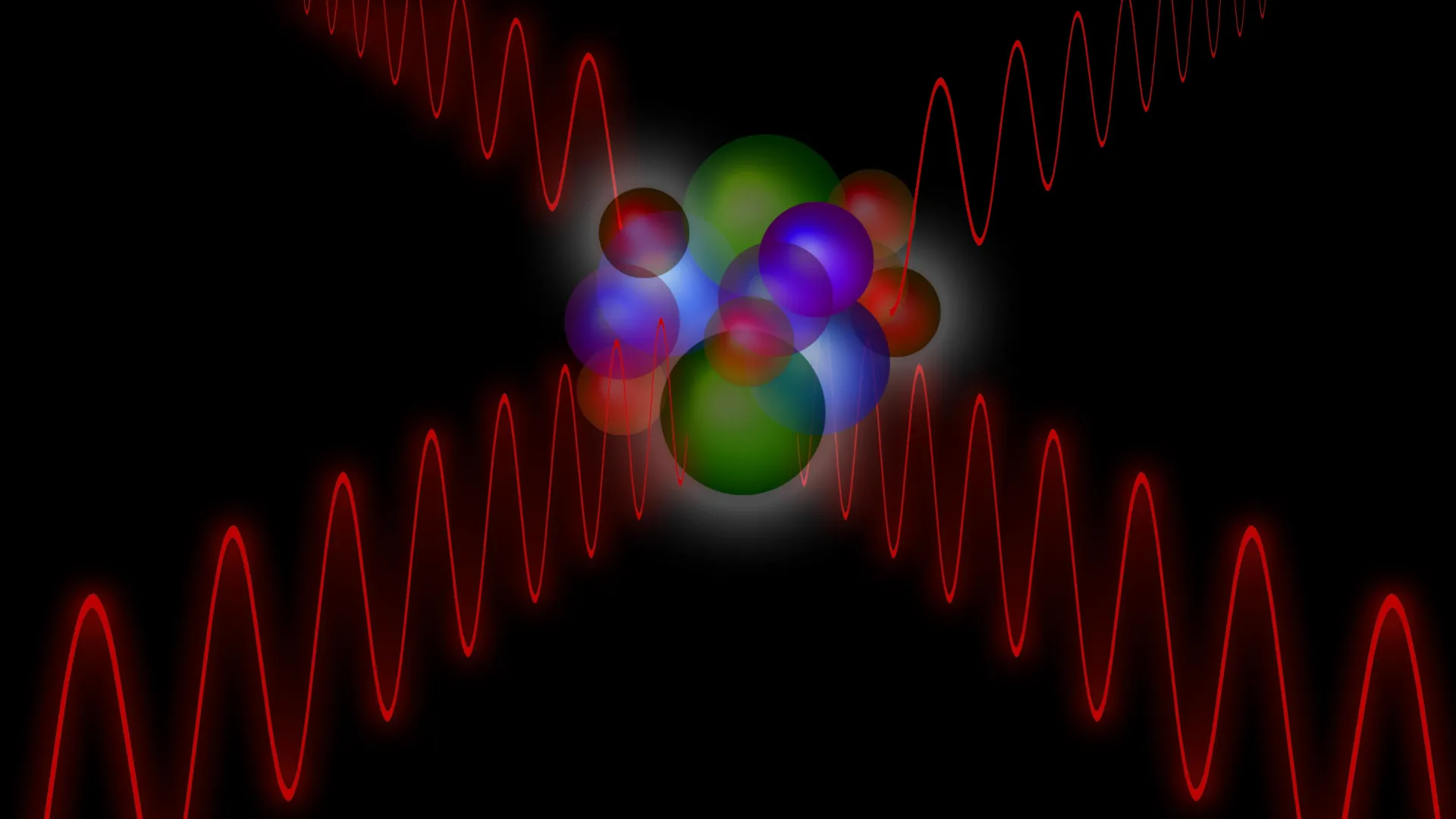
Usually, light waves can pass through each other without any resistance. According to the laws of electrodynamics, two light beams can exist in the same place without influencing each other; they simply overlap. Light saber battles, as seen in science fiction films, would therefore be rather boring in reality. Nevertheless,…


Scientists just solved the 9-million-year mystery of where potatoes came from

An international research team has uncovered that natural interbreeding in the wild between tomato plants and potato-like species from South America about 9 million years ago gave rise to the modern-day potato. In a study publishing in the Cell Press journal Cell, researchers suggest this ancient evolutionary event triggered the…

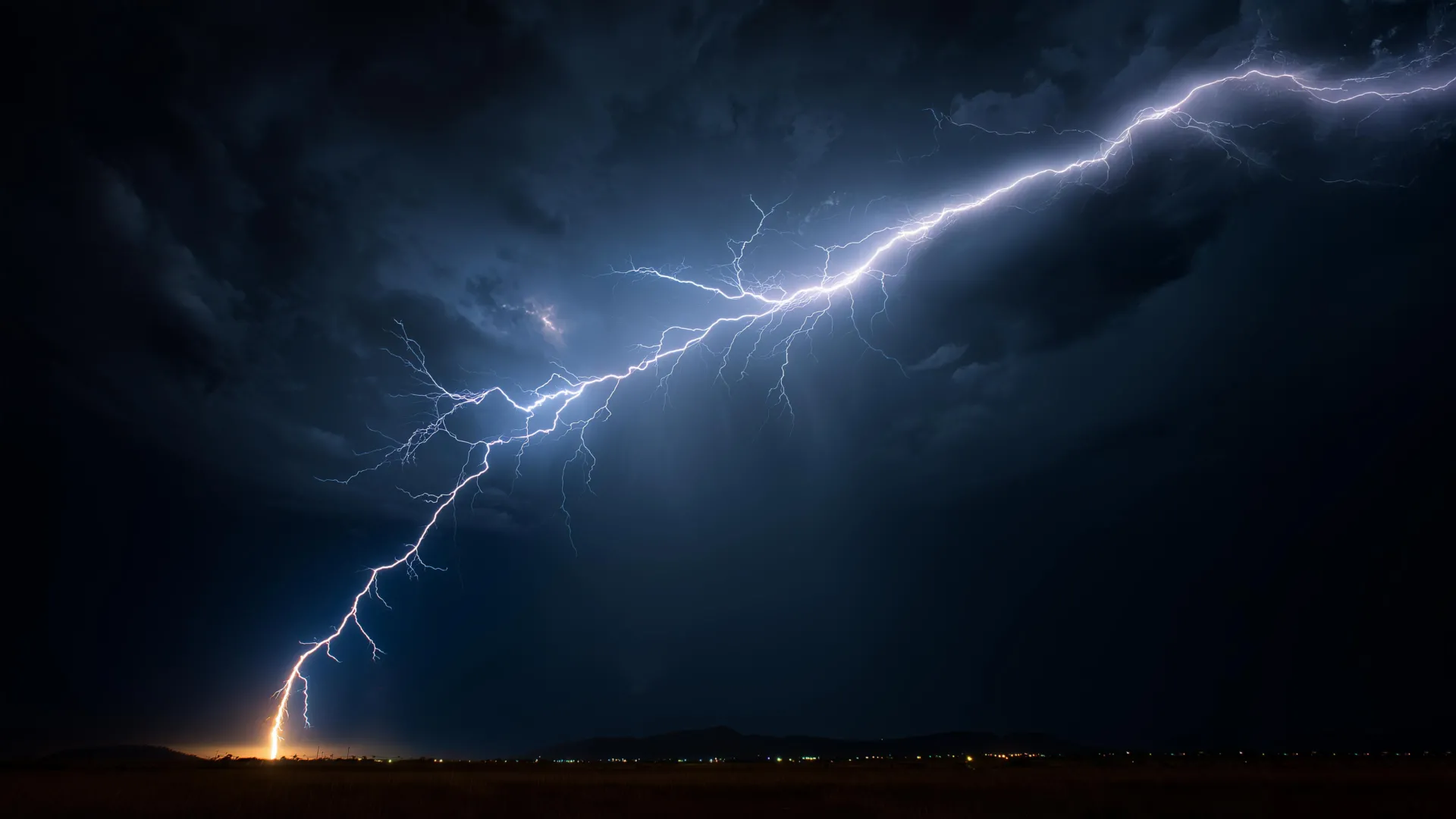
Scientists finally solve the mystery of what triggers lightning

Though scientists have long understood how lightning strikes, the precise atmospheric events that trigger it within thunderclouds remained a perplexing mystery. The mystery may be solved, thanks to a team of researchers led by Victor Pasko, professor of electrical engineering in the Penn State School of Electrical Engineering and Computer…

515-mile lightning flash caught from space

It was a single lightning flash that streaked across the Great Plains for 515 miles, from eastern Texas nearly all the way to Kansas City, setting a new world record. “We call it megaflash lightning and we’re just now figuring out the mechanics of how and why it occurs,” said…

Rutgers physicists just discovered a strange new state of matter

Scientists have discovered a new way that matter can exist – one that is different from the usual states of solid, liquid, gas or plasma – at the interface of two exotic, materials made into a sandwich. The new quantum state, called quantum liquid crystal, appears to follow its own…

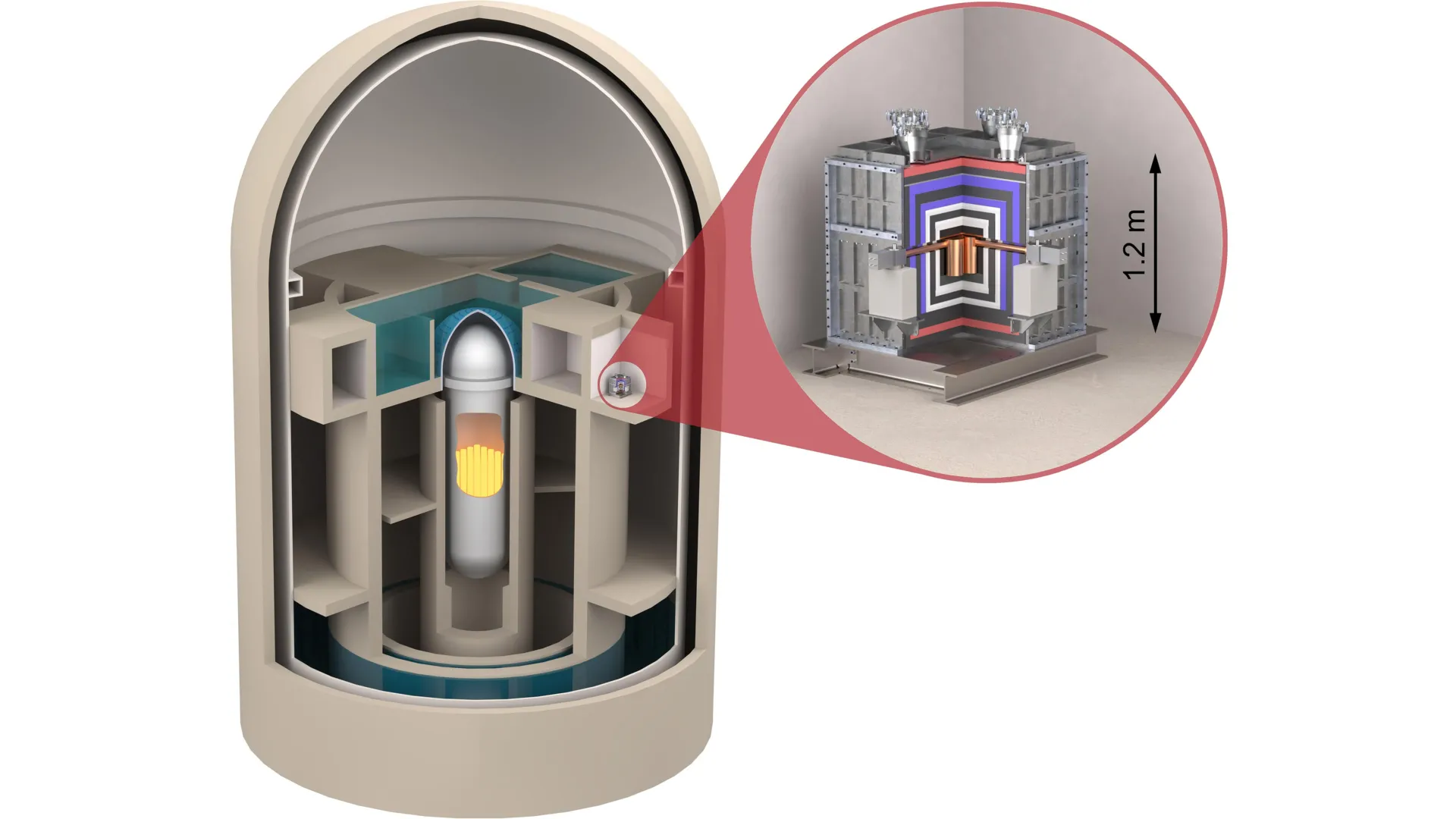
After 50 years, scientists finally catch elusive neutrinos near a reactor

Neutrinos are extremely elusive elementary particles. Day and night, 60 billion of them stream from the Sun through every square centimeter of the Earth every second, which is transparent to them. After the first theoretical prediction of their existence, decades passed before they were actually detected. These experiments are usually…

Found in the trash: A super opioid 1000x stronger than morphine

A synthetic opioid 1000 times more potent than morphine is infiltrating the street drug trade in Adelaide, Australia, sparking fears of a wave of overdoses that could be lethal. In the first study of its kind in South Australia, University of South Australia researchers have detected traces of nitazene in…

4,000-year-old teeth reveal the earliest human high — Hidden in plaque

In south-east Asia, betel nut chewing has been practiced since antiquity. The plants contain compounds that enhance the consumer’s alertness, energy, euphoria, and relaxation. Although the practice is becoming less common in modern times, it has been deeply embedded in social and cultural traditions for thousands of years. Chewing betel…

Black holes don’t just swallow light, they sing. And we just learned the tune

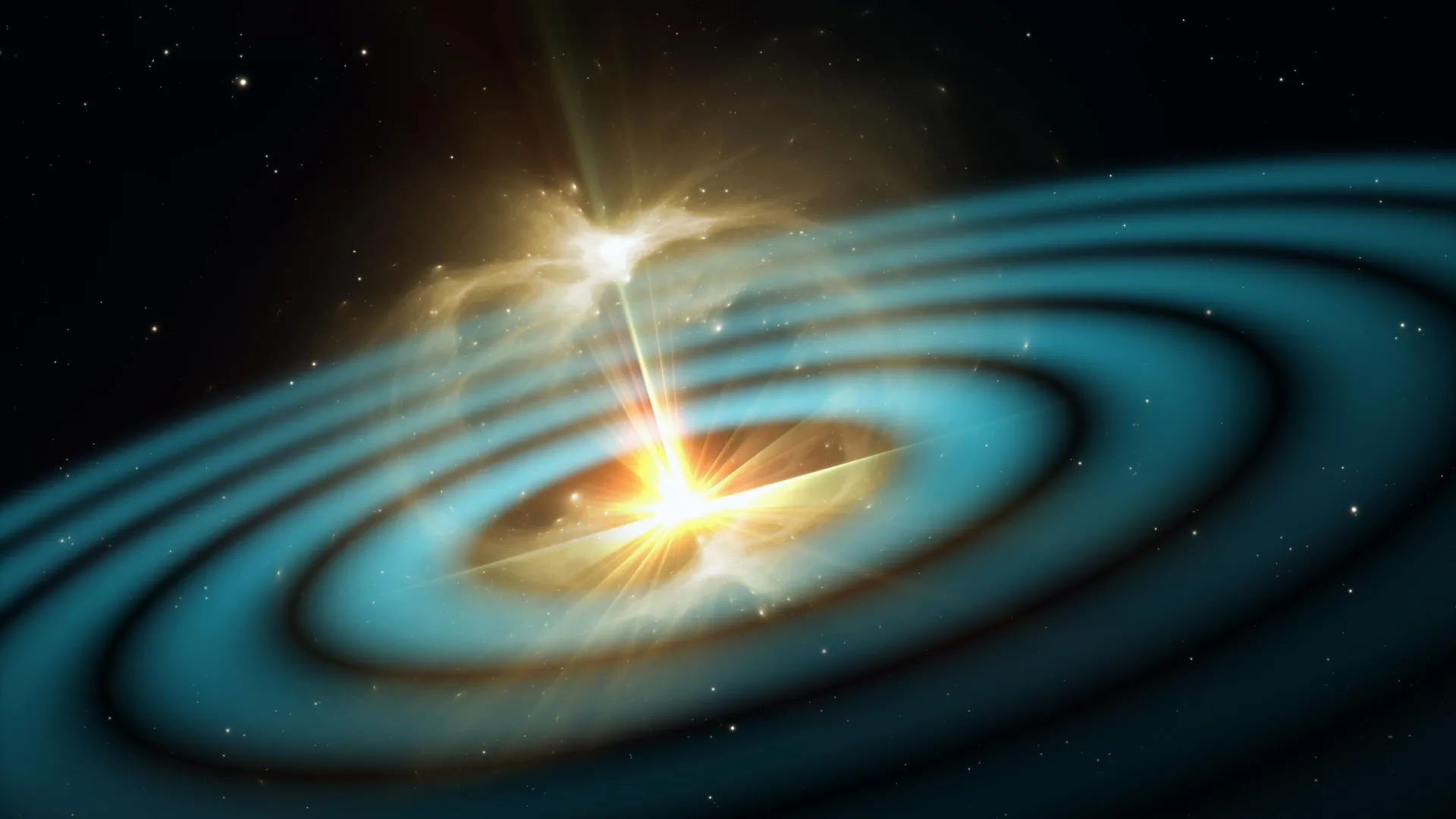
Black holes embody the ultimate abyss. They are the most powerful sources of gravity in the universe, capable of dramatically distorting space and time around them. When disturbed, they begin to “ring” in a distinctive pattern known as quasinormal modes: ripples in space-time that produce detectable gravitational waves. In events…

Forget the Big Bang: Gravitational waves may have really created the Universe

A team of scientists led by expert Raúl Jiménez, ICREA researcher at the University of Barcelona’s Institute of Cosmos Sciences (ICCUB), in collaboration with the University of Padua (Italy), has presented a revolutionary theory about the origins of the Universe. The study, published in the journal Physical Review Research, introduces…

Reversing Alzheimer's damage: Two cancer drugs demonstrate surprising power

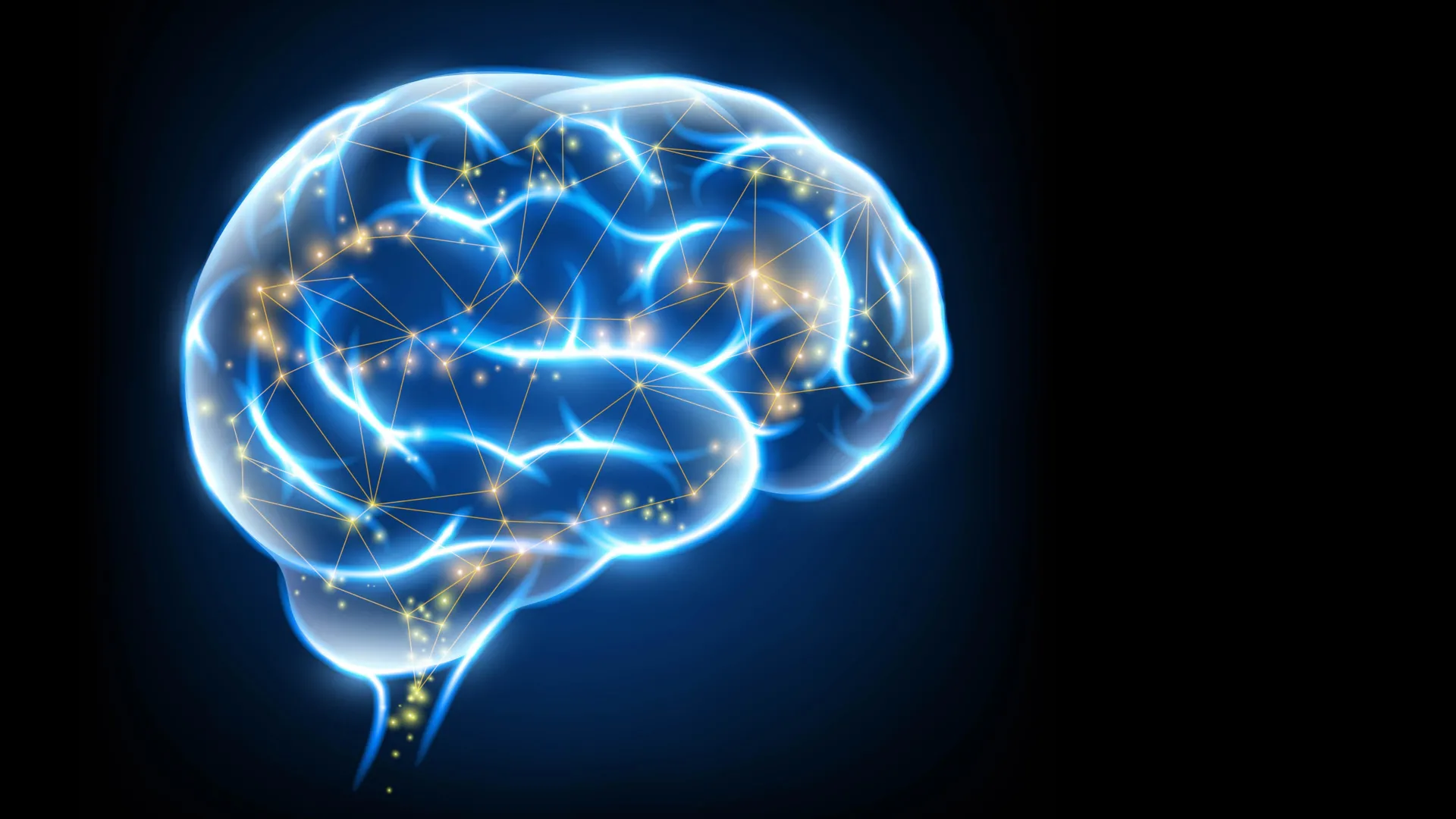
Scientists at UC San Francisco and Gladstone Institutes have identified cancer drugs that promise to reverse the changes that occur in the brain during Alzheimer’s, potentially slowing or even reversing its symptoms. The study first analyzed how Alzheimer’s disease altered gene expression in single cells in the human brain. Then,…

Fat melts away—but so does muscle: What Ozempic users need to know

Popular GLP-1 drugs help many people drop tremendous amounts of weight, but the drugs fail to provide a key improvement in heart and lung function essential for long-term good health, University of Virginia experts warn in a new paper. The researchers emphasize that weight loss associated with GLP-1 drugs has…

Max-dose statins save lives—here’s why doctors are starting strong

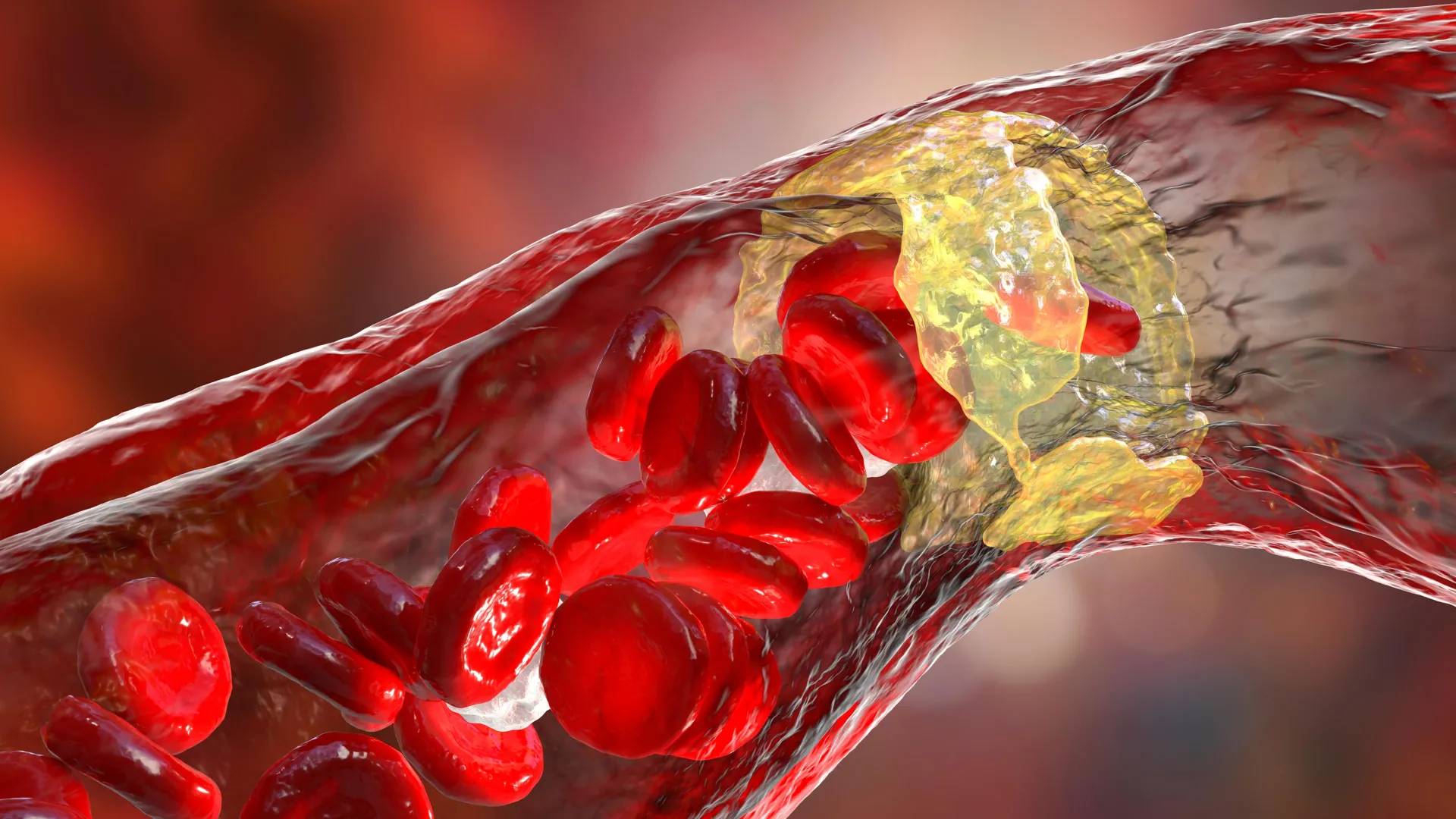
There is broad consensus that the overall body of evidence shows lowering LDL (low-density lipoprotein) cholesterol provides both statistically significant and clinically meaningful benefits in treating and preventing cardiovascular disease. Often referred to as the “bad” cholesterol, elevated levels of LDL can clog arteries and significantly increase the risk of…

Why cold feels good: Scientists uncover the chill pathway

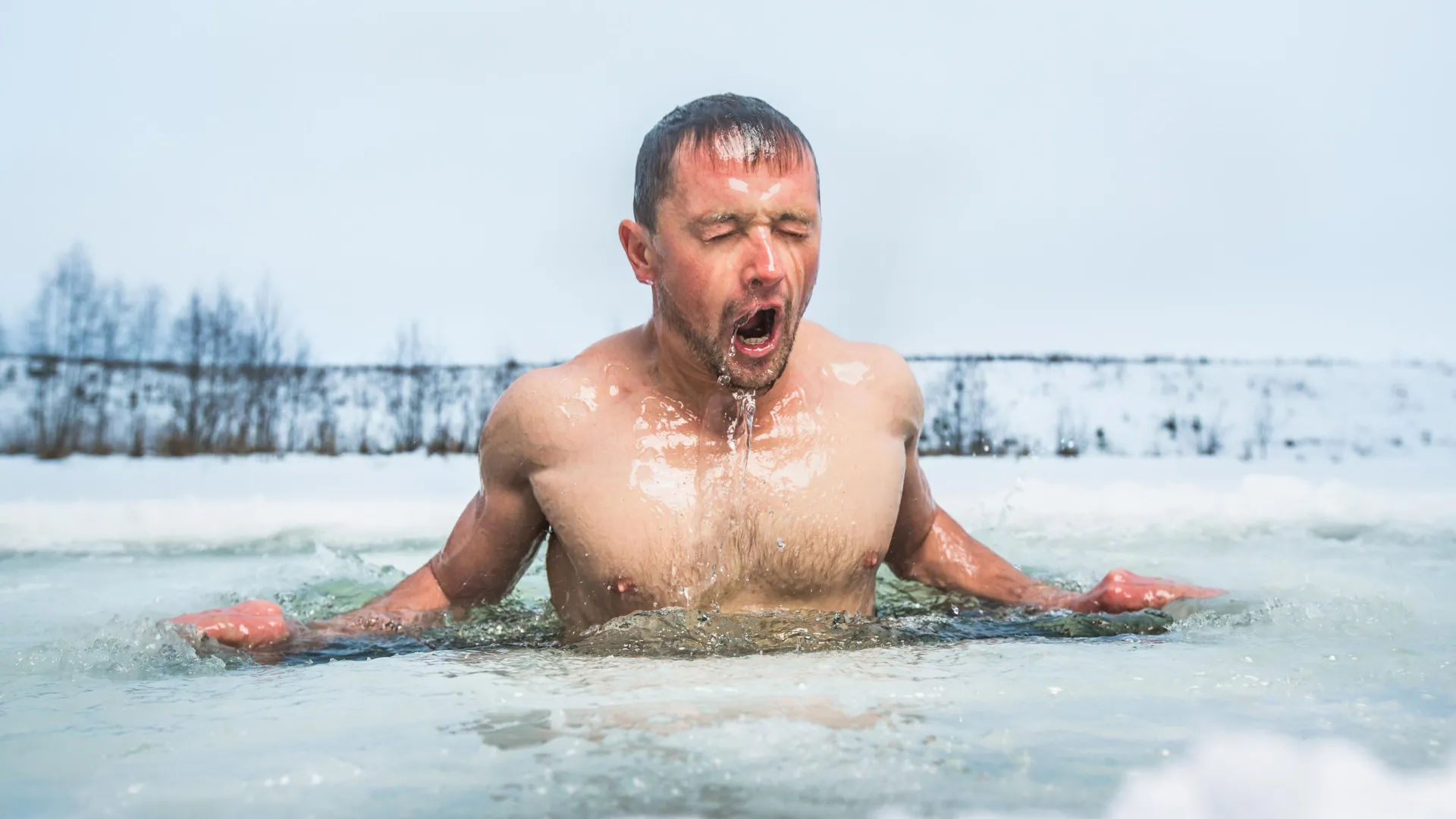
Researchers at the University of Michigan have illuminated a complete sensory pathway showing how the skin communicates the temperature of its surroundings to the brain. This discovery, believed to be the first of its kind, reveals that cool temperatures get their own pathway, indicating that evolution has created different circuits…

The 0.05% RNA Process That Makes Cancer Self-Destruct

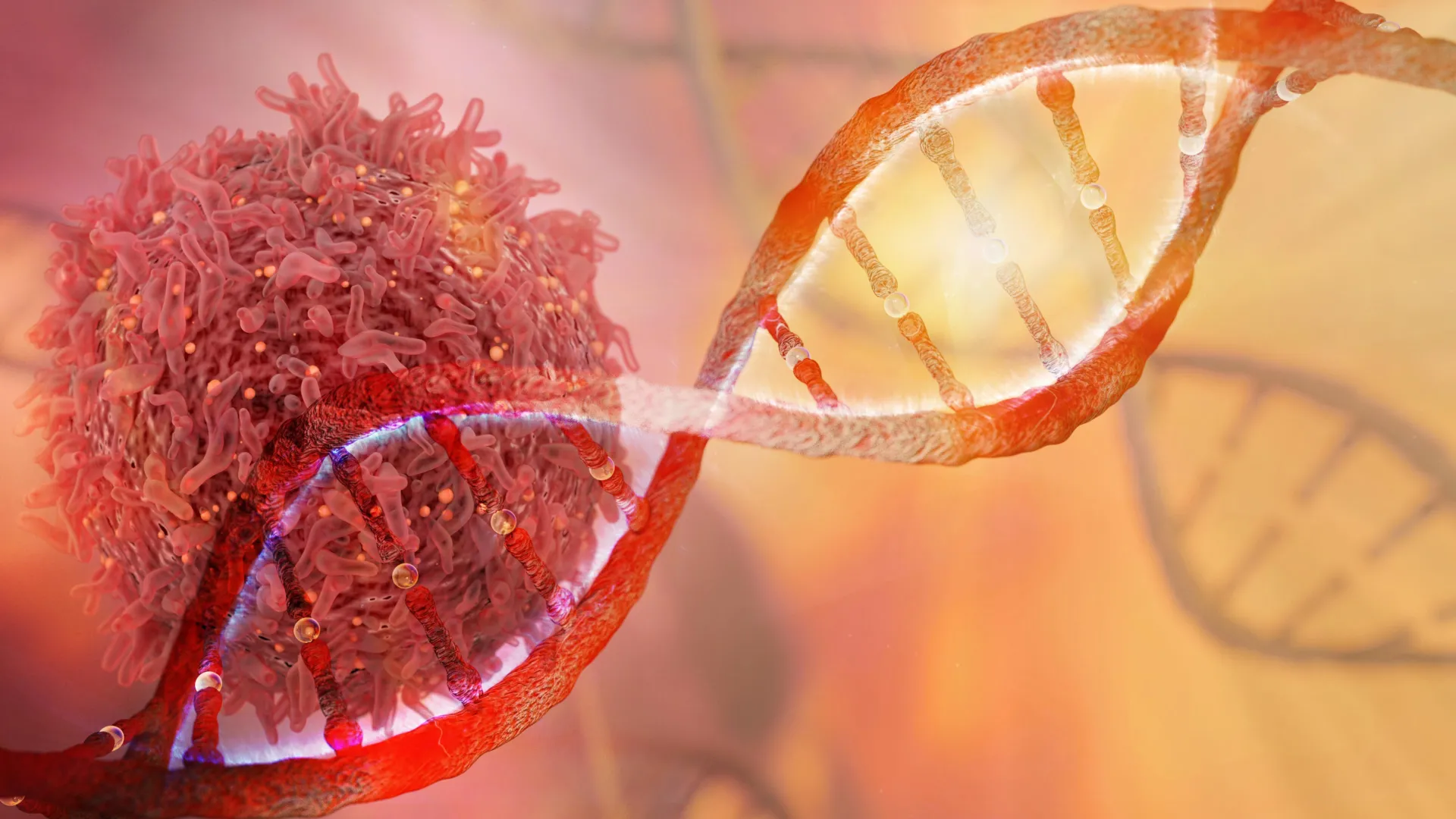
Australian researchers have discovered a promising new strategy to suppress the growth of aggressive and hard-to-treat cancers by targeting a specialized molecular process known as ‘minor splicing’. Published in EMBO Reports, the study shows that blocking minor splicing can markedly slow tumor growth in liver, lung and stomach cancers, while…

How AI is supercharging plant immunity to fight deadly bacteria

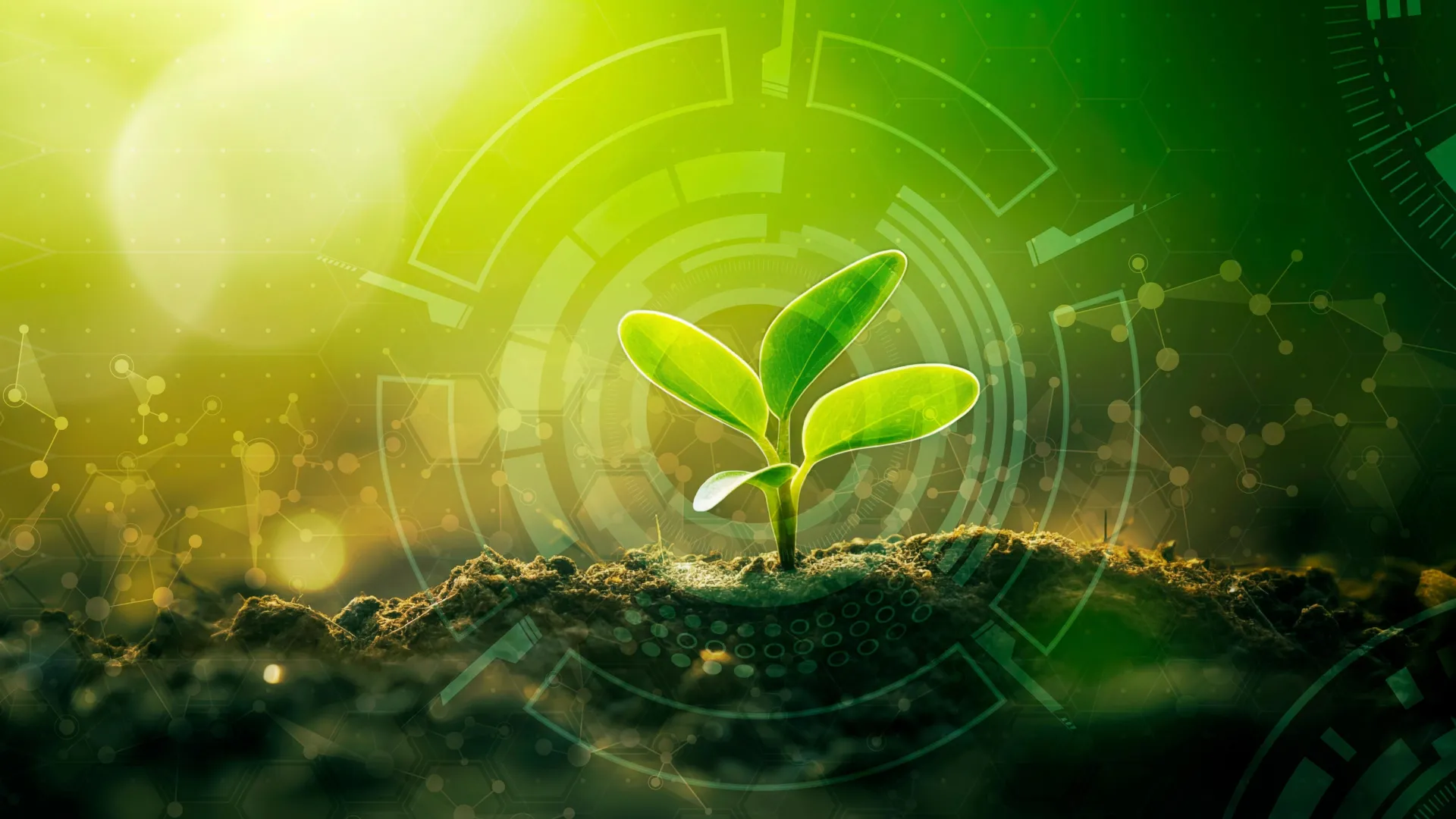
Scientists at the University of California, Davis, used artificial intelligence to help plants recognize a wider range of bacterial threats — which may lead to new ways to protect crops like tomatoes and potatoes from devastating diseases. The study was published in Nature Plants. Plants, like animals, have immune systems.…

The pandemic’s secret aftershock: Inside the gut-brain breakdown

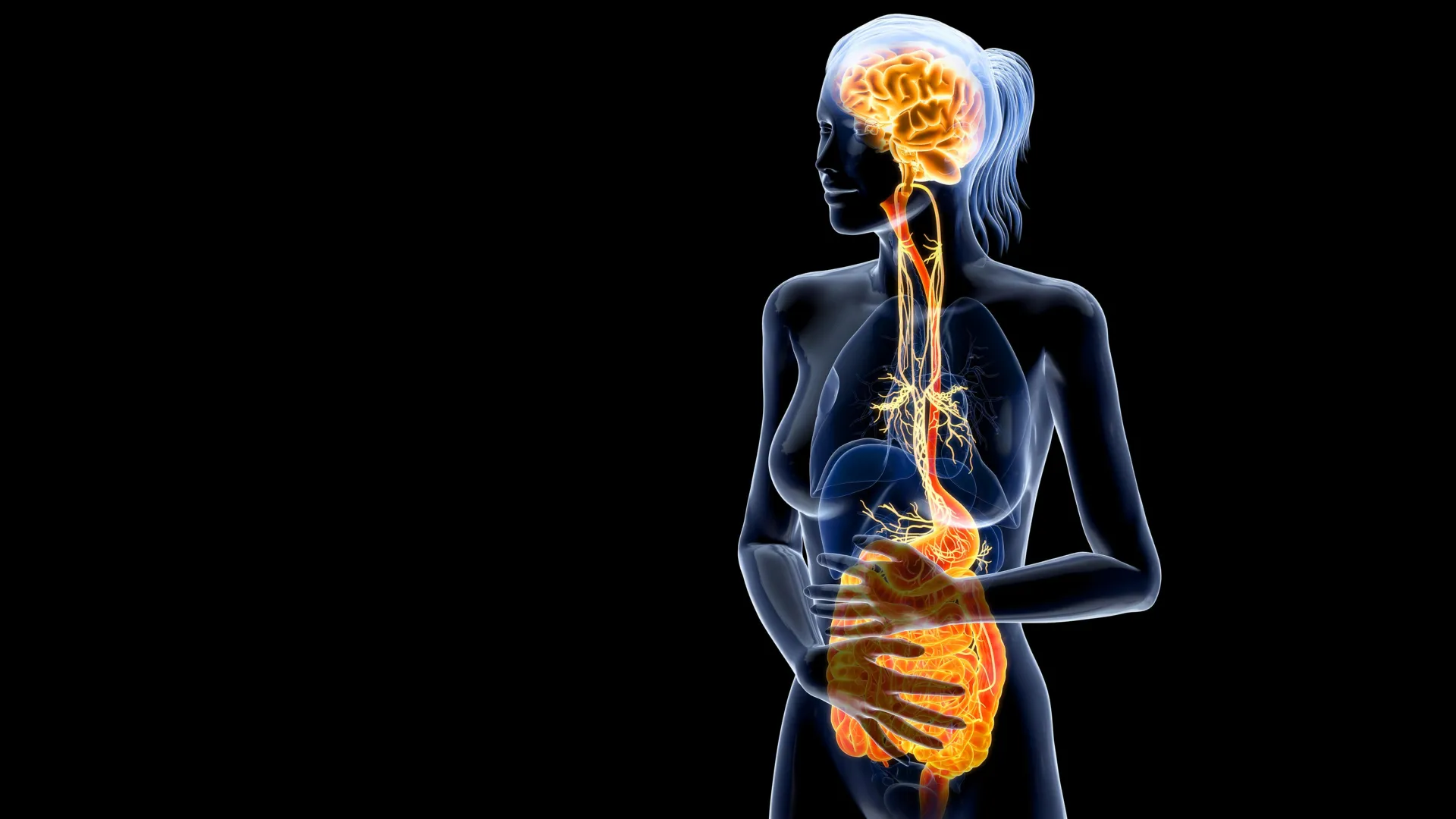
A new international study confirmed a significant post-pandemic rise in disorders of gut-brain interaction, including irritable bowel syndrome (IBS) and functional dyspepsia, according to the paper published in Clinical Gastroenterology and Hepatology. Building on prior research, investigators used Rome Foundation diagnostic tools to analyze nationally representative samples from both 2017…

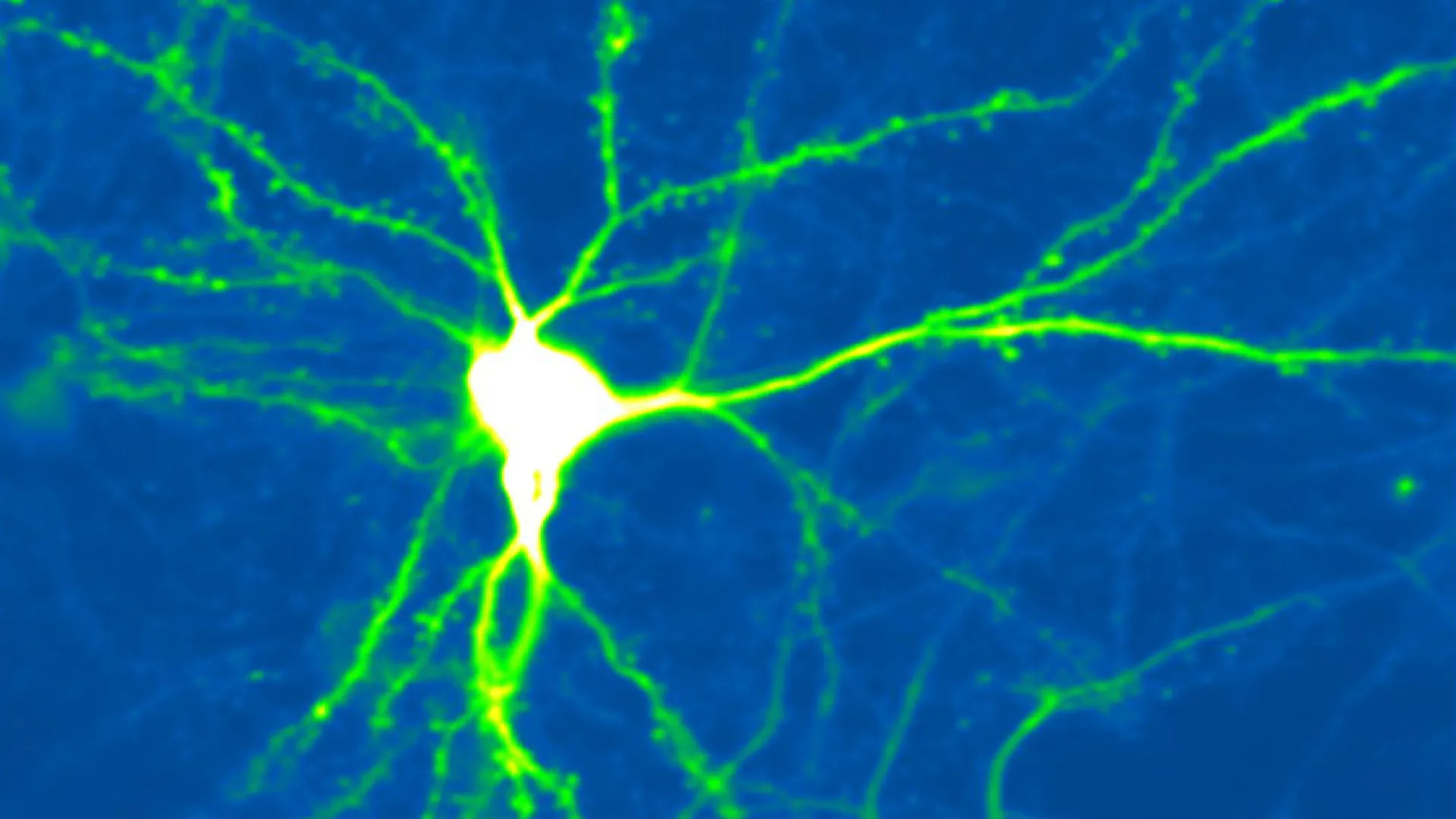
This brain circuit may explain fluctuating sensations—and autism

The cerebral cortex processes sensory information via a complex network of neural connections. How are these signals modulated to refine perception? A team from the University of Geneva (UNIGE) has identified a mechanism by which certain thalamic projections target neurons and modify their excitability. This work, published in Nature Communications,…

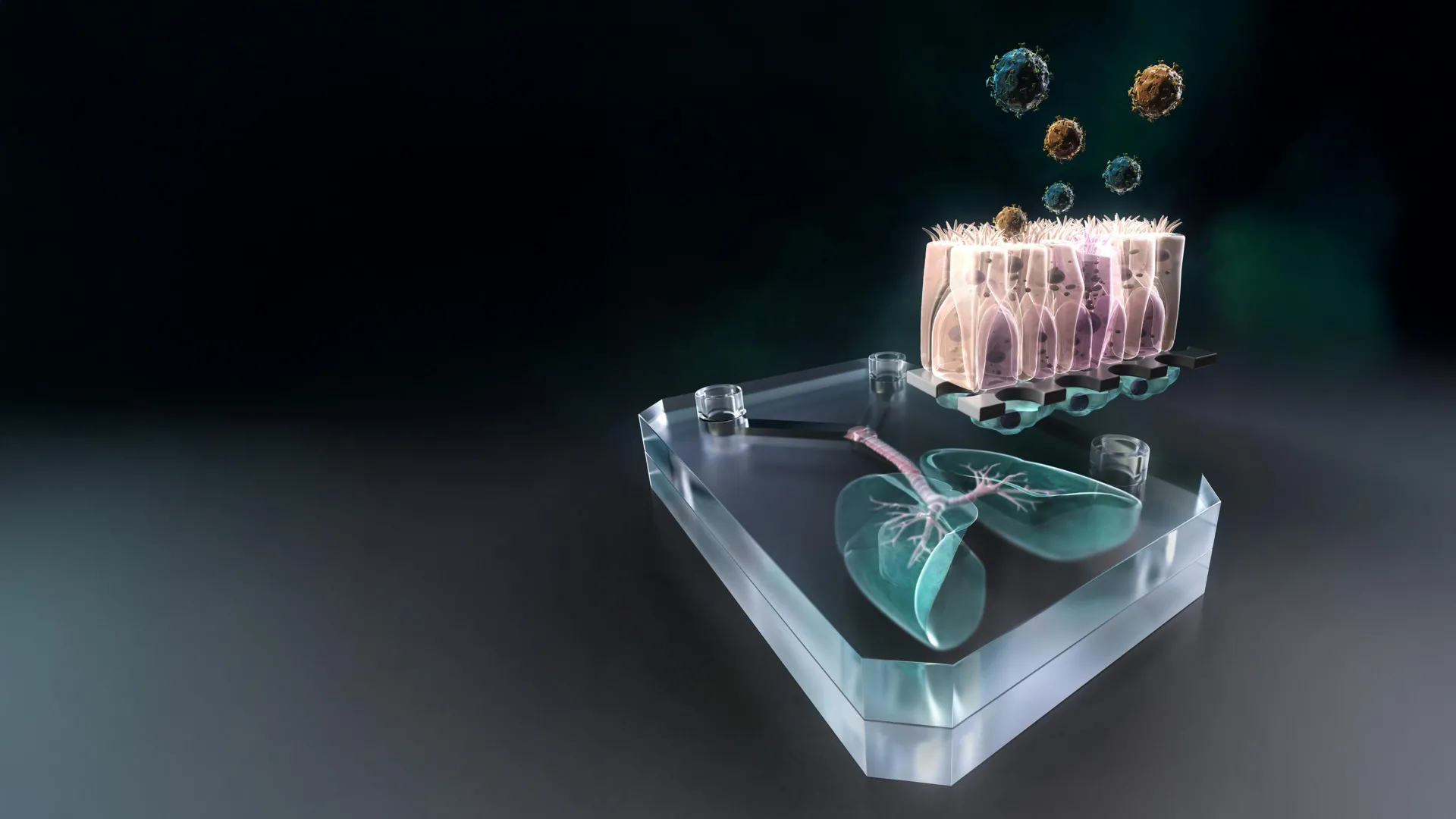
This tiny lung-on-a-chip could predict—and fight—the next pandemic

Respiratory infections such as COVID-19 have been responsible for numerous pandemics and have placed a substantial burden on healthcare systems. Such viruses can cause significant damage to our lungs, especially to the proximal region, or airway, and distal region, also known as the alveoli. The responses of different lung regions…

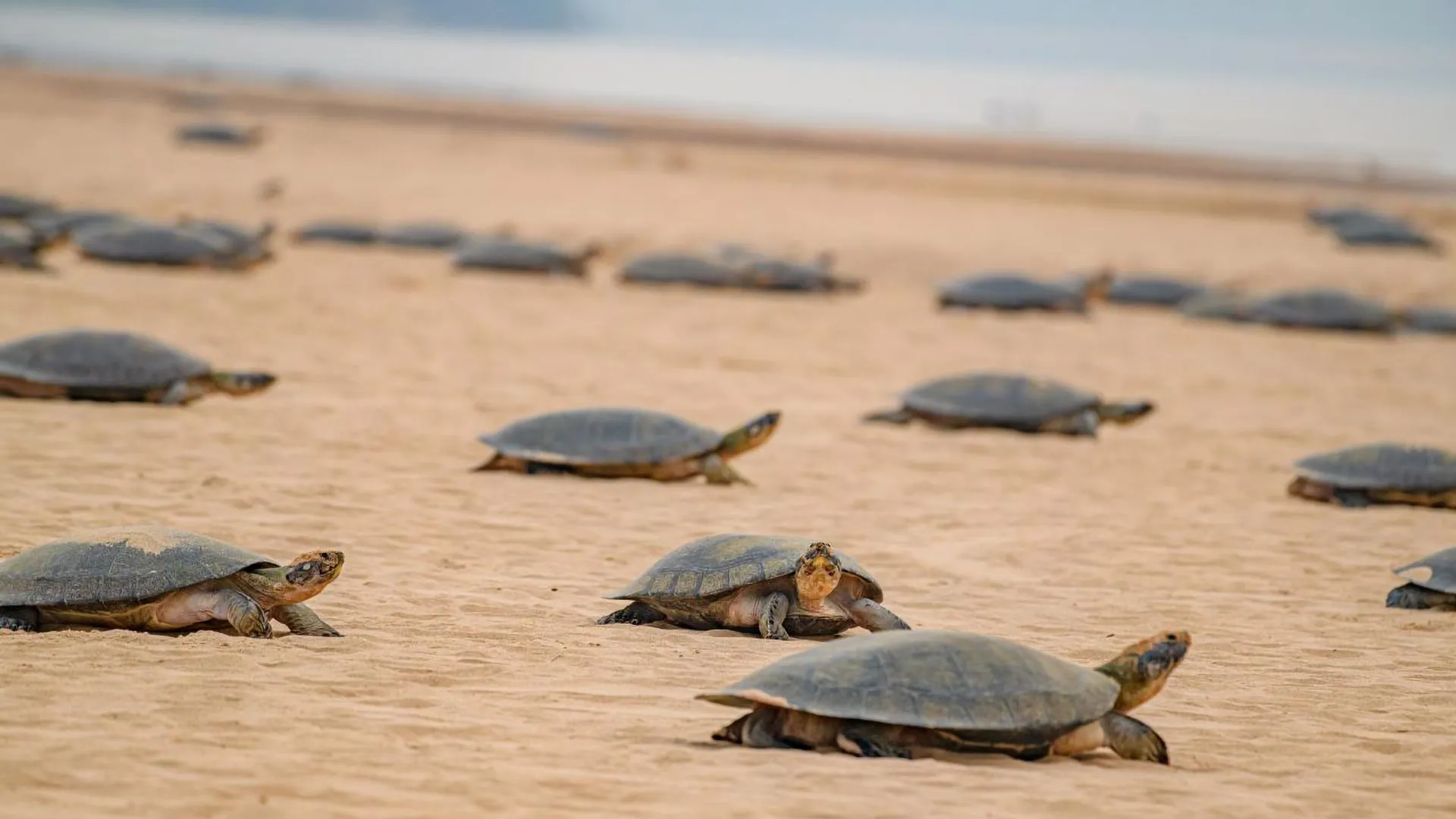
Drones reveal 41,000-turtle nesting mega-site hidden in the Amazon

A University of Florida research team has developed a more accurate way to count wildlife using drones — an innovation that helped confirm the world’s largest known nesting site for a threatened turtle species. By combining aerial imagery with statistical modeling, the researchers documented more than 41,000 Giant South American…

Your sleep schedule could be making you sick, says massive new study

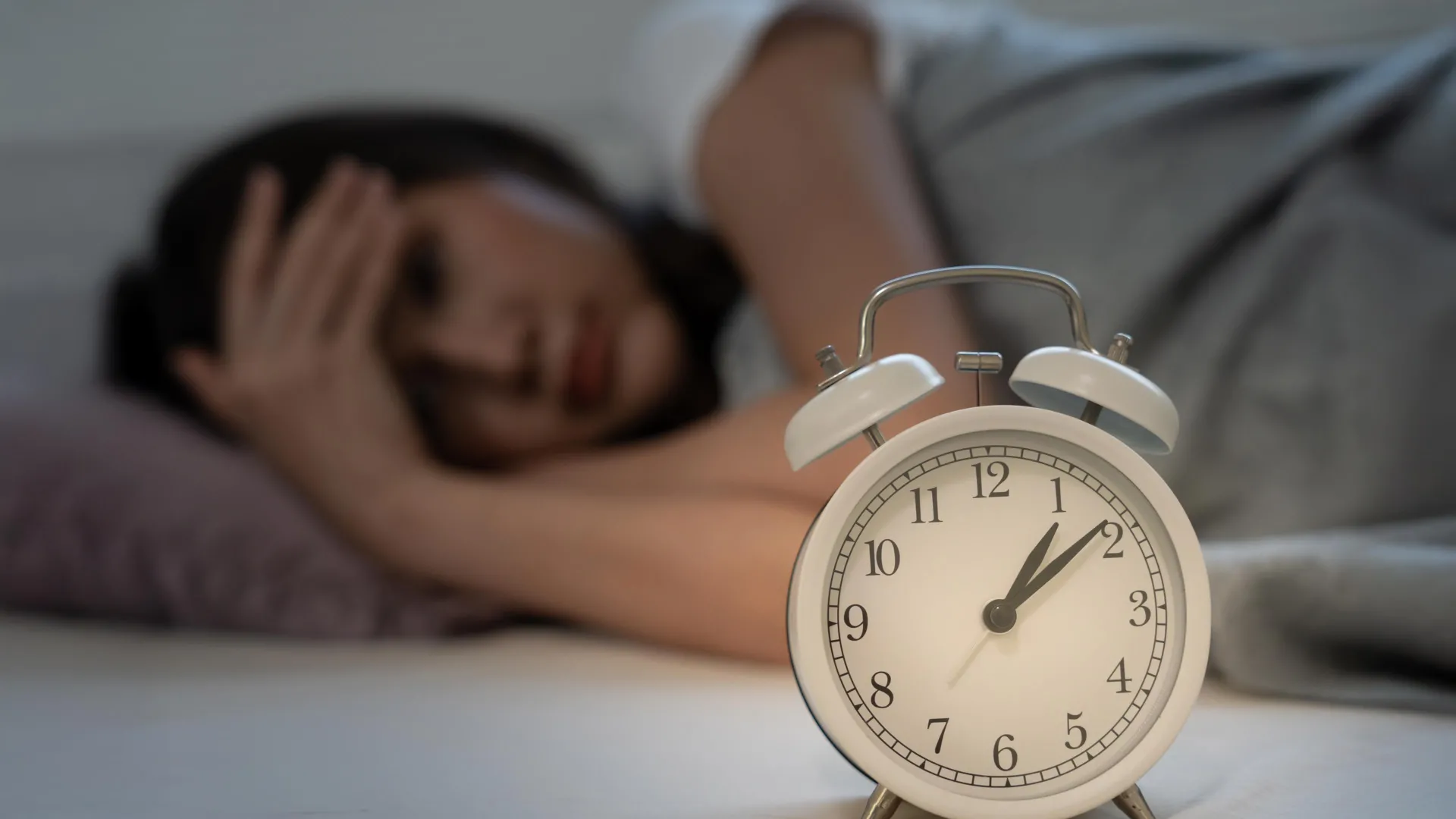
A groundbreaking international study, recently published in Health Data Science, analyzed objective sleep data from 88,461 adults in the UK Biobank and found significant associations between sleep traits and 172 diseases. The research, led by teams from Peking University and Army Medical University, highlights sleep regularity — such as bedtime…

400-million-year-old fish exposes big mistake in how we understood evolution

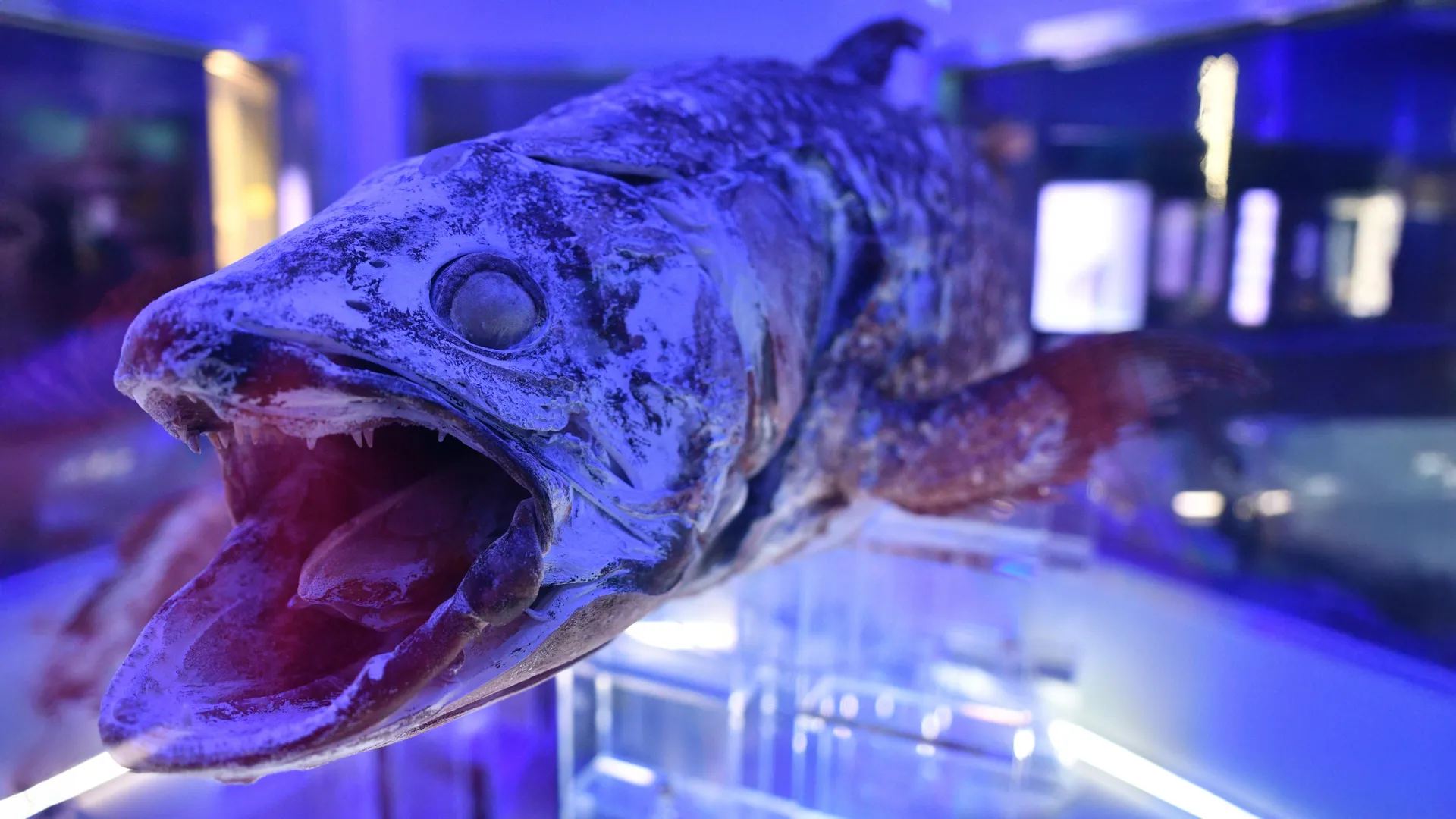
The coelacanth is known as a “living fossil” because its anatomy has changed little in the last 65 million years. Despite being one of the most studied fish in history, it continues to reveal new information that could transform our understanding of vertebrate evolution. This is revealed in a study…

Clockwork from scratch: How scientists made timekeeping cells

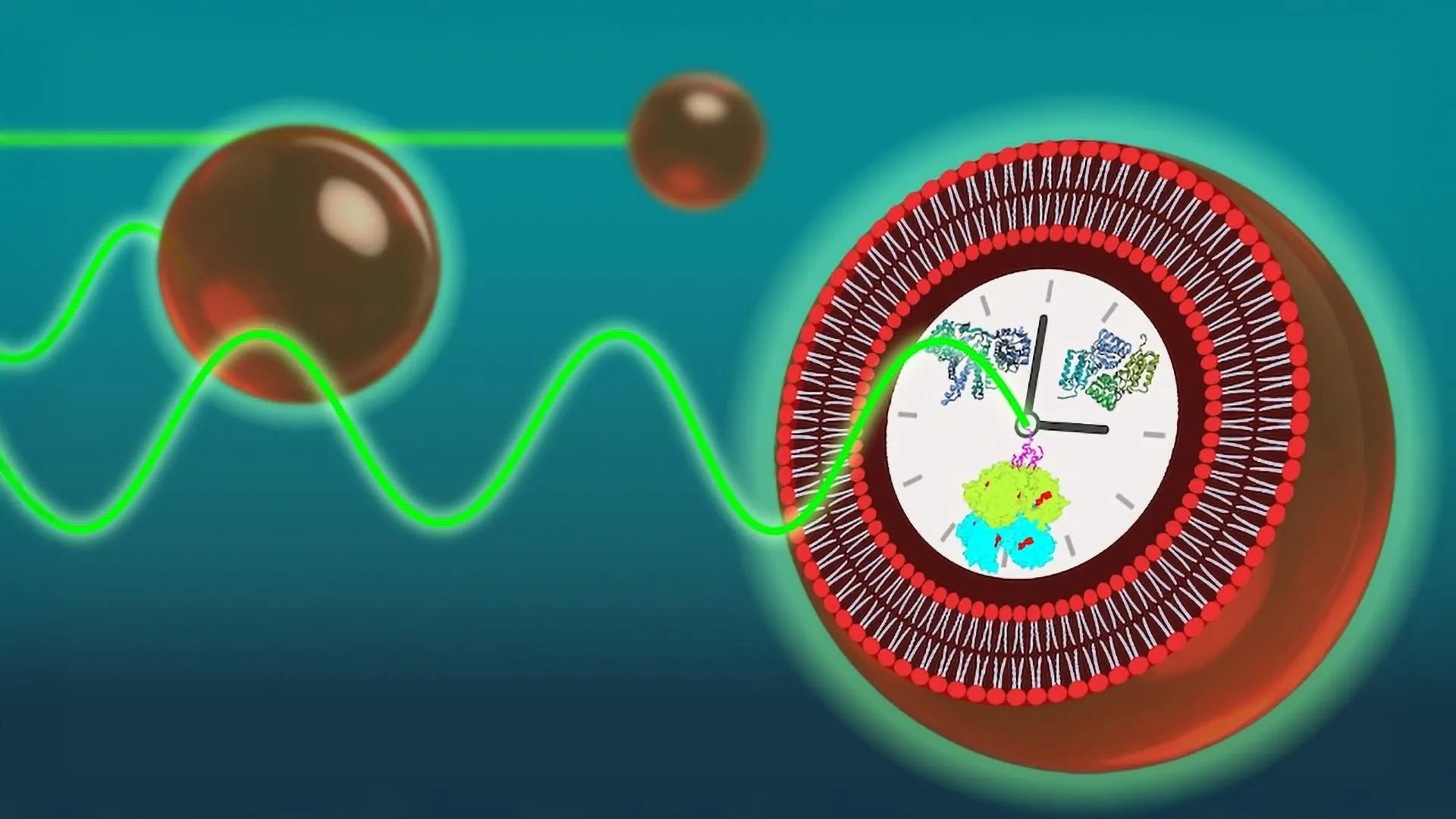
A team of UC Merced researchers has shown that tiny artificial cells can accurately keep time, mimicking the daily rhythms found in living organisms. Their findings shed light on how biological clocks stay on schedule despite the inherent molecular noise inside cells. The study, recently published in Nature Communications, was…

Building electronics that don’t die: Columbia's breakthrough at CERN

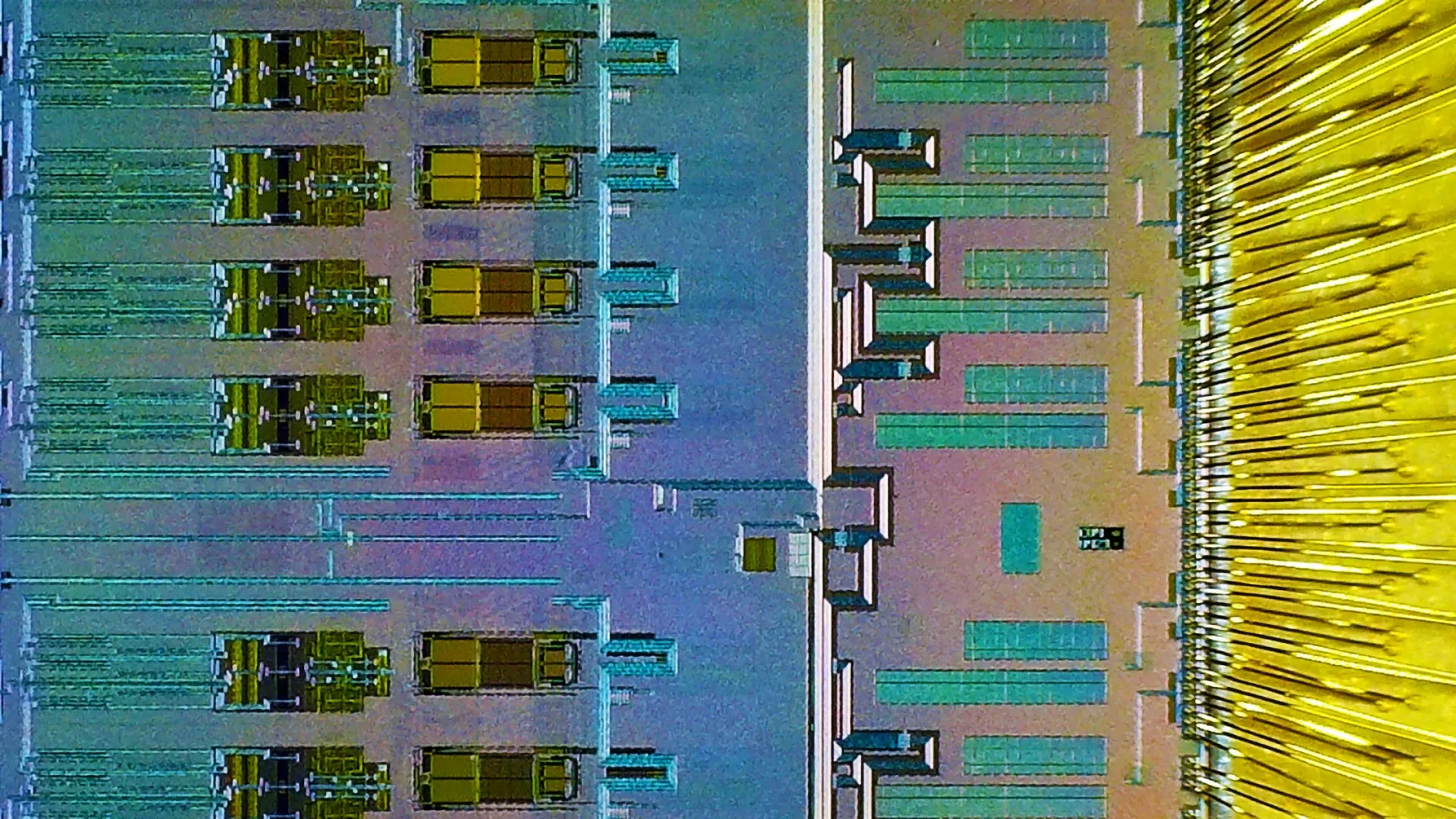
The Large Hadron Collider (LHC) is tough on electronics. Situated inside a 17-mile-long tunnel that runs in a circle under the border between Switzerland and France, this massive scientific instrument accelerates particles close to the speed of light before smashing them together. The collisions yield tiny maelstroms of particles and…

Digital twins are reinventing clean energy — but there’s a catch

As the world grapples with the urgent need to reduce carbon emissions and combat climate change, researchers at the University of Sharjah are turning to a cutting-edge technology that could reshape the future of energy: AI-powered digital twins. According to the researchers, these digital replicas of the physical world have…

This spectrometer is smaller than a pixel, and it sees what we can’t

Researchers have successfully demonstrated a spectrometer that is orders of magnitude smaller than current technologies and can accurately measure wavelengths of light from ultraviolet to the near-infrared. The technology makes it possible to create hand-held spectroscopy devices and holds promise for the development of devices that incorporate an array of…

Walk faster, live longer: How just 15 minutes a day can boost lifespan

Regular walking is widely recognized for its significant benefits to overall health and well-being. Previous research has primarily focused on middle-to-high-income White populations. Now, a novel analysis using data from the Southern Community Cohort Study, involving 79,856 predominantly low-income and Black individuals across 12 southeastern US states, confirms the benefits…