Cancer cells go up in flames—thanks to this deep-sea sugar

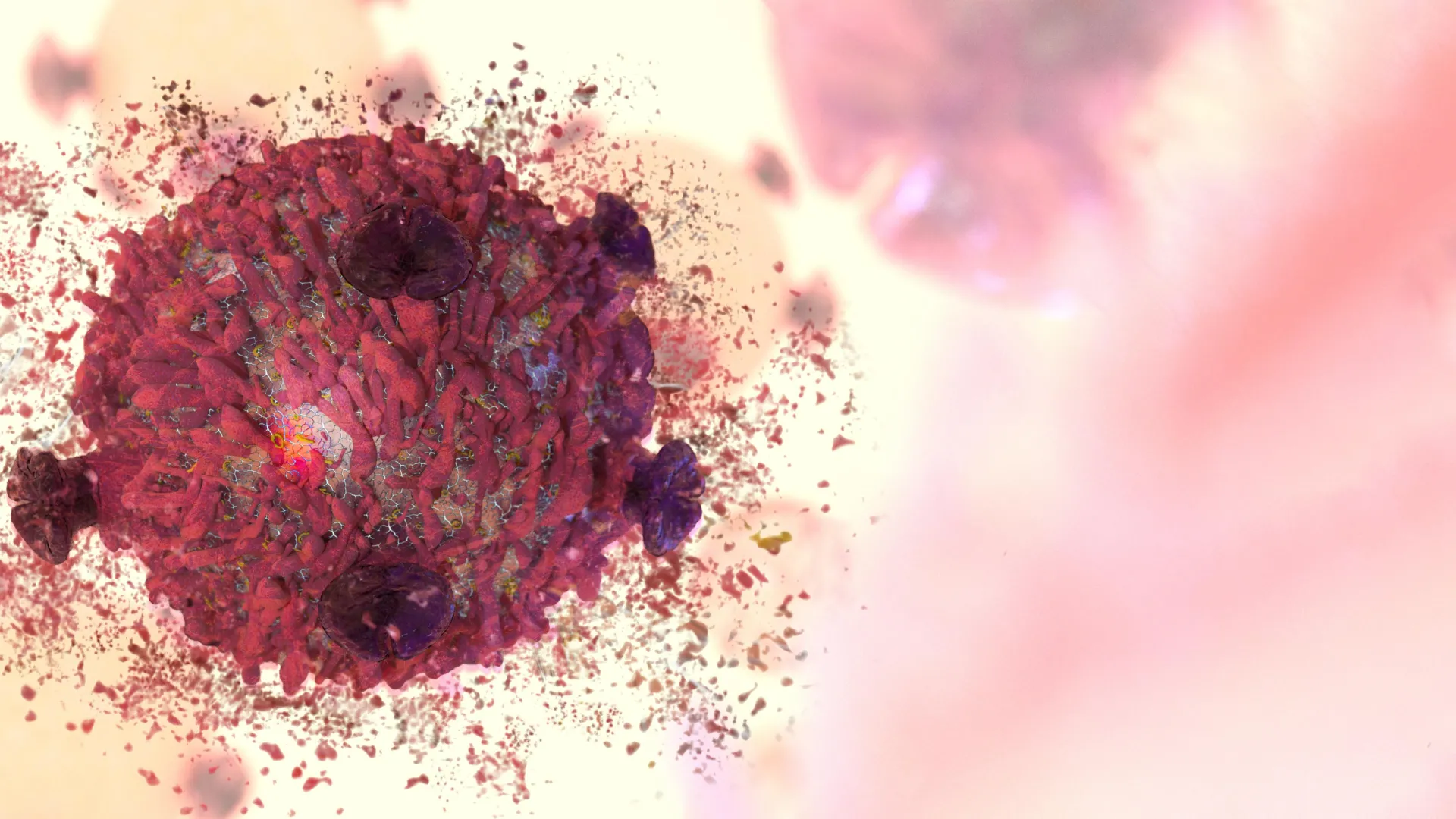
Promoting pyroptosis — an inflammatory form of programmed cell death — has become a promising treatment strategy for cancer. In research published in The FASEB Journal, investigators purified a long-chain sugar molecule, or exopolysaccharide, from deep-sea bacteria and demonstrated that it triggers pyroptosis to inhibit tumor growth. The compound, called…

The fungus that makes bread better for you

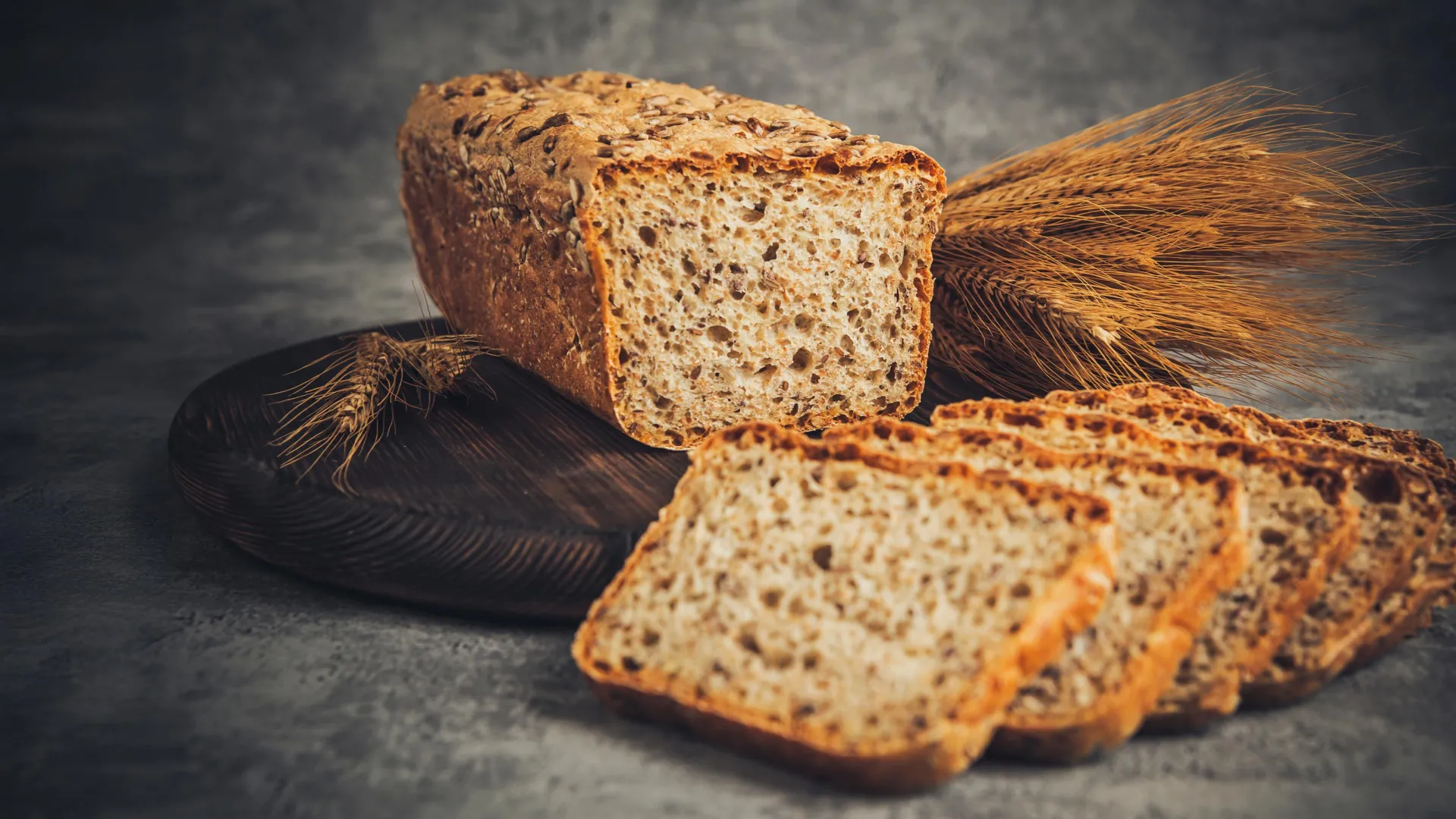
New research in Plants, People, Planet indicates that bread wheat’s micronutrient content can be increased by cultivating it with a specific type of fungus. When investigators grew different types of wheat with and without the arbuscular mycorrhizal fungus Rhizophagus irregularis, they observed that crops grown with fungi developed larger grains…

Snowless winter? Arctic field team finds flowers and meltwater instead

A new commentary published in Nature Communications by Dr James Bradley, Reader in Environmental Science at Queen Mary University of London, and his team reveals a dramatic and concerning shift in the Arctic winter. During a fieldwork campaign in Svalbard in February 2025, researchers encountered exceptionally high temperatures, widespread snowmelt,…

The sugar that sparked life: Why ribose was RNA’s first choice

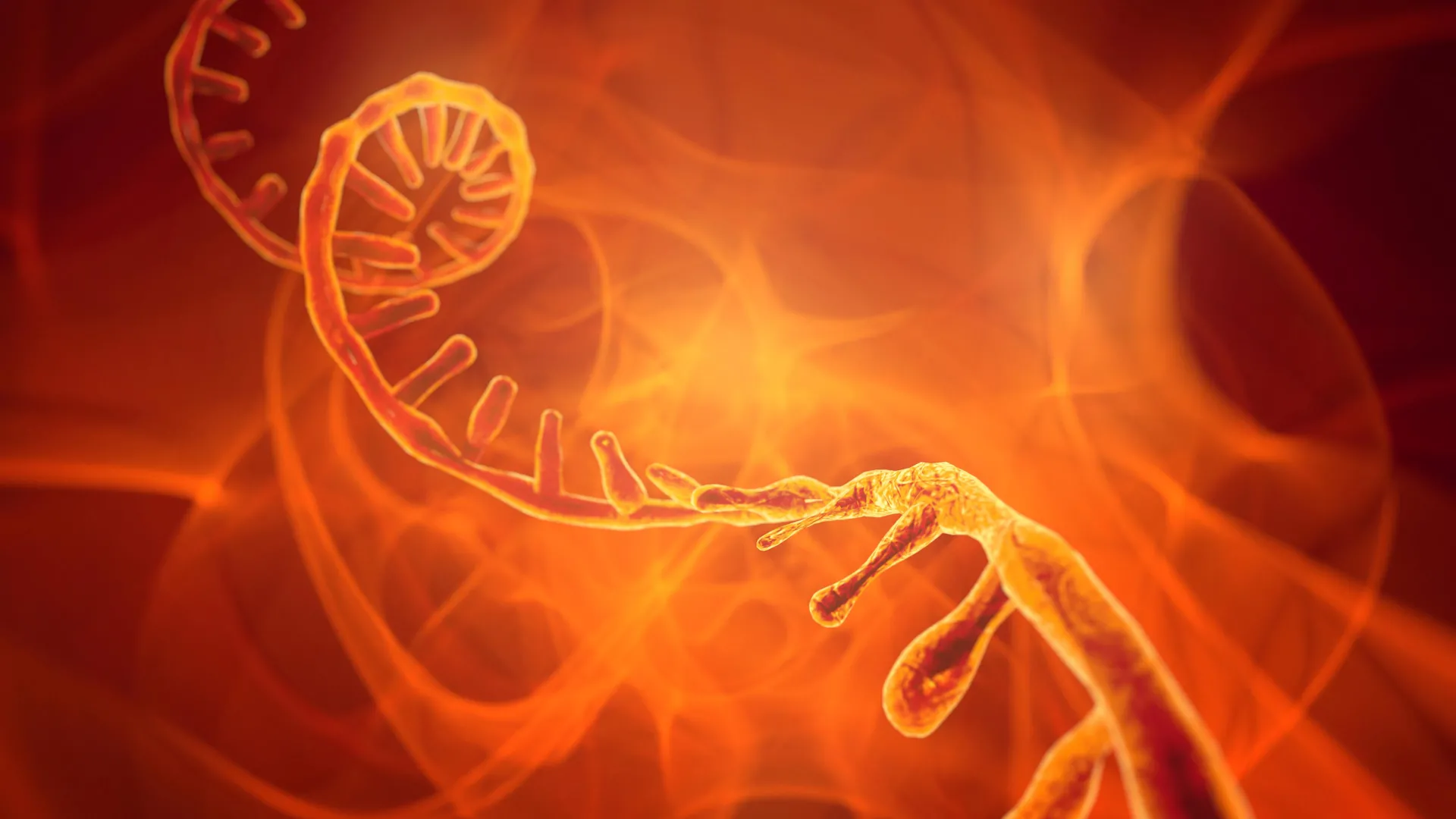
In living organisms today, complex molecules like RNA and DNA are constructed with the help of enzymes. So how did these molecules form before life (and enzymes) existed? Why did some molecules end up as the building blocks of life and not others? A new study by Scripps Research scientists…

Beneath the scales: The secret bone armor that helped lizards survive Australia

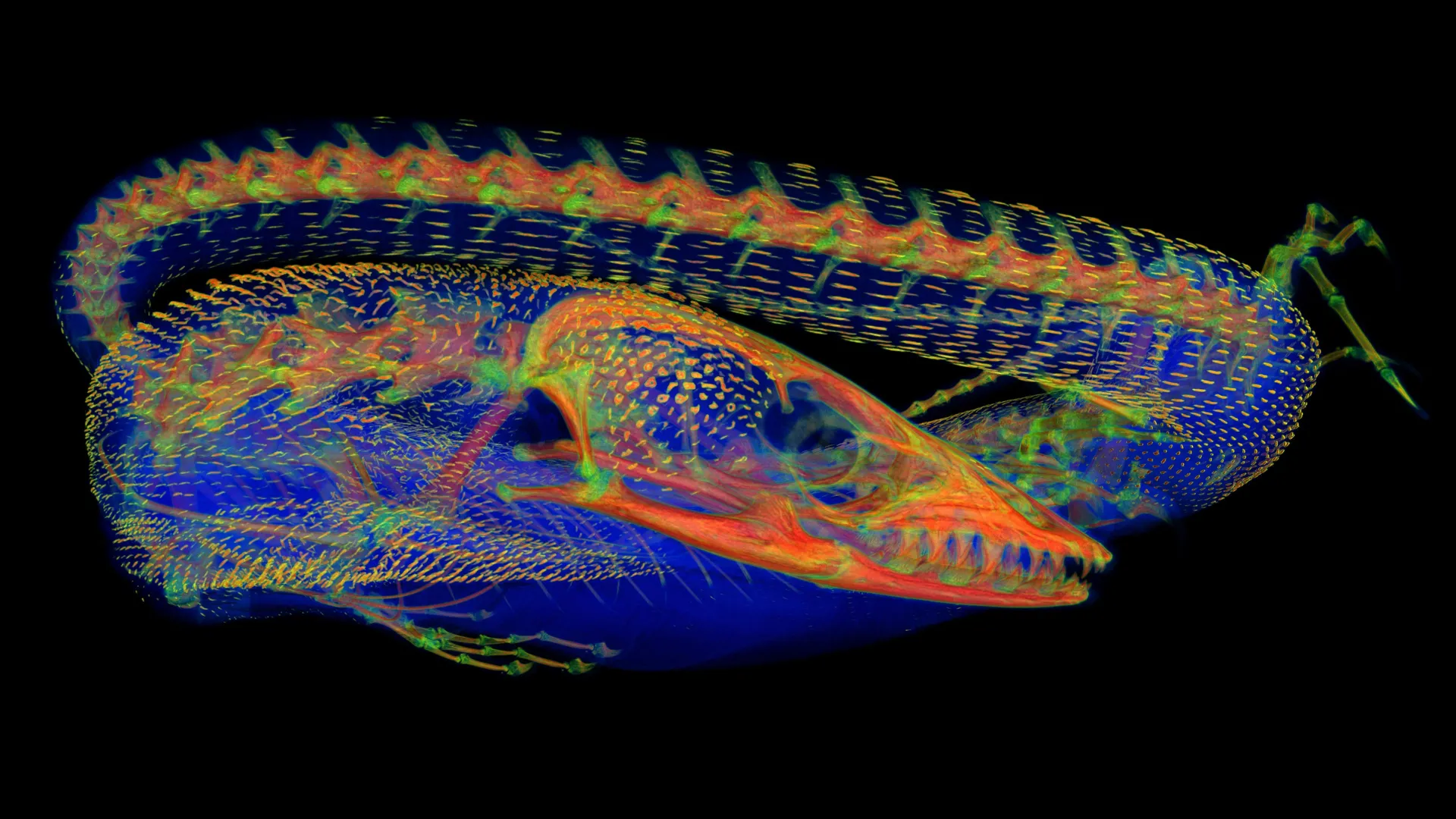
Beneath the scales of Australia’s iconic monitor lizards (commonly known as goannas), scientists have discovered an unexpected secret: a hidden layer of bony skin structures known as osteoderms. These structures, which have been long overlooked, may hold the key to understanding how these ancient reptiles not only survived but thrived…

This oat discovery could change your breakfast—and the future of plant-based food

New University of South Australia research is providing evidence of biological triggers of oil production in oats, a discovery that will help processing and potentially drive further demand for Australian-grown oats. While Australia is the world’s second-largest exporter of oats, high oil content in oat grains creates challenges during milling,…

Aluminium-20 shatters nuclear norms with explosive triple-proton breakup

Radioactive decay is a fundamental process in nature by which an unstable atomic nucleus loses energy by radiation. Studying nuclear decay modes is crucial for understanding properties of atomic nuclei. In particular, exotic decay modes like proton emission provide essential spectroscopic tools for probing the structure of nuclei far from…

New genetic test predicts obesity before you start kindergarten

A new genetic analysis using data from over five million people has provided a clearer understanding of the risk of going on to live with obesity. New research led by the Universities of Copenhagen and Bristol shows analyzing genes at a young age may support early strategies to prevent obesity…

Magic mushrooms rewind aging in mice—could they do the same for humans?

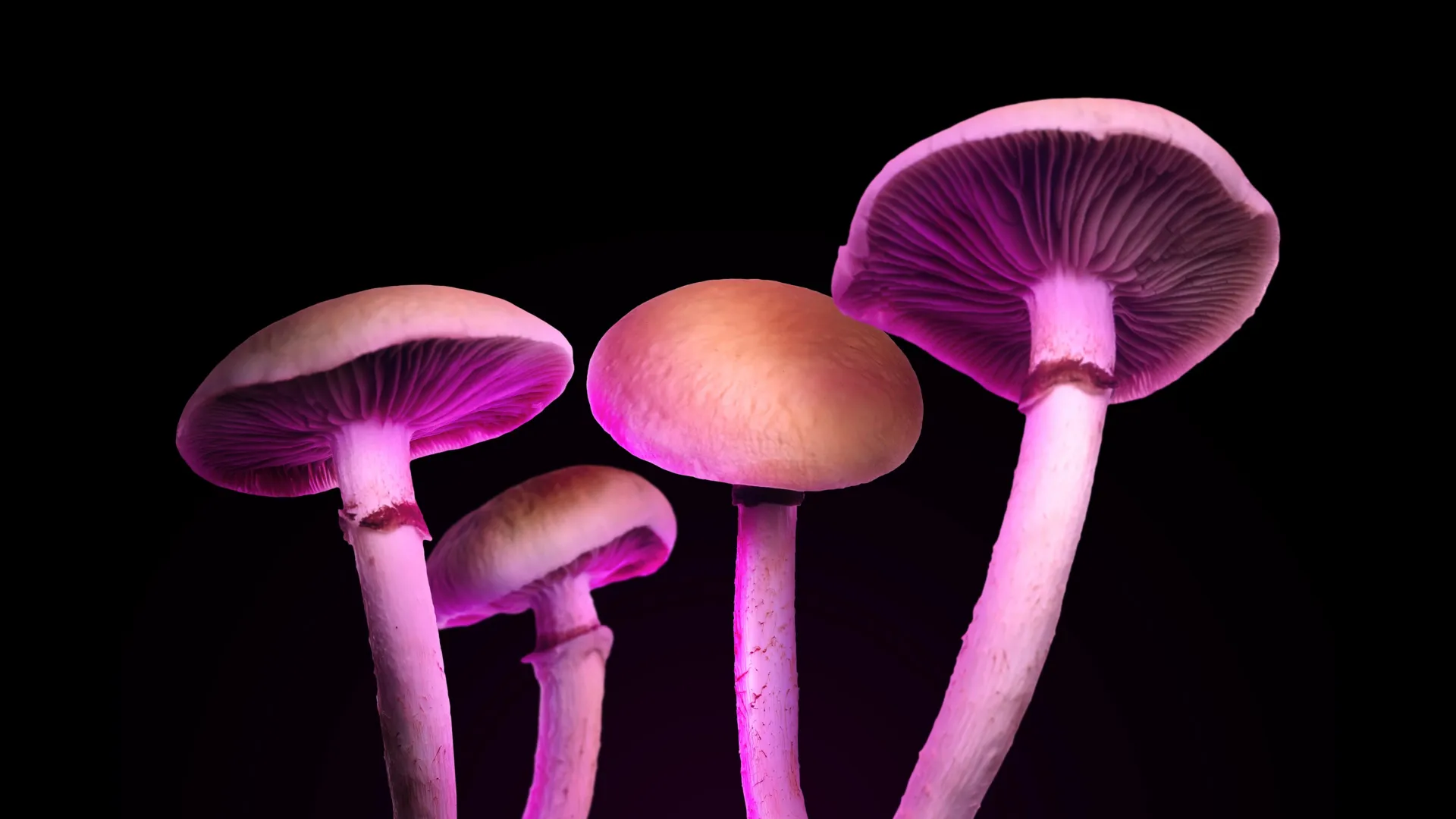
As revenues from the anti-aging market — riddled with hope and thousands of supplements– surged past $500 million last year, Emory University researchers identified a compound that actively delays aging in cells and organisms. A newly published study in Nature Partner Journals’ Aging demonstrates that psilocin, a byproduct of consuming…

What radar found beneath Antarctica could slow ice melt and rising seas

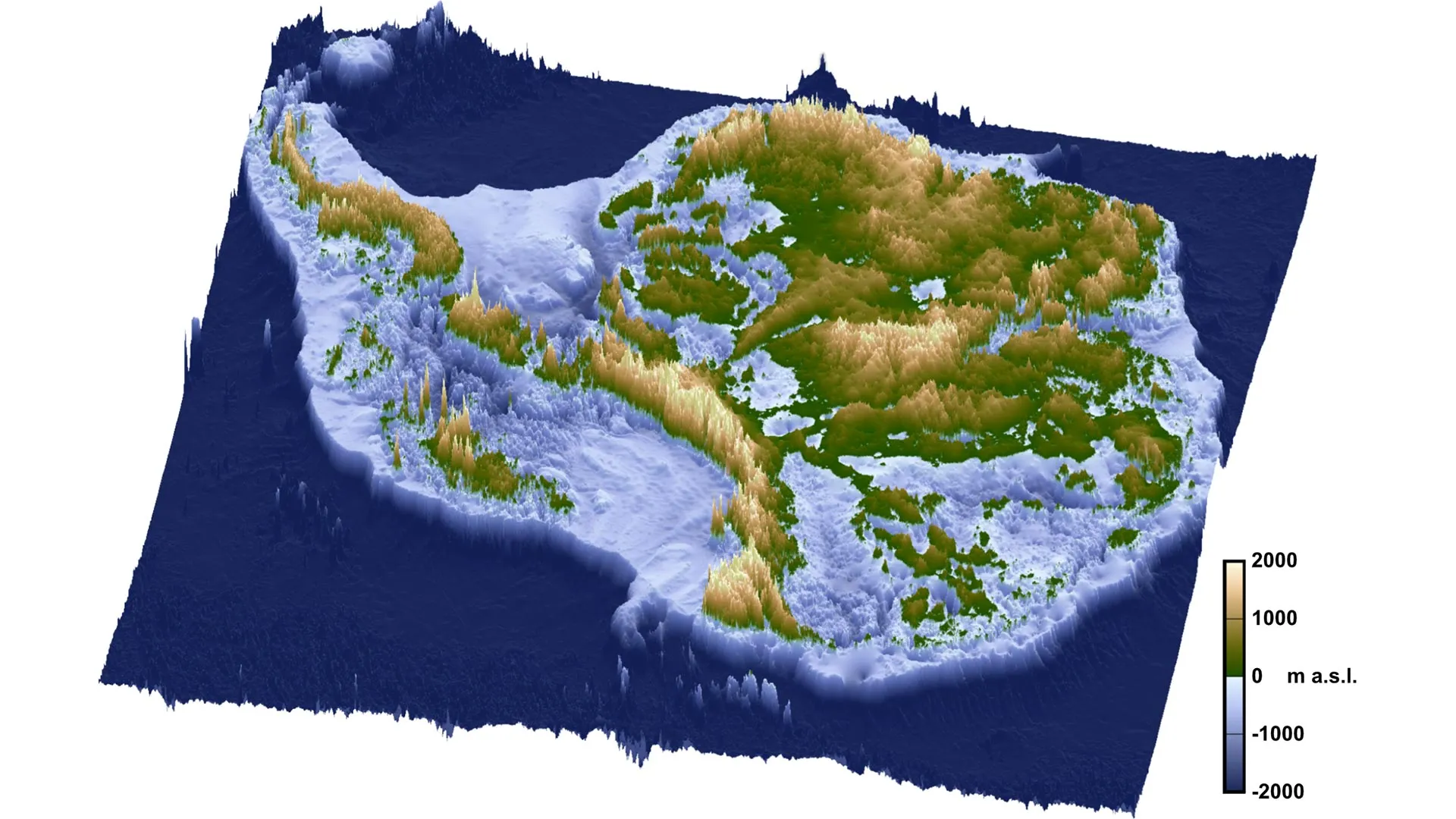
The remains of landscapes thought to have formed when ancient rivers flowed across East Antarctica have been discovered – and could help predictions of future loss from the ice sheet. Researchers led by Durham University, UK, examined radar measurements of ice thickness and found extensive, previously unmapped, flat surfaces buried…

Goodbye plastic? Scientists create new supermaterial that outperforms metals and glass

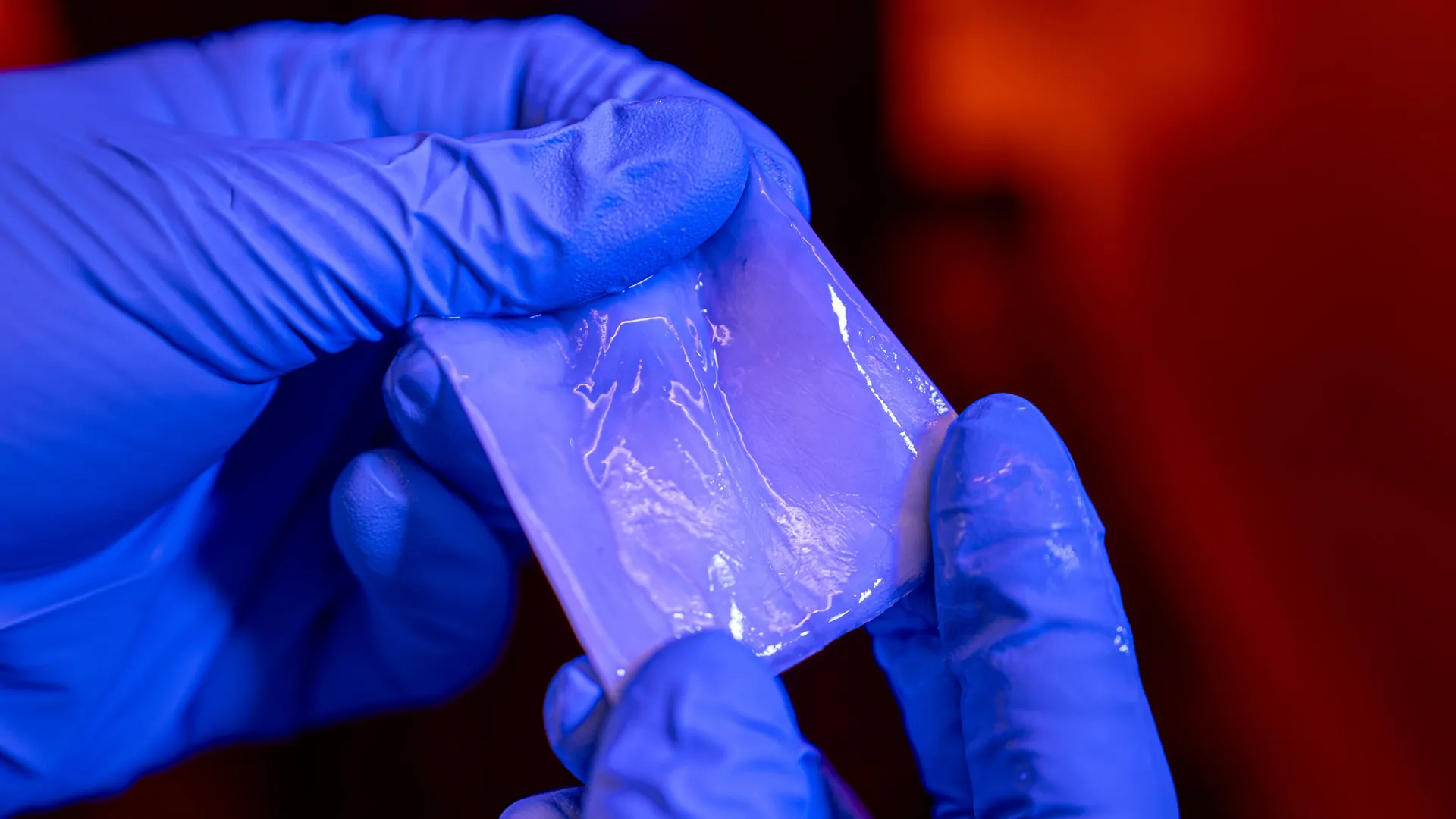
Scientists at Rice University and University of Houston have developed an innovative, scalable approach to engineer bacterial cellulose into high-strength, multifunctional materials. The study, published in Nature Communications, introduces a dynamic biosynthesis technique that aligns bacterial cellulose fibers in real-time, resulting in robust biopolymer sheets with exceptional mechanical properties. Plastic…

AI uncovers 86,000 hidden earthquakes beneath Yellowstone’s surface

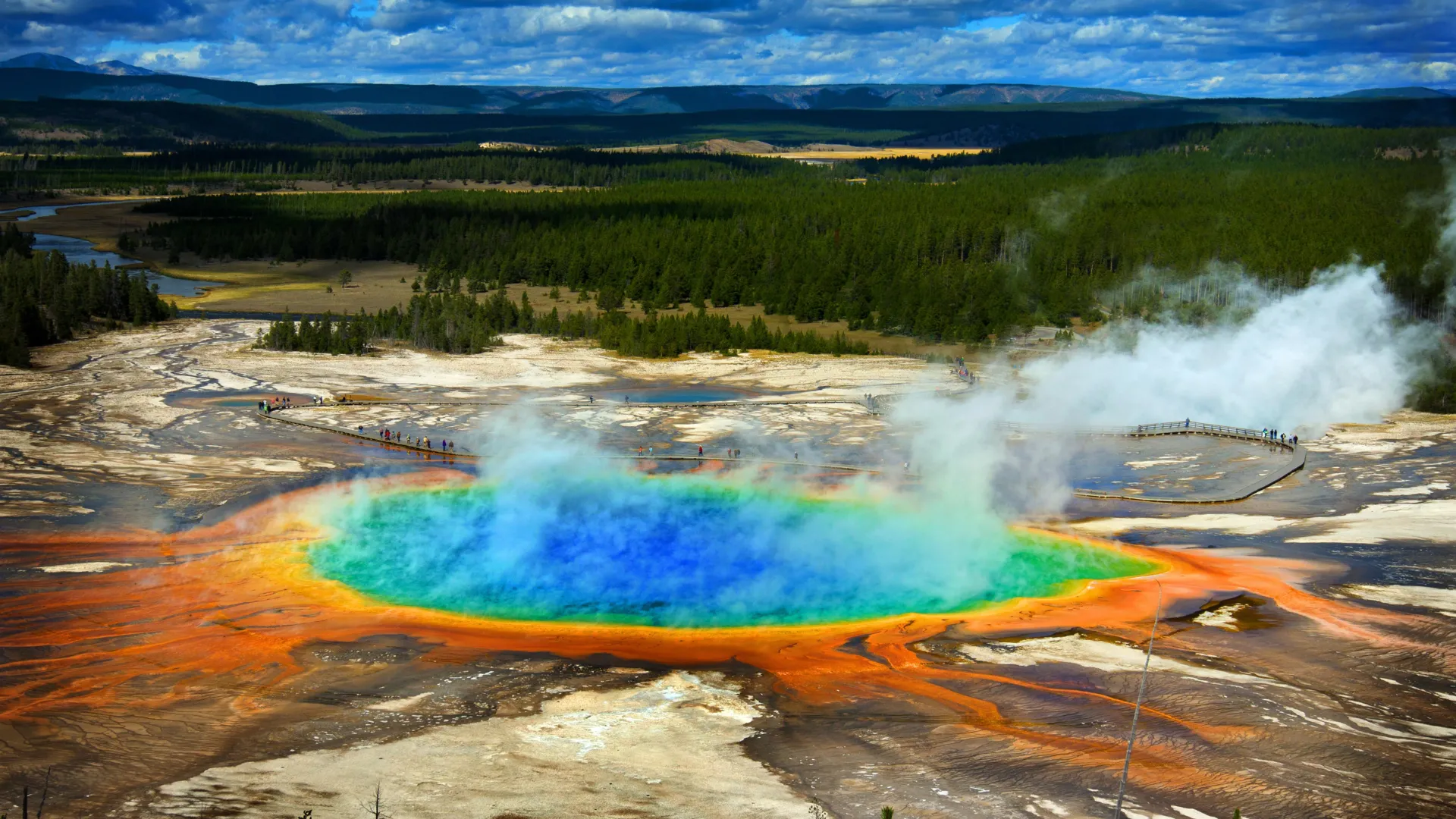
Yellowstone, a popular tourist destination and namesake of an equally popular TV show, was the first-ever national park in the United States. And bubbling beneath it – to this day – is one of Earth’s most seismically active networks of volcanic activity. In a new study, published July 18 in…

A tiny chemistry hack just made mRNA vaccines safer, stronger, and smarter

As millions of people know firsthand, the most common side effect of mRNA vaccines like the COVID-19 shot is inflammation: soreness, redness and a day or two of malaise. But what if mRNA vaccines could be redesigned to sidestep that response altogether? In a new paper in Nature Biomedical Engineering,…

New Duke study finds obesity rises with caloric intake, not couch time

A newly released study from Duke University’s Pontzer Lab, housed in the Department of Evolutionary Anthropology in Trinity College of Arts & Sciences, looks at the correlations between economic development, daily energy expenditure and the rise in a country’s obesity level. While many experts have offered that rising obesity rates…

The heatwave that shattered ecosystems, starved whales, and drove fish north

New research from the University of Victoria (UVic) highlights how marine heatwaves can dramatically impact marine ecosystems and offers a stark preview of how future ocean warming will reshape ocean life. From 2014 to 2016, the Pacific coast of North America experienced the longest marine heatwave ever recorded, with temperatures…

This genetic breakthrough could help thousands of species cheat extinction

Gene editing technologies — such as those used in agriculture and de-extinction projects — can be repurposed to offer what an international team of scientists is calling a transformative solution for restoring genetic diversity and saving endangered species. In a new Nature Reviews Biodiversity Perspective article published on July 18,…

Mysterious object found dancing with Neptune

A team of astronomers led by the Center for Astrophysics | Harvard & Smithsonian has discovered a rare object far beyond Neptune, from a class known as trans-Neptunian objects, that is moving in rhythm with the giant planet. This object, called 2020 VN40, is the first confirmed body that orbits…

NASA’s IXPE tracked a rare pulsar—and found an unexpected power source

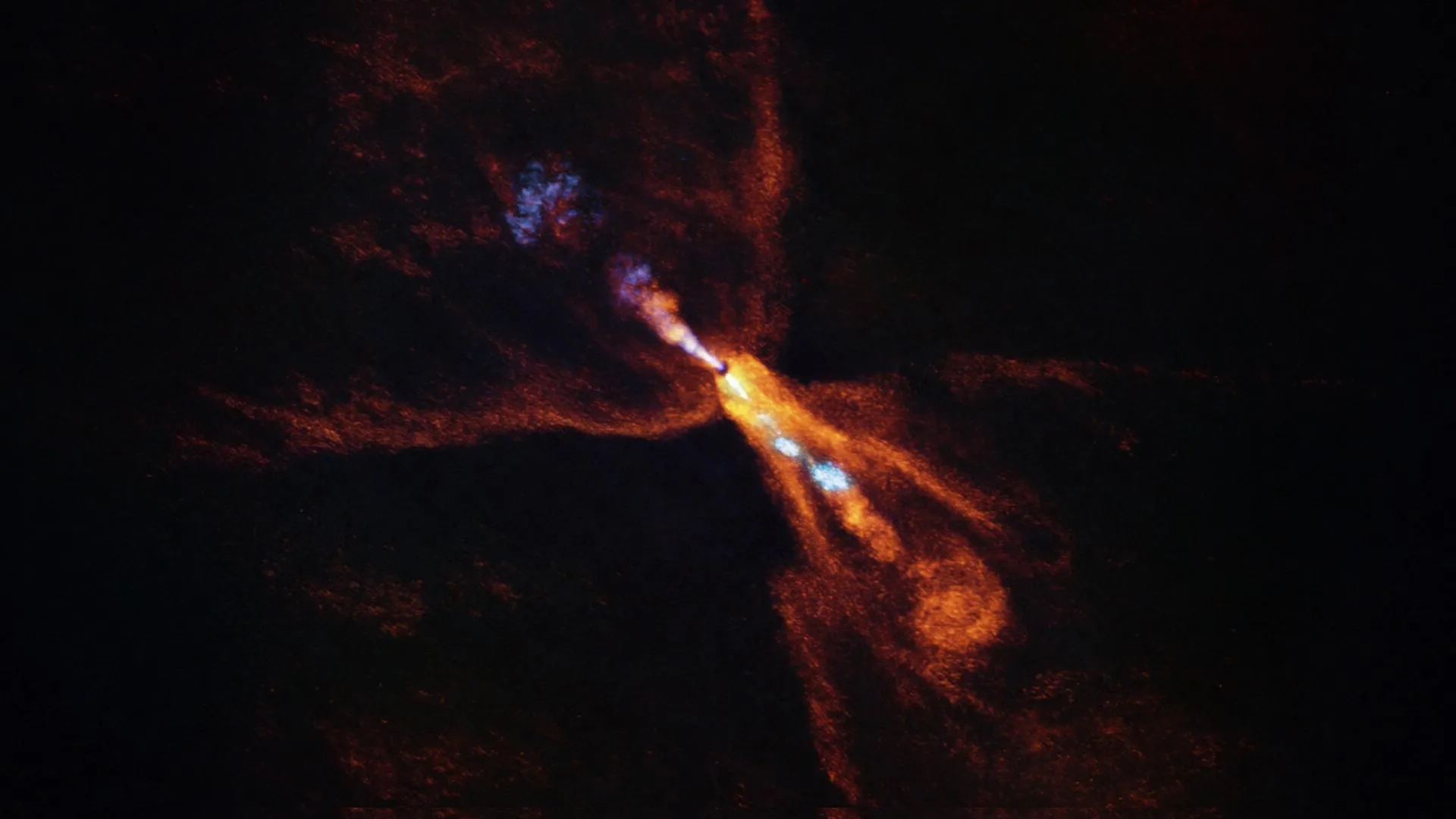
An international team of astronomers has uncovered new evidence to explain how pulsing remnants of exploded stars interact with surrounding matter deep in the cosmos, using observations from NASA’s IXPE (Imaging X-ray Polarimetry Explorer) and other telescopes. Scientists based in the U.S., Italy, and Spain, set their sights on a…

Scientists twist DNA into self-building nanostructures that could transform technology

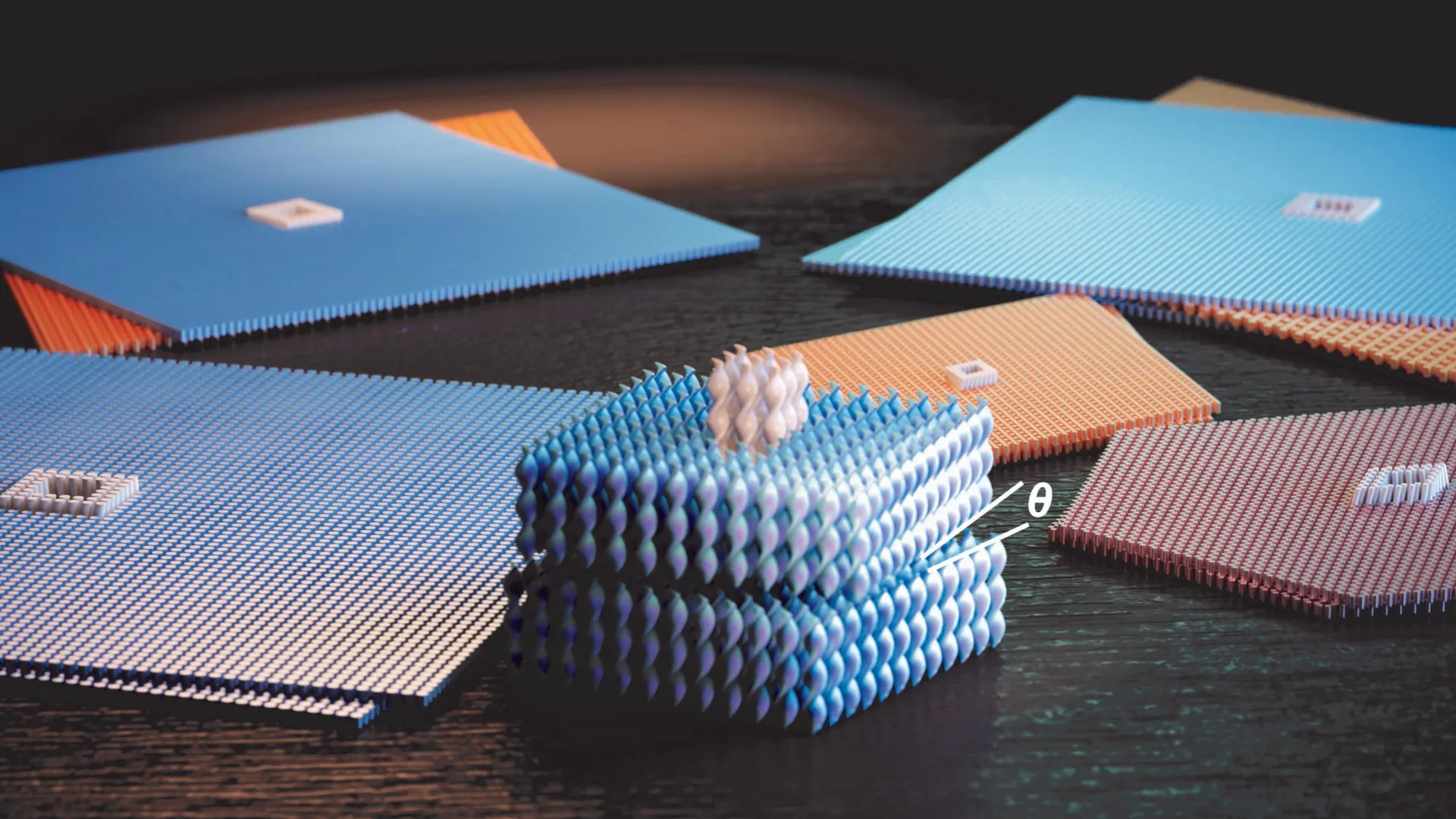
Researchers are creating new moiré materials at the nanometer scale using advanced DNA nanotechnology: DNA moiré superlattices form when two periodic DNA lattices are overlaid with a slight rotational twist or positional offset. This creates a new, larger interference pattern with completely different physical properties. A new approach developed by…

Scientists just discovered a secret code hidden in your DNA

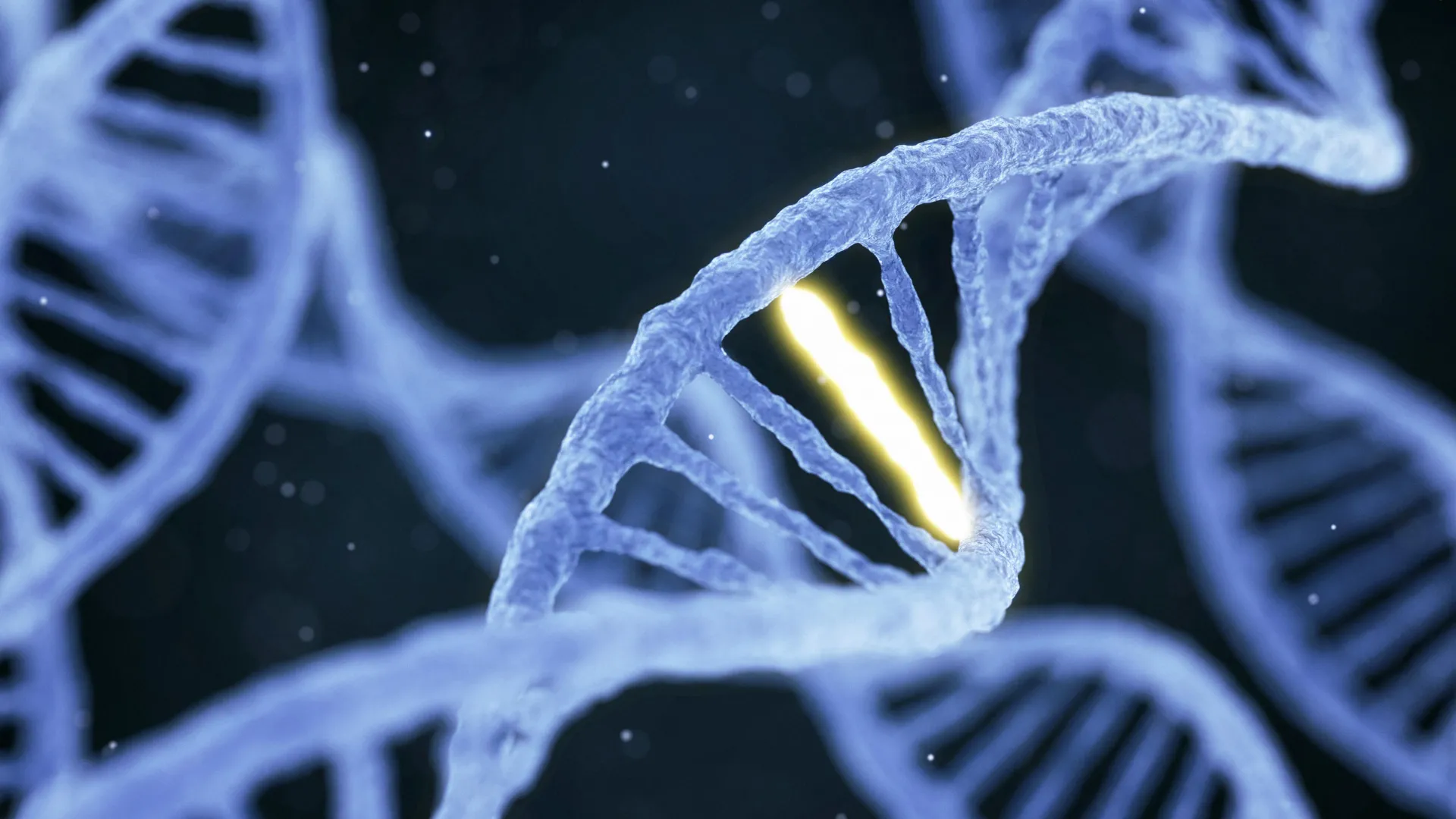
A new international study suggests that ancient viral DNA embedded in our genome, which were long dismissed as genetic “junk,” may actually play powerful roles in regulating gene expression. Focusing on a family of sequences called MER11, researchers from Japan, China, Canada, and the US have shown that these elements…

Cracking the carbene code: A 100x faster path to life-saving drugs

Chemists have developed a novel way to generate a variety of highly useful chemical building blocks by harnessing metal carbenes, suggests new research. Typically used in chemical reactions essential for drug synthesis and materials development, carbenes are short-lived, highly reactive carbon atoms. In the lab, this can make carbenes especially…

Popular sugar substitute linked to brain cell damage and stroke risk

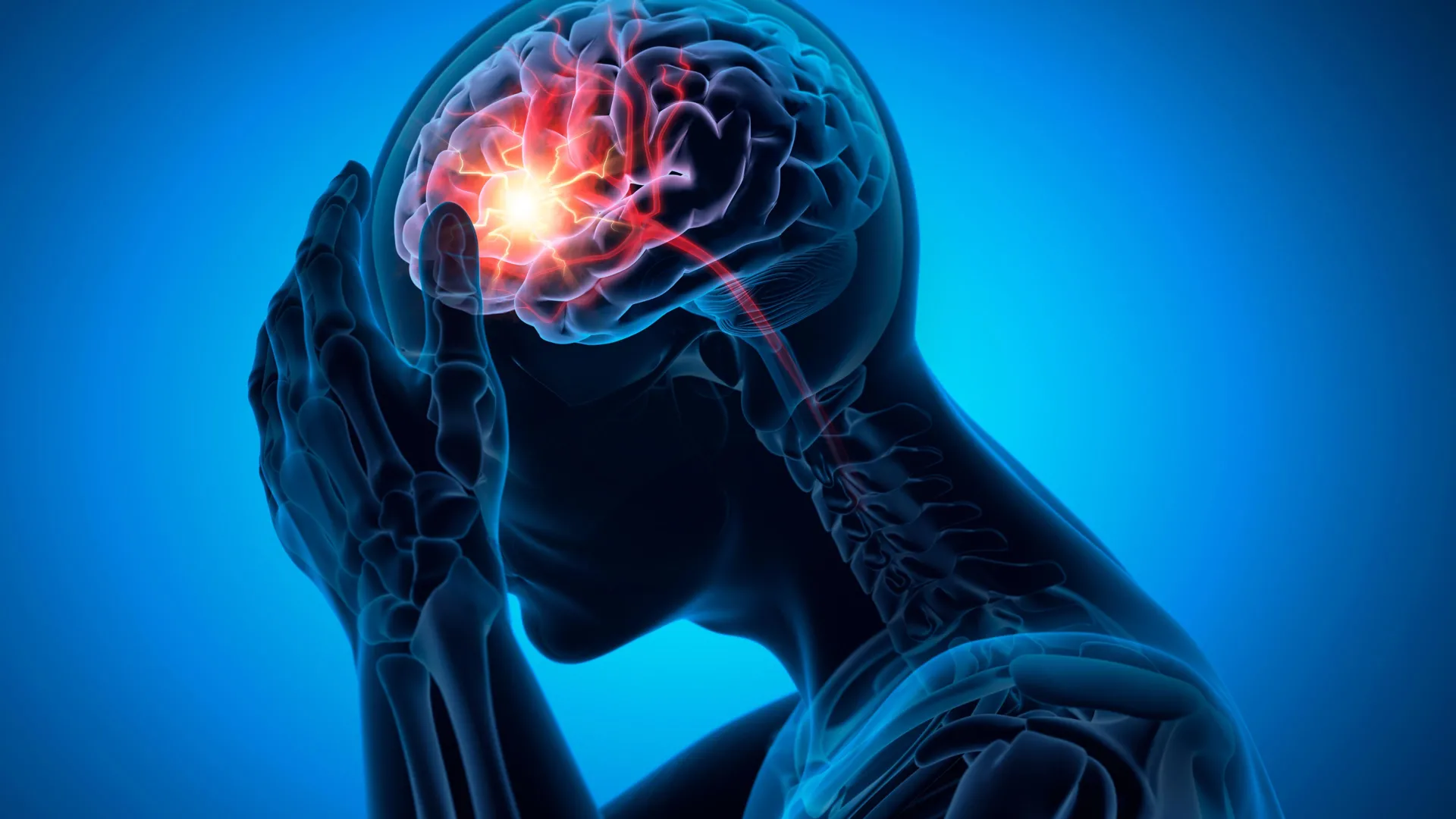
From low-carb ice cream to keto protein bars to “sugar-free” soda, the decades-old sweetener erythritol is everywhere. But new University of Colorado Boulder research shows the popular sugar substitute and specialty food additive comes with serious downsides, impacting brain cells in numerous ways that can boost risk of stroke. The…