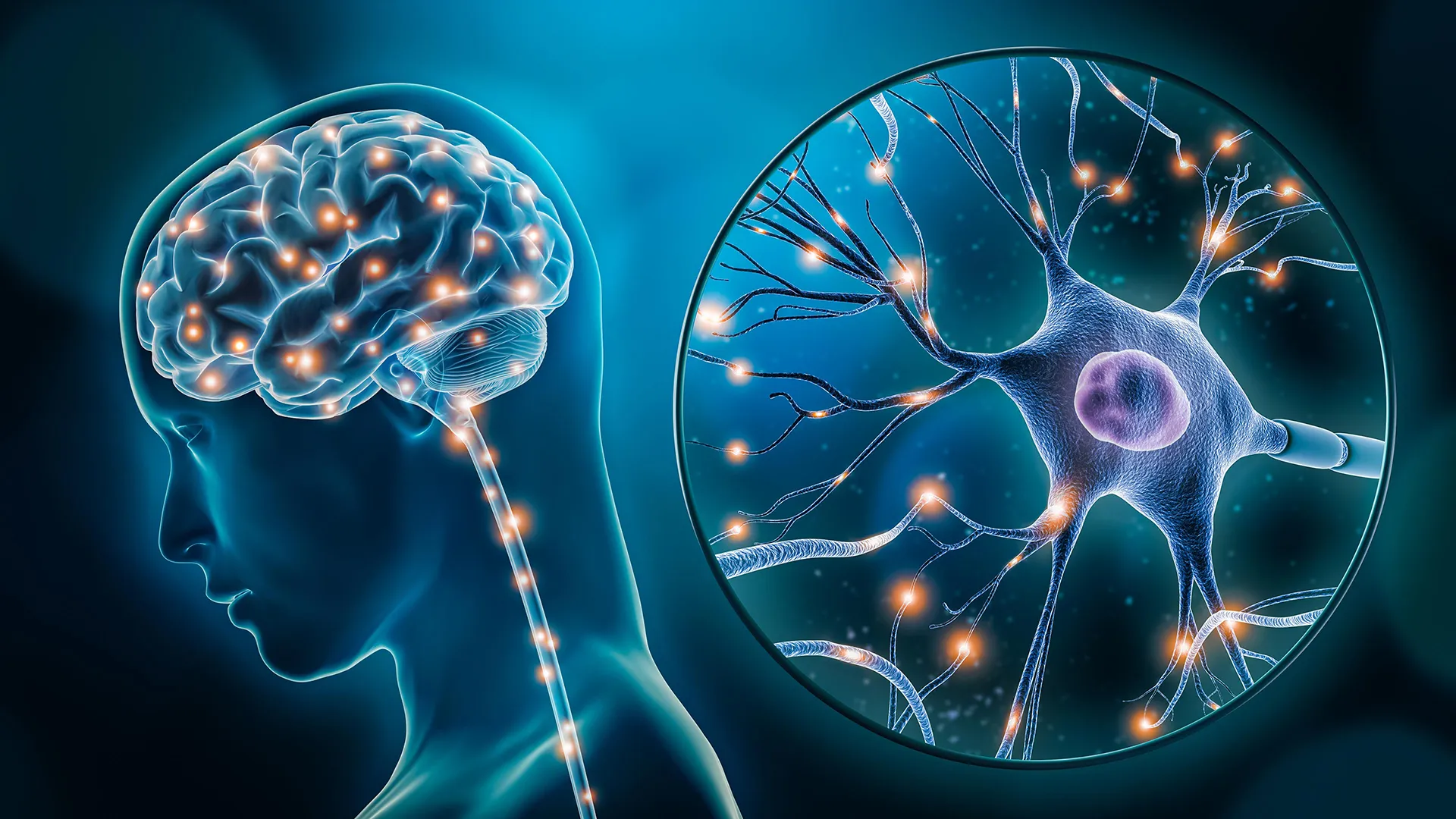

Brain food fight: Rutgers maps the hidden switch that turns cravings on and off

Scientists know the stomach talks to the brain, but two new studies from Rutgers Health researchers suggest the conversation is really a tug-of-war, with one side urging another bite, the other signaling “enough.” Together, the papers in Nature Metabolism and Nature Communications trace the first complementary wiring diagram of hunger…

Scientists just solved a 40-year-old mystery about quasicrystals

A rare and bewildering intermediate between crystal and glass can be the most stable arrangement for some combinations of atoms, according to a study from the University of Michigan. The findings come from the first quantum-mechanical simulations of quasicrystals — a type of solid that scientists once thought couldn’t exist.…

Webb space telescope reveals starburst galaxies that lit up the early universe

Astronomers using data from NASA’s James Webb Space Telescope have identified dozens of small galaxies that played a starring role in a cosmic makeover that transformed the early universe into the one we know today. “When it comes to producing ultraviolet light, these small galaxies punch well above their weight,”…

Toxic tides: Centuries-old mercury is flooding the arctic food chain

Despite global reductions in mercury emissions, mercury concentrations in Arctic wildlife continue to rise. A new study published in Nature Communications by researchers from Aarhus University and the University of Copenhagen reveals that ocean currents may be transporting legacy mercury pollution to the Arctic — posing a long-term threat to…

Sugar shield restored: The breakthrough reversing brain aging and memory loss

In a compelling Genomic Press Interview published today in Brain Medicine, Sophia Shi, PhD, unveils her pioneering research that fundamentally changes our understanding of brain aging and opens revolutionary therapeutic pathways for Alzheimer’s disease and related neurodegenerative conditions. Uncovering the Brain’s Hidden Shield Dr. Shi’s groundbreaking work focuses on the…

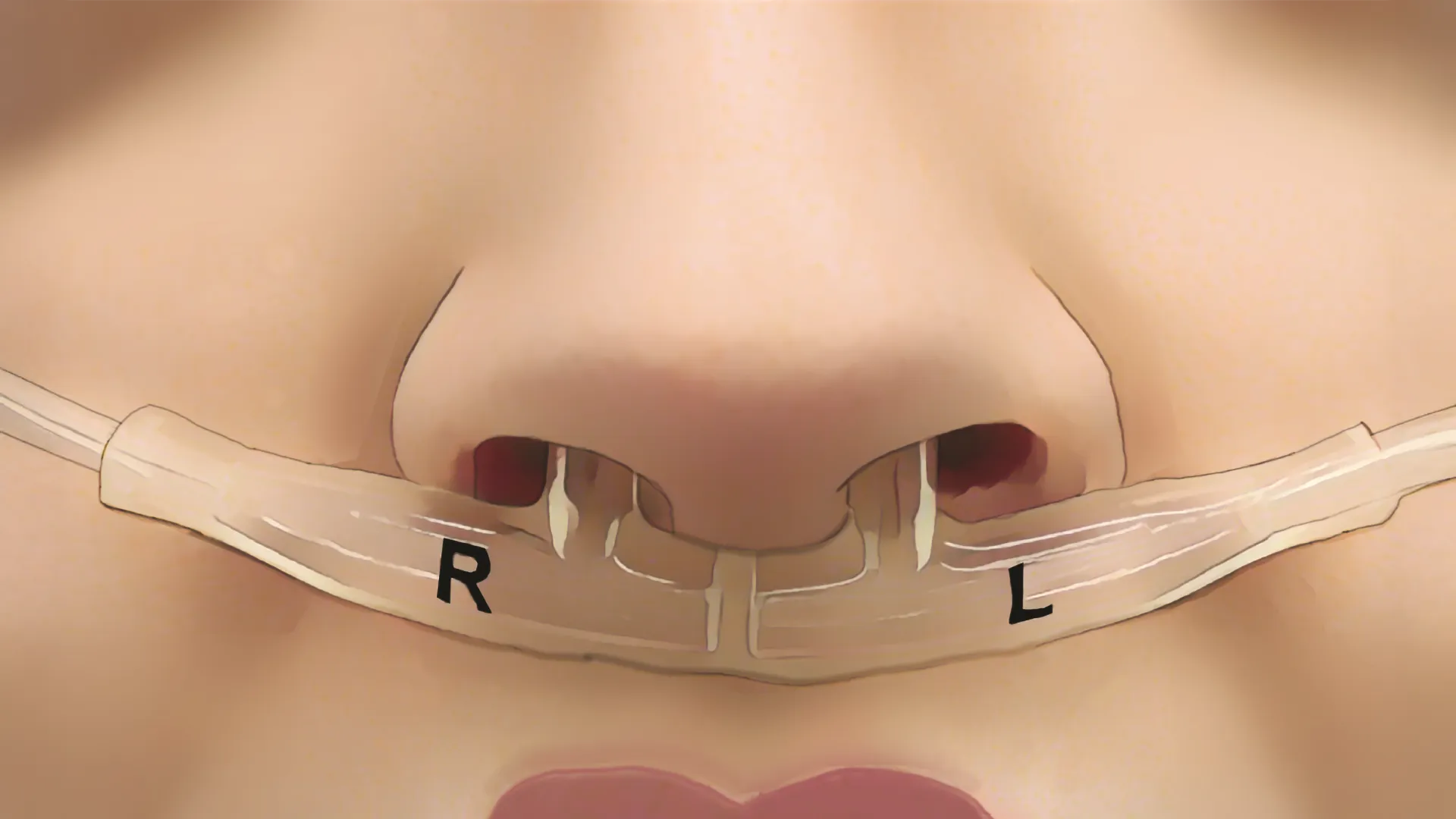
Invisible ID: How a single breath could reveal your health—and your identity

Your breath is one of a kind. A study published June 12 in the Cell Press journal Current Biology demonstrated that scientists can identify individuals based solely on their breathing patterns with 96.8% accuracy. These nasal respiratory “fingerprints” also offer insights into physical and mental health. The research stemmed from…

The 10,000-mile march through fire that made dinosaurs possible

The forerunners of dinosaurs and crocodiles in the Triassic period were able to migrate across areas of the ancient world deemed completely inhospitable to life, new research suggests. In a paper published in Nature Ecology and Evolution on June 11, researchers from the University of Birmingham and University of Bristol have used…

Sleep-in science: How 2 extra weekend hours can calm teen anxiety

A new study to be presented at the SLEEP 2025 annual meeting found that teens who get moderate — but not excessive — catch-up sleep on weekends have fewer symptoms of anxiety. Results show that teens who got up to two more hours of sleep on weekends than on weekdays…

Johns Hopkins blood test detects tumor dna three years early

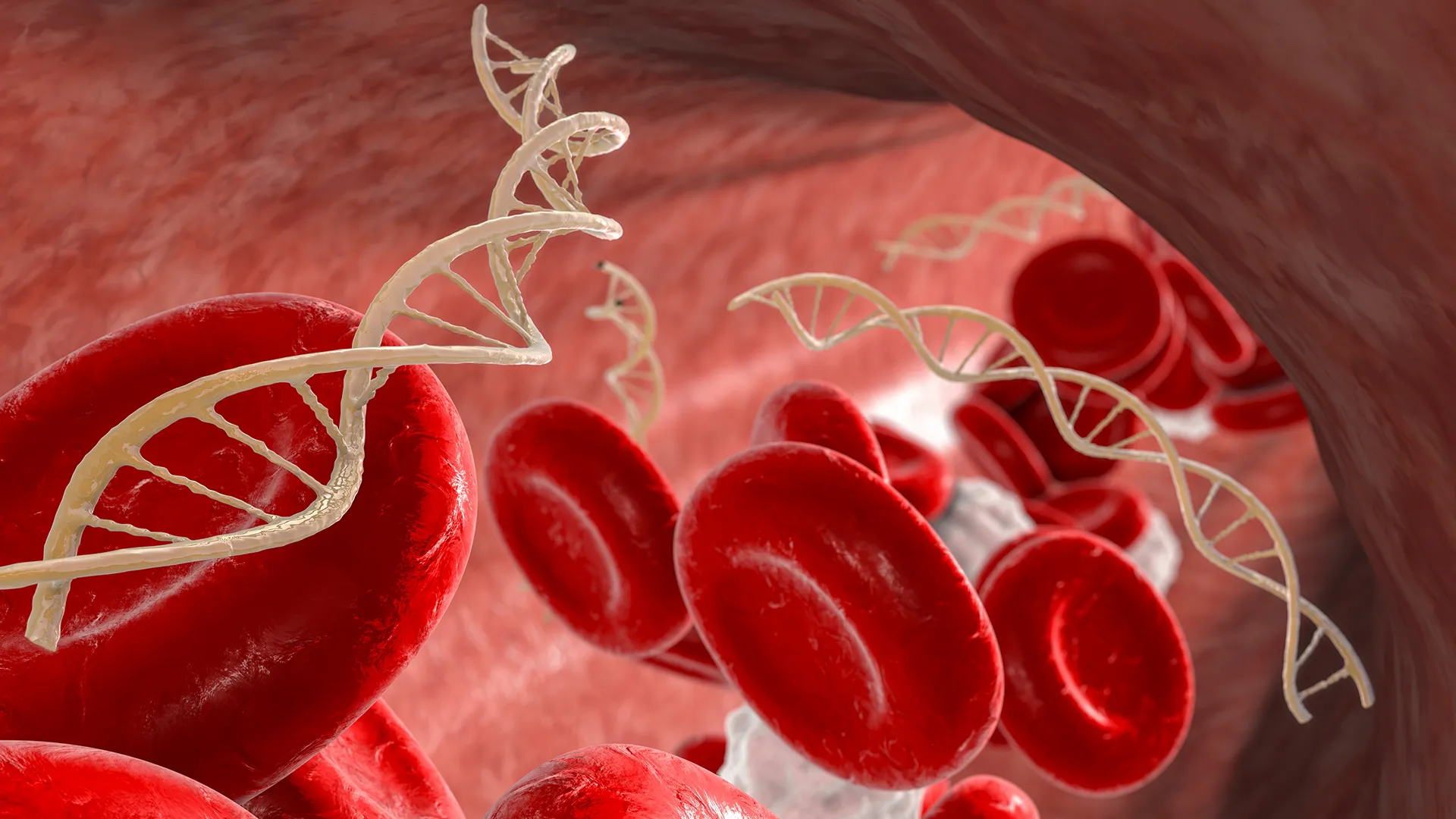
Genetic material shed by tumors can be detected in the bloodstream three years prior to cancer diagnosis, according to a study led by investigators at the Ludwig Center at Johns Hopkins, Johns Hopkins Kimmel Cancer Center, the Johns Hopkins University School of Medicine and the Johns Hopkins Bloomberg School of…

Running rewires your brain cells—igniting memory-saving genes against alzheimer’s

Using advanced single-nuclei RNA sequencing (snRNA-seq) and a widely used preclinical model for Alzheimer’s disease, researchers from Mass General Brigham and collaborators at SUNY Upstate Medical University have identified specific brain cell types that responded most to exercise. These findings, which were validated in samples from people, shed light on…

New MIT study reveals how biofilms help stop microplastic build-up

The accumulation of microplastics in the environment, and within our bodies, is an increasingly worrisome issue. But predicting where these ubiquitous particles will accumulate, and therefore where remediation efforts should be focused, has been difficult because of the many factors that contribute to their dispersal and deposition. New research from…

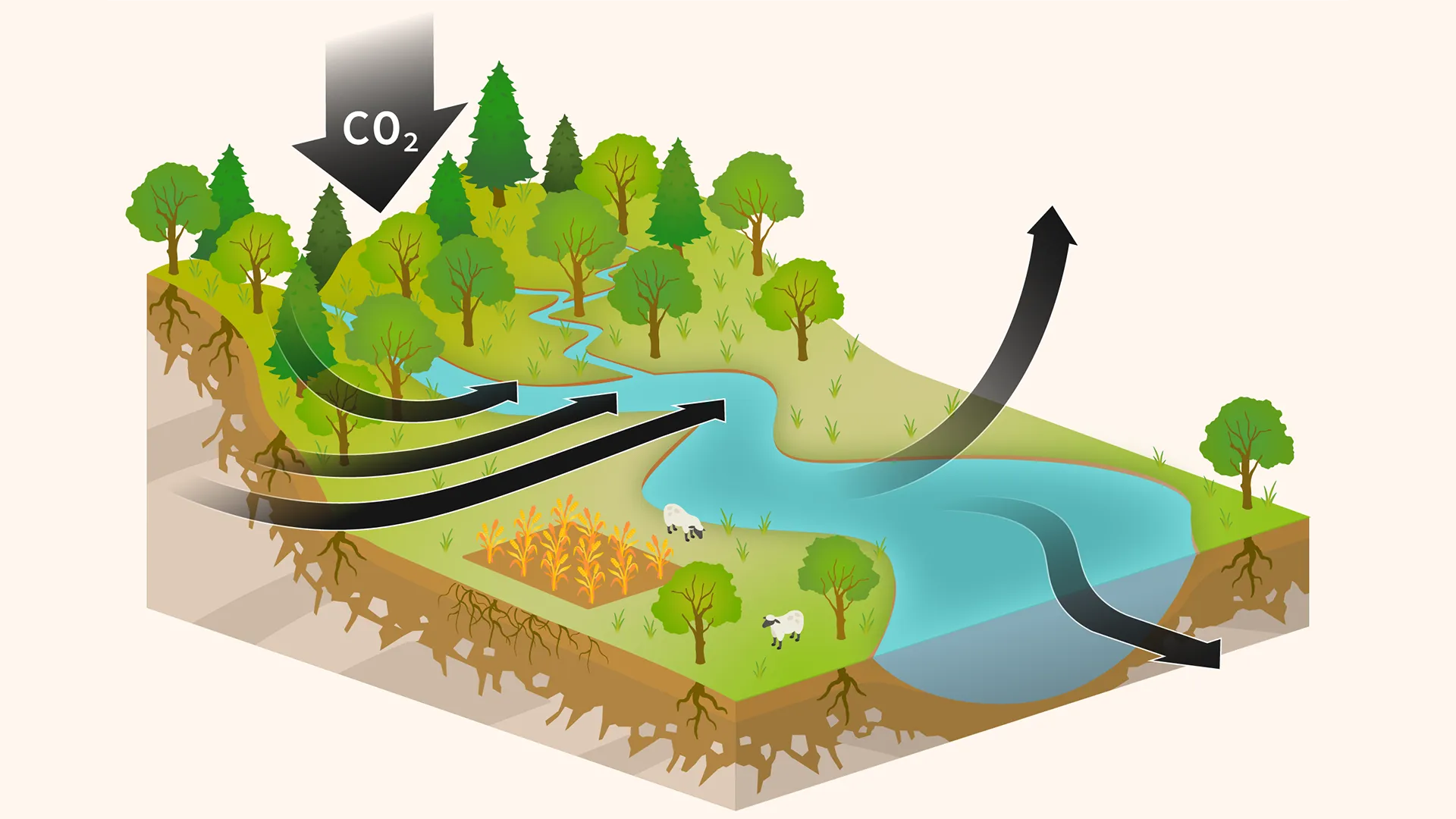
Rivers are exhaling ancient carbon — and climate math just changed

A new study has revealed for the first time that ancient carbon, stored in landscapes for thousands of years or more, can find its way back to the atmosphere as CO2 released from the surfaces of rivers. The findings, led by scientists at the University of Bristol and the cover…

NASA’s Webb telescope reveals monster star clumps in galactic wreckage

Astronomers have surveyed massive, dense star factories, unlike any found in the Milky Way, in a large number of galaxies across the local universe. The findings provide a rare glimpse into processes shaping galaxies in the very early universe and possibly the Milky Way a few billion years from now.…

Beyond Ozempic: New weight loss drug rivals surgery

Weight loss drugs like Ozempic and Wegovy are used by over 15 million adults in the U.S., or 4.5% of the population. Despite their effectiveness, they have drawbacks. Their effect may not last after discontinuing use, and side effects including osteoporosis and muscle loss have raised concerns about long-term harms.…

Brain-computer interface restores real-time speech in als patient

Researchers at the University of California, Davis, have developed an investigational brain-computer interface that holds promise for restoring the voices of people who have lost the ability to speak due to neurological conditions. In a new study published in the scientific journal Nature, the researchers demonstrate how this new technology…

Scientists warn of bat virus just one mutation from infecting humans

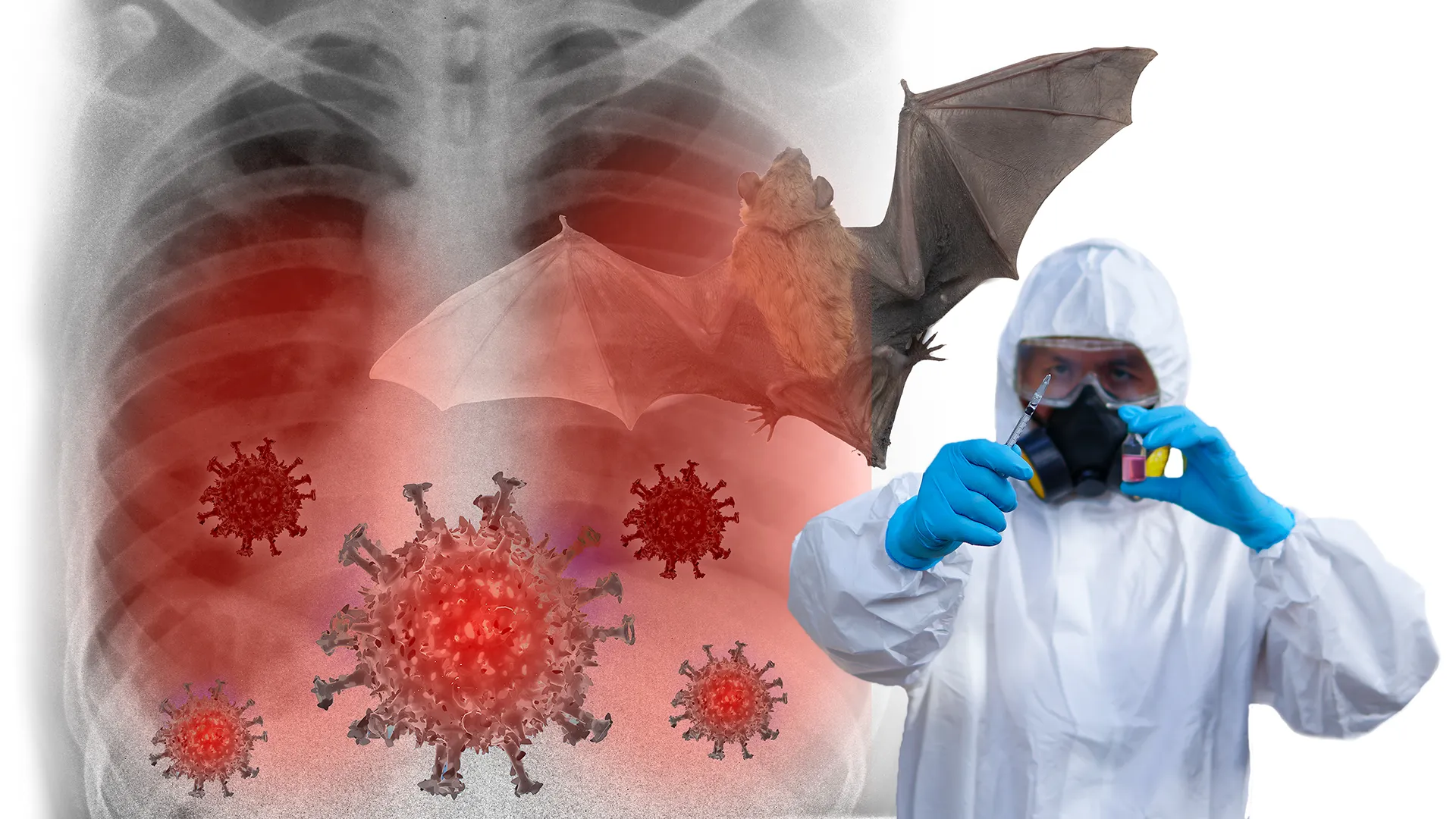
A group of bat viruses closely related to the deadly Middle East respiratory syndrome coronavirus (MERS-CoV) could be one small mutation away from being capable of spilling over into human populations and potentially causing the next pandemic. A recent study published in the journal Nature Communicationsexamined an understudied group of…

Atom-thin tech replaces silicon in the world’s first 2D computer

UNIVERSITY PARK, Pa. — Silicon is king in the semiconductor technology that underpins smartphones, computers, electric vehicles and more, but its crown may be slipping according to a team led by researchers at Penn State. In a world first, they used two-dimensional (2D) materials, which are only an atom thick…

Cleaner fish: Tiny healers or hidden spreaders in coral reef ecosystems?

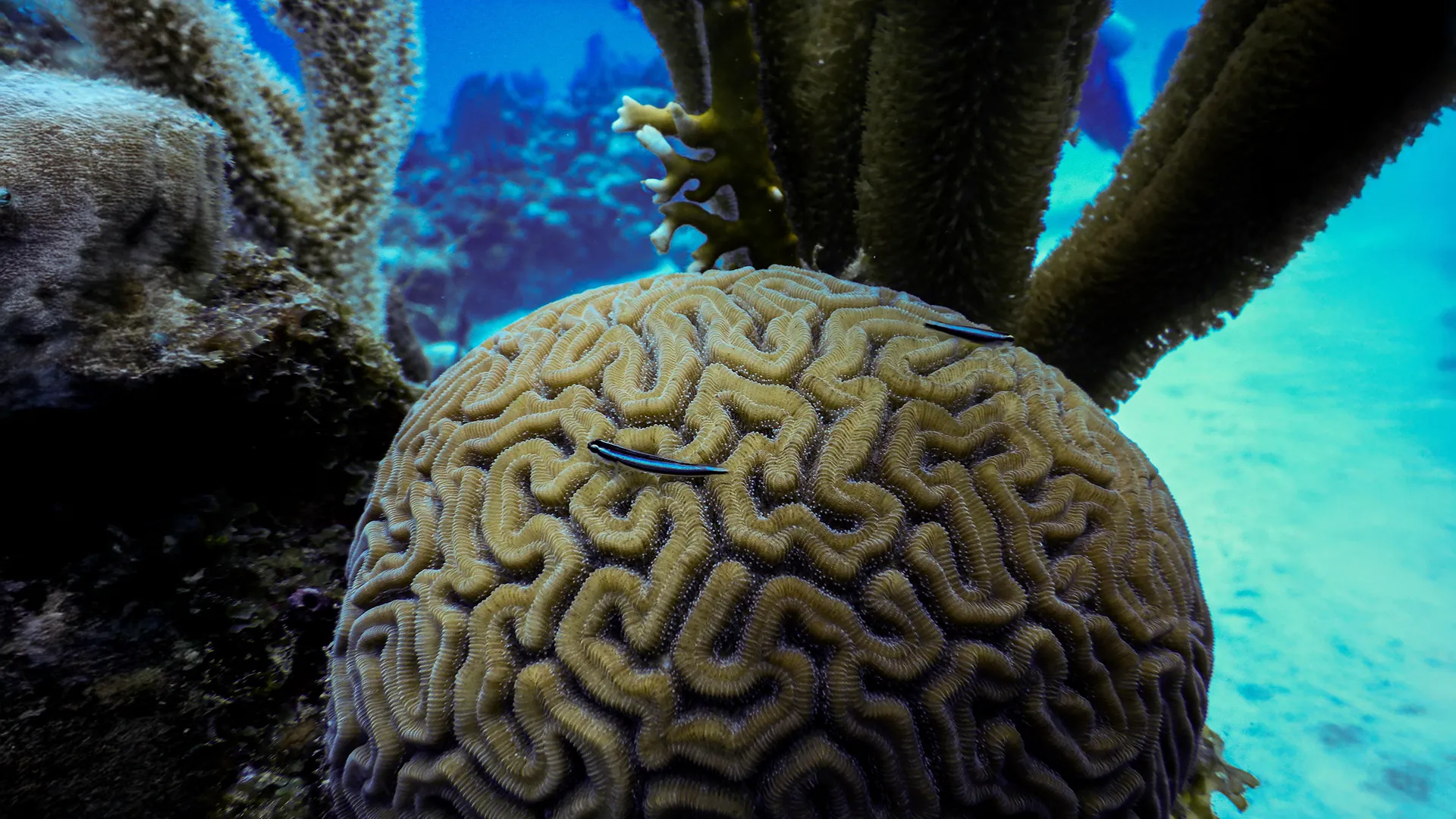
Where do you go when you’re a fish and you need a skincare treatment? Coral reefs contain natural “beauty salons,” lively social hubs of activity where fish “clients” swim up and wait to be serviced by smaller fish cleaners. The little cleaners dart under and around their much bigger clients…

Smart nanoparticles launch genetic attack on lung cancer and cystic fibrosis

Scientists have made a key breakthrough for treating respiratory diseases by developing a new drug delivery system that transports genetic therapies directly to the lungs, opening promising possibilities for patients with conditions like lung cancer and cystic fibrosis. The research, led by Gaurav Sahay of Oregon State University’s College of…

Something more toxic than gators is hiding in the swamps

New research from the University of Georgia’s Odum School of Ecology and Marine Extension and Georgia Sea Grant suggests there may be elevated levels of mercury in Georgia and South Carolina waters. In studying alligators from the Okefenokee Swamp, Jekyll Island and Yawkey Wildlife Center, UGA researchers found high levels…

The hunger switch in your nose: How smells tell your brain to stop eating

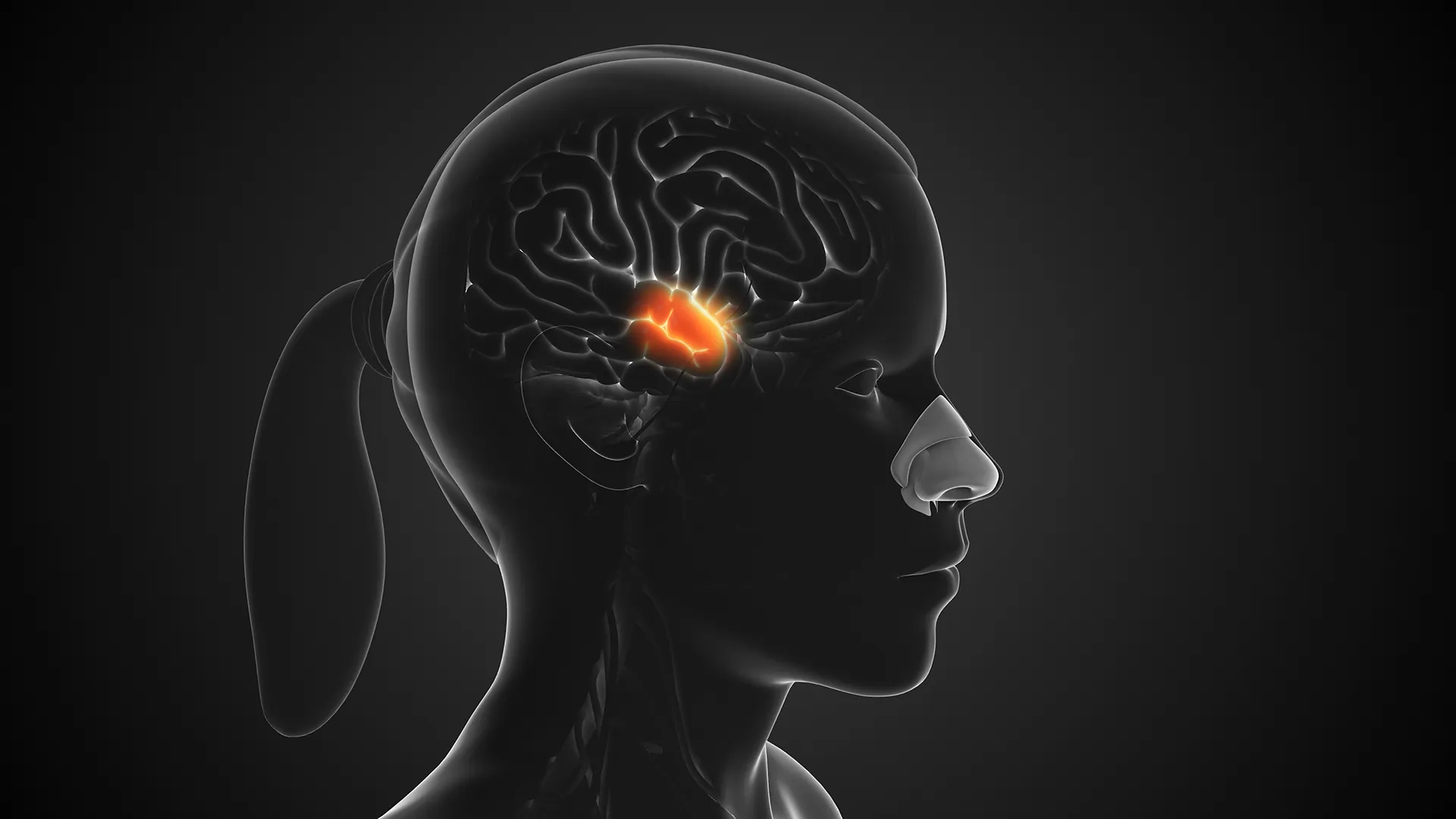
No more hunger after cooking? A newly identified network of nerve cells is responsible, a research group at the Max Planck Institute for Metabolism Research has discovered in mice. They discovered a direct connection from the nose to a group of nerve cells in the brain that are activated by…

Scientists just took a big step toward the quantum internet

A Danish-German research collaboration with participation of the Helmholtz-Zentrum Dresden-Rossendorf (HZDR) aims to develop new quantum light sources and technology for scalable quantum networks based on the rare-earth element erbium. The project EQUAL (Erbium-based silicon quantum light sources) is funded by the Innovation Fund Denmark with 40 million Danish crowns…

Sun’s secret storms exposed: NASA’s codex unveils a turbulent corona

Scientists analyzing data from NASA’s CODEX (Coronal Diagnostic Experiment) investigation have successfully evaluated the instrument’s first images, revealing the speed and temperature of material flowing out from the Sun. These images, shared at a press event Tuesday at the American Astronomical Society meeting in Anchorage, Alaska, illustrate the Sun’s outer…

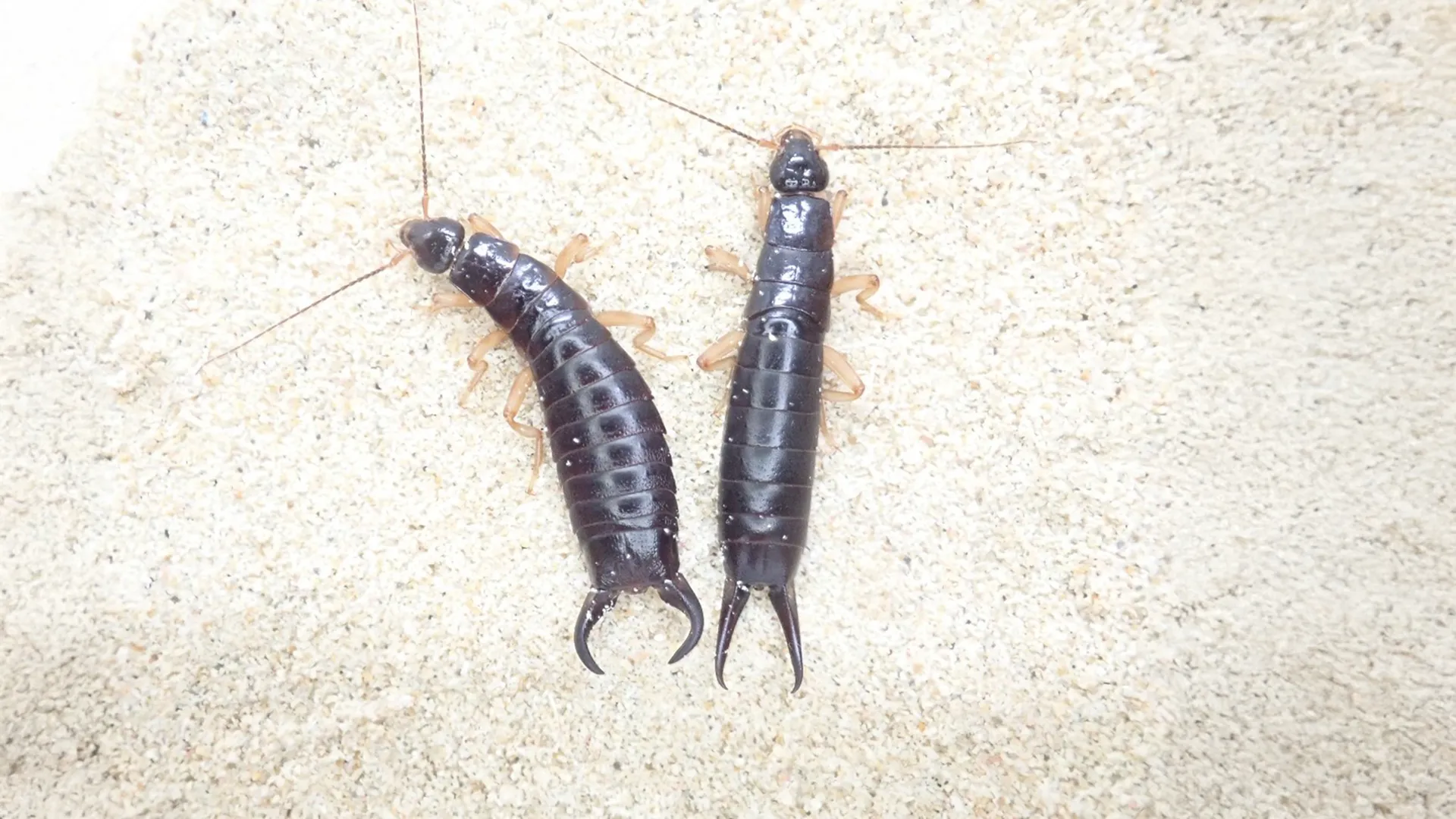
Pincer plot twist: How female earwigs evolved deadly claws for love and war

A new study from Toho University reveals that female earwigs exhibit a similar pattern of exaggerated forceps growth as males, suggesting that both sexes may have evolved these traits through sexual selection. Do larger male elk have proportionally larger antlers? The answer is no. In fact, larger individuals tend to…

Astronomers just found a giant planet that shouldn’t exist

Star TOI-6894 is just like many in our galaxy, a small red dwarf, and only ~20% of the mass of our Sun. Like many small stars, it is not expected to provide suitable conditions for the formation and hosting of a large planet. However, as published today in Nature Astronomy,…

Scientists found the brain glitch that makes you think you’re still hungry

Researchers identify “meal memory” neurons in laboratory rats that could explain why forgetting lunch leads to overeating. Scientists have discovered a specific group of brain cells that create memories of meals, encoding not just what food was eaten but when it was eaten. The findings, published today in Nature Communications,…

This

Eating a high-fat diet containing a large amount of oleic acid – a type of fatty acid commonly found in olive oil – could drive obesity more than other types of dietary fats, according to a study published in the journal Cell Reports. The study found that oleic acid, a…

Scientists discover natural cancer-fighting sugar in sea cucumbers

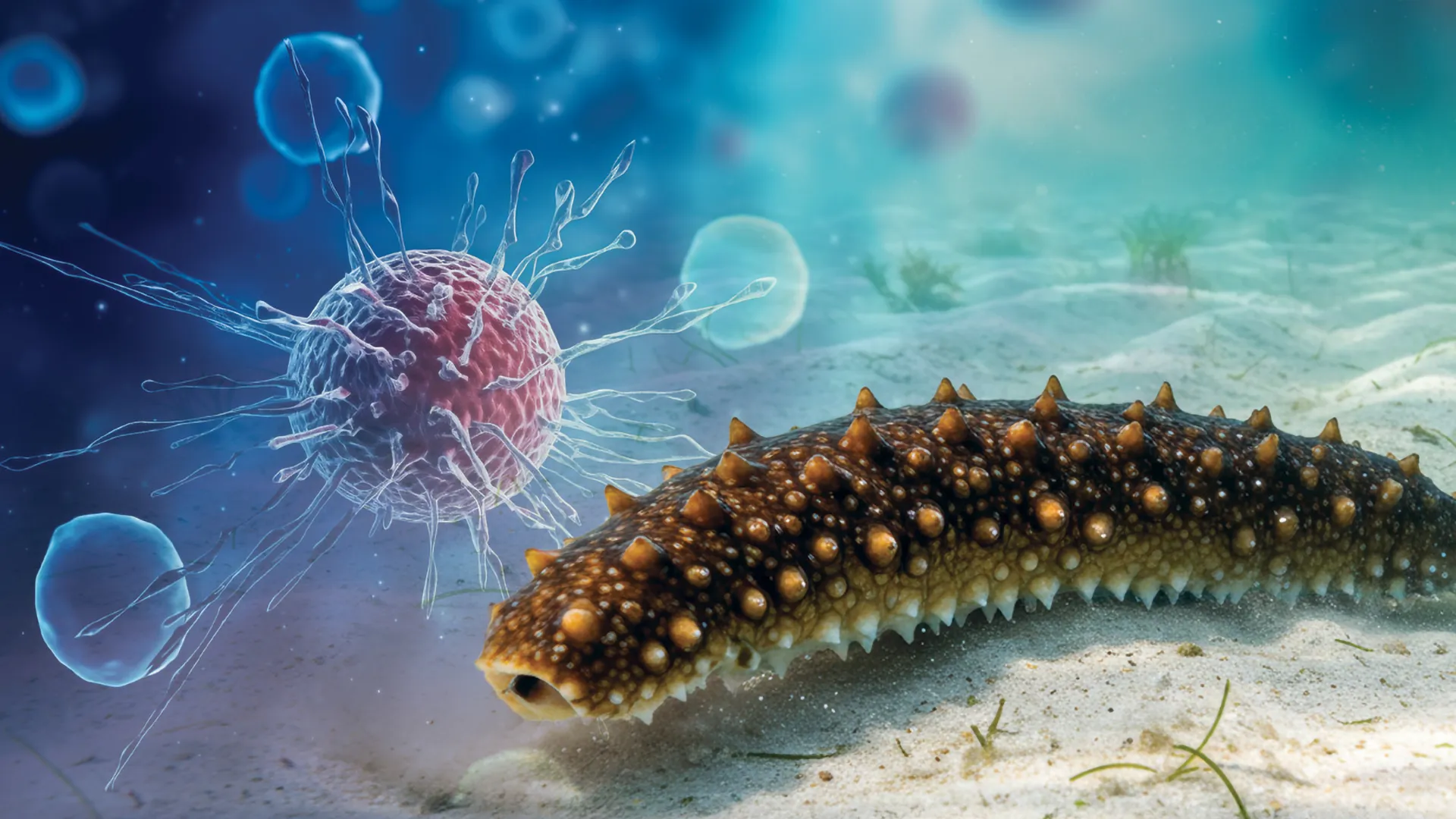
Sea cucumbers are the ocean’s janitors, cleaning the seabed and recycling nutrients back into the water. But this humble marine invertebrate could also hold the key to stopping the spread of cancer. A sugar compound found in sea cucumbers can effectively block Sulf-2, an enzyme that plays a major role…