A neutron star’s weird wind rewrites space physics

The X-Ray Imaging and Spectroscopy Mission (XRISM) has identified a surprising contrast between the winds blasting away from a disk around a neutron star and those seen near supermassive black holes. The neutron star system produces an unusually dense outflow that challenges current ideas about how these winds form and…

Physicists prove the Universe isn’t a simulation after all

The idea that our universe might be nothing more than an elaborate computer simulation has been a favorite theme in science fiction for decades. Yet new research from UBC Okanagan suggests that not only is this concept implausible — it is mathematically impossible. Dr. Mir Faizal, an Adjunct Professor at…

Supercomputer breakthrough exposes Enceladus’s hidden ocean

In the 17th century, Christiaan Huygens and Giovanni Cassini focused their telescopes on Saturn and realized its bright bands were not solid features. Instead, they identified immense, separate rings formed from innumerable nested arcs. Centuries later, NASA’s Cassini-Huygens (Cassini) mission pushed that exploration forward. Starting in 2005, it returned striking…

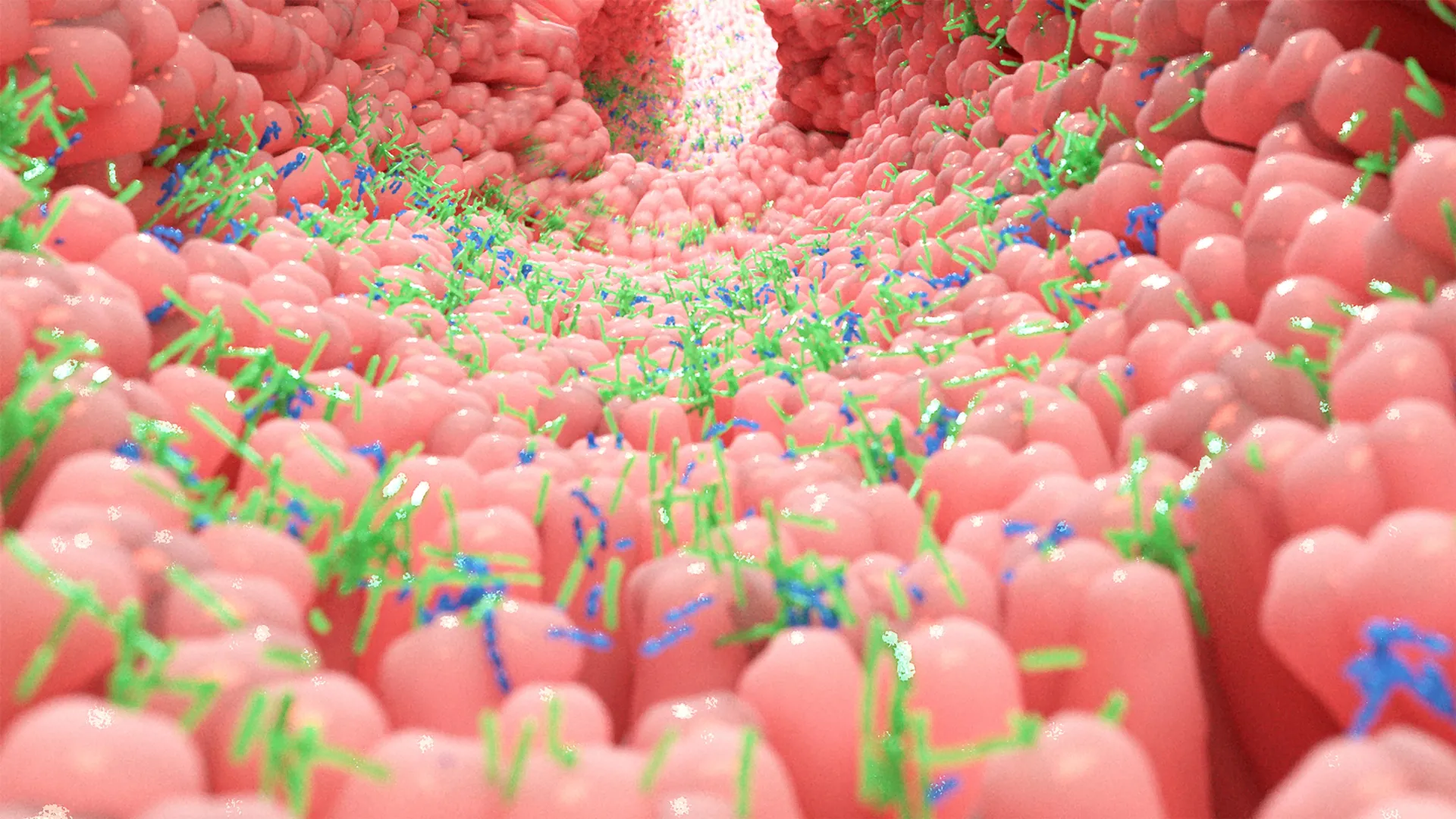
AI unravels the hidden communication of gut microbes

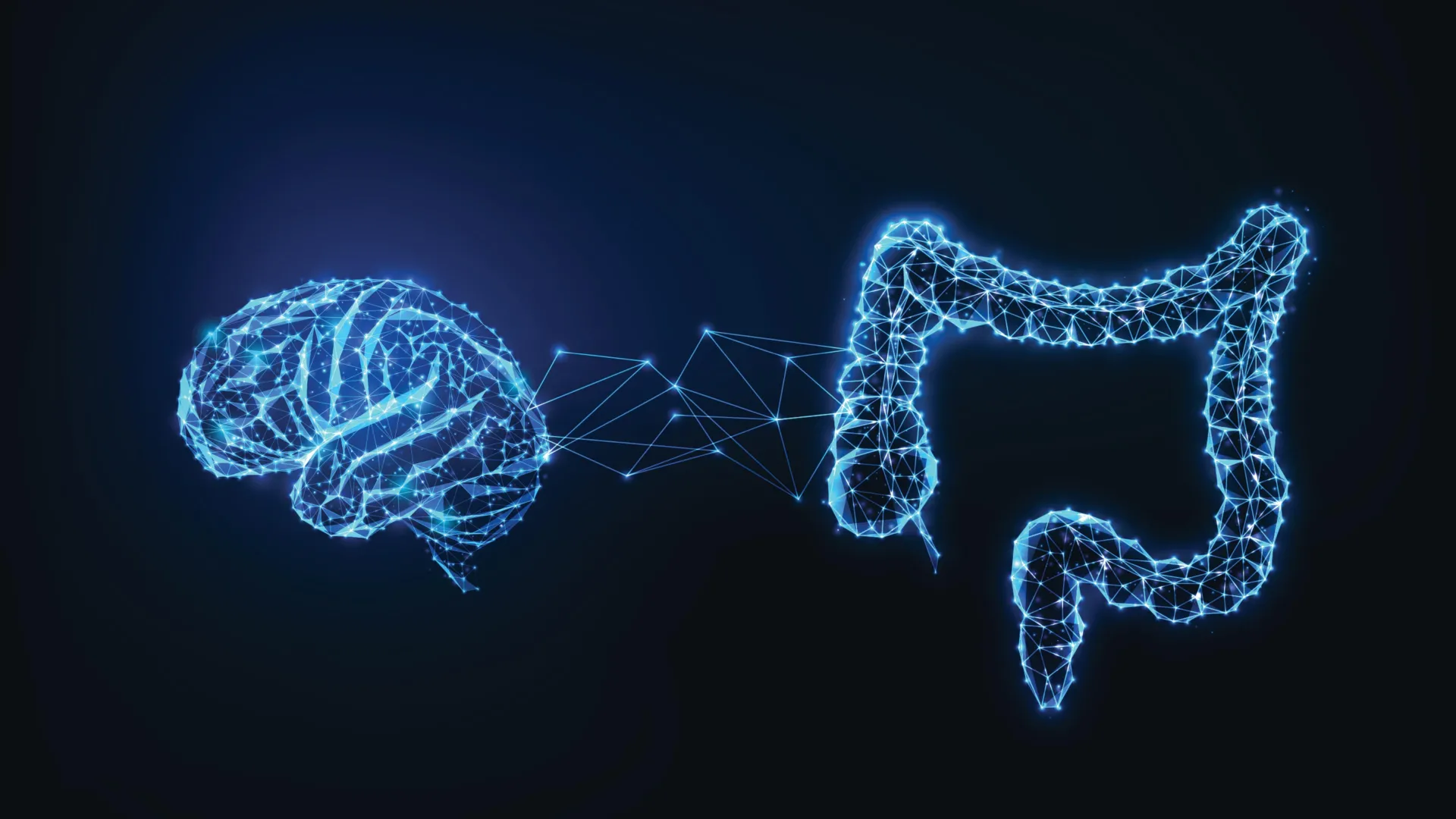
Gut bacteria play a major role in human health, influencing everything from digestion to immunity and mood. Yet, the microbiome’s complexity is staggering. The sheer number of bacterial species and their interactions with human chemistry have made it difficult for scientists to fully understand their effects. In a groundbreaking step,…

New online tool can predict how well blood pressure drugs will work

A groundbreaking Blood Pressure Treatment Efficacy Calculator, developed using data from nearly 500 randomized clinical trials involving more than 100,000 participants, now enables doctors to estimate how much different medications can lower a patient’s blood pressure. Recently published in The Lancet, the research behind this tool could transform how high…

New bacterial therapy destroys cancer without the immune system

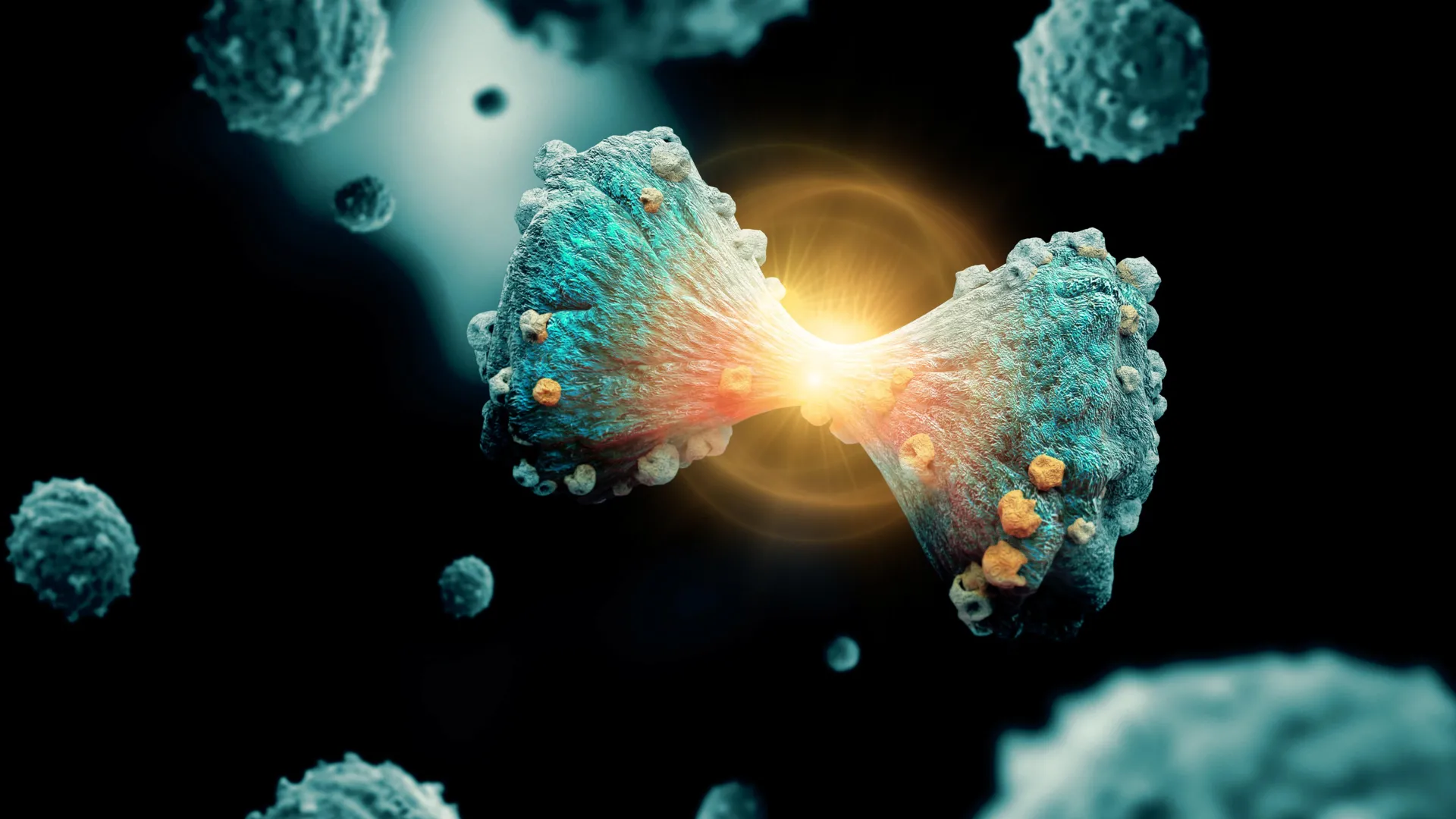
A research team led by Professor Eijiro Miyako at the Japan Advanced Institute of Science and Technology (JAIST), in collaboration with Daiichi Sankyo Co., Ltd. and the University of Tsukuba, has created an innovative cancer treatment that works without relying on the immune system. The new approach uses a unique…

Doctors found a way to stop a deadly metformin reaction

Metformin-associated lactic acidosis (MALA) is an uncommon but potentially life-threatening complication linked to the diabetes medication metformin. The condition occurs when excessive lactic acid builds up in the body, leading to dangerous changes in blood chemistry. Researchers developed and evaluated a clinical protocol aimed at improving how MALA is recognized…

A simple DNA test could reveal the right antidepressant for you

Depression and anxiety are the most widespread mental health disorders in the world. Around 300 million people live with depression, and roughly 301 million have an anxiety disorder, affecting nearly 8 percent of the global population. Yet for many, finding the right treatment can be a slow and frustrating process.…

Astronomers shocked by mysterious gas found in deep space

Phosphorus is one of six essential elements that make life on Earth possible. When it bonds with hydrogen, it forms phosphine (PH3), a highly toxic and explosive gas. This compound is found in the atmospheres of the gas giants Jupiter and Saturn and has long been viewed as a potential…

Dark energy might be changing and so is the Universe

Since the early 20th century, scientists have gathered convincing evidence that the Universe is expanding — and that this expansion is accelerating. The force responsible for this acceleration is called dark energy, a mysterious property of spacetime thought to push galaxies apart. For decades, the prevailing cosmological model, known as…

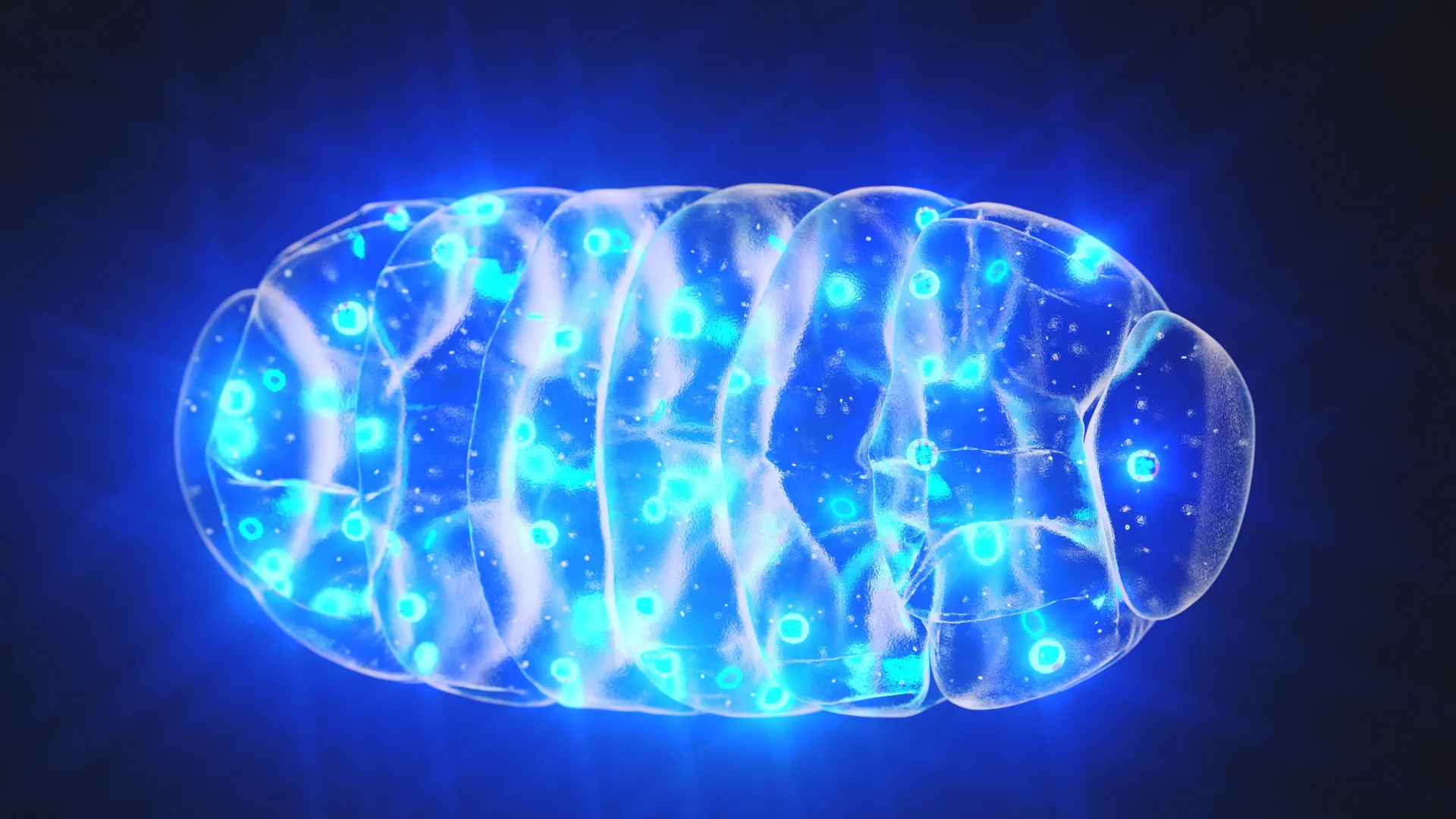
Microbes that breathe rust could help save Earth’s oceans

An international research team led by microbiologists Marc Mussmann and Alexander Loy at the University of Vienna has uncovered a completely new type of microbial metabolism. The newly identified microorganisms, known as MISO bacteria, are able to “breathe” iron minerals by oxidizing toxic sulfide. The scientists discovered that the reaction…

Life found in a place scientists thought impossible

In a new study, first author Palash Kumawat from the University of Bremen’s Geosciences Department and his team investigated how microbes manage to survive in one of the planet’s harshest underwater environments. They analyzed lipid biomarkers, specialized fat molecules that reveal biological activity, to uncover the organisms’ survival strategies. The…

Meet the desert survivor that grows faster the hotter it gets

In California’s Death Valley, where summer heat often surpasses 120 degrees Fahrenheit, survival appears almost impossible. Yet, among the cracked soil and intense sunlight, one native plant not only endures but flourishes. That plant, Tidestromia oblongifolia, has helped scientists at Michigan State University reveal how life can persist in such…

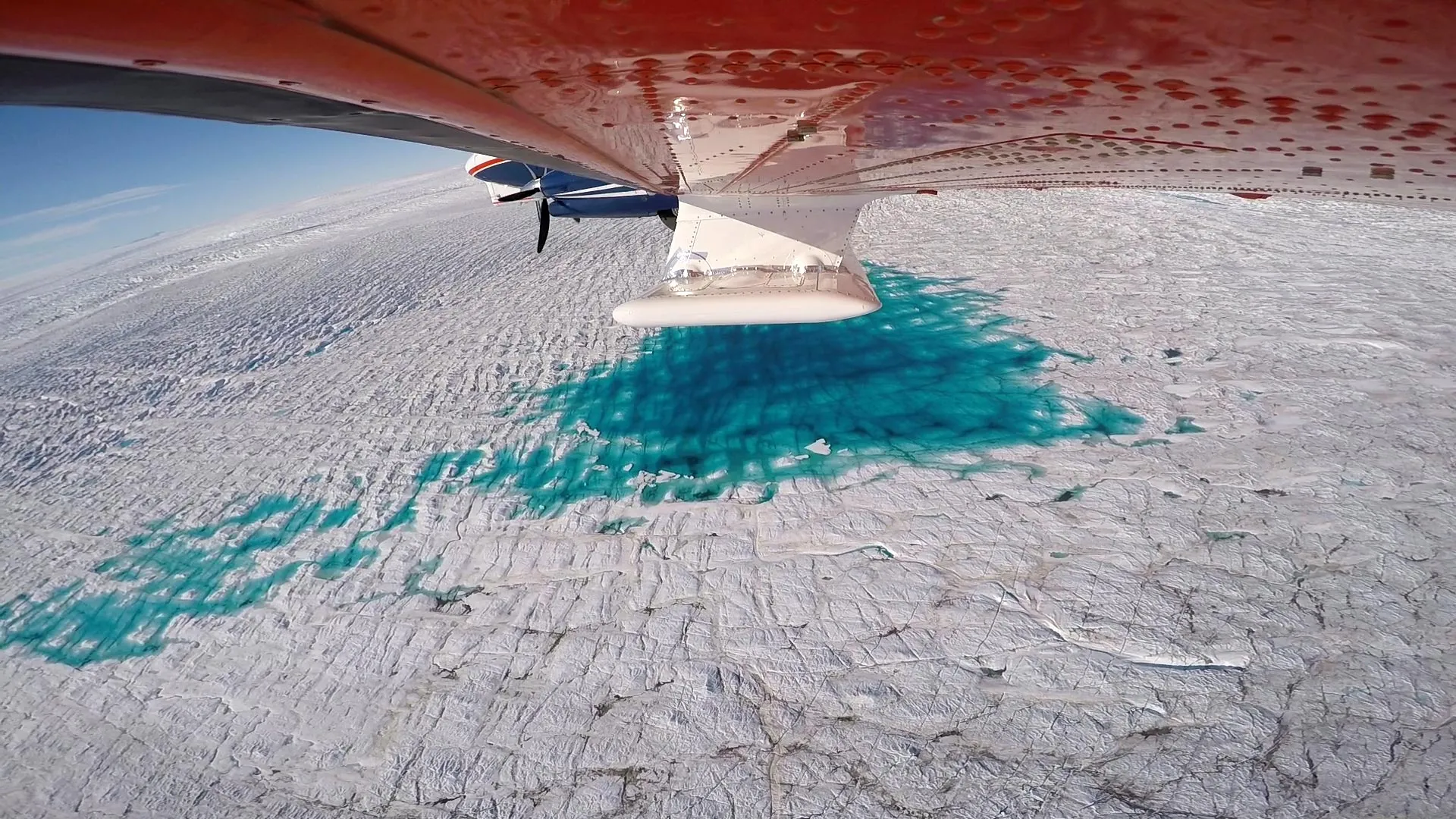
9,000-year-old ice melt shows how fast Antarctica can fall apart

A new study published in Nature Geoscience reveals that the East Antarctic Ice Sheet (EAIS) experienced a major retreat about 9,000 years ago, triggered by a powerful feedback between melting ice and ocean currents. Led by Professor Yusuke Suganuma of the National Institute of Polar Research (NIPR) and the Graduate…

Warm ocean beneath Saturn’s icy moon Enceladus may be perfect for life

New research from NASA’s Cassini mission reveals that Enceladus, one of Saturn’s most intriguing moons and a prime candidate for extraterrestrial life, is releasing heat from both poles. This surprising discovery suggests the icy world has the long-term thermal balance needed for life to possibly take hold. The findings were…

Stanford discovers an extraordinary crystal that could transform quantum tech

Stanford engineers have discovered a standout material, strontium titanate (STO), that performs even better in extreme cold. Instead of weakening, its optical and mechanical properties improve at cryogenic temperatures. STO outperforms every comparable material tested in low-temperature environments, revealing exceptional strength, stability, and tunability. Its unique capabilities could accelerate advances…

“Really bizarre” quantum discovery defies the rules of physics

Lu Li, a physicist who studies advanced materials, knows that people often want to hear how his research could lead to new technologies or practical breakthroughs. But sometimes, what he uncovers is so unusual that its value lies purely in revealing how strange the universe can be. Working with an…

Tiny laser could transform medicine and quantum science

Lasers that produce ultrashort light pulses deliver exceptional precision for manufacturing, medicine, and scientific studies. The catch is that high-efficiency short-pulse systems usually take up significant space and come with high costs. A team at the University of Stuttgart, working with Stuttgart Instruments GmbH, has introduced a compact alternative. Their…

DNA’s hidden power could transform how we make medicines

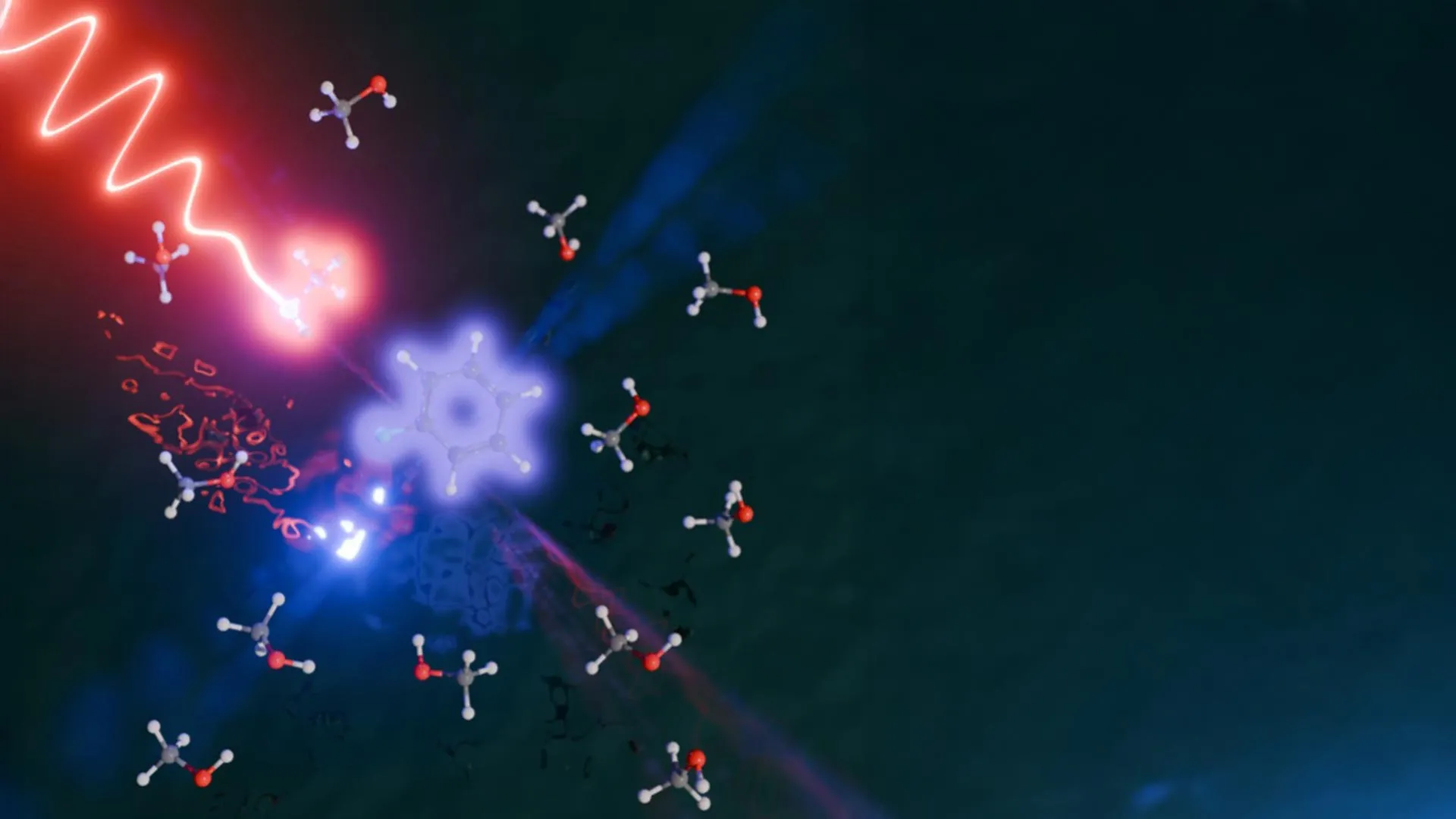
Researchers at the National University of Singapore (NUS) have uncovered a new way to use deoxyribonucleic acid (DNA). Beyond carrying genetic information, DNA can also serve as a tool for creating medicines more efficiently. Specific regions of DNA known as phosphates act like tiny “hands” that guide chemical reactions to…

Common antidepressant found to work in just two weeks

A widely used antidepressant, sertraline (sold under the brand names Zoloft and Lustral), appears to bring modest improvements in key depression and anxiety symptoms within the first two weeks of treatment, according to a new analysis led by researchers at University College London (UCL). The study, published in Nature Mental…

DNA in seawater reveals lost hammerhead sharks

A scientist at Florida International University (FIU) has created a revolutionary test that can detect small, hard-to-find hammerhead sharks without ever spotting them in the water — a breakthrough that could help save species on the edge of extinction. This innovative method identifies traces of the sharks’ presence without catching…

A 500-million-year-old brain “radar” still shapes how you see

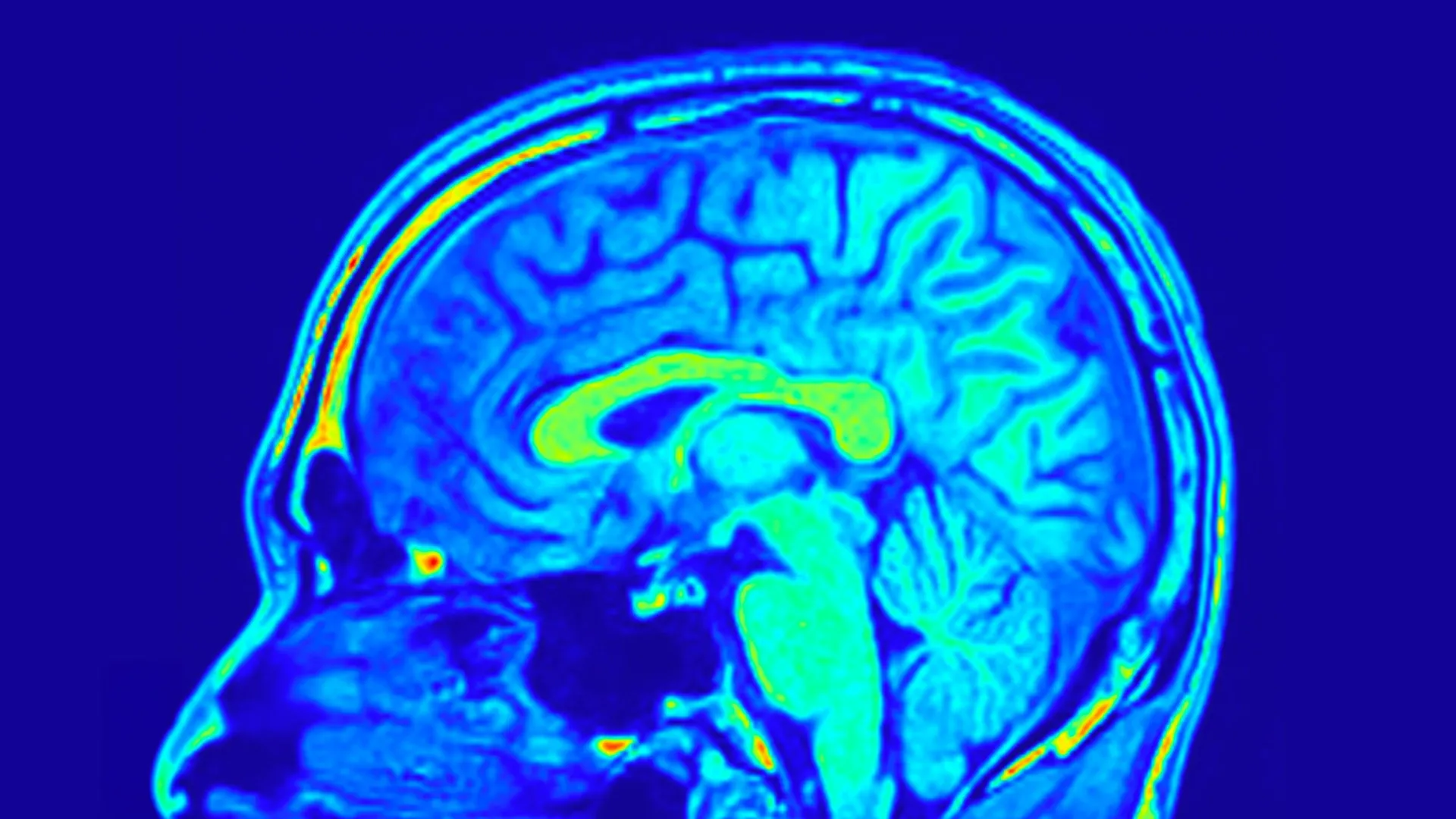
The brain’s ability to interpret the visual world does not depend solely on its advanced outer layer, the cortex. A new study in PLOS Biology reveals that an evolutionarily older brain region, the superior colliculus, contains neural networks capable of carrying out fundamental visual computations. These circuits enable the brain…

Scientists find brain cells that could stop Alzheimer’s

In Alzheimer’s disease, the most common cause of dementia, microglia (the brain’s immune cells) play a double role. They can protect the brain by clearing harmful debris or, under certain conditions, contribute to damage and inflammation. How these cells behave can strongly influence how the disease unfolds. Scientists from the…

New laser treatment could stop blindness before it starts

Roughly one in three people over the age of 80 experiences age-related macular degeneration (AMD), a condition that affects the retina and leads to central vision loss. In the United States, about 20 million adults aged 40 and older are currently living with AMD. The vast majority have the “dry”…

Common pesticides may cause testicular damage and lower sperm counts

Today’s large-scale farming methods make it nearly impossible to avoid consuming trace amounts of agricultural chemicals, many of which may harm the human body over time. Researchers from George Mason University’s College of Public Health and College of Science, led by alumna Sumaiya Safia Irfan and student Veronica Sanchez, examined…

COVID vaccine linked to fewer infections and allergies in kids with eczema

Children diagnosed with atopic dermatitis (AD), more commonly known as eczema, could face fewer infections and allergic problems after receiving the COVID-19 vaccine, according to new research presented at the 2025 American College of Allergy, Asthma and Immunology (ACAAI) Annual Scientific Meeting in Orlando. “Atopic dermatitis is a chronic skin…

MIT quantum breakthrough edges toward room-temp superconductors

Superconductors work like express trains for electricity. Once electric current enters one, it can travel through without resistance or energy loss. Because of this remarkable efficiency, superconductors are already key to technologies such as MRI scanners and particle accelerators. However, these “conventional” superconductors only operate at extremely cold temperatures. They…

Einstein might have been wrong about black holes

Black holes are often described as cosmic gluttons, consuming everything that drifts too close — including light itself. This is what makes the images of the supermassive black holes at the centers of the galaxy M87 and our own Milky Way so remarkable. Captured by the Event Horizon Telescope (EHT)…

Deep-sea mining starves life in the ocean’s twilight zone

A new study from the University of Hawai’i (UH) at Mānoa, published on November 6 in Nature Communications, provides the first direct evidence that waste from deep-sea mining could disrupt vital ecosystems in the Pacific Ocean’s Clarion-Clipperton Zone (CCZ). This area, one of the most biologically rich regions of the…

Laser satellites expose a secret Antarctic carbon burst

A team of scientists has found that the Southern Ocean emits far more carbon dioxide (CO2) during the lightless Antarctic winter than researchers once believed. According to their new study, this wintertime release of CO2 has been underestimated by as much as 40%. The research was led by scientists from…