
A flesh-eating fly once eradicated is moving back toward the U.S.

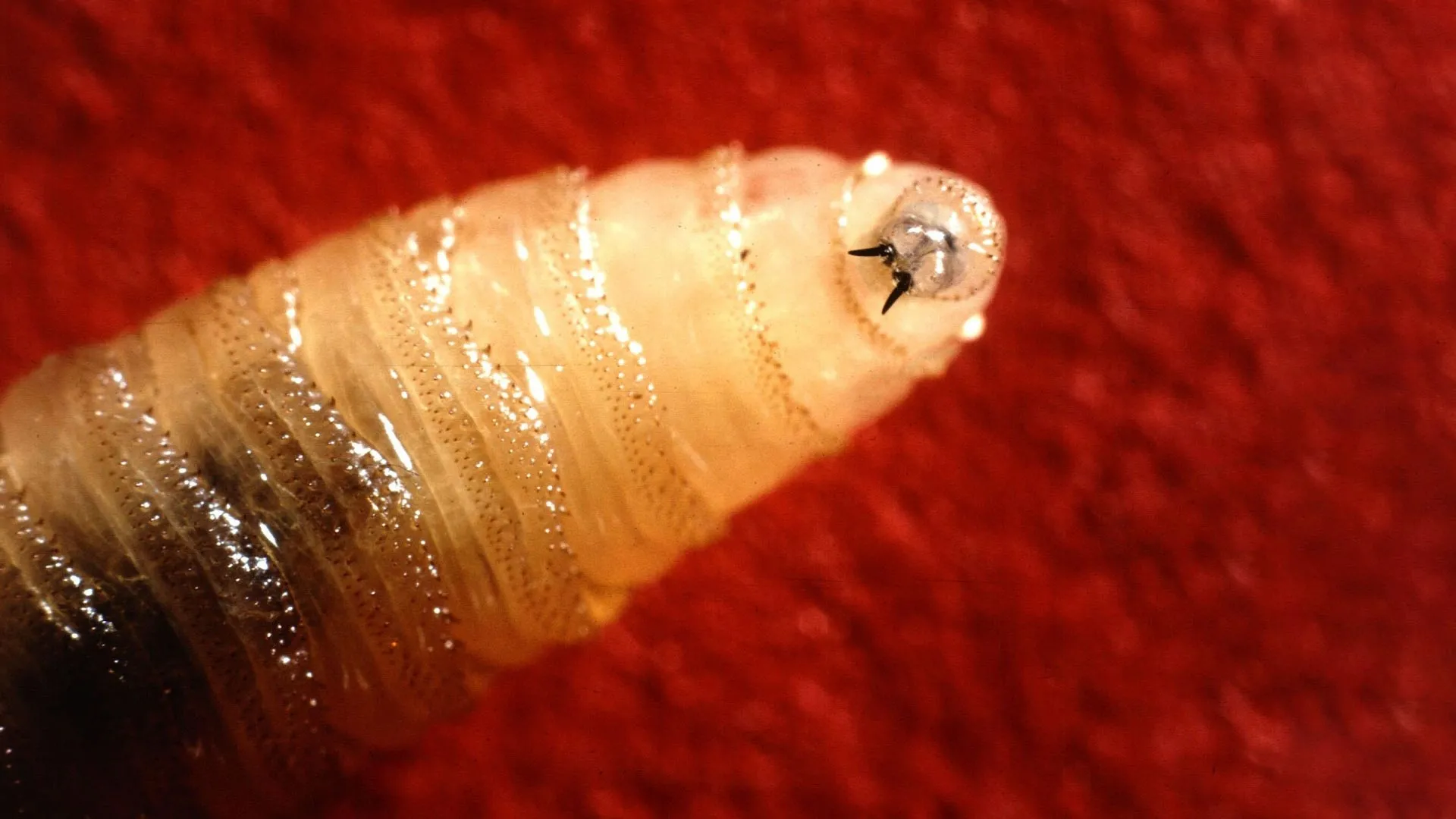
When the New World screwworm last spread across the United States, it caused widespread damage to livestock and took decades to eliminate. That history is now driving a new effort by researchers at the University of California Riverside, who are working to stop the parasitic fly before it can reestablish…

Sugar-free sweeteners may still be harming your liver

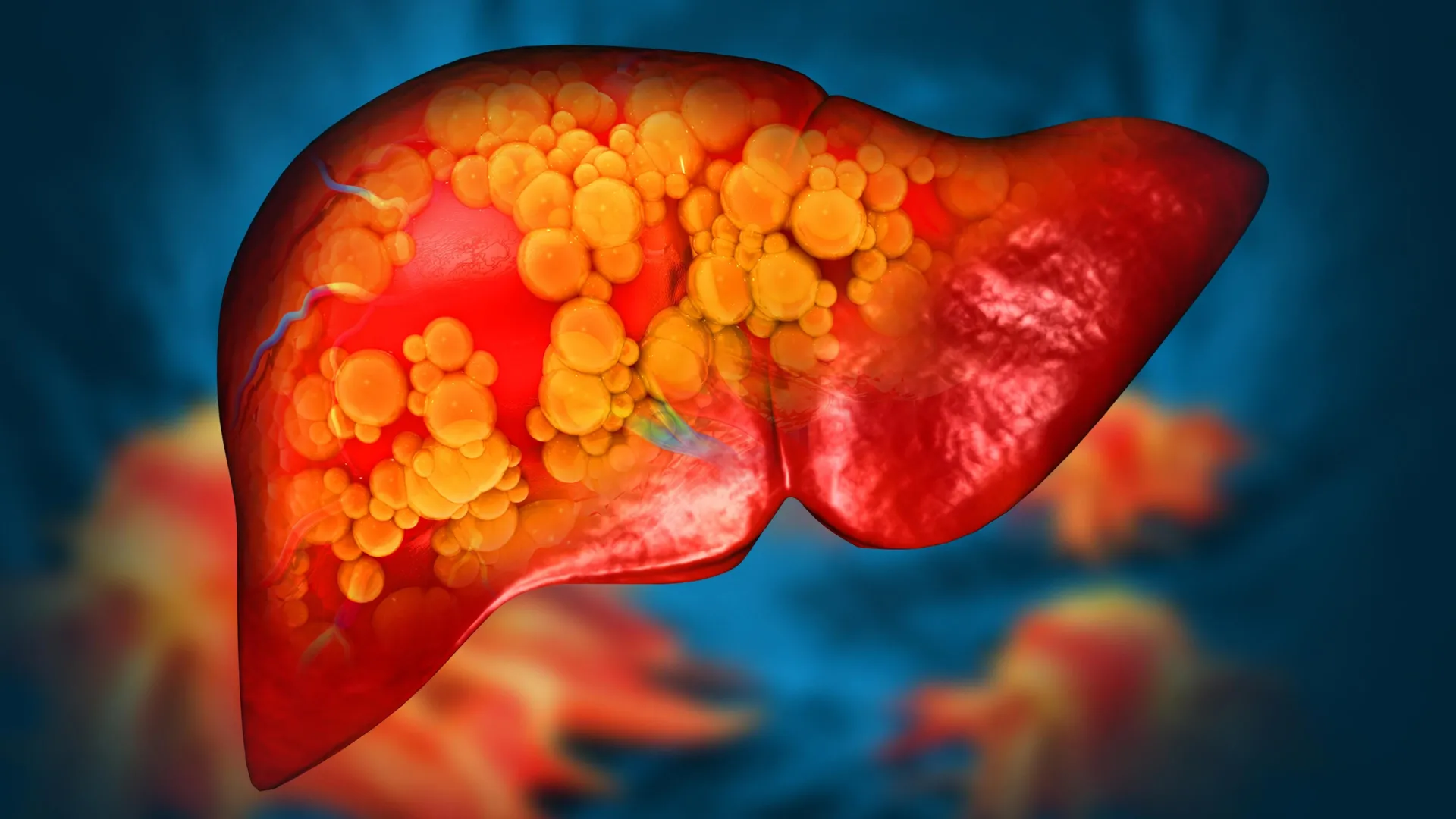
Sweeteners such as aspartame, found in Equal packets, sucralose (Splenda), and sugar alcohols are widely promoted as healthier options than foods made with refined sugar (glucose). Many people turn to these alternatives hoping to reduce health risks linked to sugar. New scientific evidence is now calling that belief into question.…

He ate a hamburger and died hours later. Doctors found a shocking cause

Researchers at the University of Virginia School of Medicine have confirmed the first known death caused by the condition commonly referred to as the meat allergy, which is transmitted by ticks. The case involved a 47 year old man from New Jersey who was previously healthy and died suddenly about…

New study reveals how kimchi boosts the immune system

Growing seasonal concern about overlapping respiratory illnesses such as the common cold and influenza has increased interest in ways to support immune health. New clinical research now suggests that kimchi, a traditional Korean fermented food, can help strengthen immune cell function while keeping the immune system in balance. Scientists have…

A new test could reveal Alzheimer’s before symptoms appear

Researchers at Northern Arizona University (NAU) are testing a new approach that could make it easier for clinicians to spot Alzheimer’s disease sooner and slow its progression. The project is led by Travis Gibbons, an assistant professor in the Department of Biological Sciences. Supported in part by a grant from…

A hidden star found where dust shouldn’t exist

About 70 light-years from Earth, a star known as Kappa Tucanae A has long puzzled astronomers. It is surrounded by dust heated to more than 1,000 degrees Fahrenheit, glowing intensely while orbiting extremely close to the star. Under such conditions, the dust should not survive. It should either evaporate or…

A loud minority makes the Internet look far more toxic than it is

Americans tend to believe that online spaces are far more hostile than they actually are. Many assume that nearly half of people on major platforms regularly post cruel, aggressive, or abusive comments. In reality, truly severe online toxicity is much rarer. One striking example is Reddit, where Americans estimate that…

Scientists reveal why some brains stop growing too soon

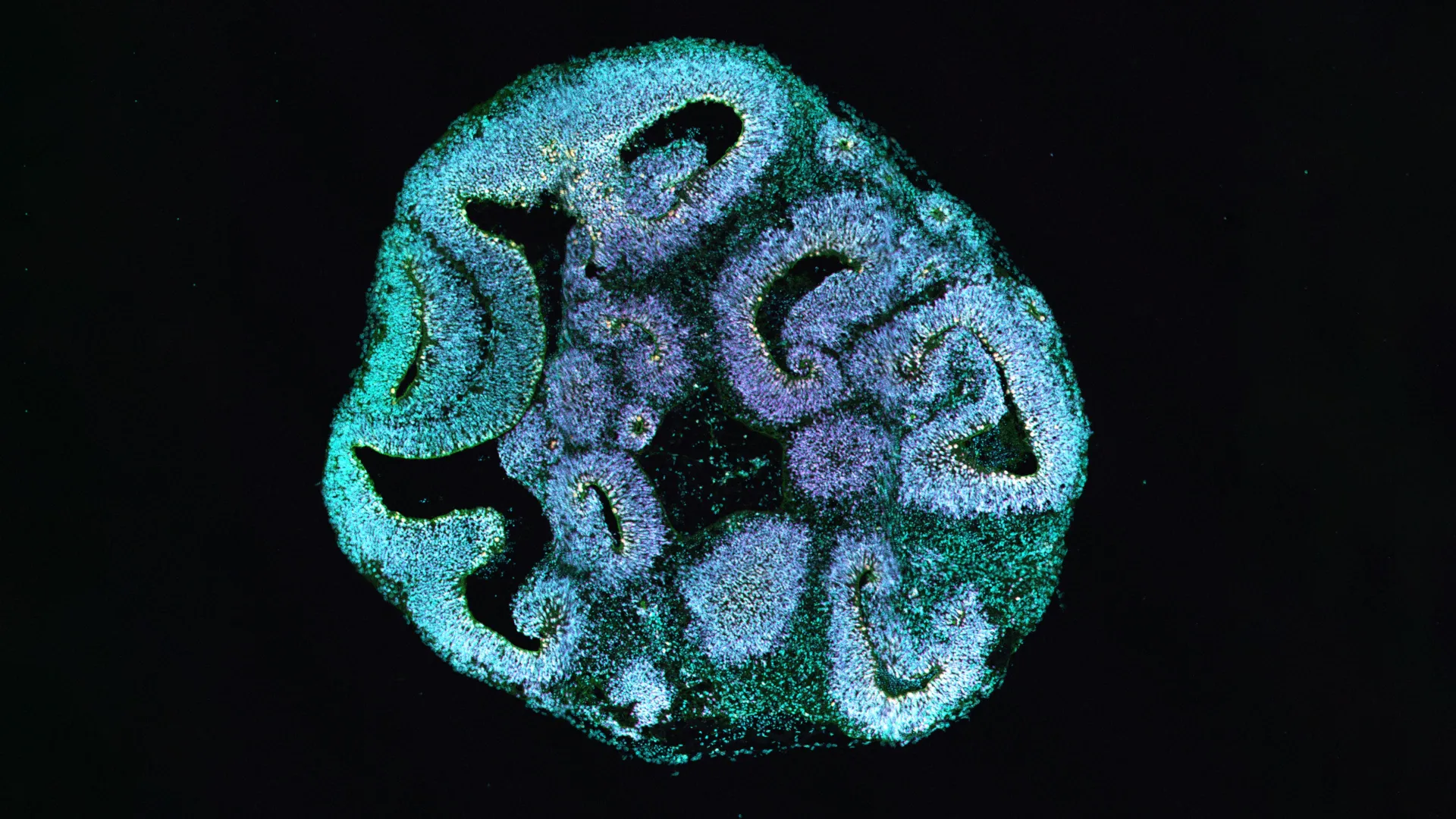
Why do some children develop a brain that is unusually small (microcephaly)? A global team of scientists from the German Primate Center — Leibniz Institute for Primate Research (DPZ), Hannover Medical School (MHH), and the Max Planck Institute of Molecular Cell Biology and Genetics set out to answer this question…

This 8,000-year-old art shows math before numbers existed

A study published in the Journal of World Prehistory suggests that some of the earliest known images of plants created by humans served a deeper purpose than decoration. According to the researchers, these ancient designs also reveal early mathematical thinking. By closely examining prehistoric pottery, Prof. Yosef Garfinkel and Sarah…

A simple turn reveals a 1,500-year-old secret on Roman glass

In the quiet glow of a museum gallery, Hallie Meredith noticed something unexpected about ancient Roman glass that had gone unnoticed for generations. In February 2023, the Washington State University art history professor and practicing glassblower was studying a private collection of Roman glass cage cups at the Metropolitan Museum…

Living cells may generate electricity from motion

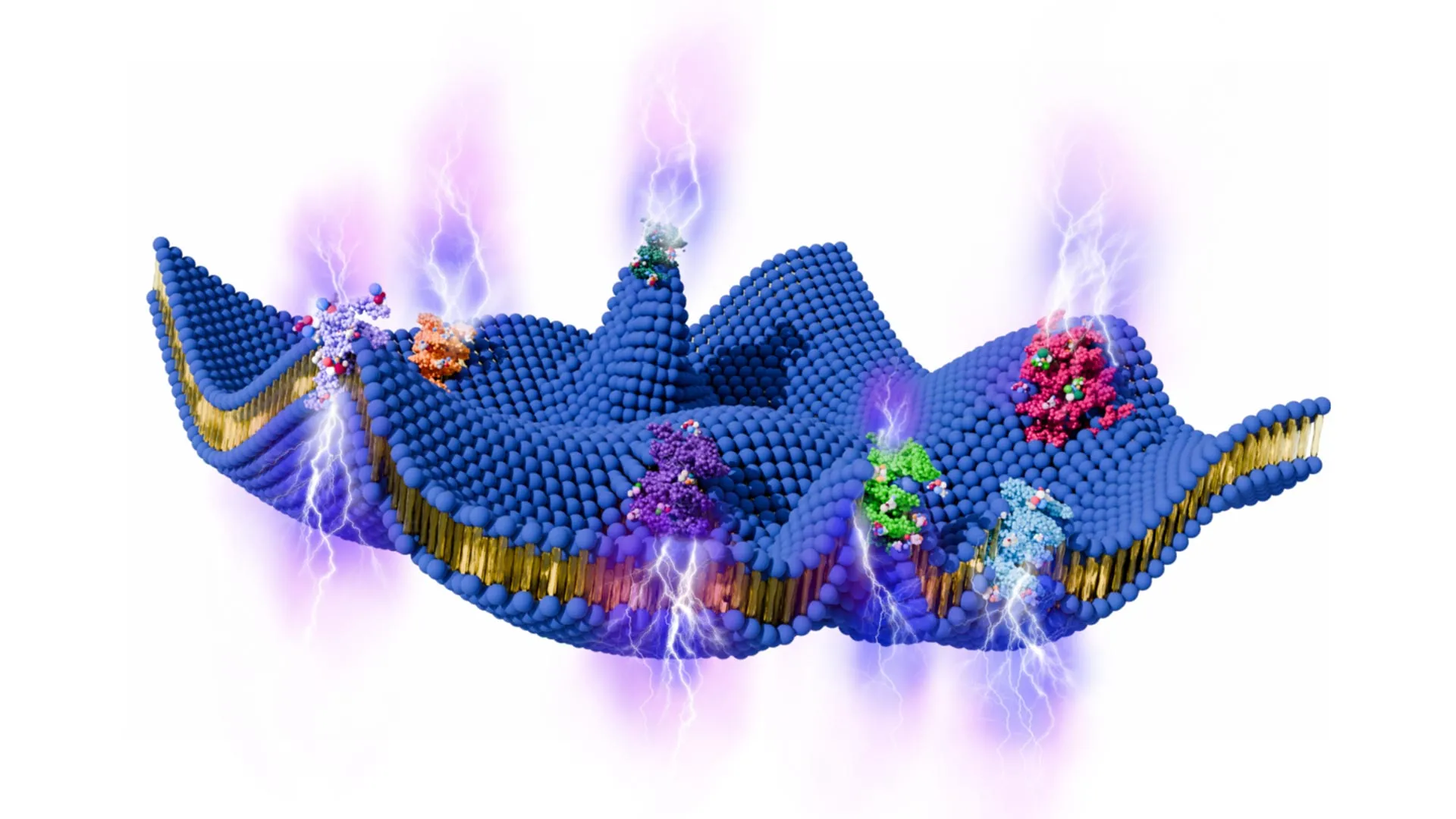
Scientists have developed a new theoretical explanation for how living cells might generate electricity on their own. At the center of the idea is the cell membrane, the thin, flexible layer that surrounds every living cell and controls what enters and leaves it. Rather than being a static barrier, this…

Colon cancer is surging in younger adults and doctors are alarmed

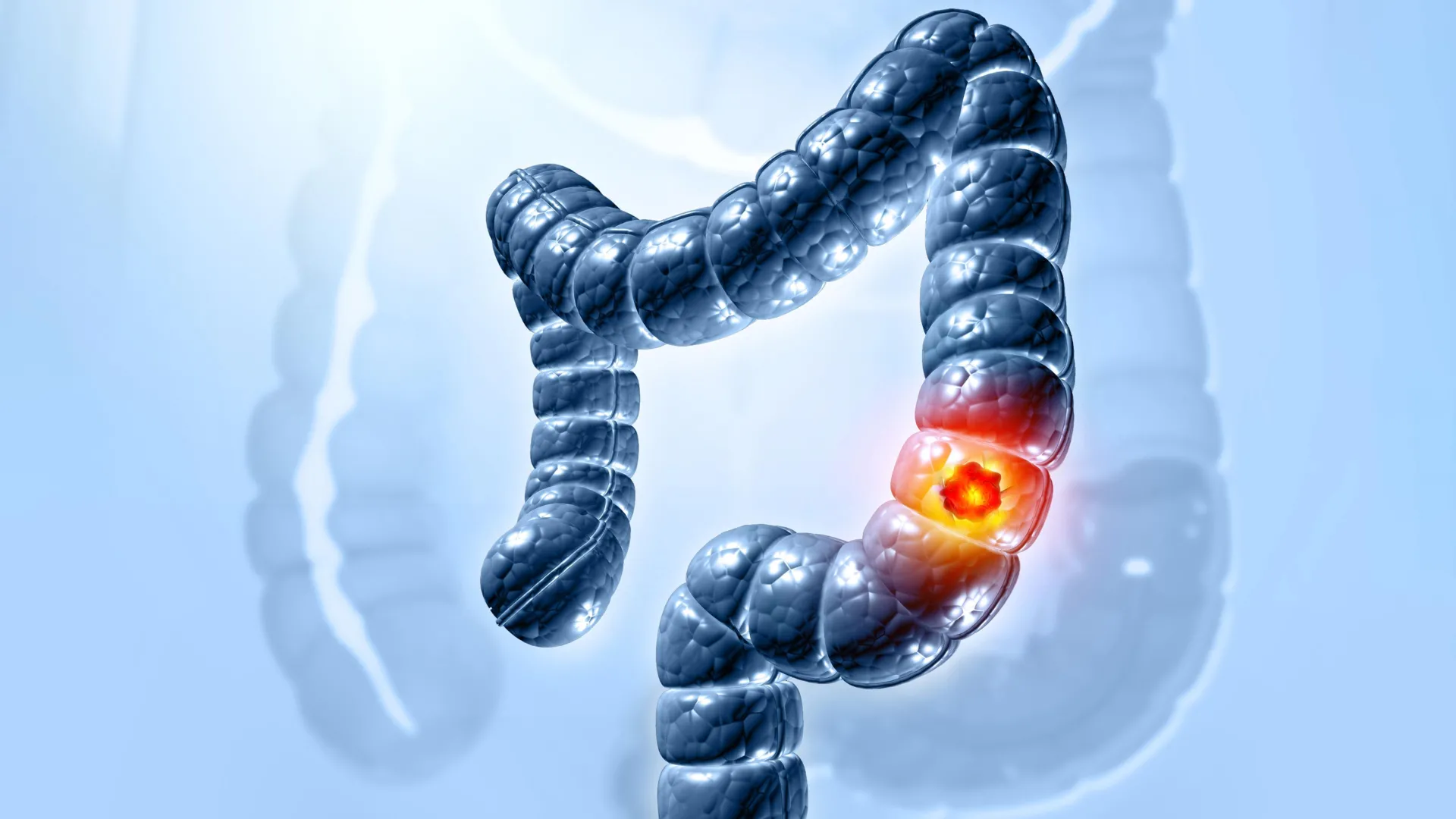
Colorectal cancer has long been viewed as a condition that primarily affects older adults. That assumption is changing as more cases are now being diagnosed in younger people, a shift that is raising concern among health experts around the world. Public awareness increased sharply after the death of actor Chadwick…

Ramanujan’s 100-year-old pi formula is still revealing the Universe

Most people first encounter the irrational number π (pi) — commonly approximated as 3.14 and extending infinitely without repeating — during school lessons about circles. In recent decades, advances in computing have pushed this familiar constant far beyond the classroom, with powerful supercomputers now calculating pi to trillions of decimal…

Scientists reveal a 1.5-million-year-old human face

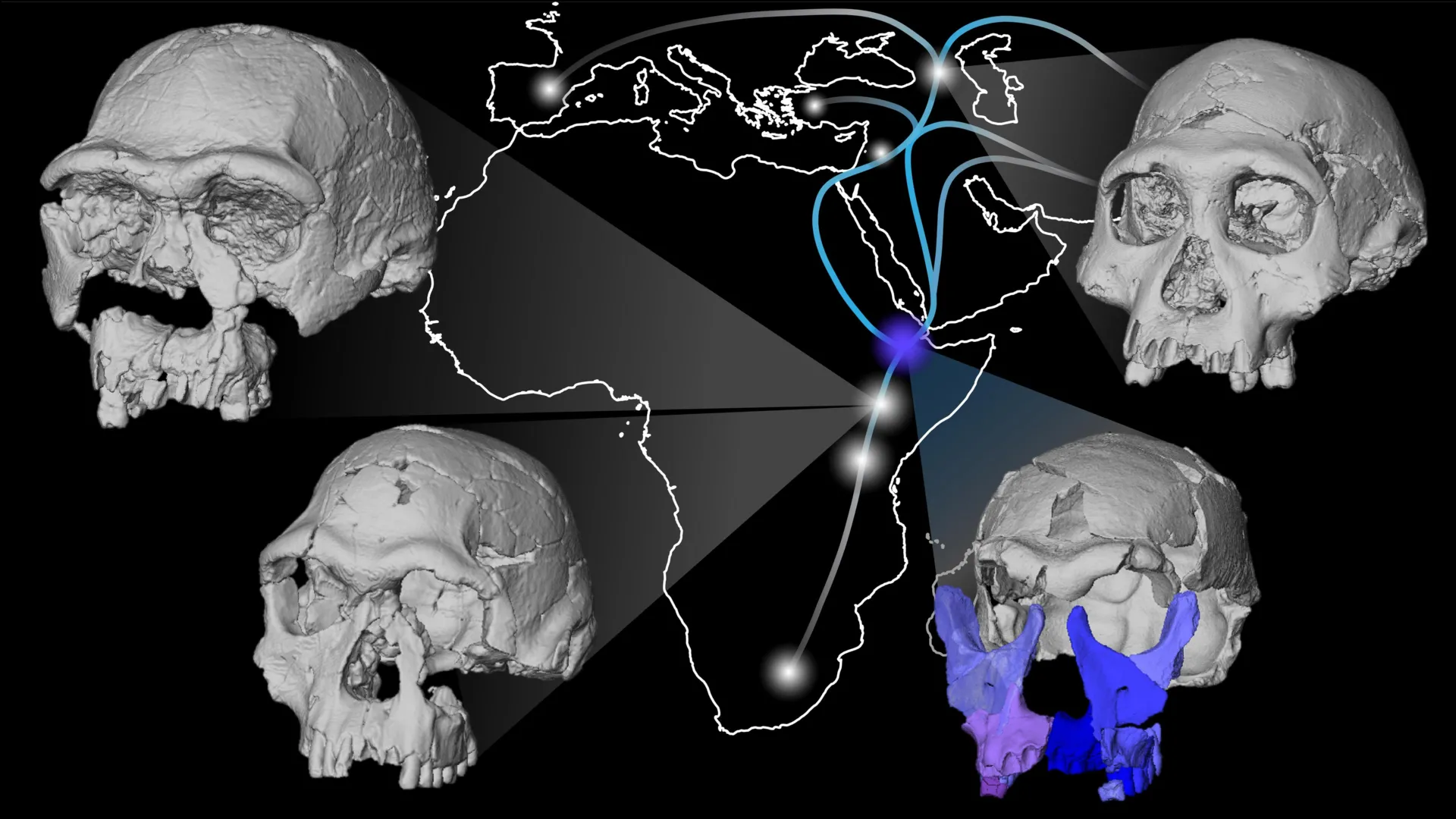
An international research team led by Dr. Karen Baab, a paleoanthropologist at the College of Graduate Studies, Glendale Campus of Midwestern University in Arizona, created a digital reconstruction of the face of early Homo erectus. The fossil, known as DAN5, is dated to about 1.5 to 1.6 million years old…

A new way to prevent gum disease without wiping out good bacteria

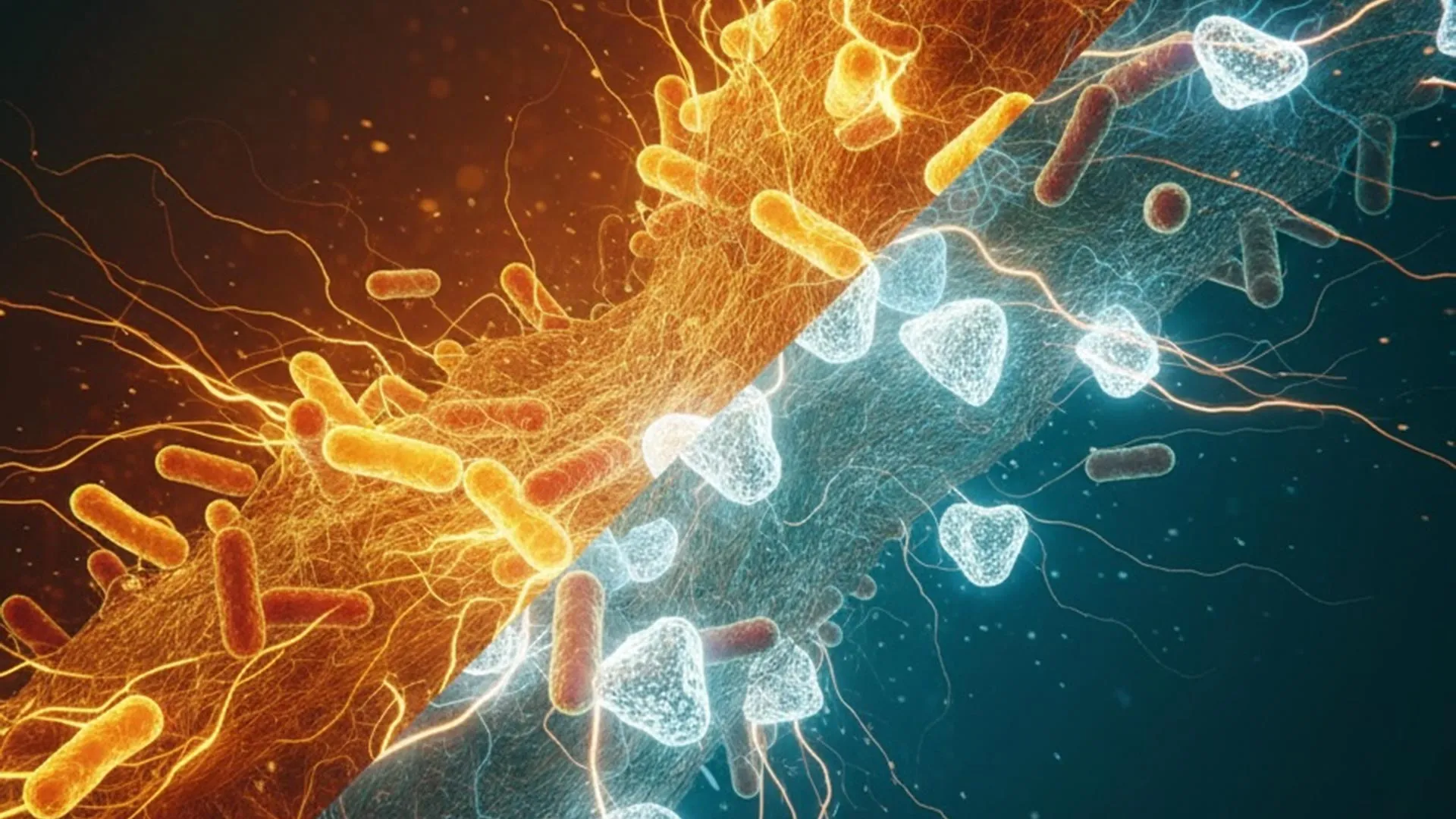
All living organisms adapt in order to survive, and bacteria are no exception. Over many decades, some bacteria have gradually become resistant to widely used antibiotics and disinfectants, creating serious challenges for medicine and public health. At the same time, countless bacterial species play a helpful and often critical role…

Physicists found a way to see heat in empty space

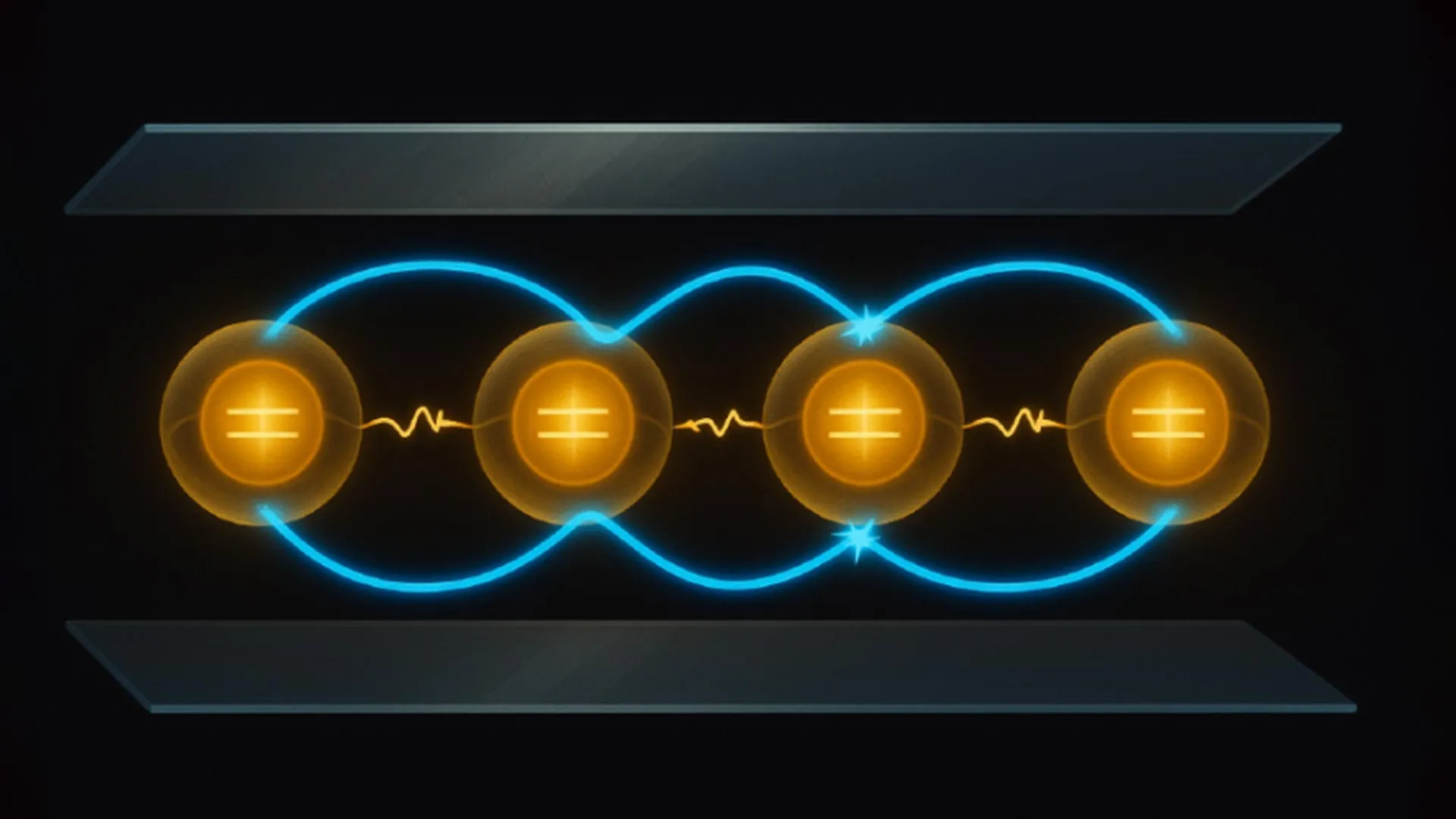
Scientists at Stockholm University and the Indian Institute of Science Education and Research (IISER) Mohali have outlined a realistic strategy to observe one of the most unusual ideas in modern physics: the Unruh effect. This effect predicts that an object that is speeding up (accelerating) would experience empty space as…

This rare earthquake did everything scientists hoped to see

The powerful earthquake that struck Myanmar on March 28, 2025, has given researchers an uncommon chance to observe how some of the planet’s most dangerous fault systems behave, including faults similar to California’s San Andreas. Earthquakes are usually chaotic and difficult to study, but this one occurred along an unusually…

Scientists find the missing links between genes and disease

Biomedical scientists are racing to identify the genes that contribute to illness, hoping that these discoveries will lead to treatments that target the right genes and help bring the body back to health. When one faulty gene is responsible, the path to understanding the problem can be fairly direct. Many…

AI learns to decode the diseases written in your DNA

Scientists at the Icahn School of Medicine at Mount Sinai have created a new artificial intelligence system that can do more than flag harmful genetic mutations. The tool can also forecast the types of diseases those mutations are most likely to cause. The approach, known as V2P (Variant to Phenotype),…

Giant sea monsters lived in rivers at the end of the dinosaur age

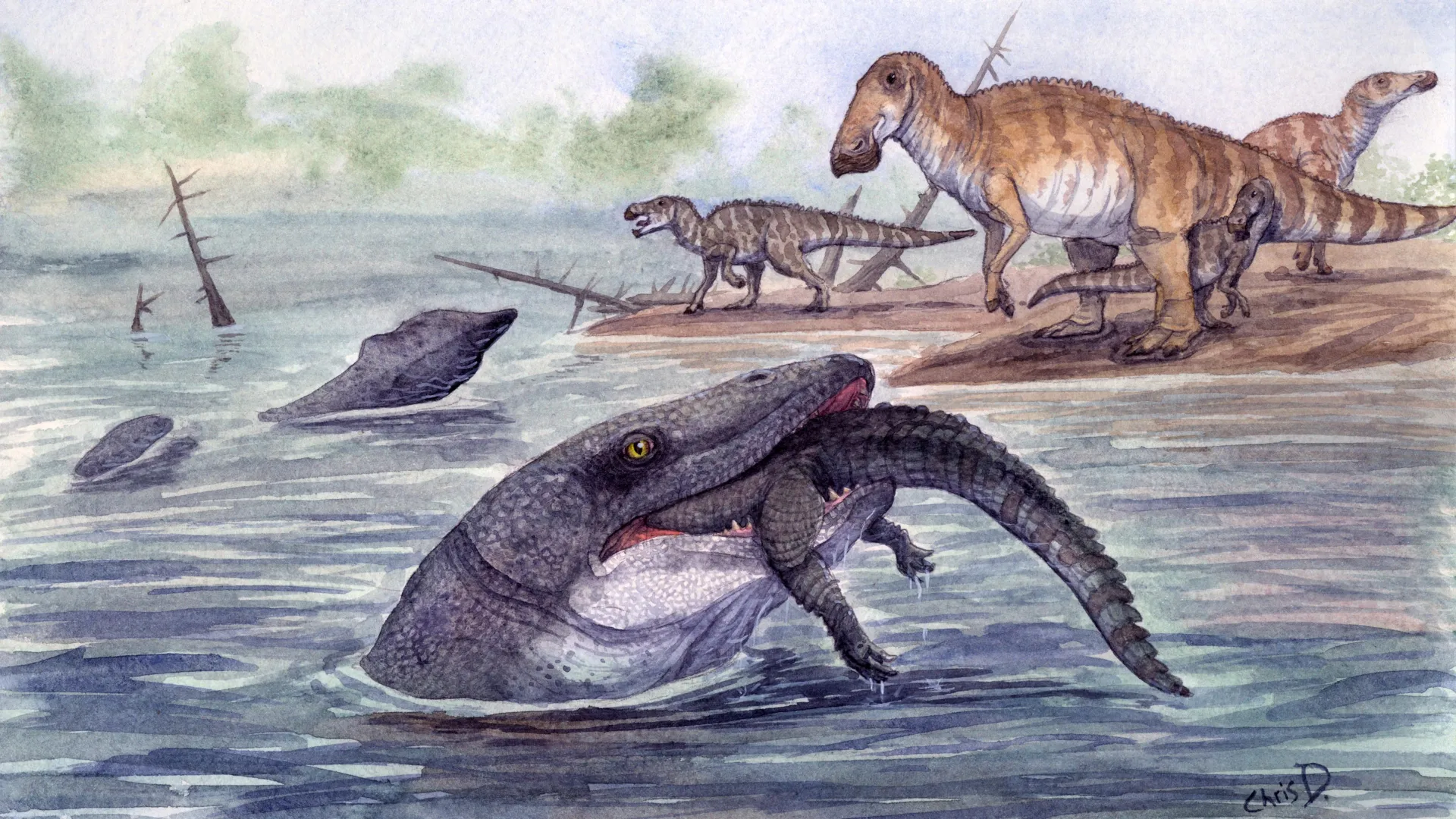
Mosasaurs were enormous marine reptiles that lived more than 66 million years ago, but new evidence shows they did not spend all their time in the ocean. Researchers analyzing a mosasaur tooth discovered in North Dakota have found strong signs that some of these animals lived in rivers. The tooth…

Why consciousness exists at all

Our everyday lives are shaped by conscious experience. At times, this experience is pleasant, such as feeling sunlight on your skin, hearing birds sing, or simply enjoying a peaceful moment. At other times, it is painful, whether from a physical injury like hurting your knee on the stairs or from…

Hidden dimensions could explain where mass comes from

The geometry of space itself may play a far more central role in physics than previously thought. Instead of serving only as the backdrop where forces act, spacetime may be responsible for the forces and particles that make up the universe. New theoretical work suggests that the fundamental behavior of…

AI found a way to stop a virus before it enters cells

Washington State University scientists have identified a way to interfere with a key viral protein, stopping viruses from entering cells where they can trigger disease. The finding points to a potential new direction for antiviral therapies in the future. The study, published in the journal Nanoscale, focused on uncovering and…

New study shows some plant-based diets may raise heart disease risk

Previous studies have indicated that eating large amounts of ultra-processed foods[1] is linked with a higher likelihood of developing cardiovascular diseases. Other research[2] has found that diets centered on plant-based foods can lower this risk when those foods offer balanced nutrition and are consumed in appropriate proportions. To explore how…

These simple habits could make your brain 8 years younger, study finds

Your birth certificate may show 65, but your brain might be functioning as if it were ten years younger — or older — depending on the experiences and habits that shape your daily life. A team at the University of Florida reports that optimism, regular high-quality sleep, strong social ties…

Anxiety and insomnia linked to sharp drops in key immune cells

Natural killer (NK) cells act as key defenders within the immune system. They help control infections by targeting invading microbes, foreign materials, and damaged or infected cells early on, which limits their ability to spread. NK cells travel through the bloodstream (circulatory) or remain in specific tissues and organs. When…

New orbital clue reveals how hot Jupiters really formed

The first exoplanet ever confirmed in 1995 turned out to be what researchers now describe as a “hot Jupiter,” a giant world similar in mass to Jupiter but orbiting its star in only a few days. Scientists now think these planets originally formed far from their host stars, similar to…

Light-printed electrodes turn skin and clothing into sensors

Researchers at Linköping and Lund universities in Sweden have demonstrated that visible light can be used to form electrodes from conductive plastics without the need for dangerous chemicals. Their results show that these electrodes can be produced on a wide variety of surfaces, creating opportunities for new types of electronics…