
Scientists uncover what delayed Earth’s oxygen boom for a billion years

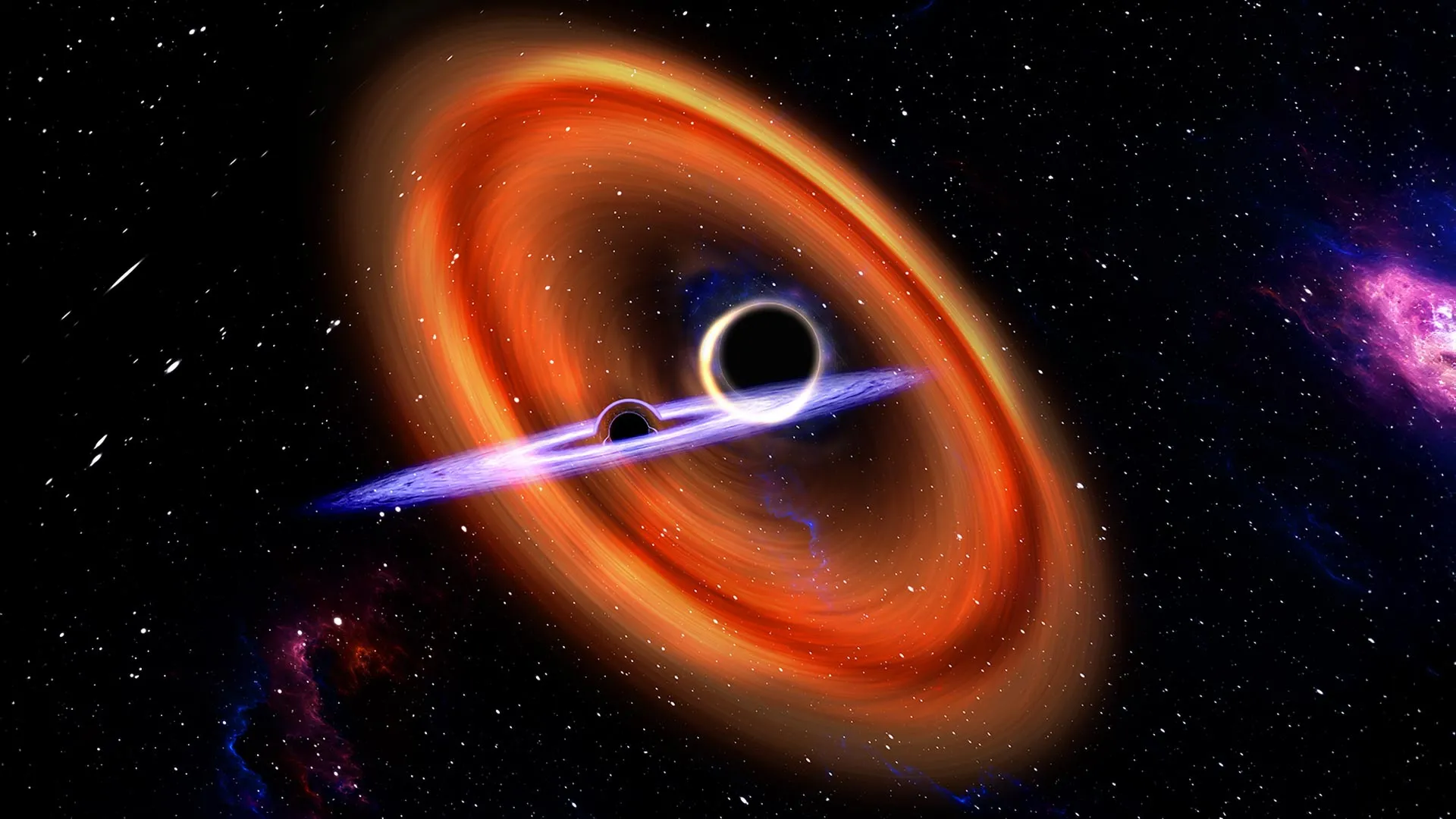
The arrival of oxygen in Earth’s atmosphere marked a defining moment in the planet’s history, transforming it into a world capable of supporting complex life. This major shift, known as the Great Oxidation Event (GOE), took place approximately 2.1 to 2.4 billion years ago. However, oxygenic photosynthesis — produced by…
A prehistoric battle just rewrote T. rex’s story

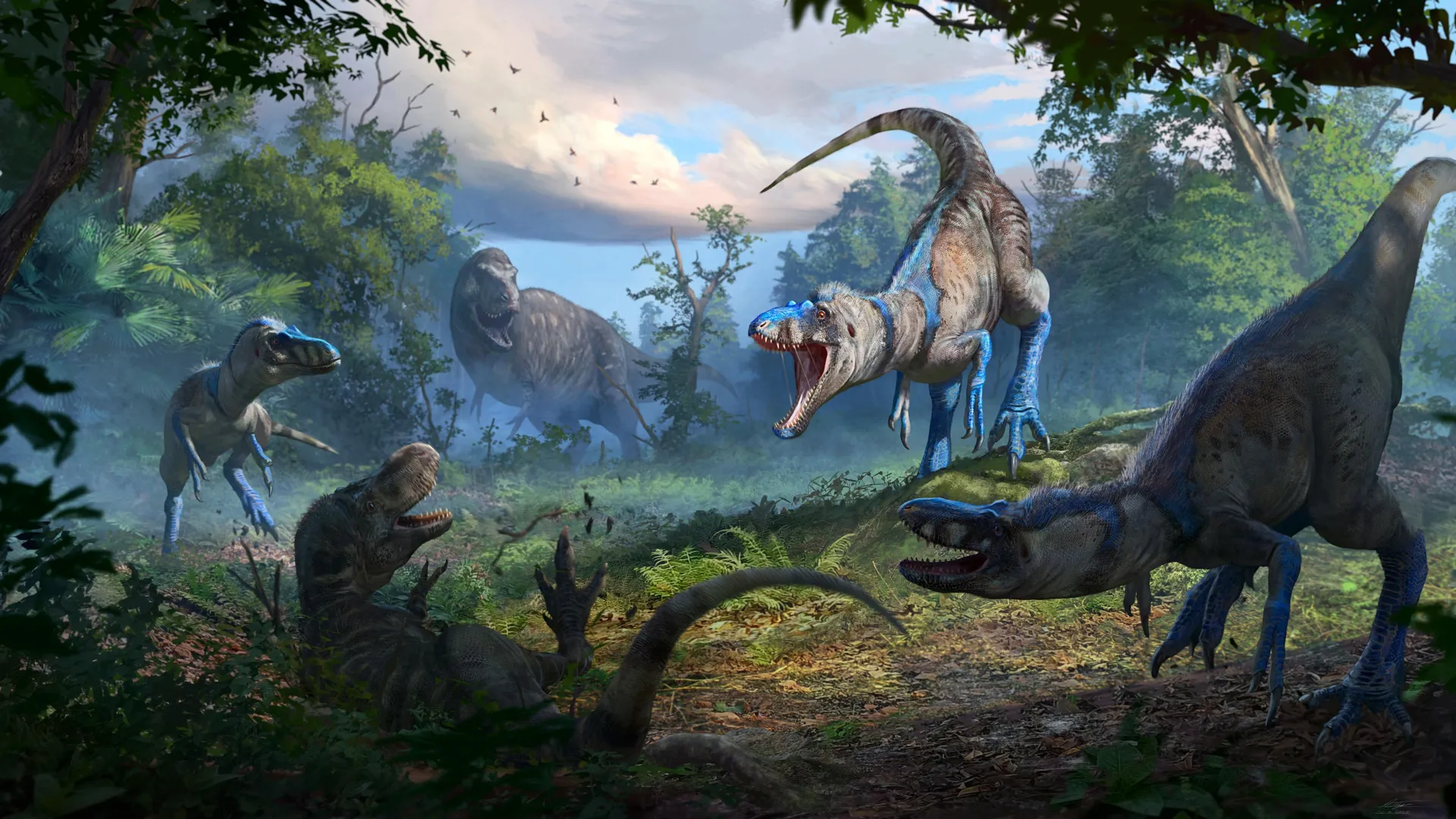
Could everything we thought we knew about T. rex growth be wrong? A remarkably complete tyrannosaur skeleton has brought new clarity to one of paleontology’s longest debates: whether Nanotyrannus was its own species or merely a young Tyrannosaurus rex. The fossil comes from the famous “Dueling Dinosaurs” discovery in Montana,…

After 25 years, scientists solve the bird-eating bat mystery

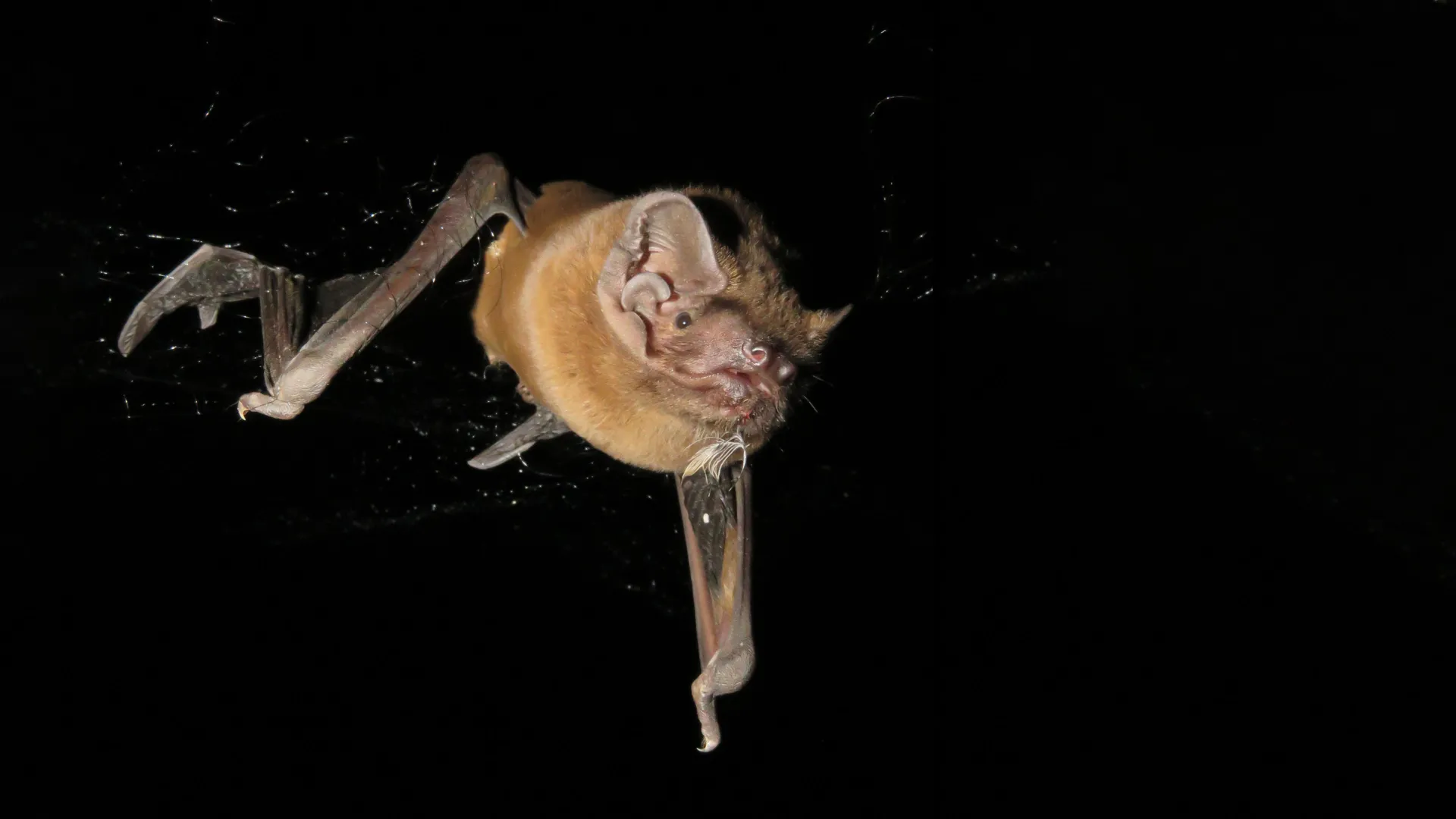
After nearly a quarter century of investigation, scientists have solved a remarkable mystery. Europe’s largest bat doesn’t merely snack on small birds — it hunts and captures them more than a kilometer above the ground and consumes them while still in flight. An international research team has uncovered how this…

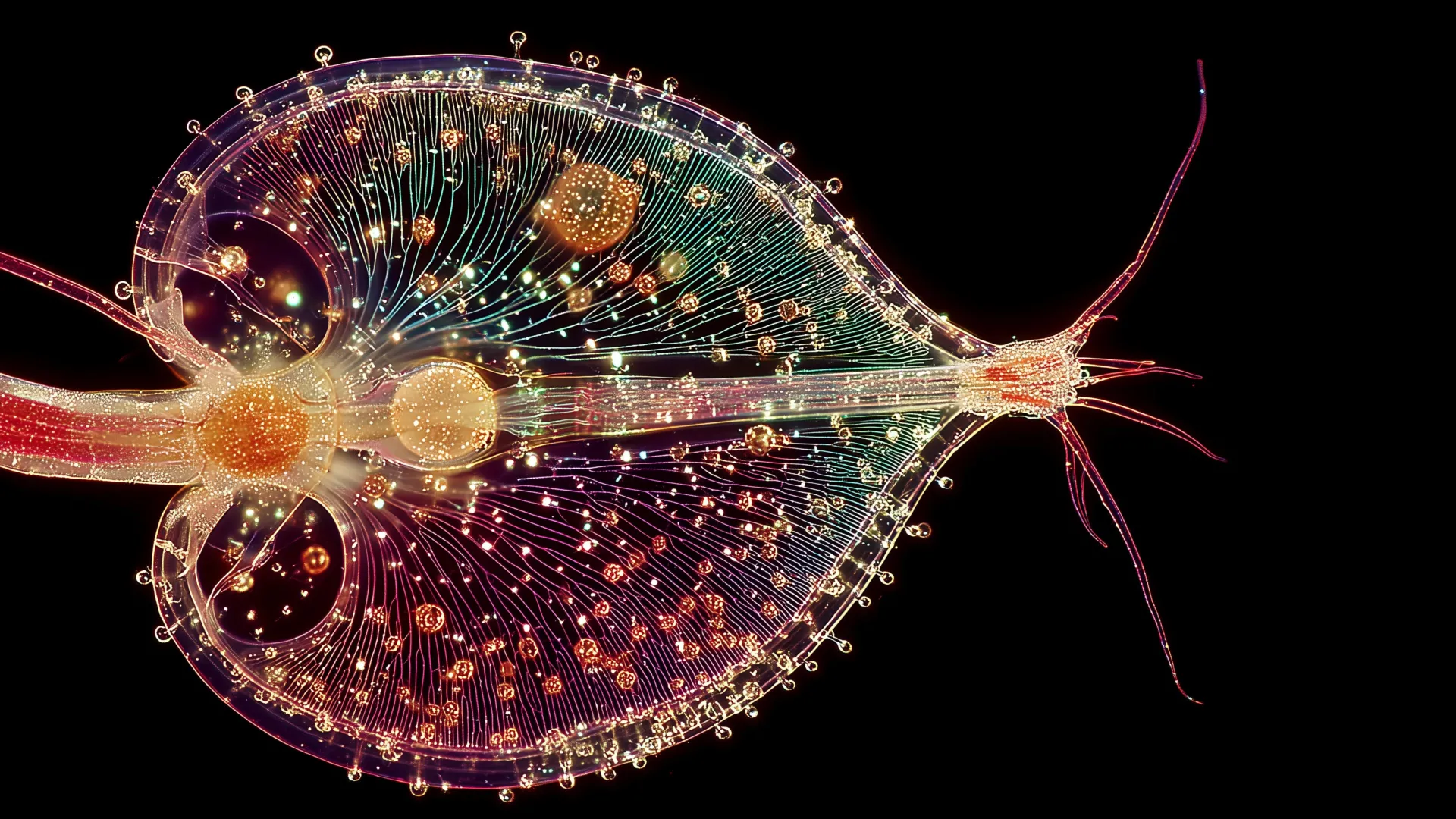
A new microscopy breakthrough is revealing the oceans’ invisible life

Plankton are the unseen drivers of life on Earth. These microscopic organisms produce a large share of the planet’s oxygen and form the base of the ocean food chain. They are also astonishingly diverse, with tens of thousands of species already identified and many more waiting to be discovered. Among…

Soil microbes remember drought and help plants survive

A new study in Nature Microbiology analyzes soils collected across Kansas to test the role of “legacy effects,” which refers to how soils at a given site are shaped by microbes that have adapted to the local climate over many years. “The bacteria and fungi and other organisms living in…

Resetting the body’s rhythm could protect the brain from Alzheimer’s

Disrupting communication between the body’s internal clock and the brain could help limit neurodegeneration in Alzheimer’s disease, according to new research from Washington University School of Medicine in St. Louis (WashU Medicine). The study, published in Nature Aging, explored how changes in the circadian system affect brain health and memory…

Scientists just shattered a major exercise myth

Forget the old idea that physical activity drains your supply of heartbeats. New research from Australia shows that people who are physically fit actually use fewer heartbeats each day, which may help them live longer. According to the study, athletes had an average heart rate of 68 beats per minute…

Too much screen time may be hurting kids’ hearts

More time using electronic devices or watching TV among children and young adults was linked with higher cardiometabolic disease risk, including high blood pressure, high cholesterol and insulin resistance, based on data from more than 1,000 participants in Denmark. The association between screen time and cardiometabolic risks was strongest in…

2 million-year-old teeth reveal secrets from the dawn of humanity

For nearly 100 years, scientists have been intrigued by the fossils of Paranthropus robustus, a sturdy, distant cousin of early humans. This upright-walking hominin was built for chewing tough foods, equipped with powerful jaws and large teeth coated in thick enamel. Researchers believe it lived in southern Africa between 2.25…

Japan’s new “samurai jellyfish” is simply stunning

Scientists in Japan have discovered Physalia mikazuki, a previously unknown species of Portuguese man-of-war, in northern waters for the first time. DNA and anatomical analysis confirmed it as distinct from tropical relatives. Ocean simulations suggest warming currents transported it northward, offering new clues about changing ecosystems. The find underscores both…

This tiny bat hunts like a lion, but better

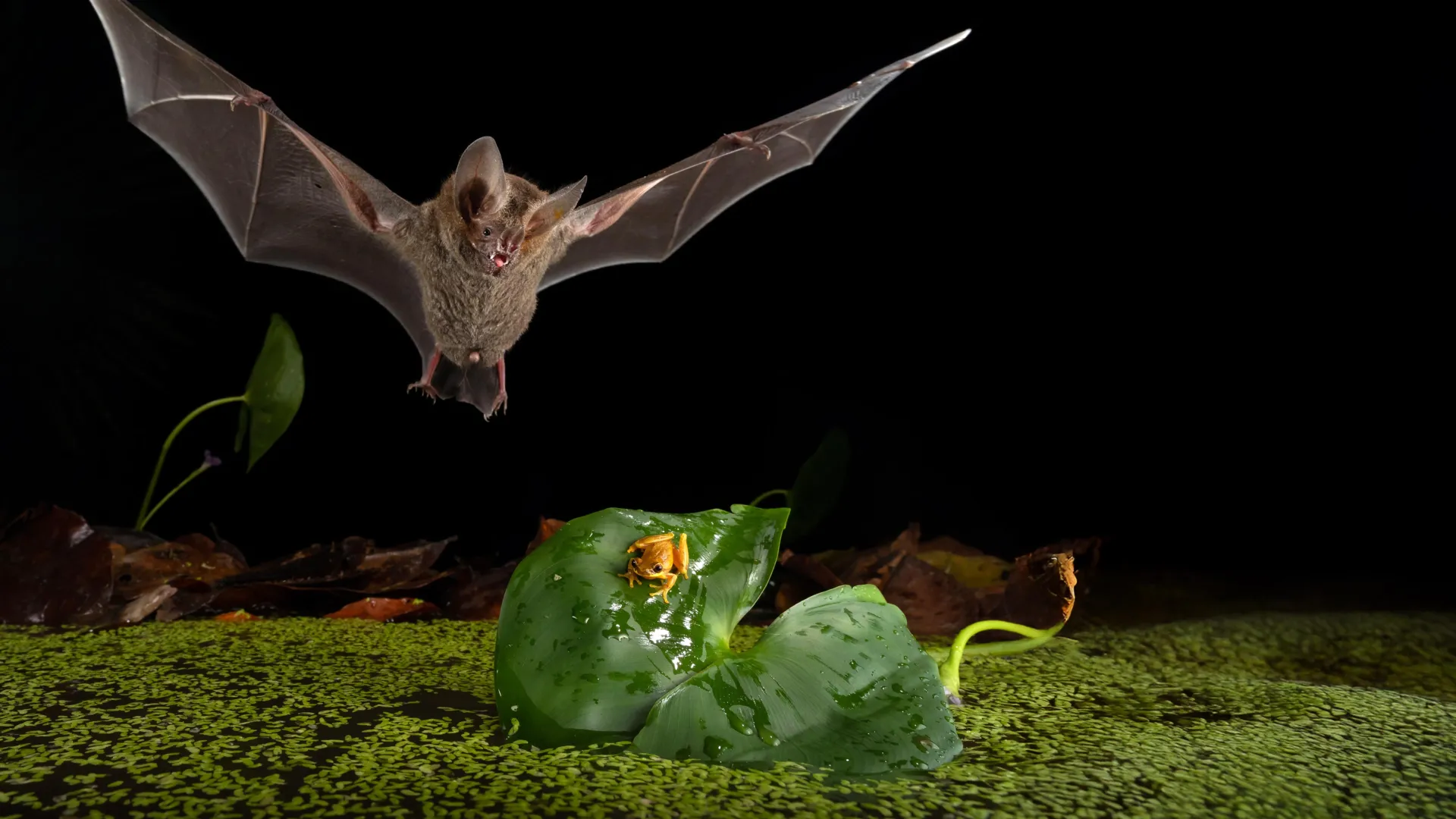
Researchers from Aarhus University and the Smithsonian Tropical Research Institute (STRI) have found that small bats can rival lions in hunting efficiency, and sometimes even surpass them. To observe how fringe-lipped bats (Trachops cirrhosus), tiny meat-eaters native to Panama’s forests, hunt in their natural environment, scientists fitted 20 individuals with…

Astronomers capture a spooky “cosmic bat” in deep space

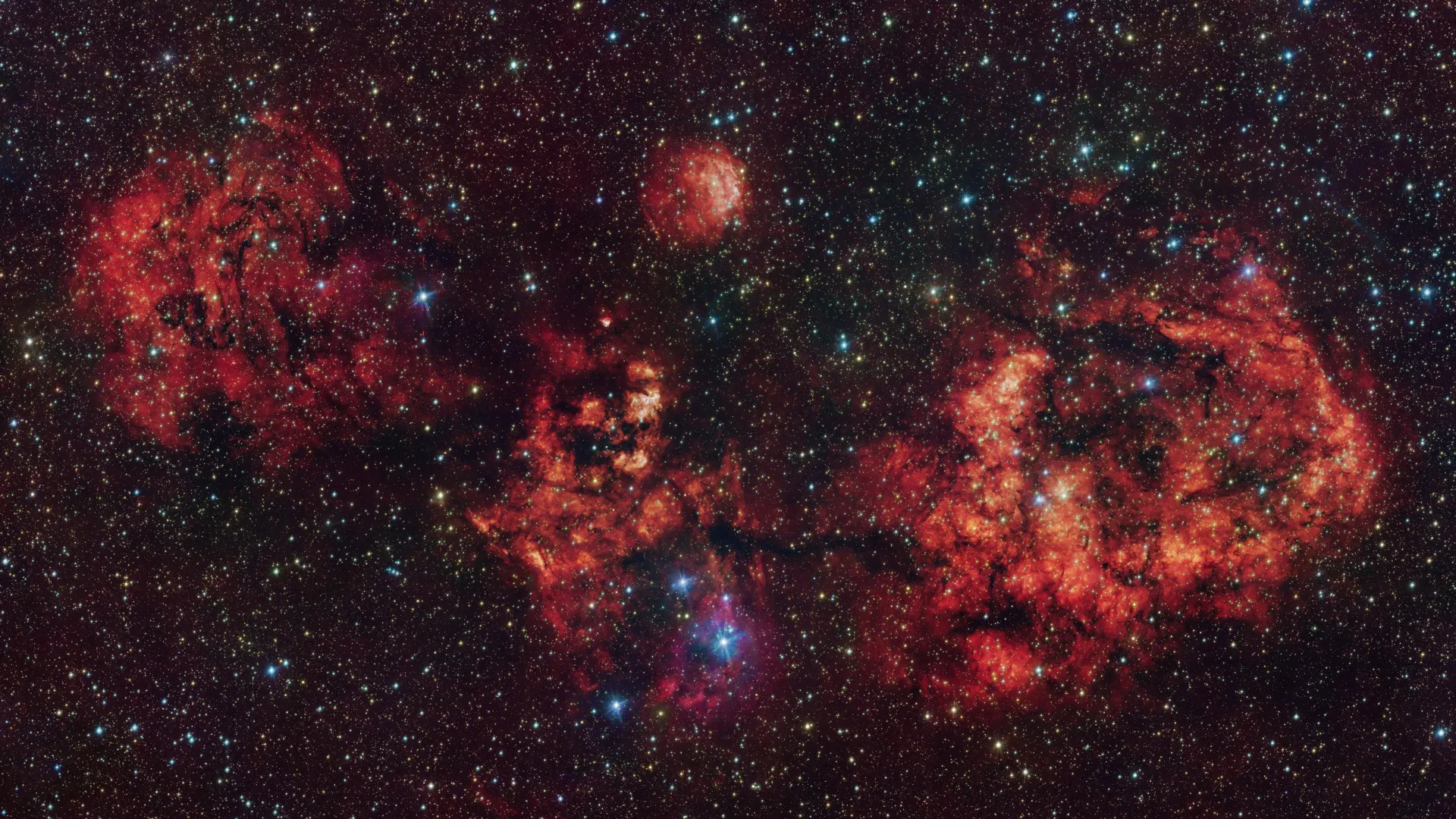
Right in time for Halloween, astronomers have spotted what looks like a flying bat soaring above the European Southern Observatory’s (ESO’s) Paranal site in Chile. Using its wide field of view, the VLT Survey Telescope (VST) captured a vast cloud of cosmic gas and dust whose ghostly shape mirrors a…

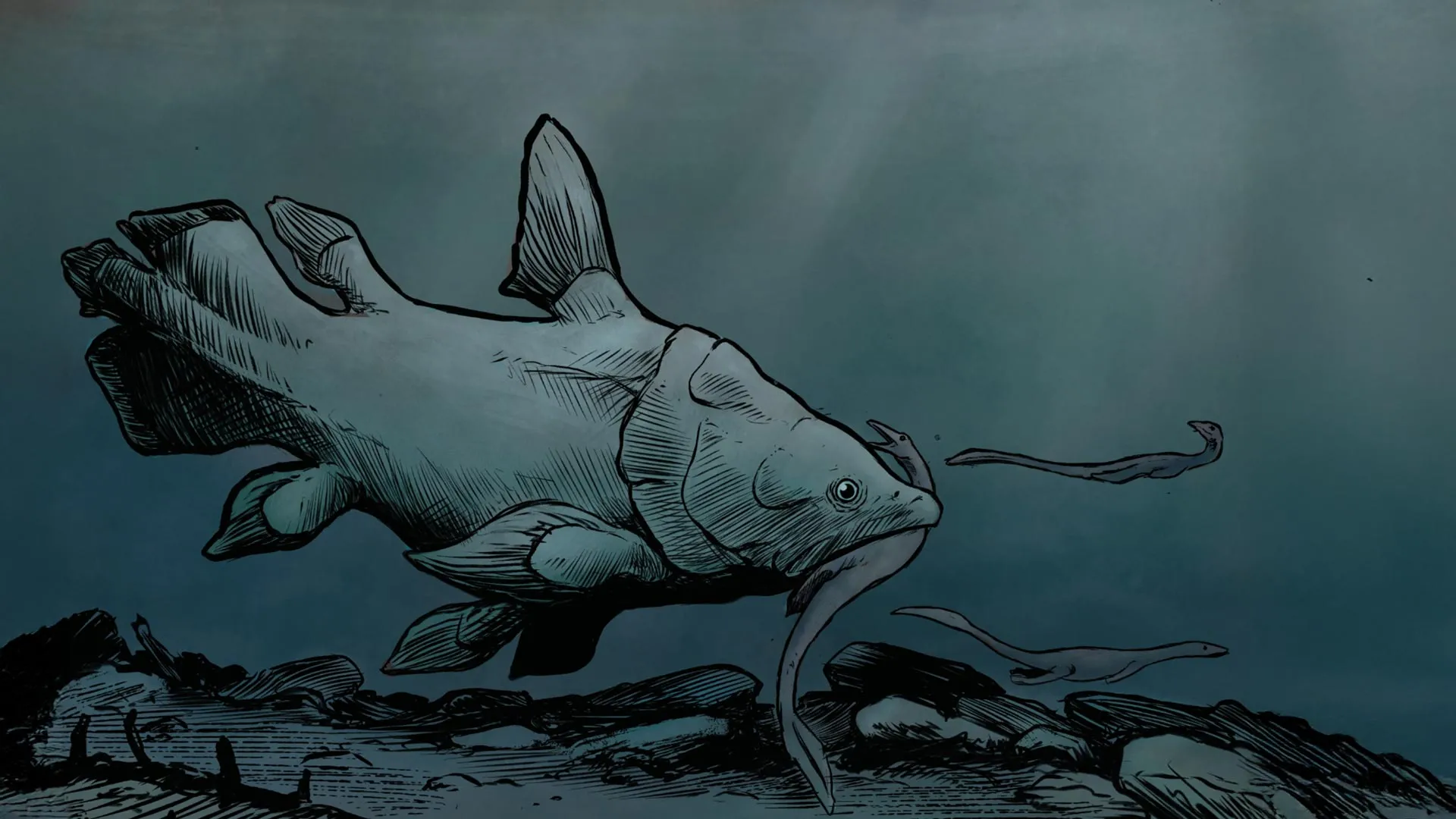
Scientists find “living fossil” fish hidden in museums for 150 years

The coelacanth is often called a “living fossil,” once believed to have vanished millions of years ago before a live specimen was unexpectedly caught in the Indian Ocean in 1938. Since that surprise discovery, more individuals have been found, yet their ancient fossil record remains incomplete. In a new paper…

Your ZIP Code could reveal your risk of dementia

Where you live could have a powerful influence on how your brain functions and your chances of developing dementia, according to new research from Wake Forest University School of Medicine. The study, recently featured in Alzheimer’s & Dementia: Behavior & Socioeconomics of Aging (a journal of the Alzheimer’s Association), found…

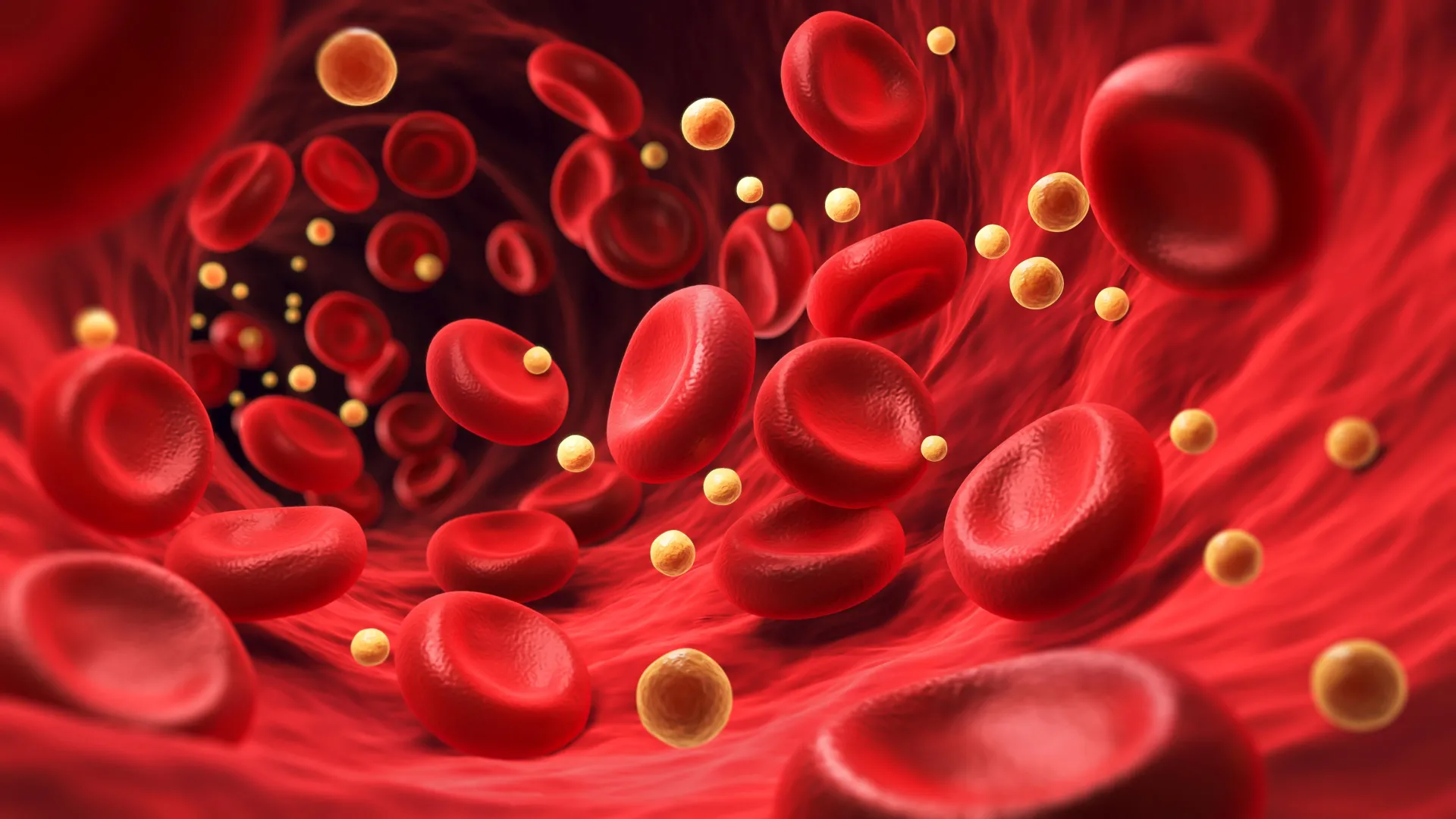
A hidden blood molecule may hold the secret to healthy aging and long life

Aging affects every part of the body, inside and out. The wrinkles and gray hair that appear on the surface often mirror similar changes happening deep within our organs. This connection suggests that aging does not occur in isolation but instead spreads throughout the body in a coordinated way. In…

Ozempic and Wegovy protect the heart, even without weight loss

A new study led by a researcher at University College London (UCL) has found that the anti-obesity medication semaglutide (Ozempic and Wegovy) may help prevent heart attacks and other major cardiovascular events, regardless of how much weight a person loses while taking it. Researchers say this discovery points to several…

Those Halloween fireballs might be more dangerous than you think

Each fall, the Taurid meteor shower brightens the night sky from late October through early November. Known as the “Halloween fireballs,” the meteors are named for the constellation Taurus (the bull), where they appear to originate. The best views come from dark-sky areas far from city lights. In New Mexico,…

Are room-temperature superconductors finally within reach?

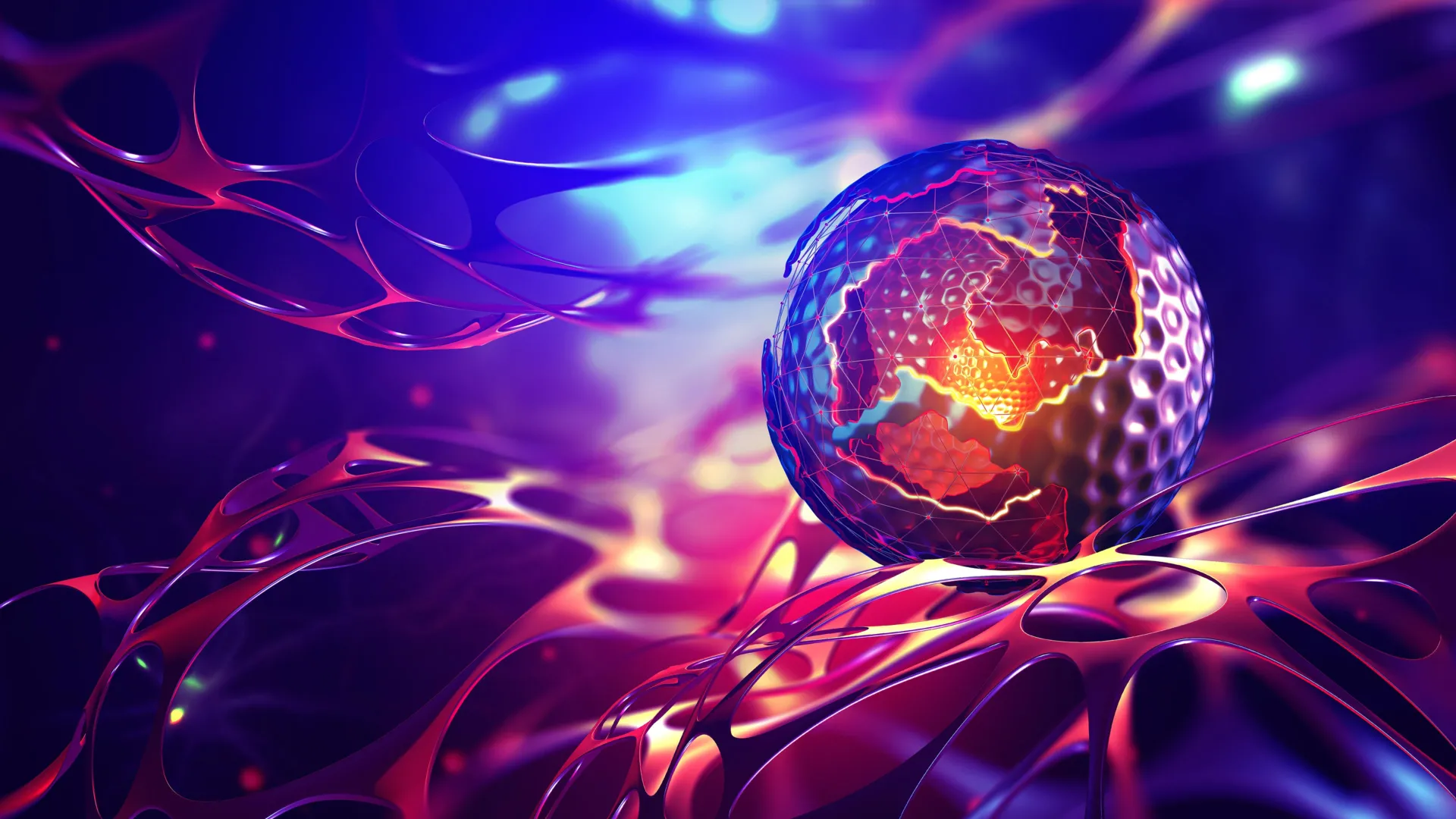
When electricity moves through wires, some of its energy is lost along the way. That loss, however, might not be inevitable. Researchers at Penn State have developed a new way to identify materials known as superconductors — substances that can carry electric current with zero resistance, meaning no energy is…

Scientists shocked by reversed electric field around Earth

The area of space controlled by Earth’s magnetic field is called the magnetosphere. Within this vast magnetic bubble, scientists have observed an electric field that stretches from the morning side of Earth to the evening side. This large-scale electric force is a major influence on geomagnetic disturbances, including the storms…

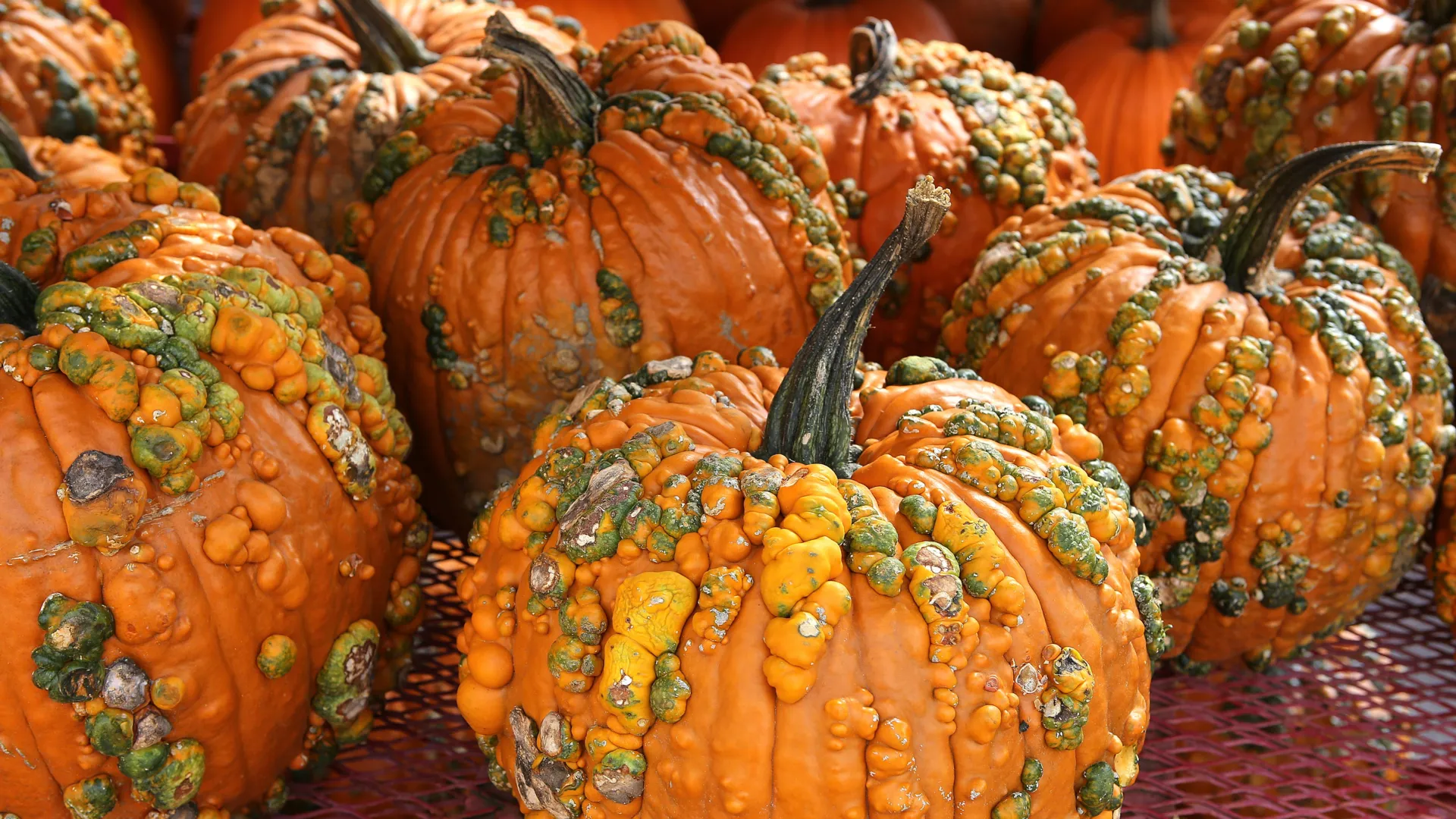
Your pumpkin might be hiding a toxic secret

Researchers in Japan have revealed how some gourds draw pollutants into their fruits. The secret lies in a protein that carries contaminants through the plant sap. By manipulating this protein’s structure, scientists hope to breed crops that resist contamination or serve as natural soil purifiers. This finding bridges food safety…

It sounds creepy, but these scientific breakthroughs could save lives

Brains, spiders, (were)wolves and slimy eyeballs might sound like props from a horror movie, but these eerie topics come straight from serious scientific research. Studies published in ACS journals are exploring innovative ways to improve human health, from growing brain tissue without animal testing to creating on-demand wound care and…

Scientists turn common semiconductor into a superconductor

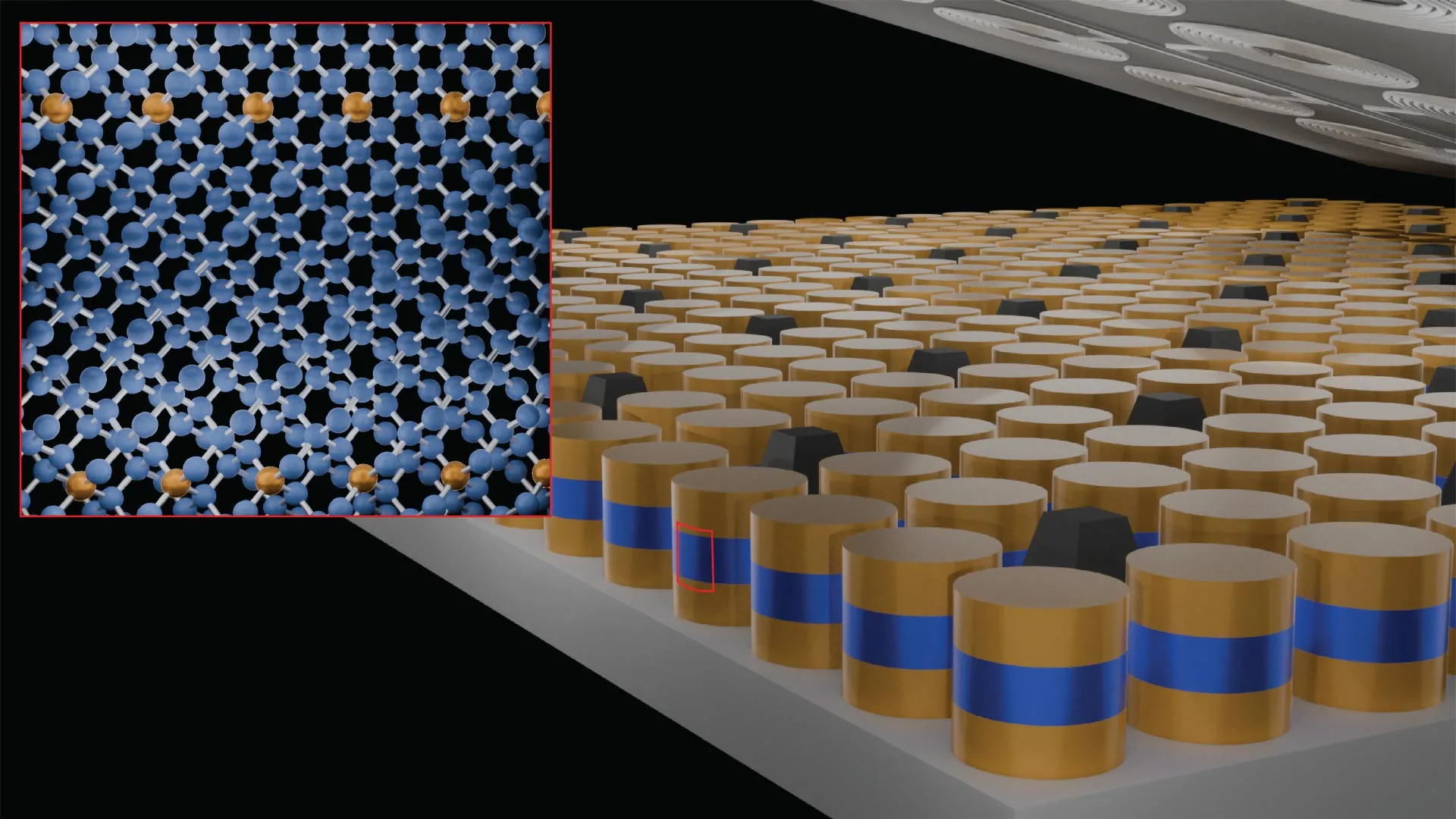
For decades, researchers have tried to create semiconductor materials that can also act as superconductors — materials capable of carrying electric current without resistance. Semiconductors, which form the foundation of modern computer chips and solar cells, could operate far faster and more efficiently if they also possessed superconducting abilities. Yet…

Electricity reprograms immune cells to speed up recovery

Researchers at Trinity College Dublin have found that applying electrical currents to “macrophages,” a crucial type of immune cell, can reprogram them to reduce inflammation and promote faster healing in cases of disease or injury. This discovery points to a promising new treatment strategy, and the research team is continuing…

Scientists reverse Alzheimer’s in mice with groundbreaking nanotech

A team co-led by the Institute for Bioengineering of Catalonia (IBEC) and West China Hospital Sichuan University (WCHSU), in collaboration with partners in the UK, reports a nanotechnology approach that reverses Alzheimer’s disease in mouse models. Rather than using nanoparticles as passive carriers, the researchers designed bioactive nanoparticles that function…

Scientists discover a stunning new golden-tongued lizard in China

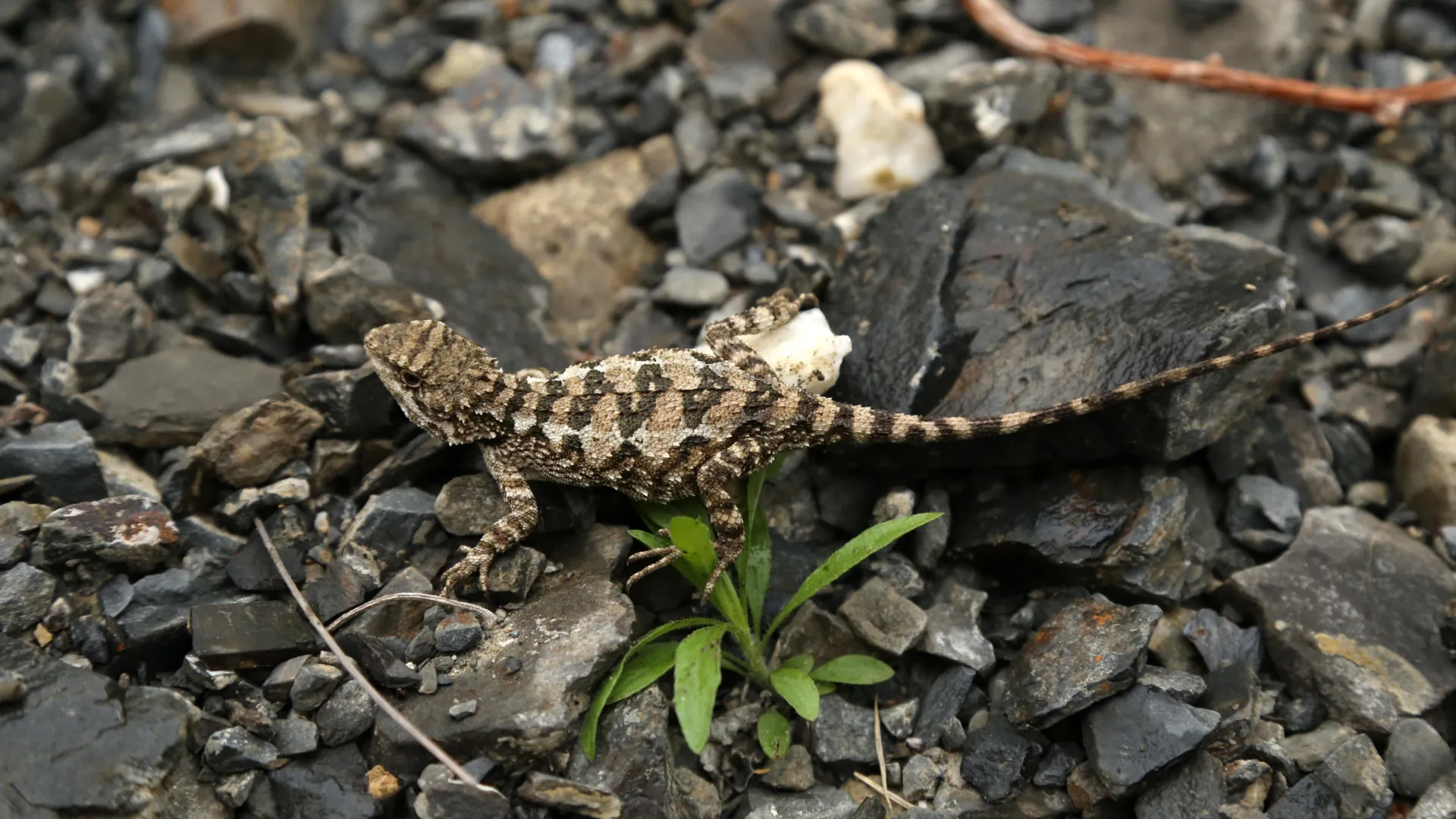
Researchers in China have identified a previously unknown species of mountain lizard living in the upper Dadu River Valley, deep within the Hengduan Mountains of Sichuan Province. Years of Field Surveys Lead to a Surprise Starting in 2018, the research team carried out extensive field surveys in the upper reaches…

Scientists discover a way simulate the Universe on a laptop

As astronomers gather more data than ever before, studying the cosmos has become an increasingly complex task. A new innovation is changing that reality. Researchers have now developed a way to analyze enormous cosmic data sets using only a laptop and a few hours of processing time. Leading this effort…

Webb reveals the Universe’s first galaxies were a chaotic mess

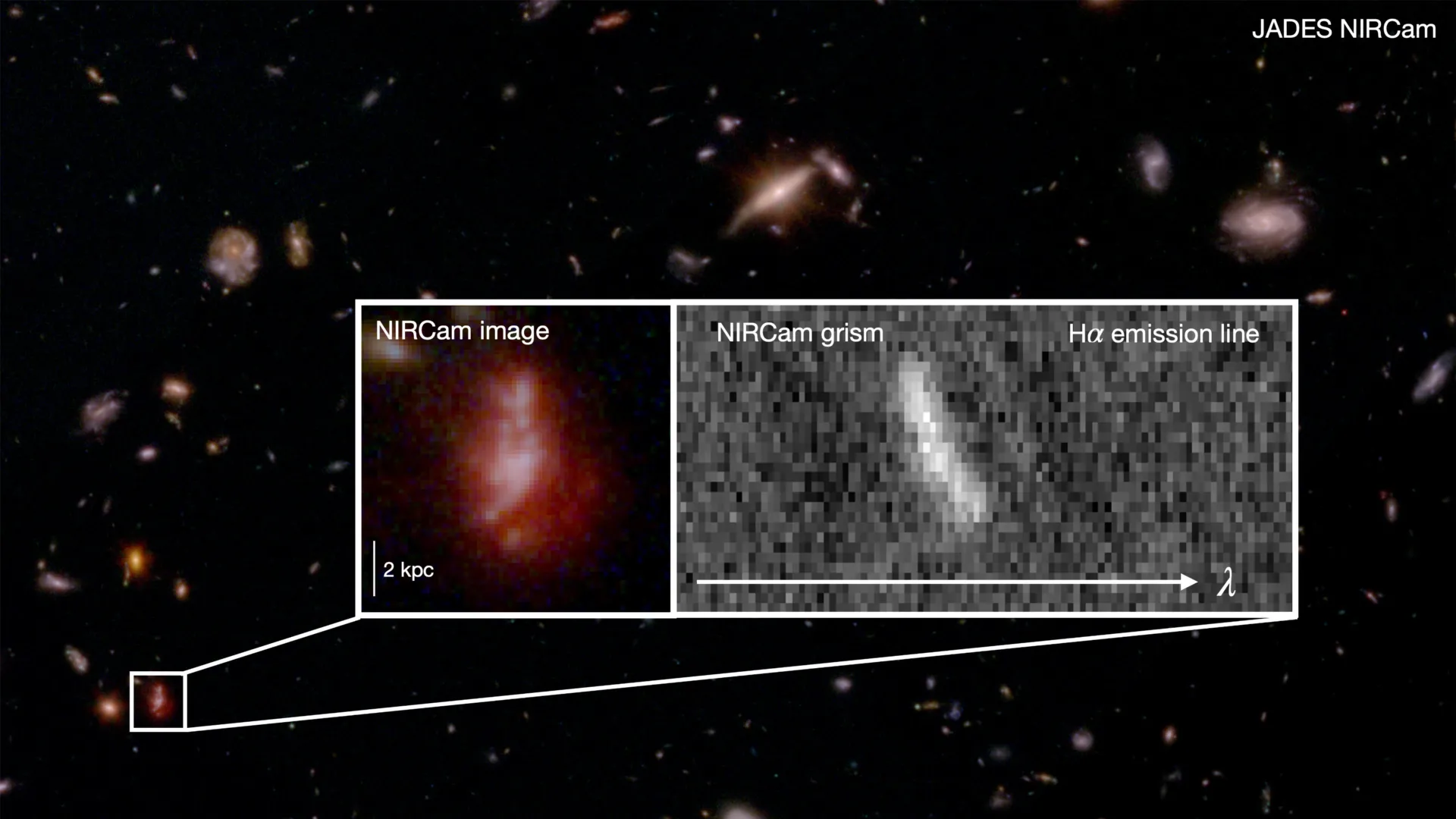
Astronomers using the James Webb Space Telescope (JWST) have obtained the clearest view yet of how galaxies came together just a few hundred million years after the Big Bang. Their observations reveal that these early galaxies were far more disorderly and turbulent than the graceful spirals we see across the…

Hidden clues in ghostly particles could explain why we exist

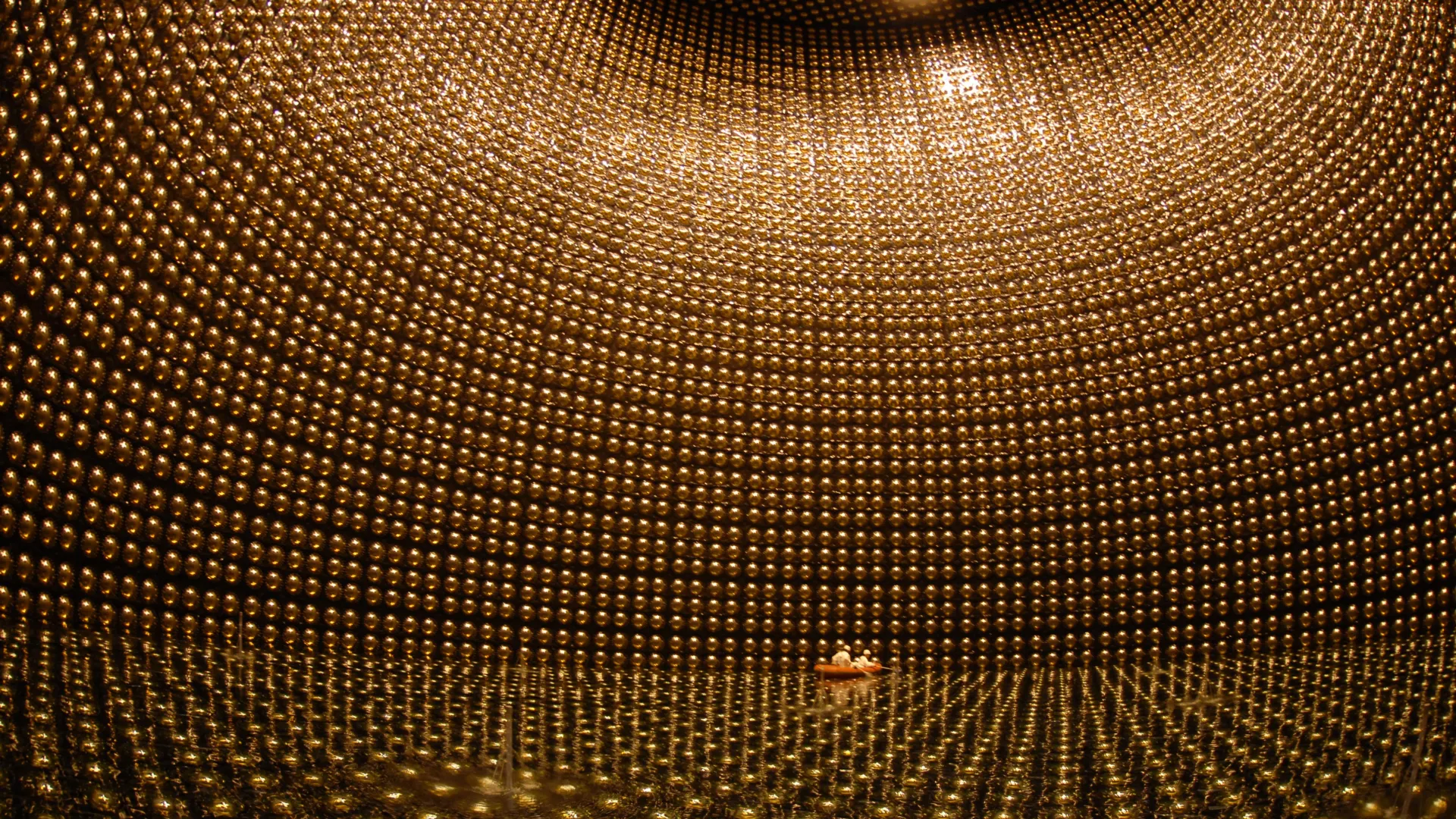
A Michigan State University researcher has helped lead a groundbreaking effort that brings scientists closer to uncovering how the universe came to be. For the first time, two of the world’s largest neutrino experiments — T2K in Japan and NOvA in the United States — have combined their data to…

“Immortal” flatworm rewrites the science of healing

In most animals, stem cells rely on nearby cells to tell them what to do. However, new research from the Stowers Institute for Medical Research shows that flatworm, or planarian, stem cells behave differently. Instead of listening to their immediate neighbors, they take their instructions from cells located farther away…