The genetic advantage that helps some people stay sharp for life

Among the known genetic factors tied to late-onset Alzheimer’s disease (AD), one gene variant stands out as the strongest risk factor. That variant is APOE-ε4. Another form of the same gene, APOE-ε2, has been associated with a lower likelihood of developing Alzheimer’s and is widely believed to offer some level…


Why some people get bad colds and others don’t

When rhinovirus, the most common cause of the common cold, enters the nasal passages, the cells lining the nose immediately begin working together to fight the infection. These cells activate a wide range of antiviral defenses designed to limit the virus and stop it from spreading. In a study published…

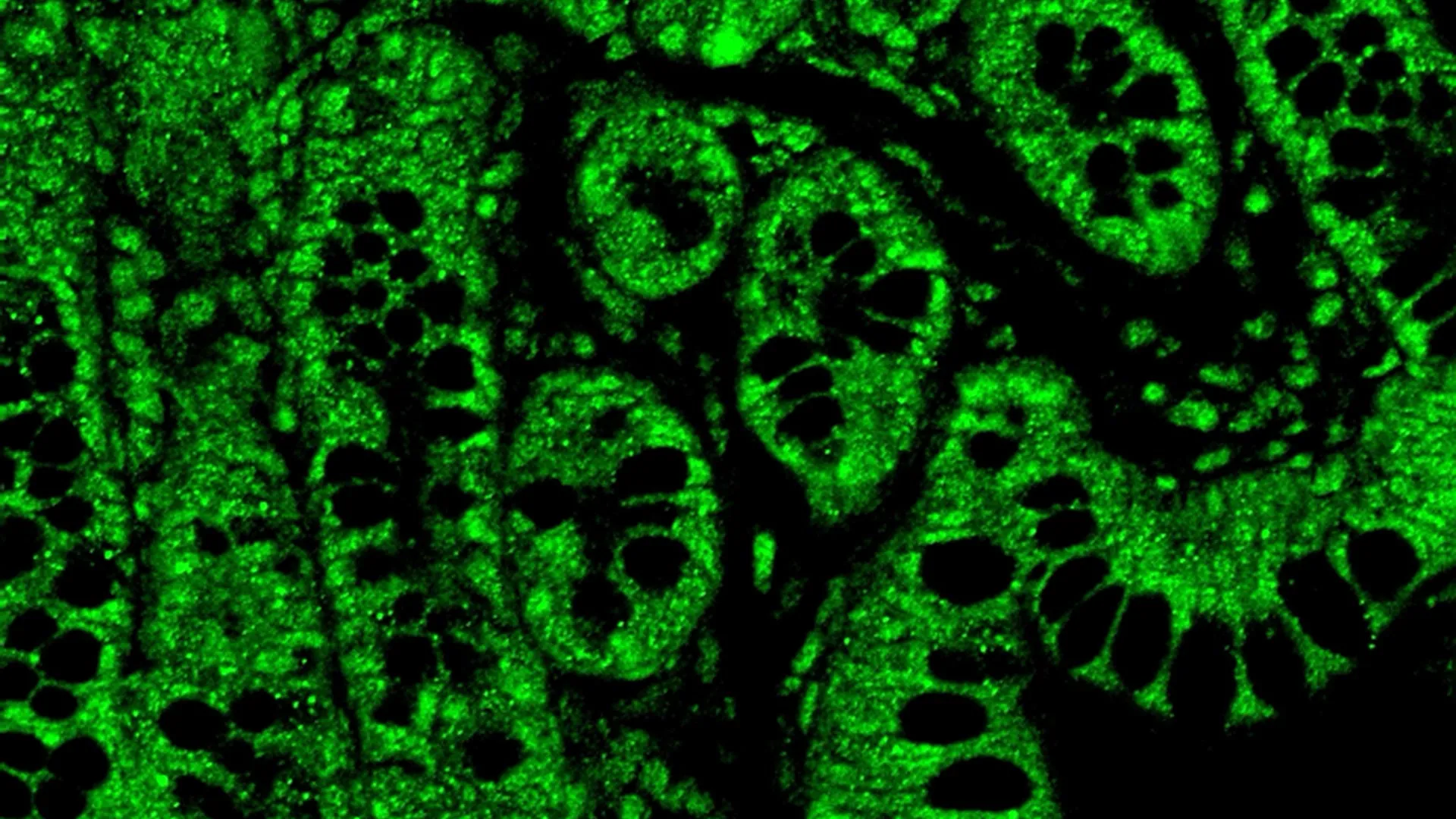
A common vitamin could influence bathroom frequency

Bowel habits may not be a popular topic, but they offer valuable insight into how efficiently the gut moves material through the digestive system. When this process becomes disrupted, people can develop constipation, diarrhea, or irritable bowel syndrome (IBS). Even though these conditions are widespread, the biological processes that regulate…

This simple fix makes blockchain almost twice as fast

The Internet of Things (IoT) is steadily turning the idea of a fully connected world into reality. Billions of physical devices, from tiny sensors to self-driving vehicles and industrial machines, now collect and exchange data online. Keeping that information secure and unchanged is critical, which is why engineers are increasingly…

Physicists challenge a 200-year-old law of thermodynamics at the atomic scale

Two physicists at the University of Stuttgart have demonstrated that the Carnot principle, a foundational rule of thermodynamics, does not fully apply at the atomic scale when particles are physically linked (so-called correlated objects). Their findings suggest that this long-standing limit on efficiency breaks down for tiny systems governed by…

After 11 years of research, scientists unlock a new weakness in deadly fungi

Fungal infections claim millions of lives every year, yet treatment options have failed to keep pace with the growing danger. Scientists at McMaster University now report a discovery that could shift that balance. They have identified a molecule called butyrolactol A that targets a highly dangerous disease-causing fungus known as…

MRI scans show exercise can make the brain look younger

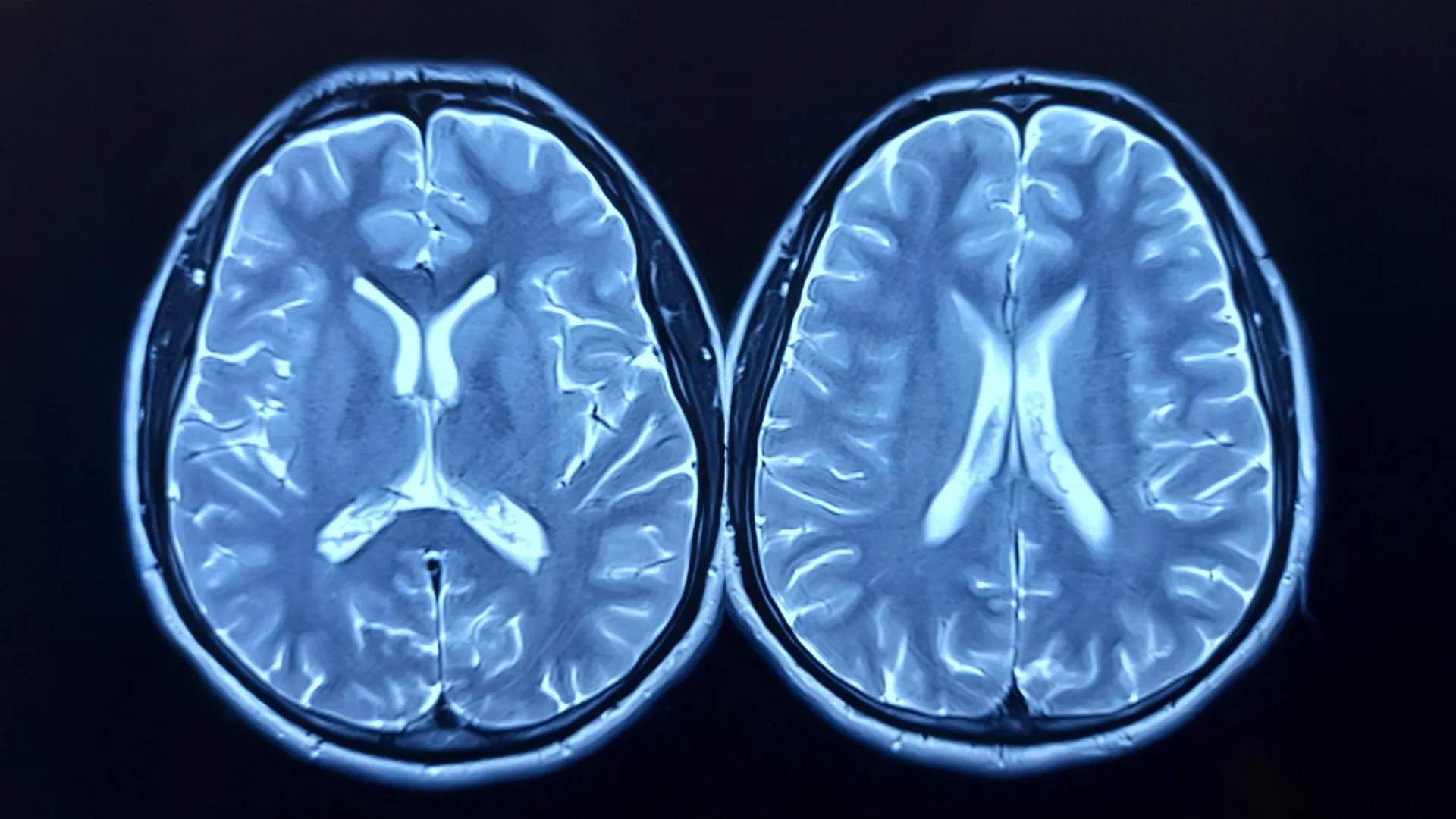
Looking after your brain is something that happens over many years, and new findings from the AdventHealth Research Institute point to an encouraging option. Researchers report that sticking with a consistent aerobic exercise routine may help the brain remain biologically younger. This effect could support clearer thinking, better memory, and…

Researchers unlocked a new shortcut to quantum materials

That idea may sound like fantasy, but it sits at the heart of an emerging area of physics known as Floquet engineering. Researchers in this field study how repeating influences, such as carefully tuned light, can temporarily reshape the way electrons behave inside a material. When this happens, a familiar…

A tiny spin change just flipped a famous quantum effect

In condensed matter physics, some of the most unusual behaviors appear only when many quantum particles interact as a group. A single quantum spin on its own behaves in relatively simple ways, but when spins influence each other across a material, entirely new effects can emerge. Explaining how these collective…

A simple blood test mismatch linked to kidney failure and death

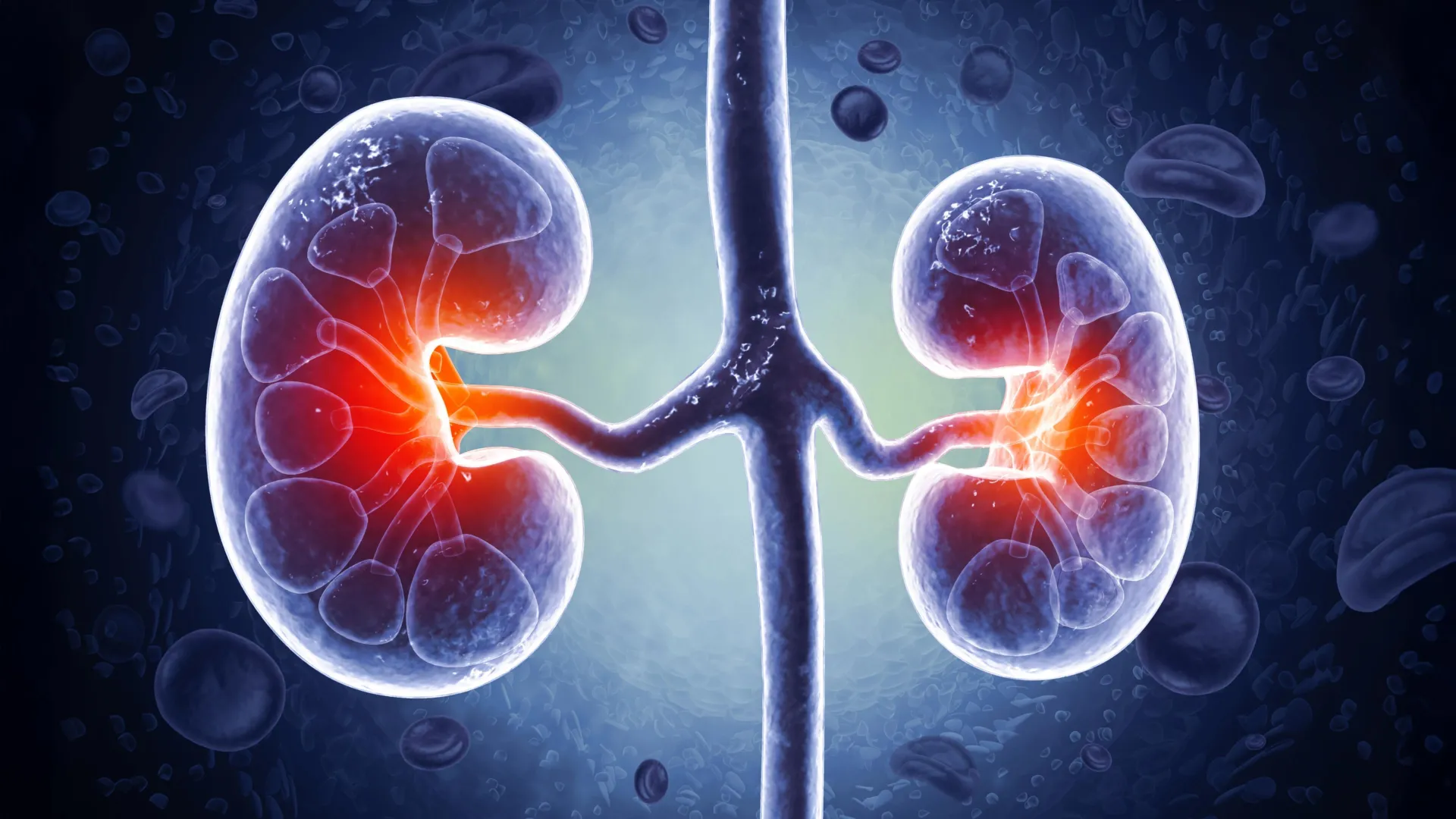
A difference between two widely used blood tests for kidney health may serve as an early warning sign for serious outcomes, including kidney failure, heart disease, and death, according to new research. For many years, doctors have relied on a blood marker called creatinine to estimate how well the kidneys…

The hidden microbes that decide how sourdough tastes

Sourdough starter is a simple blend of flour and water that bakers rely on to make bread rise. For scientists, it is also a powerful way to study how living organisms change over time. The familiar chewy texture and tangy flavor of sourdough come from a complex mix of microorganisms…

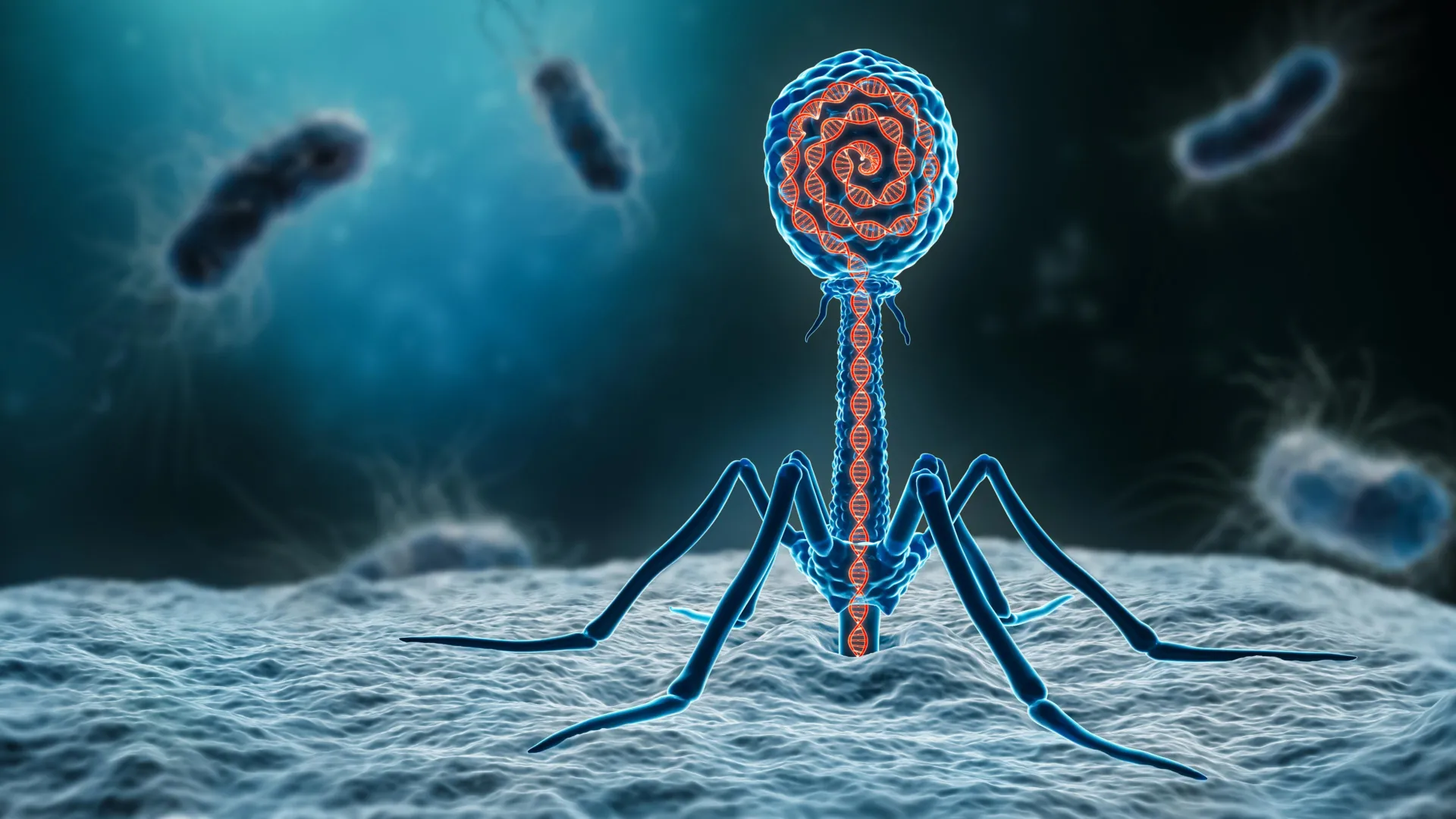
Scientists are building viruses from scratch to fight superbugs

Bacteriophages, viruses that infect bacteria, have been used as medical treatments for bacterial infections for more than 100 years. Interest in these viruses is rising again as antibiotic resistance becomes a growing global health threat. Despite this renewed attention, most phage-based research has remained focused on naturally occurring viruses, largely…

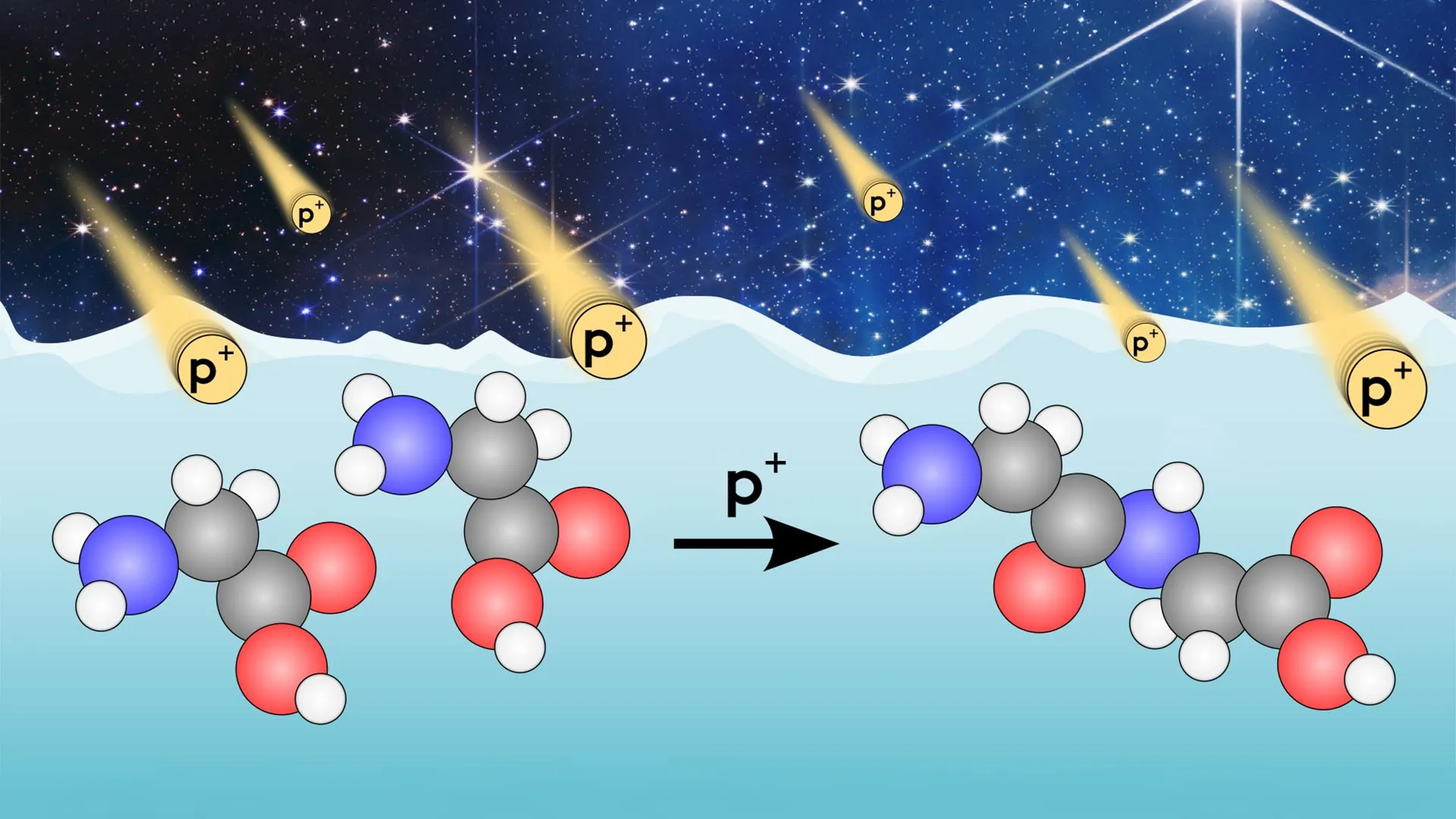
Life’s chemistry may begin in the cold darkness of space

Scientists at Aarhus University have overturned a long-standing assumption about how life’s essential ingredients emerge. New experiments show that the basic components needed to build proteins can form naturally in space, a finding that increases the likelihood that life could exist elsewhere in the universe. The research was carried out…

Walking sharks break the rules of reproduction

Scientists at James Cook University have uncovered a striking biological surprise. Epaulette sharks can reproduce and lay eggs without showing any measurable increase in energy use. The finding challenges long-standing assumptions about how costly reproduction is for animals. The discovery comes from new research by JCU’s shark physiology team, led…

Spacecraft captures the “magnetic avalanche” that triggers giant solar explosions

Much like a snow avalanche that starts with a small shift before cascading downhill, new observations show that solar flares begin with subtle magnetic disturbances that rapidly intensify. Scientists using the European Space Agency (ESA) led Solar Orbiter spacecraft discovered that these early changes can quickly grow into violent eruptions,…

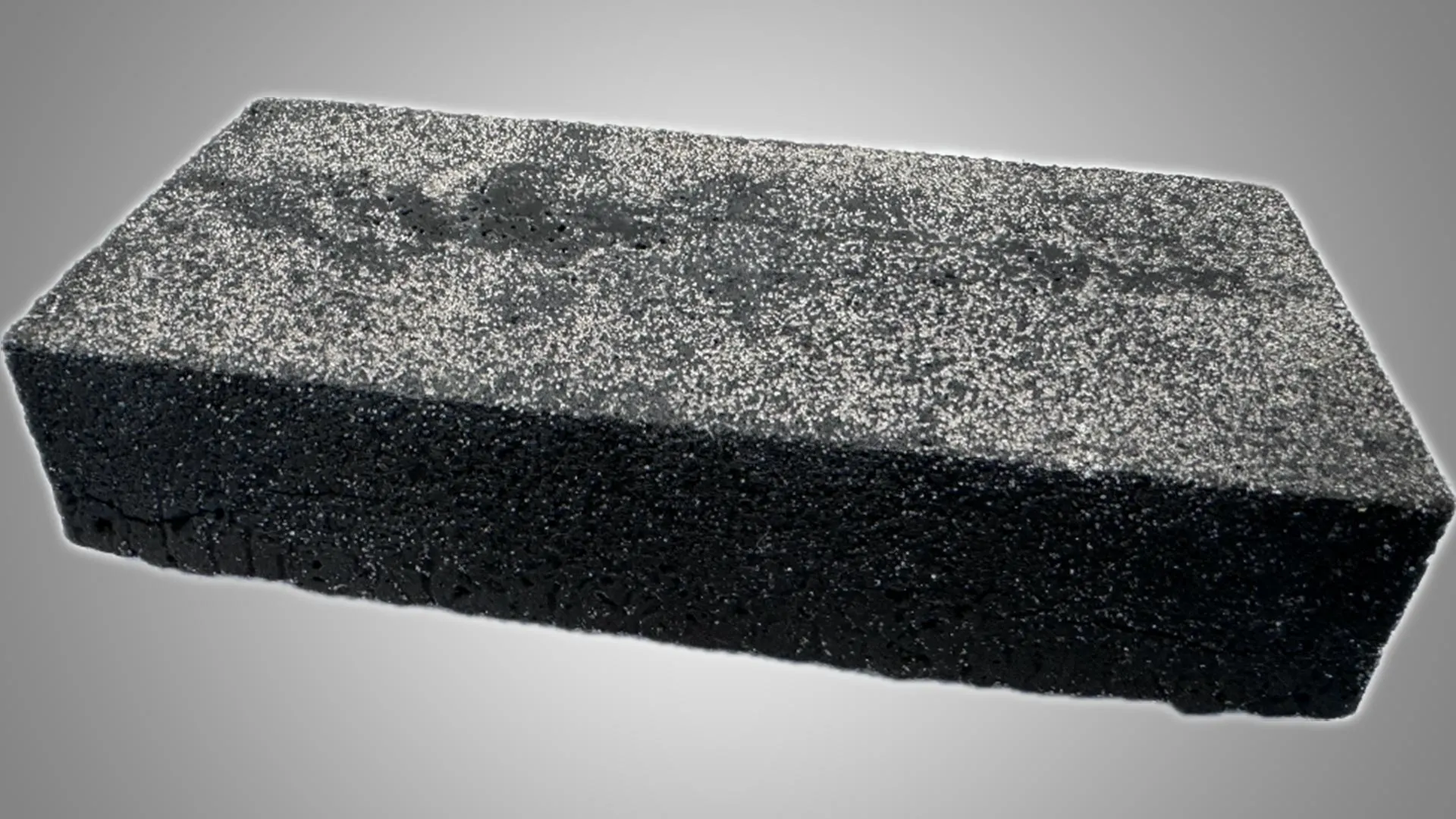
This new building material pulls carbon out of the air

Researchers at Worcester Polytechnic Institute (WPI) have developed a new building material that removes more carbon from the atmosphere than it produces. The advance, reported in the high-impact journal Matter, describes a material called enzymatic structural material (ESM). It is designed to be strong, long-lasting, and recyclable, while requiring far…

The human brain may work more like AI than anyone expected

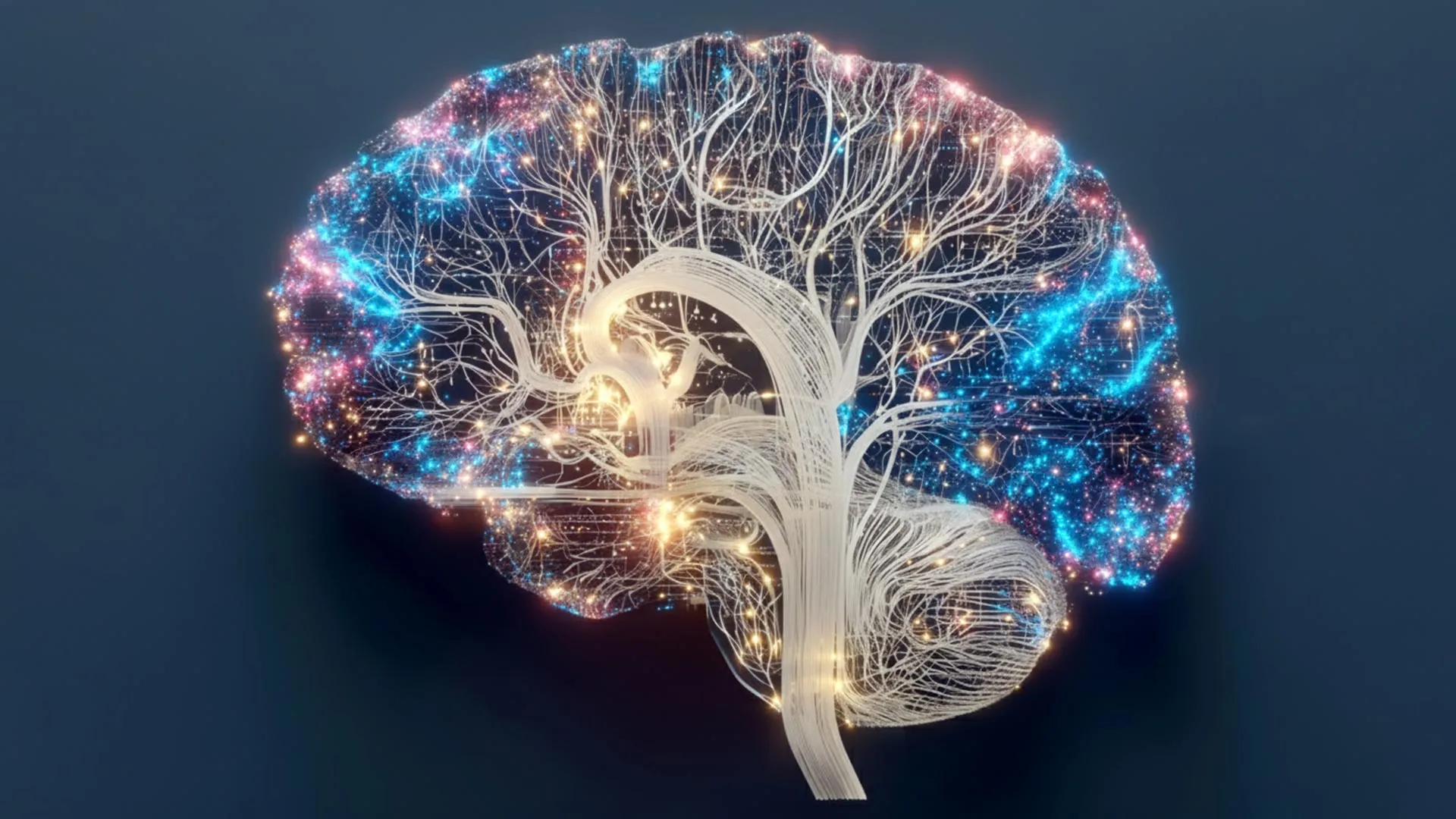
A new study suggests that the human brain understands spoken language through a stepwise process that closely resembles how advanced AI language models operate. By recording brain activity from people listening to a spoken story, researchers found that later stages of brain responses match deeper layers of AI systems, especially…

Tiny doses of THC show big benefits for HIV treatment

New research from Texas Biomedical Research Institute suggests that long-term use of very small amounts of THC may reduce inflammation and ease several harmful effects linked to HIV and antiretroviral therapy (ART). THC, short for tetrahydrocannabinol, is the primary active compound found in cannabis. In this preclinical research, scientists used…

The world’s mountains are warming faster than anyone expected

Mountains around the world are warming more quickly than nearby lowland areas, according to a major global review, and the impacts could be severe for billions of people who live in or rely on these regions. Researchers warn that climate shifts at higher elevations are unfolding faster and with greater…

Stanford scientists found a way to regrow cartilage and stop arthritis

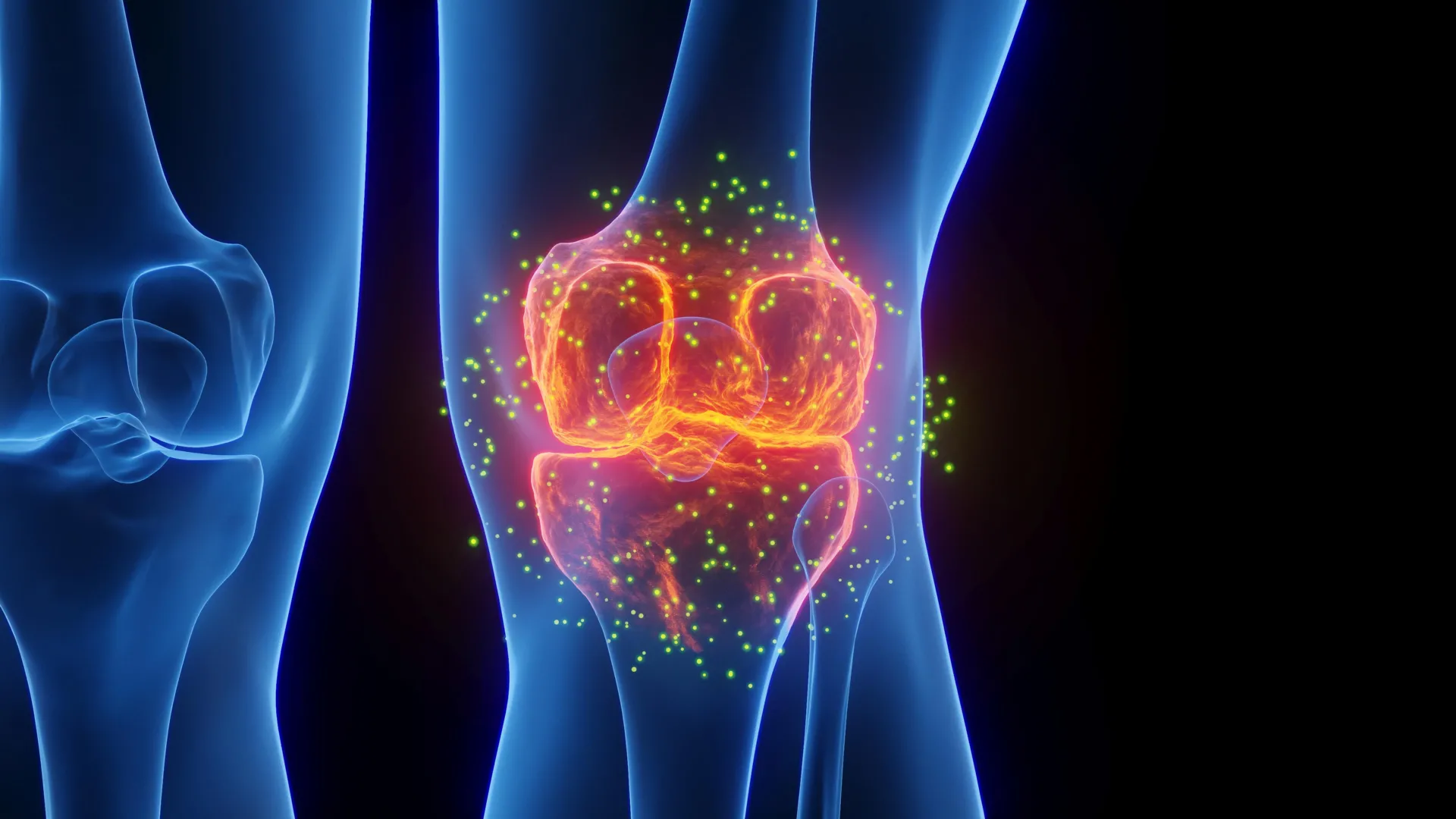
A study led by Stanford Medicine researchers has found that an injection blocking a protein linked to aging can reverse the natural loss of knee cartilage in older mice. The same treatment also stopped arthritis from developing after knee injuries that resemble ACL tears, which are common among athletes and…

Patients tried everything for depression then this implant changed their lives

About one in five adults in the United States will experience major depression at some point in their lives. Many people improve after trying a few treatments, but for as many as one-third of patients, standard antidepressants or psychotherapy do not provide enough relief. This condition, known as treatment-resistant depression,…

Finally explained: Why kidney disease is so deadly for the heart

Scientists have uncovered a key reason why more than half of people with chronic kidney disease eventually die from heart-related complications. According to new research, damaged kidneys release a substance into the bloodstream that directly harms the heart. The discovery, made by researchers at UVA Health and Mount Sinai, could…

Scientists identify hidden protein interaction driving Parkinson’s disease

About 1 million people in the United States are living with Parkinson’s disease, and nearly 90,000 new cases are diagnosed each year, according to the Parkinson’s Foundation. The condition is a long-term, progressive brain disorder that gradually destroys dopamine-producing nerve cells, which are critical for controlled, fluid movement. Most available…

Unbreakable? Researchers warn quantum computers have serious security flaws

Quantum computers are expected to deliver extraordinary speed and computing power, with the potential to transform scientific research and business operations. That same power also makes them especially appealing targets for cyberattacks, said Swaroop Ghosh, a professor of computer science and electrical engineering at the Penn State School of Electrical…

A faint signal from the Universe’s dark ages could reveal dark matter

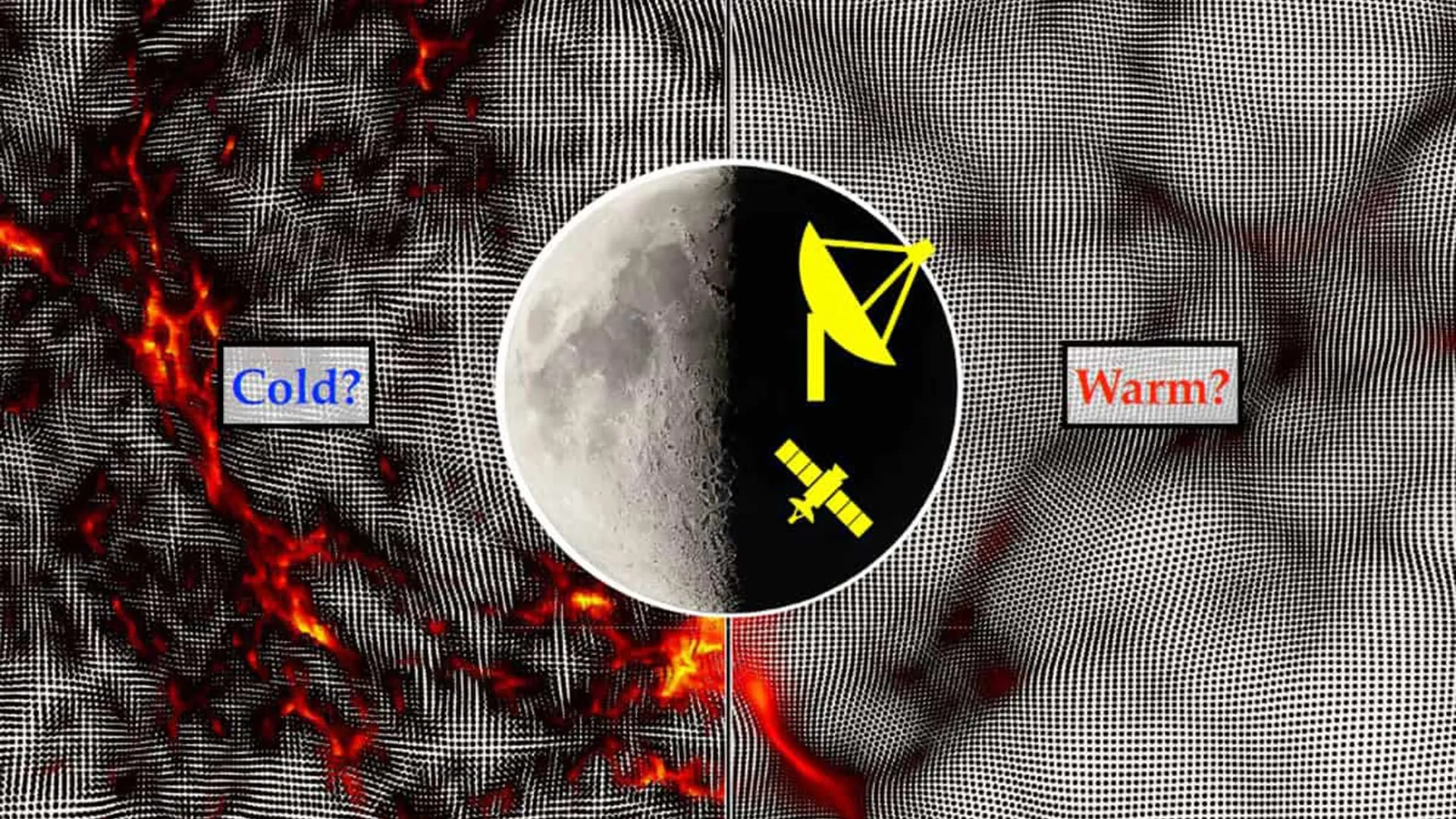
The Universe began about 13.8 billion years ago with the Big Bang, a moment of extremely rapid expansion. Roughly 400,000 years later, after the cosmos cooled enough for atoms to form, it entered a long and quiet phase known as the “Dark Ages.” This period lasted for around 0.1 billion…

James Webb catches an exoplanet losing its atmosphere in real time

Astronomers from the University of Geneva (UNIGE), the National Centre of Competence in Research PlanetS, and the Trottier Institute for Research on Exoplanets (IREx) at the University of Montreal (UdeM) have made a major breakthrough using the James Webb Space Telescope (JWST). For the first time, researchers have followed gas…

Your brain does something surprising when you don’t sleep

Nearly everyone knows the feeling. After a night of poor sleep, it becomes harder to stay focused. Thoughts drift, reaction times slow, and mental clarity fades when attention is needed most. New research from MIT sheds light on what is happening inside the brain during these brief lapses in focus.…

A common painkiller may be quietly changing cancer risk

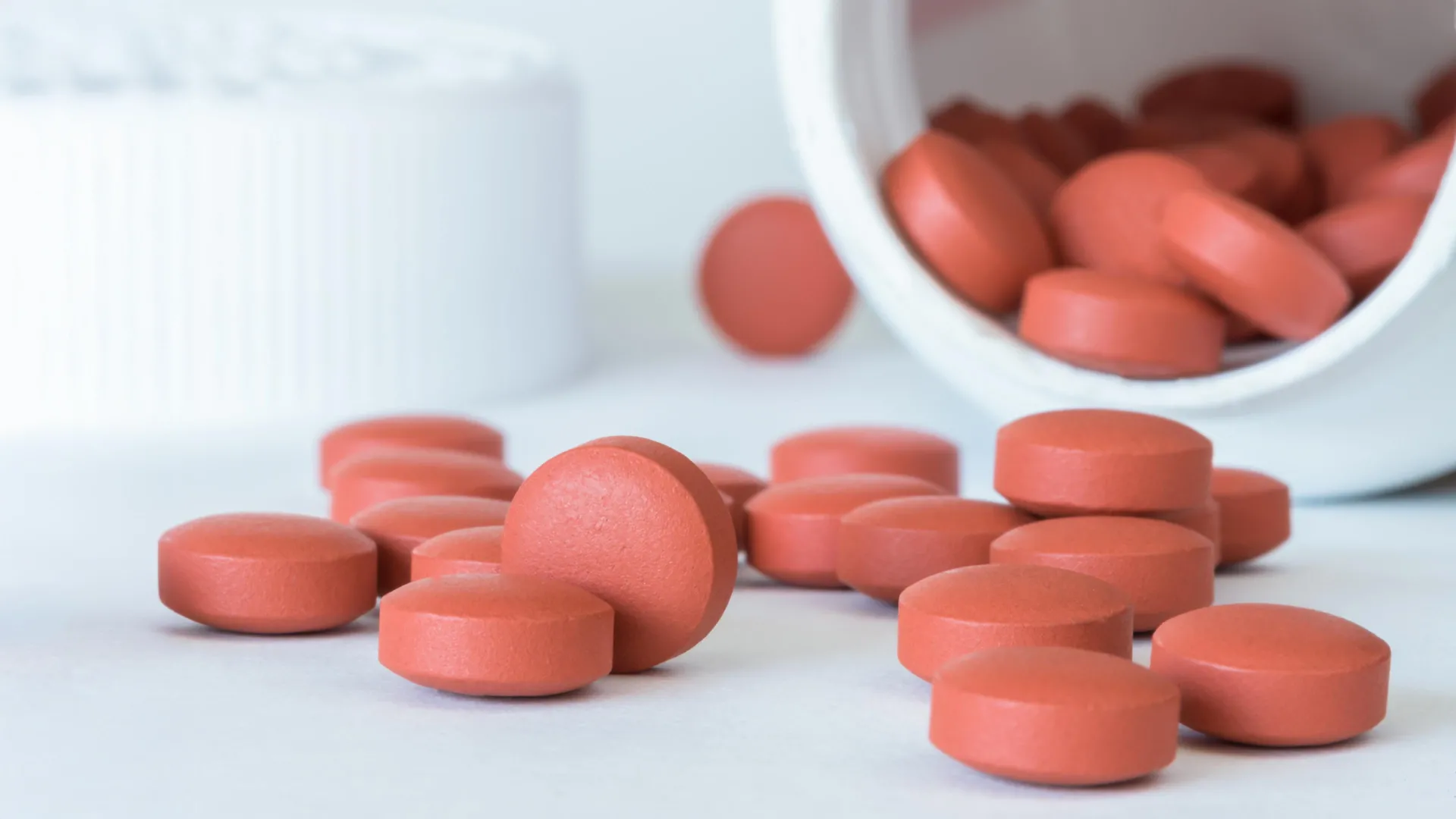
Ibuprofen is one of the most widely used pain relievers in the United States, commonly taken for headaches, muscle aches, and menstrual pain. New research suggests this familiar medication may have effects that go beyond pain relief. Scientists are now examining whether it could also play a role in lowering…

Scientists solve a major roadblock holding back cancer cell therapy

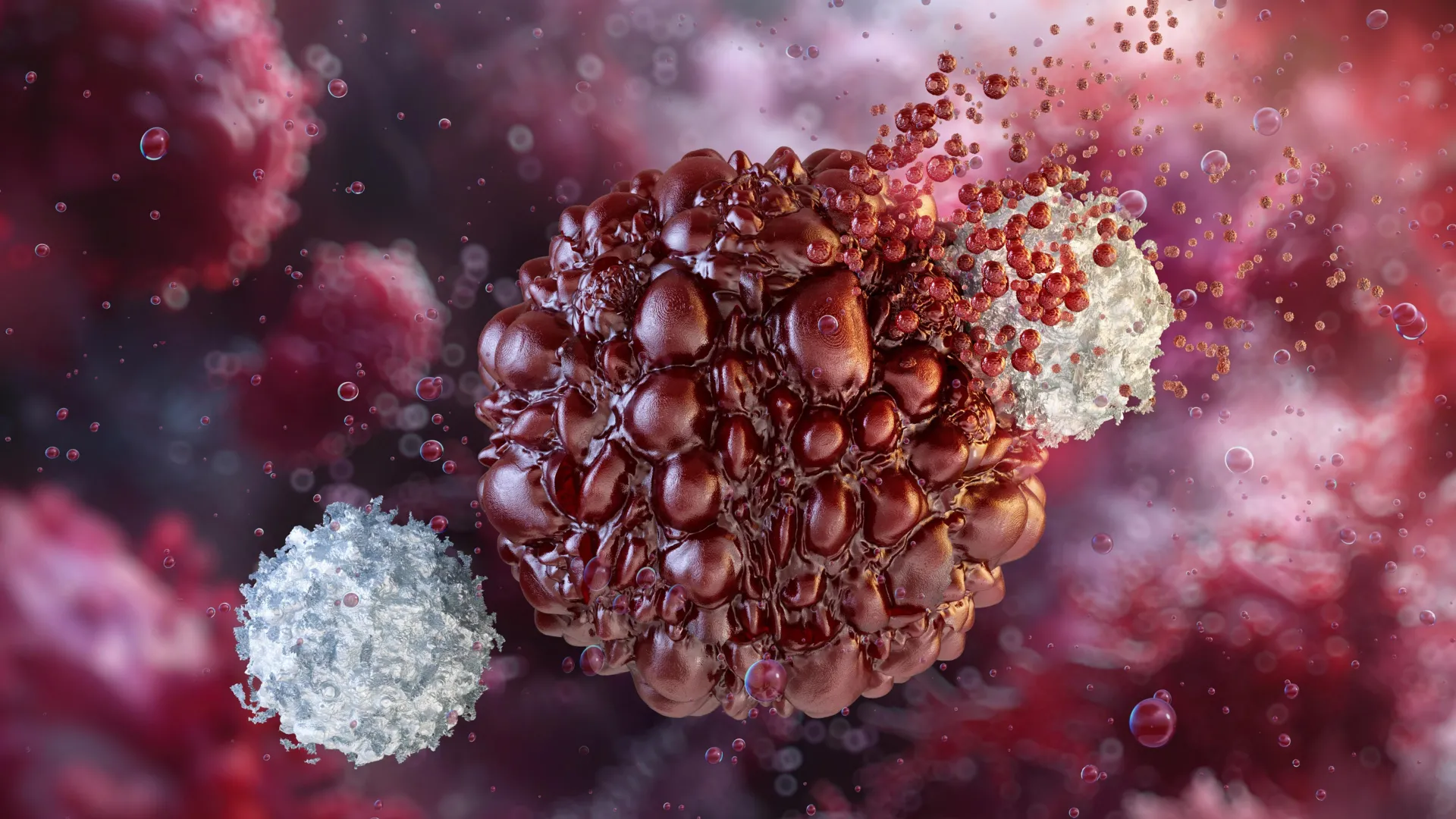
For the first time, researchers at the University of British Columbia have shown how to consistently produce a crucial type of human immune cell, known as helper T cells, from stem cells in a controlled lab setting. The research, published on January 7 in Cell Stem Cell, removes a major…