Quantum chips just proved they’re ready for the real world

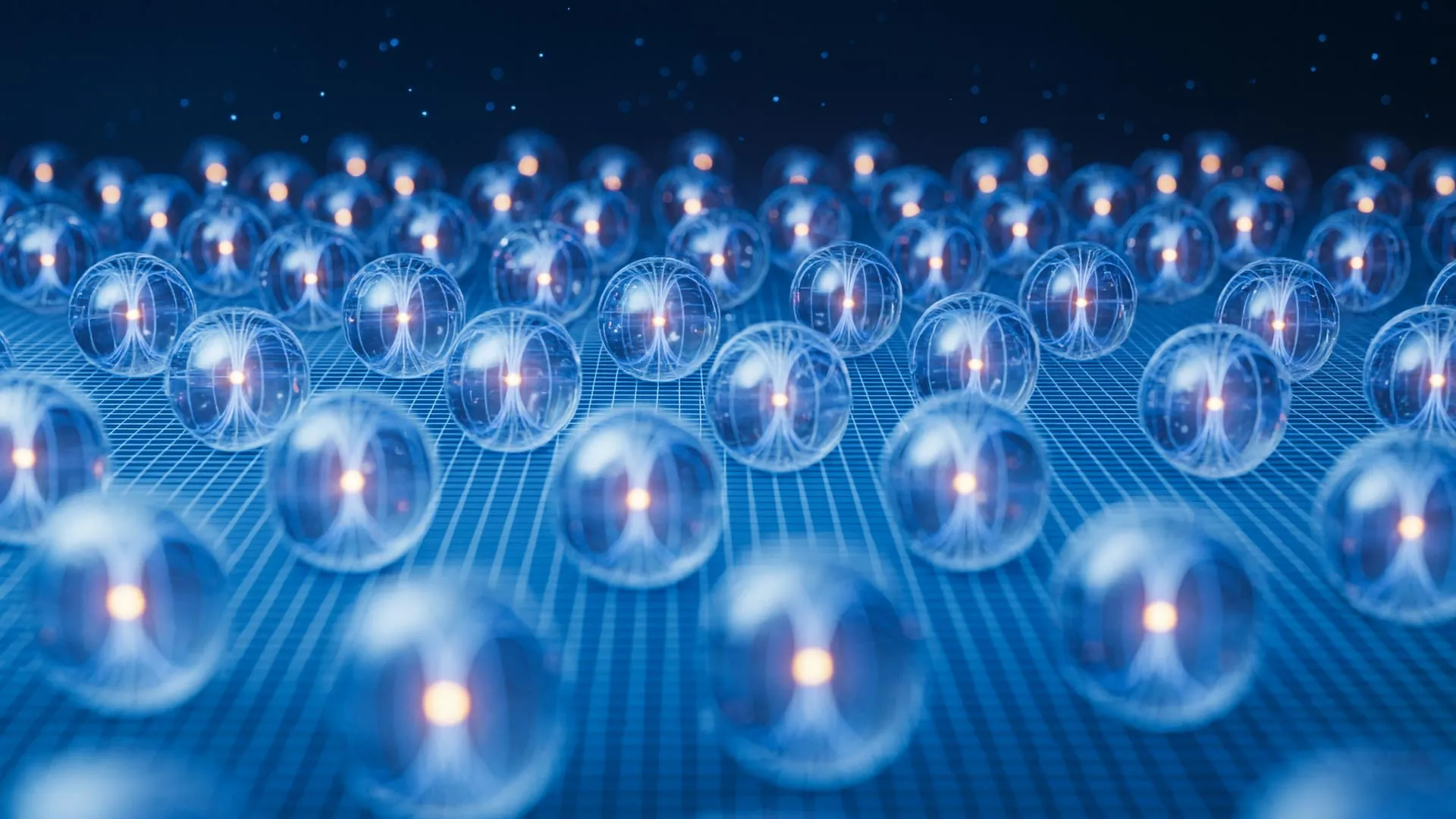
UNSW Sydney nano-tech startup Diraq has shown its quantum chips aren’t just lab-perfect prototypes – they also hold up in real-world production, maintaining the 99% accuracy needed to make quantum computers viable. Diraq, a pioneer of silicon-based quantum computing, achieved this feat by teaming up with European nanoelectronics institute Interuniversity…

Living with purpose may protect your brain from dementia

Research into Blue Zones — regions of the world where people tend to live longer — shows that having a sense of purpose in life may help people live longer. Now, new research from UC Davis shows that having a sense of purpose in life may have another benefit as…

Autism may be the price of human intelligence

A new paper in Molecular Biology and Evolution, published by Oxford University Press, finds that the relatively high rate of Autism-spectrum disorders in humans is likely due to how humans evolved in the past. About one in 31 (3.2%) children in the United States has been identified with Autism Spectrum…

Four strange secrets scientists just found in beer and wine

Scientists regularly uncork fresh insights into beer and wine — even though they were invented thousands of years ago. Four recent discoveries go beyond buzz and bouquet, diving into the haziness and gluten content of beer as well as the astringent taste and potential health impacts of wine. Sip back…

Hidden Alzheimer’s warning signs found in Parkinson’s patients without dementia

A new research paper was published in Aging-US, titled “Age-related trends in amyloid positivity in Parkinson’s disease without dementia.” In this study, led by first author Keiko Hatano and corresponding author Masashi Kameyama from the Tokyo Metropolitan Institute for Geriatrics and Gerontology in Japan, researchers found that patients with Parkinson’s…

Cocoa supplements show surprising anti-aging potential

Could cocoa extract supplements rich in cocoa flavanols reduce inflammation and, in turn, prevent age-related chronic diseases? In a new study from the COcoa Supplement and Multivitamin Outcomes Study (COSMOS), investigators from Mass General Brigham and their colleagues looked at changes in five age-related markers of inflammation among participants who…

How the brain decides which moments you’ll never forget

Some memories are easy to recall — lush with detail, fresh as the moment itself. Others are more tenuous, like faded sketches, and the most stubborn ones can refuse to resurface at all. Why do our brains enshrine some memories so indelibly, and let others slip away? A new Boston…

What happens to your body when you eat too many ultra-processed foods

Ultra-processed foods (UPFs) are industrially altered products – like soda, snacks and processed meats – packed with additives and stripped of nutrients. Hundreds of new ingredients, previously unknown to the human body, now make up nearly 60% of the average adult’s diet and almost 70% of children’s diets in the…

Mysterious “quantum echo” in superconductors could unlock new tech

Scientists at the U. S. Department of Energy Ames National Laboratory and Iowa State University have discovered an unexpected “quantum echo” in a superconducting material. This discovery provides insight into quantum behaviors that could be used for next-generation quantum sensing and computing technologies. Superconductors are materials that carry electricity without…

Scientists just found rare spores inside a fossil older than dinosaurs

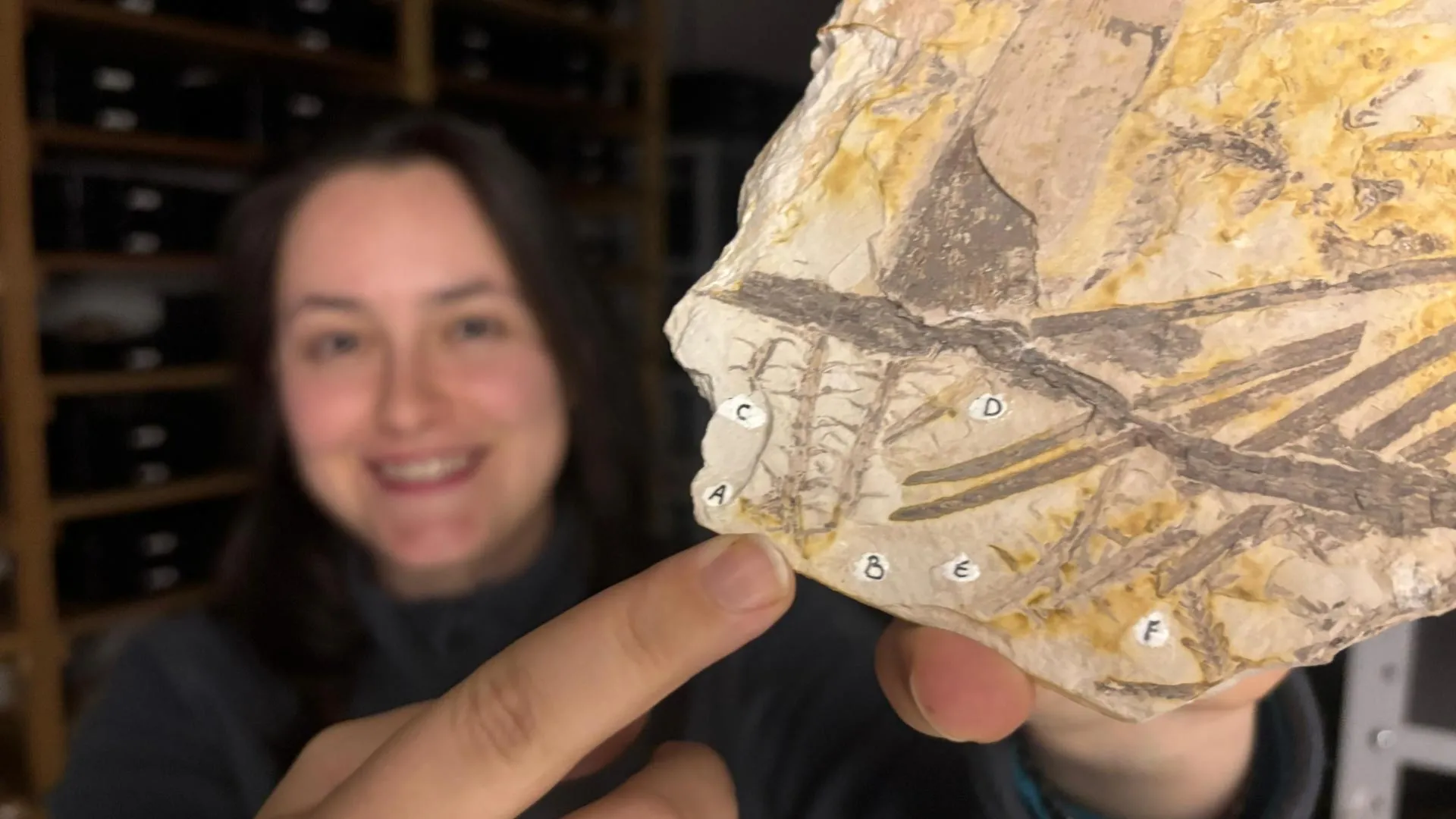
Brazilian paleobotany has just solved an enigma: the redefinition of a fossil plant described decades ago in southern Brazil and the creation of a new genus, Franscinella, to accommodate the species now called Franscinella riograndensis (Salvi et al.) Carniere, Pozzebon-Silva, Guerra-Sommer, Uhl, Jasper et. Spiekermann comb. nov. The study is…

Could your smartphone detect mental health risks before you notice them?

Data passively collected from cell phone sensors can identify behaviors associated with a host of mental health disorders, from agoraphobia to generalized anxiety disorder to narcissistic personality disorder. New findings show that the same data can identify behaviors associated with a wider array of mental disorder symptoms. Colin E. Vize,…

Scientists uncover how to block pain without side effects

Scientists at the NYU Pain Research Center have identified which receptor in prostaglandins — the hormone-like substance targeted by common painkillers — causes pain but not inflammation. The findings, published in the journal Nature Communications, may help researchers to develop more selective drugs to treat pain with fewer side effects.…

Tiny stones rewrite Earth’s evolution story

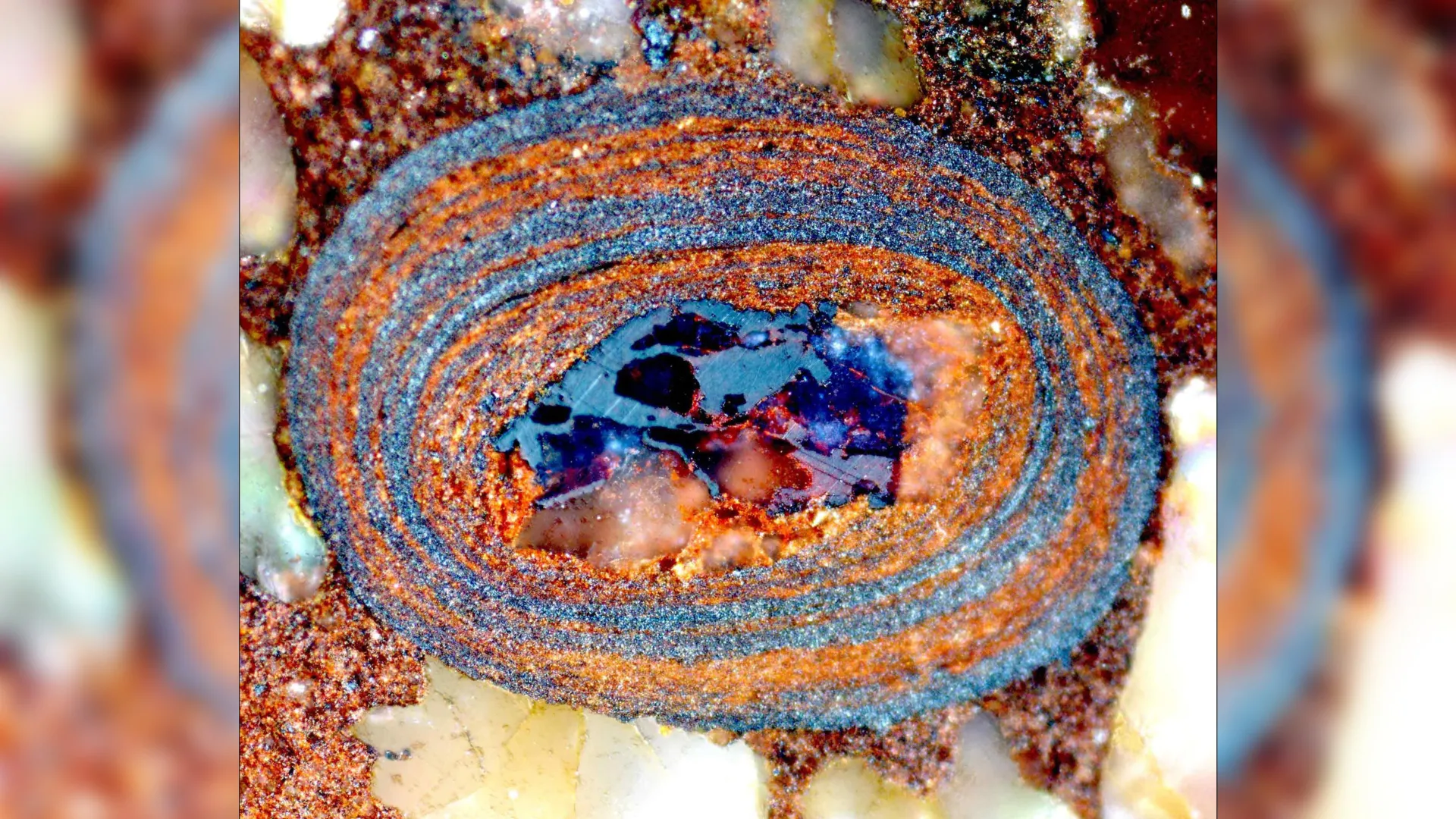
Earth scientists often face huge challenges when researching the Earth’s history: many significant events occurred such a long time ago that there is little direct evidence available. Consequently, researchers often have to rely on indirect clues or on computer models. The team led by ETH Professor Jordon Hemingway, however, has…

A pink bumpy snailfish was just discovered miles beneath the ocean

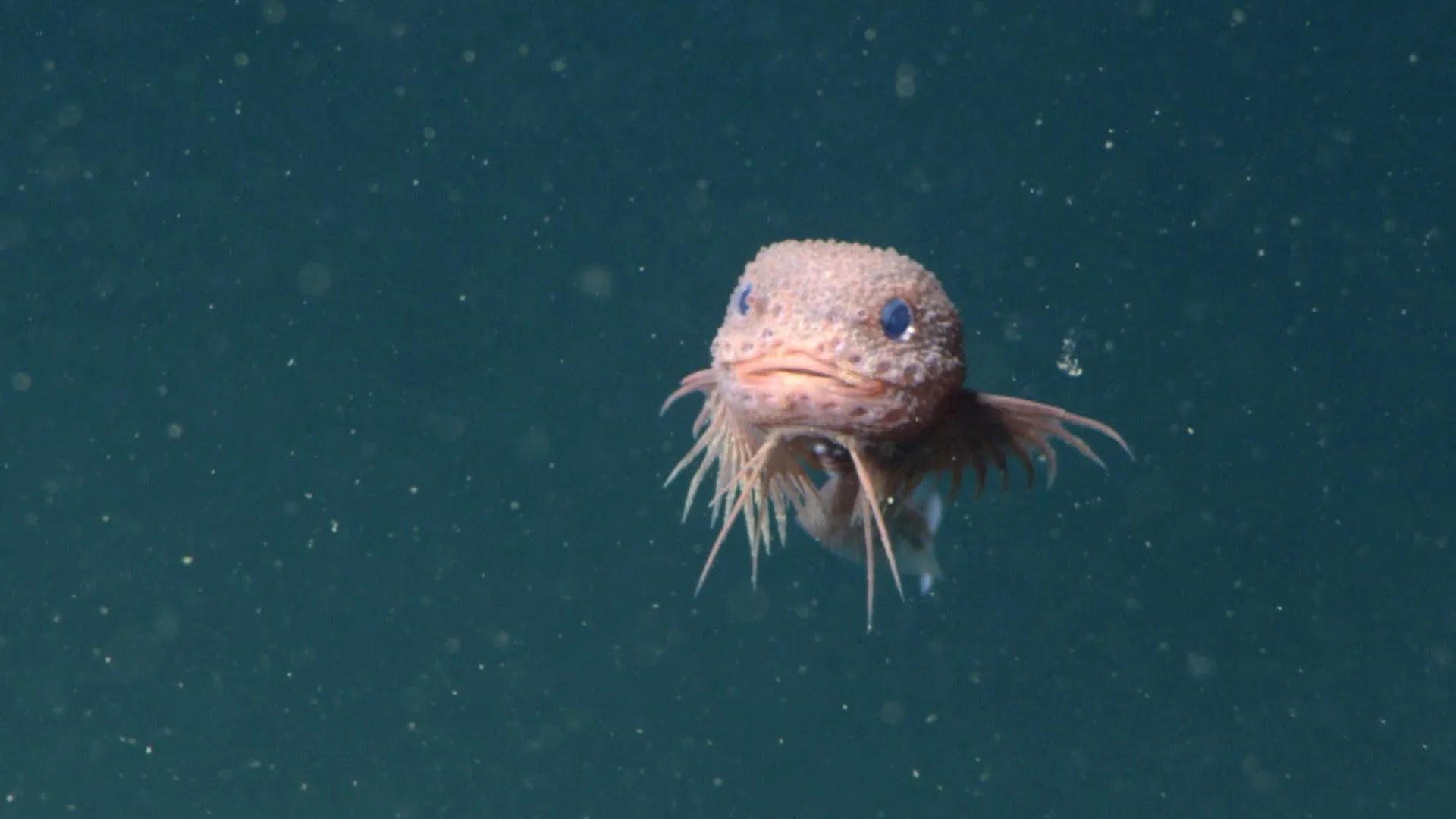
The bumpy snailfish is one of three new species of deep-sea snailfish described by MBARI collaborators at SUNY Geneseo. MBARI’s advanced underwater technology is revealing the remarkable species that thrive in the deep sea. In 2019, MBARI researchers encountered an unfamiliar pink snailfish swimming just above the seafloor. New research…

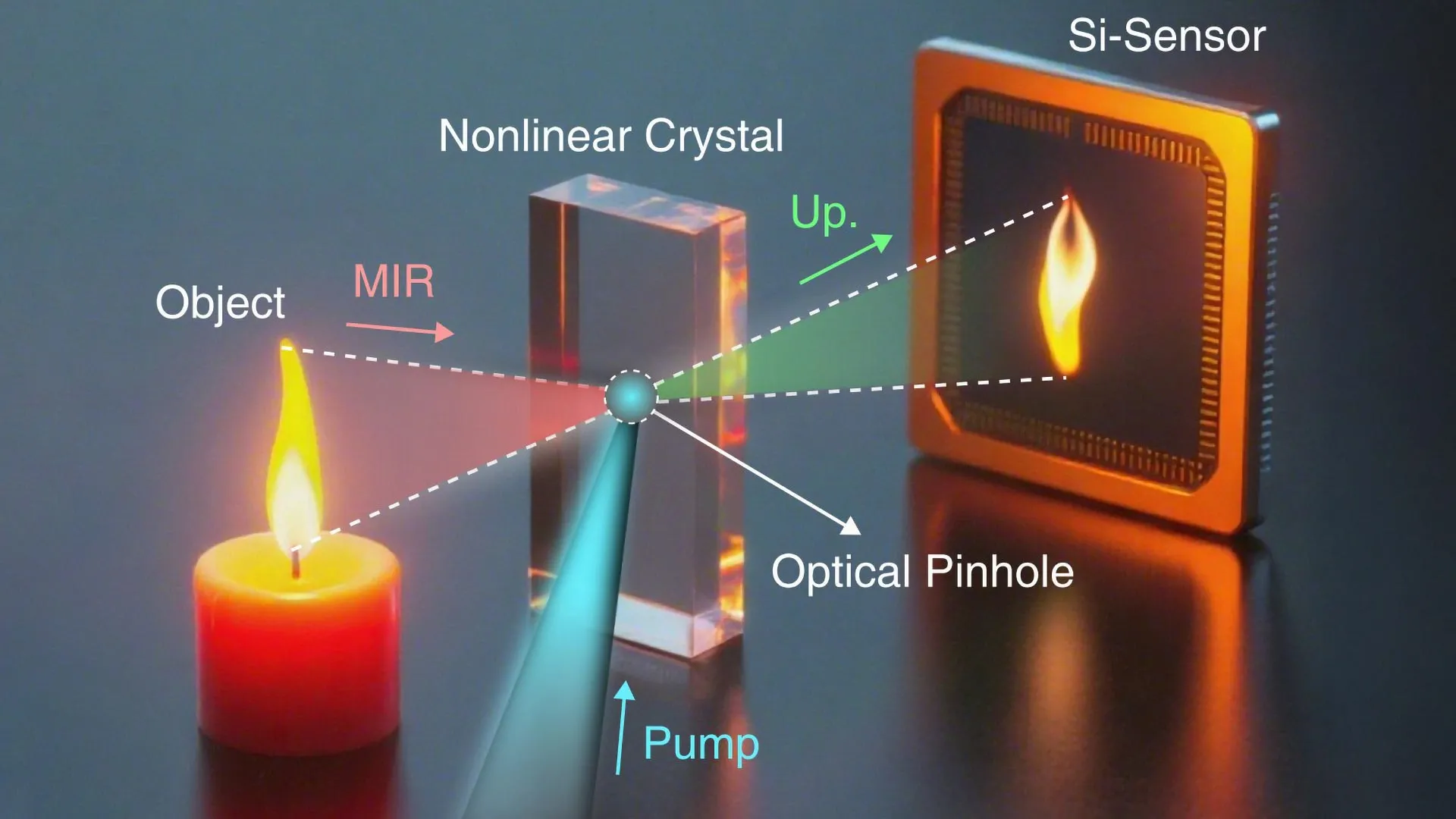
This new camera sees the invisible in 3D without lenses

Researchers have used the centuries-old idea of pinhole imaging to create a high-performance mid-infrared imaging system without lenses. The new camera can capture extremely clear pictures over a large range of distances and in low light, making it useful for situations that are challenging for traditional cameras. “Many useful signals…

Biochar’s secret power could change clean water forever

We’ve all heard the story: biochar cleans water by adsorbing pollutants — trapping them like a sponge. Or, in fancier setups, it acts as a catalyst to help oxidants like hydrogen peroxide break down toxins. But Dr. Gao’s team asked a bold question: What if biochar can degrade pollutants all…

Toxic waste could become the next clean energy breakthrough

A sticky, toxic by-product that has long plagued renewable energy production may soon become a valuable resource, according to a new review published in Biochar. When biomass such as crop residues, wood, or other organic matter is heated to produce clean energy and biochar, it also generates a thick liquid…

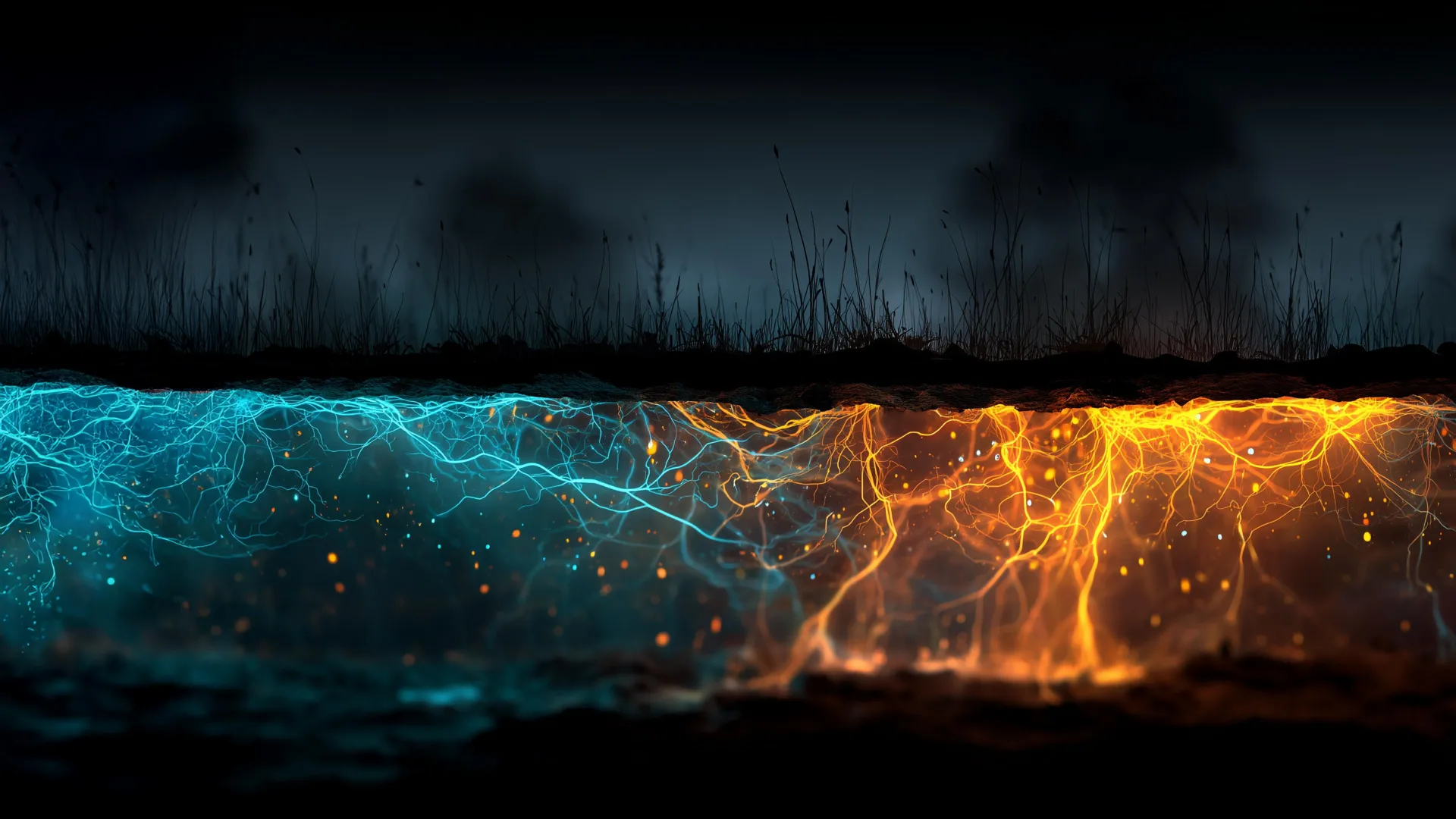
Hidden “electron highways” beneath our feet could revolutionize pollution cleanup

Beneath our feet, an invisible world of electron exchanges quietly drives the chemistry that sustains ecosystems, controls water quality, and even determines the fate of pollutants. A new review published in Environmental and Biogeochemical Processes sheds light on how electrons travel through soils and sediments across surprisingly long distances —…

The quantum internet just went live on Verizon’s network

In a first-of-its-kind experiment, engineers at the University of Pennsylvania brought quantum networking out of the lab and onto commercial fiber-optic cables using the same Internet Protocol (IP) that powers today’s web. Reported in Science, the work shows that fragile quantum signals can run on the same infrastructure that carries…

Scientists unveil breakthrough pixel that could put holograms on your smartphone

New research from the University of St Andrews paves the way for holographic technology, with the potential to transform smart devices, communication, gaming and entertainment. In a study published recently in Light, Science and Application, researchers from the school of Physics and Astronomy created a new optoelectronic device from the…

The surprising new particle that could finally explain dark matter

Dark Matter remains one of the biggest mysteries in fundamental physics. Many theoretical proposals (axions, WIMPs) and 40 years of extensive experimental search failed to provide any explanation of the nature of Dark Matter. Several years ago, in a theory unifying particle physics and gravity, new, radically different Dark Matter…

Cambridge scientists created a gel that could end arthritis pain

Researchers have developed a material that can sense tiny changes within the body, such as during an arthritis flare-up, and release drugs exactly where and when they are needed. The squishy material can be loaded with anti-inflammatory drugs that are released in response to small changes in pH in the…

This high-sugar fruit may actually lower diabetes risk

If presented with two snacks, one containing seven grams of sugar and another with over 30 grams of sugar, choosing the healthier option should be a no-brainer, correct? Well, maybe not. Less sugar is not automatically healthier. For the nearly 100 million adults in the United States who are currently…

Scientists brew “quantum ink” to power next-gen night vision

Toxic metals are pushing infrared detector makers into a corner, but NYU Tandon researchers have developed a cleaner solution using colloidal quantum dots. These detectors are made like “inks,” allowing scalable, low-cost production while showing impressive infrared sensitivity. Combined with transparent electrodes, the innovation tackles major barriers in imaging systems…

Caltech’s massive 6,100-qubit array brings the quantum future closer

Quantum computers will need large numbers of qubits to tackle challenging problems in physics, chemistry, and beyond. Unlike classical bits, qubits can exist in two states at once — a phenomenon called superposition. This quirk of quantum physics gives quantum computers the potential to perform certain complex calculations better than…

Breakthrough wetsuits slash shark attack injuries and save lives

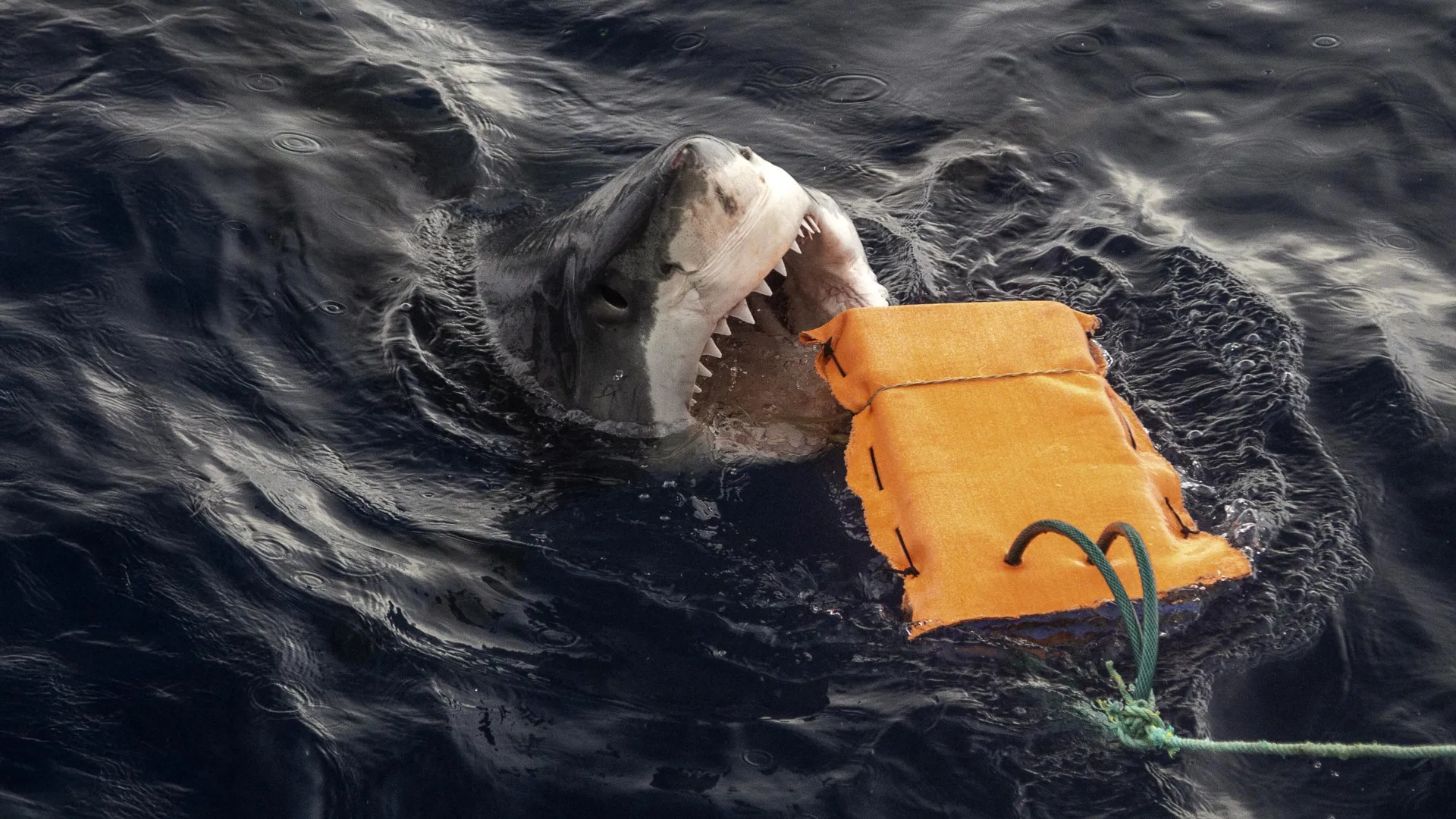
Australian shark experts have tested four bite-resistant materials to assess their ability to reduce injuries and blood loss. While internal and crushing injuries may still occur, bite-resistant wetsuits can now be added to the ‘toolkit’ of measures available to reduce shark-bite risk and resulting injuries, say researchers from Flinders University’s…

This flower smells like dying ants, and flies can’t resist it

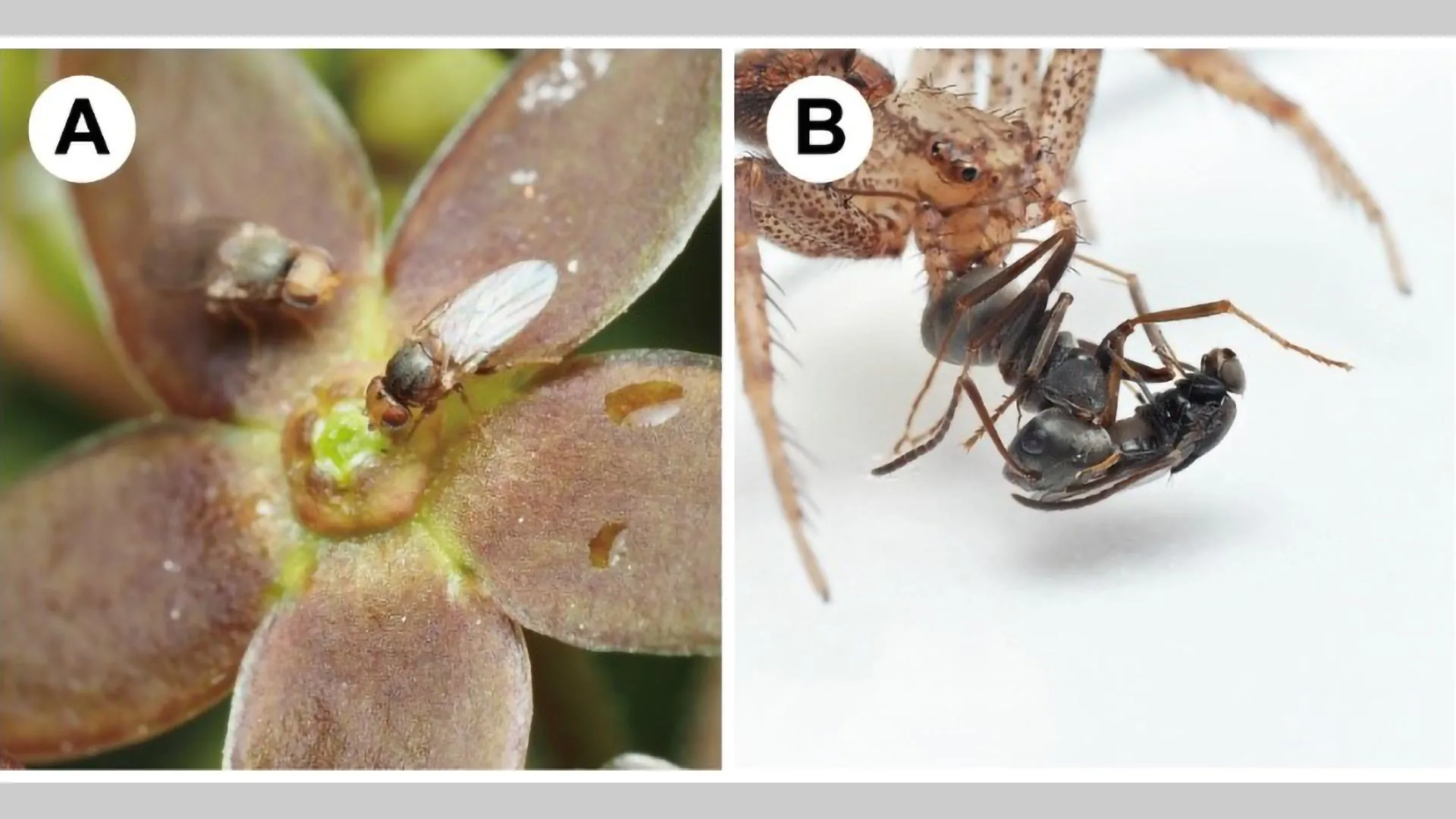
Ko Mochizuki of the University of Tokyo has discovered that Vincetoxicum nakaianum, a dogbane species native to Japan described for the first time by Mochizuki and his collaborators only a year ago, mimics the smell of ants attacked by spiders to attract flies that feed on such attacked insects, and…

Hidden bacterial molecules in the brain reveal new secrets of sleep

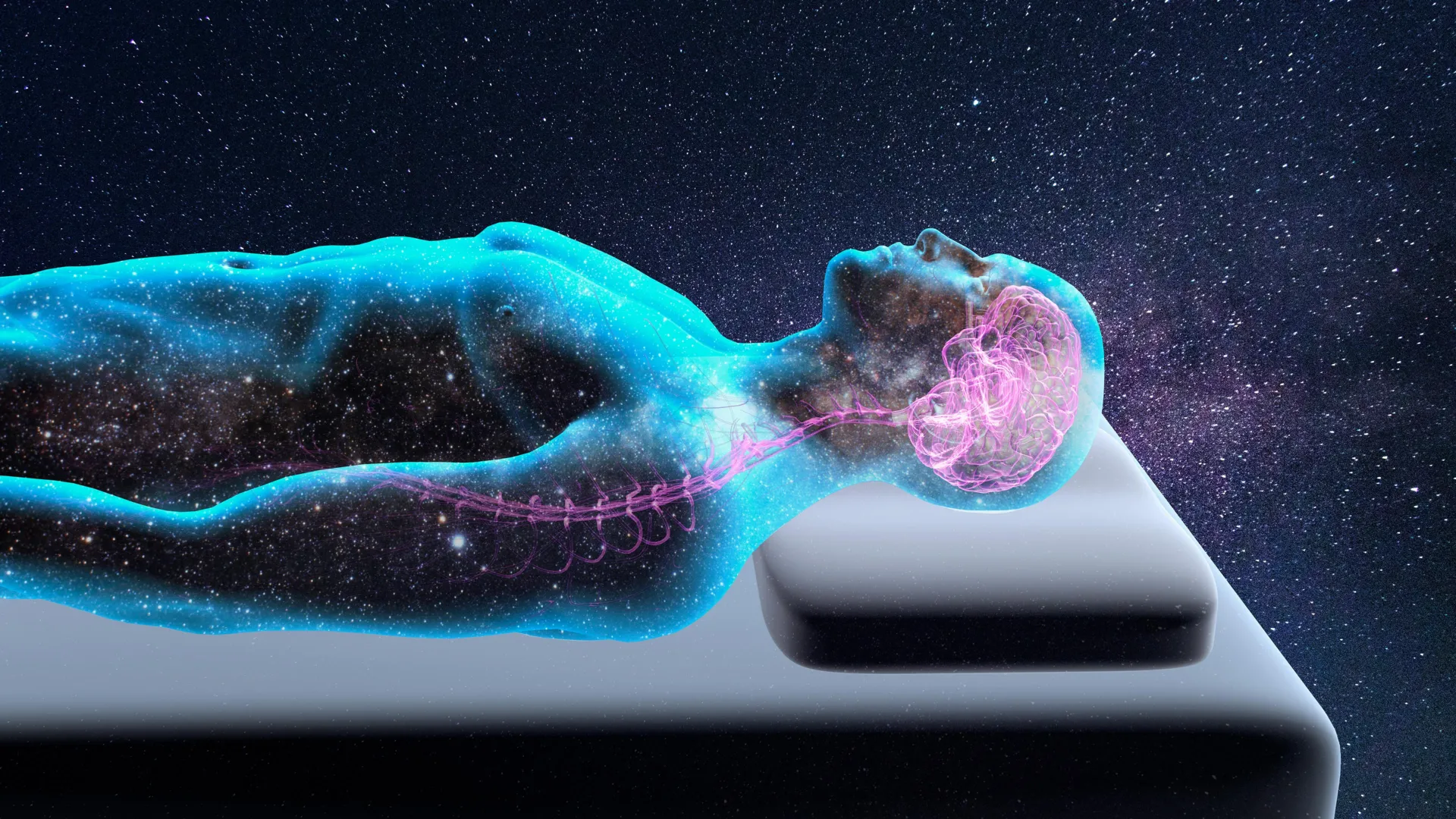
What causes us to sleep? The answer may lie not only in our brains, but in their complex interplay with the micro-organisms spawned in our intestines. New research from Washington State University suggests a new paradigm in understanding sleep, demonstrating that a substance in the mesh-like walls of bacteria, known…

Brain fat, not just plaques, may be the hidden driver of Alzheimer’s

It was long thought that fat in the brain played no role in neurodegenerative diseases, but Purdue University researchers are challenging that assumption. The research findings, published in Immunity, show that excess fat in the brain’s resident immune cells, called microglia, impairs their ability to combat disease. This insight opens…