
Earth’s safe zones are vanishing fast

A new study maps the planetary boundary of “functional biosphere integrity” in spatial detail and over centuries. It finds that 60 percent of global land areas are now already outside the locally defined safe zone, and 38 percent are even in the high-risk zone. The study was led by the…
Strange new bacteria found in Amazon sand flies. Could it spread to humans?

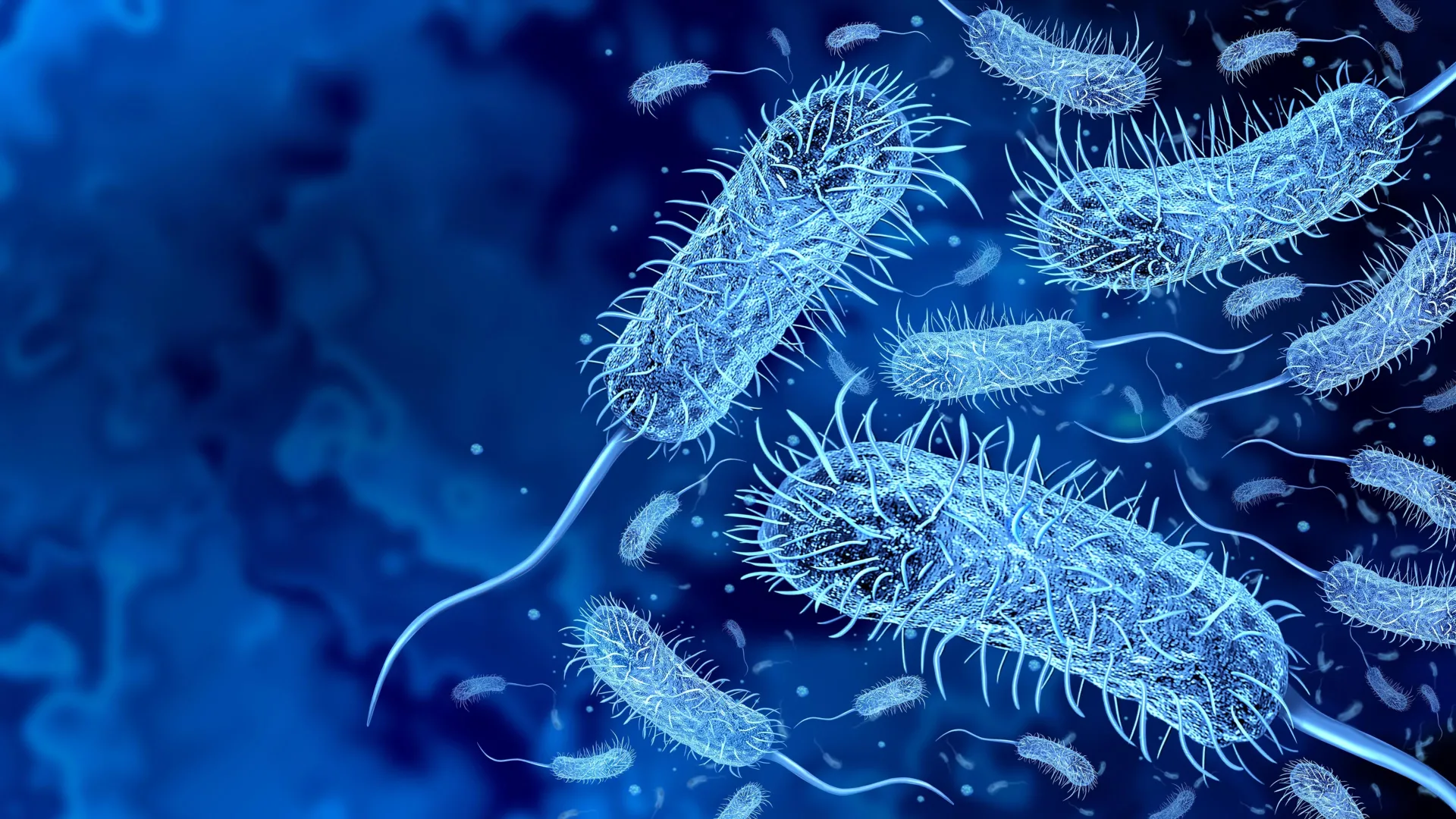
A new species of bacteria of the genus Bartonella has been found in the Amazon National Park in the state of Pará, Brazil, in phlebotomine insects, also known as sand flies. This type of insect is generally associated with transmitting leishmaniasis, but according to the researchers, the DNA of the…

MIT scientists uncover shocking origin of the moon’s magnetic scars

Where did the moon’s magnetism go? Scientists have puzzled over this question for decades, ever since orbiting spacecraft picked up signs of a high magnetic field in lunar surface rocks. The moon itself has no inherent magnetism today. Now, MIT scientists may have solved the mystery. They propose that a…

A common supplement could reverse the hidden harm of sucralose

Sucralose is a popular sugar substitute for people who are cutting calories or managing blood sugar levels, but new research by the University of Pittsburgh and UPMC Hillman Cancer Center suggests that the artificial sweetener may not be the best choice for patients undergoing cancer immunotherapy. Publishing recently in Cancer…

Experts warn: Smartphones before 13 could harm mental health for life

Owning a smartphone before age 13 is associated with poorer mind health and wellbeing in early adulthood, according to a global study of more than 100,000 young people. Published recently in the peer-reviewed Journal of Human Development and Capabilities, the study found that 18- to 24-year-olds who had received their…

Satellites confirm 1990s sea-level predictions were shockingly accurate

Global sea-level change has now been measured by satellites for more than 30 years, and a comparison with climate projections from the mid-1990s shows that they were remarkably accurate, according to two Tulane University researchers whose findings were published in Earth’s Future, an open-access journal published by the American Geophysical…

Baby pterosaurs died in ancient storms—and their fossils reveal the truth

The cause of death for two baby pterosaurs has been revealed by University of Leicester paleontologists in a post-mortem 150 million years in the making. Detailed in a new study in the journal Current Biology, their findings show how these flying reptiles were tragically struck down by powerful storms that…

Scientists made plastic that eats carbon

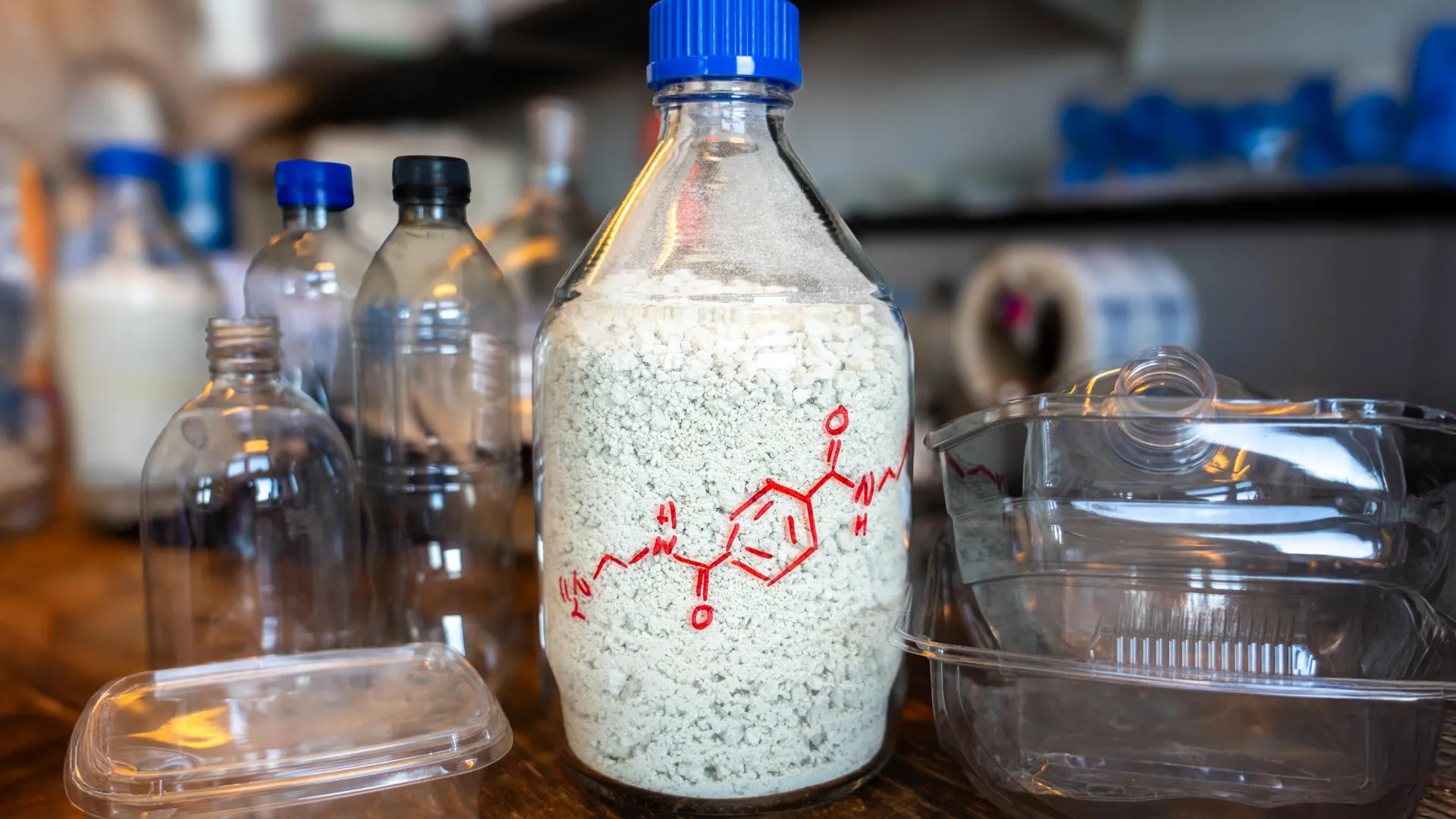
Scientists transform plastic waste into efficient CO2 capture materials From waste to valuable resource: Chemists at the University of Copenhagen have developed a method to convert plastic waste into a climate solution for efficient and sustainable CO2 capture. This is killing two birds with one stone as they address two…

Tiny gold quantum needles with astonishing powers discovered

Researchers Shinjiro Takano, Yuya Hamasaki, and Tatsuya Tsukuda of the University of Tokyo have successfully visualized the geometric structure of growing gold nanoclusters in their earliest stages. During this process, they also successfully “grew” a novel structure of elongated nanoclusters, which they named “gold quantum needles.” Thanks to their responsiveness…

Ghost sharks grow teeth on their heads to mate

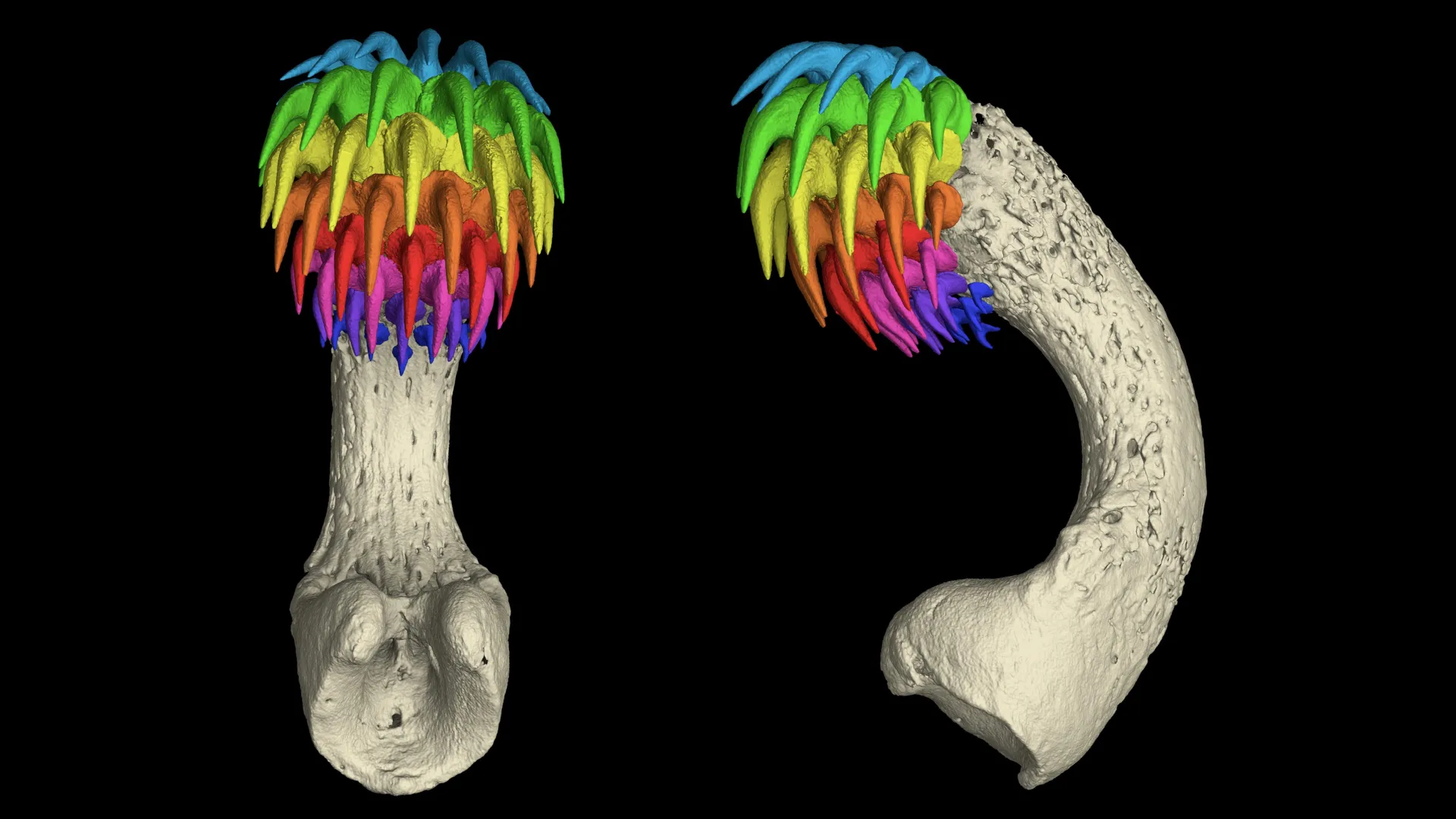
Male “ghost sharks” — eerie deep-sea fish known as chimaeras that are related to sharks and rays — have a strange rod jutting from their foreheads, studded with sharp, retractable teeth. New research reveals these are not merely lookalikes, but real rows of teeth that grow outside the mouth. What’s…

Oceans could reach a dangerous tipping point by 2050

The seas have long sustained human life, but a new UC Santa Barbara study shows that rising climate and human pressures are pushing the oceans toward a dangerous threshold. Vast and powerful, the oceans can seem limitless in their abundance and impervious to disturbances. For millennia, humans have supported their…

These clear windows can secretly produce solar power

A research team led by Nanjing University has introduced a transparent, colorless, and unidirectional solar concentrator that can be directly coated onto standard window glass. Utilizing cholesteric liquid crystal (CLC) multilayers with submicron lateral periodicities, this diffractive-type solar concentrator (CUSC) selectively guides sunlight toward the edge of the window where…

Scientists just found a hidden quantum geometry that warps electrons

How can data be processed at lightning speed, or electricity conducted without loss? To achieve this, scientists and industry alike are turning to quantum materials, governed by the laws of the infinitesimal. Designing such materials requires a detailed understanding of atomic phenomena, much of which remains unexplored. A team from…

Even the toughest corals are shrinking in warming seas

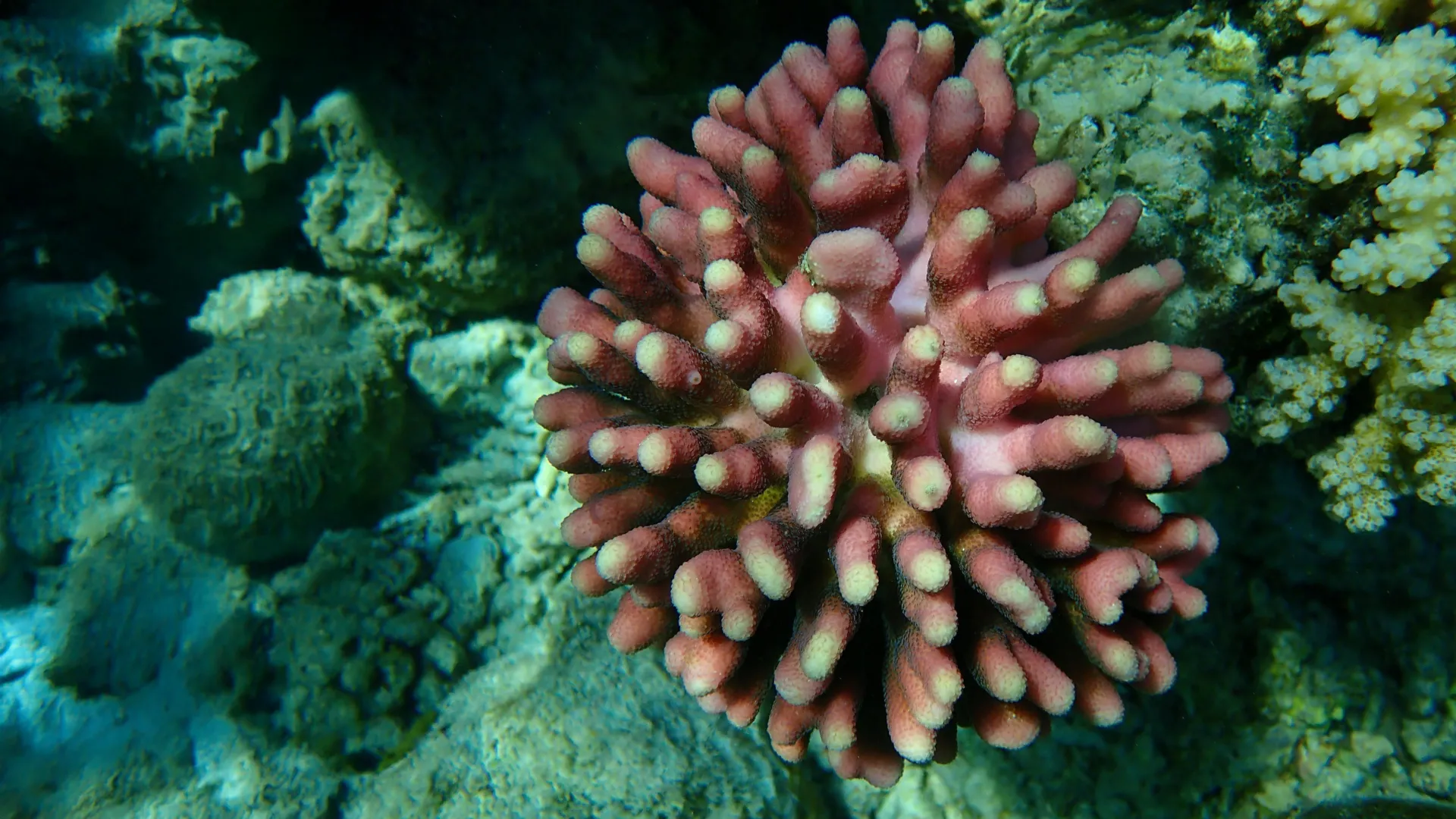
As coral reefs decline at unprecedented rates, new research has revealed that some coral species may be more resilient to warming temperatures than others. By studying how six months of elevated ocean temperatures would affect a species of coral from the northern Red Sea called Stylophora pistillata, scientists found that…

Seagrass found to be a powerful carbon sponge with a surprising weakness

Seagrass has the potential to be one of the world’s most effective sponges at soaking up and storing carbon, but we don’t yet know how nutrient pollution affects its ability to sequester carbon. In a pair of studies, U-M researchers evaluated the impact of nitrogen and phosphorus on seagrass, short,…

Woolly mammoth teeth reveal the world’s oldest microbial DNA

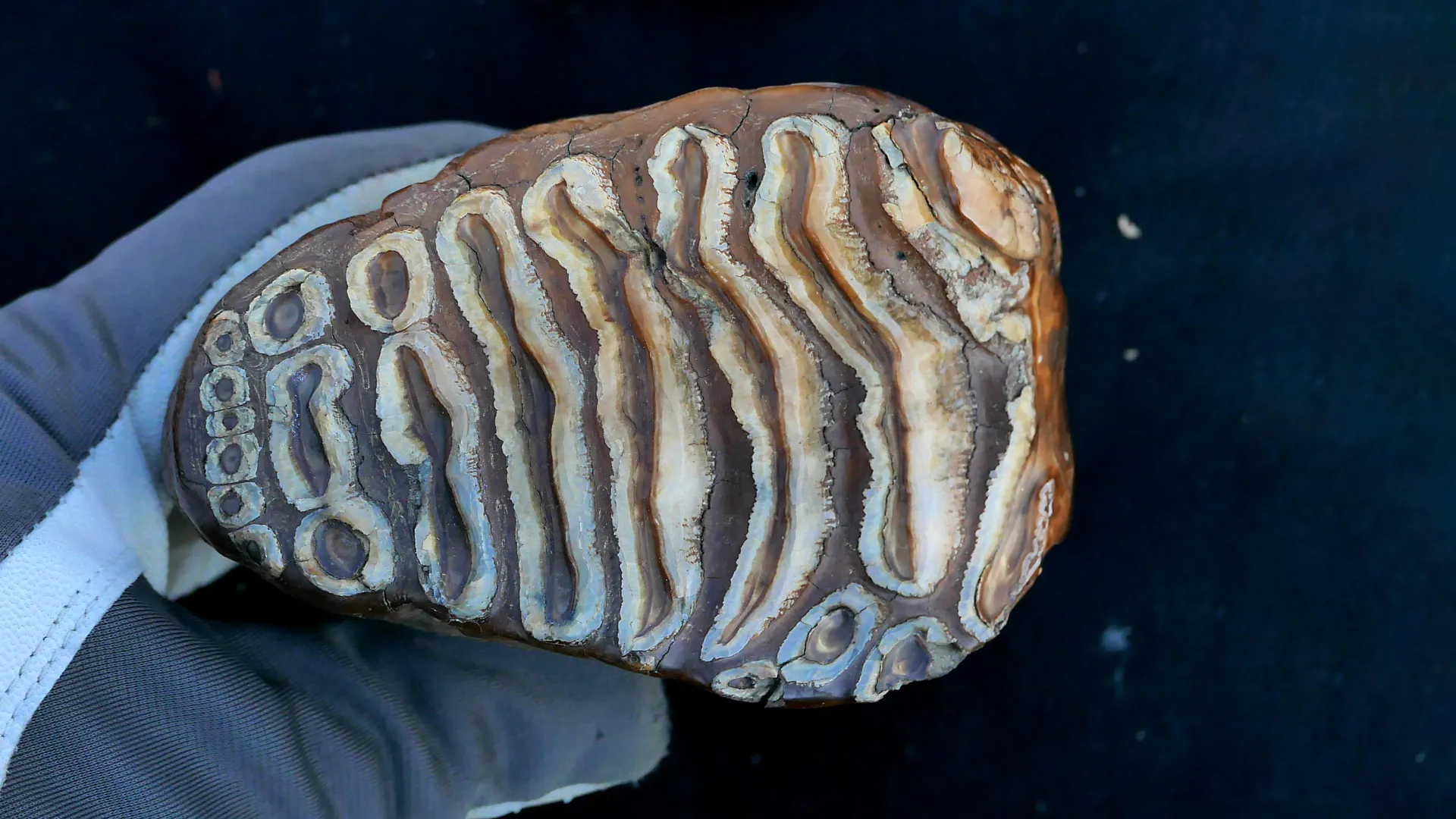
An international team led by researchers at the Centre for Palaeogenetics, has uncovered microbial DNA preserved in woolly and steppe mammoth remains dating back more than one million years. The analyses reveal some of the world’s oldest microbial DNA ever recovered, as well as the identification of bacteria that possibly…

Scientists watch Parkinson’s protein drill holes in brain cells

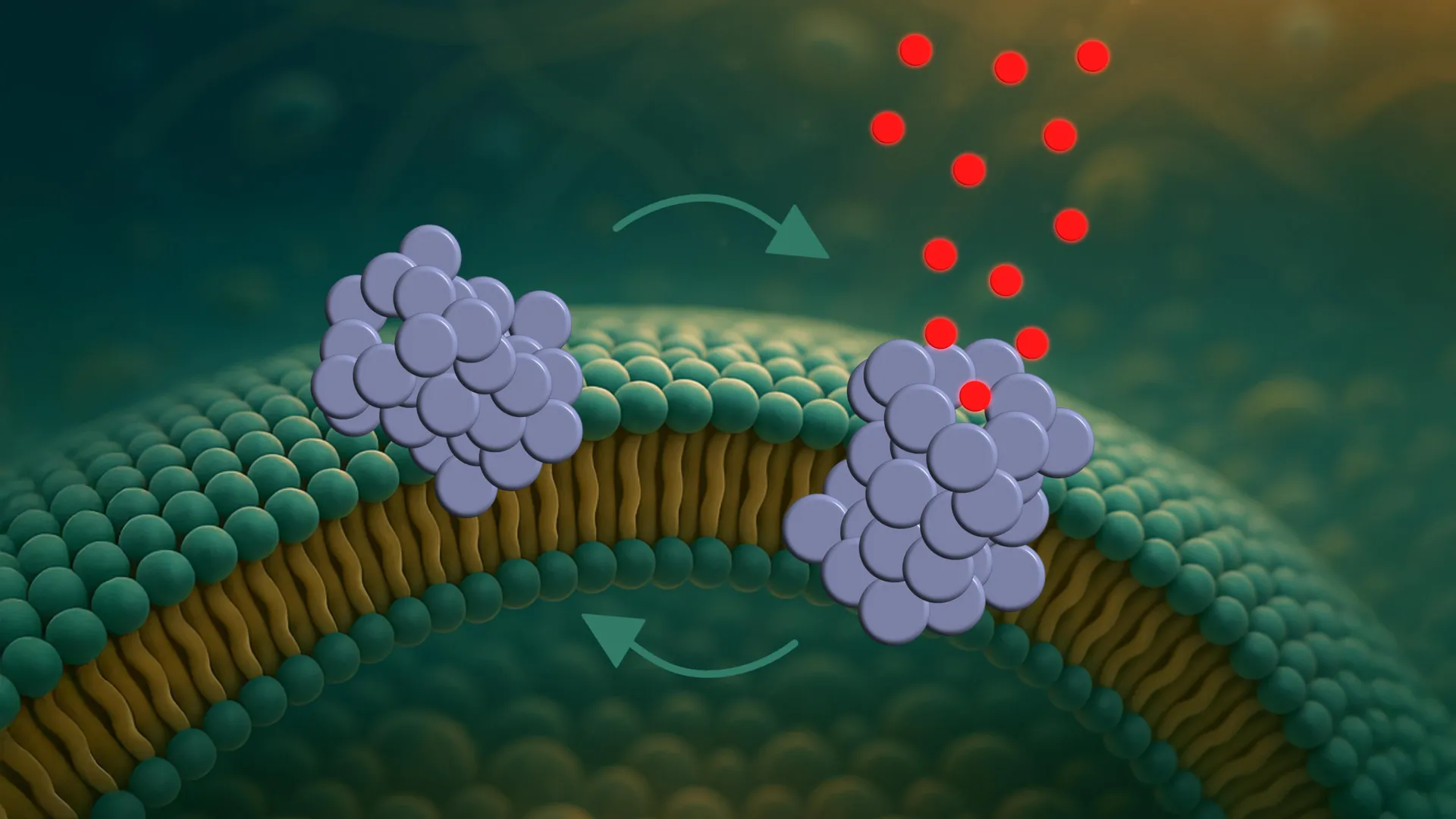
A toxic protein forms dynamic pores in the membranes of brain cells – and that may be the key to understanding how Parkinson’s disease develops. This is the conclusion of a new study from Aarhus University, where researchers have developed an advanced method to track molecular attacks in real time.…

Earth’s inner core exists only because of carbon

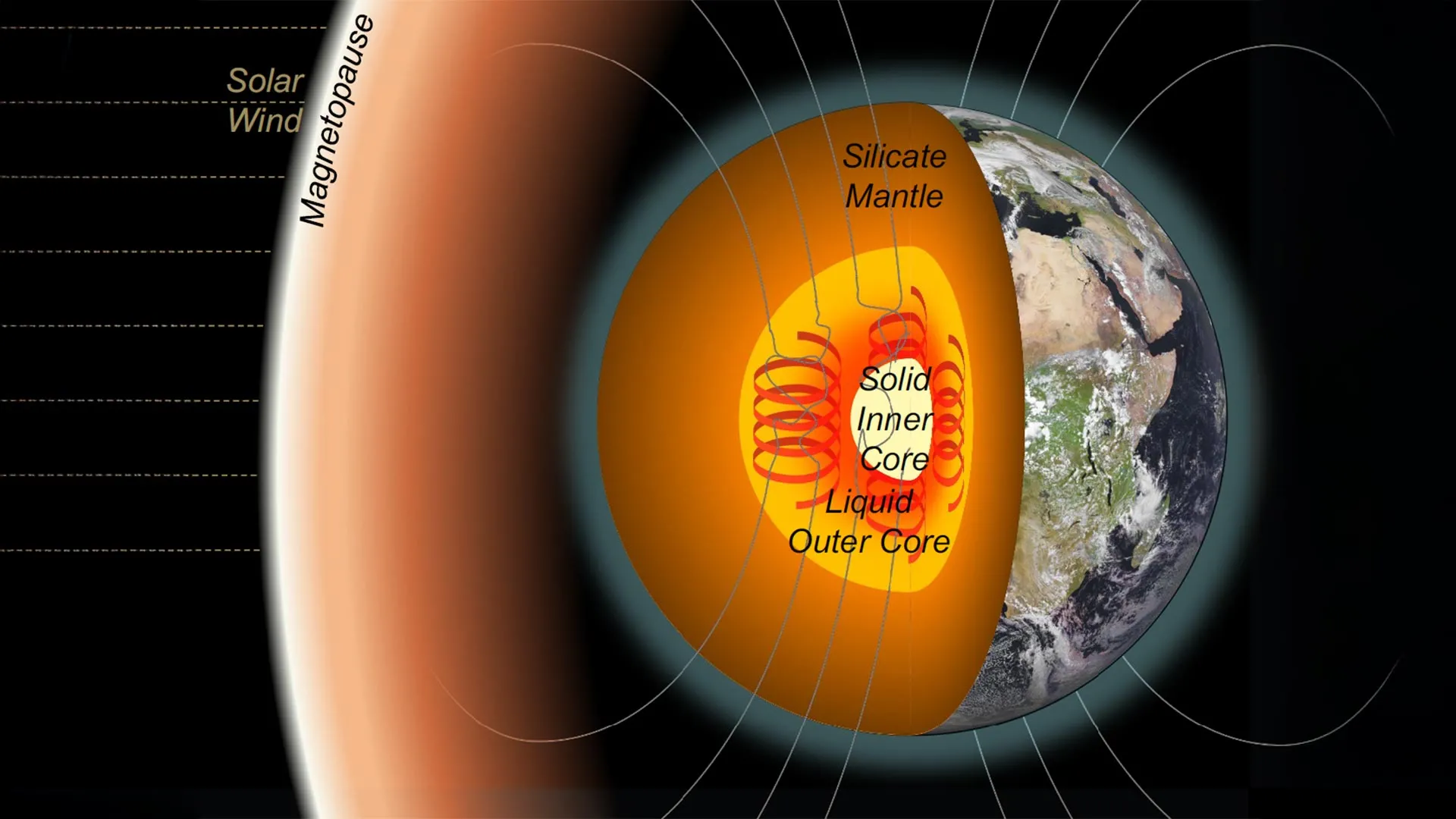
A new study by researchers at the University of Oxford, University of Leeds, and University College London has identified a new constraint on the chemistry of Earth’s core, by showing how it was able to crystallize millions of years ago. The study was published today (September 4) in Nature Communications.…

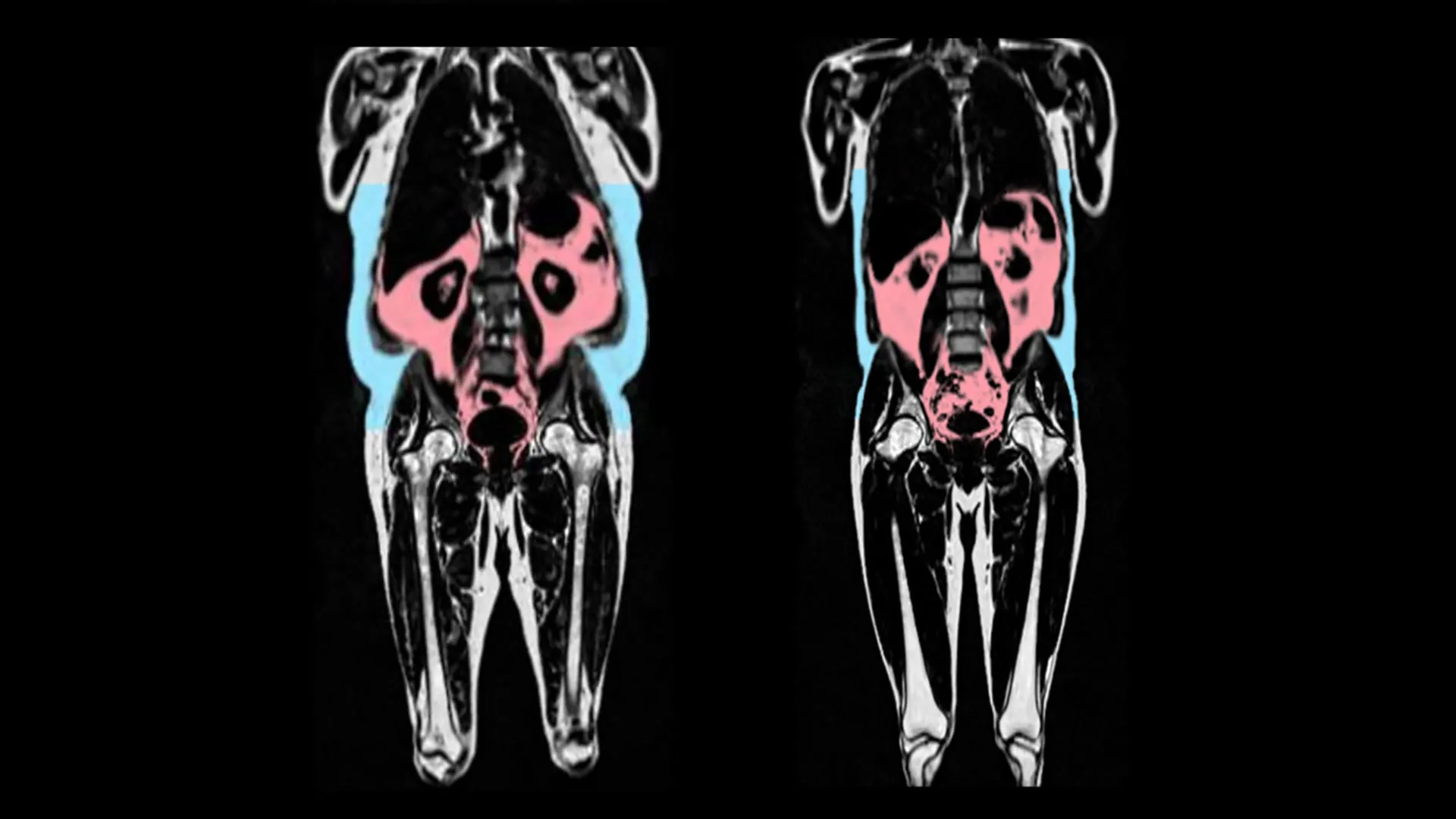
Scientists reveal how breakfast timing may predict how long you live

As we age, what and how much we eat tends to change. However, how meal timing relates to our health remains less understood. Researchers at Mass General Brigham and their collaborators studied changes to meal timing in older adults and discovered people experience gradual shifts in when they eat meals…

Sweeteners in diet drinks may steal years from the brain

The study followed 12,772 adults with an average age of 52 Researchers tracked seven artificial sweeteners typically found in ultra-processed foods like flavored water, soda, energy drinks, yogurt and low-calorie desserts People who consumed the highest total amounts of these sweeteners had faster decline in overall thinking and memory skills…

A 3-minute brainwave test could spot Alzheimer’s years before symptoms

A simple brainwave test developed at the University of Bath has been shown to detect signs of memory impairment linked to Alzheimer’s disease years before clinical diagnosis is typically possible. Published in the journal Brain Communications the study by academics from the University of Bath and the University of Bristol,…

Scientists watch an atomic nucleus flip in real time

Researchers from Delft University of Technology in The Netherlands have been able to see the magnetic nucleus of an atom switch back and forth in real time. They read out the nuclear ‘spin’ via the electrons in the same atom through the needle of a scanning tunneling microscope. To their…

Fossil reveals a 310-million-year-old fish that ate with a hidden second jaw

Experts have uncovered the earliest known example of a fish with extra teeth deep inside its mouth – a 310-million-year-old fossilized ray-finned fish that evolved a unique way of devouring prey. Platysomus parvulus had a unique way of eating never seen in ray-finned fish from that time – a ‘tongue…

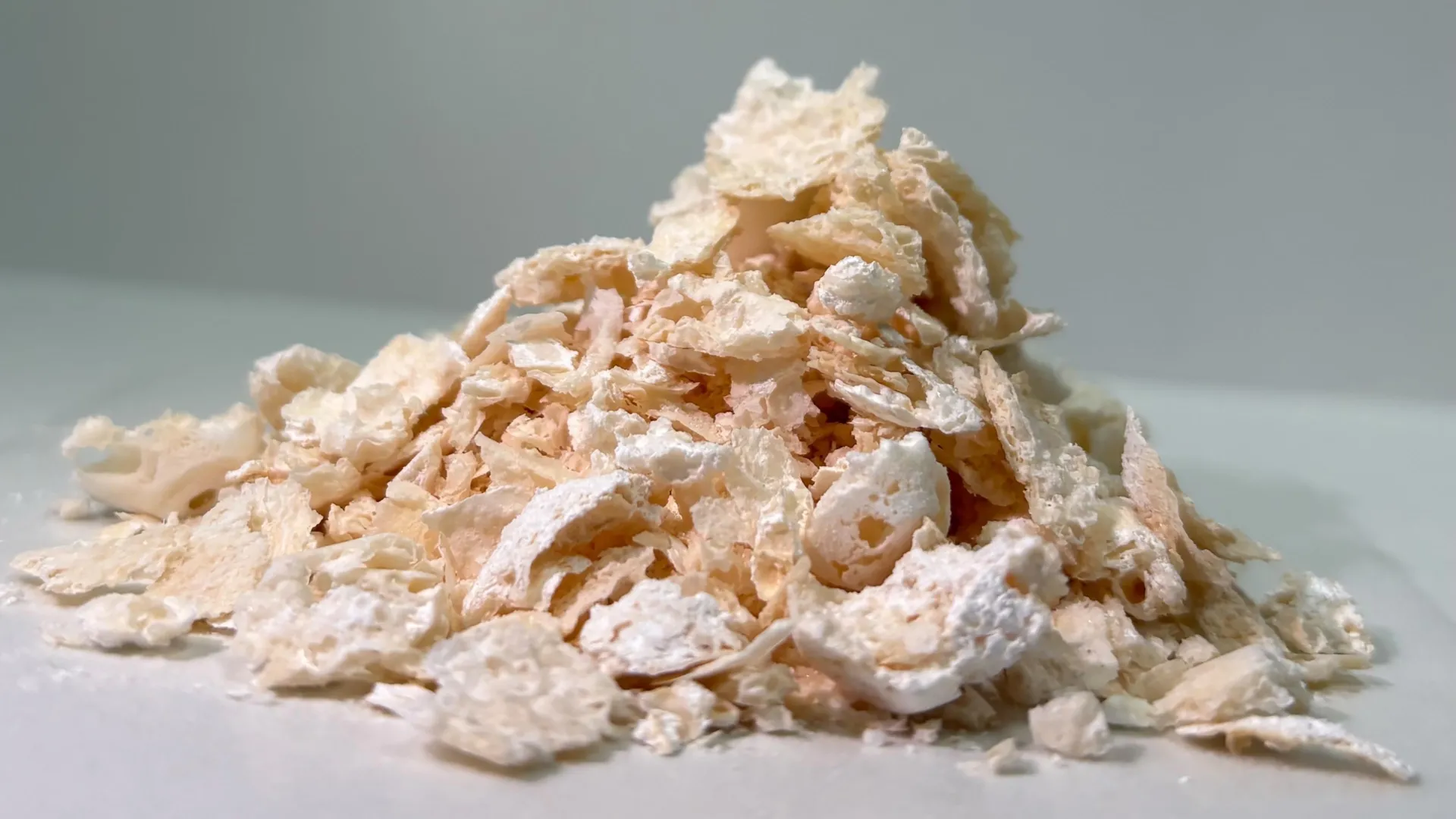
Scientists create biodegradable plastic stronger than PET

The PET-alternative PDCA is biodegradable and has superior physical properties. A Kobe University team of bioengineers engineered E. coli bacteria to produce the compound from glucose at unprecedented levels and without byproducts — and opened up a realm of possibilities for the future of bioengineering. The durability of plastics is…

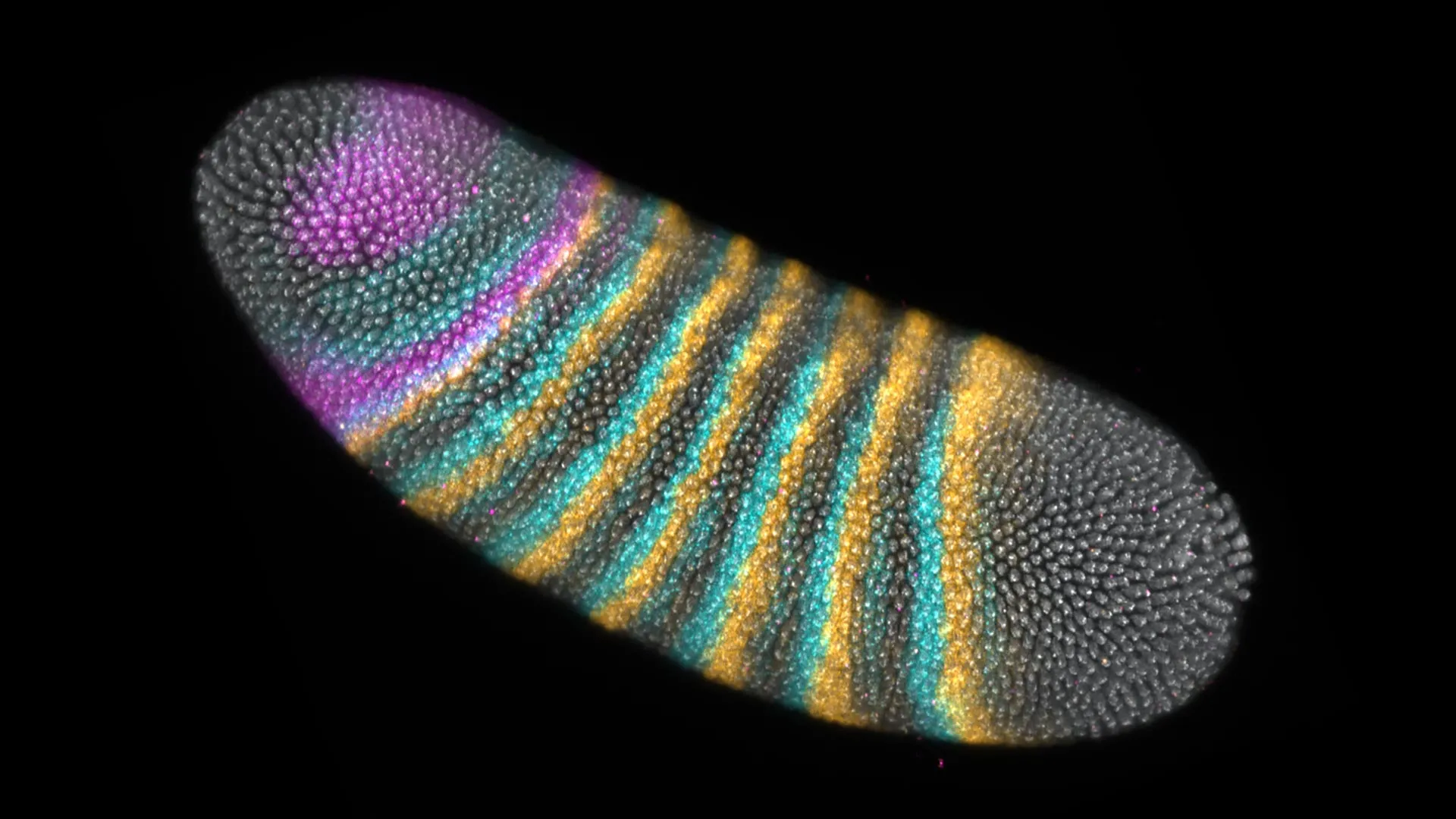
A tiny embryo fold changed the course of evolution

Small fold – big role: A tissue fold known as the cephalic furrow, an evolutionary novelty that forms between the head and the trunk of fly embryos, plays a mechanical role in stabilizing embryonic tissues during the development of the fruit fly Drosophila melanogaster. Combining theory and experiment: Researchers integrated…

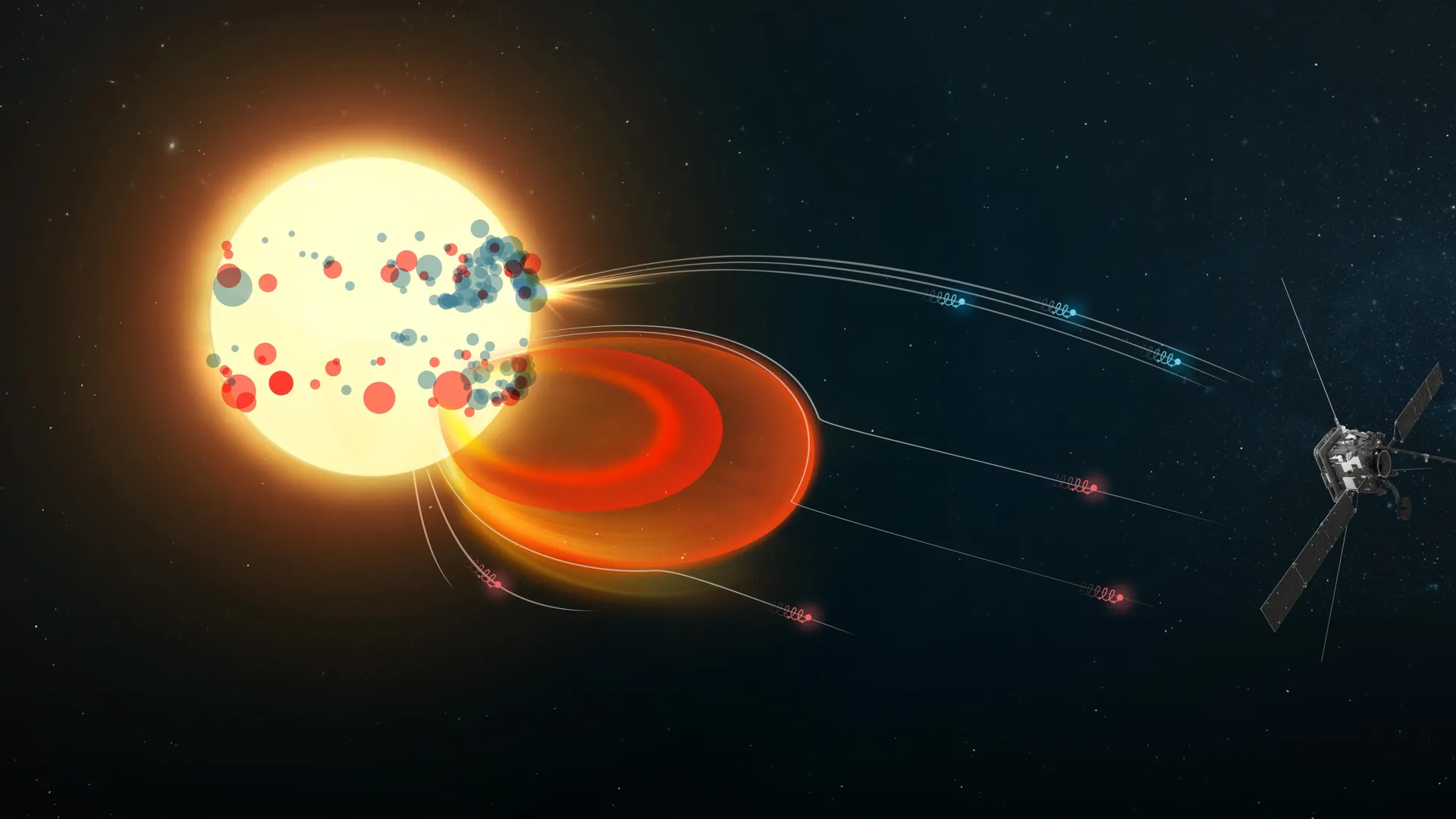
The Sun’s hidden particle engines finally exposed

The European Space Agency-led Solar Orbiter mission has split the flood of energetic particles flung out into space from the Sun into two groups, tracing each back to a different kind of outburst from our star. The Sun is the most energetic particle accelerator in the Solar System. It whips…

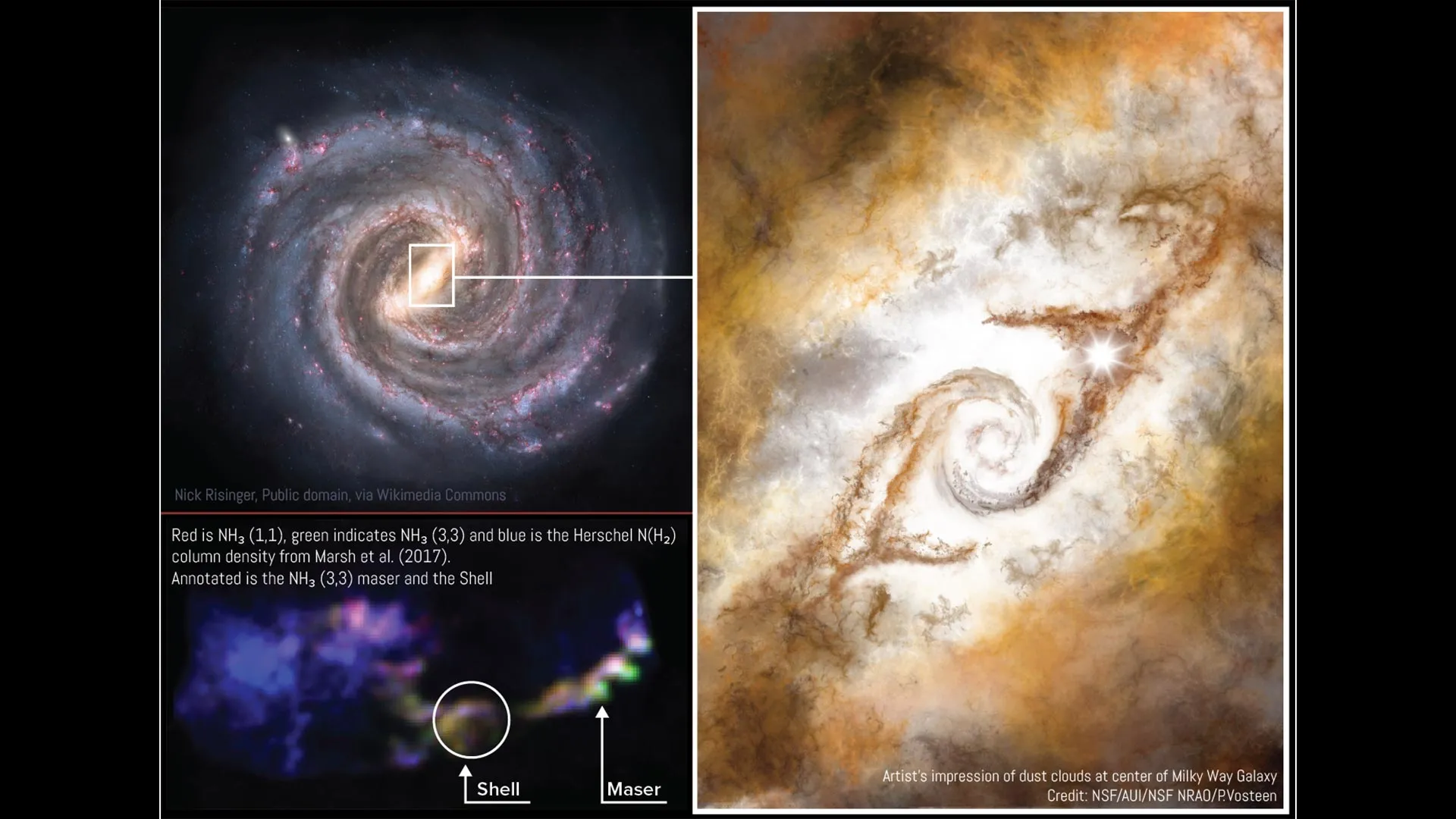
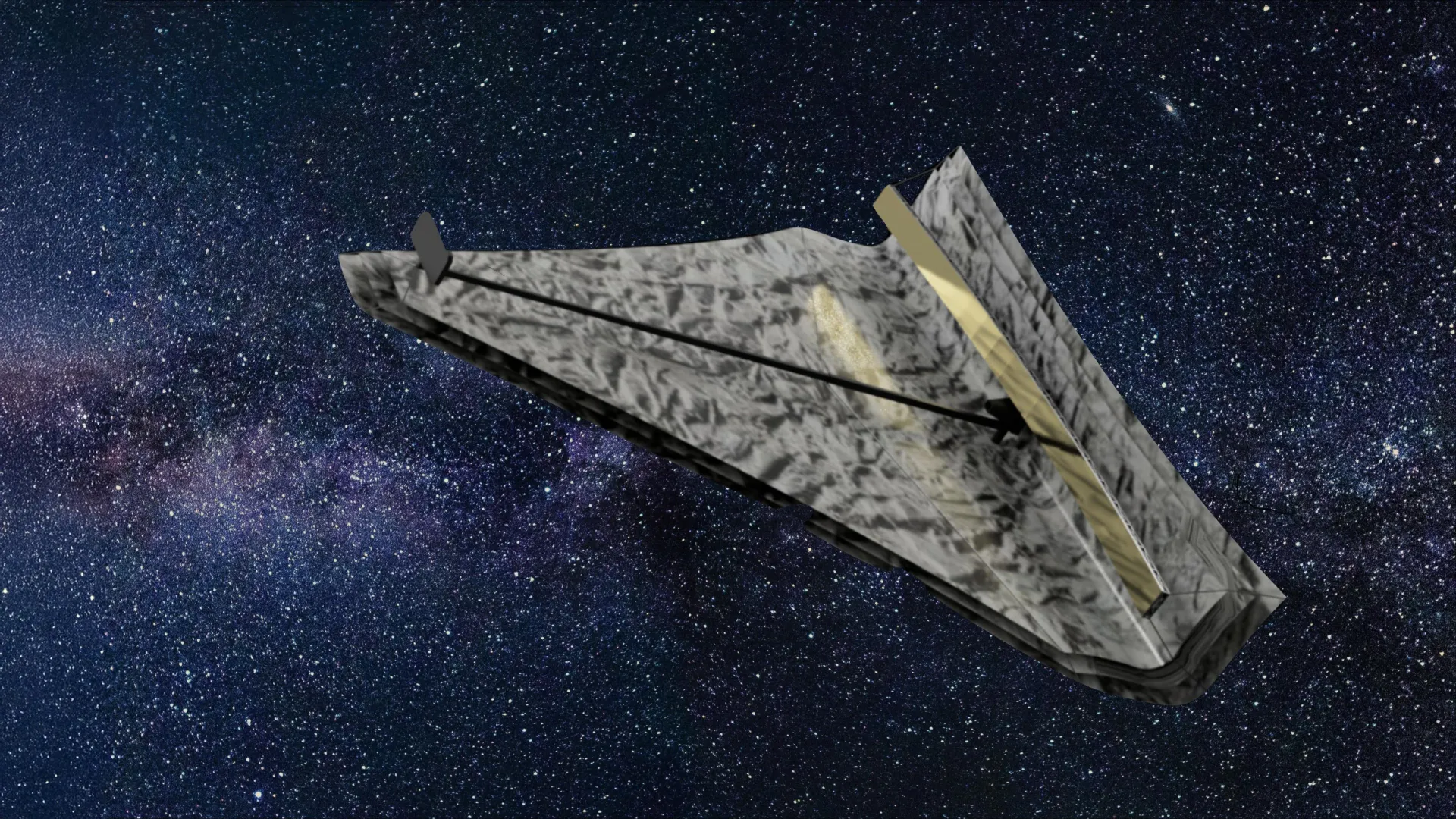
A weirdly shaped telescope could finally find Earth 2. 0

The Earth supports the only known life in the universe, all of it depending heavily on the presence of liquid water to facilitate chemical reactions. While single-celled life has existed almost as long as the Earth itself, it took roughly three billion years for multicellular life to form. Human life…

The flawed carbon math that lets major polluters off the hook

Climate action is falling behind on the goals as stated in the Paris Agreement. To meet those goals, countries must act according to their ‘fair share’ targets. However, researchers from Utrecht University found a bias in how ambition and fairness assessments were calculated until now: “previous studies assessing countries climate…