Why most whale sharks in Indonesia are scarred by humans

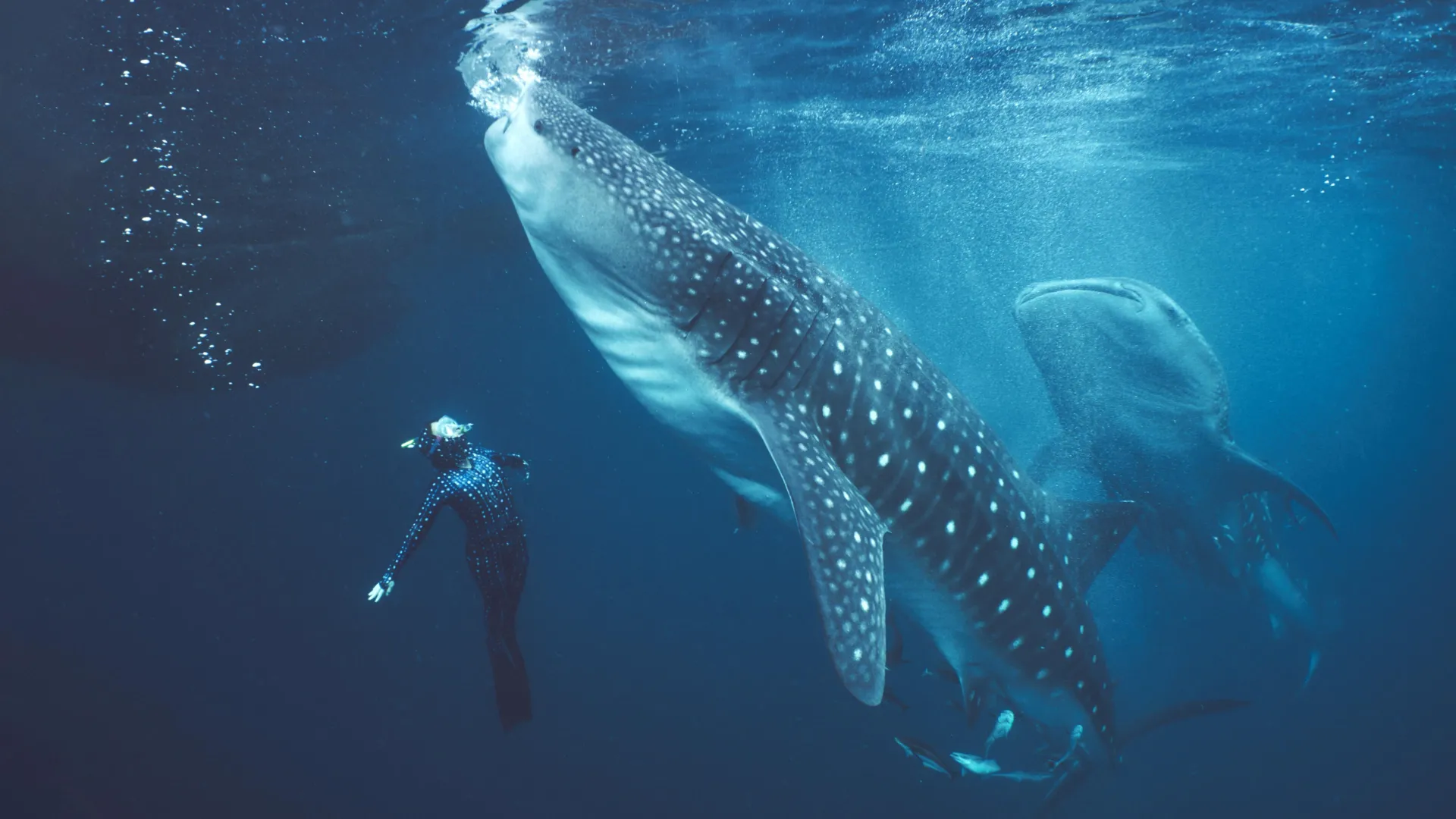
Whale sharks, the largest living fish species, are classified as endangered on the IUCN Red List of Threatened Species. Over the past 75 years, populations have declined by more than 50% worldwide, and by up to 63% in the Indo-Pacific region. Because whale sharks take up to 30 years to…

Spiders turn fireflies into glowing traps

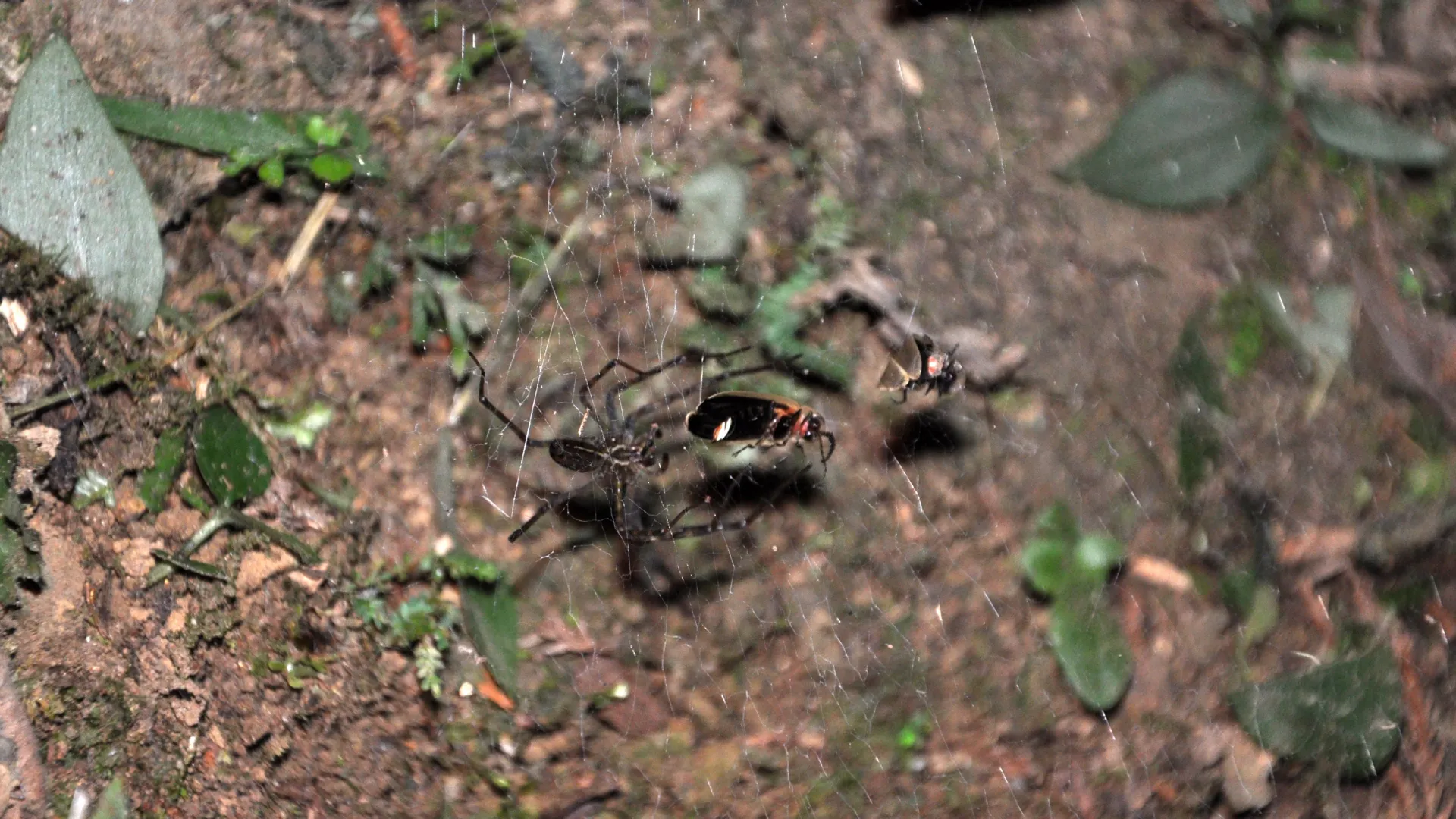
Ecologists have observed a species of nocturnal spider attracting prey to its web using the bioluminescent beacons of already trapped fireflies. This rare example of a predator exploiting its prey’s mating signal for its own gain is documented in the British Ecological Society’s Journal of Animal Ecology. Researchers at Tunghai…

Caltech breakthrough makes quantum memory last 30 times longer

While conventional computers store information in the form of bits, fundamental pieces of logic that take a value of either 0 or 1, quantum computers are based on qubits. These can have a state that is simultaneously both 0 and 1. This odd property, a quirk of quantum physics known…

These “plastivore” caterpillars can devour a plastic bag in just 24 hours

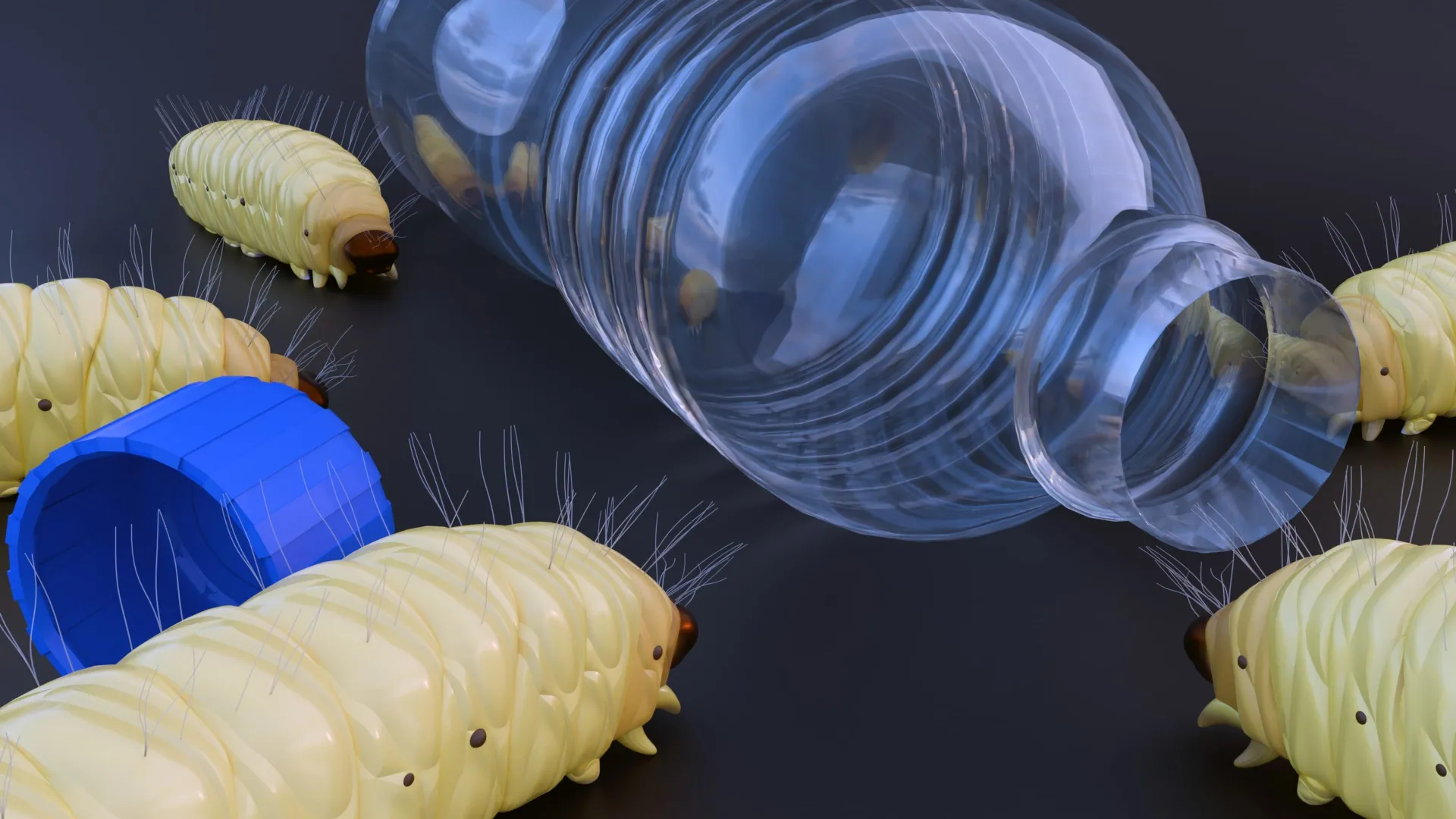
Plastics play a fundamental role in modern life, but their resistance to biodegradation makes them very difficult to dispose of. New research reveals how “plastivore” caterpillars can metabolically degrade plastics in a matter of days, not decades, and store them internally as body fat – but at what cost? In 2017,…

More likely to be struck by lightning than get tetanus. So why the boosters?

The United States could safely drop tetanus and diphtheria booster shots for adults and save an estimated $1 billion a year, according to a new review led by researchers at Oregon Health & Science University. The safety and savings depend on maintaining strong childhood vaccination rates, researchers emphasized. “By maintaining…

The ancient oxygen flood that forever changed life in the oceans

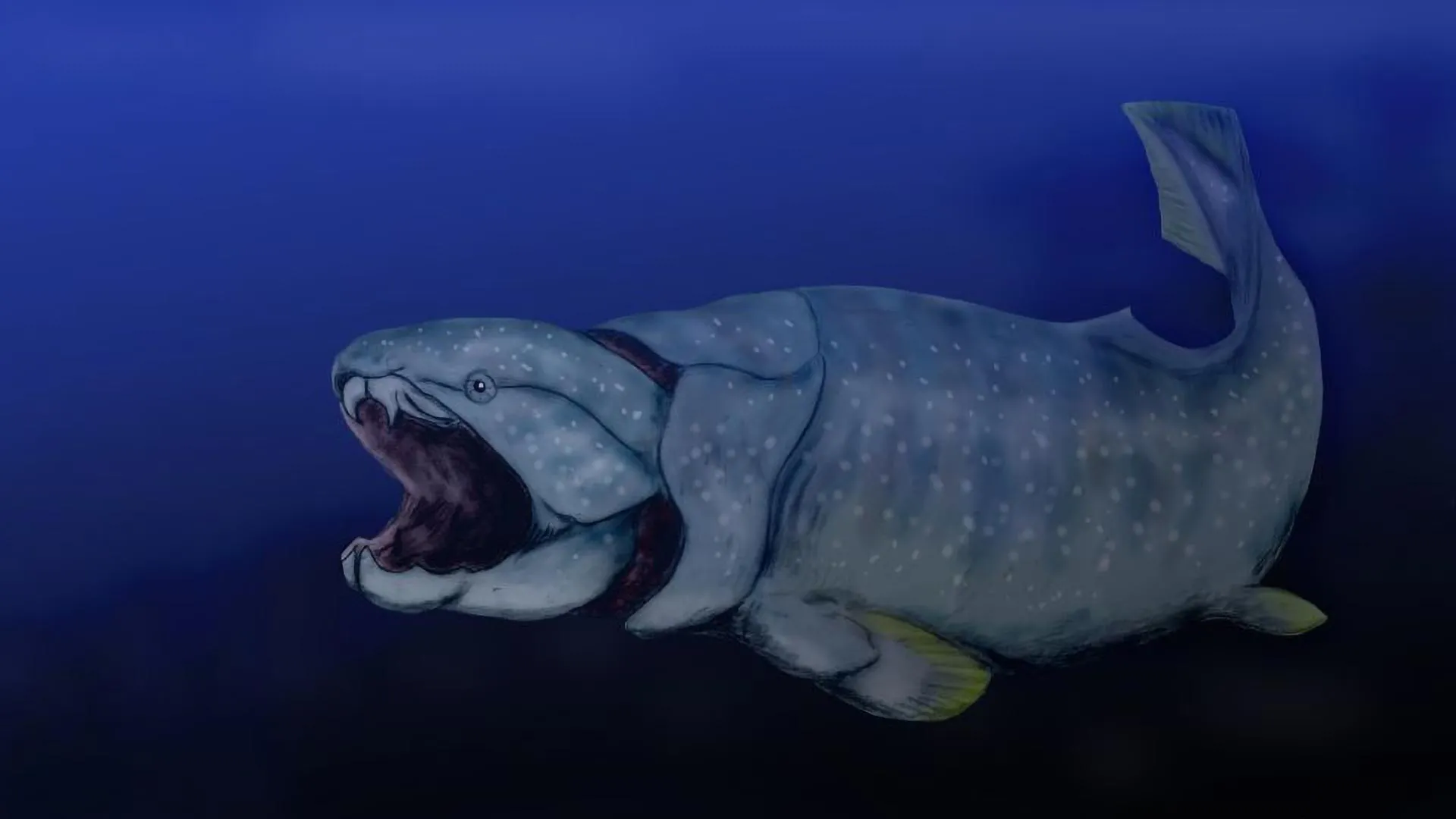
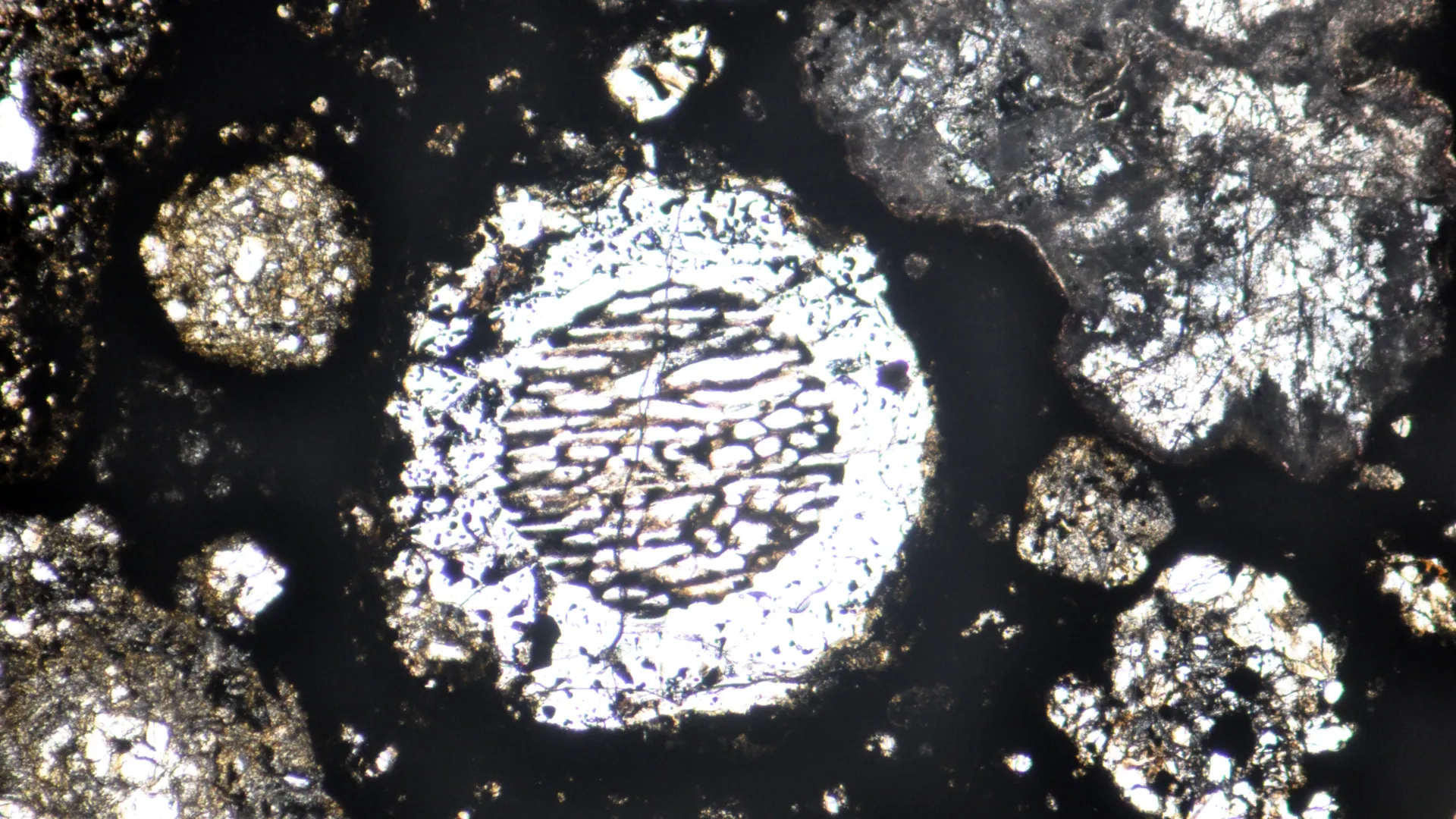
Some 390 million years ago in the ancient ocean, marine animals began colonizing depths previously uninhabited. New research indicates this underwater migration occurred in response to a permanent increase in deep-ocean oxygen, driven by the aboveground spread of woody plants — precursors to Earth’s first forests.  That rise in oxygen…

Scientists just created spacetime crystals made of knotted light

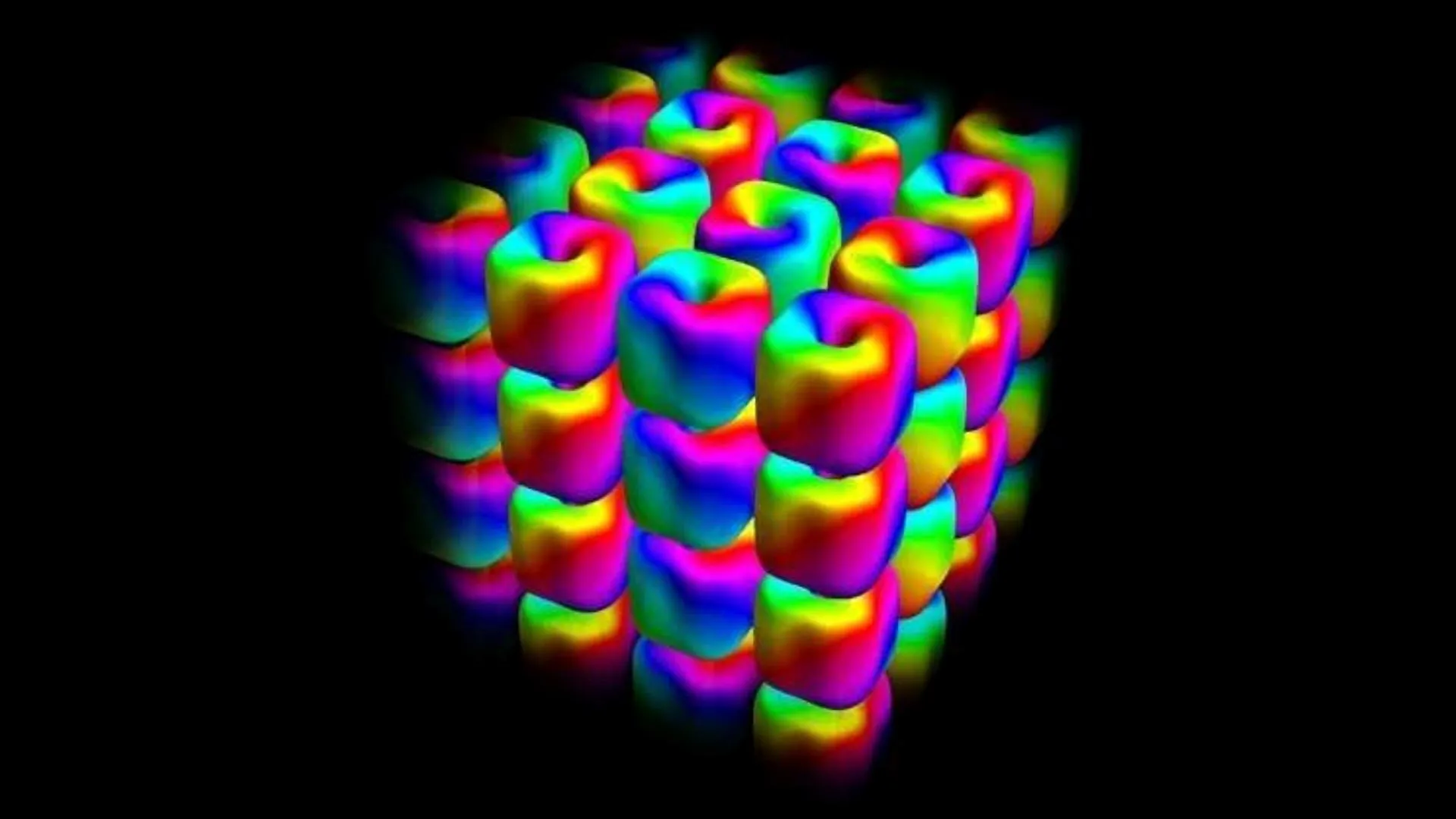
An internationally joint research group between Singapore and Japan has unveiled a blueprint for arranging exotic, knot-like patterns of light into repeatable crystals that extend across both space and time. The work lays out how to build and control “hopfion” lattices using structured beams at two different colors, pointing to…

Tiny hologram inside a fiber lets scientists control light with incredible precision

Precise control of light focus is essential for applications ranging from microscopy and laser surgery to quantum optics and telecommunications. However, existing solutions often rely on large, complex external components that limit integration and speed. In a new study published in Light: Science & Applications, researchers led by Professor Markus…

This tiny iron catalyst could transform the future of clean energy

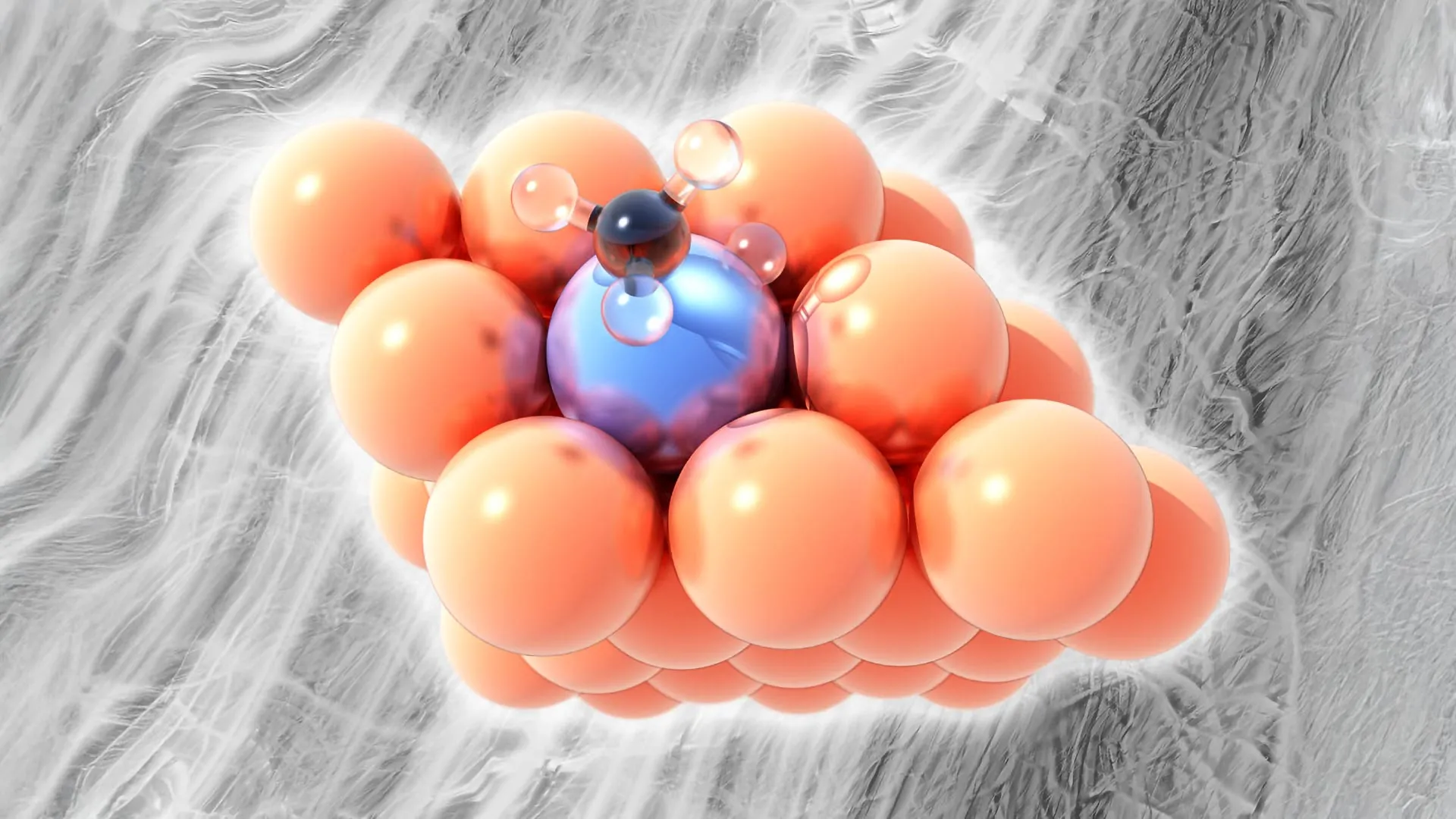
Proton exchange membrane fuel cells (PEMFCs), often referred to as “hydrogen power banks,” are clean energy devices that generate electricity from hydrogen and oxygen with only water as a byproduct. Characterized by high efficiency, rapid start-up, and zero emissions, they hold great promise in transportation, portable electronics, and stationary power…

Sharks’ teeth are crumbling in acid seas

Sharks can famously replace their teeth, with new ones always growing as they’re using up the current set. As sharks rely on their teeth to catch prey, this is vital to the survival of one of the oceans’ top predators. But the ability to regrow teeth might not be enough…

Astronomers capture breathtaking first look at a planet being born

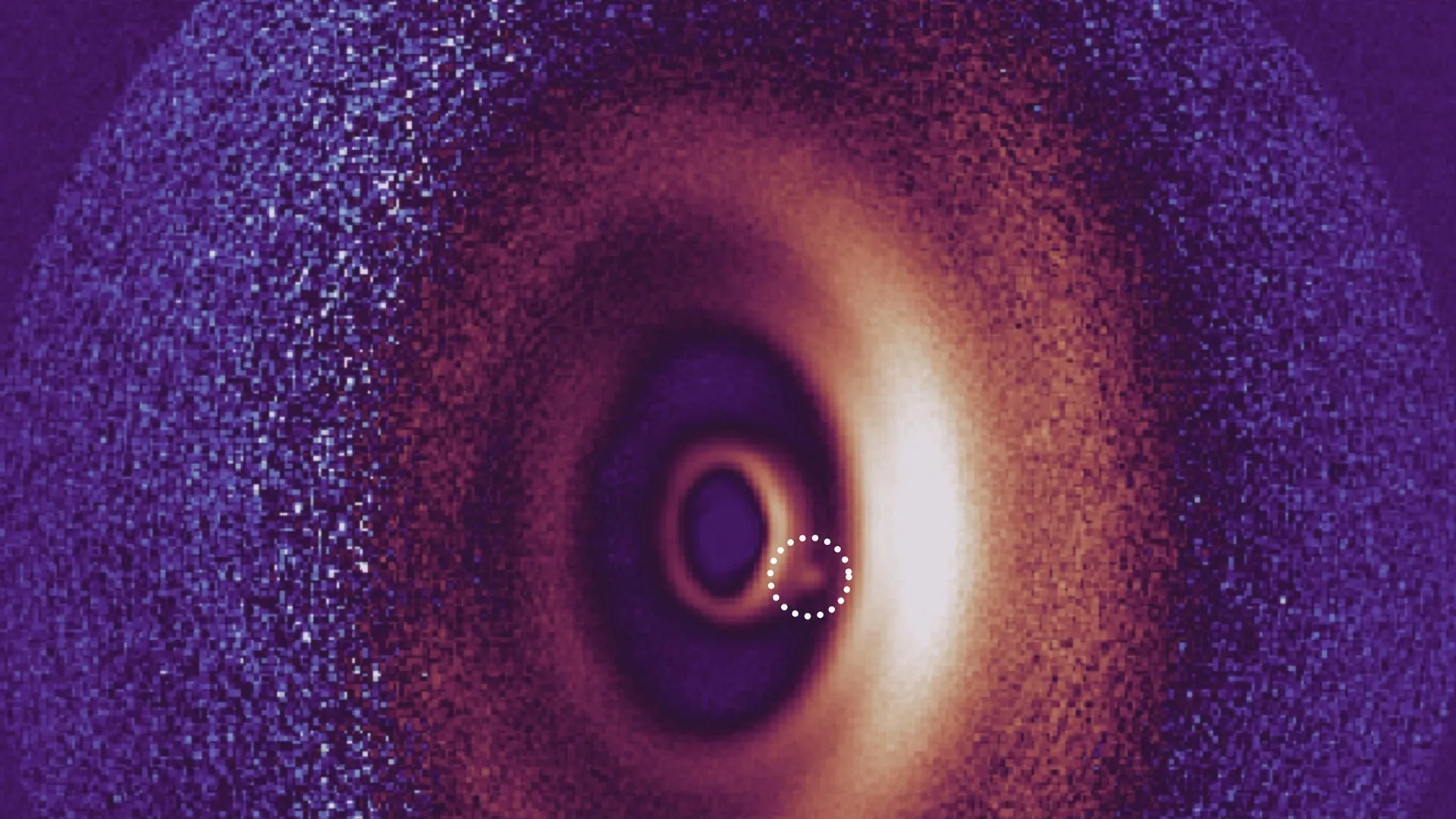
An international team of astronomers, co-led by researchers at University of Galway, has made the unexpected discovery of a new planet. Detected at an early stage of formation around a young analog of our own Sun, the planet is estimated to be about 5 million years-old and most likely a…

Bumble bees balance their diets with surprising precision

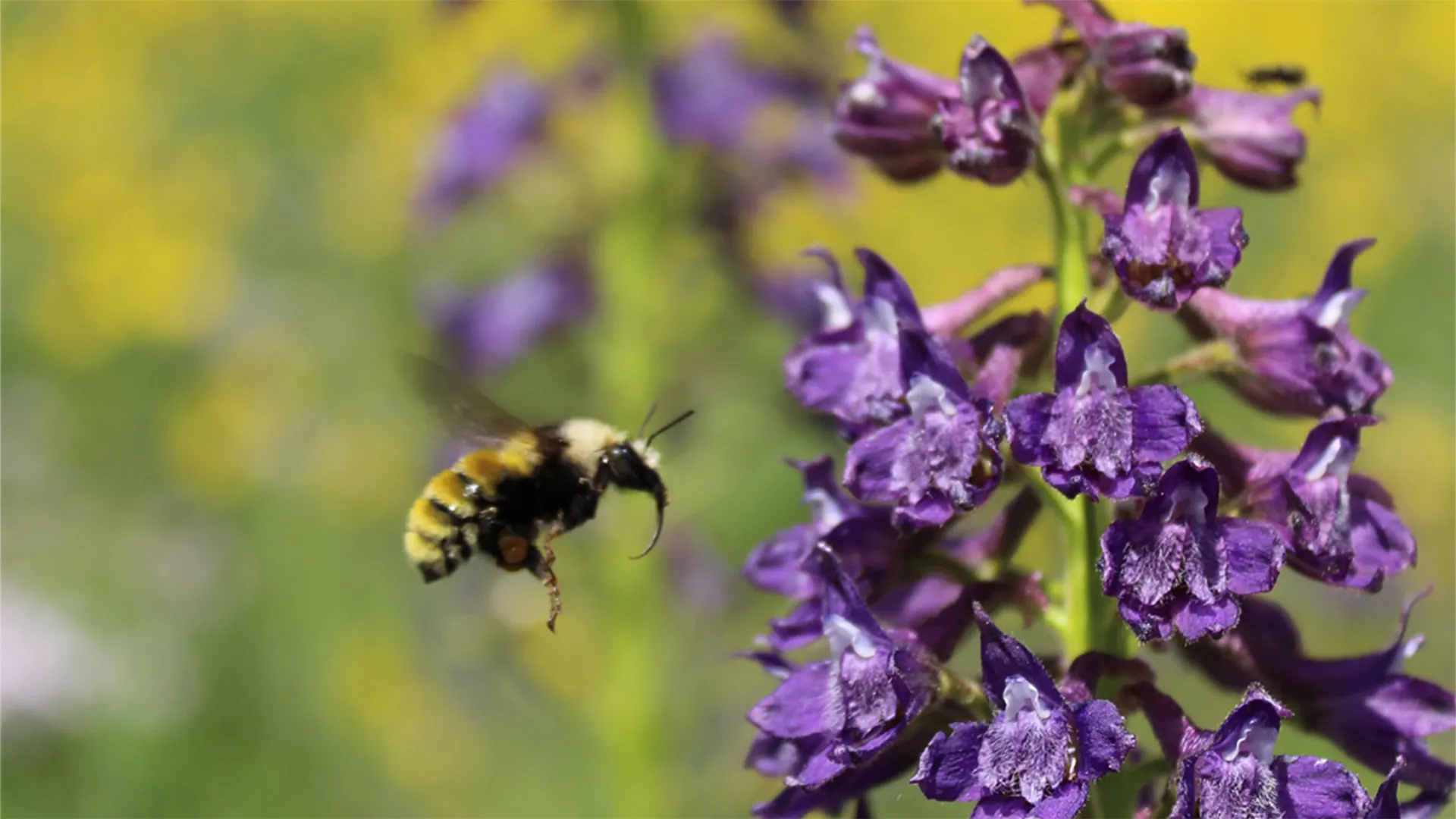
Move over gym rats. Bumble bees are now the true masters of macros. In the first long-term, community-level field study of wild bumble bee nutrition, a team of ecologists led by Northwestern University and the Chicago Botanic Garden discovered that wild bees aren’t just flitting from flower to flower, collecting…

The hidden DNA organizer linking fertility and cancer

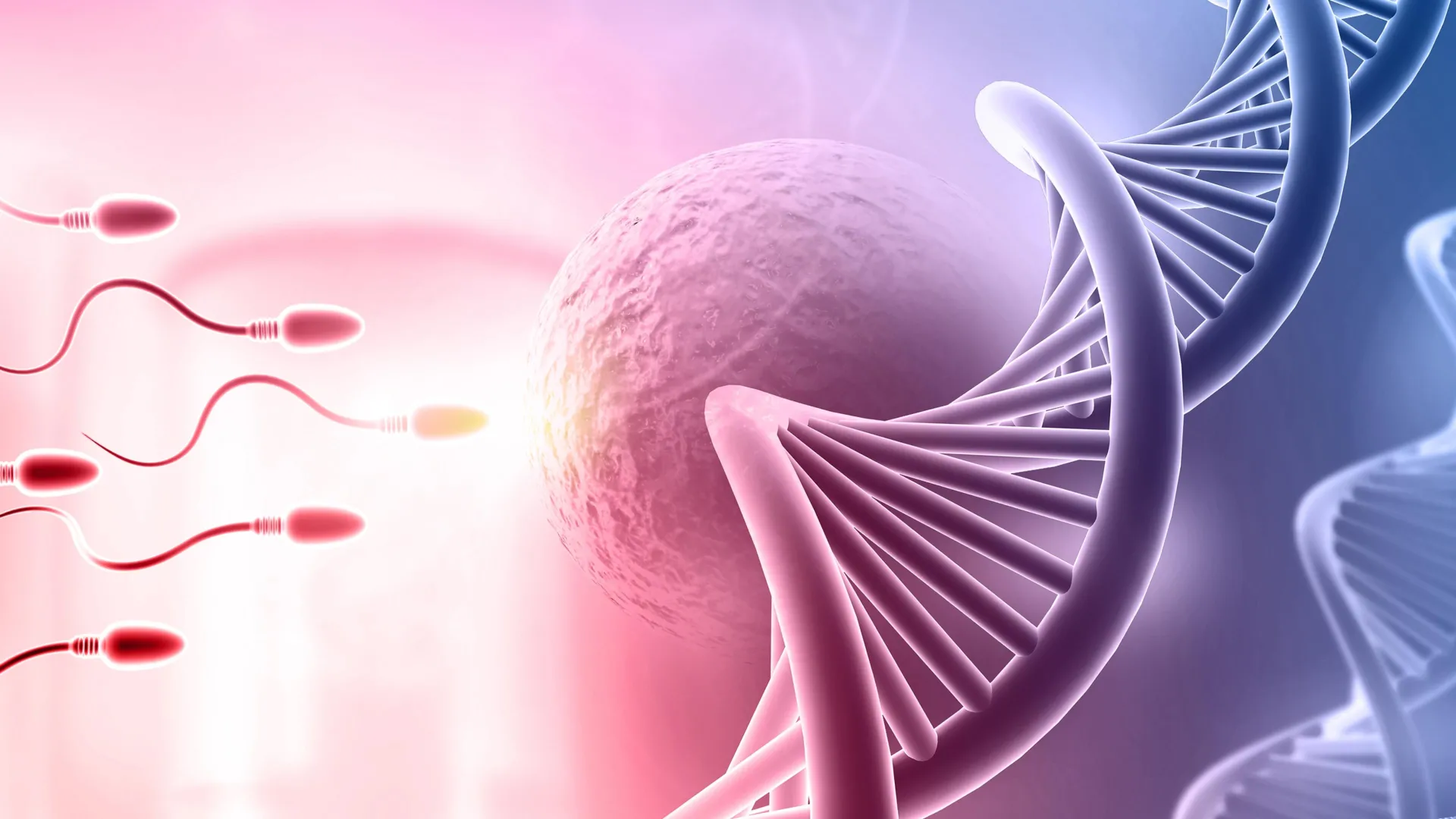
A research team at Kyoto University has discovered STAG3-cohesin, a new mitotic cohesin complex that helps establish the unique DNA architecture of spermaotogonial stem cells (SSCs), the stem cells that give rise to sperm. This “DNA organizer” is crucial for sperm production in mice: without STAG3, SSCs cannot differentiate properly,…

Scientists found a new way to turn sunlight into fuel

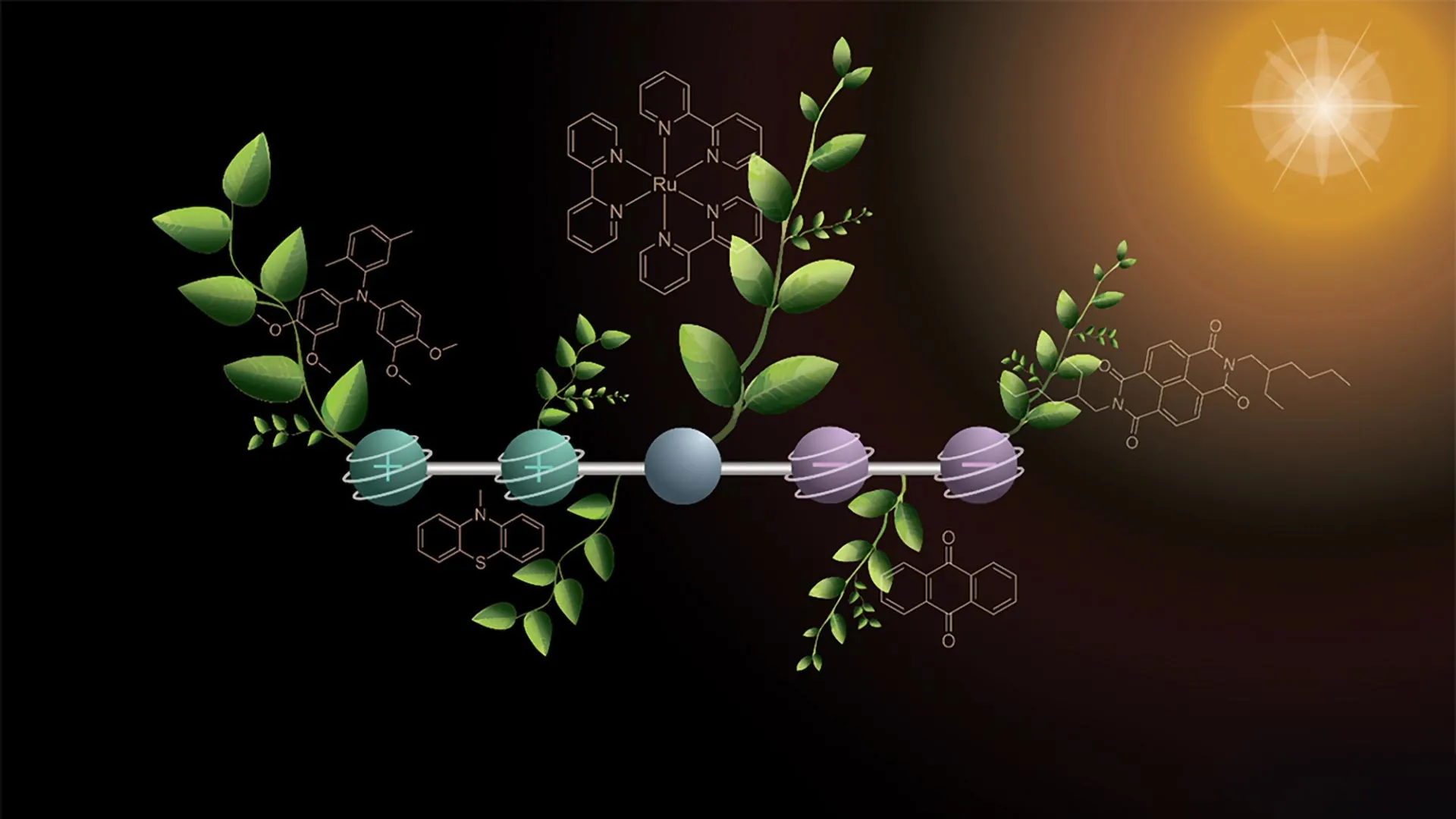
A research team from the University of Basel, Switzerland, has developed a new molecule modeled on plant photosynthesis: under the influence of light, it stores two positive and two negative charges at the same time. The aim is to convert sunlight into carbon-neutral fuels. Plants use the energy of sunlight…

Rats walk again after breakthrough spinal cord repair with 3D printing

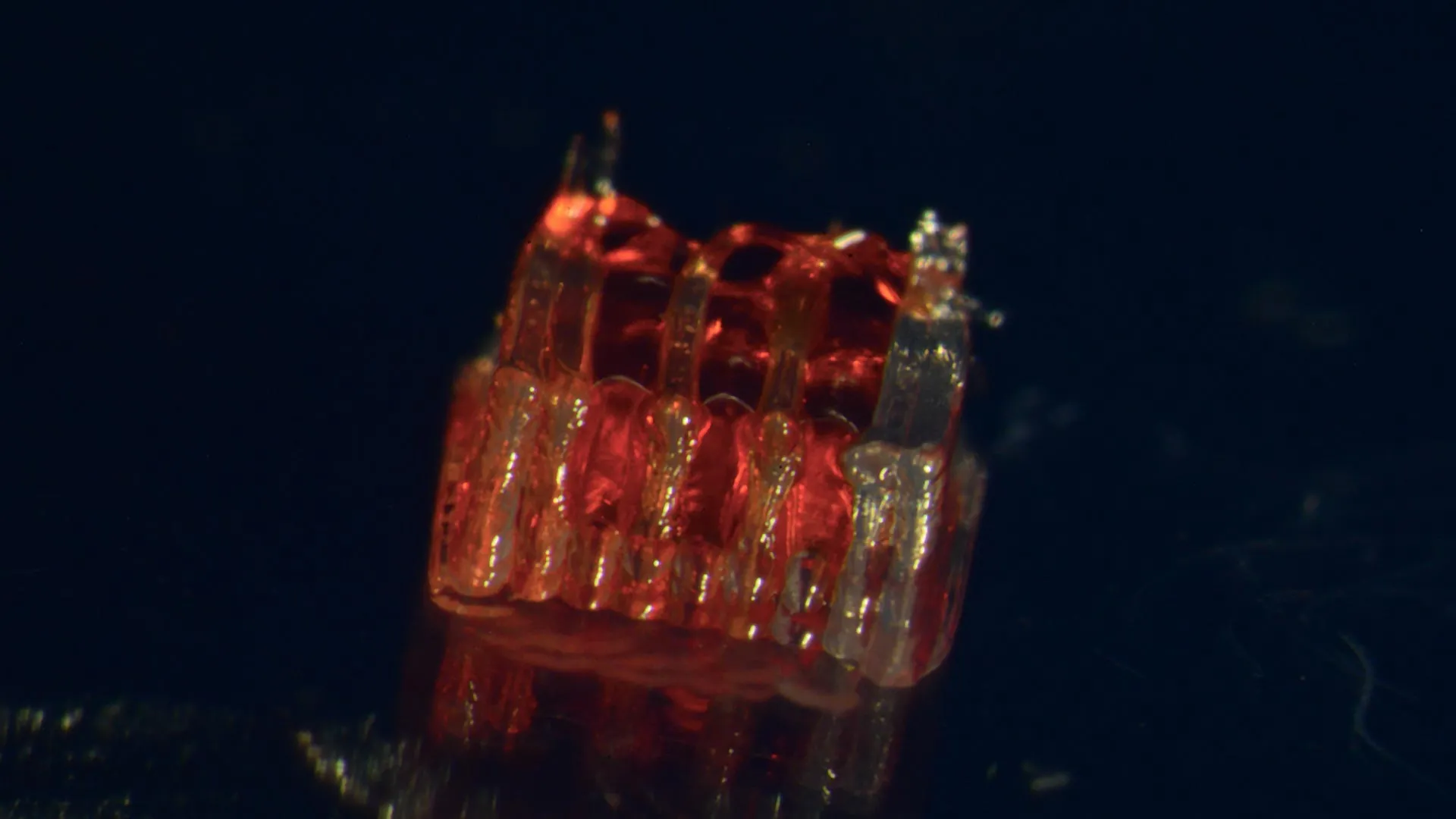
For the first time, a research team at the University of Minnesota Twin Cities demonstrated a groundbreaking process that combines 3D printing, stem cell biology, and lab-grown tissues for spinal cord injury recovery. The study was recently published in Advanced Healthcare Materials, a peer-reviewed scientific journal. According to the National…

Scientists crack indole’s toughest bond with copper, unlocking new medicines

Indole, a molecule made up of a six-membered benzene ring fused to a five-membered ring containing nitrogen, forms the core structure of many biologically active compounds. Derivatives of indole, where hydrogen atoms are replaced by various chemical groups, are naturally produced by plants, fungi, and even the human body. Due…

The surprising reason x-rays can push arthritis patients toward surgery

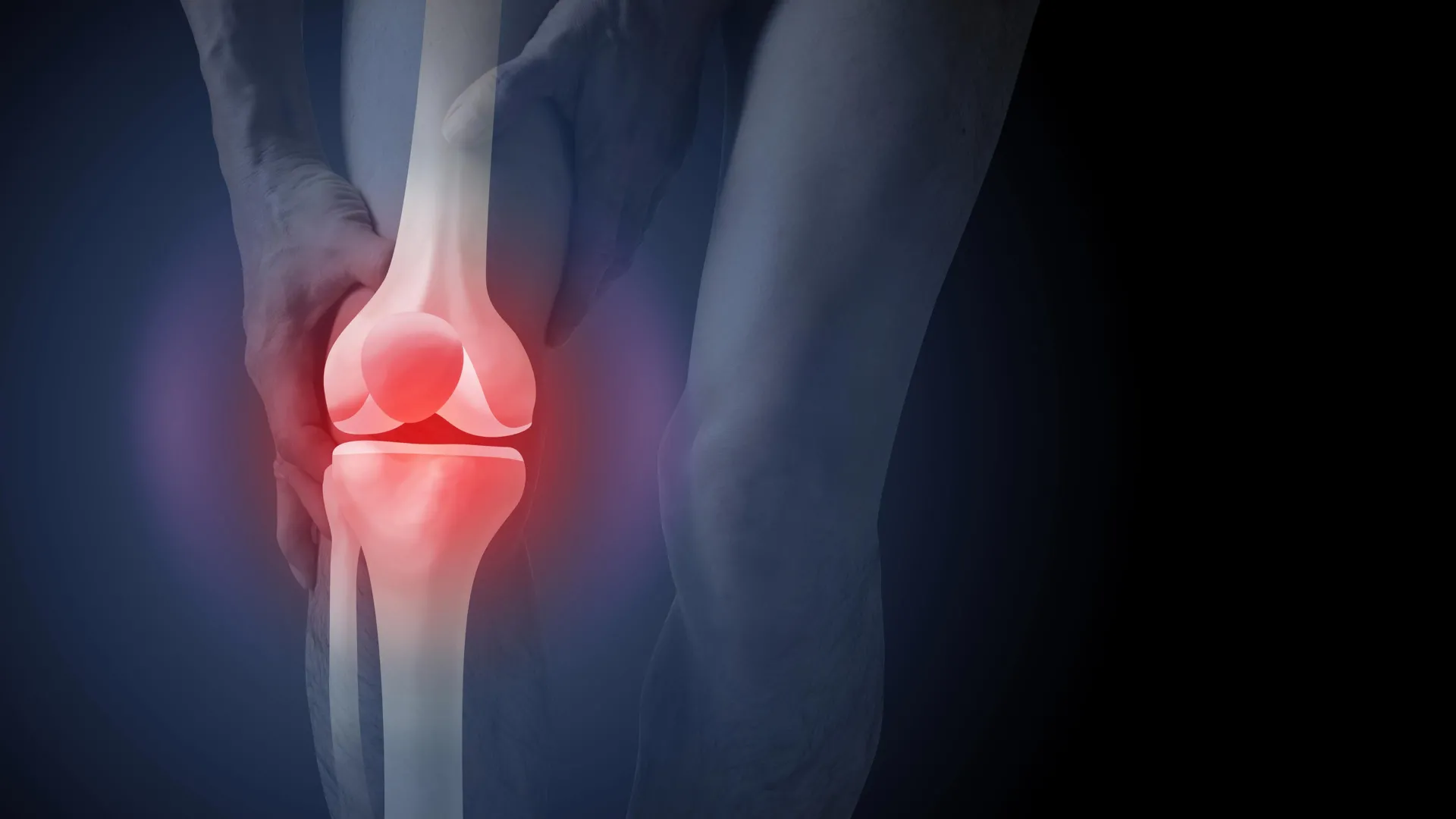
Routine x-rays aren’t recommended to diagnose the condition. Instead, GPs can make a diagnosis based on symptoms and medical history. Yet nearly half of new patients with knee osteoarthritis who visit a GP in Australia are referred for imaging. Osteoarthritis imaging costs the health system A$104.7 million each year. Our…

How did a planet this big form around a star this small?

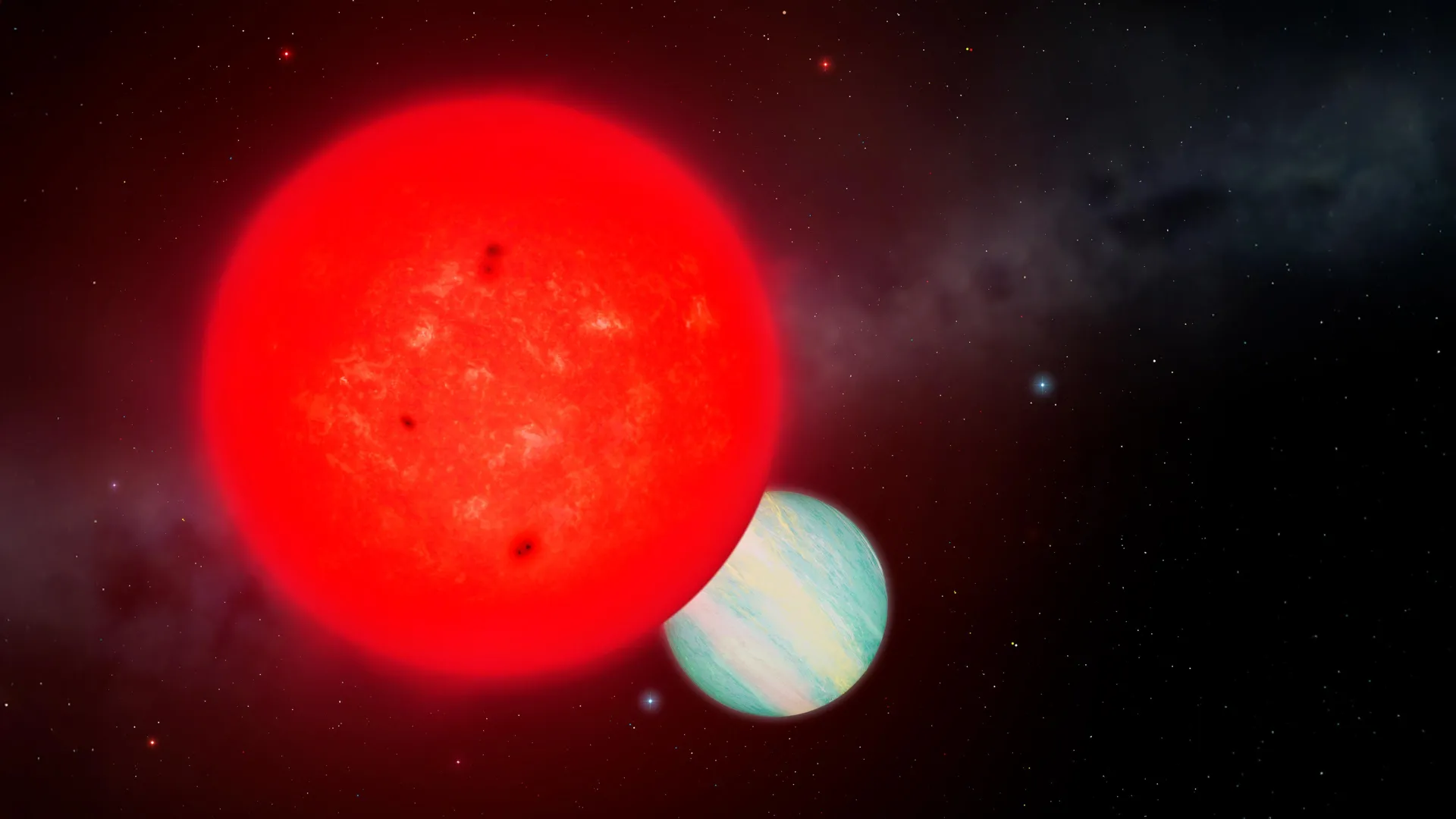
The host star, TOI-6894, is a red dwarf with only 20% the mass of the Sun, typical of the most common stars in our galaxy. Until now, such low-mass stars were not thought capable of forming or retaining giant planets. But as published recently in Nature Astronomy, the unmistakable signature of…

Scientists switch on the world’s largest neutrino detector deep underground

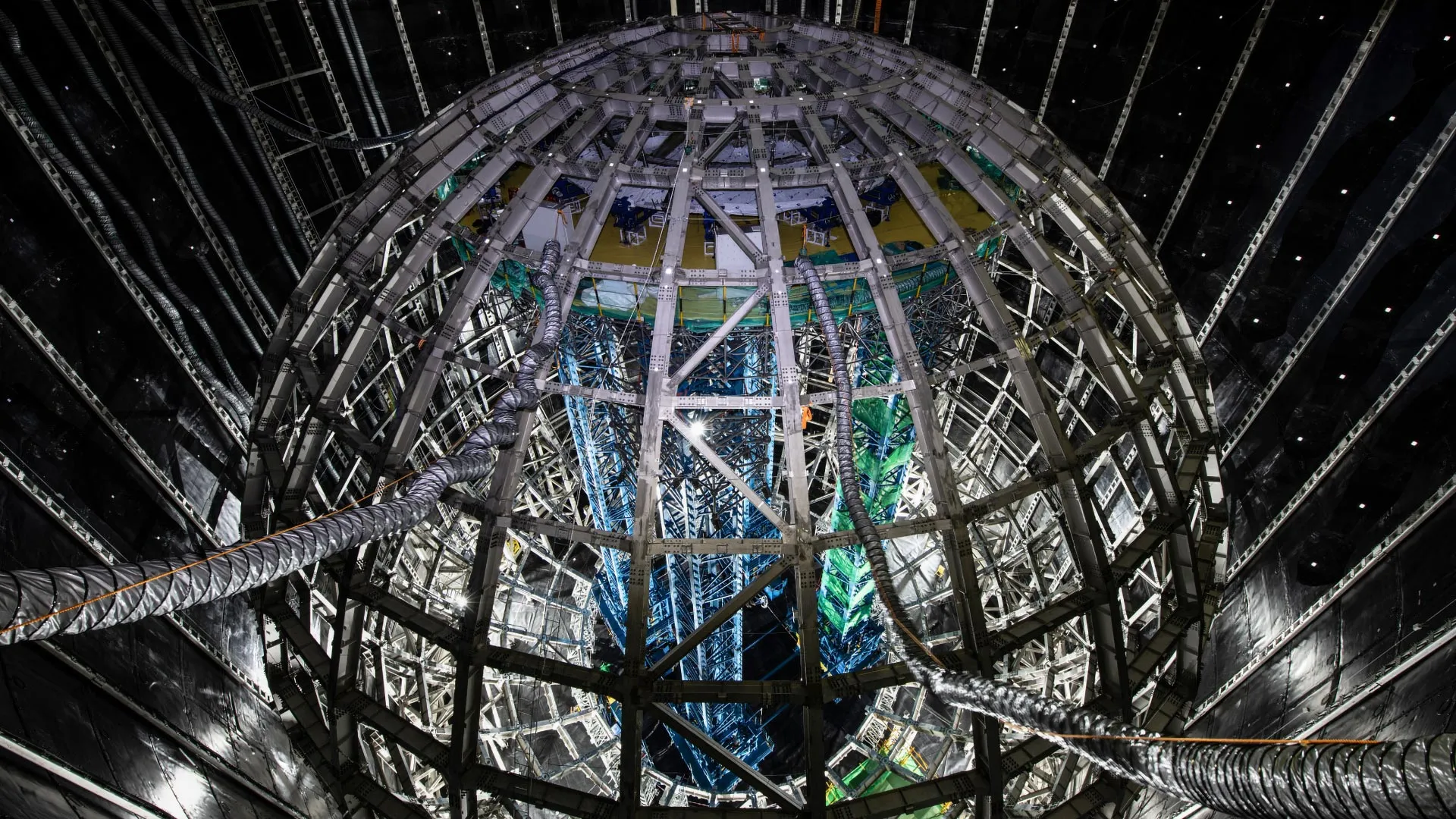
The Jiangmen Underground Neutrino Observatory (JUNO) has successfully completed filling its 20,000-tons liquid scintillator detector and begun data taking on Aug. 26. After more than a decade of preparation and construction, JUNO is the first of a new generation of very large neutrino experiments to reach this stage. Initial trial…

The Sun’s smallest loops ever seen in stunning new images

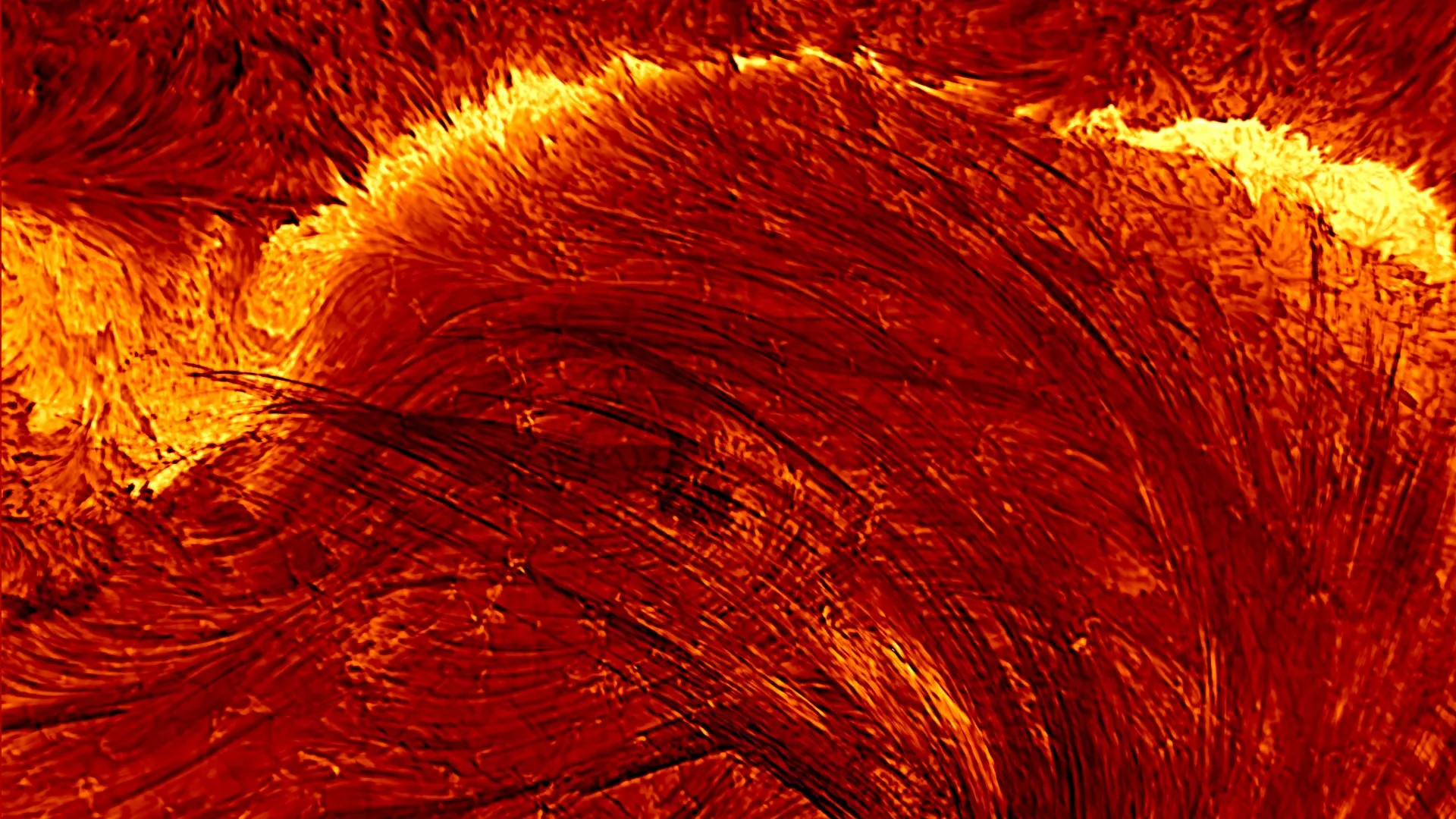
The highest-resolution images of a solar flare captured at the H-alpha wavelength (656.28 nm) may reshape how we understand the Sun’s magnetic architecture — and improve space weather forecasting. Using the U.S. National Science Foundation (NSF) Daniel K. Inouye Solar Telescope, built and operated by the NSF National Solar Observatory…

The common cold’s unexpected superpower against COVID

A new study led by researchers at National Jewish Health has found that recent infection with the common cold — often caused by rhinoviruses — may offer temporary protection against infection with SARS-CoV-2, the virus that causes COVID-19. The research provides fresh insight into why children are less likely than…

9 in 10 Australian Teachers Are Stressed to Breaking Point

Nine out of 10 Australian teachers are experiencing severe stress, and nearly 70% say their workload is unmanageable, says UNSW Sydney research. A new study from researchers at UNSW Sydney – the first to examine rates of depression, anxiety and stress in Australian teachers – has found they experience these…

Common painkillers like Advil and Tylenol supercharge antibiotic resistance

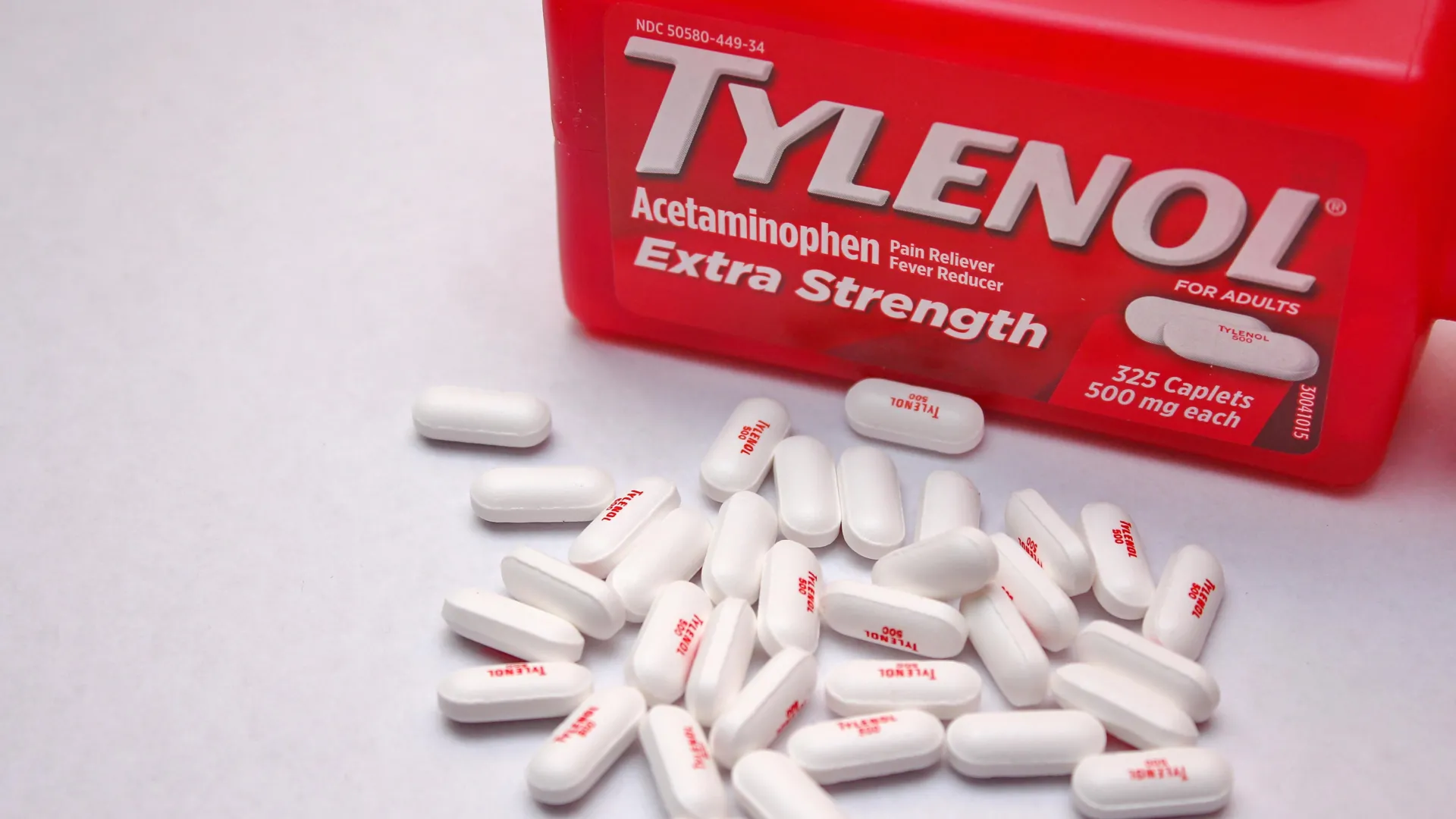
Ibuprofen and acetaminophen (paracetamol) are common over-the-counter medications that many of us reach for when we’re sick. But new research from the University of South Australia shows that these trusted staples are quietly fuelling one of the world’s biggest health threats: antibiotic resistance. In the first study of its kind,…

Maui’s fires drove a 67% jump in deaths. Most went uncounted

New research unveils the true death toll of the deadly August 2023 wildfires which took place in Lāhainā, Maui, Hawaiʻi — and which temporarily made wildfire a leading cause of death in Maui. By comparing death rates over time, the scientists found that two-thirds more people died that August than…

Ocean air may add years to your life, research shows

Living within miles of the ocean breeze may be linked to a longer life, but you shouldn’t count on the same benefits if you live in a riverside city, suggests a recent study. Researchers from The Ohio State University analyzed population data — including life expectancy — in more than…

Forgotten rock in Japan reveals 220-million-year-old ichthyosaur fossil

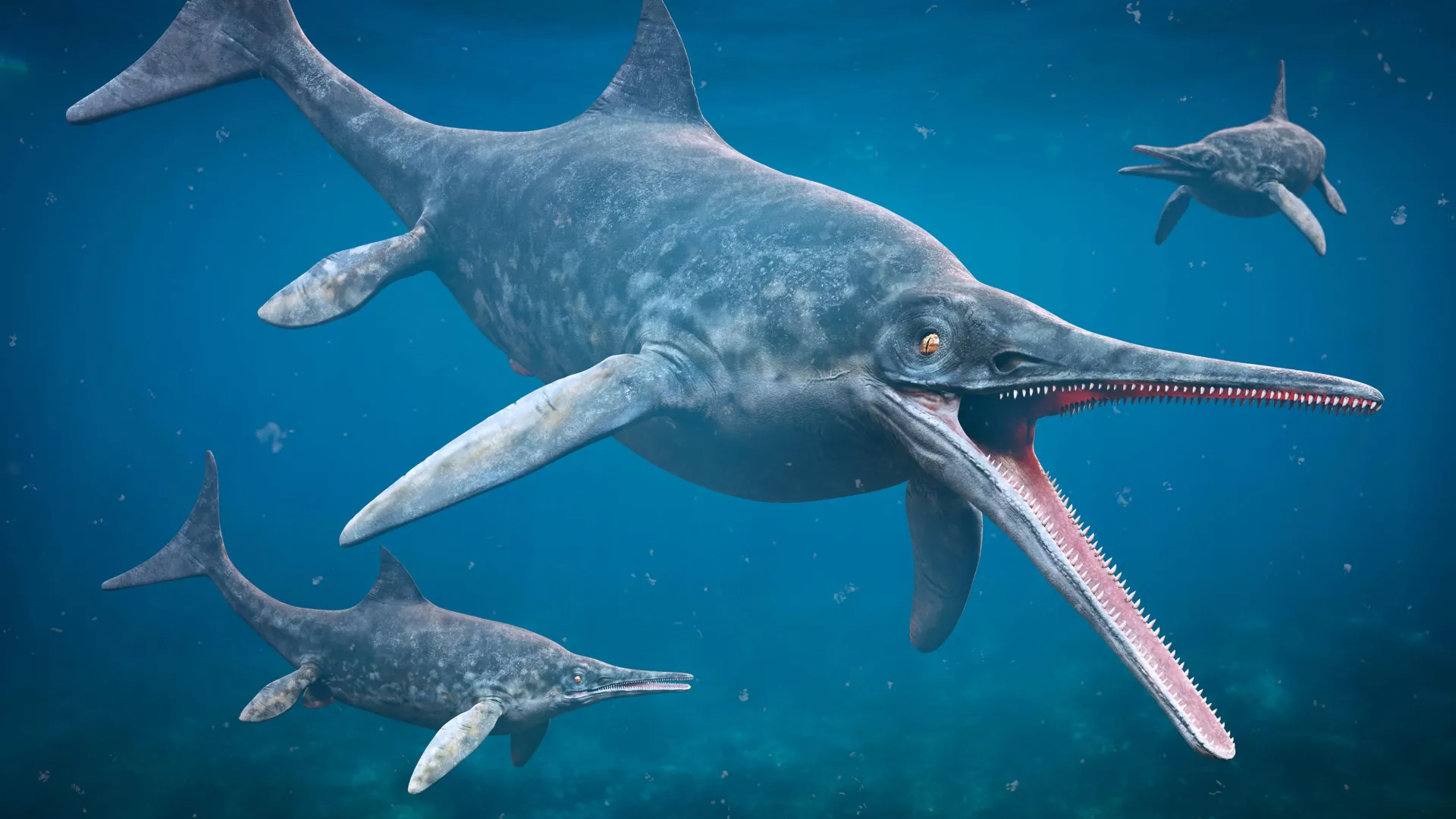
A vertebrate fossil discovered in a rock from the Late Triassic period (approximately 220 million years ago) in Takahashi City, Okayama Prefecture, has been confirmed through joint research by Okayama University of Science and other institutions to be the first ichthyosaur fossil ever found in western Japan. The discovery was…

500-million-year-old “squid” were actually ferocious worms

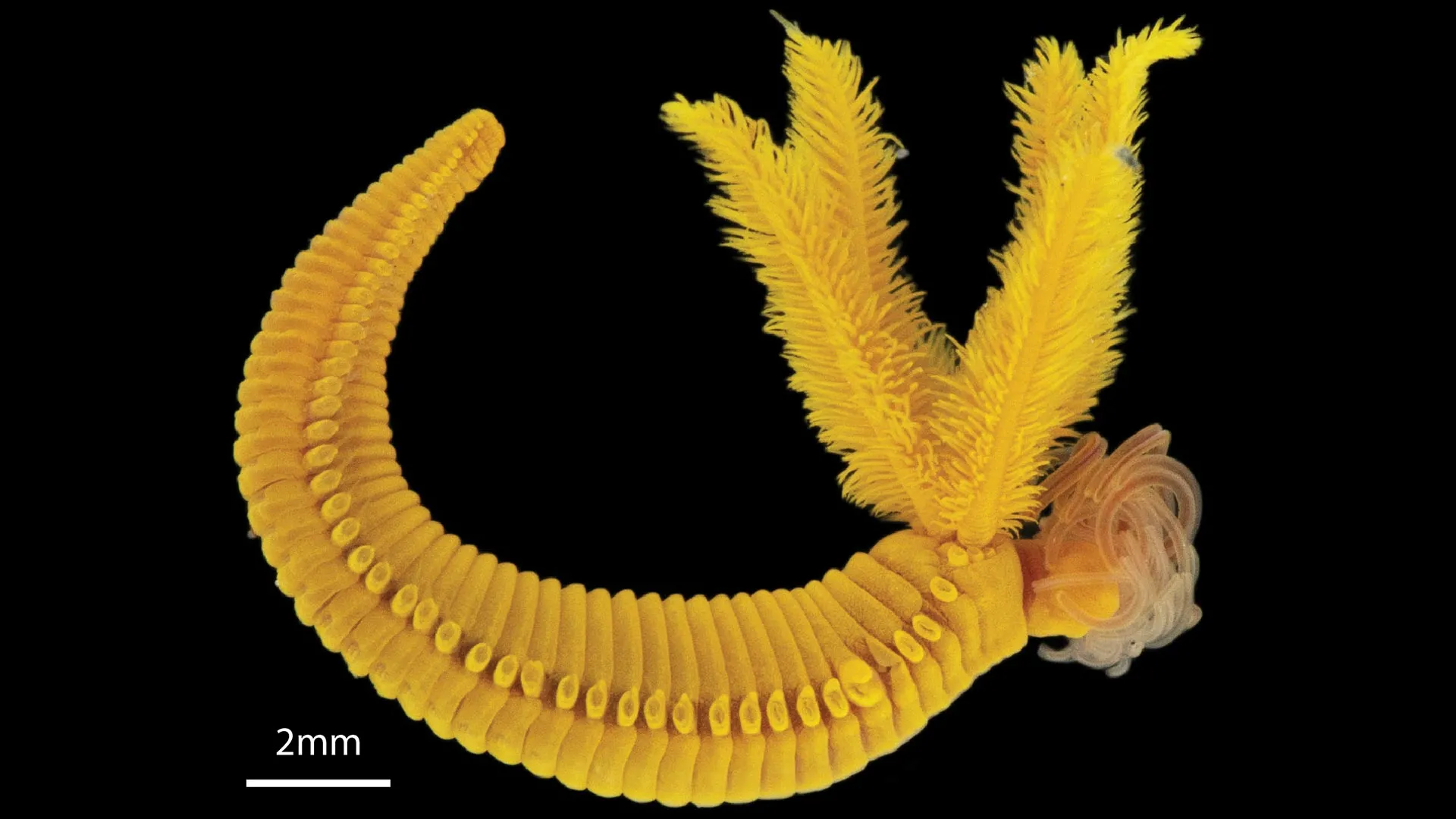
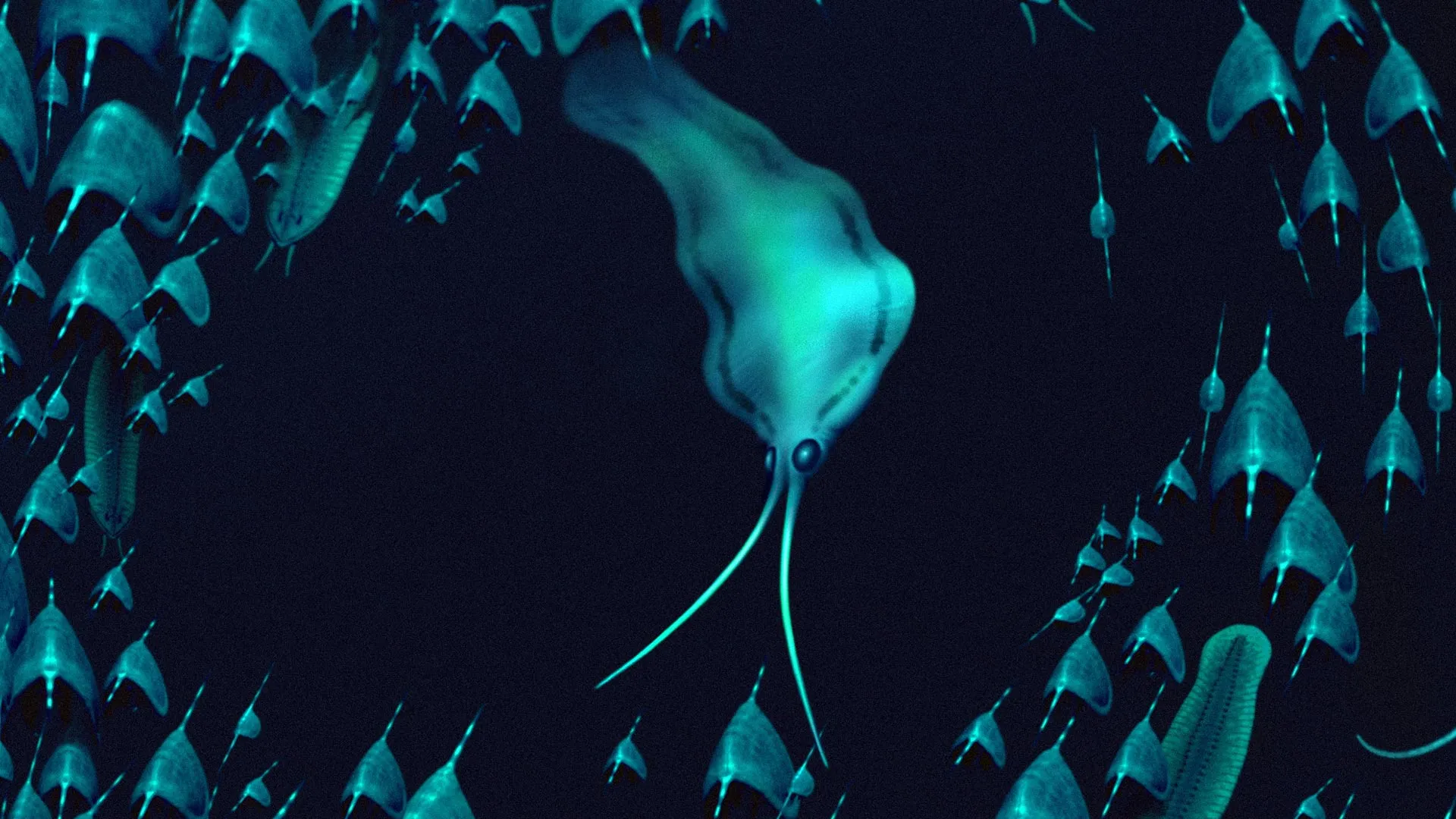
Remarkable fossils found in North Greenland have helped researchers solve a 500-million-year-old puzzle surrounding squid-like ancestors. It was previously thought ancient organisms called nectocaridids, which bear a resemblance to squid, were a type of cephalopod – marine molluscs with tentacles and a prominent head. But scientists, co-led by the University…