Breakthrough links magnetism and electricity for faster tech

Engineers at the University of Delaware have uncovered a new way to connect magnetic and electric forces in computing, a finding that could pave the way for computers that run dramatically faster while consuming far less energy. Tiny Magnetic Waves Generate Electric Signals In a study published in Proceedings of…

Dark matter may be lighting up the heart of the Milky Way

New findings suggest that dark matter could once again be the missing piece in one of astronomy’s longest-running puzzles: the strange excess of gamma rays glowing from the Milky Way’s core. By recreating the galaxy’s turbulent early life and the massive collisions that shaped it, scientists discovered that dark matter…

Cockroaches are secretly poisoning indoor air

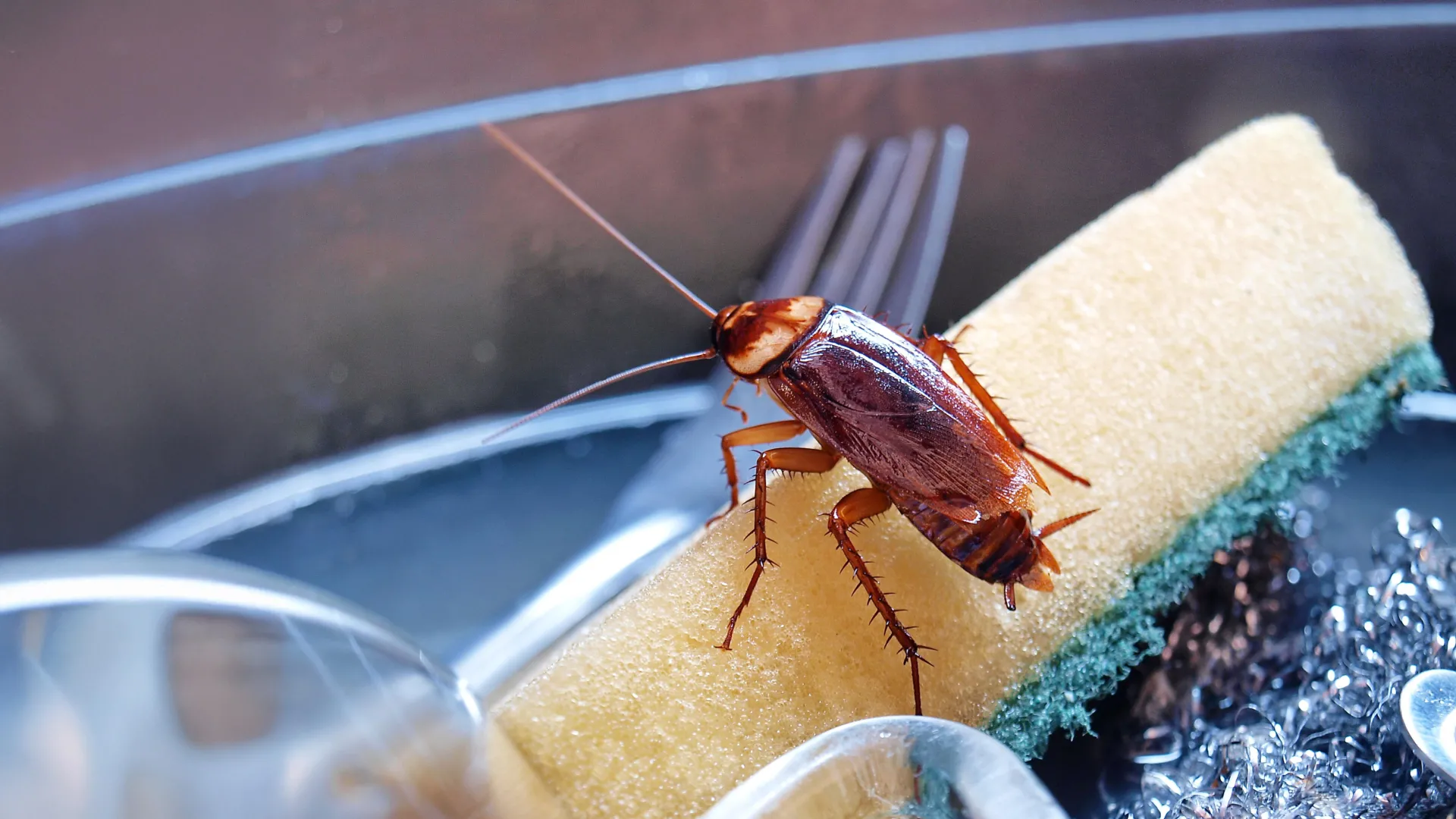
Researchers at North Carolina State University have identified a clear connection between the extent of cockroach infestations in homes and the amount of allergens and bacterial toxins known as endotoxins found indoors. The team discovered that when pest control successfully reduced cockroach numbers, both allergen and endotoxin levels dropped sharply.…

Scientists shocked to find E. coli spreads as fast as the swine flu

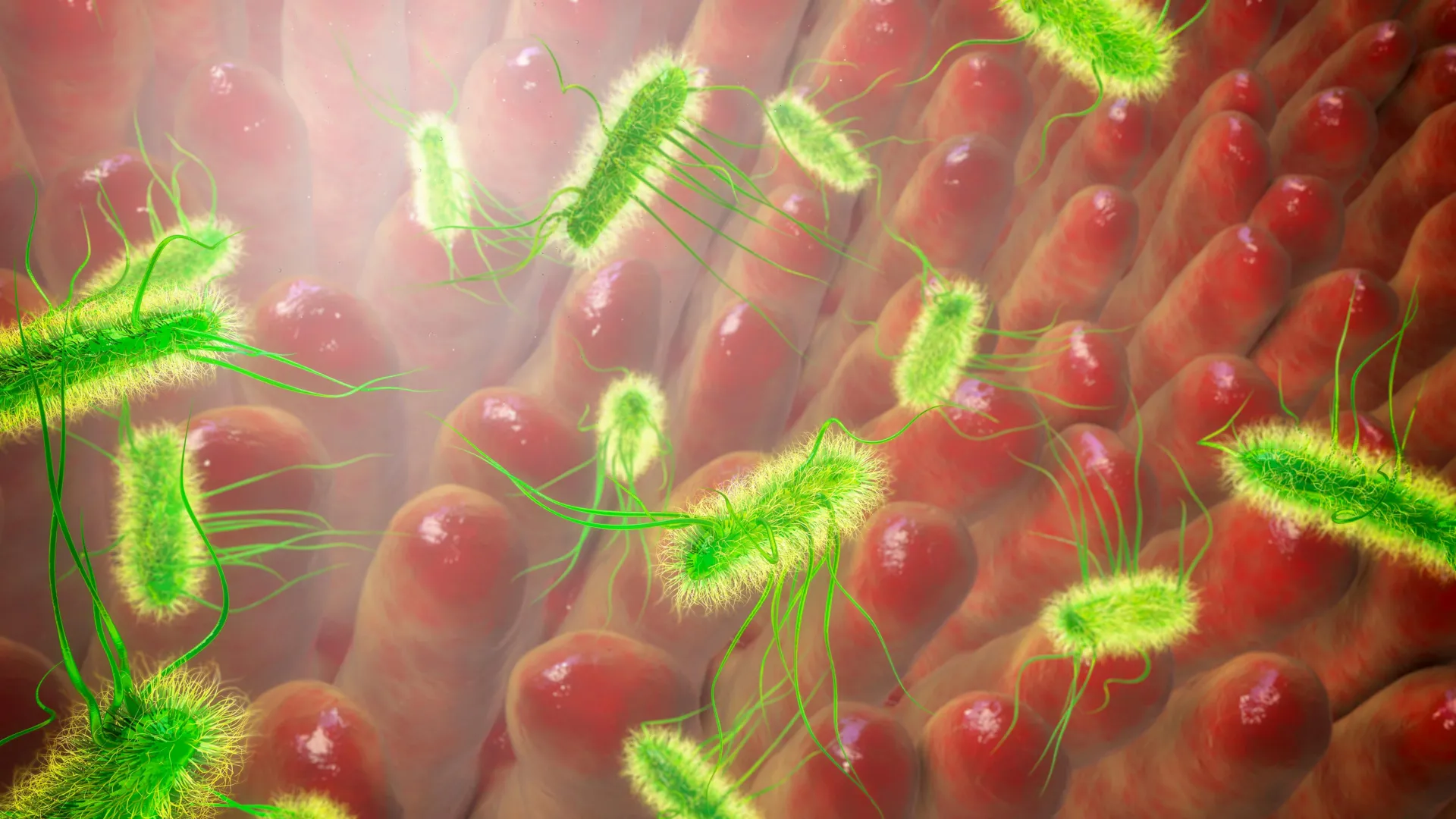
New research has revealed that Escherichia coli (E. coli), a bacterium that normally lives in the human gut, can spread through populations at a rate comparable to the swine flu. For the first time, researchers from the Wellcome Sanger Institute, the University of Oslo, the University of Helsinki, Aalto University…

Tiny molecules could stop glaucoma before it blinds

A research team at the University of Missouri has made a discovery that could transform how glaucoma is detected and treated. Glaucoma, a major cause of irreversible blindness in older adults, often goes undiagnosed until significant vision loss has already occurred. Scientists are now closer to identifying a biomarker that…

Scientists uncover the secret triggers of ‘impossible’ earthquakes

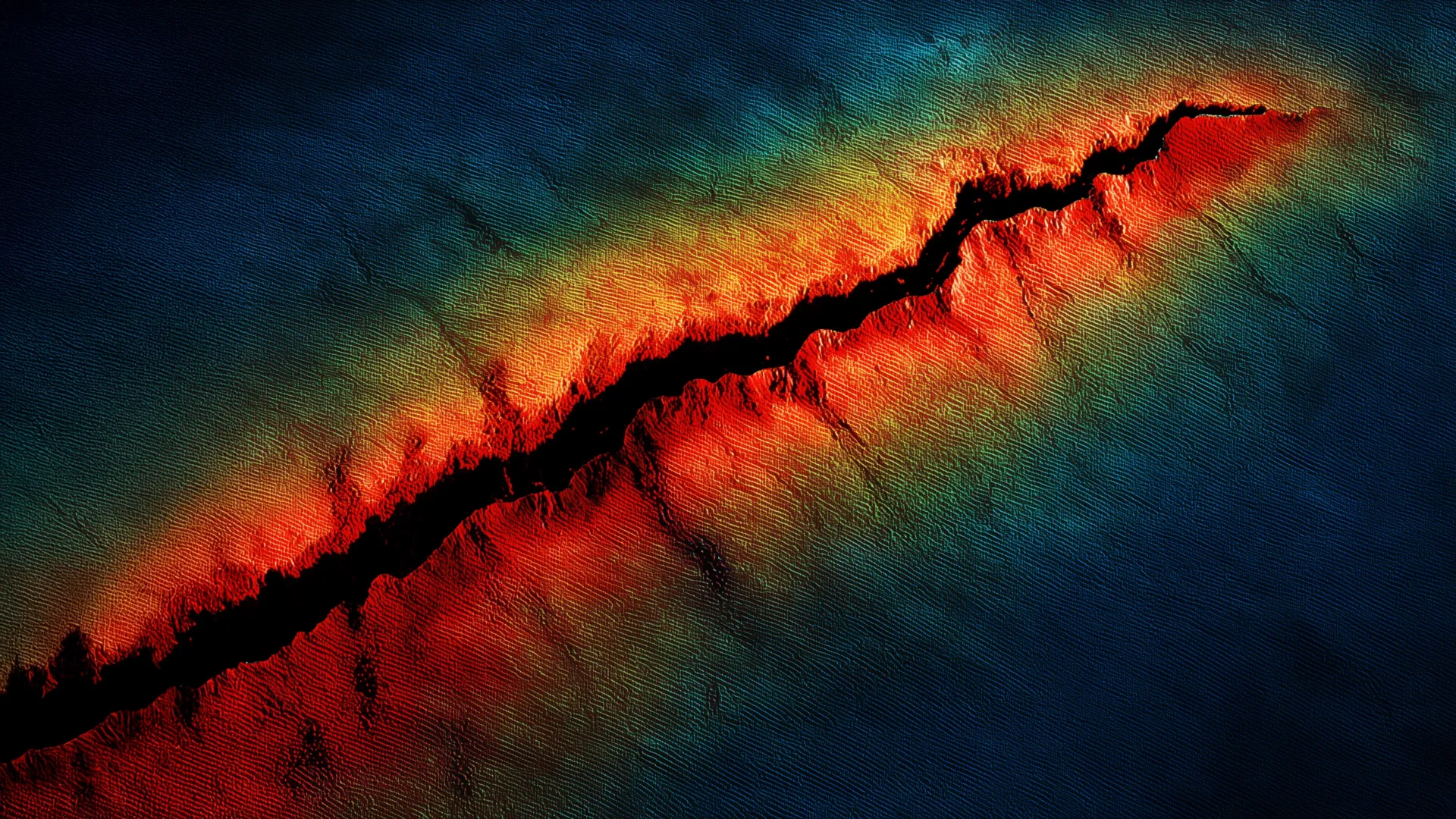
Earthquakes in places like Utah (USA), Soultz-sous-Forêts (France), and Groningen (the Netherlands) seem puzzling to scientists because, according to geological theory, they shouldn’t be possible. In these regions, the shallow layers of the Earth’s crust are thought to behave in a way that strengthens faults when they begin to move.…

5,500-year-old site in Jordan reveals a lost civilization’s secrets

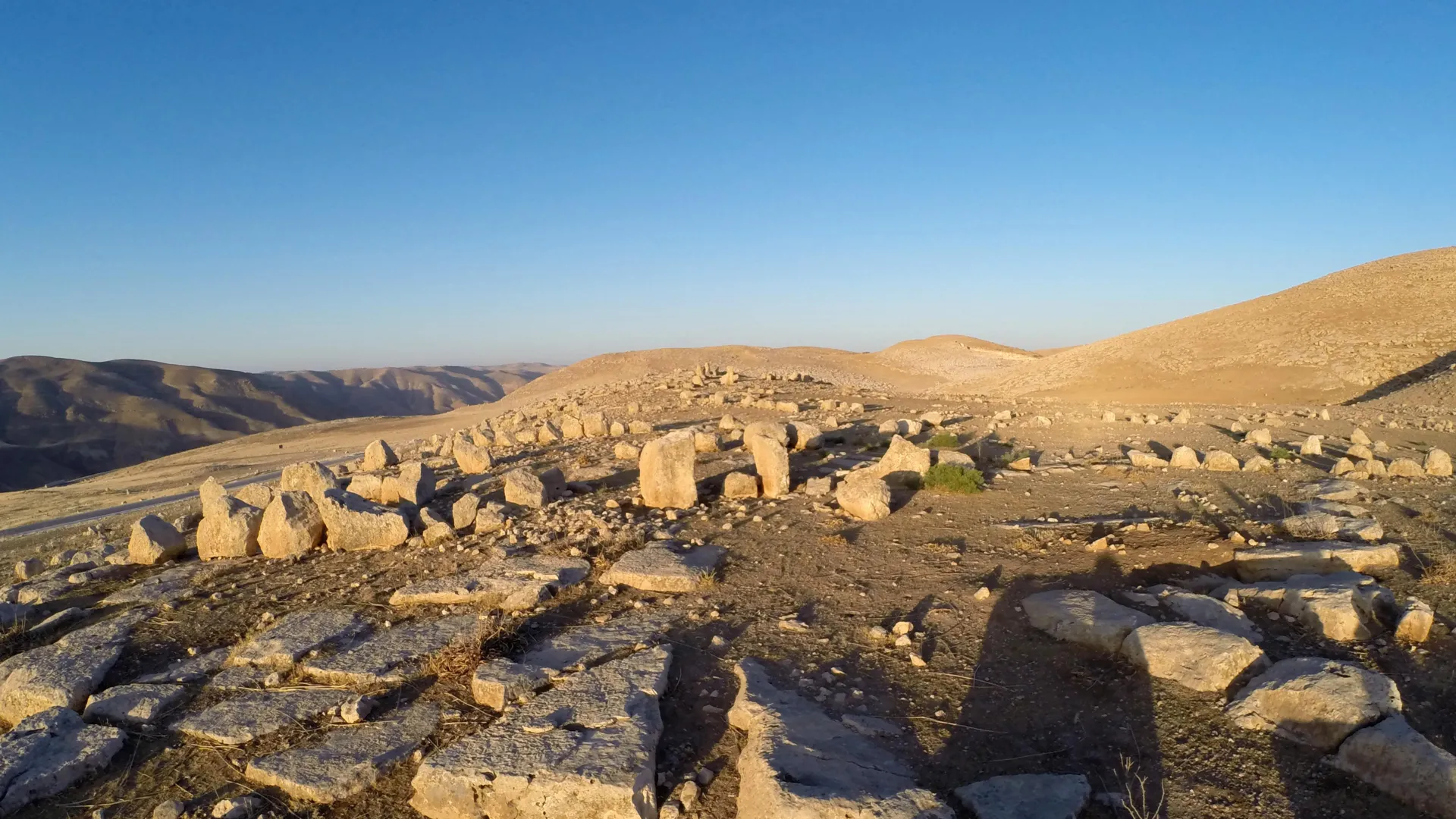
How did early civilizations respond when their worlds fell apart? Archaeologists from the University of Copenhagen believe the 5,000-year-old site of Murayghat in Jordan may reveal some clues. Their extensive excavations suggest that this Early Bronze Age community developed powerful new traditions in the aftermath of cultural collapse. Murayghat rose…

Birds, not wind, brought life to Iceland’s youngest island

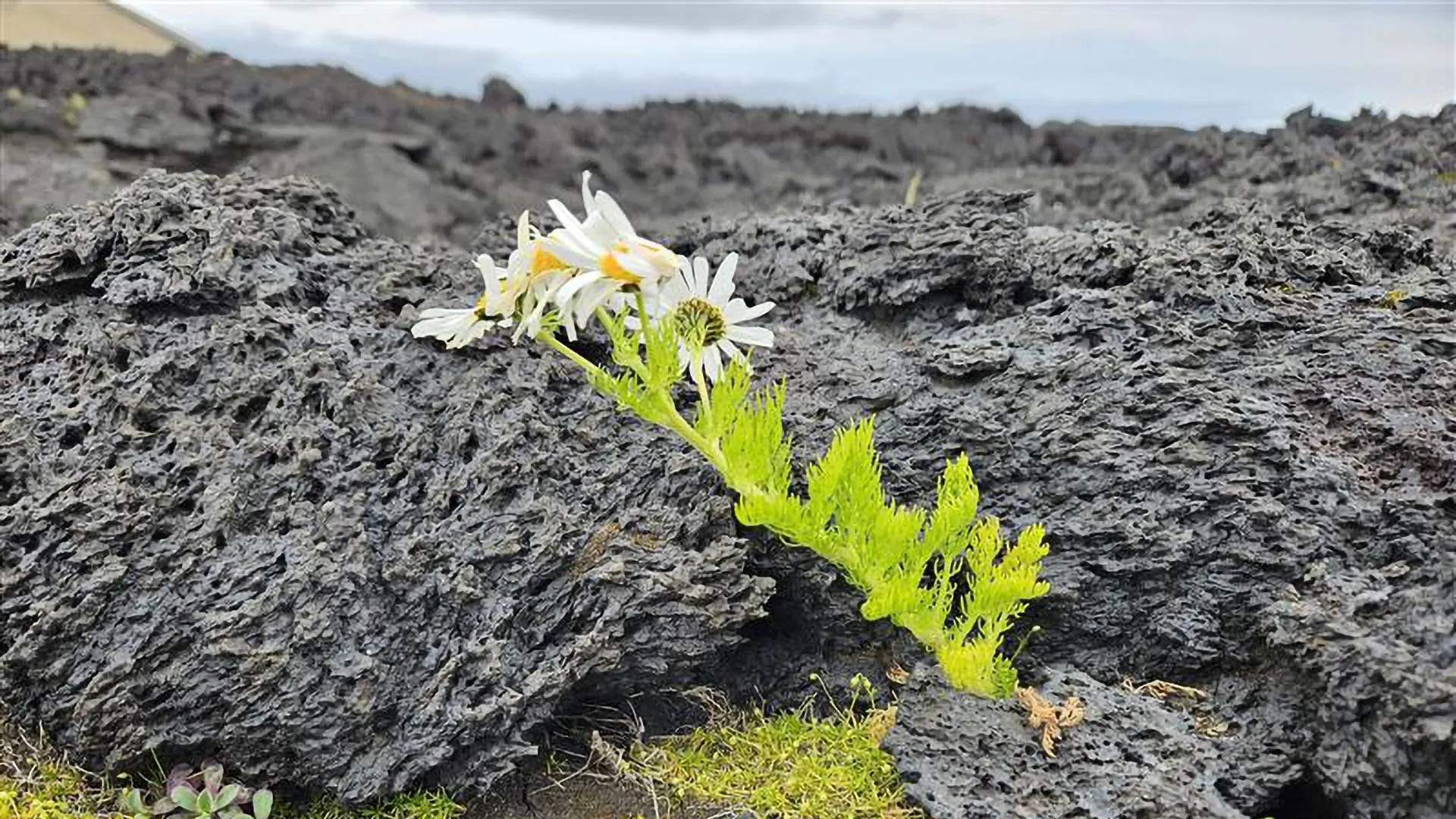
When the volcanic island of Surtsey emerged from the North Atlantic Ocean in 1963, it presented scientists with a rare natural experiment: a chance to watch life begin on untouched land. For many years, ecologists assumed that plants reached remote islands mainly through special traits that allowed long-distance travel, such…

2.7-million-year-old tools reveal humanity’s first great innovation

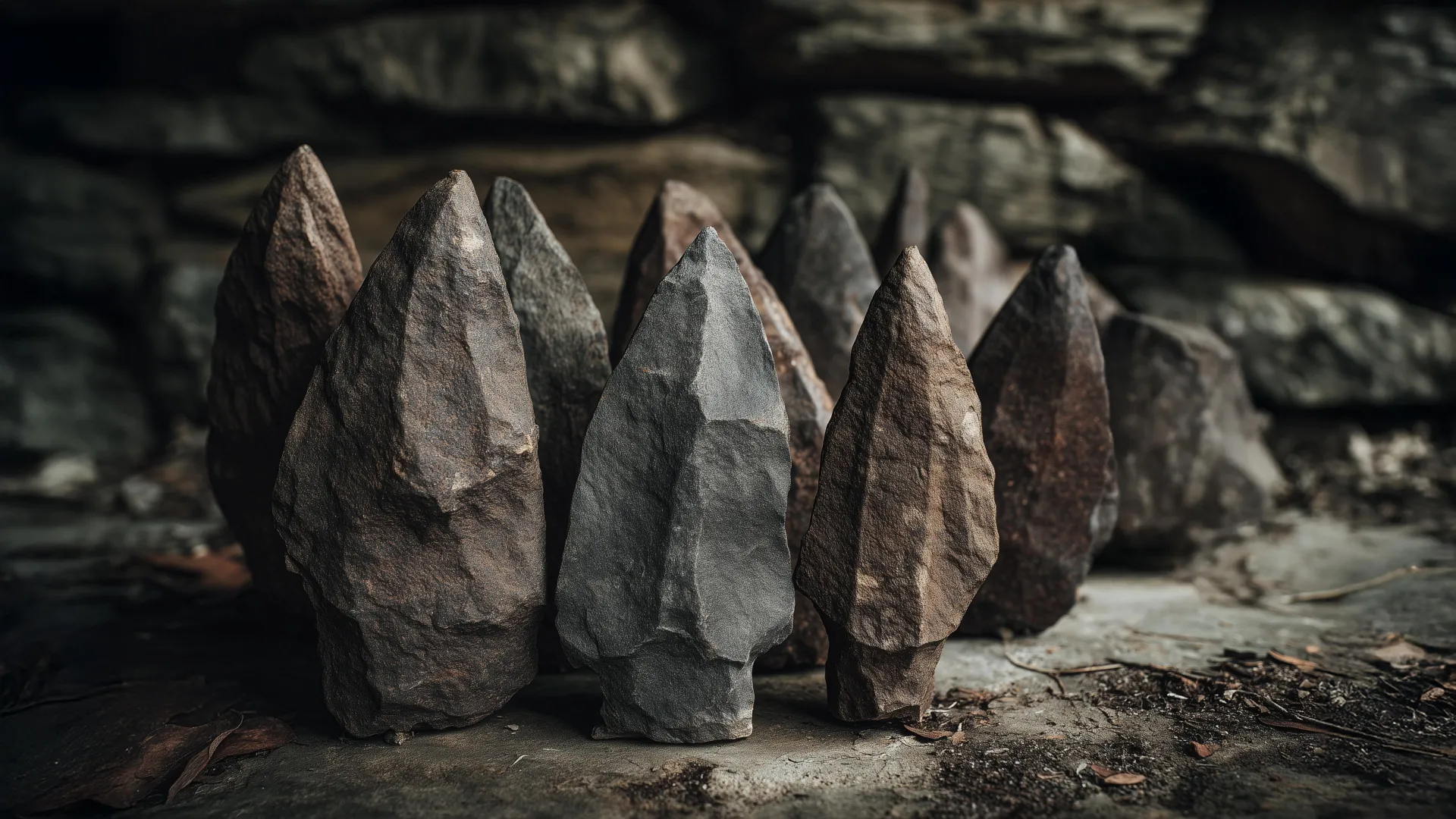
For nearly 300,000 years, early humans shaped stone tools with precision, even as they faced constant wildfires, severe droughts, and dramatic shifts in their environment. A new study published in Nature Communications reveals astonishing evidence of this long-lived technological tradition in Kenya’s Turkana Basin. At the Namorotukunan Site, an international…

This new drug candidate might finally outsmart tuberculosis

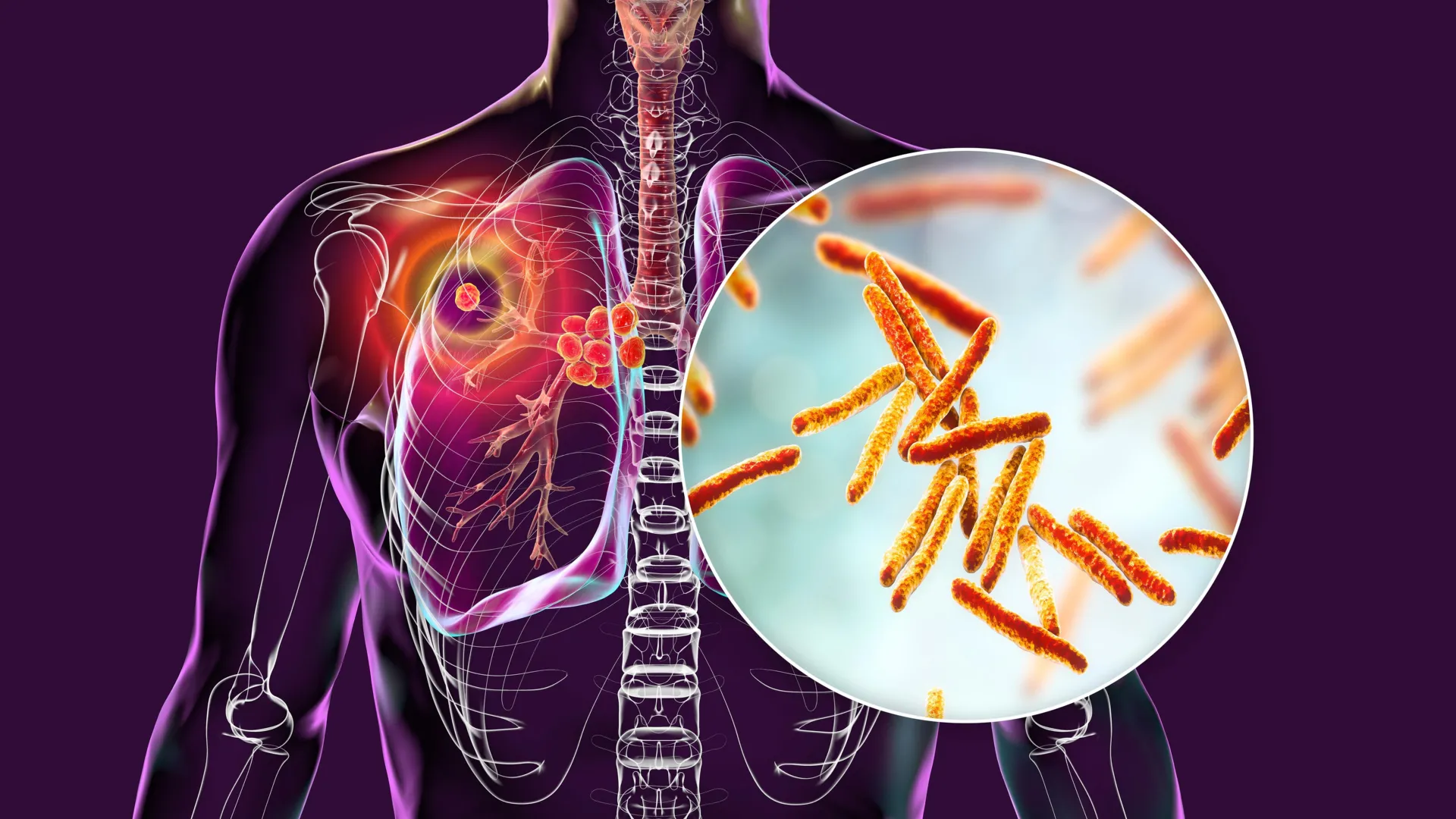
Scientists have created a promising new compound that could mark a major step forward in the global effort to control tuberculosis, the world’s deadliest infectious disease. A new study in Nature highlights the potential of this compound, called CMX410, which targets a key enzyme in Mycobacterium tuberculosis, the bacterium that…

Walking may be the brain’s best defense against Alzheimer’s

Walking a few thousand steps daily may help hold off Alzheimer’s for years, a Mass General Brigham study found. Even moderate physical activity slowed both cognitive decline and the buildup of harmful tau proteins in the brain. The researchers say these results show lifestyle changes can meaningfully delay Alzheimer’s symptoms,…

Plastic-eating bacteria discovered in the ocean

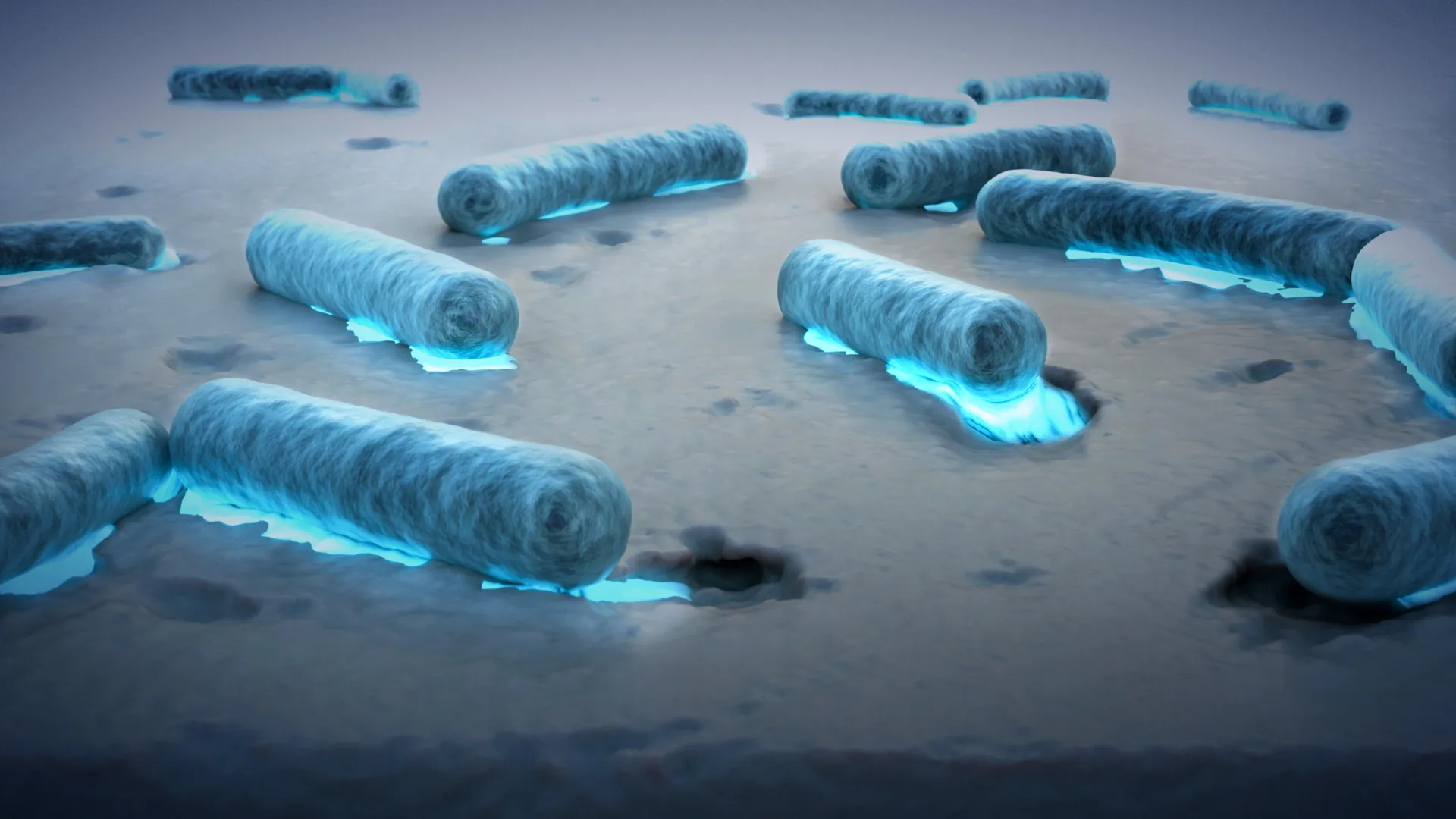
Far beneath the ocean’s surface, researchers have found bacteria that can digest plastic, using specialized enzymes that evolved alongside humanity’s synthetic debris. A large-scale global study by scientists at KAUST (King Abdullah University of Science and Technology) revealed that these marine microbes are widespread and genetically prepared to consume polyethylene…

Sunflowers may be the future of “vegan meat”

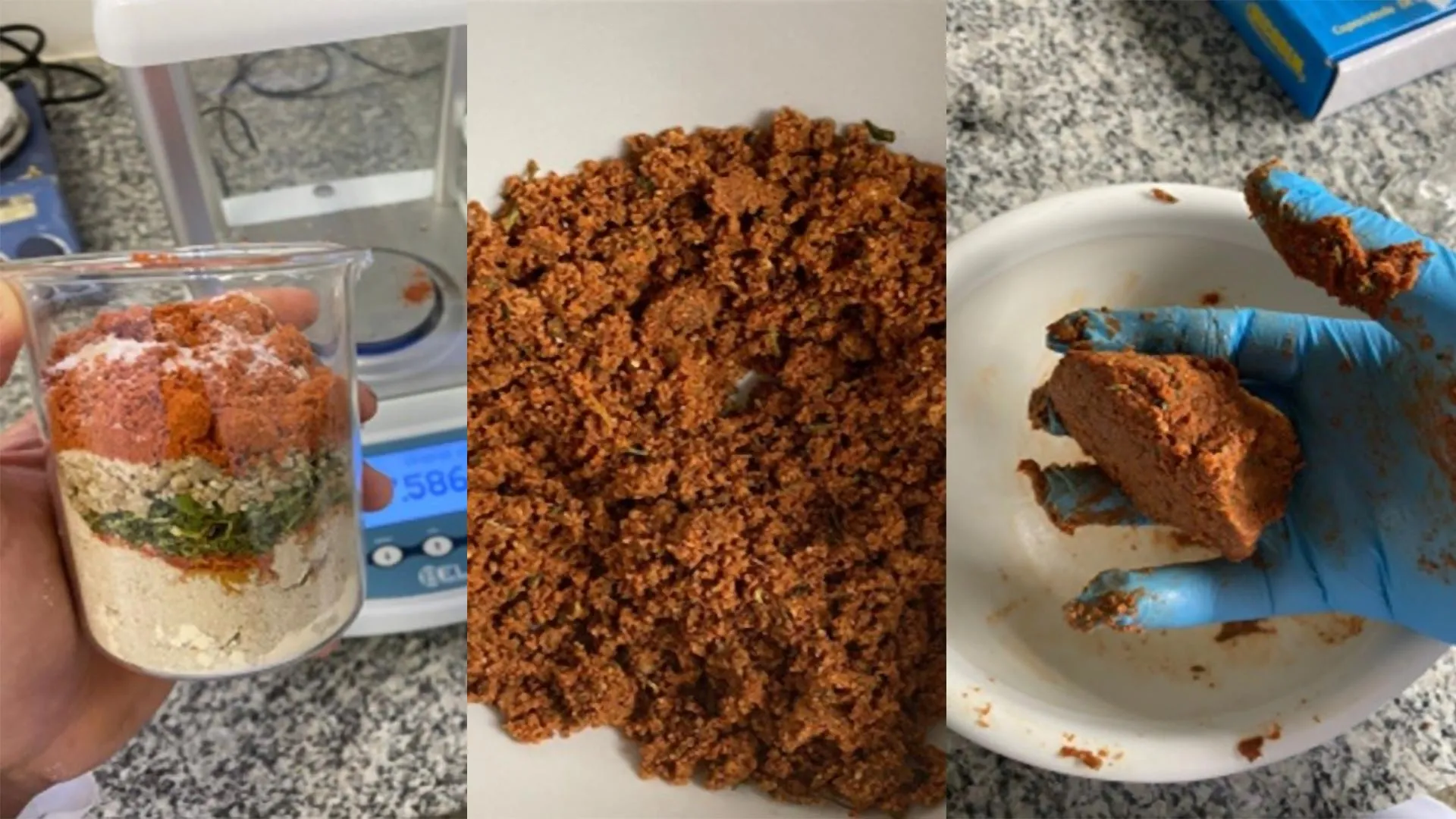
A collaboration between Brazilian and German researchers has led to a sunflower-based meat substitute that’s high in protein and minerals. The new ingredient, made from refined sunflower flour, delivers excellent nutritional value and a mild flavor. Tests showed strong texture and healthy fat content, suggesting great potential for use in…

MIT scientists discover how the brain spins back into focus

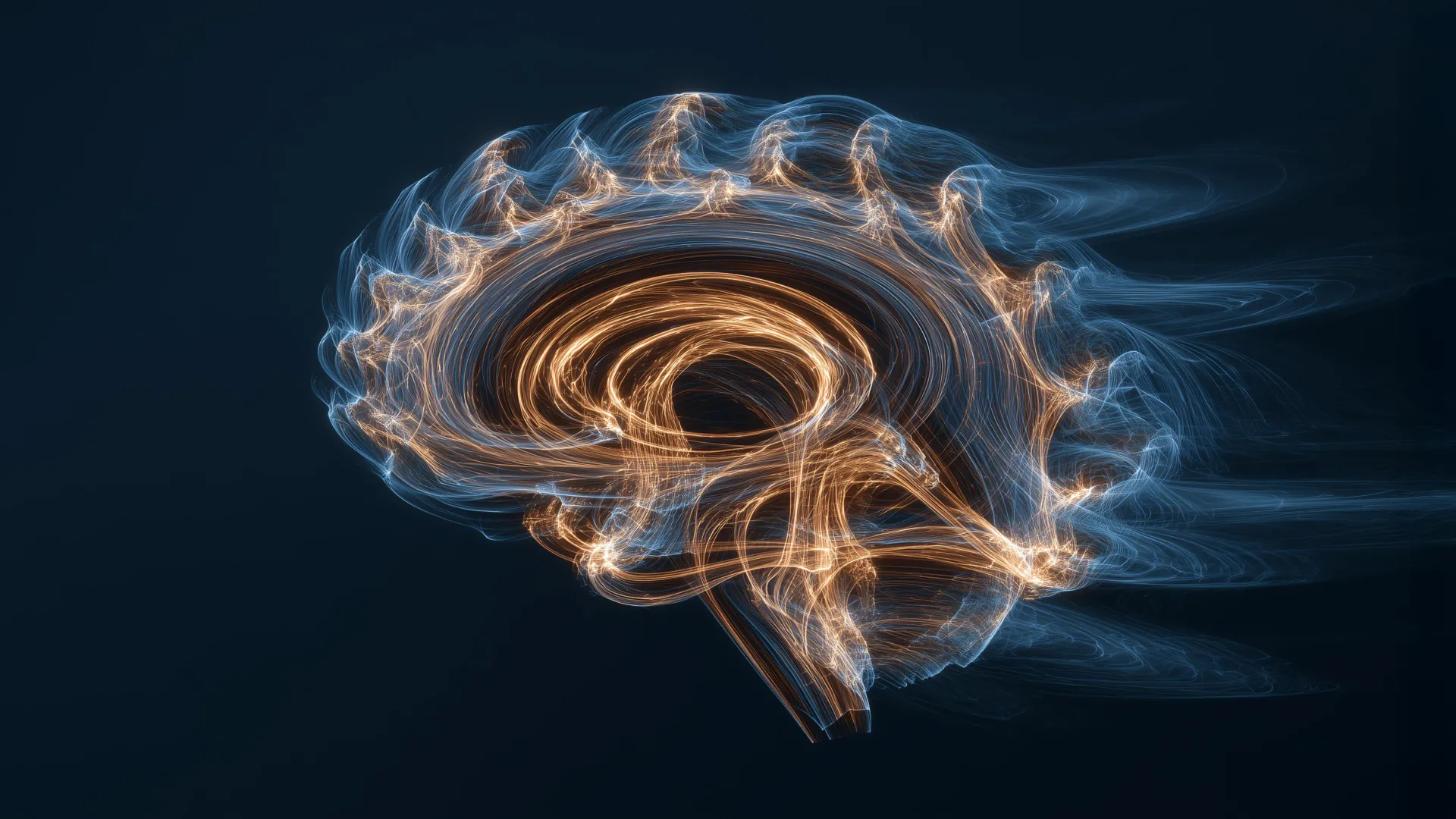
As easily as the mind can drift off course, it also has the remarkable ability to refocus. Researchers at MIT’s Picower Institute for Learning and Memory have uncovered how that process may work. In a new animal study, they found that synchronized neural activity, appearing as a rotating wave across…

Scientists reverse anxiety by rebalancing the brain

A research team at the Institute for Neurosciences (IN), led by Juan Lerma, has uncovered how a distinct group of neurons in the amygdala — a region of the brain involved in processing emotions — contributes to anxiety, depression, and changes in social behavior. The discovery, published in iScience, shows…

Breakthrough brain discovery reveals a natural way to relieve pain

Scientists have discovered that the human brain has its own built-in pain map, activating different regions when easing pain in the face, arms, or legs. Placebo pain relief only works in the exact area where the brain expects it to happen. Understanding this system could lead to safer, more precise…

Think melatonin is safe? New research reveals a hidden heart risk

A large review of health data from more than 130,000 adults with insomnia found that people who took melatonin for a year or longer were more likely to develop heart failure, be hospitalized for the condition, or die from any cause compared to those who didn’t take the supplement. While…

New evidence suggests Einstein’s cosmic constant may be wrong

Dark energy, the mysterious force thought to drive the universe’s accelerating expansion, remains one of the deepest puzzles in modern physics. For years, the leading explanation has been that this energy is constant — an unchanging property of empty space responsible for cosmic acceleration. But recent evidence has scientists rethinking…

Ancient fish with human-like hearing stuns scientists

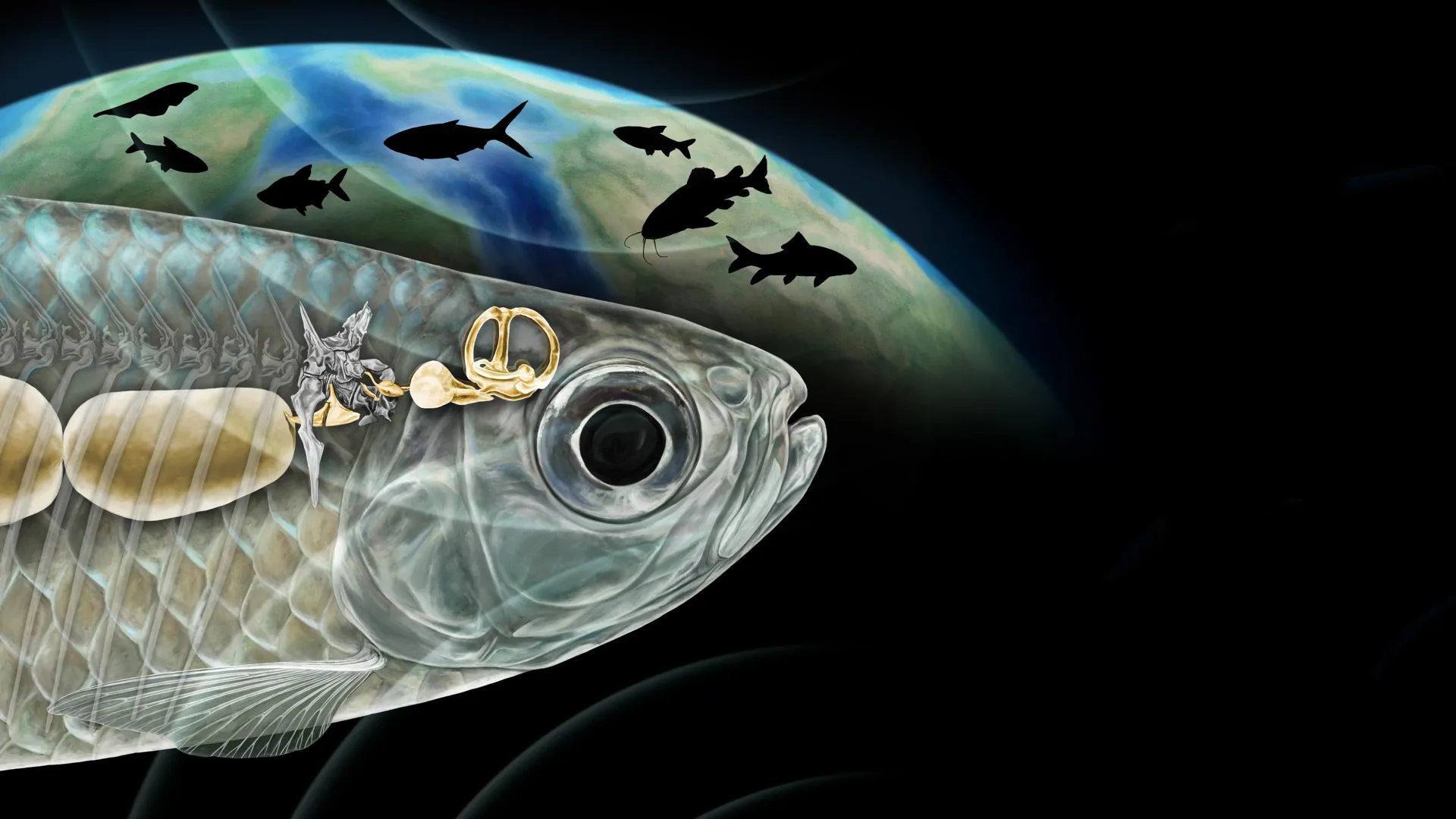
When some marine fish eventually adapted to life in fresh water, many also acquired a more elaborate way to hear, including middle ear bones that resemble those in humans. Two-thirds of freshwater species today rely on a specialized middle ear known as the Weberian apparatus. This group spans more than…

Your eyes could reveal how fast you’re aging, scientists say

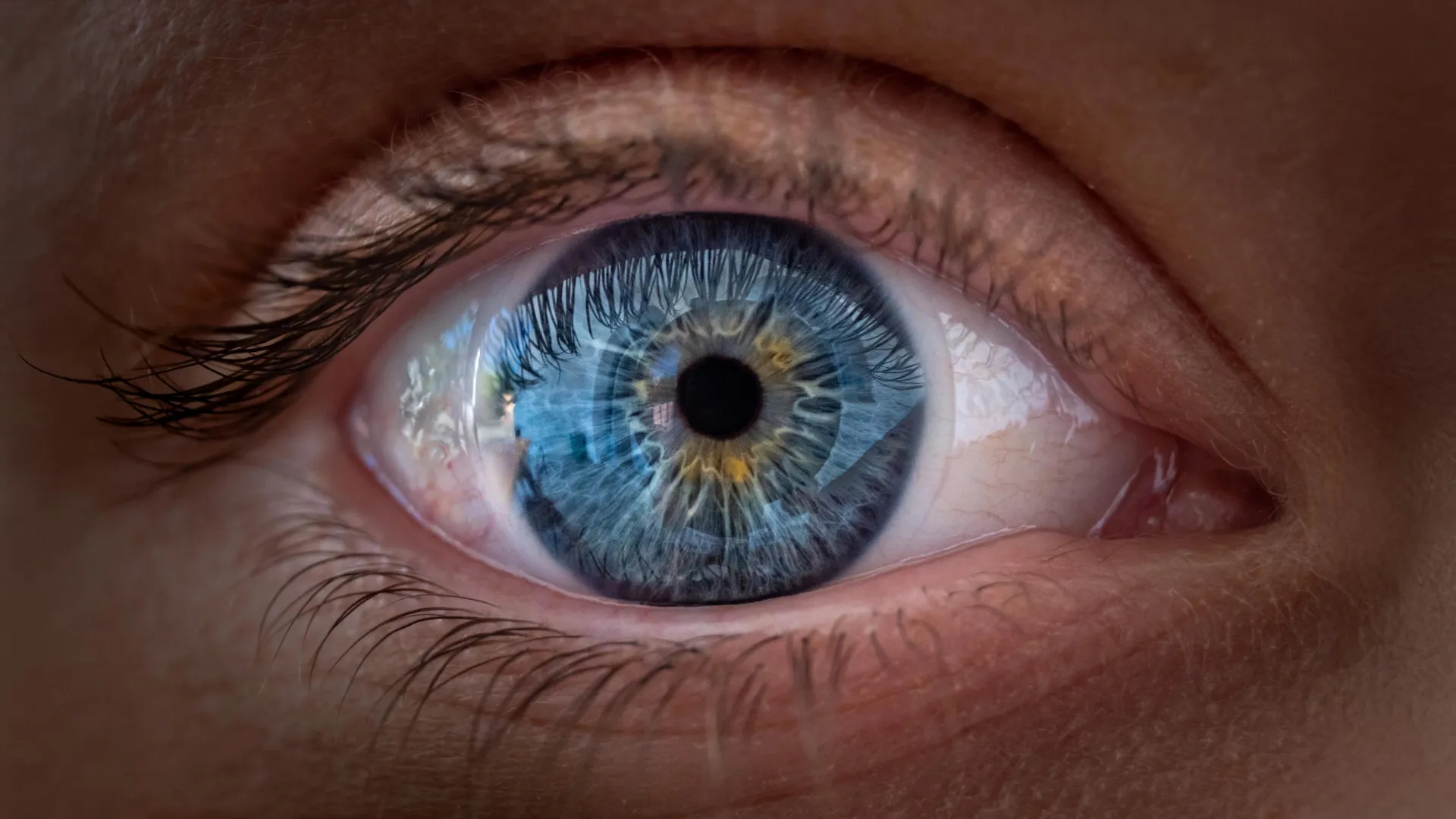
The network of tiny blood vessels within the eyes may offer powerful clues about a person’s risk of heart disease and how quickly their body is aging, according to new research from McMaster University and the Population Health Research Institute (PHRI), a joint institute of Hamilton Health Sciences and McMaster.…

Scientists find mind trick that unlocks lost memories

A new study suggests that briefly changing the way people see their own bodies can make it easier to recall autobiographical memories, including some from early childhood. Published in Scientific Reports, part of the Nature journal group, the research is the first to show that adults can access early memories…

Scientists in Japan create a new wine grape with a wild twist

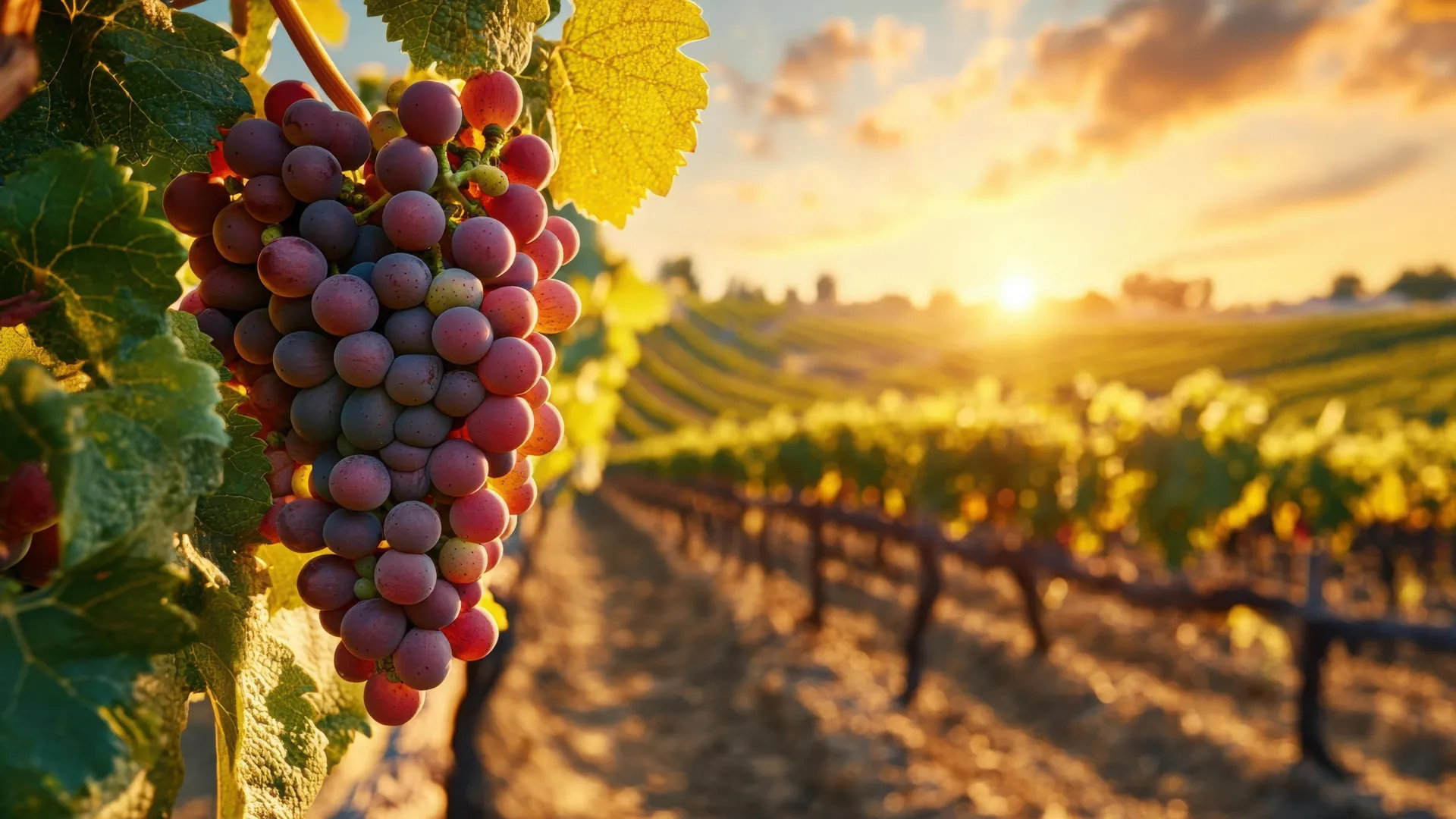
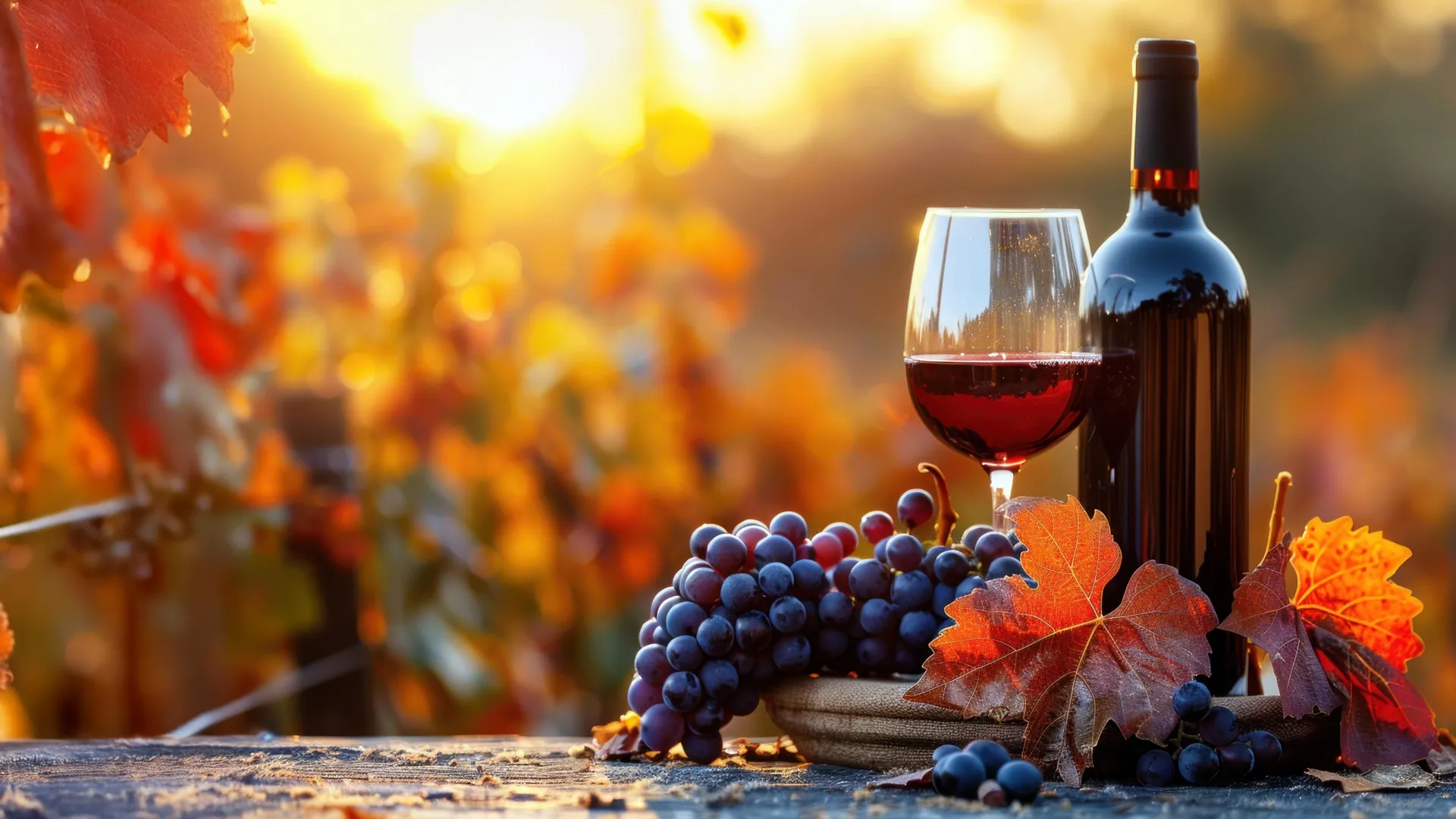
A research team led by Professor Emeritus Takuji Hoshino of Okayama University of Science (OUS) has successfully cultivated a new wine grape variety called “Muscat Shiragai.” The hybrid was produced by crossing the wild Shiraga grape, a species native only to the Takahashi River basin in Okayama Prefecture, with Muscat…

A 25-year Crohn’s disease mystery finally cracked by AI

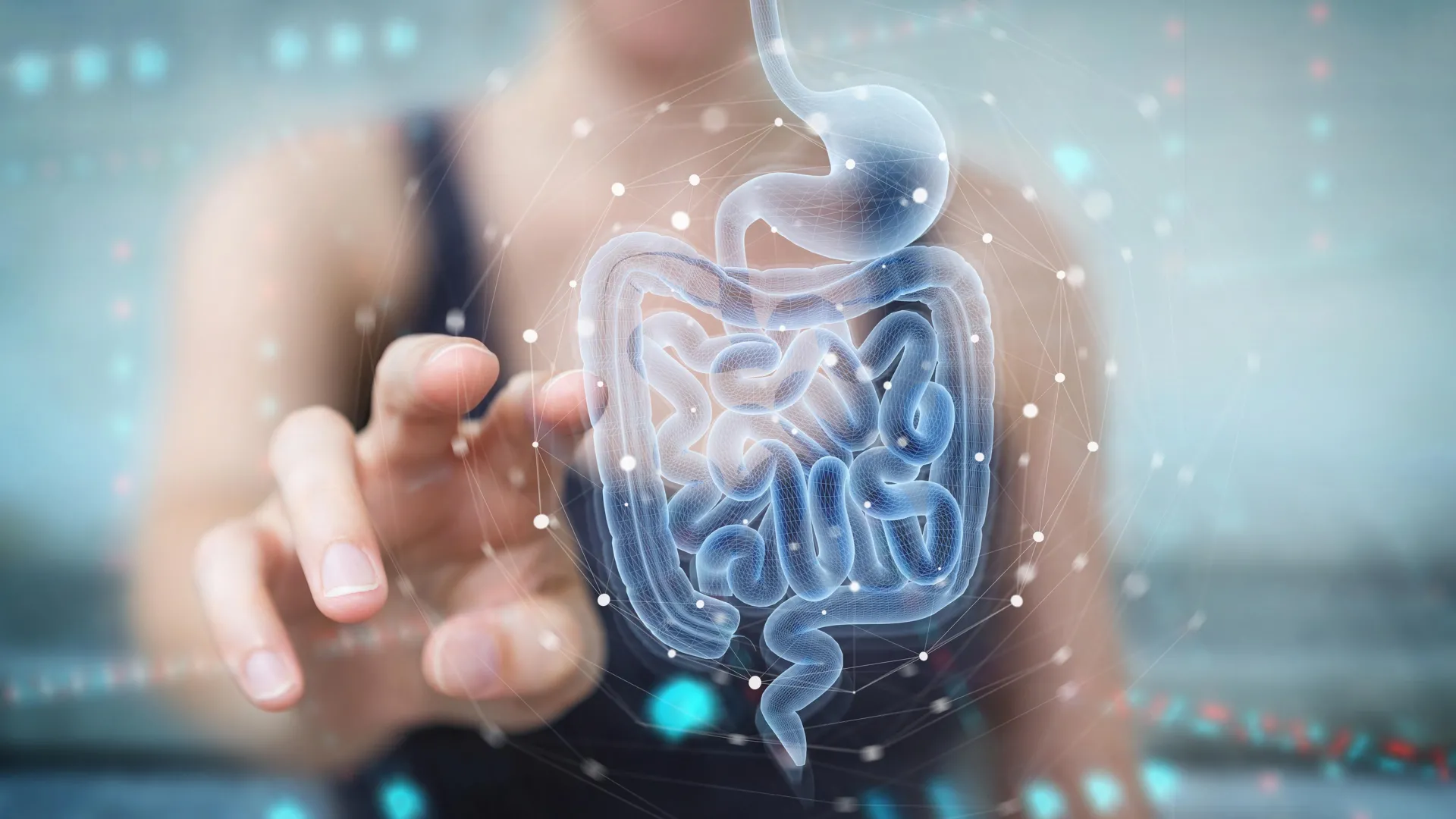
The human digestive system relies on two main kinds of macrophages, a type of specialized white blood cell, to maintain intestinal health. One group, the inflammatory macrophages, attacks harmful microbes, while the other, the non-inflammatory macrophages, repairs tissue and promotes healing. In Crohn’s disease (a chronic form of inflammatory bowel…

Entangled atoms found to supercharge light emission

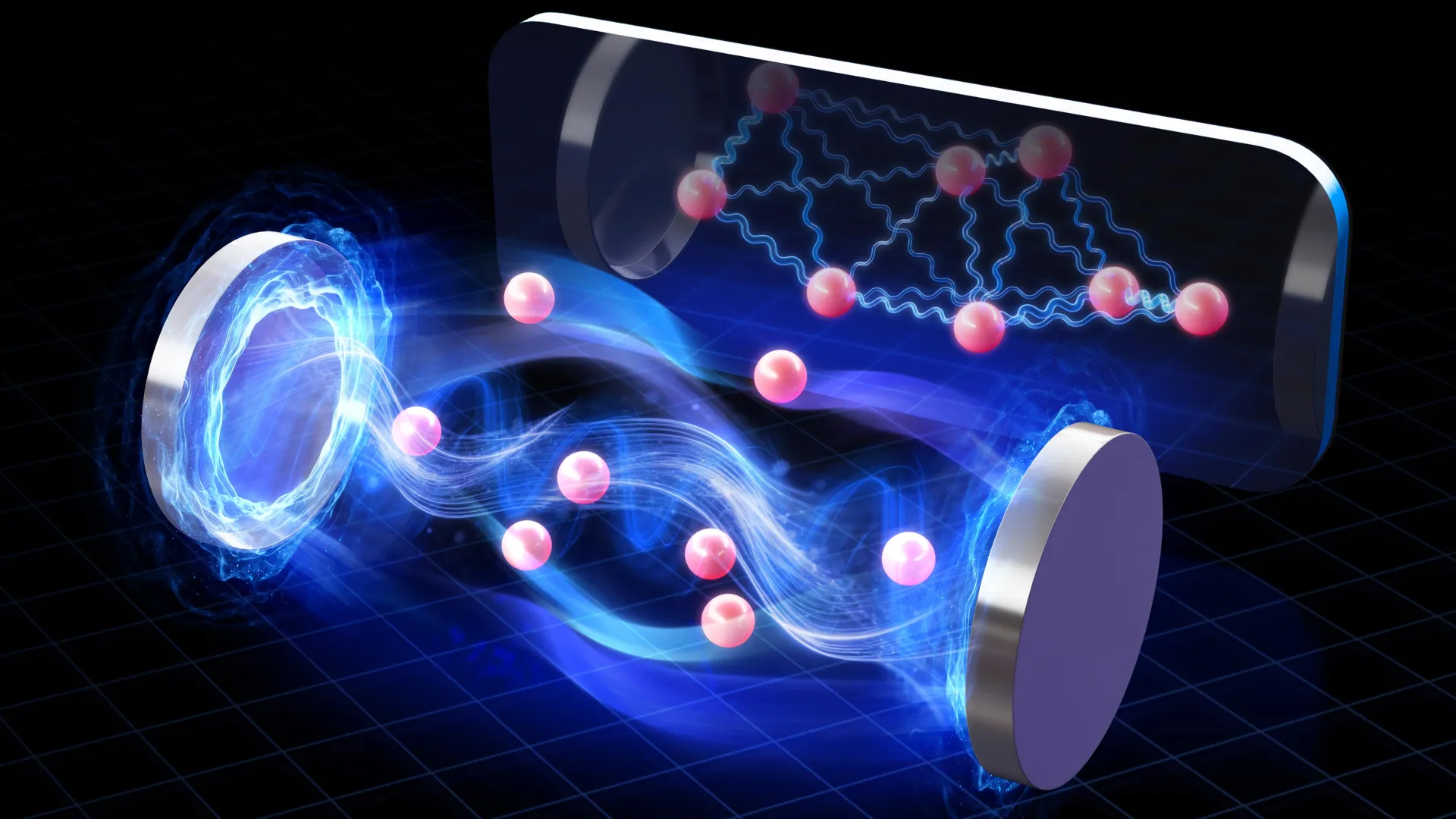
Researchers from the Faculty of Physics at the University of Warsaw, the Centre for New Technologies at the University of Warsaw, and Emory University (Atlanta, USA) have explored how atoms influence one another when interacting with light. Their study, published in Physical Review Letters, expands on existing models of this…

Your bedroom glow might be quietly damaging your heart

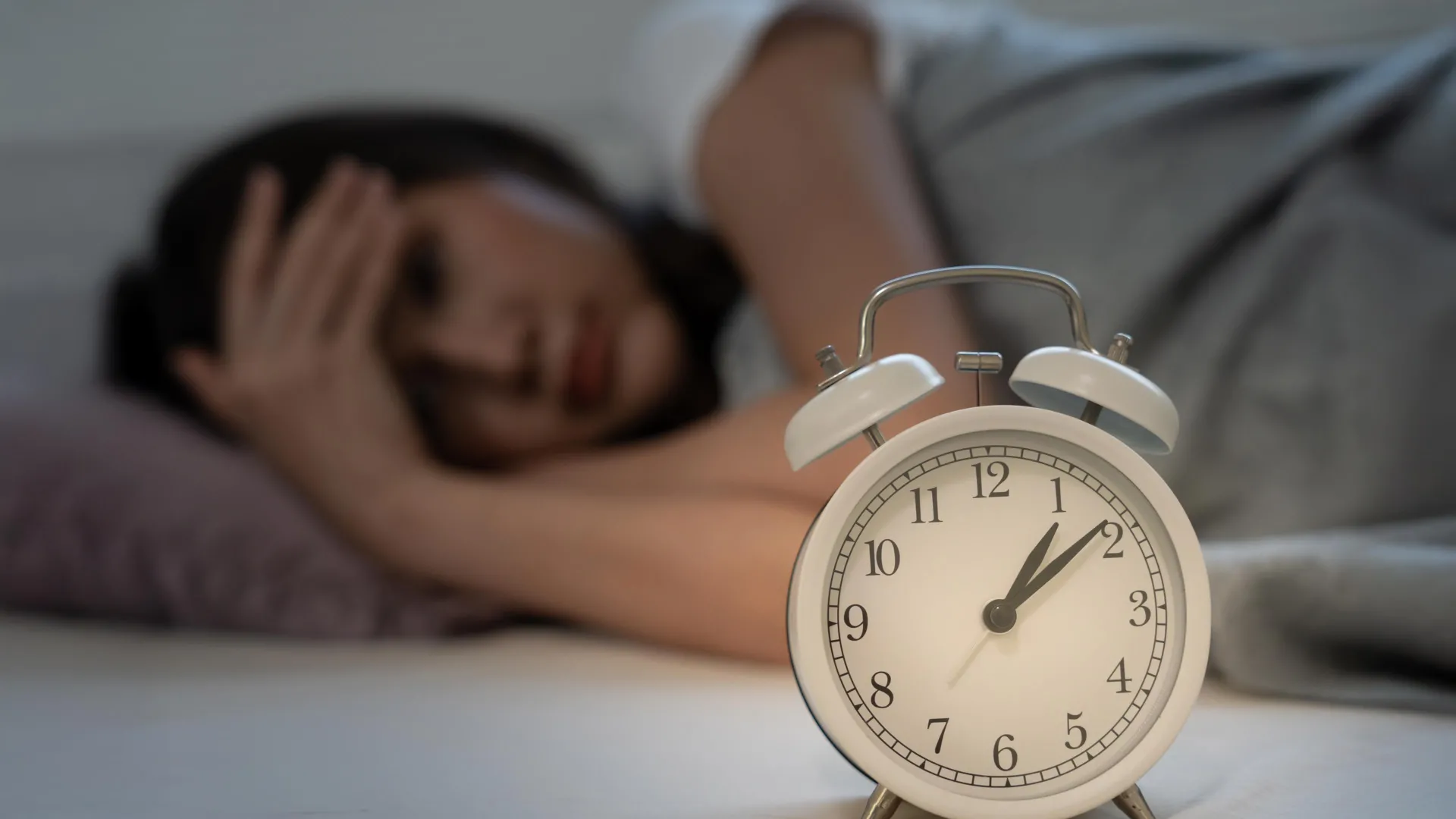
Higher exposure to artificial light at night was linked to heightened stress activity in the brain, inflammation in the arteries, and a greater likelihood of heart disease in a small study of adults in Boston. Researchers reported that light pollution at night appeared to influence cardiovascular health, suggesting it is…

Killer whales perfect a ruthless trick to hunt great white sharks

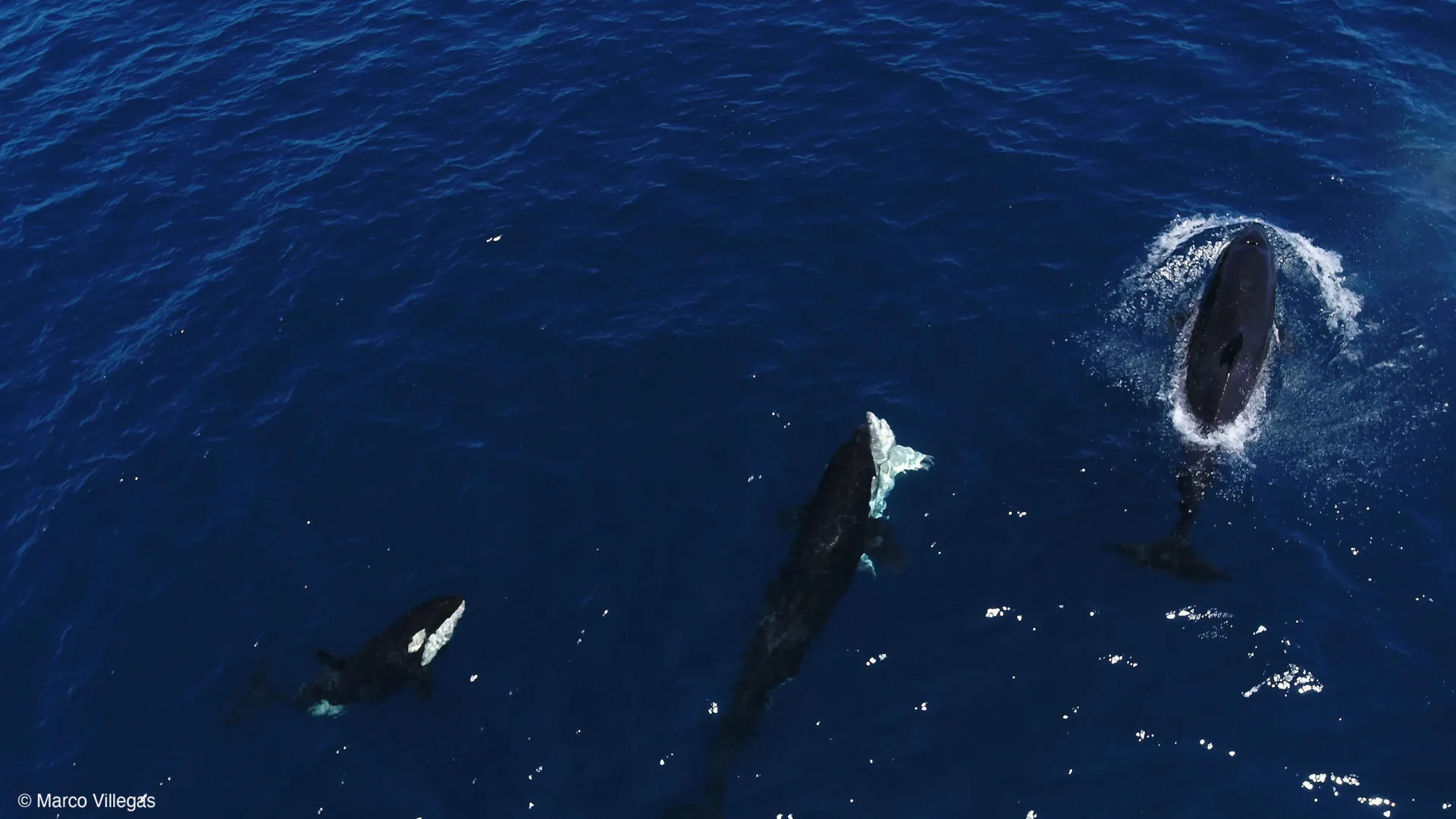
A group of orcas in the Gulf of California has been filmed using remarkable skill to hunt young great white sharks, flipping them onto their backs to reach the nutrient-packed liver. The group, known as Moctezuma’s pod, may be exploiting shifts in ocean temperatures that have changed shark nursery zones.…

Scientists teach bacteria the octopus’s secret to camouflage

Scientists at the University of California, San Diego have come closer to understanding one of nature’s most fascinating abilities: the art of disguise. Octopuses, squids, cuttlefish, and their cephalopod relatives are masters of camouflage, able to instantly shift their skin color to blend into their surroundings. This extraordinary transformation is…