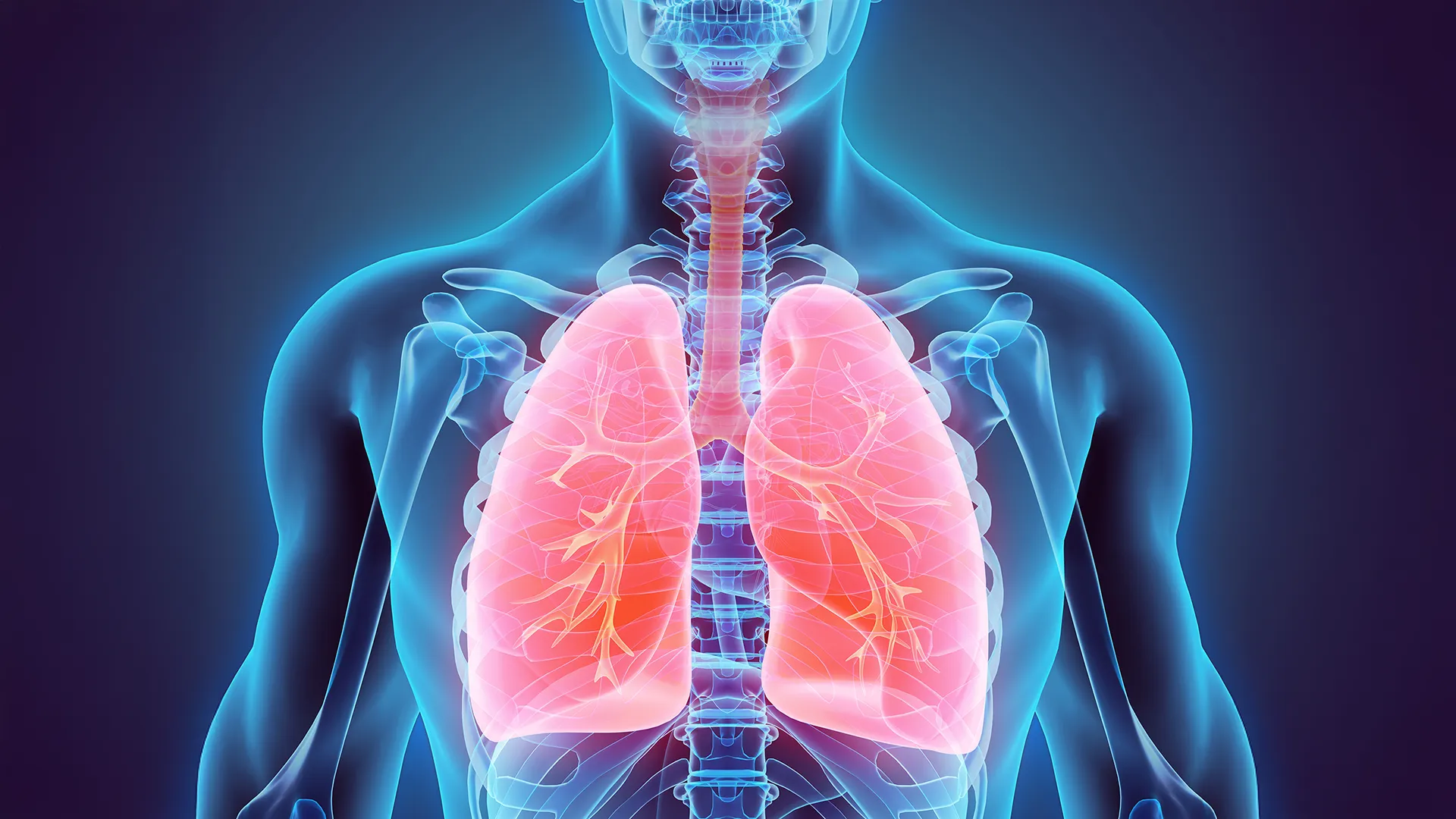
Microscopic heist: How lung bacteria forge weapons to steal iron and survive

Bacteria of the genus Pandoraea have not been studied much to date. Their name is reminiscent of Pandora’s box from Greek mythology, which is a symbol of uncontrollable dangers. “We have been working with an antibiotic-resistant bacterium,” says Elena Herzog. She is the first author of the publication and works…
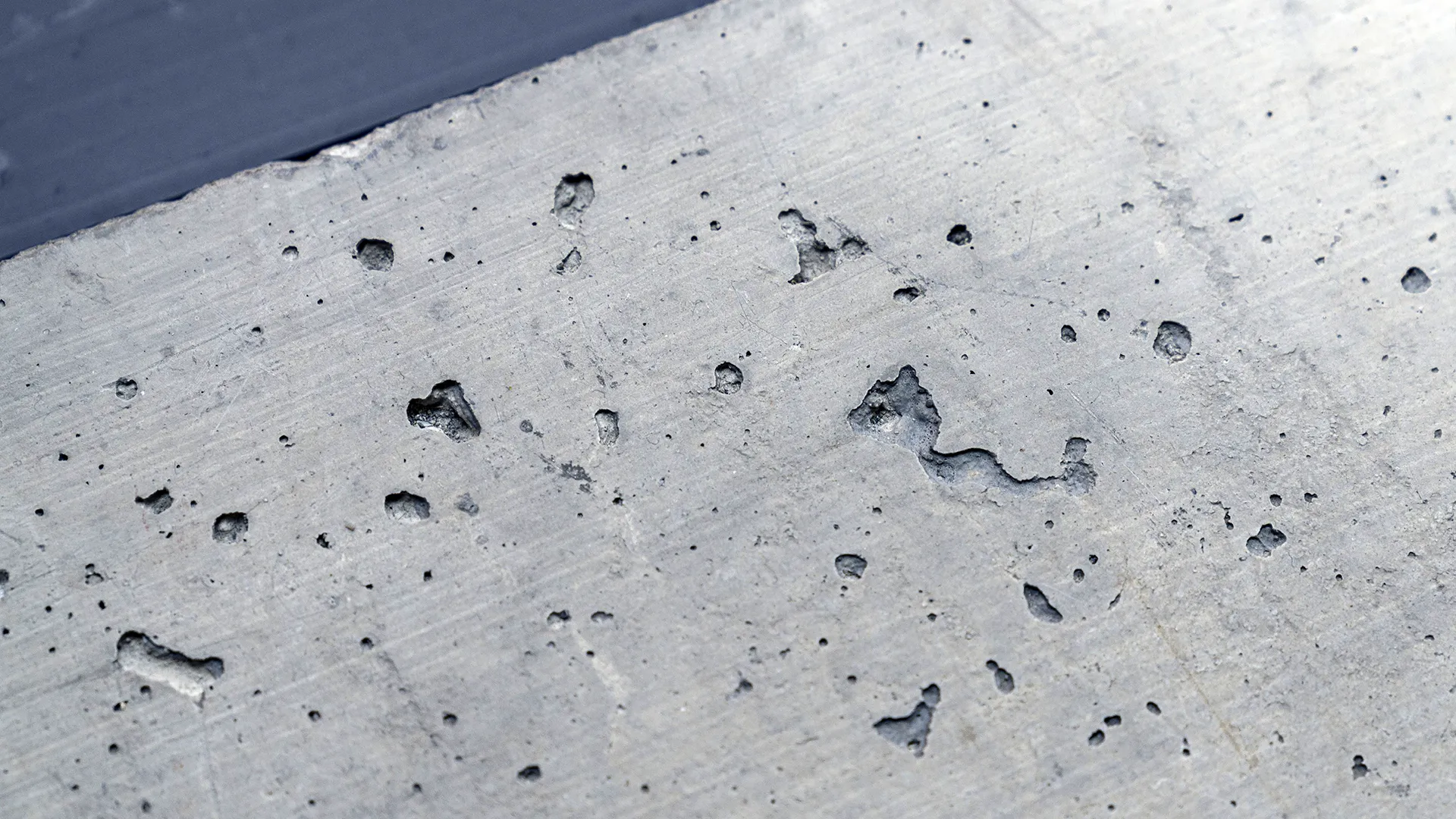
The AI that writes climate-friendly cement recipes in seconds

The cement industry produces around eight percent of global CO2 emissions – more than the entire aviation sector worldwide. Researchers at the Paul Scherrer Institute PSI have developed an AI-based model that helps to accelerate the discovery of new cement formulations that could yield the same material quality with a…

How can we make fewer mistakes? US Navy invests $860k in placekeeping

A team of cognitive psychologists from the Michigan State University Department of Psychology have received a $860,000 grant from the Office of Naval Research to develop assessments for identifying people who are good at performing complex procedural tasks, even under challenging conditions like sleep deprivation and frequent interruptions. “If we…

Winter sea ice supercharges Southern Ocean’s CO2 uptake

New research reveals the importance of winter sea ice in the year-to-year variability of the amount of atmospheric CO2 absorbed by a region of the Southern Ocean. In years when sea ice lasts longer in winter, the ocean will overall absorb 20% more CO2 from the atmosphere than in years…

A thousand colors, one galaxy: Astronomers reveal a cosmic masterpiece

Astronomers have created a galactic masterpiece: an ultra-detailed image that reveals previously unseen features in the Sculptor Galaxy. Using the European Southern Observatory’s Very Large Telescope (ESO’s VLT), they observed this nearby galaxy in thousands of colors simultaneously. By capturing vast amounts of data at every single location, they created…

AI sniffs earwax and detects Parkinson’s with 94% accuracy

Most treatments for Parkinson’s disease (PD) only slow disease progression. Early intervention for the neurological disease that worsens over time is therefore critical to optimize care, but that requires early diagnosis. Current tests, like clinical rating scales and neural imaging, can be subjective and costly. Now, researchers in ACS’ Analytical…

This tiny patch could replace biopsies—and revolutionize how we detect cancer

A patch containing tens of millions of microscopic nanoneedles could soon replace traditional biopsies, scientists have found. The patch offers a painless and less invasive alternative for millions of patients worldwide who undergo biopsies each year to detect and monitor diseases like cancer and Alzheimer’s. Biopsies are among the most…

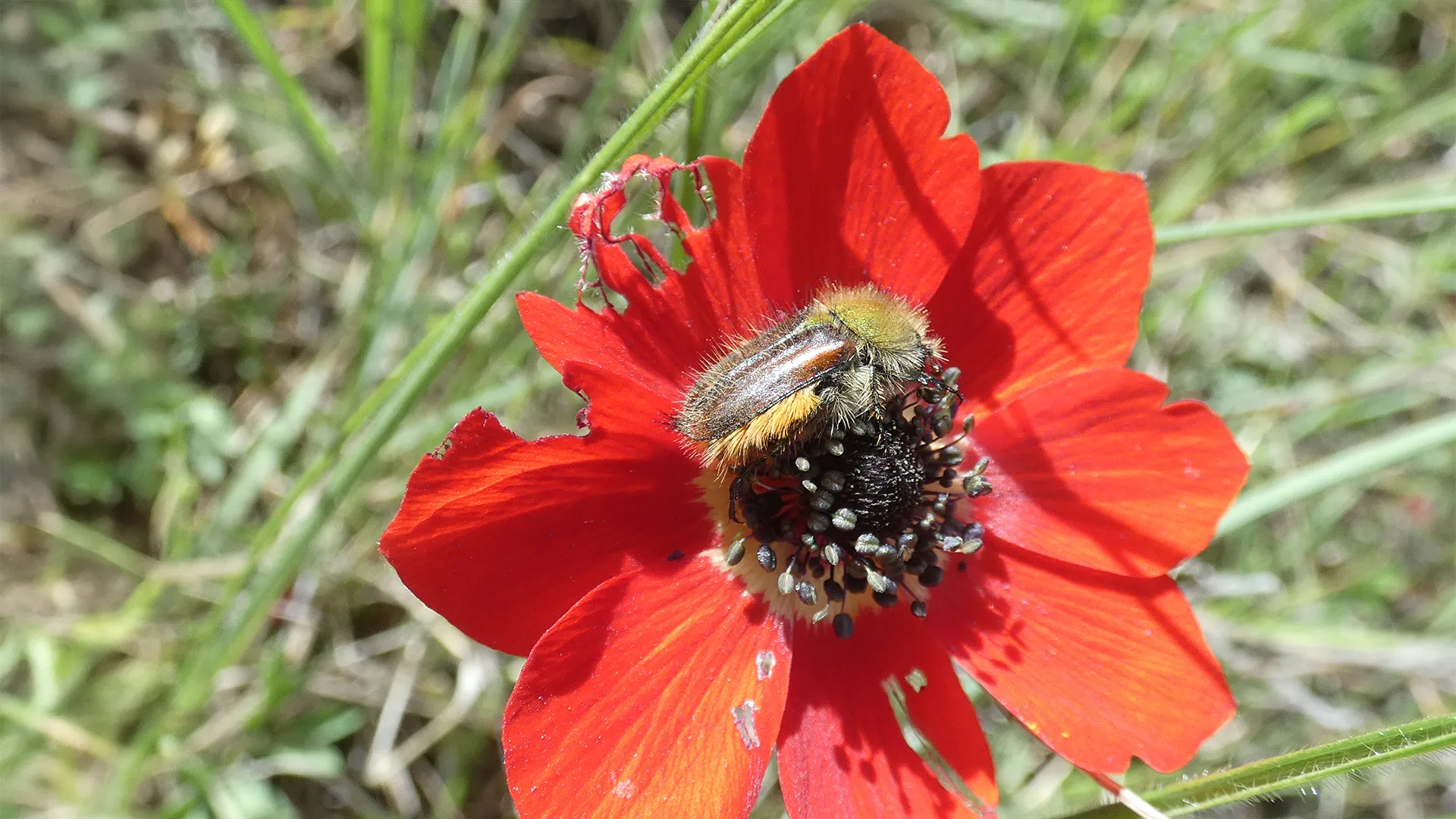
These beetles can see a color most insects can’t

Insect eyes are generally sensitive to ultraviolet, blue and green light. With the exception of some butterflies, they cannot see the color red. Nevertheless, bees and other insects are also attracted to red flowers such as poppies. In this case, however, they are not attracted by the red color, but…

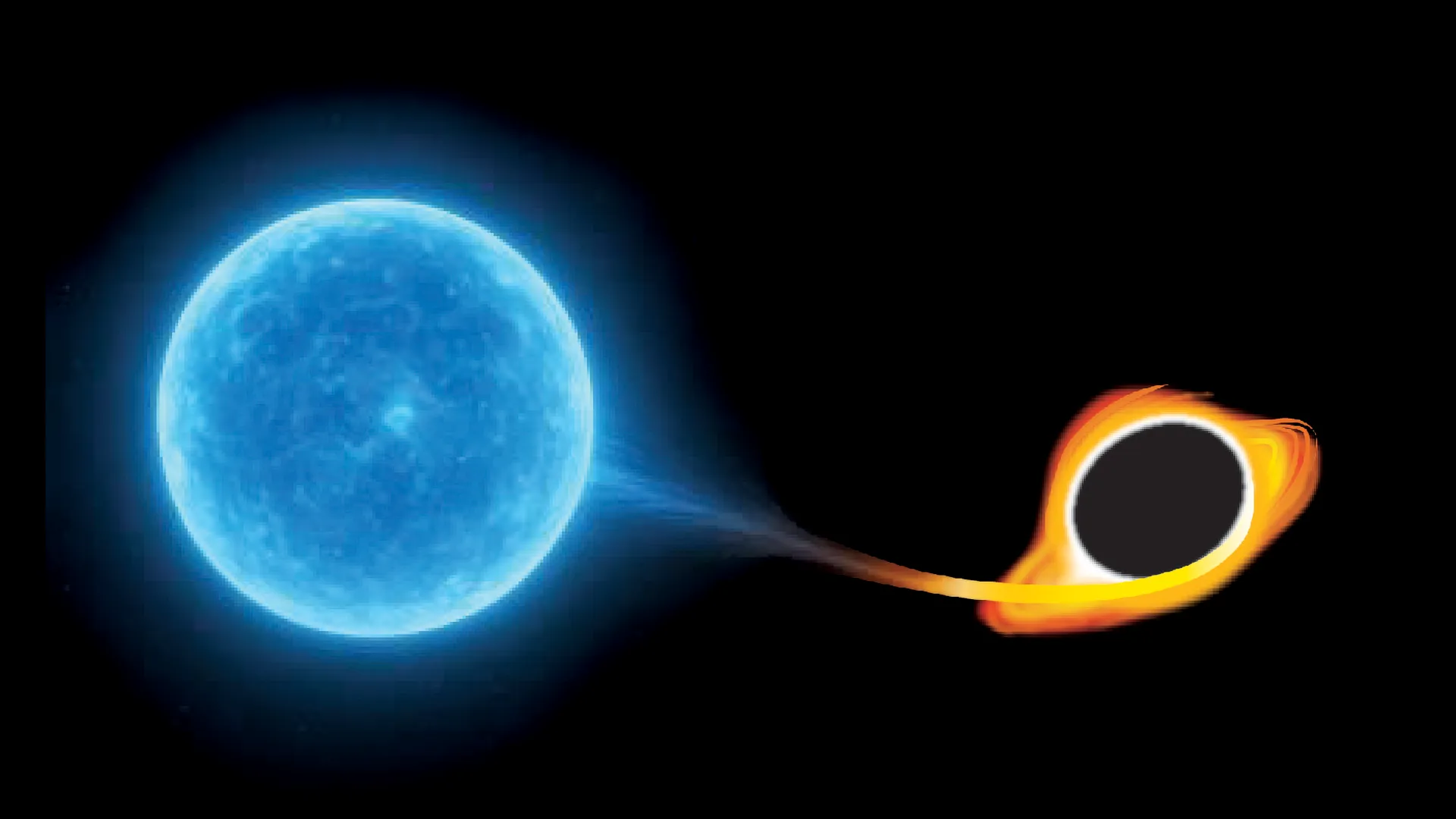
Biggest boom since the Big Bang? Astronomers record 25x supernova brightness

Astronomers from the University of Hawaiʻi’s Institute for Astronomy (IfA) have discovered the most energetic cosmic explosions yet discovered, naming the new class of events “extreme nuclear transients” (ENTs). These extraordinary phenomena occur when massive stars—at least three times heavier than our Sun—are torn apart after wandering too close to…

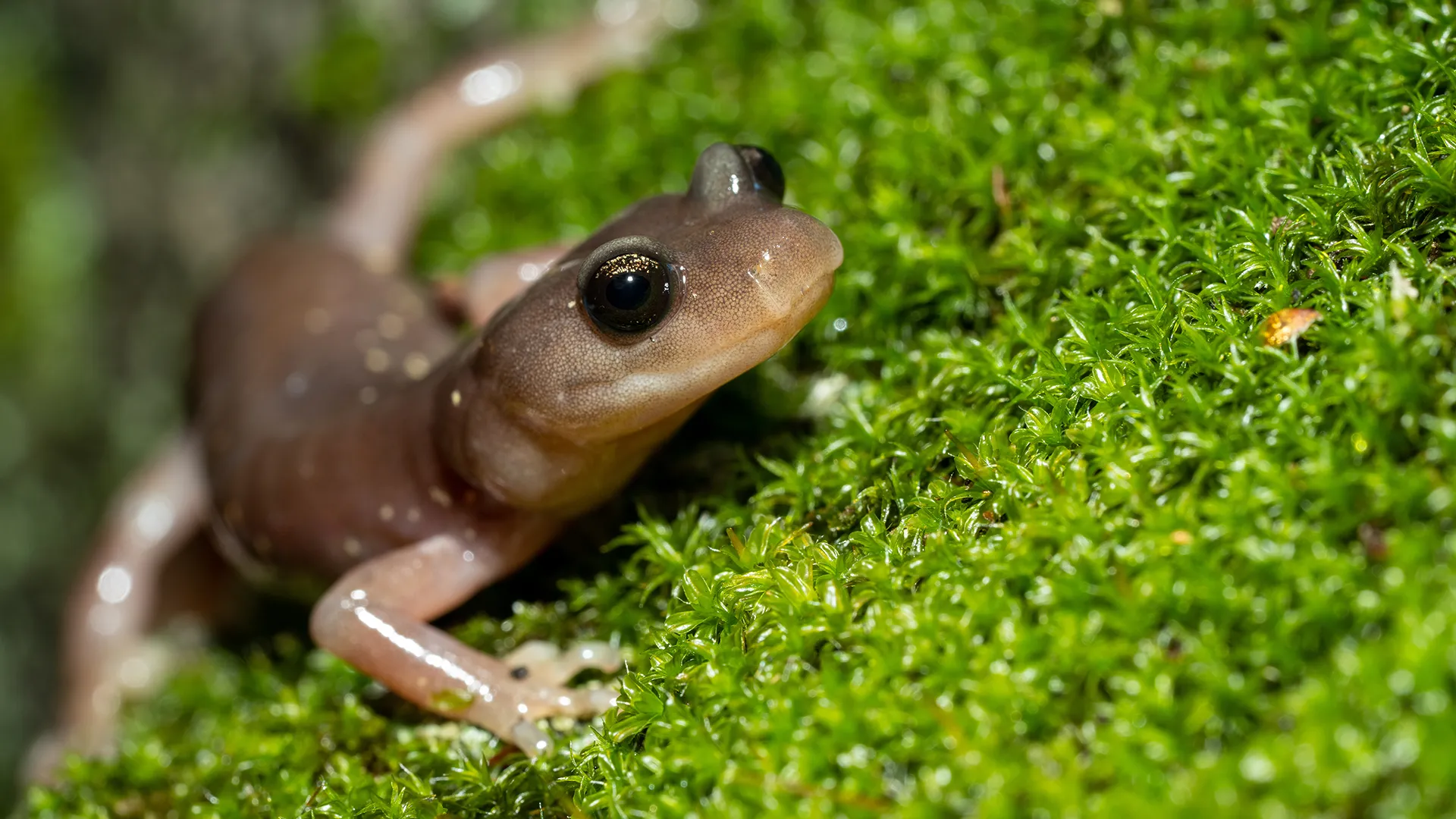
Monster salamander with powerful jaws unearthed in Tennessee fossil find

A giant, strong-jawed salamander once tunneled through ancient Tennessee soil. And thanks to a fossil unearthed near East Tennessee State University, scientists now better understand how it helped shape Appalachian amphibian diversity. The giant plethodontid salamander now joins the remarkable roster of fossils from the Gray Fossil Site & Museum.…

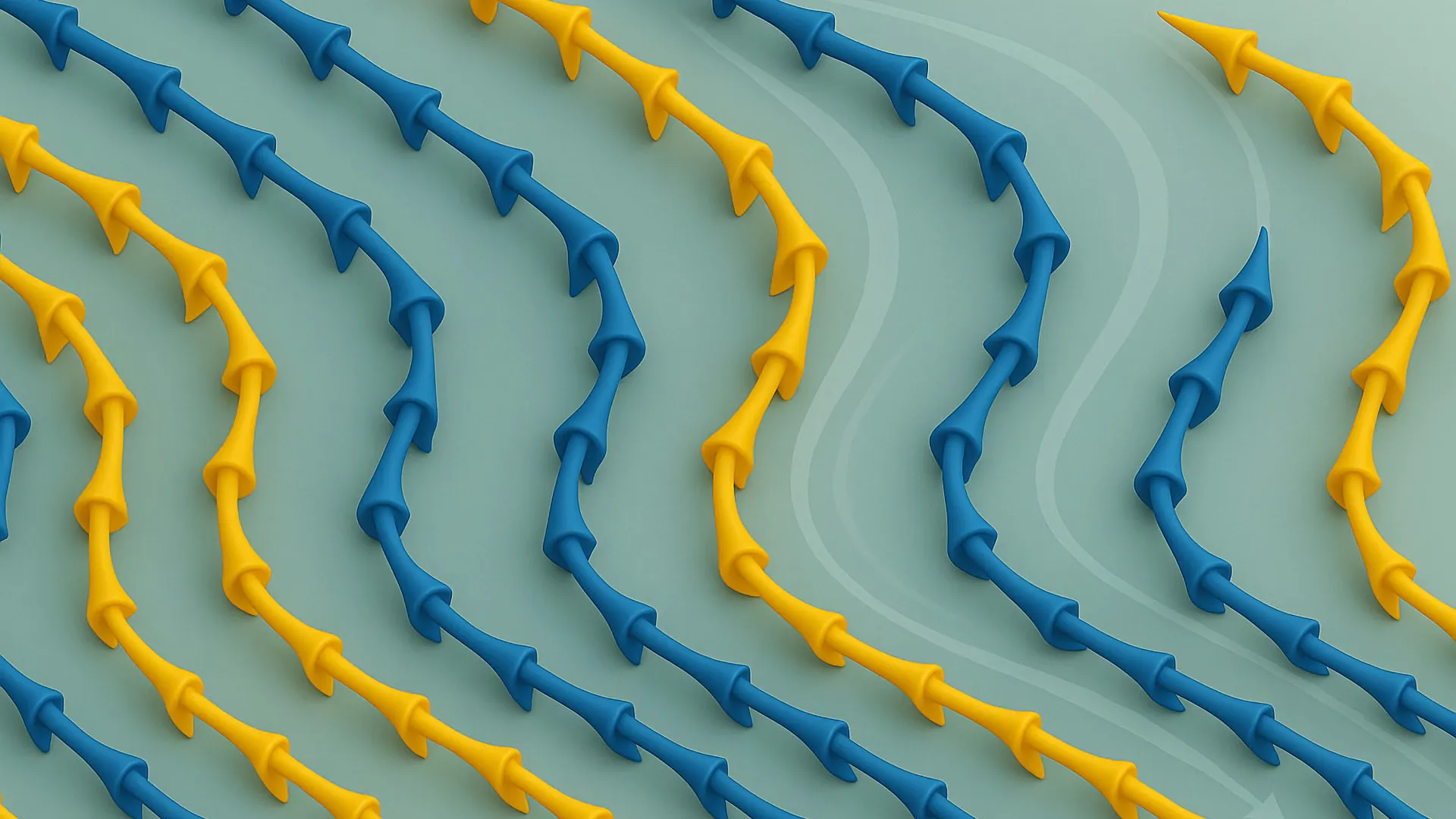
Saving energy: New method guides magnetism without magnets

Researchers at Paul Scherrer Institute PSI have demonstrated an innovative method to control magnetism in materials using an energy-efficient electric field. The discovery focuses on materials known as magnetoelectrics, which offer promise for next-generation energy technologies, data storage, energy conversion, and medical devices. The findings are published in the journal…

Heavy particles, big secrets: What happened right after the Big Bang

An international team of scientists has published a new report that moves towards a better understanding of the behaviour of some of the heaviest particles in the universe under extreme conditions, which are similar to those just after the big bang. The paper, published in the journal Physics Reports, is…

Cozmic’s Milky Way clones are cracking the universe’s dark code

A USC-led research team has created a series of supercomputer-simulated twins of our Milky Way galaxy — which could help scientists unlock new answers about one of the biggest mysteries in the universe: dark matter, the invisible substance that makes up about 85% of all matter in existence. The research…

Rainbow reefs revealed: The secret 112-million-year saga of glowing fish

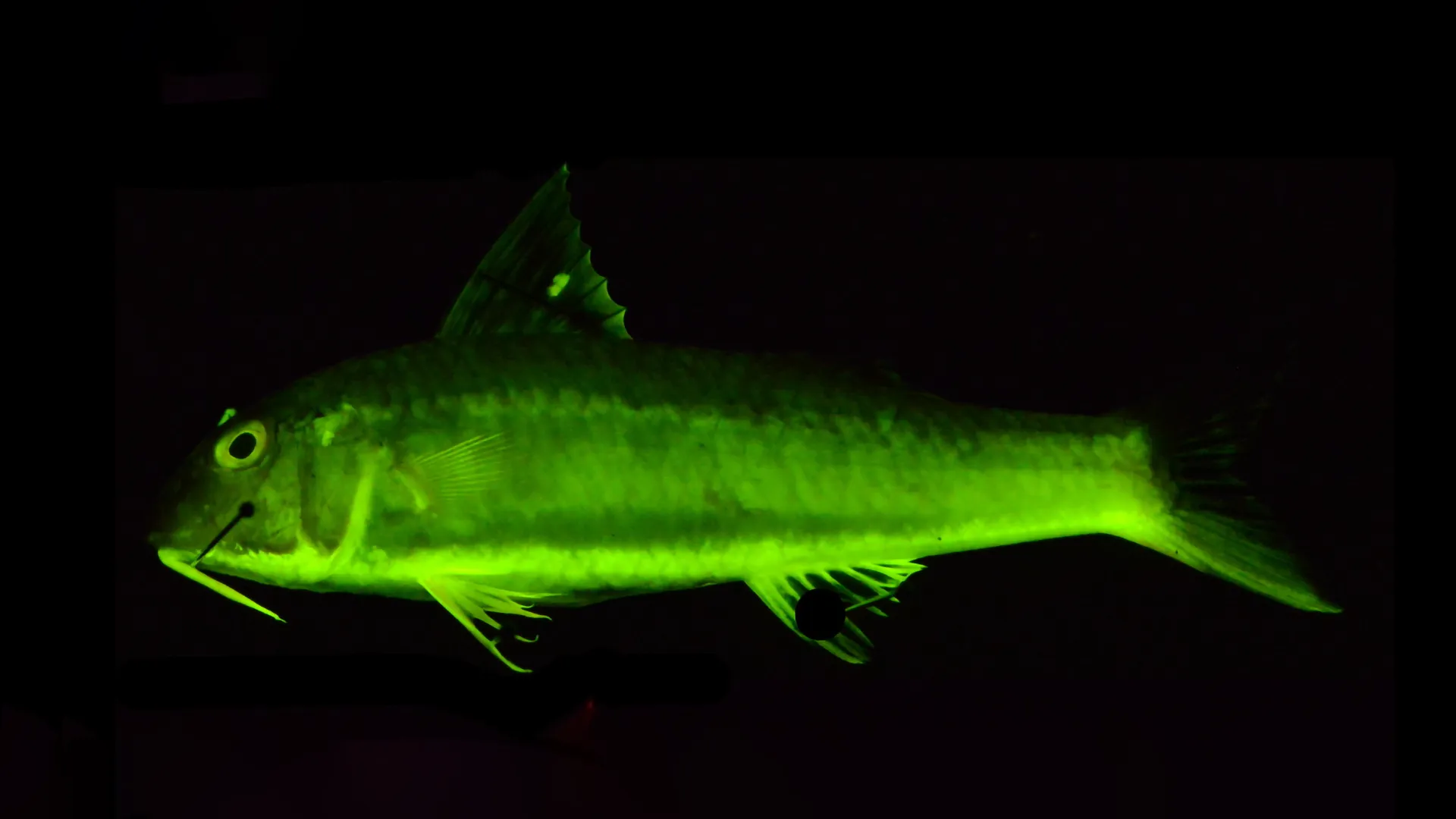
New research led by scientists at the American Museum of Natural History sheds light on the ancient origins of biofluorescence in fishes and the range of brilliant colors involved in this biological phenomenon. Detailed in two complementary studies recently published in Nature Communications and PLOS One, the findings suggest that…

Clever worms form superorganism towers to hitch rides on insects

Nematodes are the most abundant animal on earth, but when times get tough, these tiny worms have a hard time moving up and out. So, they play to the strength of their clade. If food runs out and competition turns fierce, they slither towards their numerous kin. They climb onto…

Black coffee, longer life: The science behind your morning perk

While you’re probably not pouring your morning cup for the long-term health benefits, coffee consumption has been linked to lower risk of mortality. In a new observational study, researchers from the Gerald J. and Dorothy R. Friedman School of Nutrition Science and Policy at Tufts University found the association between…

Robots that feel heat, pain, and pressure? This new “skin” makes it possible

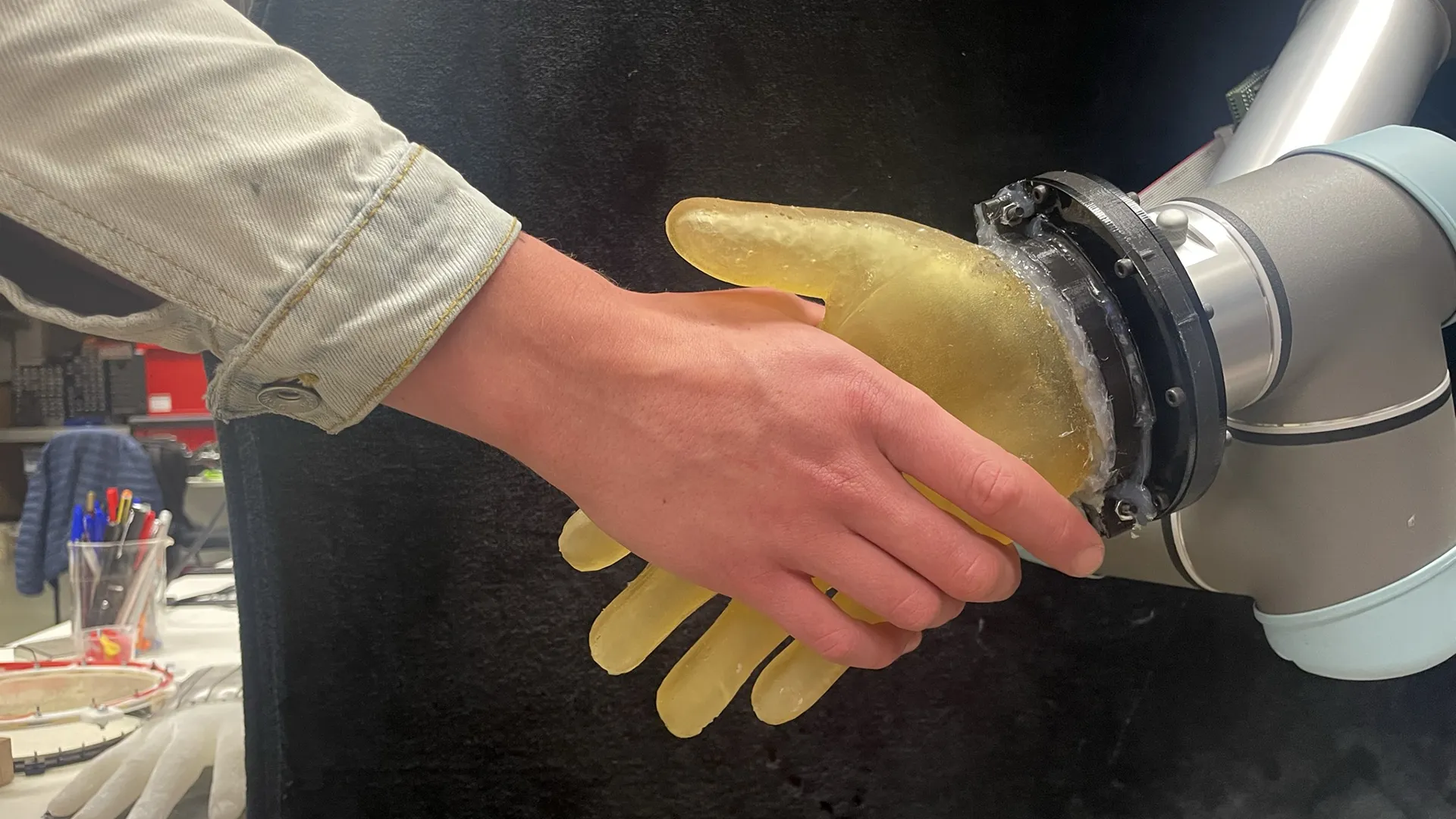
Scientists have developed a low-cost, durable, highly-sensitive robotic ‘skin’ that can be added to robotic hands like a glove, enabling robots to detect information about their surroundings in a way that’s similar to humans. The researchers, from the University of Cambridge and University College London (UCL), developed the flexible, conductive…

Cluck once, and the river shakes: Inside the Amazon’s giant snake saga

As a child, I was fascinated by reports and documentaries about field research and often wondered what it took to be there and what kind of knowledge was being produced. Later, as an ecologist, I felt the need for approaches that better connected scientific research with real-world contexts. I became…

Tiny orange beads found by Apollo astronauts reveal moon’s explosive past

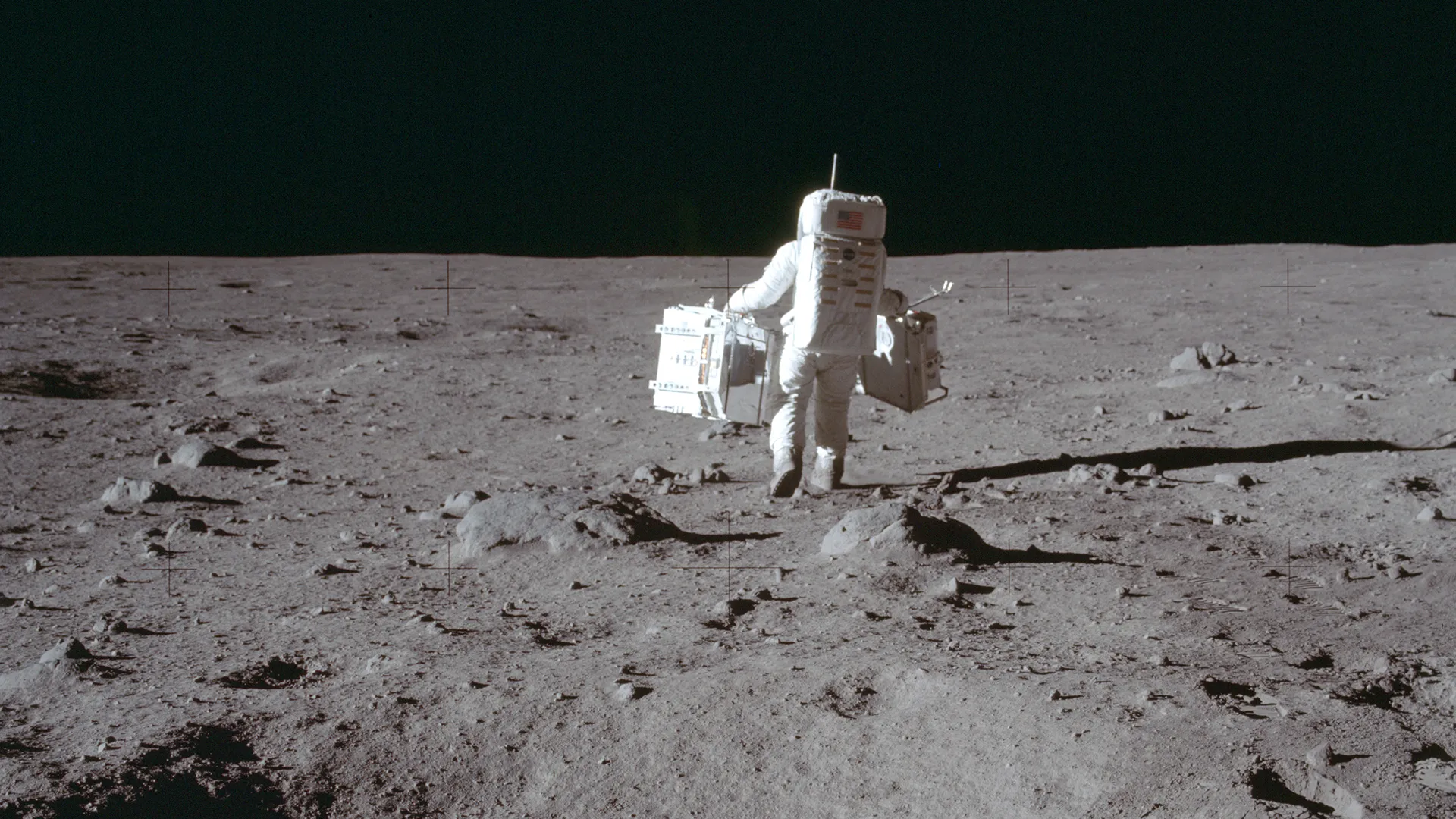
The Apollo astronauts didn’t know what they’d find when they explored the surface of the moon, but they certainly didn’t expect to see drifts of tiny, bright orange glass beads glistening among the otherwise monochrome piles of rocks and dust. The beads, each less than 1 mm across, formed some…

The invisible killer: PM 1 pollution uncovered across America

Air pollution causes health problems and is attributable to some 50,000 annual deaths in the United States, but not all air pollutants pack the same punch. Scientists have tracked the scope of “PM 2.5” pollution over decades. PM 2.5 is a size of “particulate matter” that is less than 2.5…

600-million-year-old body blueprint found in sea anemones

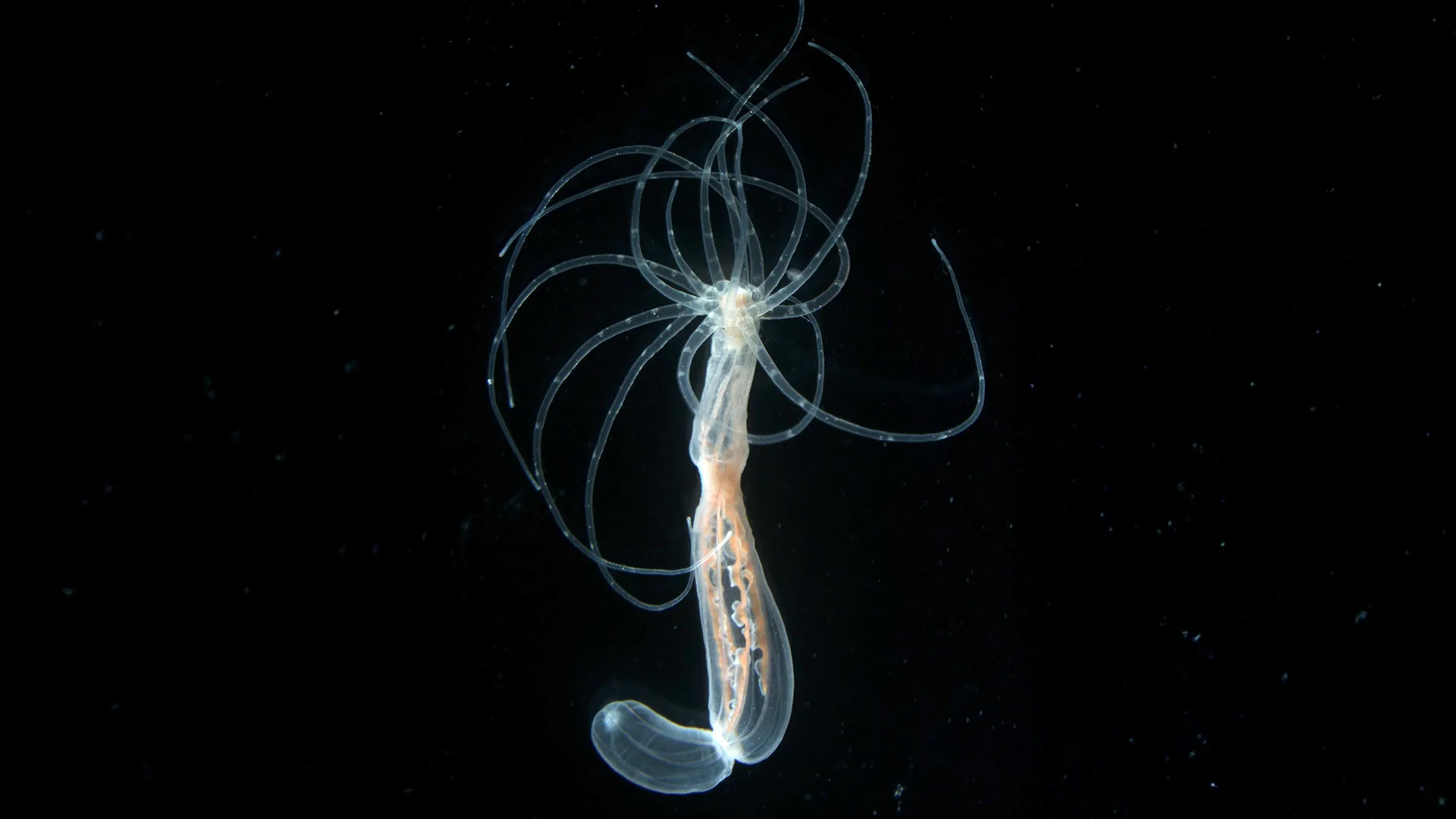
A new study from the University of Vienna reveals that sea anemones use a molecular mechanism known from bilaterian animals to form their back-to-belly body axis. This mechanism (“BMP shuttling”) enables cells to organize themselves during development by interpreting signaling gradients. The findings, published in Science Advances, suggest that this…

Only 13 % know: The one-minute self-exam that could save young men’s lives

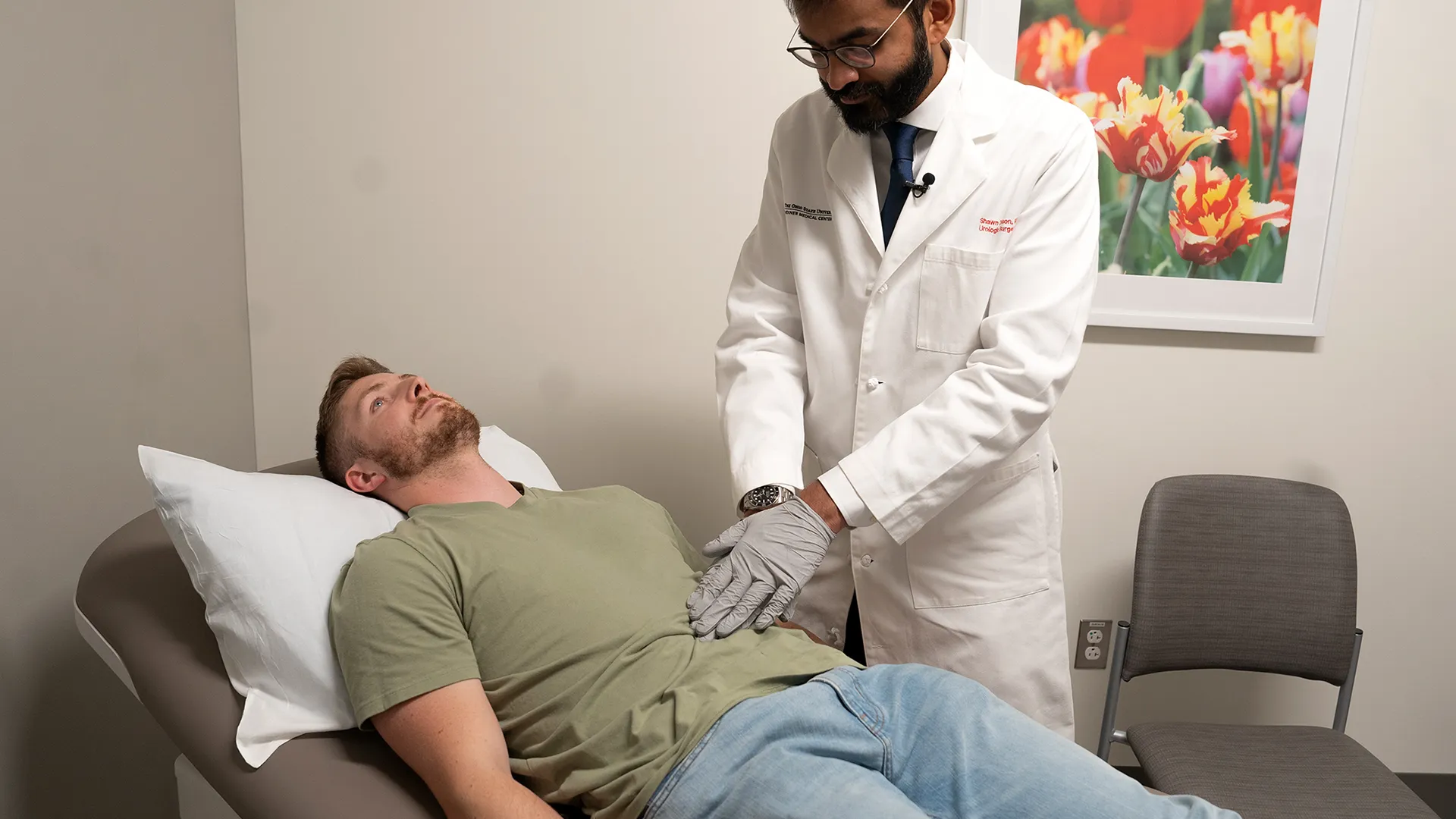
A recent survey commissioned by The Ohio State University Comprehensive Cancer Center — Arthur G. James Cancer Hospital and Richard J. Solove Research Institute (OSUCCC — James) focused on Americans’ perceptions of testicular cancer. The results suggest more can be done to educate the public about the disease, which affects…

Magnetic mayhem at the sun’s poles: First images reveal a fiery mystery

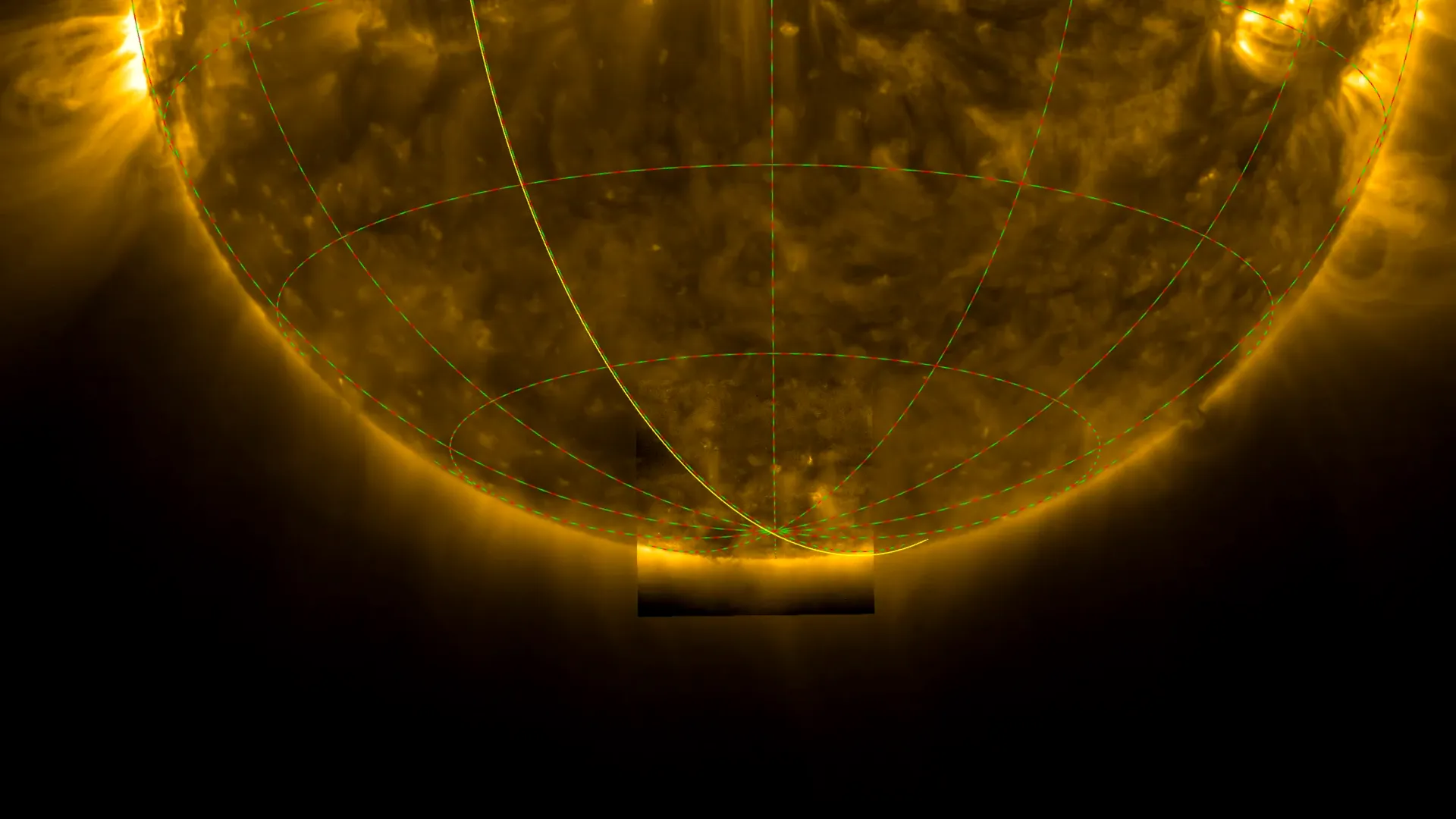
Thanks to its newly tilted orbit around the Sun, the European Space Agency-led Solar Orbiter spacecraft is the first to image the Sun’s poles from outside the ecliptic plane. Solar Orbiter’s unique viewing angle will change our understanding of the Sun’s magnetic field, the solar cycle and the workings of…

Your brain has a hidden beat — and smarter minds sync to it

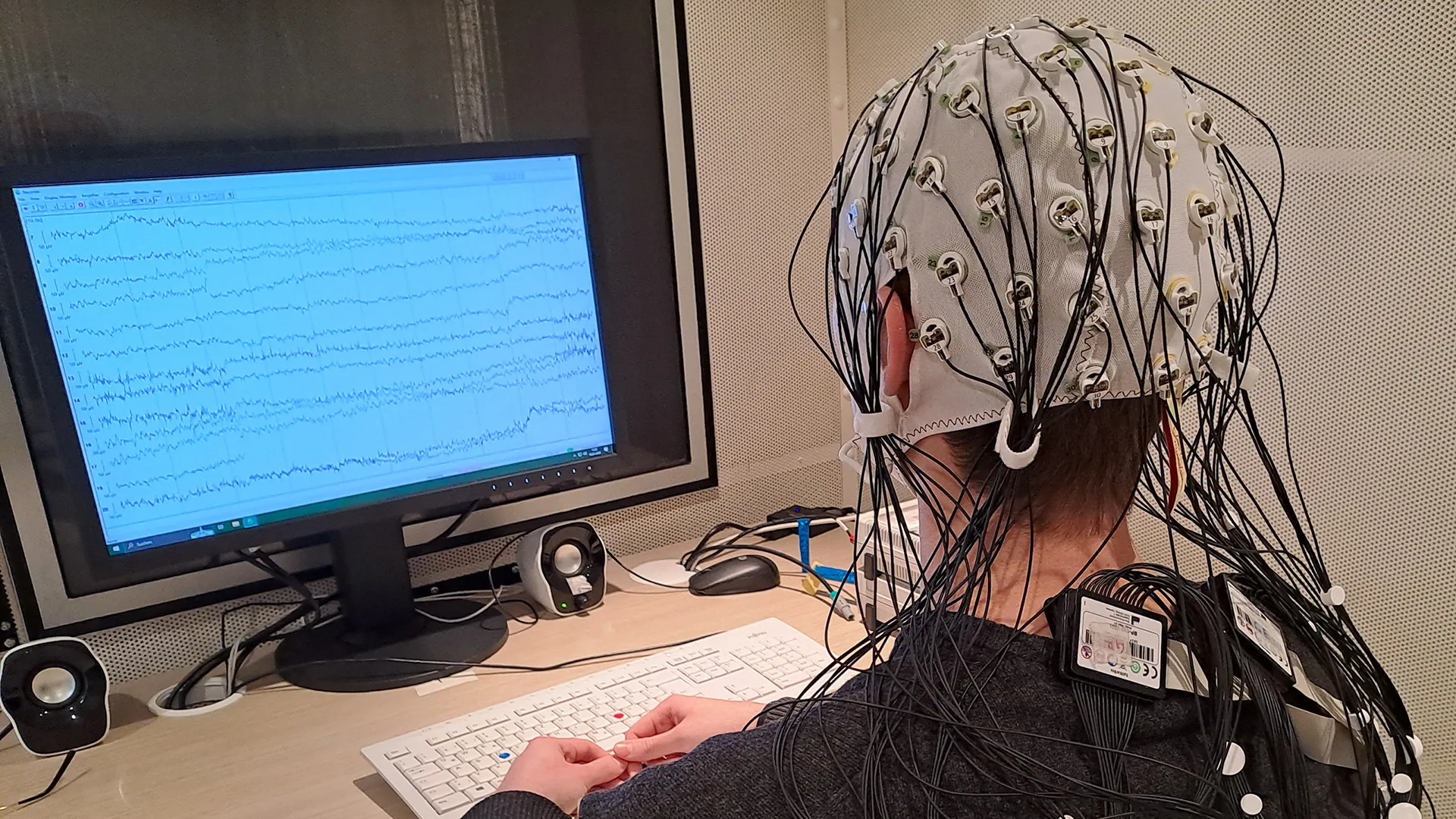
When the brain is under pressure, certain neural signals begin to move in sync – much like a well-rehearsed orchestra. A new study from Johannes Gutenberg University Mainz (JGU) is the first to show how flexibly this neural synchrony adjusts to different situations and that this dynamic coordination is closely…