
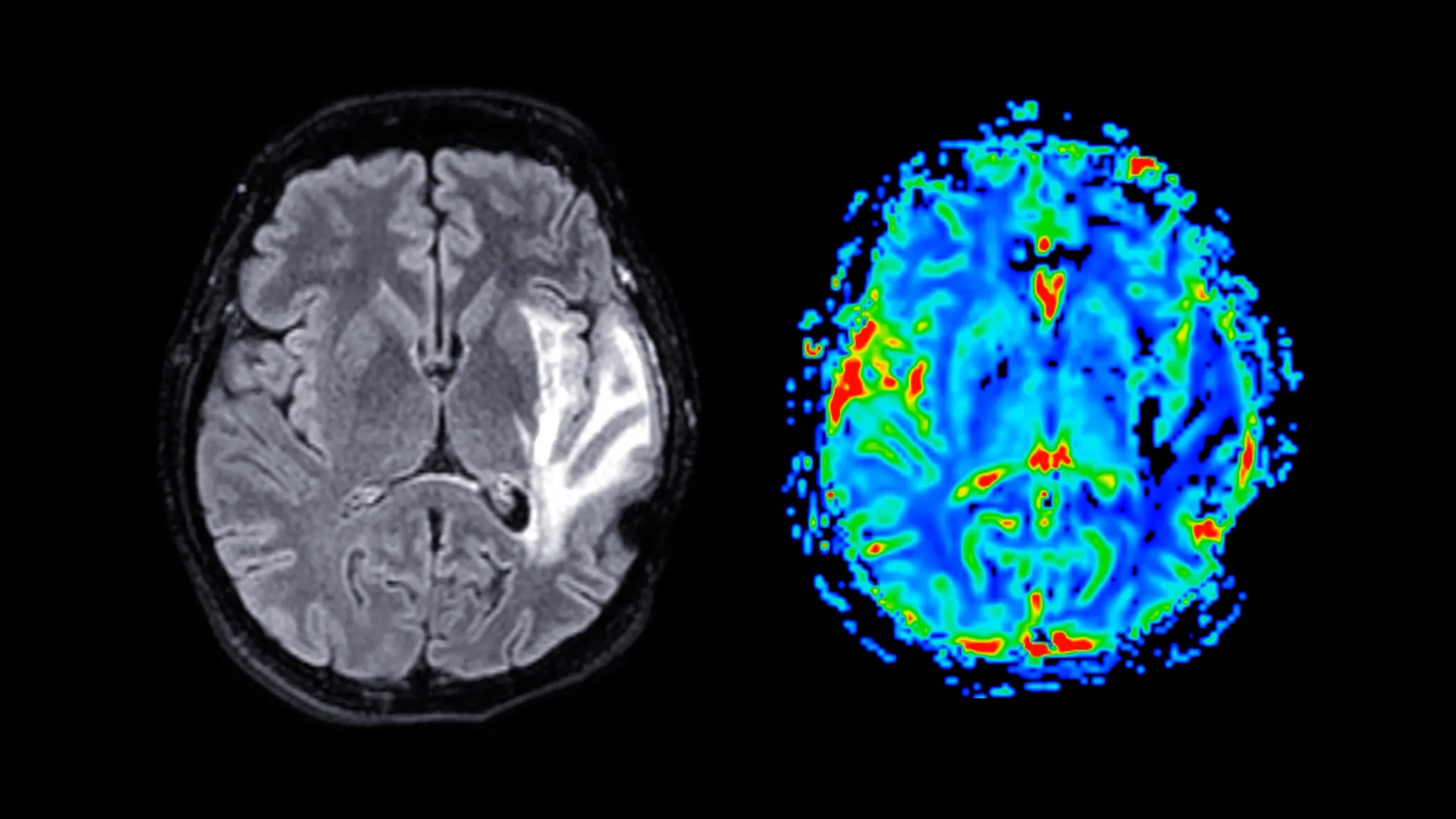
People who have obesity and high blood pressure may be more likely to develop dementia, according to new research published in The Journal of Clinical Endocrinology & Metabolism.
Dementia is an increasing global public health concern, and there is currently no cure. People affected by the condition experience a serious decline in mental abilities, including memory, thinking, and reasoning, which can significantly interfere with daily life.
What Dementia Is and How It Progresses
Dementia refers to a group of brain disorders rather than a single disease. The most common forms are Alzheimer’s disease, vascular dementia, and mixed dementia. These conditions gradually damage nerve cells in the brain, and symptoms worsen over time. As the disease progresses, people may struggle with memory, language, problem-solving, and changes in behavior.
Study Finds Direct Causes of Dementia
“In this study, we found high body mass index (BMI) and high blood pressure are direct causes of dementia,” said study author Ruth Frikke-Schmidt, M.D., Ph.D., Professor and Chief Physician at Copenhagen University Hospital — Rigshospitalet and the University of Copenhagen in Copenhagen, Denmark. “The treatment and prevention of elevated BMI and high blood pressure represent an unexploited opportunity for dementia prevention.”
To reach these conclusions, researchers analyzed data from participants in Copenhagen and the U.K. Their findings showed that higher body weight is not simply associated with dementia but plays a causal role in its development.
How Genetic Data Helped Establish Cause and Effect
The researchers were able to demonstrate a direct link between high BMI and dementia by using a Mendelian randomization study design, which closely resembles a randomized controlled trial. In this approach, common genetic variants that lead to higher BMI are used as stand-ins for BMI altering medications.
In drug trials, participants are randomly assigned to receive either an active treatment or a placebo. Similarly, genetic variants that increase BMI and those that do not are randomly passed from parents to children. Because this process is random, it allows scientists to see how BMI affects disease outcomes without interference from other factors that can cloud results.
This method enabled the research team to clearly identify high BMI as a direct cause of increased dementia risk.
Blood Pressure Plays a Key Role
The analysis also revealed that much of the elevated dementia risk linked to obesity appears to be driven by high blood pressure. This finding suggests that preventing or treating both obesity and hypertension could lower the risk of developing dementia later in life.
“This study shows that high body weight and high blood pressure are not just warning signs, but direct causes of dementia,” Frikke-Schmidt said. “That makes them highly actionable targets for prevention.”
Implications for Early Prevention
Researchers noted that weight-loss medications have already been tested in people with early-stage Alzheimer’s disease, but these treatments did not slow cognitive decline once symptoms had begun. However, the timing of intervention may be critical.
“Weight-loss medication has recently been tested for halting cognitive decline in early phases of Alzheimer’s disease, but with no beneficial effect. An open question that remains to be tested is if weight-loss medication initiated before the appearance of cognitive symptoms may be protective against dementia. Our present data would suggest that early weight-loss interventions would prevent dementia, and especially vascular-related dementia,” she continued.
Study Authors and Funding Sources
Other study authors include Liv Tybjærg Nordestgaard of Copenhagen University Hospital — Rigshospitalet and the University of Bristol in Bristol, England; Jiao Luo, Frida Emanuelsson, and Mette Christoffersen of Copenhagen University Hospital — Rigshospitalet; Genevieve Leyden, Eleanor Sanderson, and George Davey Smith of the University of Bristol; Børge Nordestgaard and Shoaib Afzal of Copenhagen University Hospital – Herlev Gentofte and the University of Copenhagen; and Marianne Benn and Anne Tybjærg-Hansen of Copenhagen University Hospital — Rigshospitalet and the University of Copenhagen.
The study was funded by the Independent Research Fund Denmark, the Capital Region of Denmark, the Lundbeck Foundation, Hjerteforeningen, and Sygeforsikringen Danmark.
The paper, titled “High Body Mass Index as a Causal Risk Factor for Vascular-related Dementia a Mendelian Randomization Study,” was published online ahead of print.