

Type 2 diabetes breakthrough as 54% achieve remission in just 6 months

A carefully structured combination of diet and exercise may offer a powerful way to put type 2 diabetes into remission in younger adults. In a new clinical trial, more than half of participants who followed an intensive lifestyle program achieved remission within just six months, compared with only 4% of…

Physicists created a tiny universe and watched time emerge without a clock

What if time is not a fundamental part of the universe, but something that emerges from the changes taking place inside it? A physicist at the University of Birmingham has created a miniature universe in the laboratory that offers a surprising new way to investigate this possibility. Using thousands of…

The asteroid killed the dinosaurs. Why did crocodiles survive?

Why did crocodiles survive the asteroid impact that wiped out the dinosaurs 66 million years ago? New research suggests that their preference for warm environments may have given them a crucial advantage during one of Earth’s greatest mass extinctions. Scientists led by UCL (University College London) found that crocodiles and…

A computer scientist breaks through a limit that stood since 1996

Finding the shortest route between two locations is something navigation apps like Google Maps do every day. Behind the scenes, sophisticated algorithms analyze networks of roads and intersections to identify efficient paths. But what if a computer needed to calculate the shortest distance between every possible pair of locations in…

Hubble reveals a stunning twist in how the universe emerged from darkness

A surprising discovery made with NASA’s Hubble Space Telescope is challenging a leading explanation for how the early universe emerged from darkness. The findings suggest that powerful explosions from dying stars may have actually interfered with a process scientists once believed they helped drive. An international research team, including astronomers…

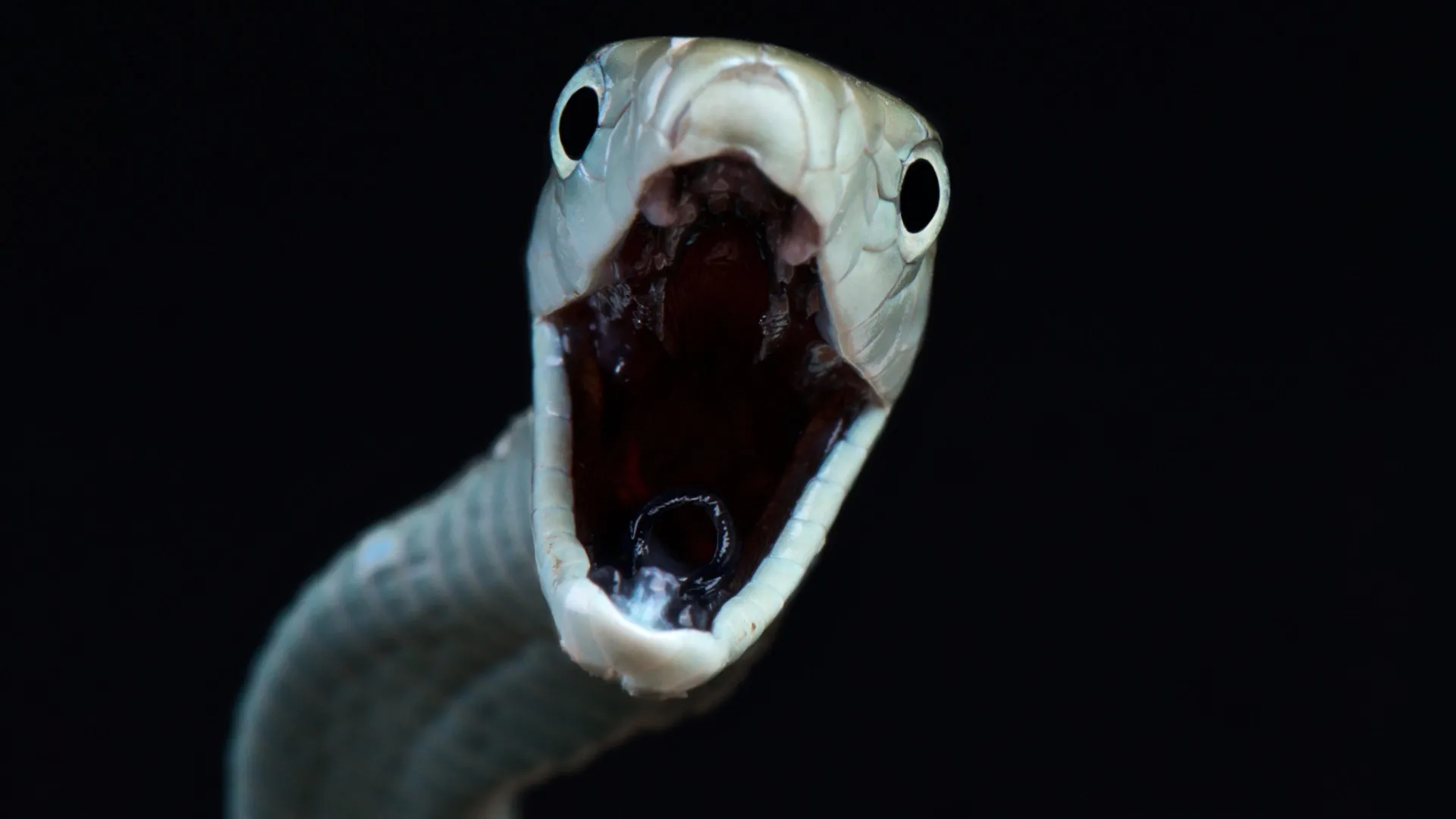
Scientists reveal a hidden snakebite crisis killing up to 513,000 people a year

Not every snakebite injects venom. When venom enters the body, however, it can cause snake envenoming. This is a potentially fatal condition and it mostly affects poor rural communities across tropical and subtropical regions who don’t have easy access to medical care. As researchers with decades of combined experience in…

Why some “lower-risk” childhood cancers turn deadly

Some childhood cancers may be far more dangerous than their initial risk classification suggests. Scientists have discovered that certain tumors considered less threatening can contain hidden populations of highly aggressive cancer cells, potentially explaining why some children experience devastating outcomes despite lacking the usual genetic warning signs. The discovery could…