

This discovery could let bones benefit from exercise without moving

Researchers from the Department of Medicine at the School of Clinical Medicine, LKS Faculty of Medicine, University of Hong Kong (HKUMed) have identified a biological process that explains how physical activity helps maintain strong bones. The discovery could lead to new treatments for osteoporosis and bone loss, particularly for people…

Scientists may have been wrong about what causes asthma

For many years, scientists believed they had a clear picture of what causes asthma. The condition has been linked to inflammation in the lungs that narrows the airways and makes breathing difficult. That inflammation was widely attributed to molecules known as “leukotrienes.” These chemicals are released by white blood cells…

Keto diet weight loss may come with a hidden cost

Researchers from University of Utah Health have published new findings in Science Advances that examine the long-term effects of the ketogenic diet. The results raise fresh questions about whether the diet is safe or effective for improving metabolic health over extended periods. Although the ketogenic diet was first developed as…

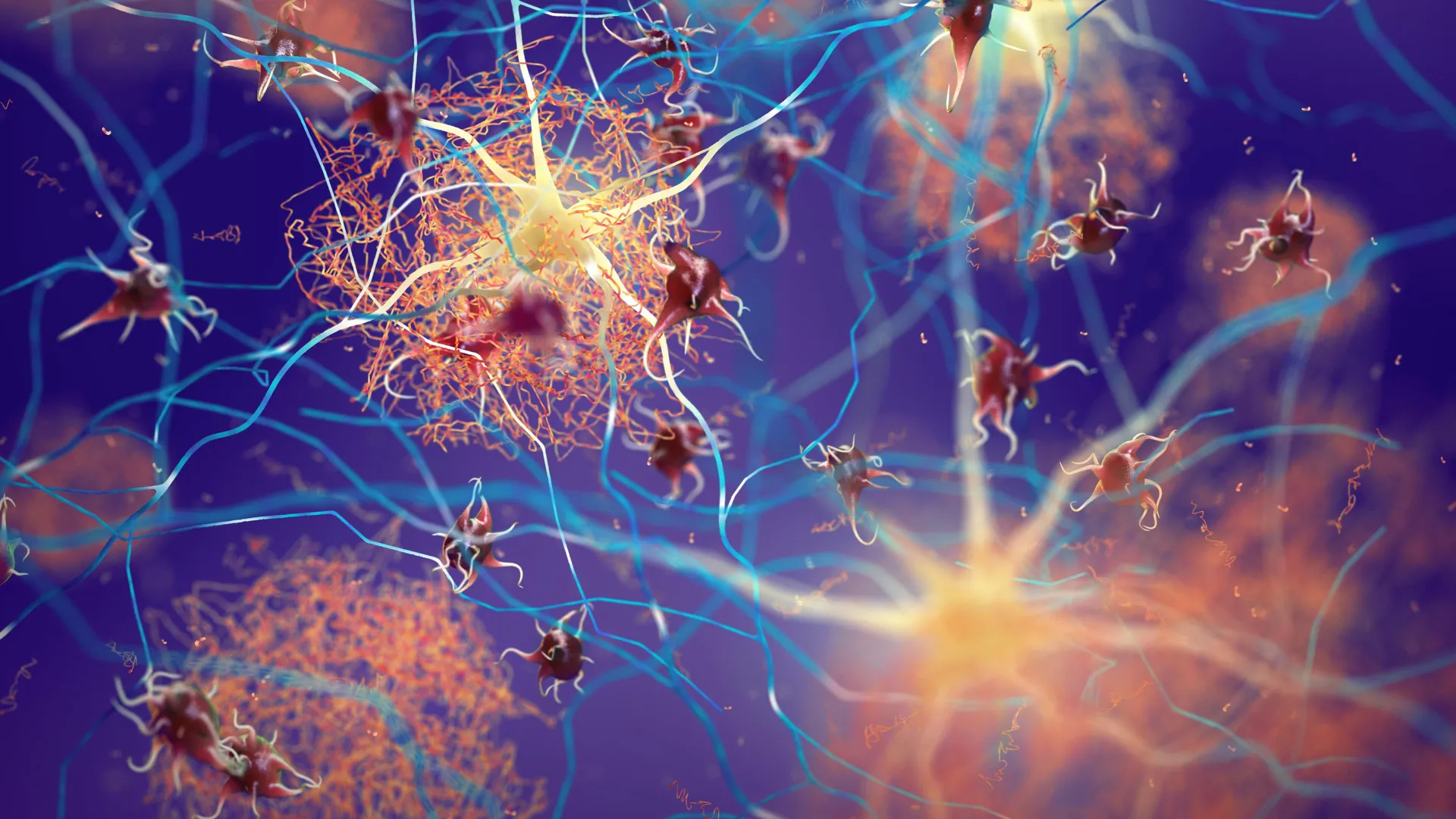
Scientists found a survival switch inside brain cells

Most cells in the human body can replace themselves after damage. Neurons, the cells that power the nervous system, usually cannot. Once injured, they rarely generate healthy replacements. Following events such as strokes, concussions, or neurodegenerative diseases, neurons and their axons are much more likely to deteriorate than to repair…

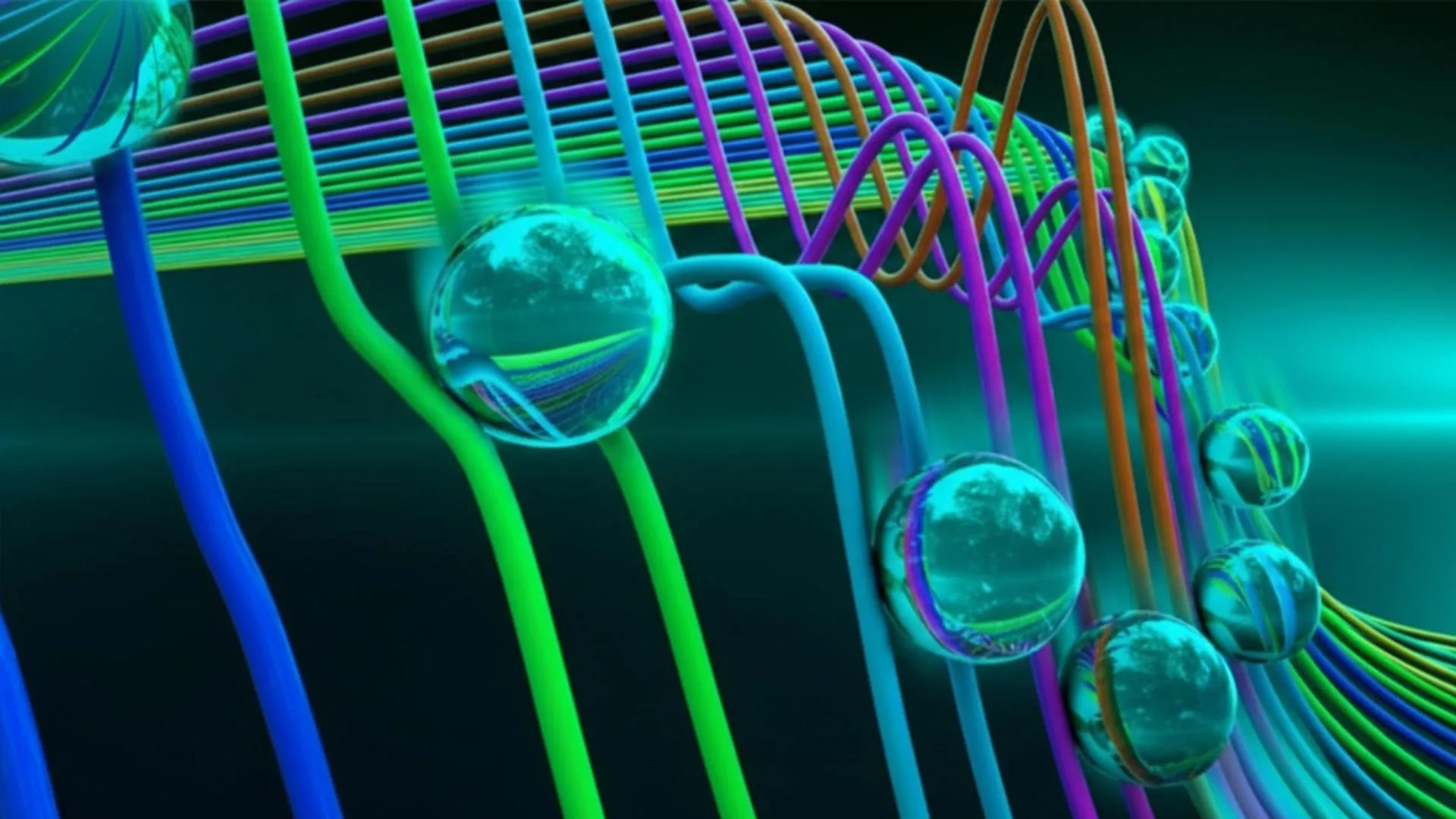
Scientists say quantum tech has reached its transistor moment

Quantum technology is rapidly moving beyond controlled laboratory experiments and into practical use. According to a new paper published in Science, the field has reached a critical phase that mirrors the early era of classical computing before the invention of the transistor reshaped modern technology. The paper was written by…

Strange white rocks on Mars hint at millions of years of rain

Small, pale rocks scattered across Mars’ reddish surface are offering fresh clues that parts of the planet may once have been far wetter than they are today. These light-colored spots stand out sharply against the surrounding terrain and suggest that some regions of Mars once hosted humid environments with frequent…

Scientists finally explain Earth’s strangest fossils

Creatures without hard shells or bones, such as jellyfish, almost never survive in the fossil record. Preservation becomes even more difficult in sandstone, a rock made of coarse grains that allow water to pass through easily and typically forms in turbulent environments shaped by waves and storms. These conditions usually…

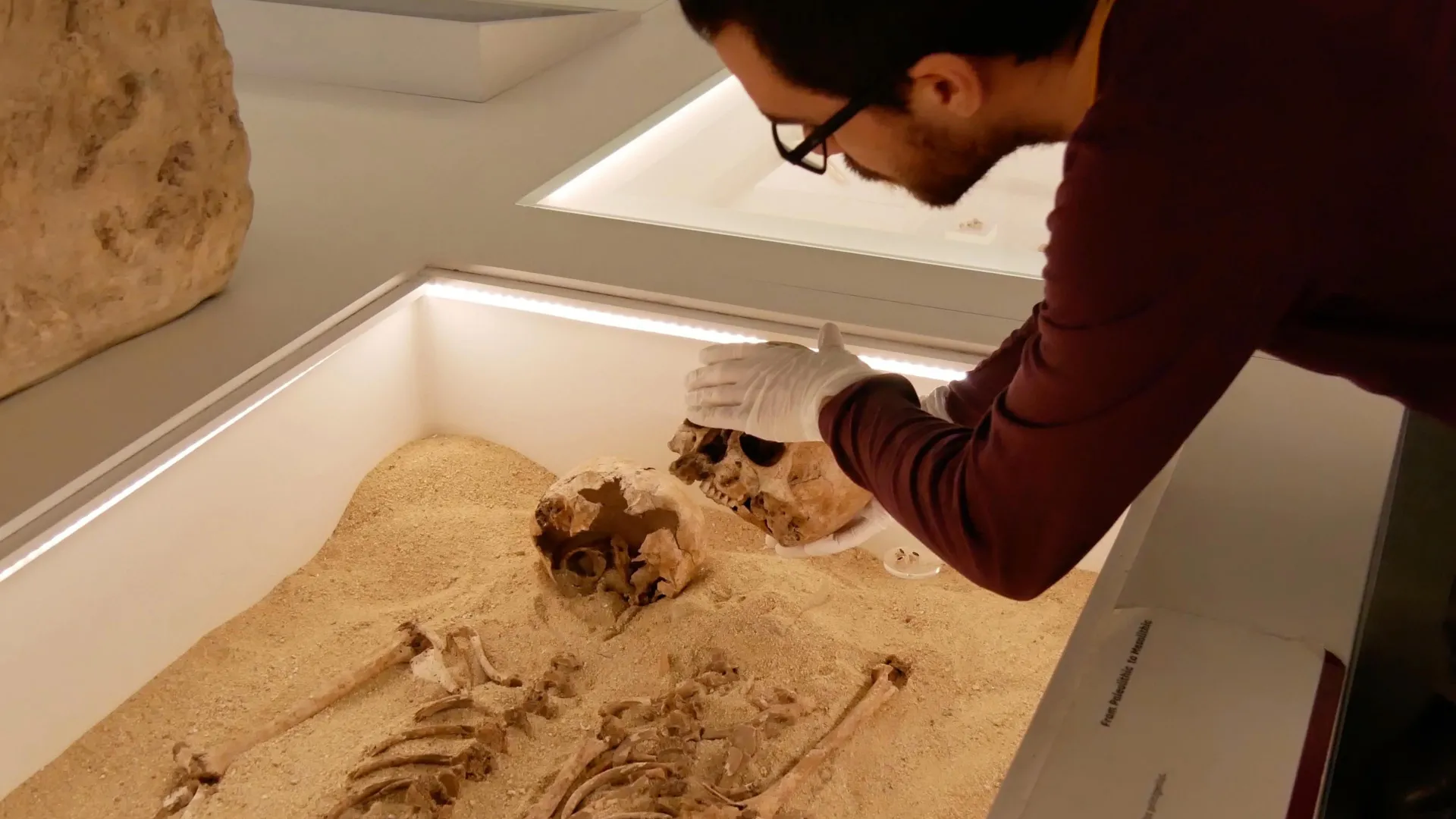
A century-old Stonehenge mystery may finally be solved

New research from Curtin University offers the clearest scientific support so far that people, rather than glaciers, carried Stonehenge’s well known bluestones to the ancient monument. The findings take aim at one of archaeology’s longest running debates and add weight to the idea that the stones were deliberately moved by…

These common food preservatives may be linked to cancer

A large study from France published by The BMJ reports that people who consume higher amounts of food preservatives may face a slightly increased risk of developing cancer. These additives are commonly used in industrially processed foods and drinks to extend shelf life. The researchers emphasize that more studies are…

The type of carbs you eat may affect dementia risk

New research suggests that both the amount and the type of carbohydrates people eat may strongly influence their risk of developing dementia. The findings come from a collaborative study conducted by the Nutrition and Metabolic Health (NuMeH) research group at the Universitat Rovira i Virgili (URV), the Centre for Environmental,…

A hidden magnetic order could unlock superconductivity

Physicists have identified an unexpected connection between magnetism and the pseudogap, a puzzling phase of matter that appears in some quantum materials just before they become superconducting. This insight could help researchers develop new materials with valuable properties, including high-temperature superconductivity, where electricity travels without energy loss. The discovery came…

Obesity and high blood pressure may directly cause dementia

People who have obesity and high blood pressure may be more likely to develop dementia, according to new research published in The Journal of Clinical Endocrinology & Metabolism. Dementia is an increasing global public health concern, and there is currently no cure. People affected by the condition experience a serious…