
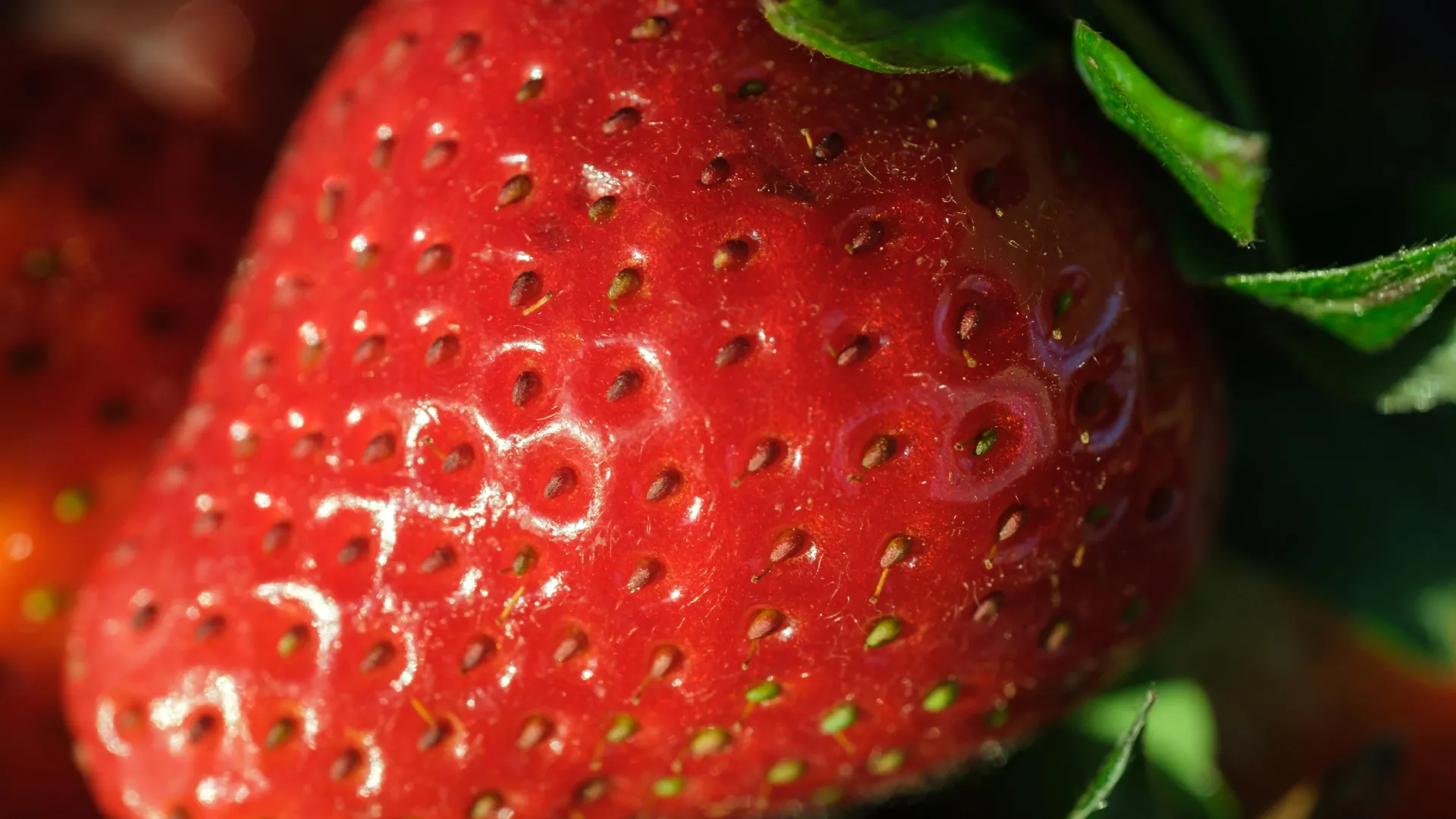
Improving the quality of fruit while preserving normal plant growth has long been a difficult goal in agriculture. New research suggests this balance may be easier to achieve than previously thought. Scientists found that increasing the activity of a conserved “housekeeping” gene can enhance both the nutritional value and sensory appeal of fruit. By boosting the expression of a gene linked to tRNA, the team increased levels of anthocyanins and terpenoids, compounds that contribute to color, aroma, and antioxidant properties. These improvements occurred without any measurable changes in plant development, fruit size, or sugar levels. The results point to an unexpected role for genes typically associated with basic cellular maintenance, suggesting they can also influence key metabolic traits in fruit.
Compounds such as anthocyanins and terpenoids are essential for fruit color, flavor, aroma, and overall nutritional value. However, attempts to increase these compounds often create unwanted side effects. This is because their production is closely tied to plant hormones. Cytokinins, for example, regulate both plant growth and secondary metabolism, so altering their levels can change plant structure and growth patterns.
A lesser-known group of cytokinin-related genes called tRNA-type isopentenyl transferases has received little attention. These genes are generally considered to serve routine cellular functions rather than actively regulate plant traits. Whether they could improve fruit quality without interfering with growth was not well understood, making them an intriguing target for further study.
A Hidden Gene With Big Effects
Researchers from Nanjing Agricultural University and the University of Connecticut, publishing in Horticulture Research, explored this possibility using woodland strawberries. They focused on a housekeeping gene called FveIPT2. By engineering plants to produce higher levels of this gene, they observed a clear improvement in fruit quality.
The modified plants produced significantly more anthocyanins and terpenoids in ripe fruit, yet showed no differences in growth, fruit size, or sugar content compared to normal plants. This finding challenges the long-held view that housekeeping genes play only passive roles and highlights their potential in crop improvement.
No Impact on Growth or Development
FveIPT2 is involved in tRNA modification and is linked to the production of cis-zeatin, a type of cytokinin. Unlike other cytokinin-related genes that strongly influence plant growth, increasing FveIPT2 activity caused only minor changes in overall cytokinin levels. The plants developed normally, with no visible abnormalities. They flowered and produced fruit as expected, and there were no changes in fruit weight, shape, or sweetness.
Richer Color, Stronger Aroma, Better Nutrition
Even though plant growth remained stable, the chemical makeup of the fruit changed substantially. Levels of anthocyanins, flavonoids, and phenolic compounds all increased, giving the fruit a deeper red color. Detailed analysis showed significant rises in nine specific anthocyanins, including compounds derived from cyanidin and pelargonidin that are known for their antioxidant properties.
At the same time, nearly half of the detected terpenoids increased. These included monoterpenoids, sesquiterpenoids, and triterpenoids, which play important roles in aroma and flavor.
Improved Flavor Profile
The changes were not limited to color and nutrition. Aromatic compounds associated with pleasant floral notes, such as linalool, became more abundant. Meanwhile, compounds linked to harsher, resin-like odors decreased. Gene expression studies confirmed that key pathways responsible for producing and transporting these compounds were more active.
Together, the findings show that FveIPT2 can selectively enhance fruit chemistry without triggering the typical hormone-driven changes that affect growth.
Rethinking “Housekeeping” Genes
“This study shows that genes we usually think of as ‘housekeeping’ can have surprisingly specific and valuable effects,” the researchers noted. “By targeting a tRNA-type gene rather than classical hormone regulators, we were able to improve fruit color, aroma, and nutritional compounds without the growth penalties that often accompany metabolic engineering. These findings suggest that basic cellular pathways may quietly shape fruit quality, offering breeders new tools that are both effective and biologically gentle.”
A New Path for Crop Improvement
The results position FveIPT2 as a promising target for improving fruit quality in strawberries and possibly other crops. Because this approach boosts beneficial pigments and aroma compounds without reducing yield or plant vigor, it could be especially useful for developing high-quality produce.
More broadly, the research challenges the idea that housekeeping genes are only involved in routine cellular processes. By revealing their influence on secondary metabolism, the study points to new strategies for enhancing crops in ways that maintain both productivity and quality.