
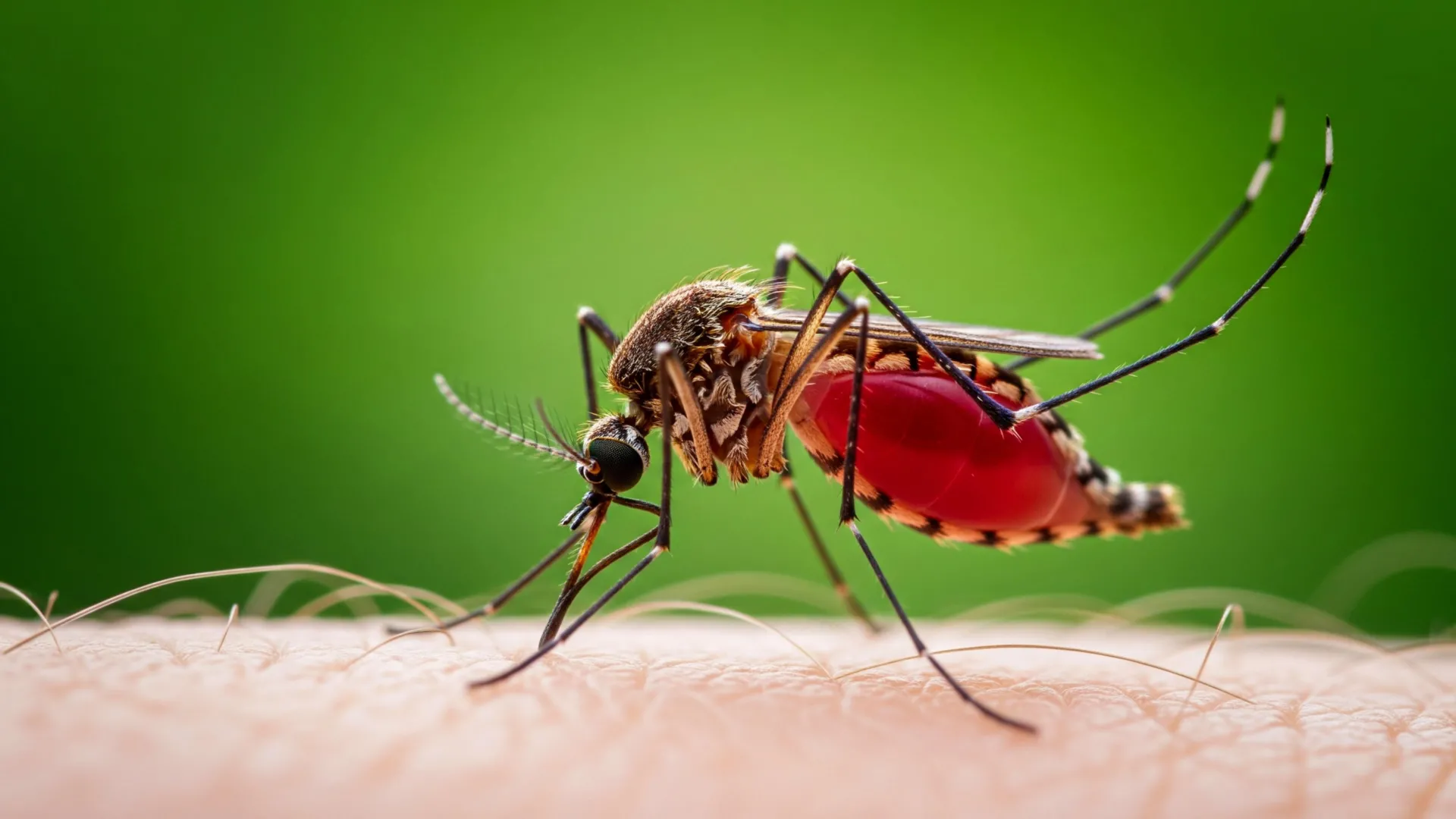
Some people seem to attract mosquitoes wherever they go, but new research reveals that being a mosquito magnet depends on which species is doing the biting.
In a study published in iScience, researchers at Florida International University (FIU) tested how three of the world’s most dangerous mosquito species responded to 119 human volunteers. Surprisingly, not a single participant attracted all three species. Instead, each species favored a different group of people, largely based on their individual body chemistry and natural skin odors.
The discovery could change how scientists approach the prevention of mosquito-borne diseases. Because different mosquito species respond to different chemical signals from human skin, researchers may eventually be able to create next-generation, species-specific repellents that offer more targeted protection.
“Isolating the components of human odor that attract or repel mosquitoes could lead to novel strategies to combat vector-borne diseases,” said Matthew DeGennaro, a neurogeneticist who leads the research team and directs the Biomolecular Sciences Institute at FIU, Miami’s state university.
Different Mosquito Species Prefer Different People
The researchers investigated three species responsible for spreading serious illnesses, including yellow fever, dengue, Zika, West Nile and other diseases. These were Aedes aegypti, Aedes albopictus (Asian tiger mosquito) and Culex quinquefasciatus (southern house mosquito).
Led by Ph.D. student Kaylee Marrero, the investigation was the first to directly compare how several mosquito species reacted to the same human participants. The findings revealed unexpected differences in the chemical and microbial signals each species appeared to use when choosing whom to bite.
“We didn’t expect the species to prefer different people when we started the study,” Marrero said. “Each species having a distinct microbial signature that they use as a cue was so surprising to me.”
Each mosquito species showed its own distinct preferences:
- Aedes aegypti: This species favored people who were not wearing added fragrances and whose skin contained lower levels of certain volatile chemical compounds. It typically bites during the day and showed a slight preference for men over women.
- Aedes albopictus: Also known as the Asian tiger mosquito, this daytime feeder was particularly attracted to people whose skin released higher levels of ketones and naturally occurring plant-like volatile compounds.
- Culex quinquefasciatus: Unlike the other two species, the southern house mosquito feeds after dark and appeared especially sensitive to the skin microbiome, the community of bacteria, fungi, and other microorganisms that naturally inhabit human skin. Certain bacterial families made people more attractive, while others seemed to discourage the mosquitoes from biting.
The Hidden Chemistry Behind Mosquito Attraction
Human body odor is far more complicated than it might seem. Our skin releases a mixture of more than 1,000 volatile organic compounds, many of which scientists have yet to fully identify or understand.
The researchers found that the three mosquito species did not share a common preference for particular individuals. Instead, each consistently favored its own subset of volunteers, suggesting that different species have evolved distinct methods for detecting and interpreting human scent.
To investigate what made certain people more appealing, the team collected samples of participants’ body odors and skin microbiomes alongside the mosquito preference tests. They then examined which chemical compounds and microorganisms were present and measured their relative abundance.
The results showed strong connections between the mosquitoes’ preferences and differences in the chemical and microbial makeup of people’s skin.
“This connected so well with the differences in skin bacteria and odors,” DeGennaro said. “It is clear to me now that our skin microbiomes define our human odor signature. Each species found its own way to decode that signature.”
Could This Discovery Lead to Better Mosquito Repellents?
Understanding why one mosquito species finds a person attractive while another does not could open new possibilities for preventing dangerous infections.
By identifying the specific chemical compounds and skin bacteria that attract or discourage different mosquitoes, the FIU researchers are helping establish a scientific foundation for more precisely targeted repellents.
The findings could also improve public health strategies by allowing communities to focus on the particular mosquito species responsible for spreading disease in their region.
Rather than assuming that all mosquitoes are drawn to the same people for the same reasons, future prevention methods may be designed around the distinct chemical preferences of each species.