
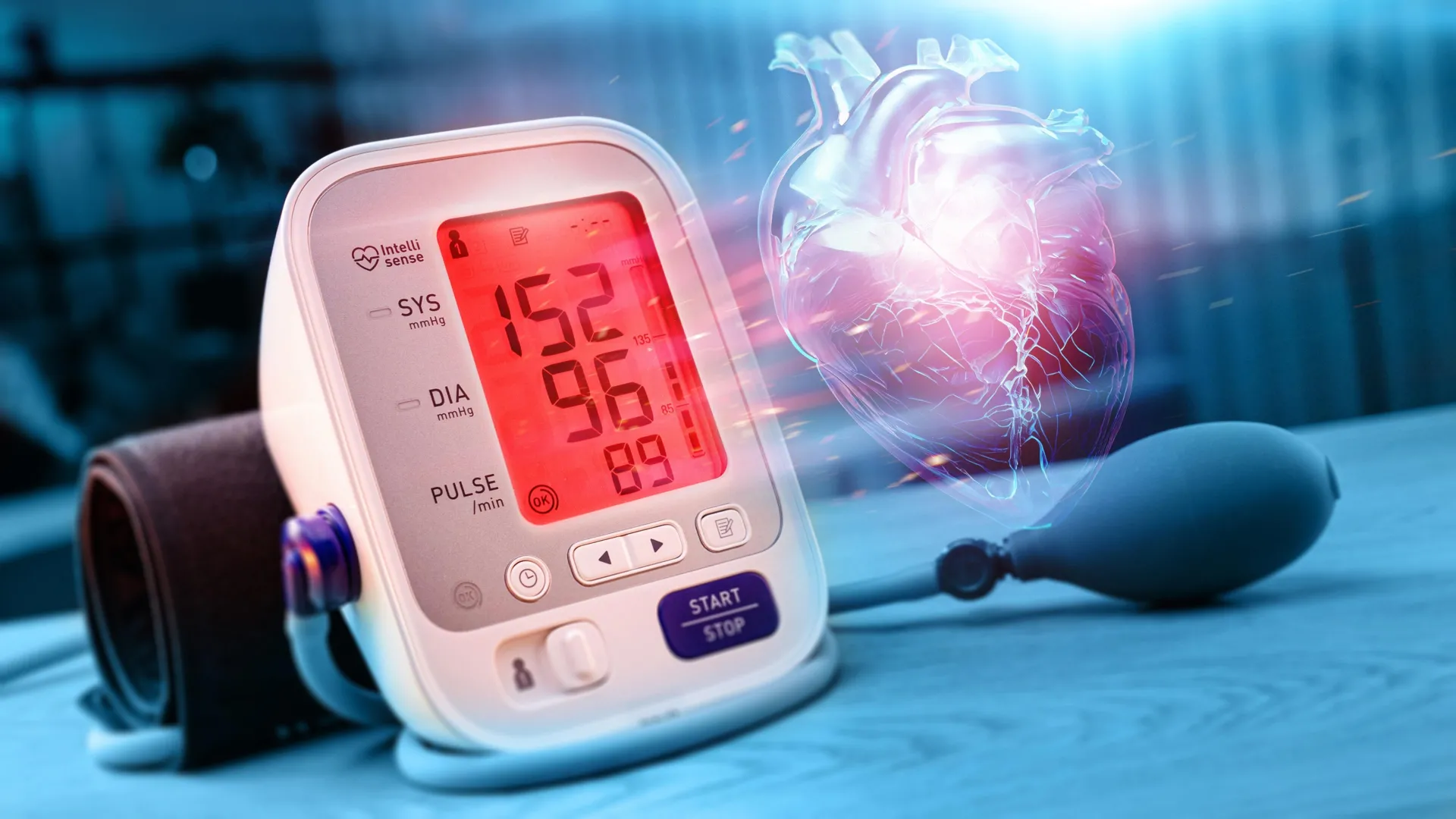
A new medication has been found to significantly reduce blood pressure in people whose levels remain dangerously high even after taking multiple existing drugs. The findings come from a Phase III clinical trial led by a professor at UCL.
High blood pressure (hypertension) affects about 1.3 billion people worldwide. In nearly half of these cases, the condition is either uncontrolled or does not respond well to treatment. This greatly increases the risk of heart attack, stroke, kidney disease, and early death. In the UK alone, around 14 million people are living with hypertension.
Large International Trial of Baxdrostat
The international BaxHTN trial, led by Professor Bryan Williams (UCL Institute of Cardiovascular Science) and funded by AstraZeneca, tested a new drug called baxdrostat, which is taken as a tablet. The study included nearly 800 patients across 214 clinics around the world.
The research was supported by the NIHR Biomedical Research Centre at UCLH.
The results were presented at the European Society of Cardiology (ESC) Congress 2025 in Madrid and were also published in the New England Journal of Medicine.
Significant Blood Pressure Reductions
After 12 weeks, patients taking baxdrostat (1 mg or 2 mg once daily in pill form) experienced an average drop in blood pressure of about 9 to 10 mmHg more than those taking a placebo. This level of reduction is considered large enough to lower the risk of cardiovascular events.
Around 40 percent of patients taking baxdrostat reached healthy blood pressure levels, compared with fewer than 20 percent in the placebo group.
Principal Investigator, Professor Williams, who is presenting the results at ESC, said: “Achieving a nearly 10 mmHg reduction in systolic blood pressure with baxdrostat in the BaxHTN Phase III trial is exciting, as this level of reduction is linked to substantially lower risk of heart attack, stroke, heart failure and kidney disease.”
How Baxdrostat Targets a Key Hormone
Blood pressure is heavily influenced by a hormone called aldosterone, which helps regulate salt and water levels in the body.
In some individuals, the body produces too much aldosterone. This leads to excess salt and water retention, raising blood pressure and making it difficult to control.
Scientists have long tried to address this imbalance, but it has proven challenging.
Baxdrostat works by blocking the production of aldosterone, directly targeting a major cause of high blood pressure (hypertension).
A New Approach to Difficult Cases
Professor Williams, Chair of Medicine at UCL, said: “These findings are an important advance in treatment and in our understanding of the cause of difficult to control blood pressure.
“Around half of people treated for hypertension do not have it controlled, however this is a conservative estimate and the number is likely higher, especially as the target blood pressure we try to reach is now much lower than it was previously.[1]
“In patients with uncontrolled or resistant hypertension, the addition of baxdrostat 1mg or 2mg once daily to background antihypertensive therapy led to clinically meaningful reductions in systolic blood pressure, which persisted up to 32 weeks with no unanticipated safety findings.
“This suggests that aldosterone is playing an important role in causing difficult to control blood pressure in millions of patients and offers hope for more effective treatment in the future.”
Rising Global Burden and Future Potential
In the past, higher rates of hypertension were mainly seen in wealthier Western countries. However, changing diets, including reduced salt intake in some regions, have shifted the global burden. Today, far more cases are found in Eastern and lower income countries. More than half of all people with hypertension live in Asia, including 226 million in China and 199 million in India.[2]
Professor Williams added: “The results suggest that this drug could potentially help up to half a billion people globally — and as many as 10 million people in the UK alone, especially at the new target level for optimal blood pressure control.”
Notes
- The ESC 2024 hypertension guidelines recommended a target blood pressure of less than 130/80 mmHg. Prior to 2024 the target had been 140/90 mmHg.
- Figures from Blood Pressure UK