
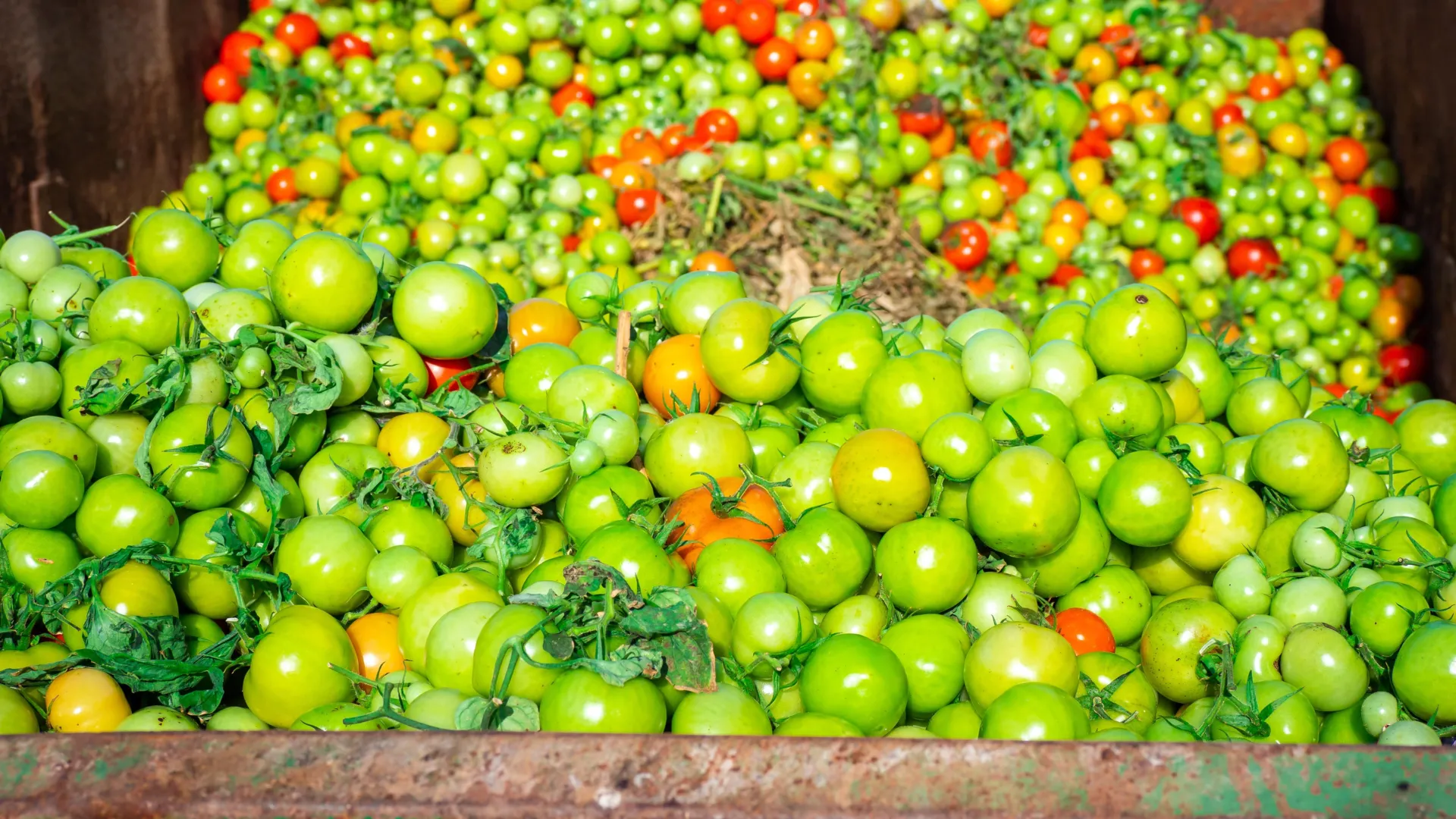
Grocery stores can appear well stocked even when the systems behind them are under pressure. Fresh produce may be neatly arranged, and refrigerated items fully in place. On the surface, everything looks normal. But that appearance can be misleading.
Today, food moves through supply chains only when it is recognized and approved by digital systems. Databases, platforms, and automated processes determine whether shipments can proceed. If a system fails to verify a delivery, the food cannot be released, insured, sold, or legally distributed. In effect, food that is not “seen” by these systems becomes unusable.
This growing dependence is now seen as a major weakness in the UK food system.
Recent cyberattacks highlight the risks. Disruptions to grocery and distribution networks in the United States shut down ordering systems and delayed deliveries across several major chains. Even though food was physically available, it could not move through the system.
The Rise of Automated Decisions in Food Supply Chains
A key issue is that many decisions are now made by automated or opaque systems. These processes are often difficult to explain and nearly impossible to challenge. At the same time, manual backup procedures are being eliminated to improve efficiency.
This shift is happening globally, from farms to supermarkets. While digital tools have improved efficiency, they have also increased pressure on logistics and transport systems, especially those designed for just in time delivery.
Using AI
Artificial intelligence and data driven tools now guide many aspects of agriculture and food distribution. They help forecast demand, optimize planting, prioritize shipments, and manage inventory. Reviews of their use show that these systems are now embedded across most stages of the UK food system. However, they also introduce new risks.
When decisions about food allocation cannot be reviewed or explained, control moves away from human judgment and into software. Businesses are increasingly relying on automation to reduce costs and save time. As a result, critical decisions about where food goes and who can access it are made by systems that people may not be able to question or override.
This is not just theoretical. During the 2021 ransomware attack on JBS Foods, meat processing operations stopped even though animals, workers, and facilities were all in place. Some Australian farmers managed to override the systems, but many disruptions remained. More recently, failures at large distributors have shown how quickly deliveries can be interrupted, even when goods are available.
Fewer Humans, Fewer Backup Options
Another concern is the shrinking number of people trained to manage these systems. Manual processes are often seen as inefficient and are gradually phased out. Employees are no longer trained to perform overrides they are not expected to use. When something goes wrong, the necessary skills to intervene may no longer be available.
This problem is made worse by ongoing workforce shortages in transport, warehousing, and public health inspection. Even after systems recover, there may not be enough trained staff to restart operations smoothly.
The danger is not only that systems fail, but that failures spread quickly when they do. Think of it as a stress test rather than a prediction. Authorization systems can freeze. Trucks may be fully loaded, but release codes do not work. Drivers are left waiting. Food is present, but it cannot move.
Past incidents show how quickly digital records and physical reality can fall out of sync. Within days, inventory systems may no longer match what is actually on shelves. After about 72 hours, manual intervention becomes necessary. Yet in many cases, paper based procedures have been removed, and staff are not trained to use them.
Research into UK food system vulnerabilities suggests that these breakdowns are often caused by organizational weaknesses rather than a lack of food.
Food Security Is Also About Authorization
Food security is usually discussed in terms of supply. But there is another factor that matters just as much. Authorization. If a digital manifest is damaged or unavailable, shipments may never be released.
This is especially important in a country like the UK, which depends heavily on imports and complex logistics networks. Resilience is shaped not only by how food moves across borders, but also by how data and decisions are managed within the system.
Who Controls the System?
AI can play a positive role in strengthening food security. Precision agriculture (using data to make decisions about when to plant or water, for instance) and early warning systems have already helped reduce losses and improve yields. The challenge is not whether to use AI, but how it is governed and who is responsible for overseeing it.
Human oversight remains essential. Food systems need trained staff who can step in when systems fail, along with regular drills to ensure those skills are maintained. Algorithms that guide food distribution must be transparent enough to be audited. Commercial secrecy should not take priority over public safety. Farmers and communities also need control over their own data and knowledge.
This is not a distant or hypothetical risk. It already explains how warehouses full of food can become inaccessible or ignored.
The real question is not whether digital systems will fail. It is whether we are building a food system that can continue to function when they do.