Astronomers capture breathtaking first look at a planet being born

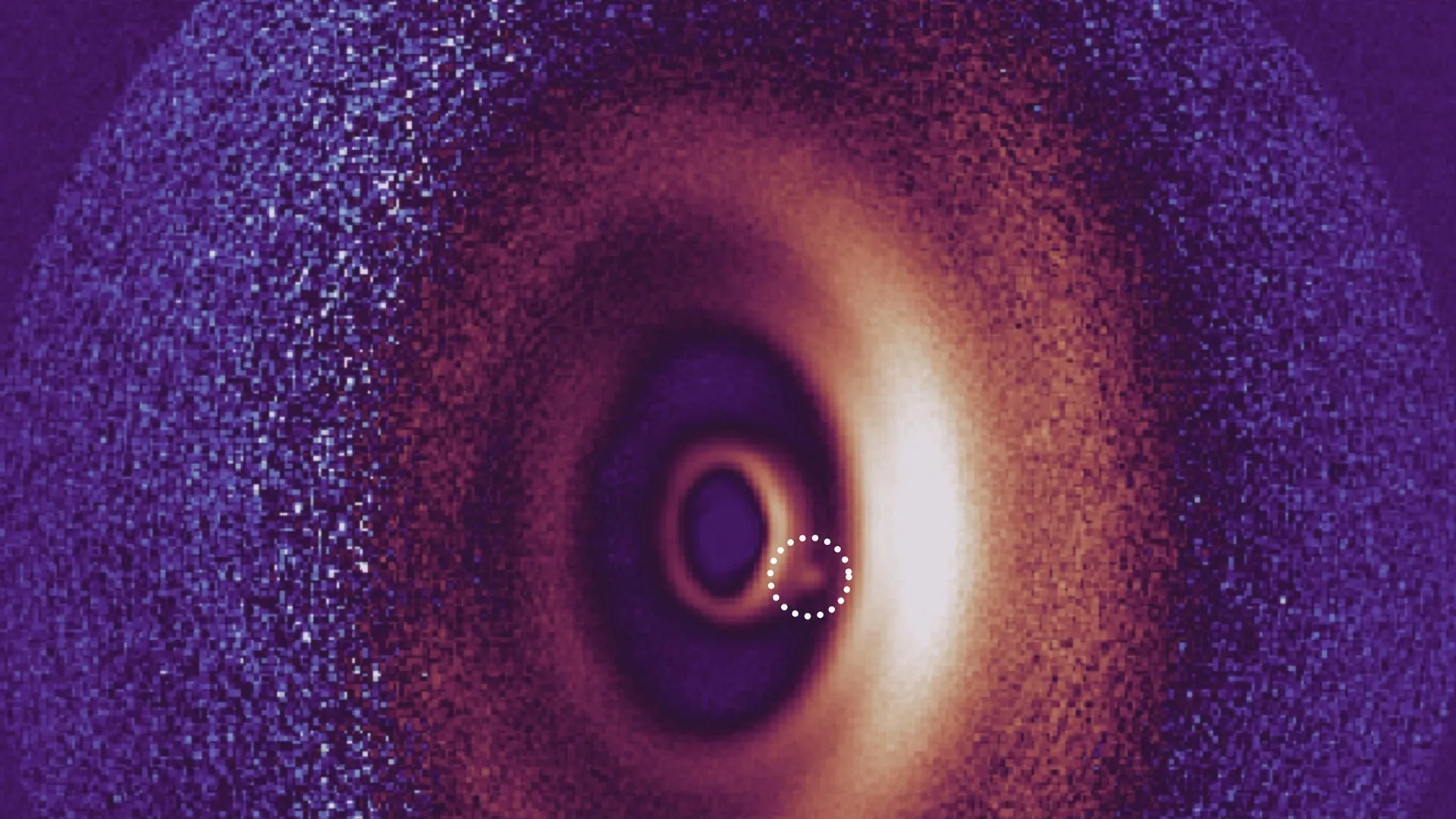
An international team of astronomers, co-led by researchers at University of Galway, has made the unexpected discovery of a new planet. Detected at an early stage of formation around a young analog of our own Sun, the planet is estimated to be about 5 million years-old and most likely a…
Bumble bees balance their diets with surprising precision

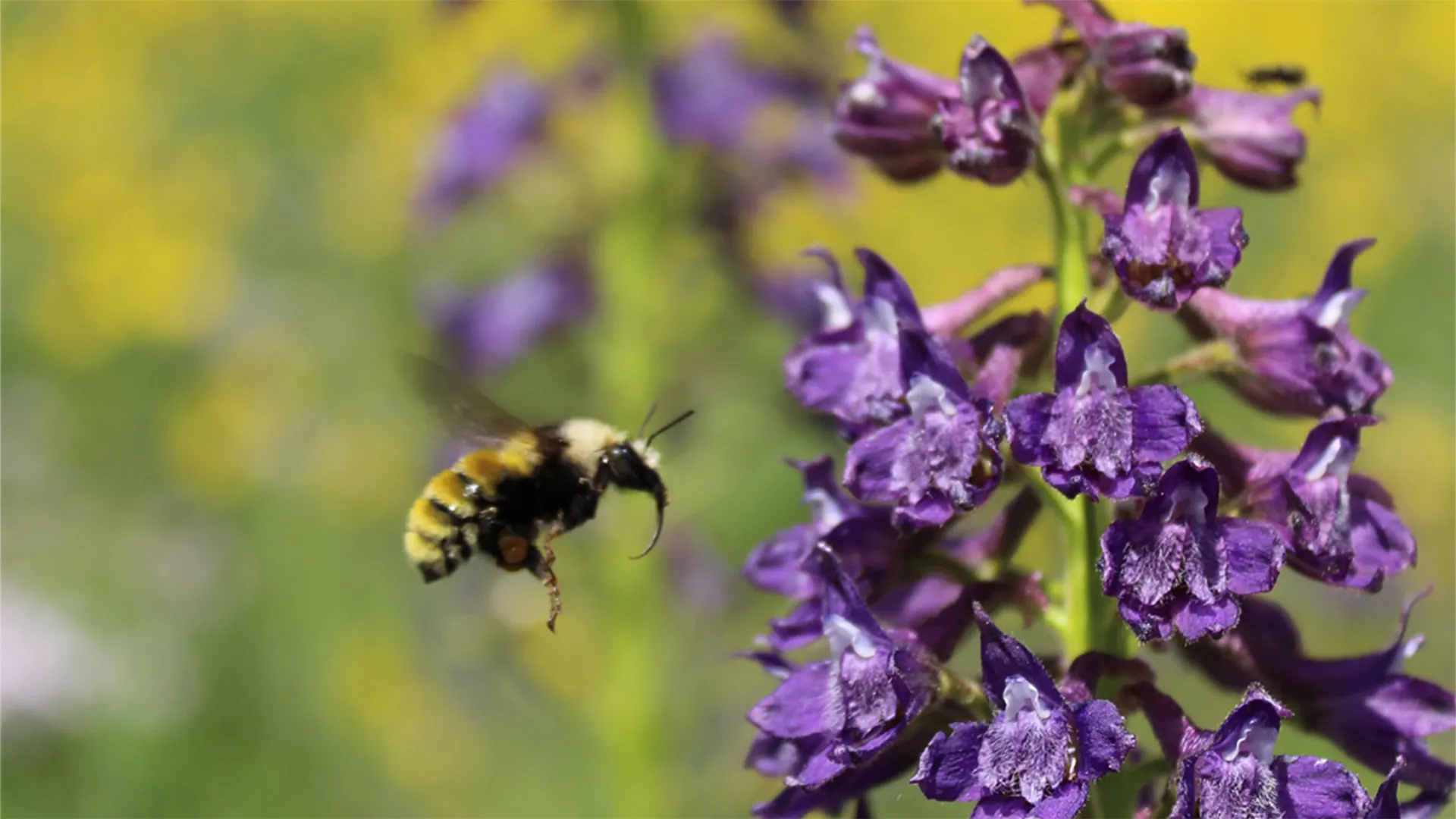
Move over gym rats. Bumble bees are now the true masters of macros. In the first long-term, community-level field study of wild bumble bee nutrition, a team of ecologists led by Northwestern University and the Chicago Botanic Garden discovered that wild bees aren’t just flitting from flower to flower, collecting…

The hidden DNA organizer linking fertility and cancer

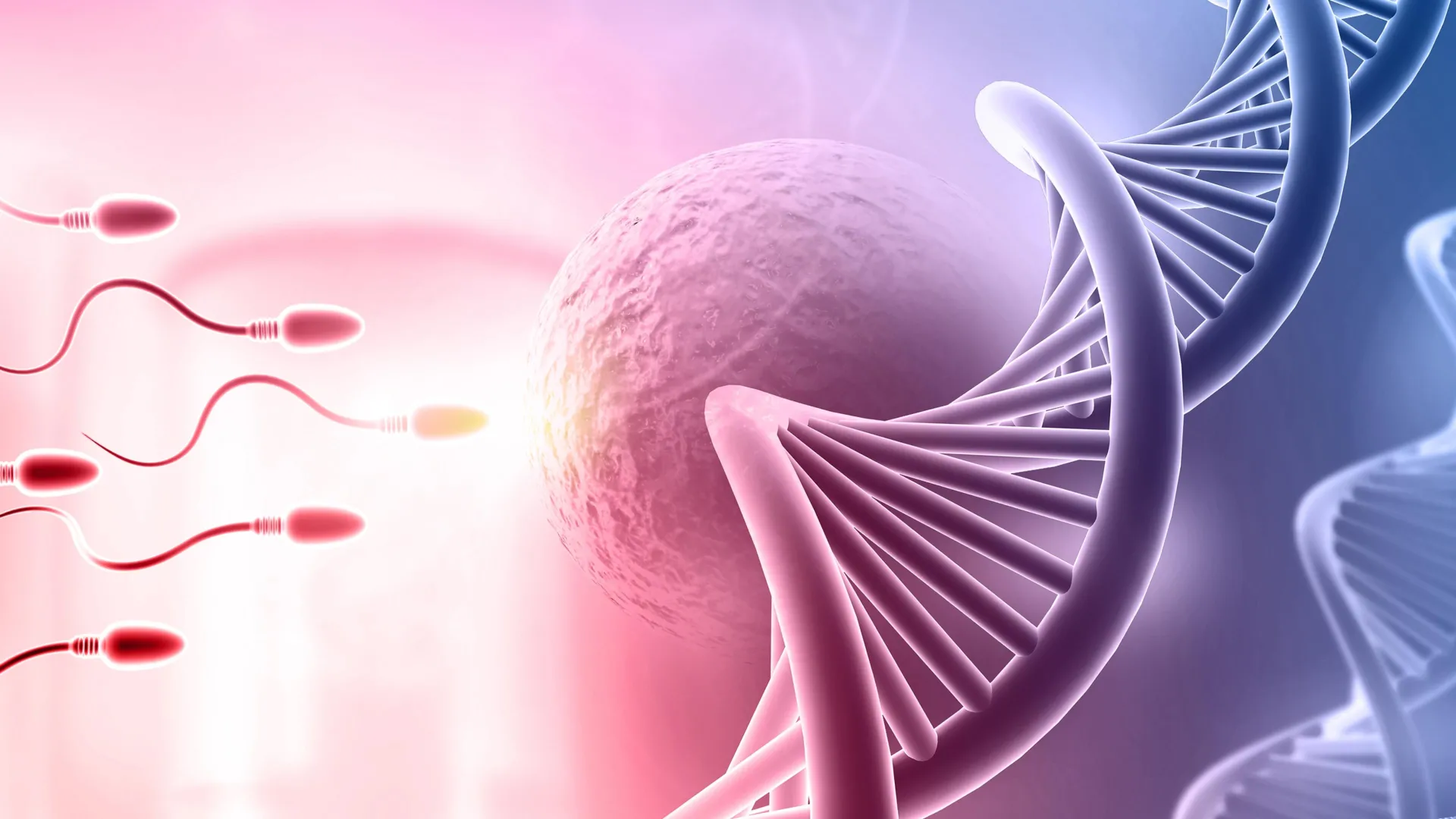
A research team at Kyoto University has discovered STAG3-cohesin, a new mitotic cohesin complex that helps establish the unique DNA architecture of spermaotogonial stem cells (SSCs), the stem cells that give rise to sperm. This “DNA organizer” is crucial for sperm production in mice: without STAG3, SSCs cannot differentiate properly,…

Scientists found a new way to turn sunlight into fuel

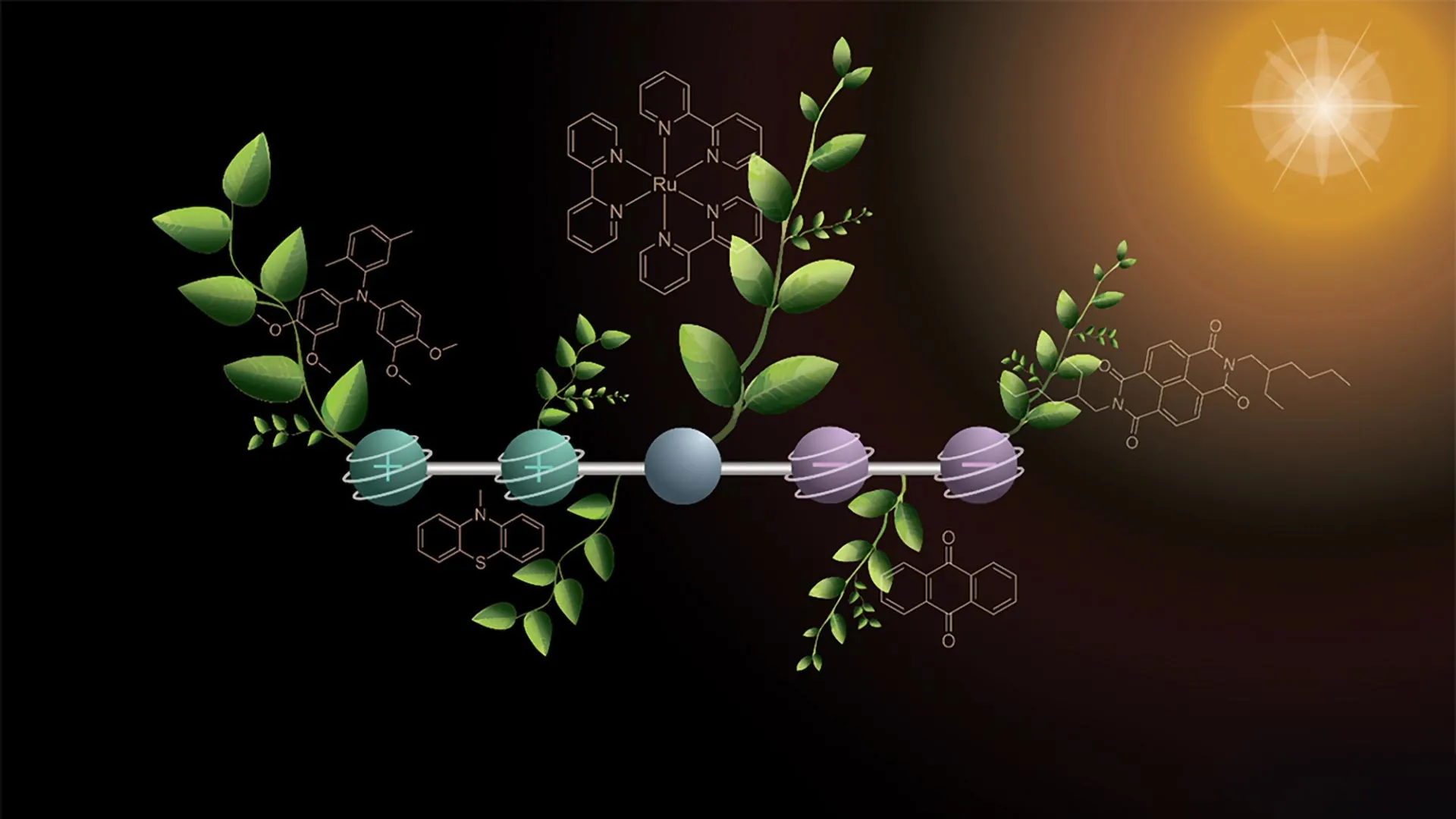
A research team from the University of Basel, Switzerland, has developed a new molecule modeled on plant photosynthesis: under the influence of light, it stores two positive and two negative charges at the same time. The aim is to convert sunlight into carbon-neutral fuels. Plants use the energy of sunlight…

Rats walk again after breakthrough spinal cord repair with 3D printing

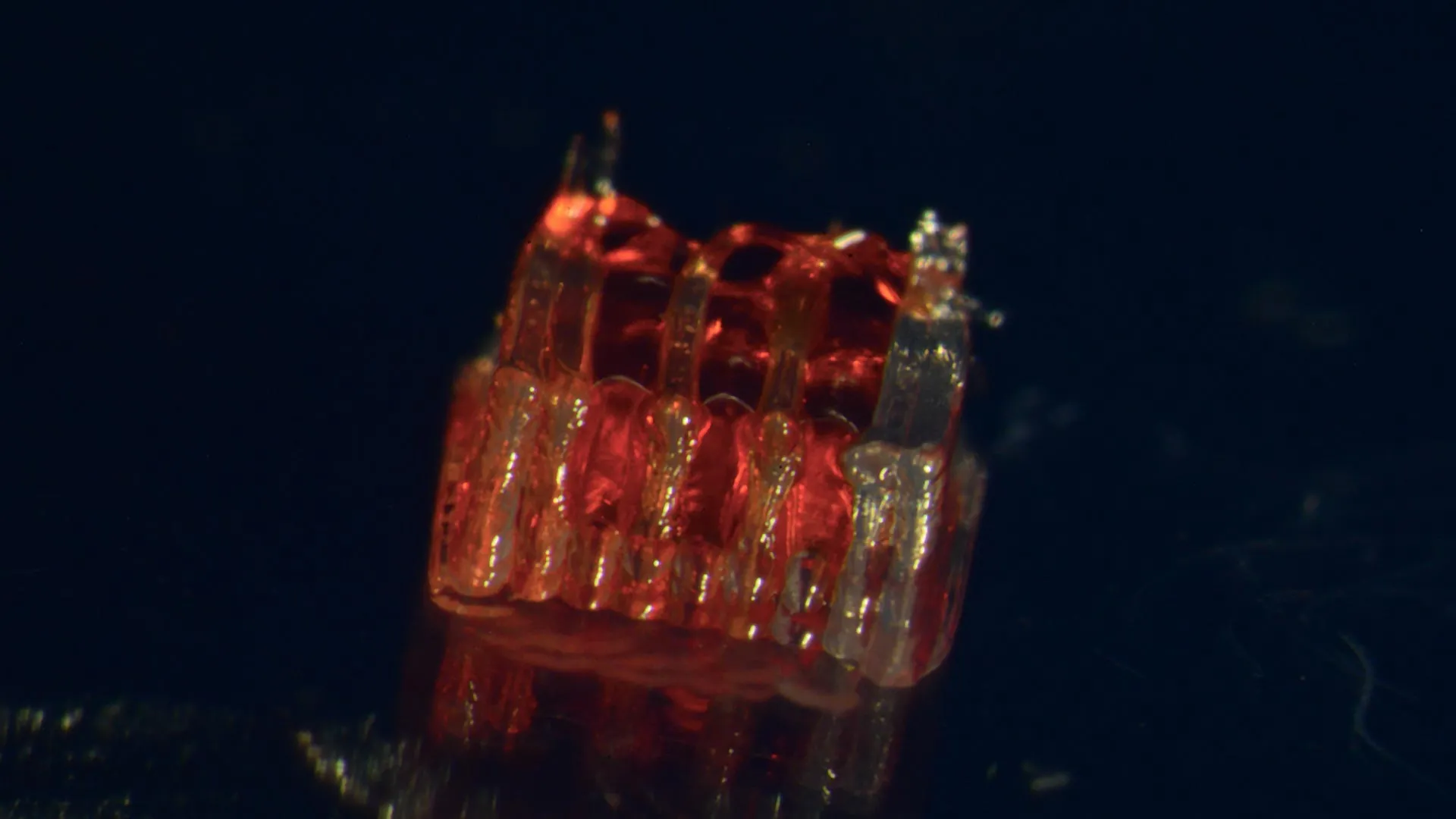
For the first time, a research team at the University of Minnesota Twin Cities demonstrated a groundbreaking process that combines 3D printing, stem cell biology, and lab-grown tissues for spinal cord injury recovery. The study was recently published in Advanced Healthcare Materials, a peer-reviewed scientific journal. According to the National…

Scientists crack indole’s toughest bond with copper, unlocking new medicines

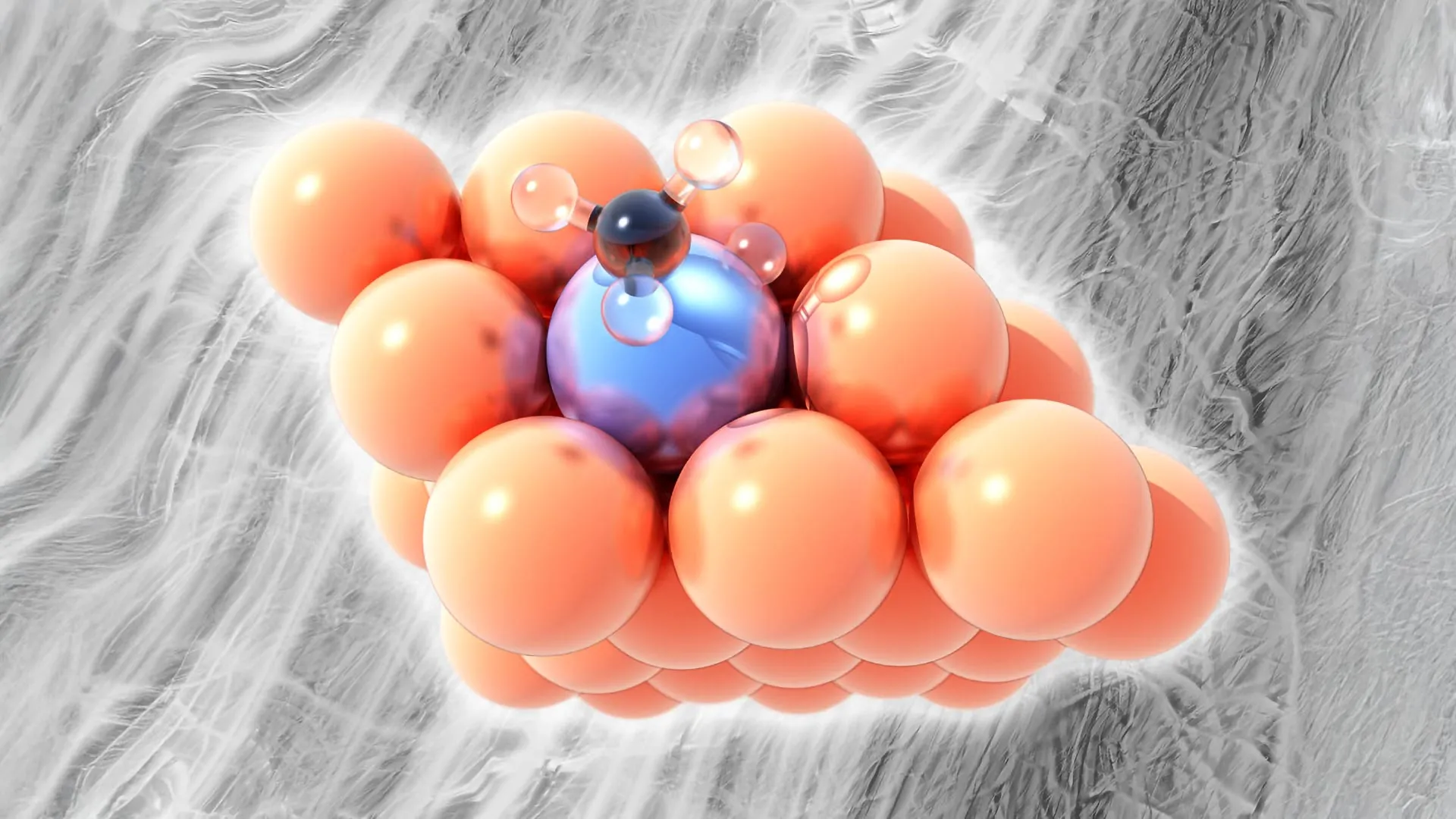
Indole, a molecule made up of a six-membered benzene ring fused to a five-membered ring containing nitrogen, forms the core structure of many biologically active compounds. Derivatives of indole, where hydrogen atoms are replaced by various chemical groups, are naturally produced by plants, fungi, and even the human body. Due…

The surprising reason x-rays can push arthritis patients toward surgery

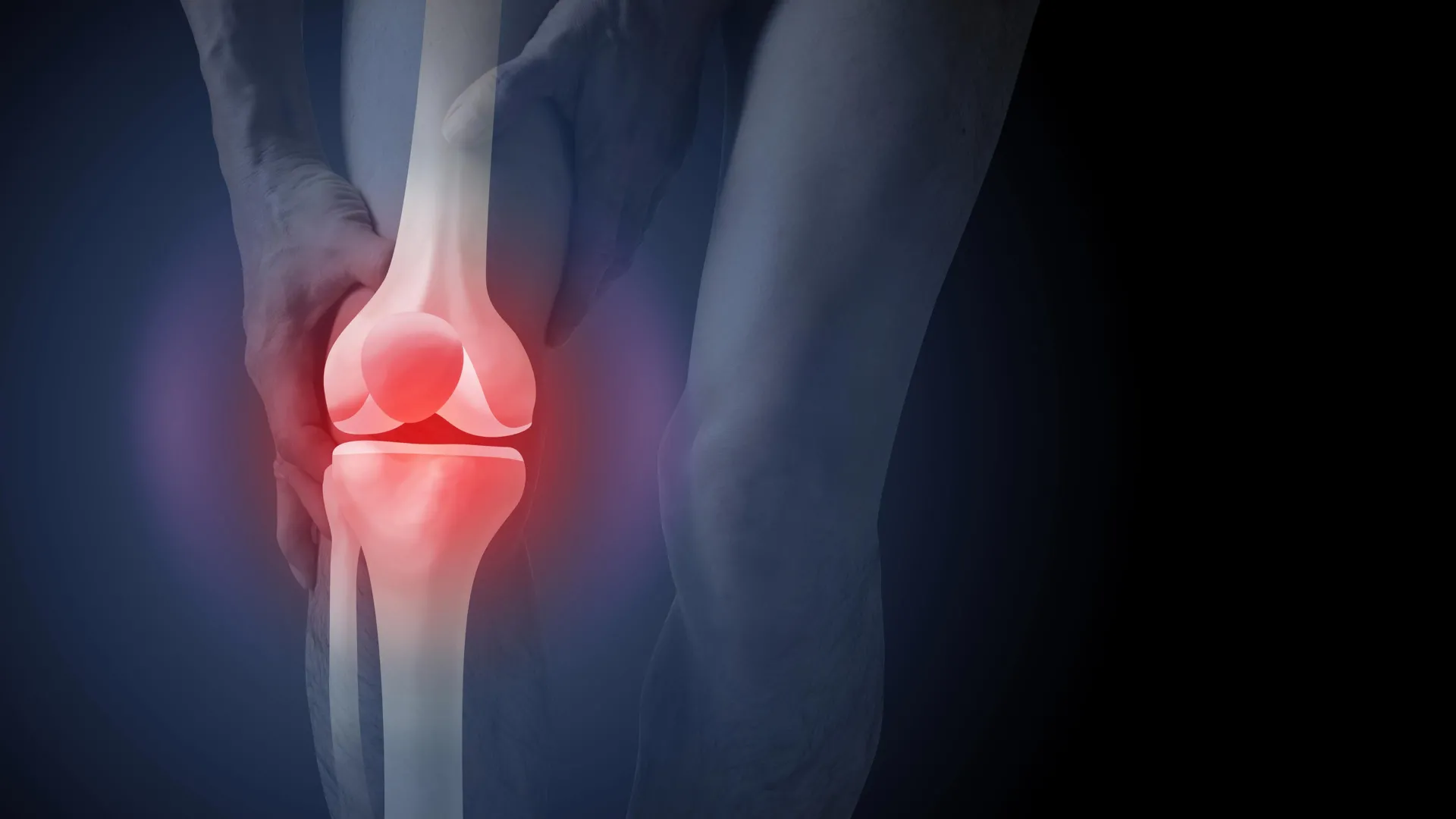
Routine x-rays aren’t recommended to diagnose the condition. Instead, GPs can make a diagnosis based on symptoms and medical history. Yet nearly half of new patients with knee osteoarthritis who visit a GP in Australia are referred for imaging. Osteoarthritis imaging costs the health system A$104.7 million each year. Our…

How did a planet this big form around a star this small?

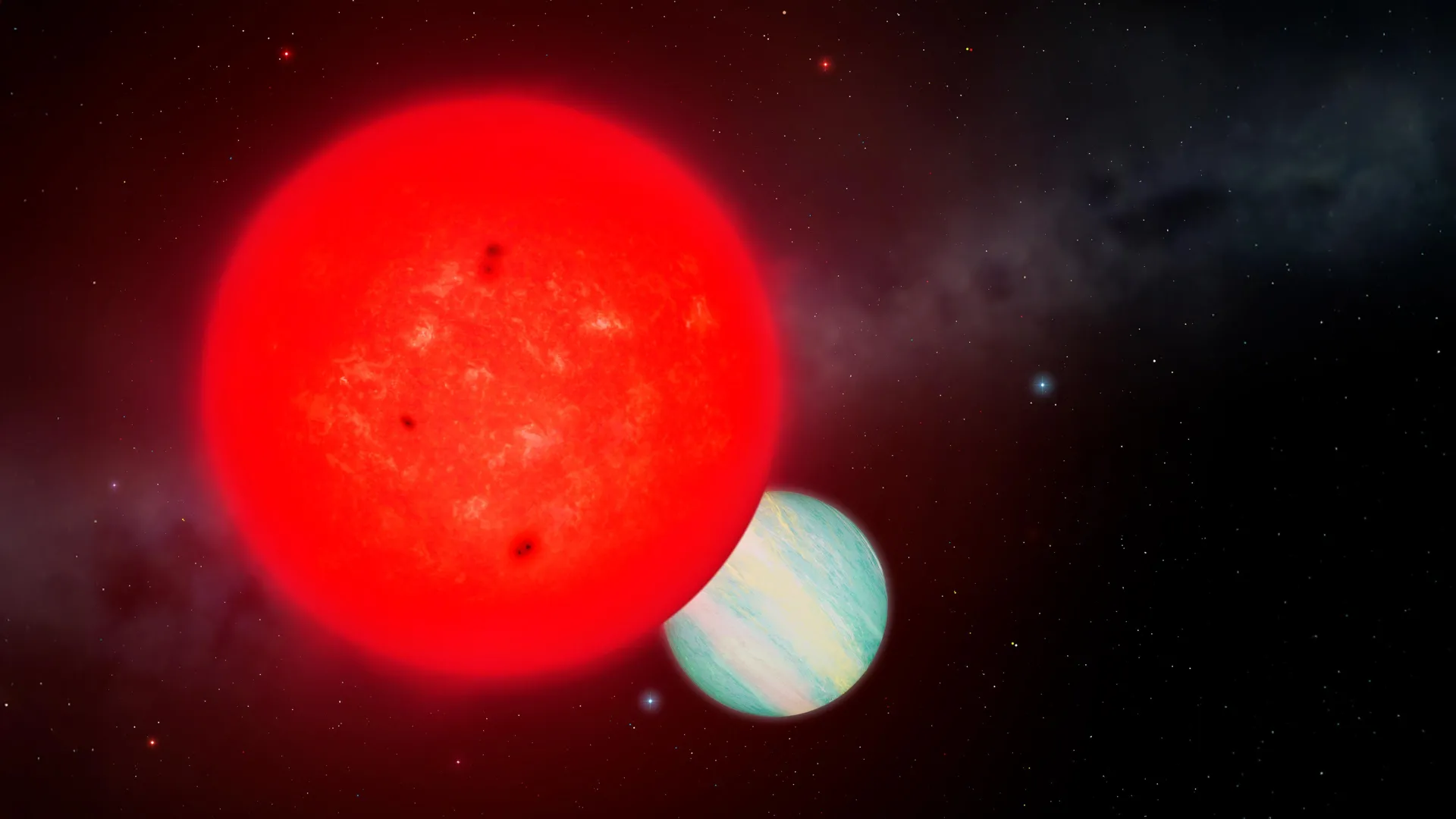
The host star, TOI-6894, is a red dwarf with only 20% the mass of the Sun, typical of the most common stars in our galaxy. Until now, such low-mass stars were not thought capable of forming or retaining giant planets. But as published recently in Nature Astronomy, the unmistakable signature of…

Scientists switch on the world’s largest neutrino detector deep underground

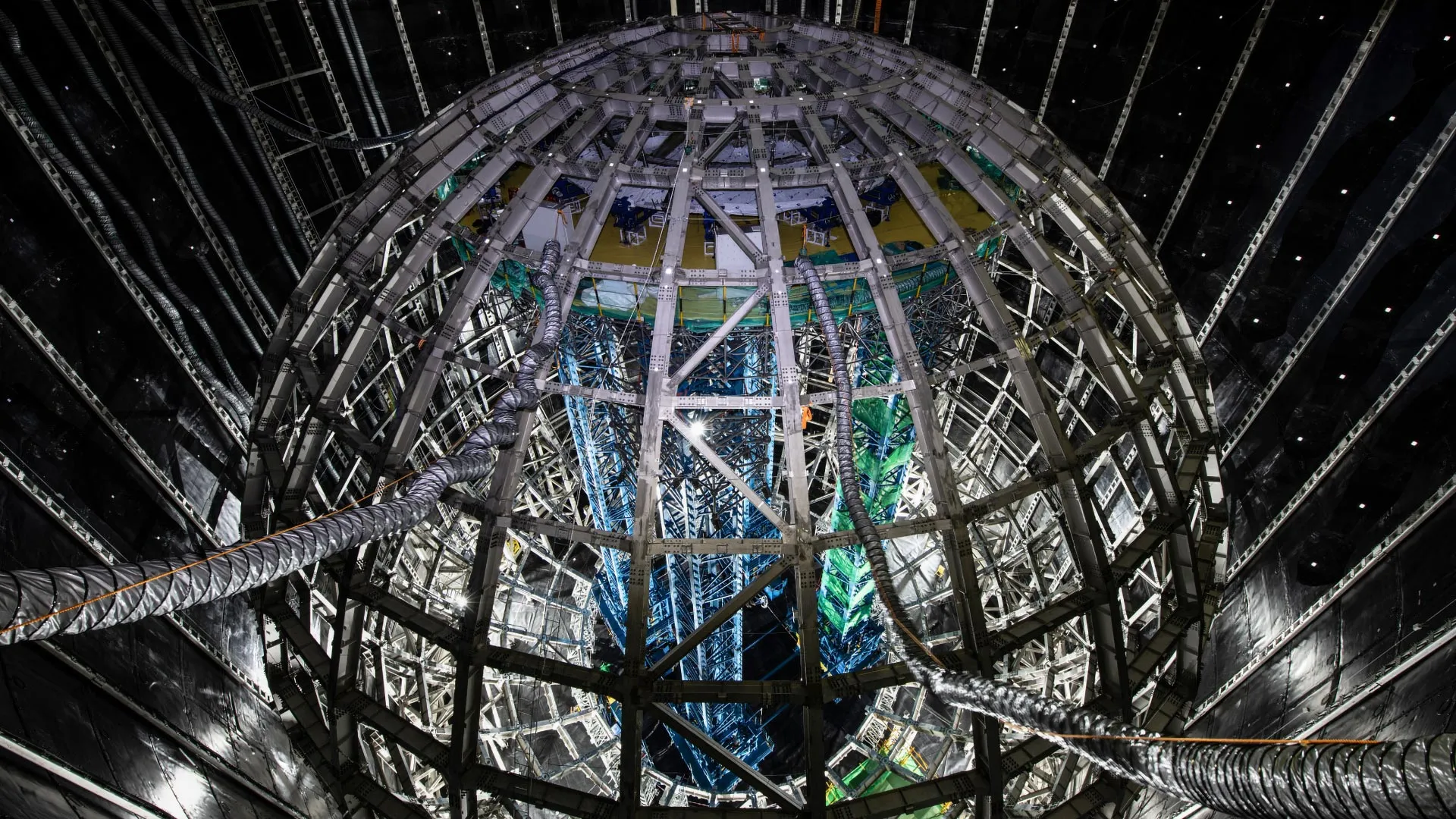
The Jiangmen Underground Neutrino Observatory (JUNO) has successfully completed filling its 20,000-tons liquid scintillator detector and begun data taking on Aug. 26. After more than a decade of preparation and construction, JUNO is the first of a new generation of very large neutrino experiments to reach this stage. Initial trial…

The Sun’s smallest loops ever seen in stunning new images

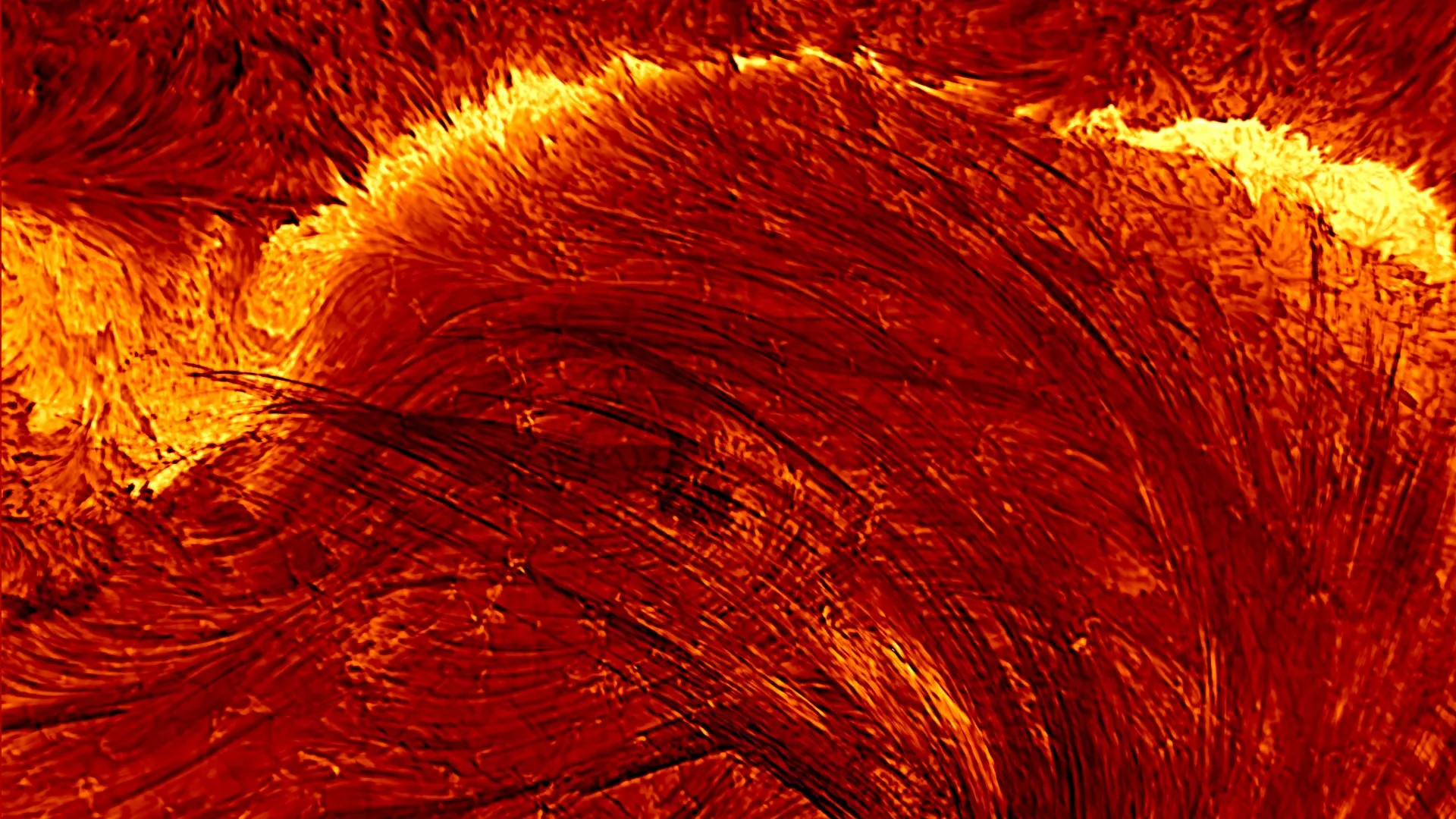
The highest-resolution images of a solar flare captured at the H-alpha wavelength (656.28 nm) may reshape how we understand the Sun’s magnetic architecture — and improve space weather forecasting. Using the U.S. National Science Foundation (NSF) Daniel K. Inouye Solar Telescope, built and operated by the NSF National Solar Observatory…

The common cold’s unexpected superpower against COVID

A new study led by researchers at National Jewish Health has found that recent infection with the common cold — often caused by rhinoviruses — may offer temporary protection against infection with SARS-CoV-2, the virus that causes COVID-19. The research provides fresh insight into why children are less likely than…

9 in 10 Australian Teachers Are Stressed to Breaking Point

Nine out of 10 Australian teachers are experiencing severe stress, and nearly 70% say their workload is unmanageable, says UNSW Sydney research. A new study from researchers at UNSW Sydney – the first to examine rates of depression, anxiety and stress in Australian teachers – has found they experience these…

Common painkillers like Advil and Tylenol supercharge antibiotic resistance

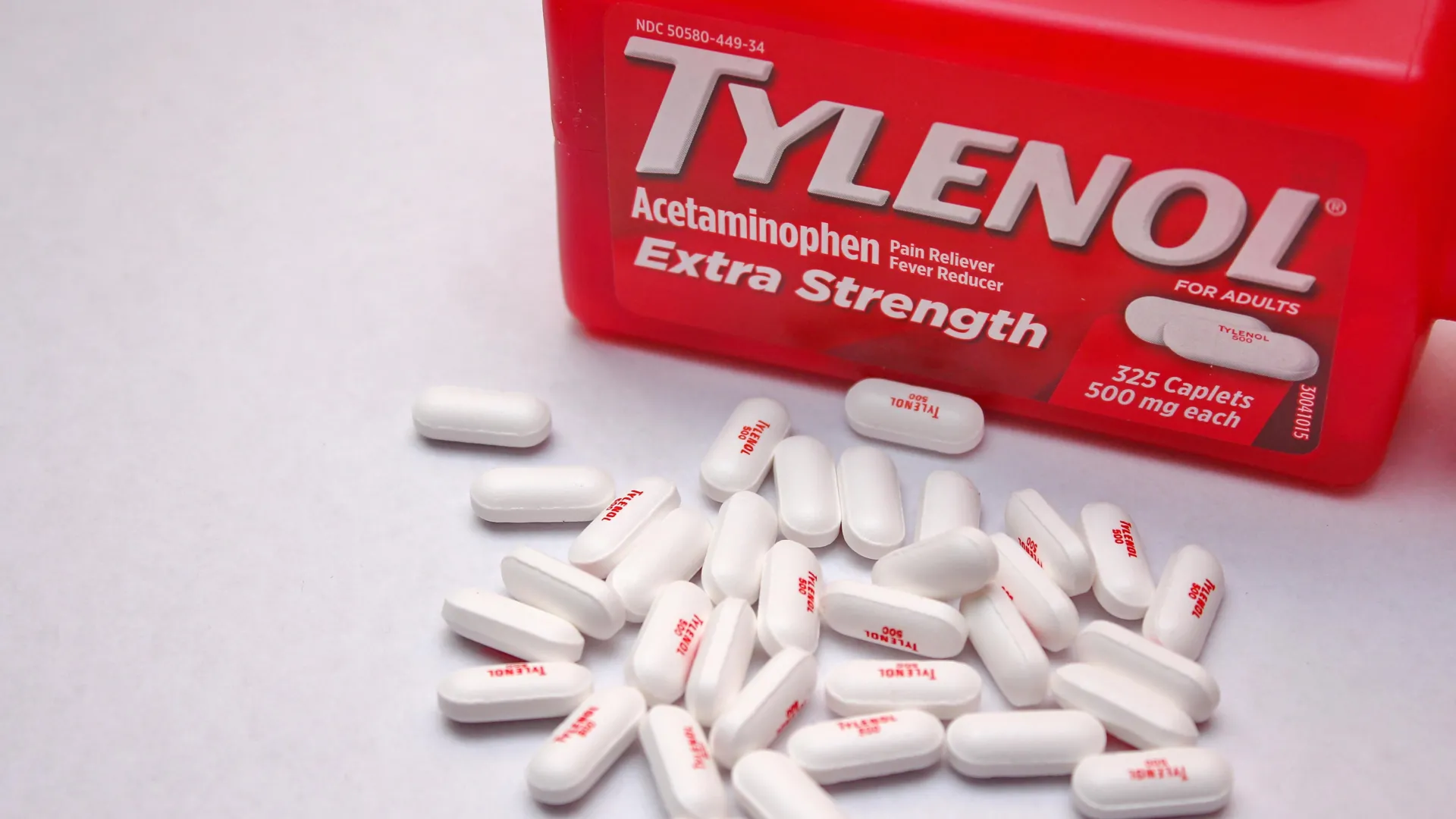
Ibuprofen and acetaminophen (paracetamol) are common over-the-counter medications that many of us reach for when we’re sick. But new research from the University of South Australia shows that these trusted staples are quietly fuelling one of the world’s biggest health threats: antibiotic resistance. In the first study of its kind,…

Maui’s fires drove a 67% jump in deaths. Most went uncounted

New research unveils the true death toll of the deadly August 2023 wildfires which took place in Lāhainā, Maui, Hawaiʻi — and which temporarily made wildfire a leading cause of death in Maui. By comparing death rates over time, the scientists found that two-thirds more people died that August than…

Ocean air may add years to your life, research shows

Living within miles of the ocean breeze may be linked to a longer life, but you shouldn’t count on the same benefits if you live in a riverside city, suggests a recent study. Researchers from The Ohio State University analyzed population data — including life expectancy — in more than…

Forgotten rock in Japan reveals 220-million-year-old ichthyosaur fossil

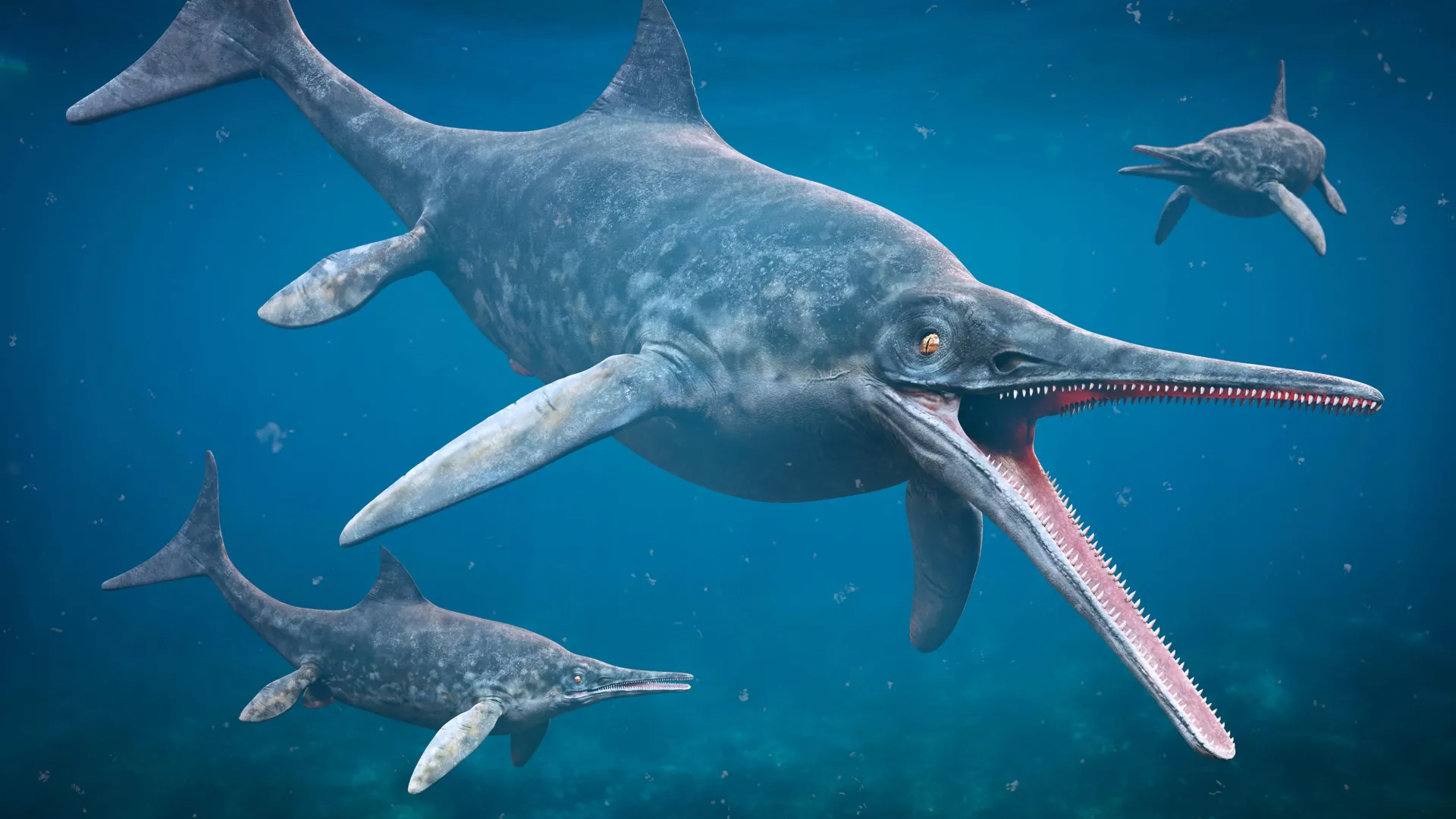
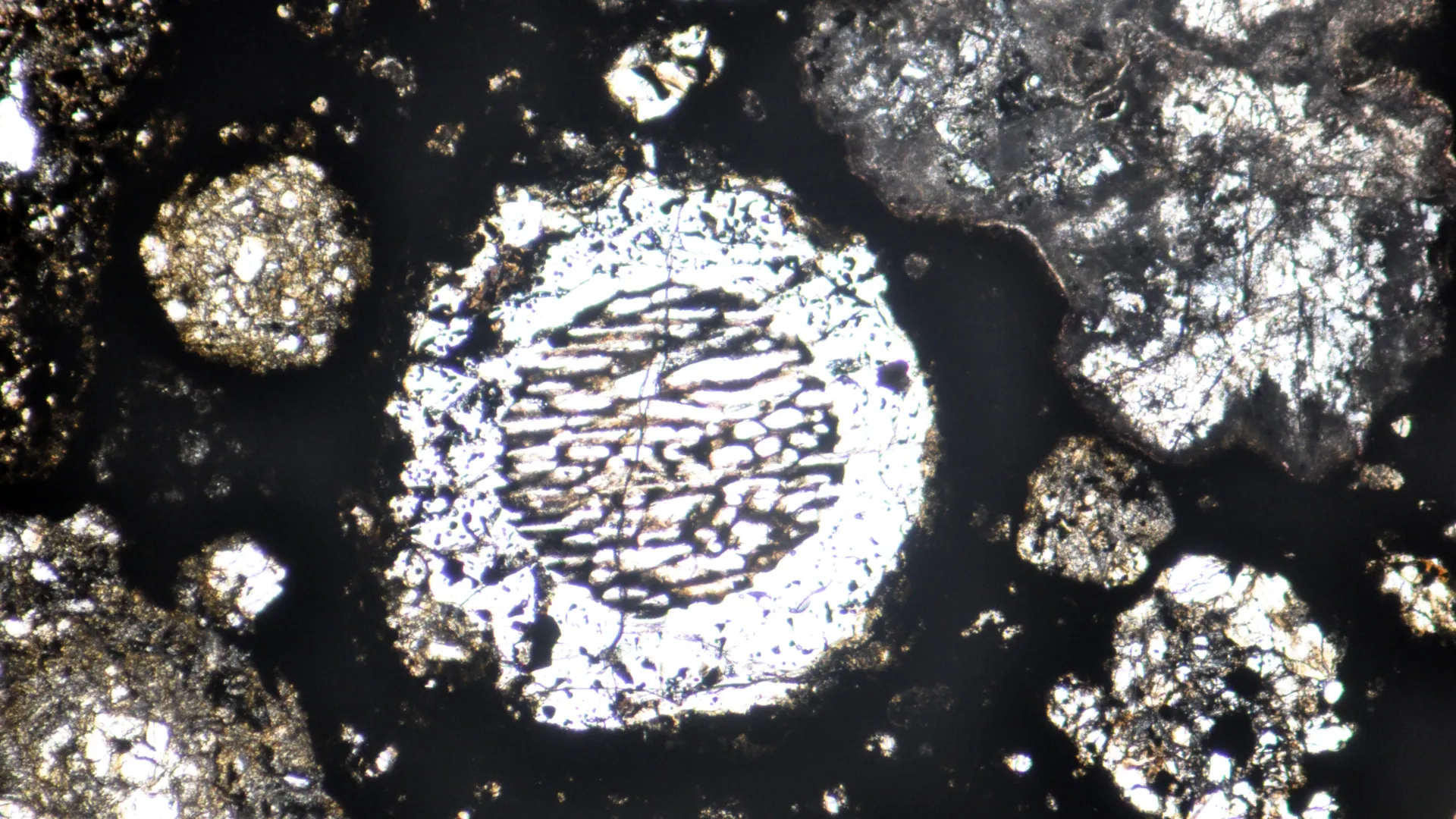
A vertebrate fossil discovered in a rock from the Late Triassic period (approximately 220 million years ago) in Takahashi City, Okayama Prefecture, has been confirmed through joint research by Okayama University of Science and other institutions to be the first ichthyosaur fossil ever found in western Japan. The discovery was…

500-million-year-old “squid” were actually ferocious worms

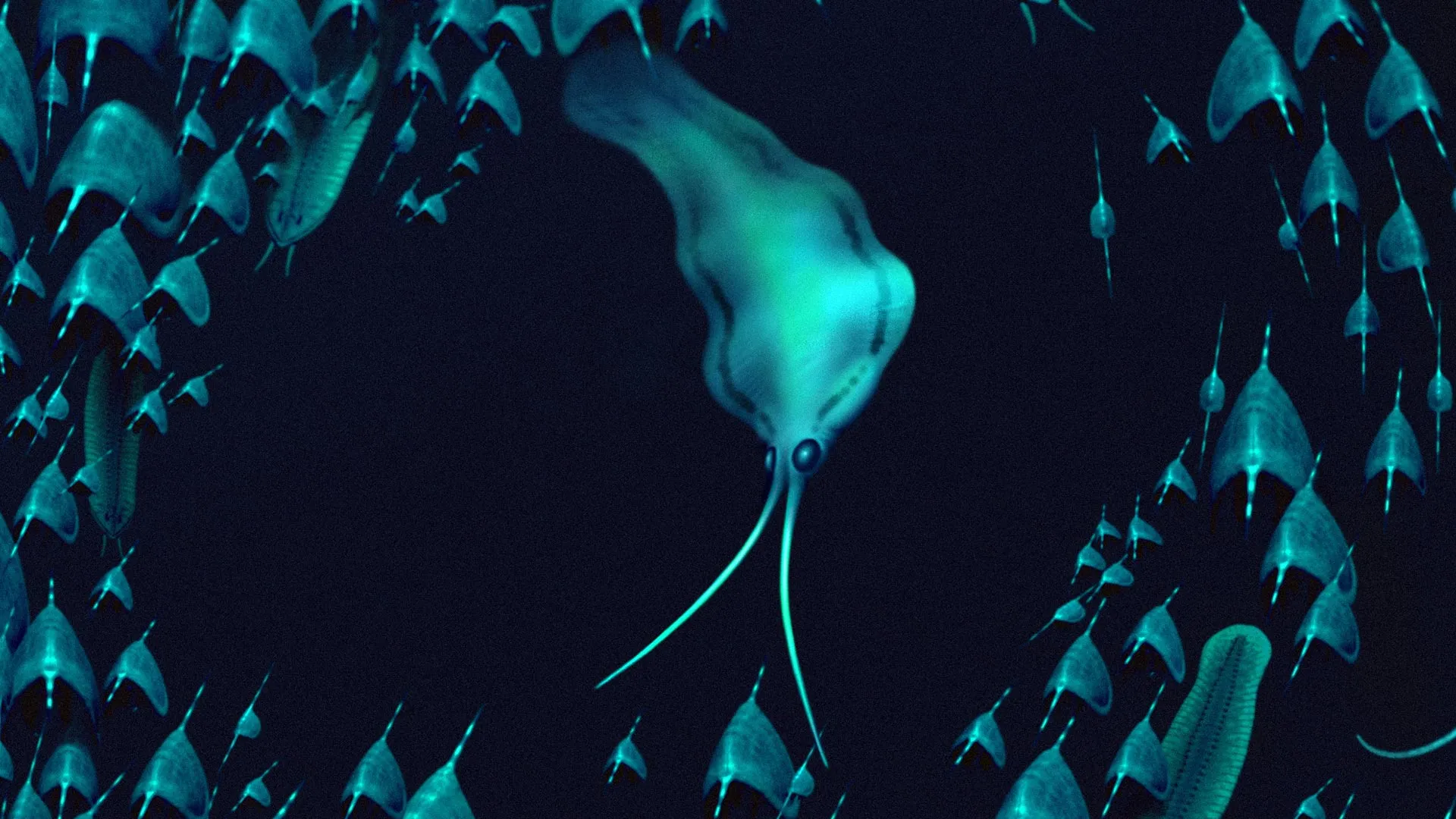
Remarkable fossils found in North Greenland have helped researchers solve a 500-million-year-old puzzle surrounding squid-like ancestors. It was previously thought ancient organisms called nectocaridids, which bear a resemblance to squid, were a type of cephalopod – marine molluscs with tentacles and a prominent head. But scientists, co-led by the University…

The Higgs boson just revealed a new secret at the Large Hadron Collider

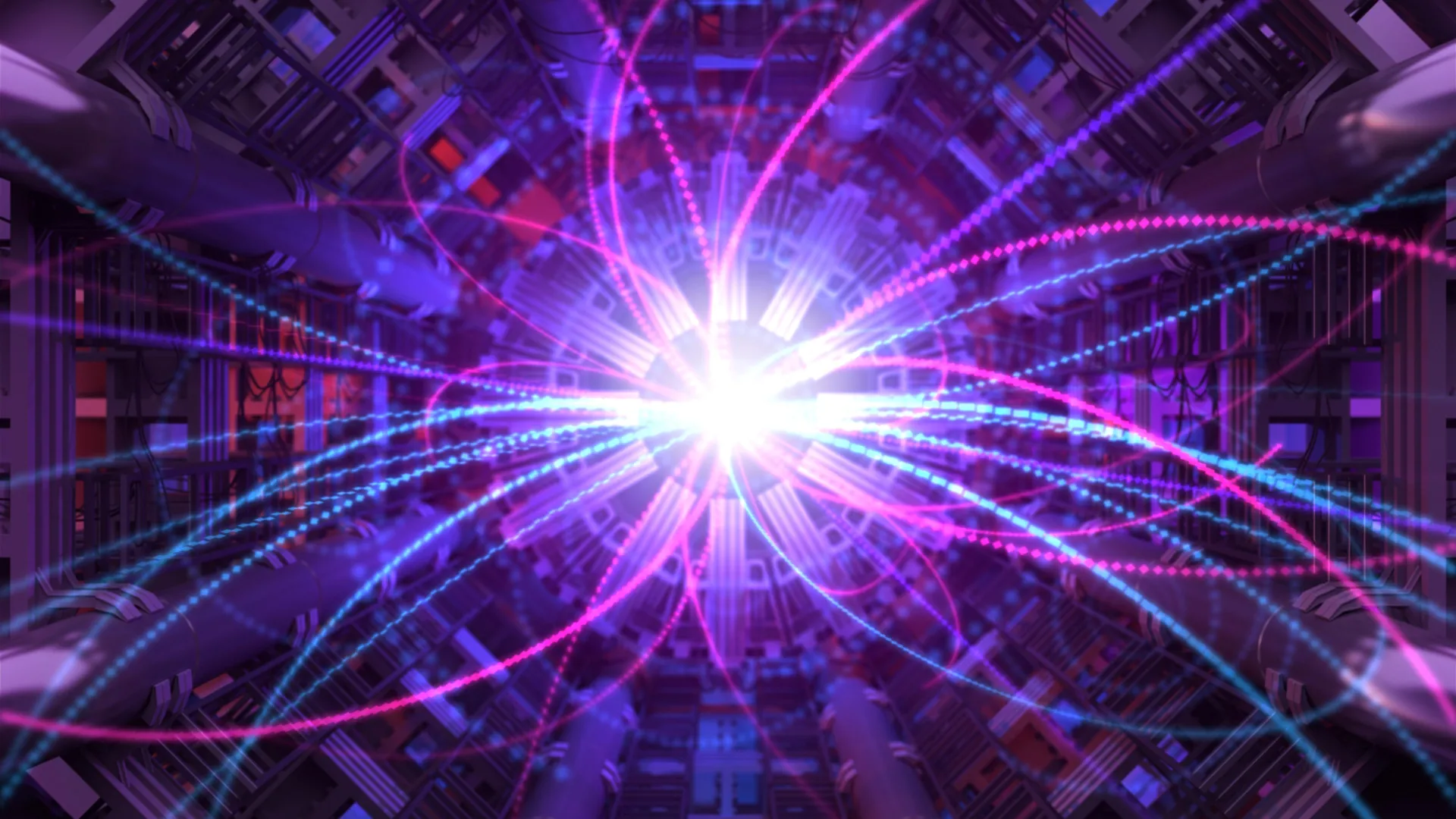
The ATLAS Collaboration finds evidence of Higgs-boson decays to muons and improves sensitivity to Higgs-boson decays to a Z boson and a photon. Since the discovery of the Higgs boson in 2012, physicists have made major strides in exploring its properties. Does that mean the subject is done and dusted?…

Google’s quantum computer just simulated the hidden strings of the Universe

The research, published in the academic journal Nature, represents an essential step in quantum computing and demonstrates its potential by directly simulating fundamental interactions with Google’s quantum processor. In the future, researchers could use this approach to gain deeper insights into particle physics, quantum materials, and even the nature of…

Scientists crack a 60-year-old quantum mystery

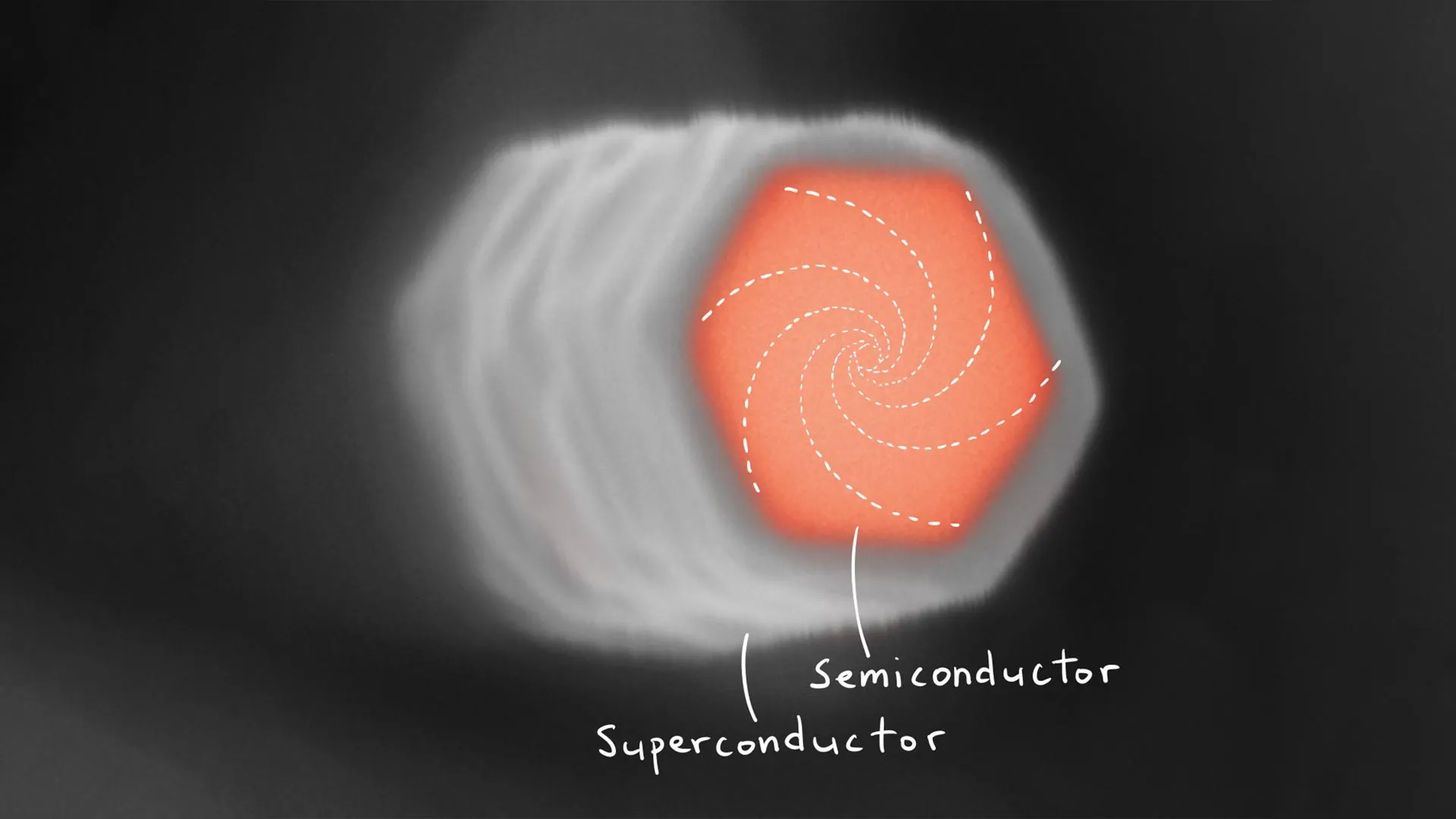
Researchers from the Niels Bohr Institute, University of Copenhagen, have created a novel pathway into the study of the elusive quantum states in superconducting vortices. The existence of these was flouted in the 1960s, but has remained very difficult to verify directly because those states are squeezed into energy scales…

Eating meat may protect against cancer, landmark research shows

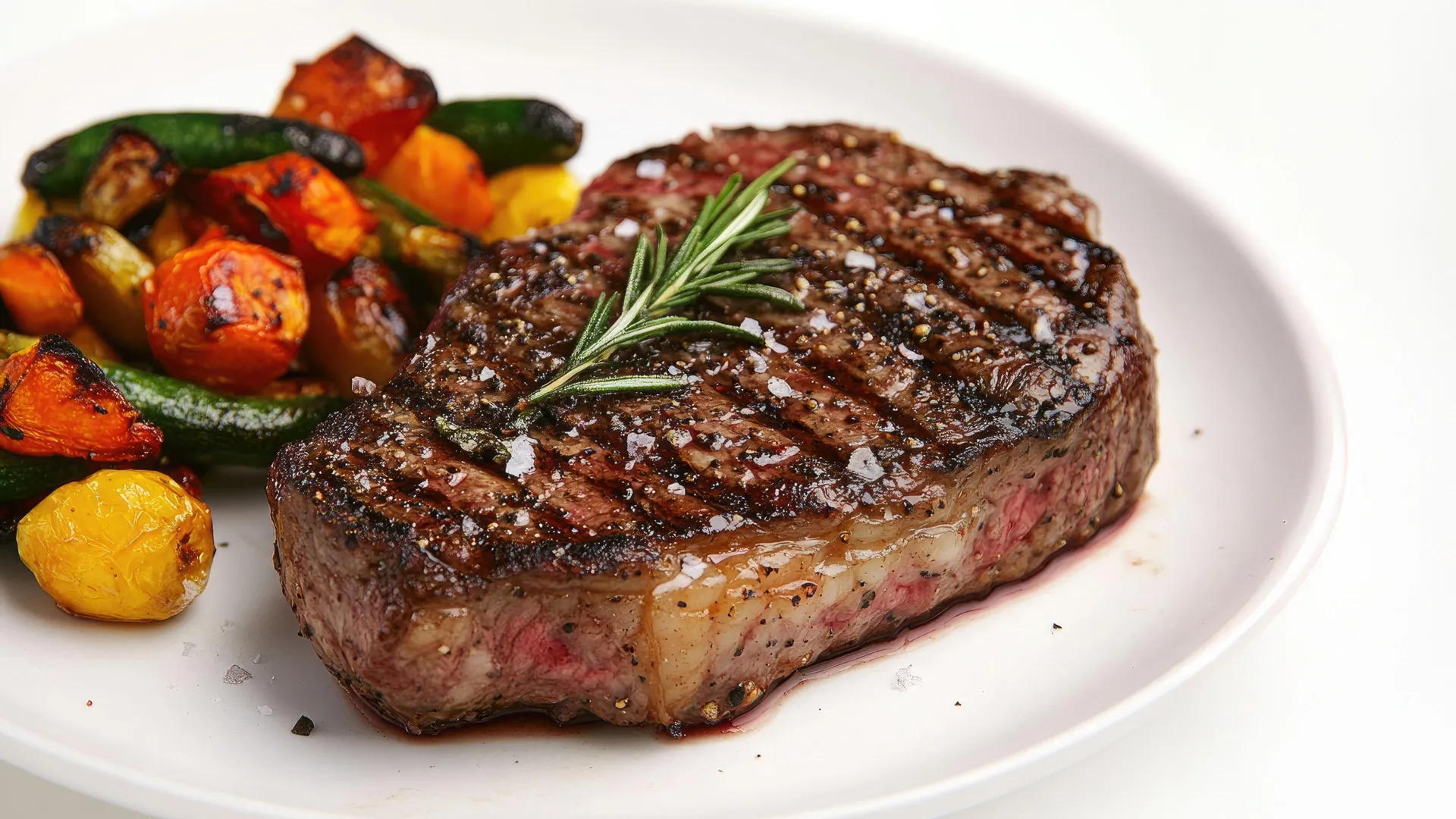
Eating animal-sourced protein foods is not linked to a higher risk of death and may even offer protective benefits against cancer-related mortality, new research finds. The study, published in Applied Physiology, Nutrition, and Metabolism, analyzed data from nearly 16,000 adults aged 19 and older using the National Health and Nutrition…

Artificial sweeteners could soon taste just like sugar

Some artificial sweeteners, such as saccharin and acesulfame K, have a bitter aftertaste that affects consumer acceptance of reduced-calorie foods and beverages. New research in FEBS Open Bio reveals the potential of compounds that inhibit bitter taste receptors to make artificial sweeteners more palatable. Saccharin and acesulfame K are detected…

A hidden sugar source in ketchup, salad dressing, and toothpaste

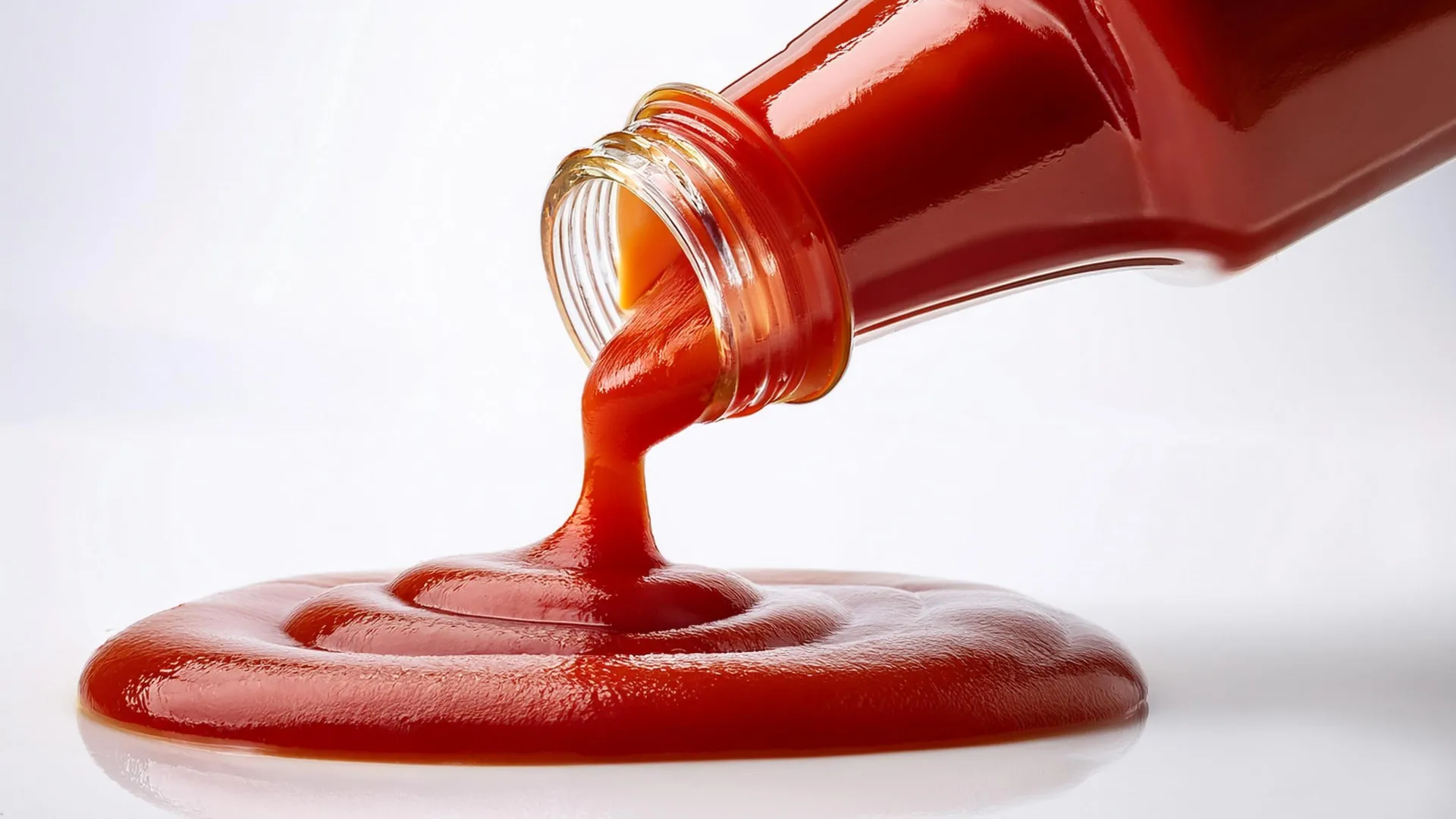
It turns out those cellulose-based thickening agents found in common foods can be digested. Researchers at the University of British Columbia have shown that our gut bacteria can feed on these large molecules — something thought to not be possible — thanks to enzymes that normally help us break down…

Scientists turn spin loss into energy, unlocking ultra-low-power AI chips

Dr. Dong-Soo Han’s research team at the Korea Institute of Science and Technology (KIST) Semiconductor Technology Research Center, in collaboration with the research teams of Prof. Jung-Il Hong at DGIST and Prof. Kyung-Hwan Kim at Yonsei University, has developed a device principle that can utilize “spin loss,” which was previously…

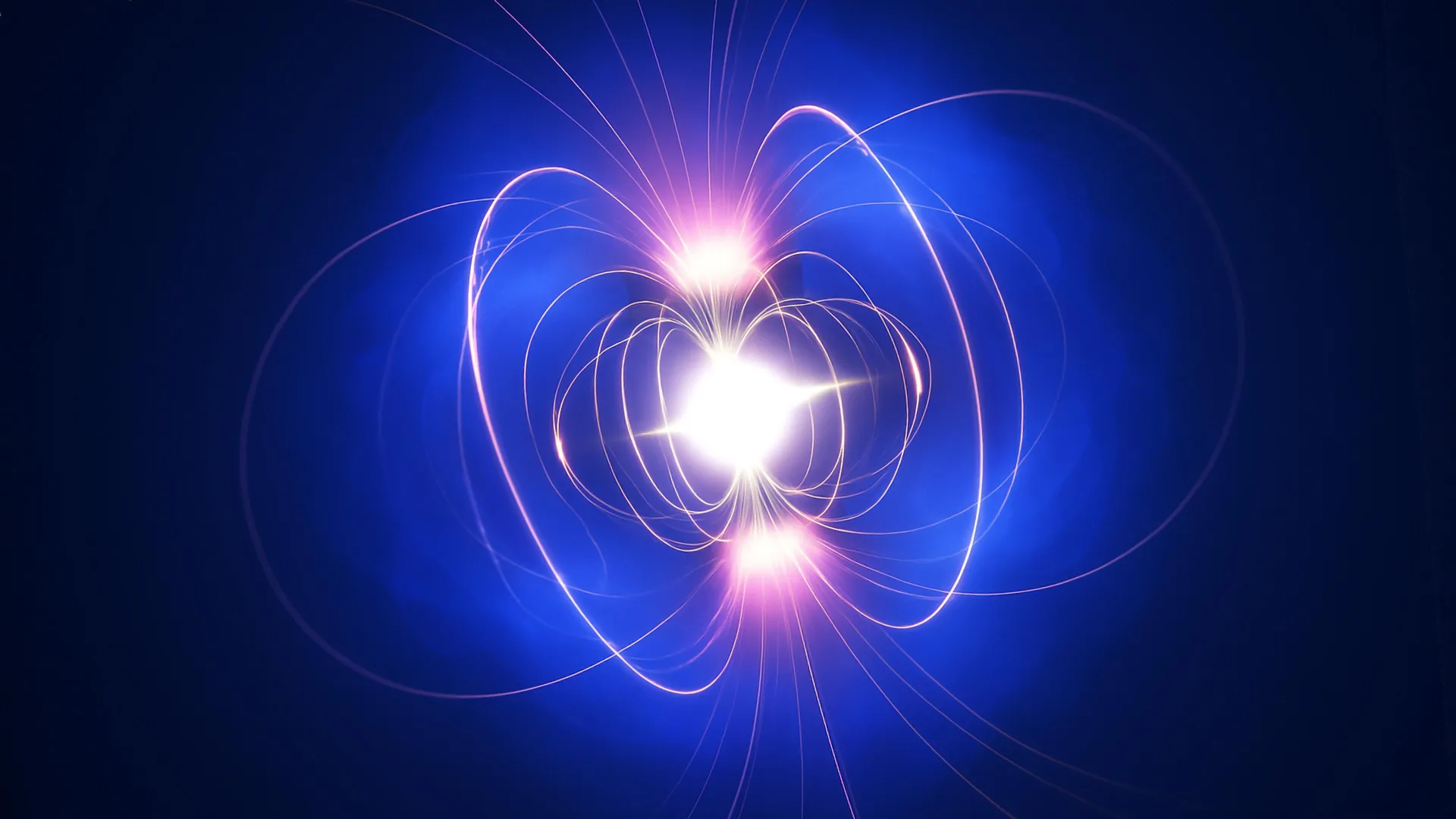
Scientists discover a strange new magnet that bends light like magic

Researchers have uncovered the magnetic properties and underlying mechanisms of a novel magnet using advanced optical techniques. Their study focused on an organic crystal believed to be a promising candidate for an “altermagnet”- a recently proposed third class of magnetic materials. Unlike conventional ferromagnets and antiferromagnets, altermagnets exhibit unique magnetic…

Scientists discover flaws that make electronics faster, smarter, and more efficient

Scientists have turned a longstanding challenge in electronics — material defects — into a quantum-enhanced solution, paving the way for new-generation ultra-low-power spintronic devices. Spintronics, short for “spin electronics,” is a field of technology that aims to go beyond the limits of conventional electronics. Traditional devices rely only on the…

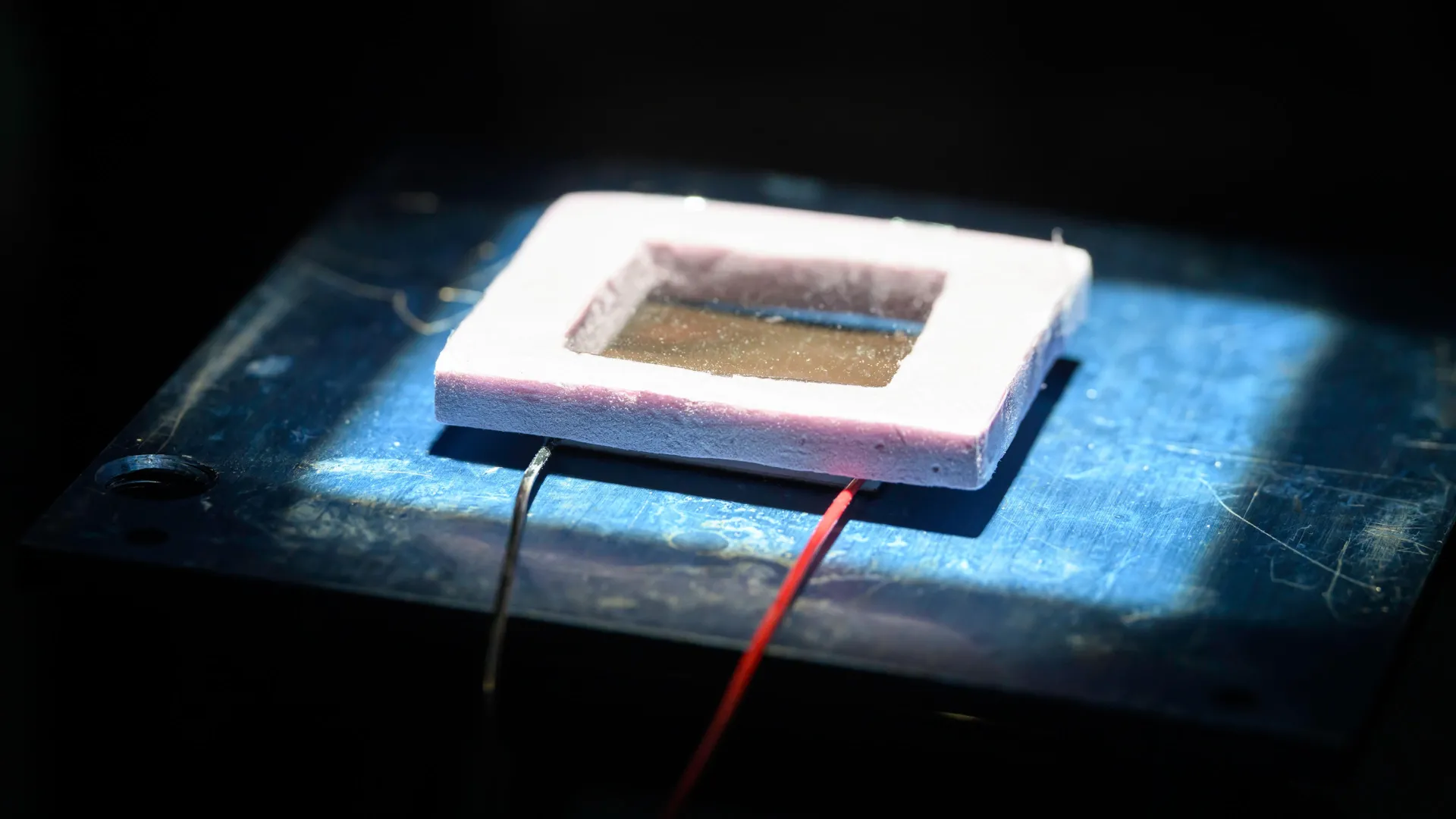
Scientists supercharge solar power 15x with black metal tech

In the quest for energy independence, researchers have studied solar thermoelectric generators (STEGs) as a promising source of solar electricity generation. Unlike the photovoltaics currently used in most solar panels, STEGs can harness all kinds of thermal energy in addition to sunlight. The simple devices have hot and cold sides…

Your brain works overtime at night to burn fat and prevent sugar crashes

The brain controls the release of glucose in a wide range of stressful circumstances, including fasting and low blood sugar levels. However, less attention has been paid to its role in day-to-day situations. In a study published in Molecular Metabolism, University of Michigan researchers have shown that a specific population…