Your brain works overtime at night to burn fat and prevent sugar crashes

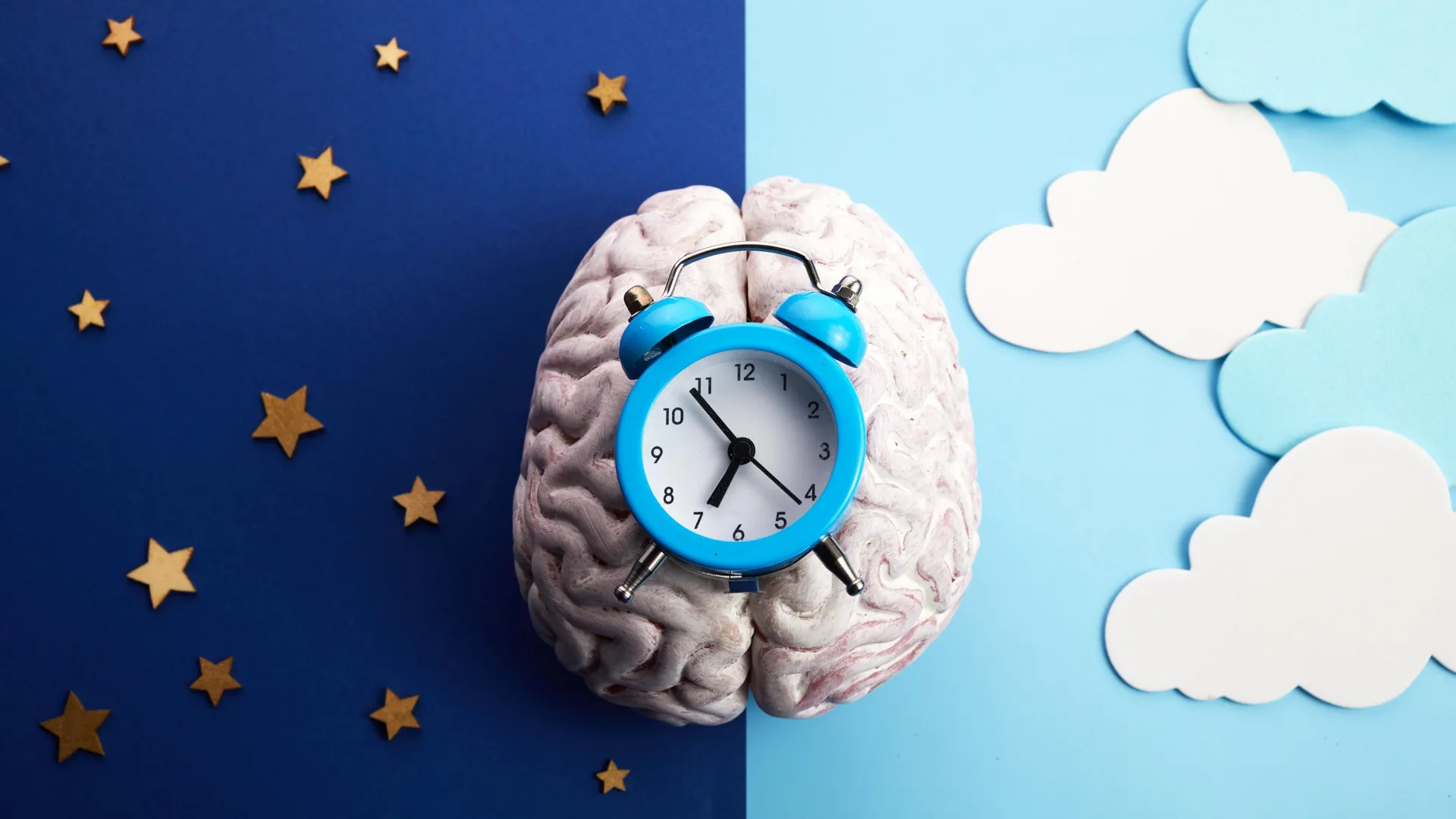
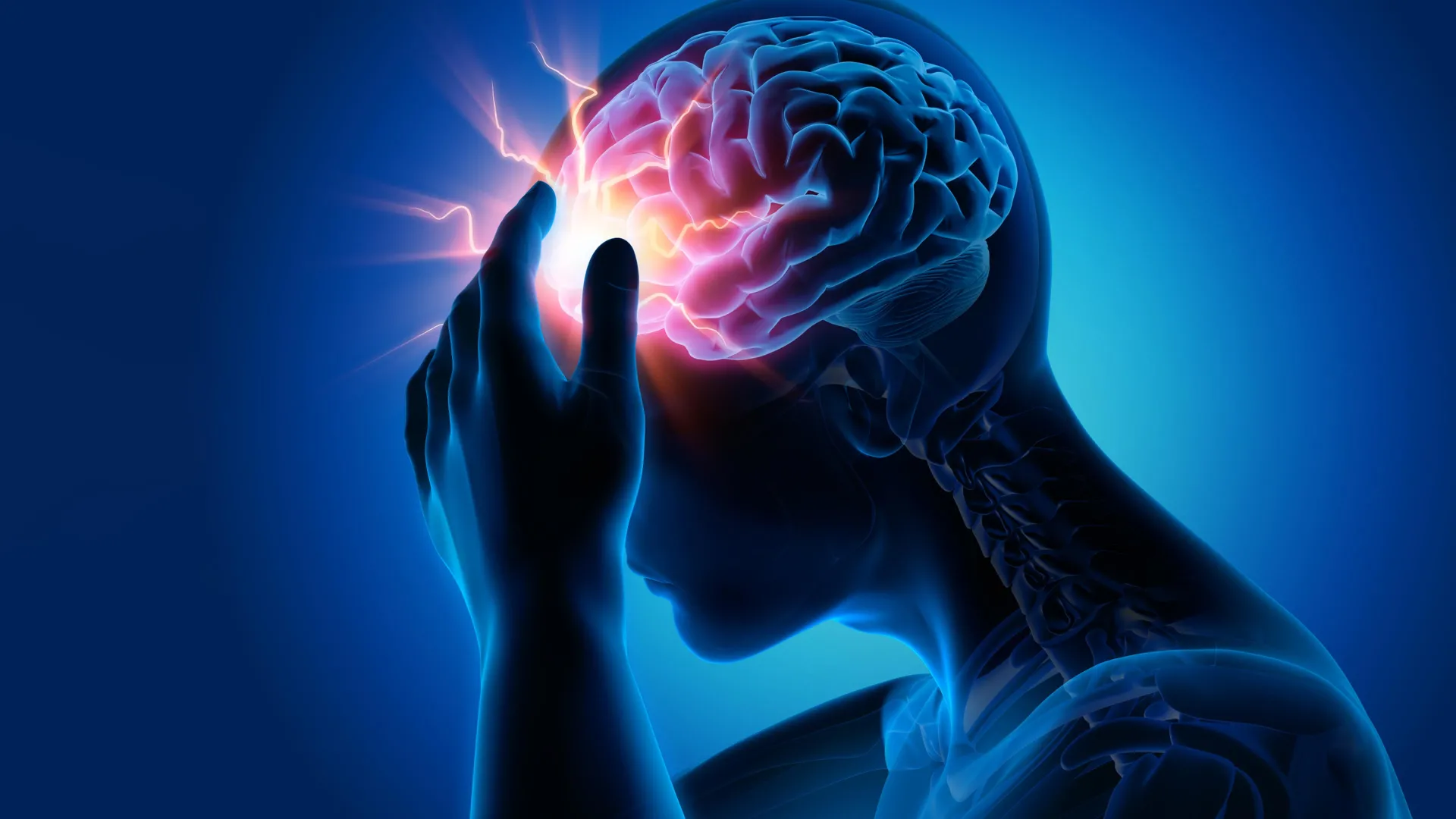
The brain controls the release of glucose in a wide range of stressful circumstances, including fasting and low blood sugar levels. However, less attention has been paid to its role in day-to-day situations. In a study published in Molecular Metabolism, University of Michigan researchers have shown that a specific population…

Why irregular sleep puts heart failure patients in danger

People recovering from heart failure should consider improving the regularity of their sleep, a study led by Oregon Health & Science University suggests. The research team found that even moderately irregular sleep doubles the risk of having another clinical event within six months, according to a study published on August…

Scientists unlock nature’s secret to superfast mini robots

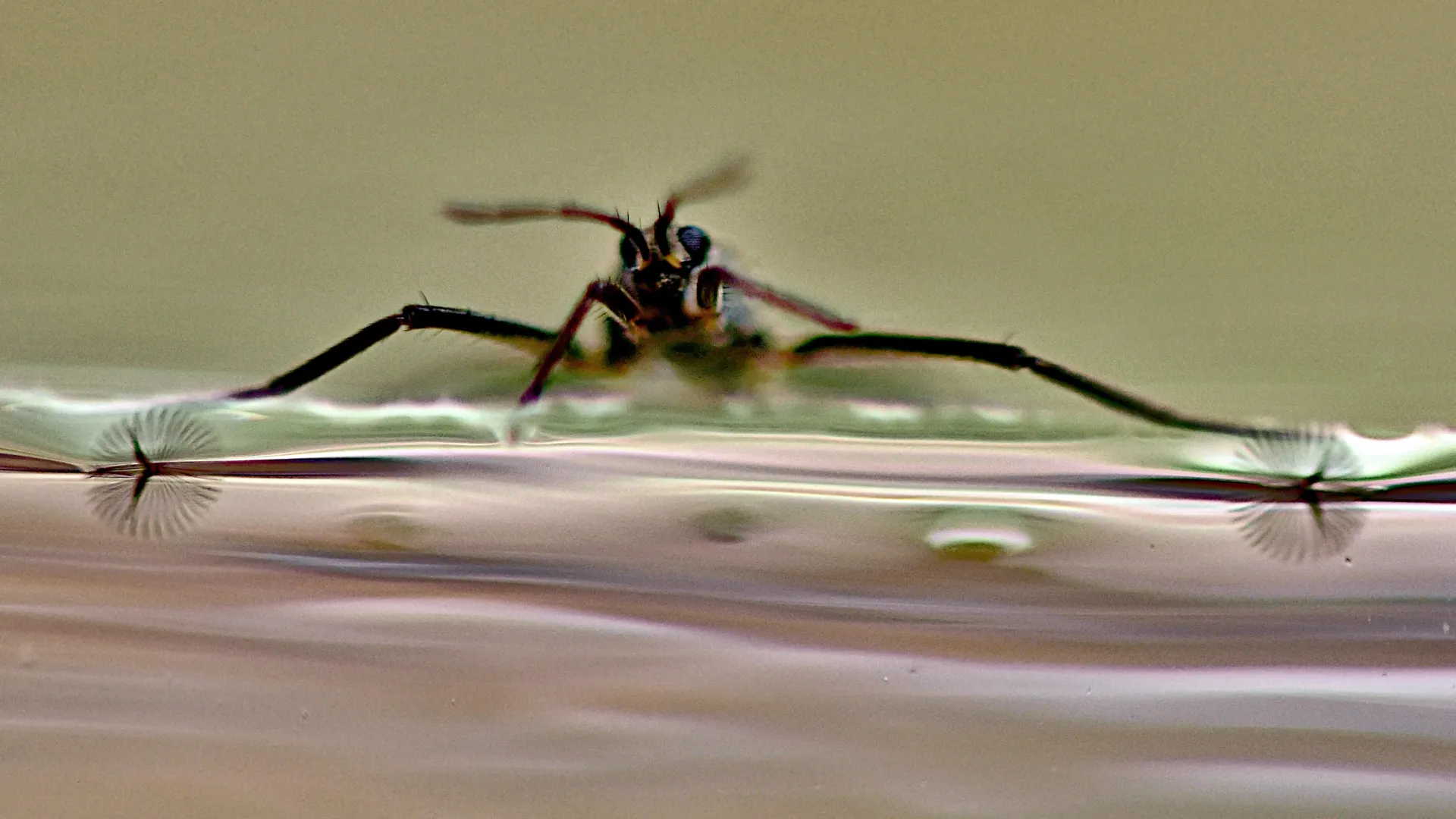
A collaborative team of researchers from the University of California, Berkeley, the Georgia Institute of Technology, and Ajou University in South Koreahas revealed that the unique fan-like propellers of Rhagovelia water striders — which allow them to glide across fast-moving streams — open and close passively, like a paintbrush, ten…

Stopping time in cells exposes life’s fastest secrets

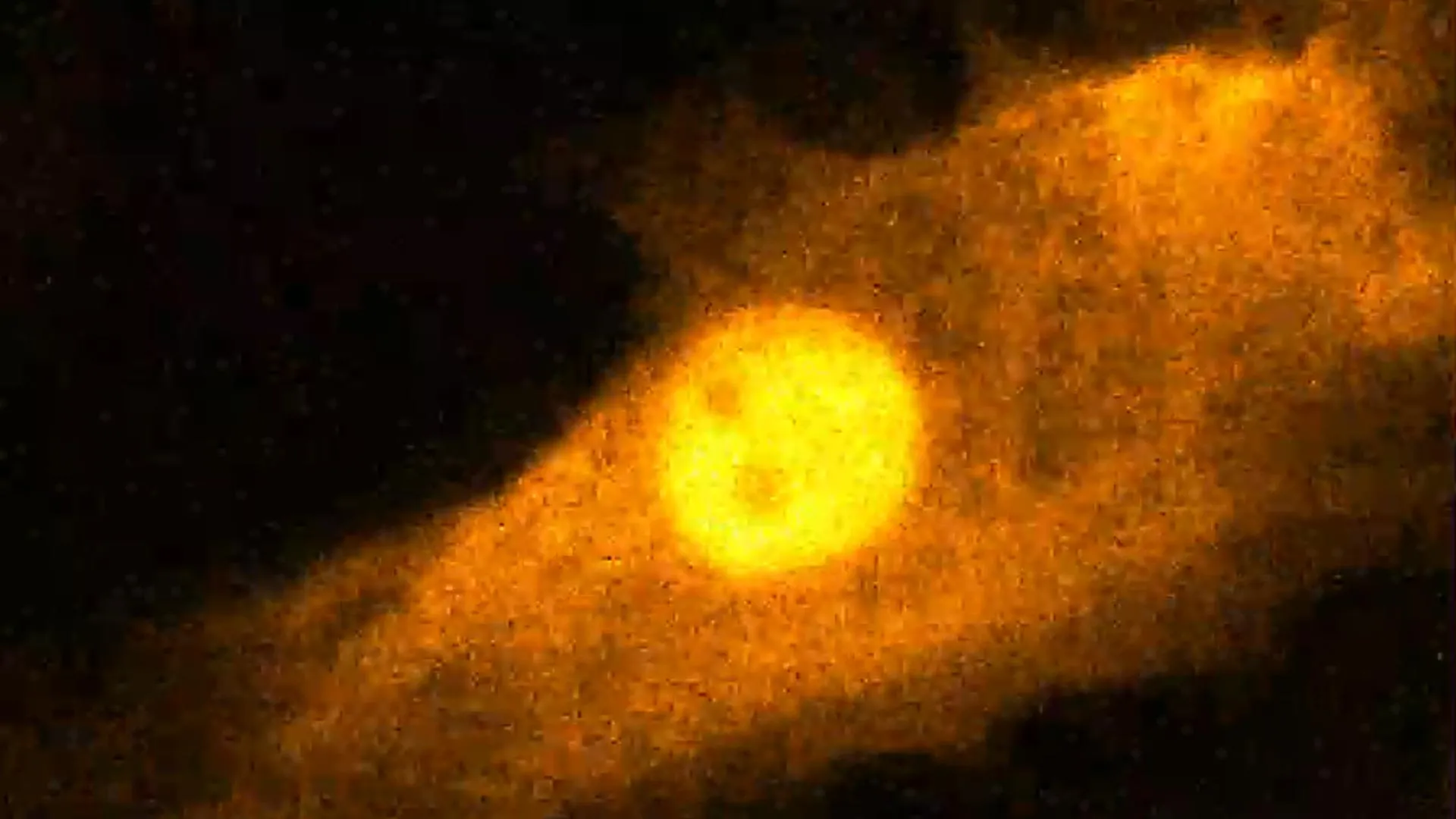
Optical microscopy is a key technique for understanding dynamic biological processes in cells, but observing these high-speed cellular dynamics accurately, at high spatial resolution, has long been a formidable task. Now, in an article published in Light: Science & Applications, researchers from The University of Osaka, together with collaborating institutions,…

Jupiter’s core isn’t what we thought

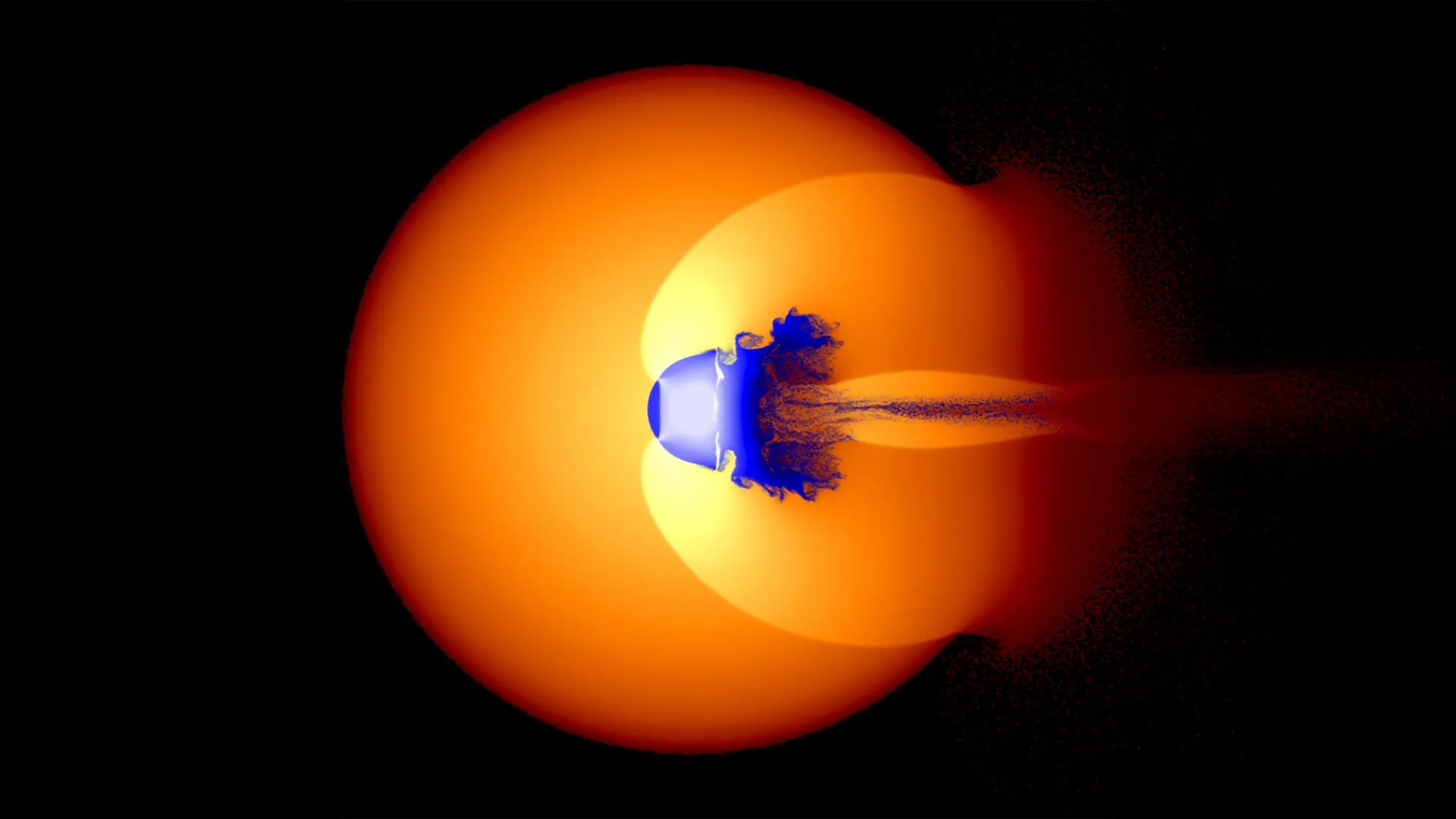
The mystery at Jupiter’s heart has taken a fresh twist – as new research suggests a giant impact may not have been responsible for the formation of its core. It had been thought that a colossal collision with an early planet containing half of Jupiter’s core material could have mixed…

Strange ripples frozen in Mars’ sands could hold keys to human survival

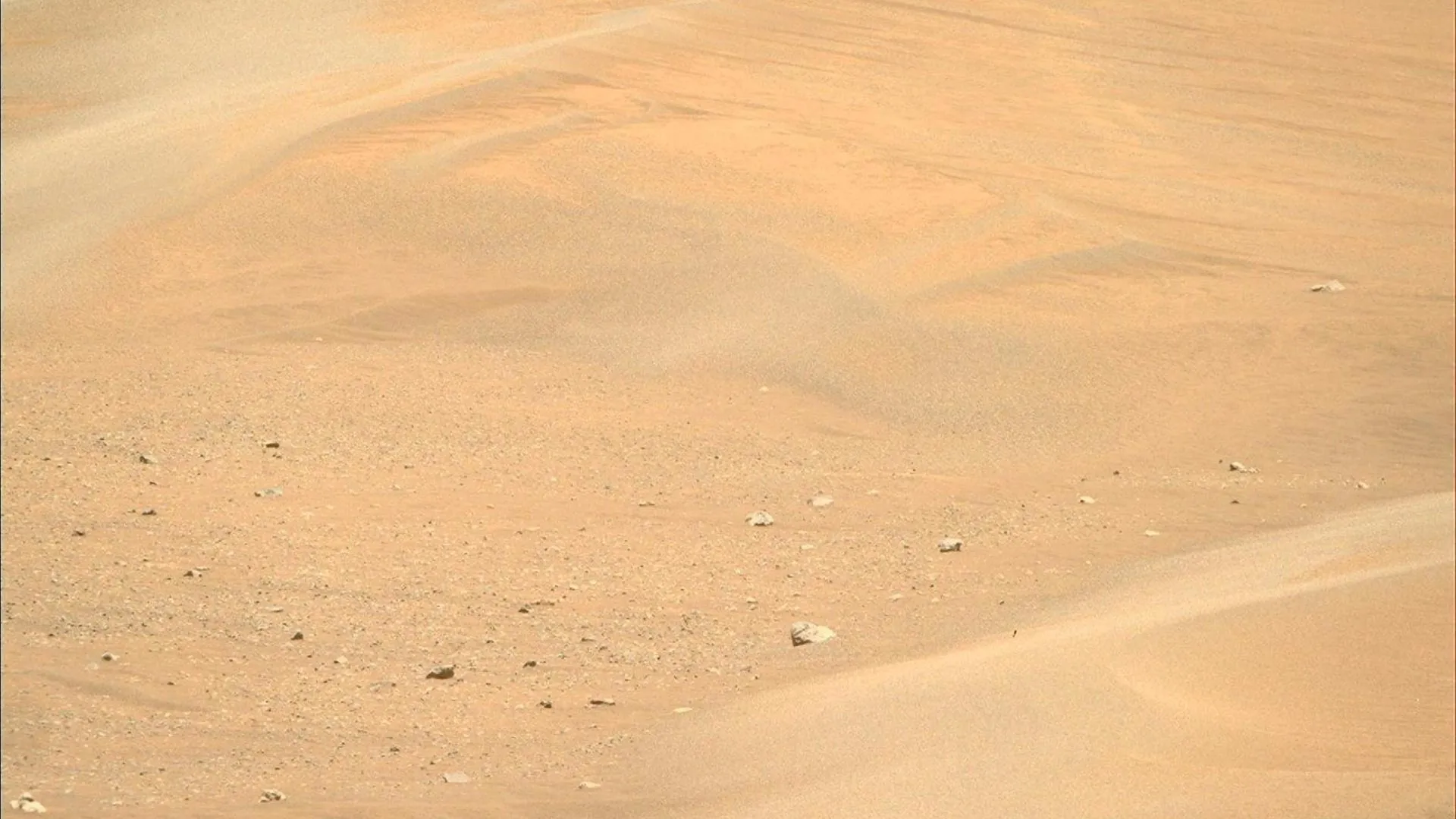
On Mars, the past is written in stone — but the present is written in sand. Last week, Perseverance explored inactive megaripples to learn more about the wind-driven processes that are reshaping the Martian landscape every day. After wrapping up its investigation at the contact between clay and olivine-bearing rocks…

Closest and brightest fast radio burst ever detected by astronomers

A fast radio burst is an immense flash of radio emission that lasts for just a few milliseconds, during which it can momentarily outshine every other radio source in its galaxy. These flares can be so bright that their light can be seen from halfway across the universe, several billion…

Why tiny bee brains could hold the key to smarter AI

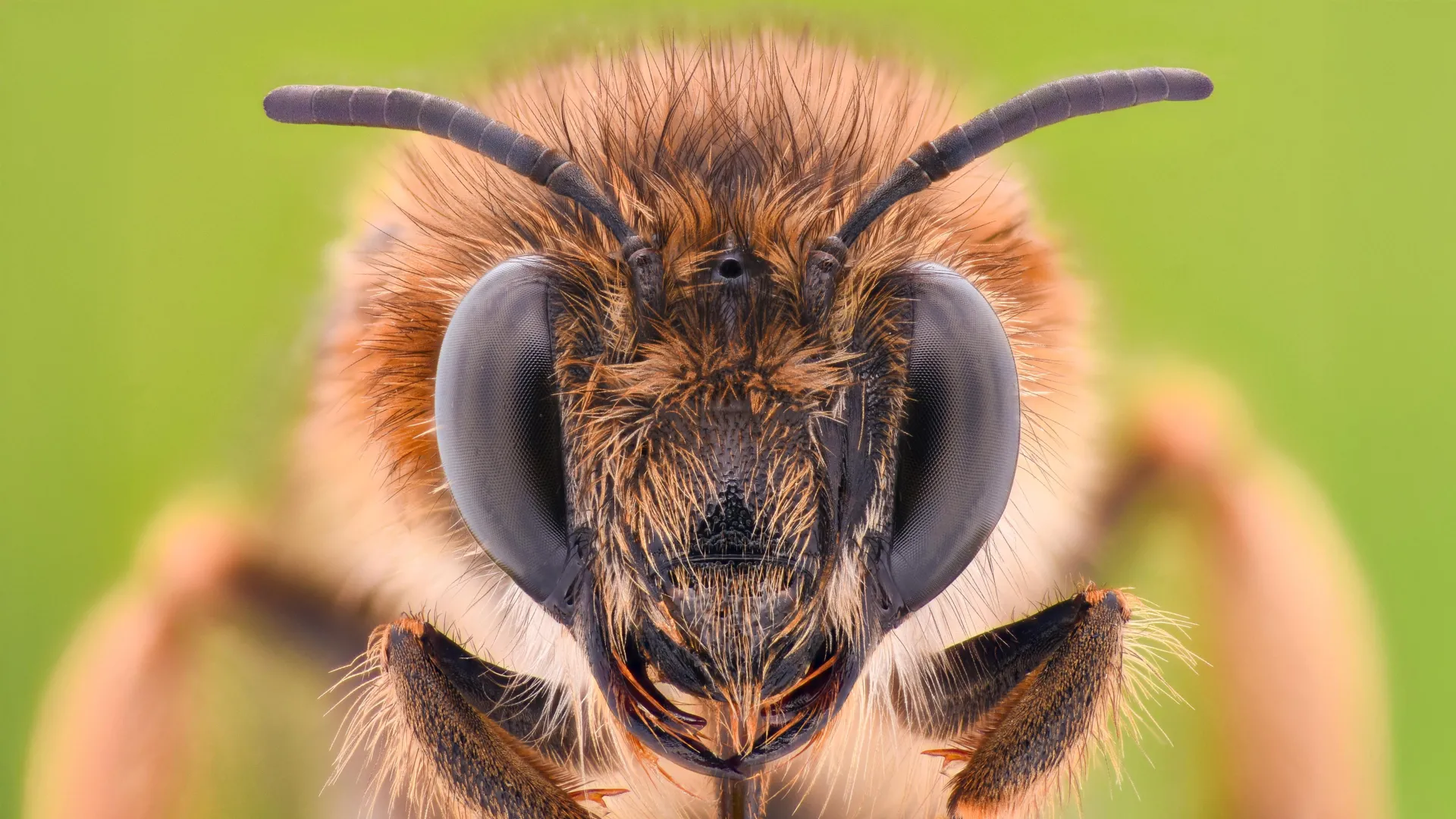
A new discovery of how bees use their flight movements to facilitate remarkably accurate learning and recognition of complex visual patterns could mark a major change in how next-generation AI is developed, according to a University of Sheffield study. iversity of Sheffield built a digital model of a bee’s brain…

Tiny green tea beads trap fat and melt away pounds without side effects

Weight-loss interventions, including gastric bypass surgery and drugs that prevent dietary fat absorption, can be invasive or have negative side effects. Now, researchers have developed edible microbeads made from green tea polyphenols, vitamin E and seaweed that, when consumed, bind to fats in the gastrointestinal tract. Preliminary results from tests…

Too much salt can hijack your brain

A new study finds that a high-salt diet triggers brain inflammation that drives up blood pressure. The research, led by McGill University scientist Masha Prager-Khoutorsky in collaboration with an interdisciplinary team at McGill and the Research Institute of the McGill University Health Centre, suggests the brain may be a missing…

Tiny protein dismantles the toxic clumps behind Alzheimer’s

Scientists at St. Jude Children’s Research Hospital demonstrated for the first time that the protein midkine plays a preventative role against Alzheimer’s disease. Midkine is known to accumulate in Alzheimer’s disease patients. Now, researchers have connected it with amyloid beta, a protein that accumulates in the brain, causing assemblies that…

Tiny quantum dots unlock the future of unbreakable encryption

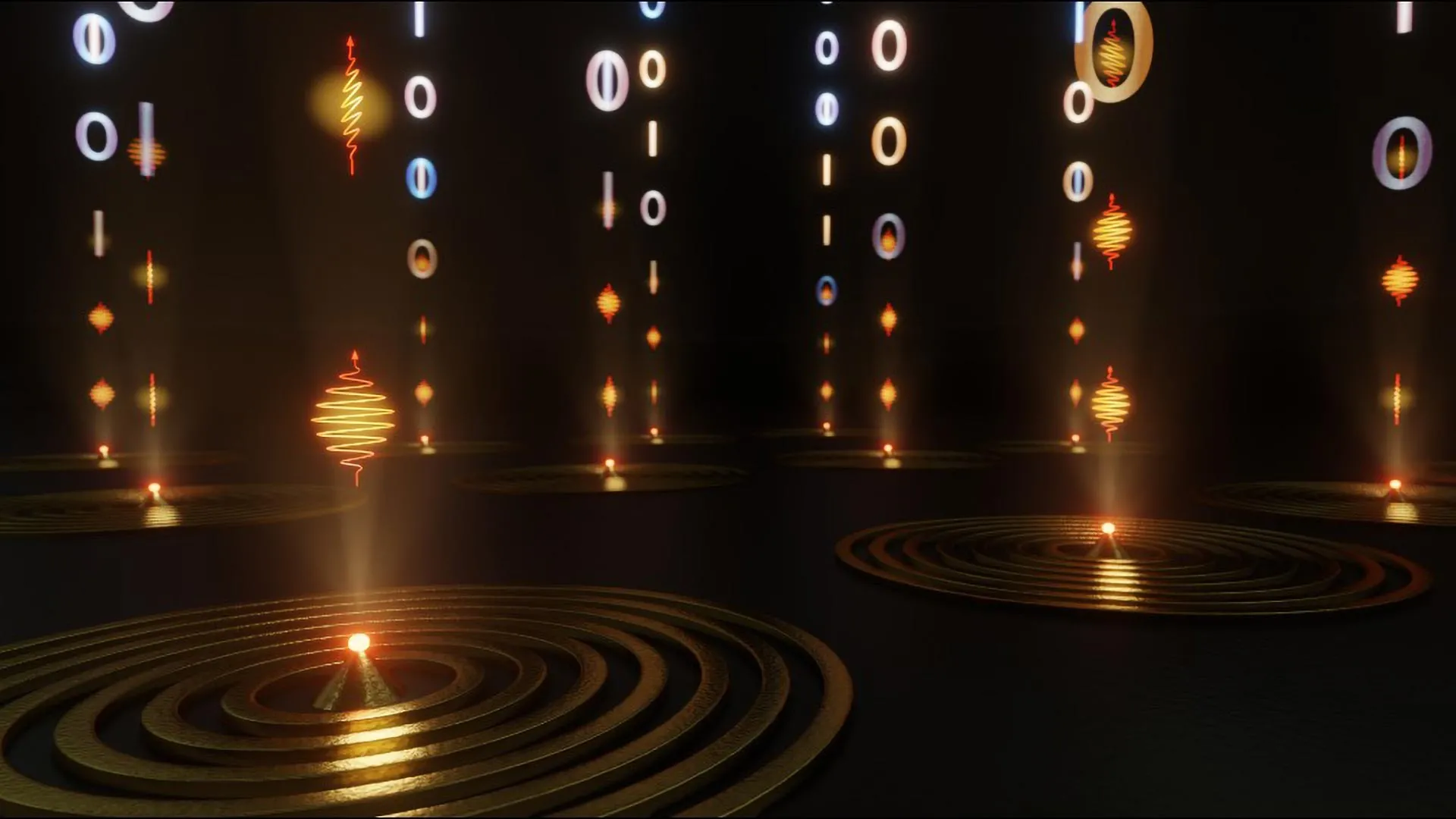
Physicists have developed a breakthrough concept in quantum encryption that makes private communication more secure over significantly longer distances, surpassing state-of-the-art technologies. For decades, experts believed such a technology upgrade required perfect optical hardware, namely, light sources that strictly emit one light particle (photon) at a time — something extremely…

Tiny reactor boosts fusion with a sponge-like trick

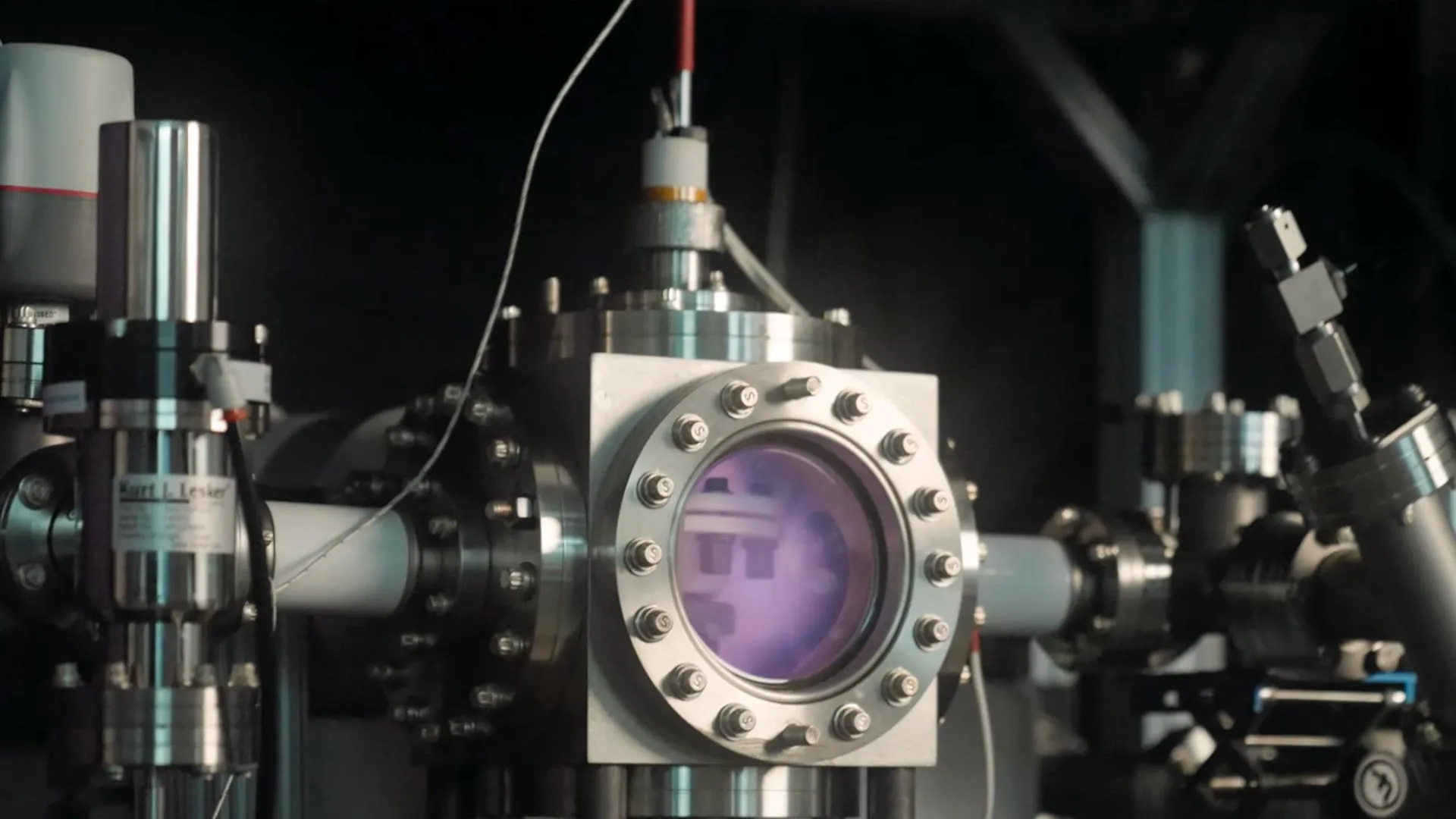
Using a small bench-top reactor, researchers at the University of British Columbia (UBC) have demonstrated that electrochemically loading a solid metal target with deuterium fuel can boost nuclear fusion rates. Large-scale magnetic confinement fusion — which puts plasmas under extreme temperatures and pressure — is being widely explored as a…

A simple trick just made tiny lasers more powerful than ever

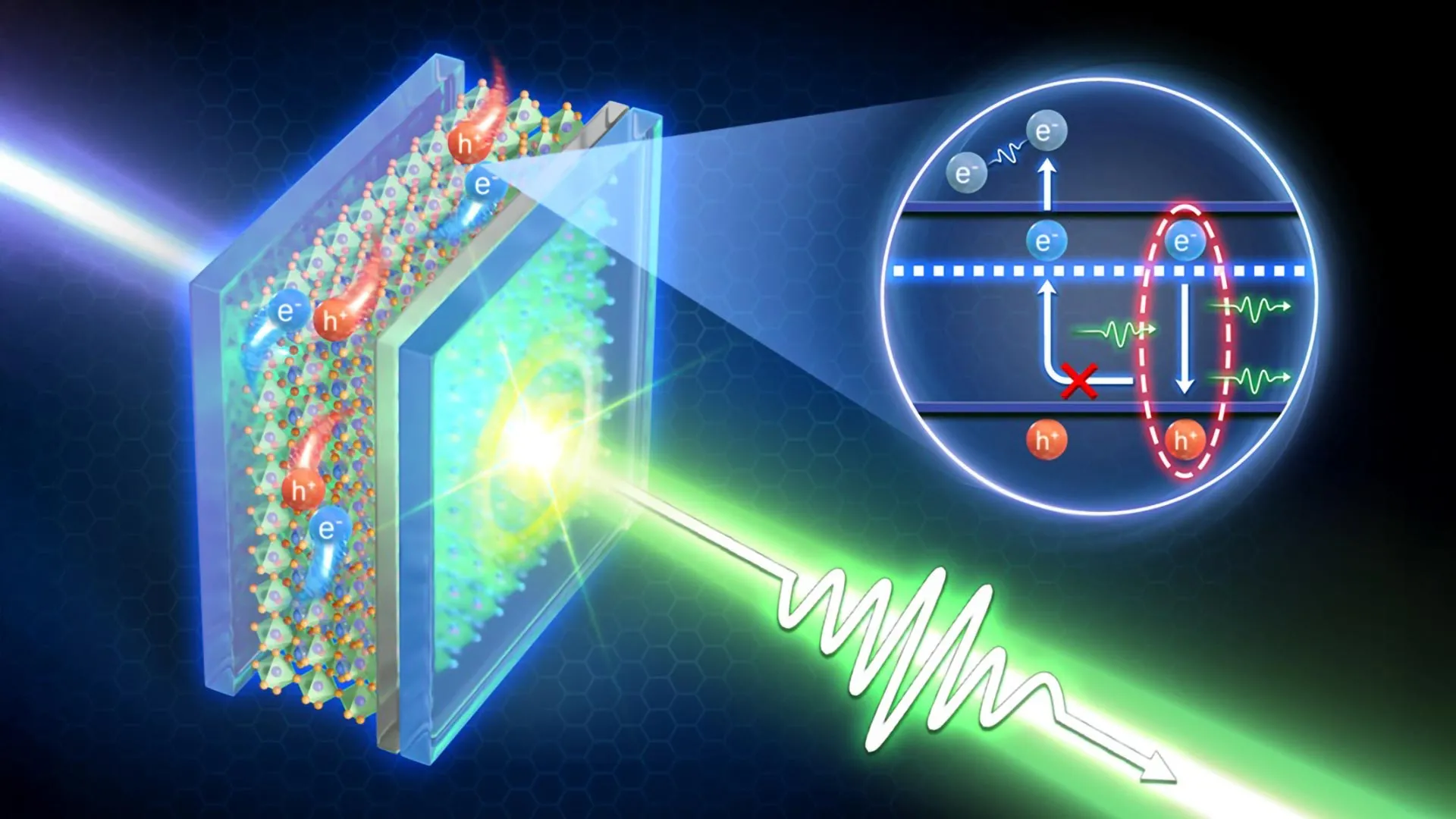
For years, engineers have sought better ways to build tiny, efficient lasers that can be integrated directly onto silicon chips, a key step toward faster, more capable optical communications and computing. Today’s commercial lasers are mostly made from III-V semiconductors grown on specialized substrates — a process that makes them…

Scientists discover forgotten particle that could unlock quantum computers

Quantum computers have the potential to solve problems far beyond the reach of today’s fastest supercomputers. But today’s machines are notoriously fragile. The quantum bits, or “qubits,” that store and process information are easily disrupted by their environment, leading to errors that quickly accumulate. One of the most promising approaches…

Scientists found the missing nutrients bees need — Colonies grew 15-fold

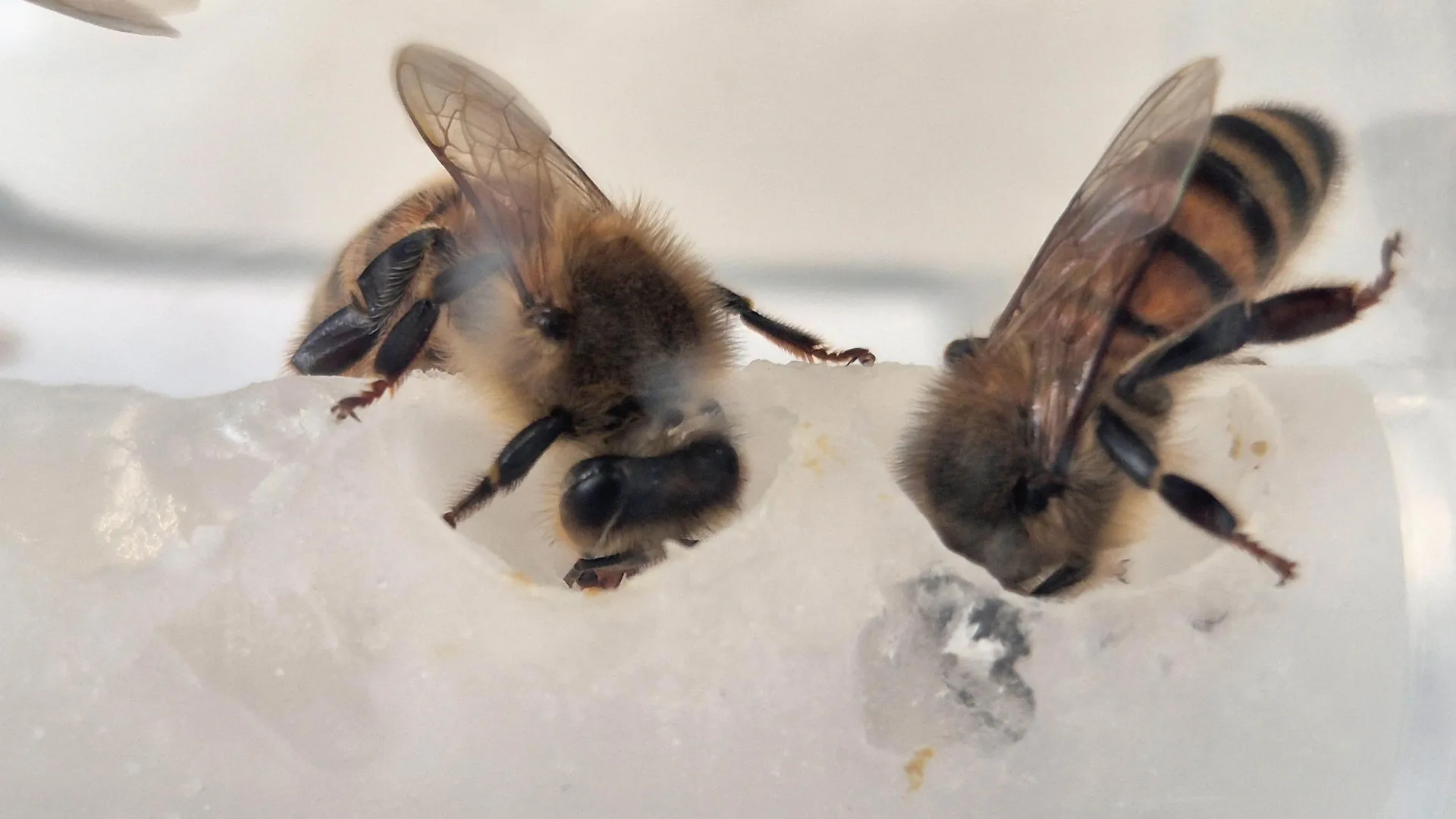
A new study led by the University of Oxford in collaboration with Royal Botanic Gardens Kew, University of Greenwich, and the Technical University of Denmark could provide a cost-effective and sustainable solution to help tackle the devastating decline in honeybees. An engineered food supplement, designed to provide essential compounds found…

Most of Earth’s species came from explosive bursts of evolution

The British evolutionary biologist JBS Haldane is said to have quipped that any divine being evidently had ‘an ordinate fondness for beetles’. This bon mot conveyed an important truth: the ‘tree of life’ – the family tree of all species, living or extinct – is very uneven. In places, it…

Are we accidentally broadcasting our location to alien civilizations?

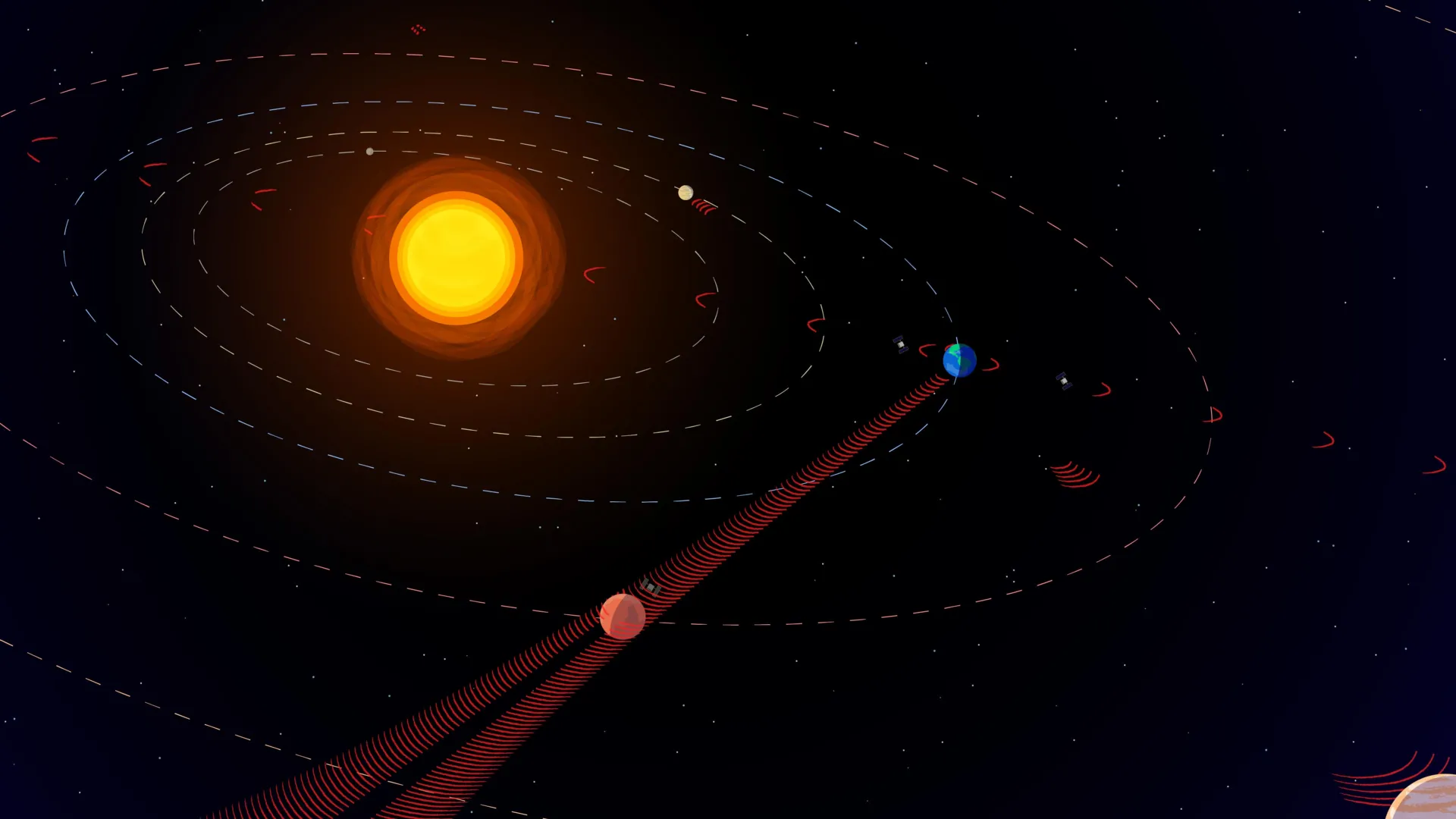
If an extraterrestrial intelligence were looking for signs of human communications, when and where should they look? In a new study, researchers at Penn State and NASA’s Jet Propulsion Laboratory in Southern California analyzed when and where human deep space transmissions would be most detectable by an observer outside our…

A startling omega-3 deficiency may explain women’s Alzheimer’s risk

Omega fatty acids could protect against Alzheimer’s disease in women, new research has found. Analysis of lipids – fat molecules that perform many essential functions in the body – in the blood found there was a noticeable loss of unsaturated fats, such as those that contain omega fatty acids, in…

Mysterious “little red dots” could reveal how the first black holes formed

Astronomers at the Center for Astrophysics | Harvard & Smithsonian have proposed a new explanation for some of the universe’s most puzzling early galaxies, nicknamed “little red dots.” In the study, published in The Astrophysical Journal Letters, Authors Fabio Pacucci and Abraham (Avi) Loeb suggest that these galaxies are the…

A star torn apart by a black hole lit up the Universe twice

Astronomers used a UC Santa Cruz-led AI system to detect a rare supernova, SN 2023zkd, within hours of its explosion, allowing rapid follow-up observations before the fleeting event faded. Evidence suggests the blast was triggered by a massive star’s catastrophic encounter with a black hole companion, either partially swallowing the…

What came before the Big Bang? Supercomputers may hold the answer

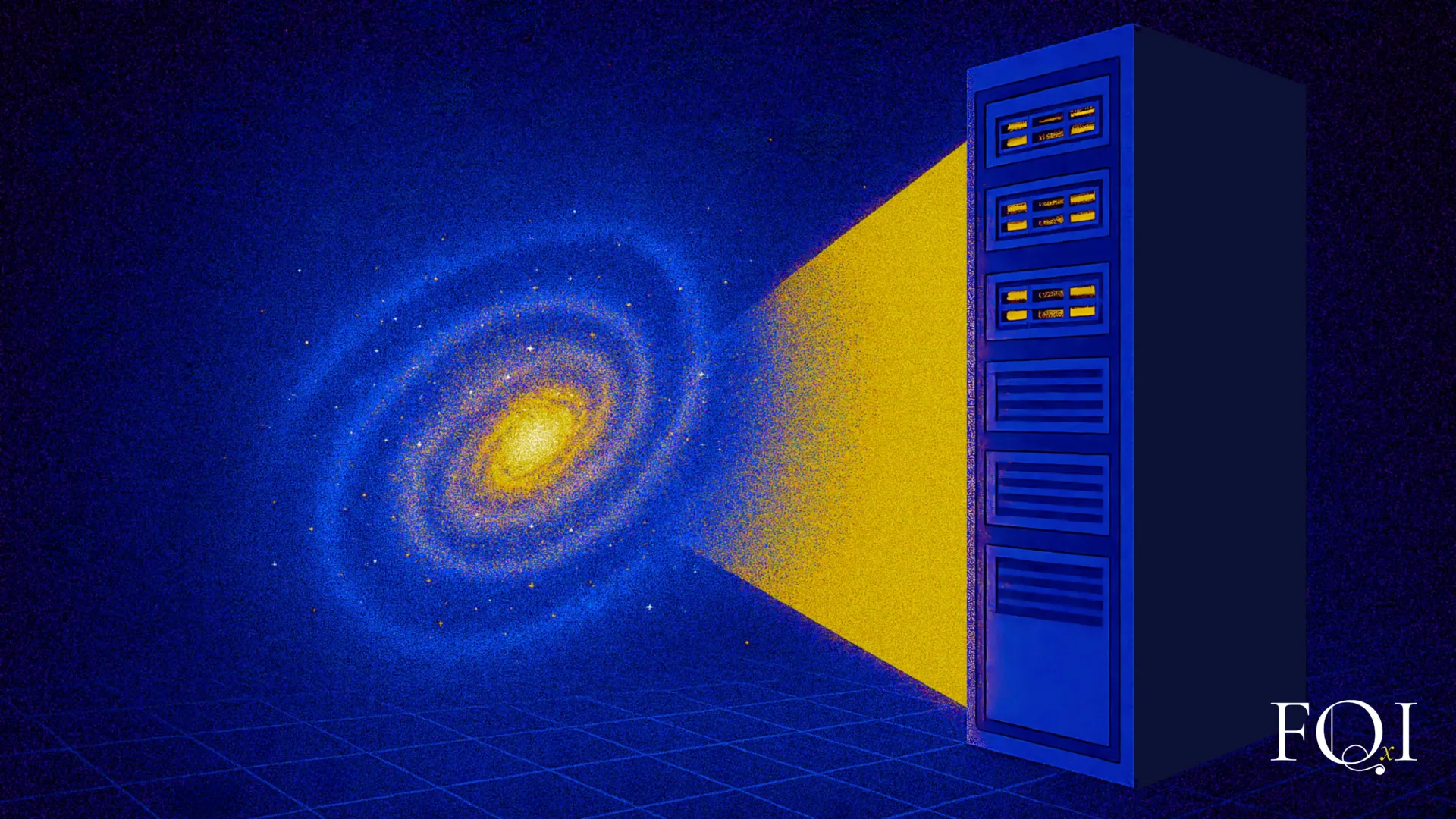
We’re often told it is “unscientific” or “meaningless” to ask what happened before the Big Bang. But a new paper by FQxI cosmologist Eugene Lim, of King’s College London, UK, and astrophysicists Katy Clough, of Queen Mary University of London, UK, and Josu Aurrekoetxea, at Oxford University, UK, published in…

Ozone recovery could trigger 40% more global warming than predicted

The world will warm more than expected due to future changes in ozone, which protects Earth from harmful sun rays but also traps heat as it is a greenhouse gas. While banning ozone-destroying gases such as CFCs has helped the ozone layer to recover, when combined with increased air pollution…

Scientists just cracked the quantum code hidden in a single atom

To build a large-scale quantum computer that works, scientists and engineers need to overcome the spontaneous errors that quantum bits, or qubits, create as they operate. Scientists encode these building blocks of quantum information to suppress errors in other qubits so that a minority can operate in a way that…

Why some people age faster. And the 400 genes behind it

It’s a fact of life: Some people age better than others. Some ease into their 90s with mind and body intact, while others battle diabetes, Alzheimer’s or mobility issues decades earlier. Some can withstand a bad fall or bout of the flu with ease, while others never leave the hospital…

Scientists discover crystal that breathes oxygen like lungs

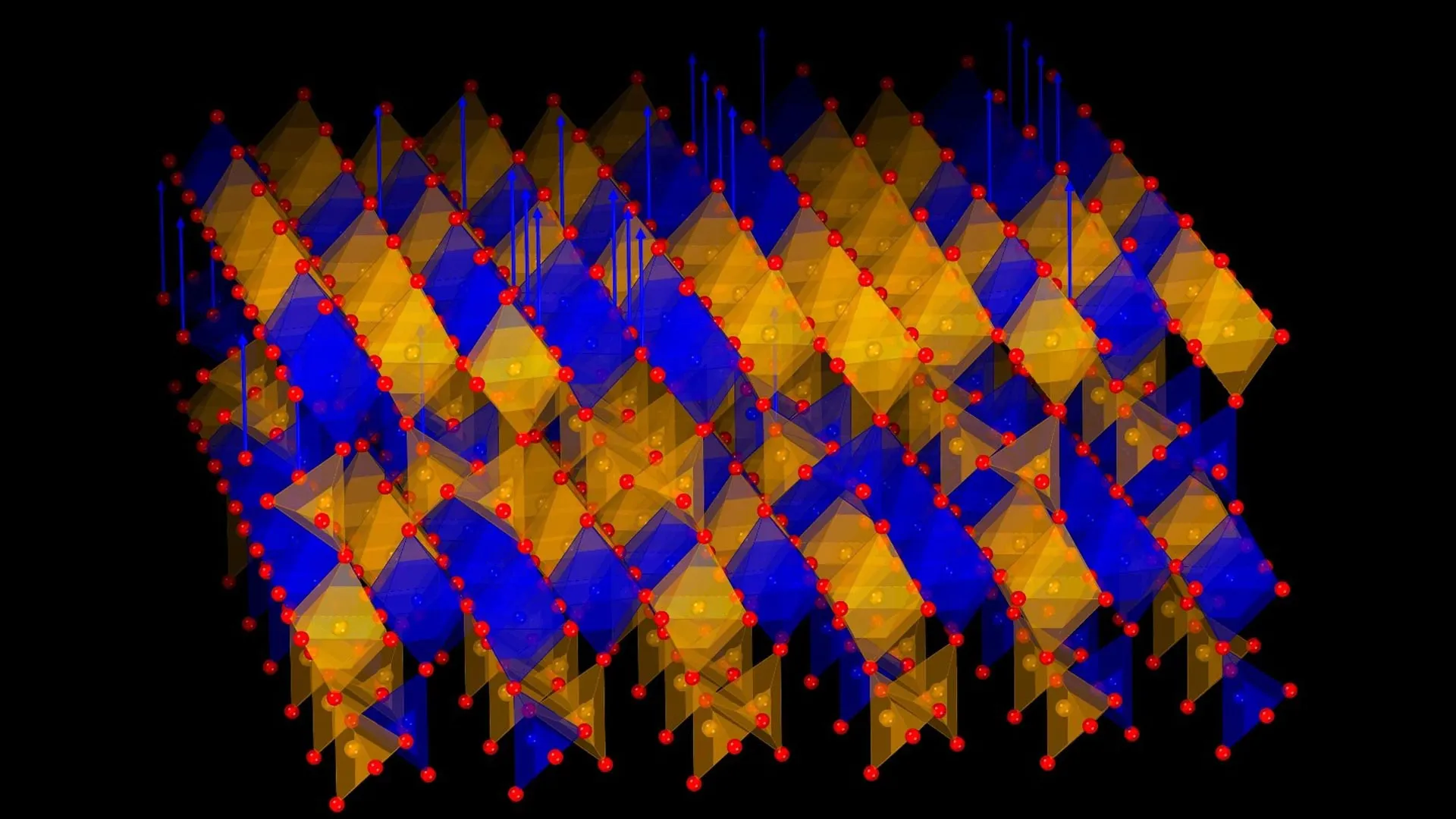
A team of scientists from Korea and Japan has discovered a new type of crystal that can “breathe” — releasing and absorbing oxygen repeatedly at relatively low temperatures. This unique ability could transform the way we develop clean energy technologies, including fuel cells, energy-saving windows, and smart thermal devices. The…

Ancient fossil discovery in Ethiopia rewrites human origins

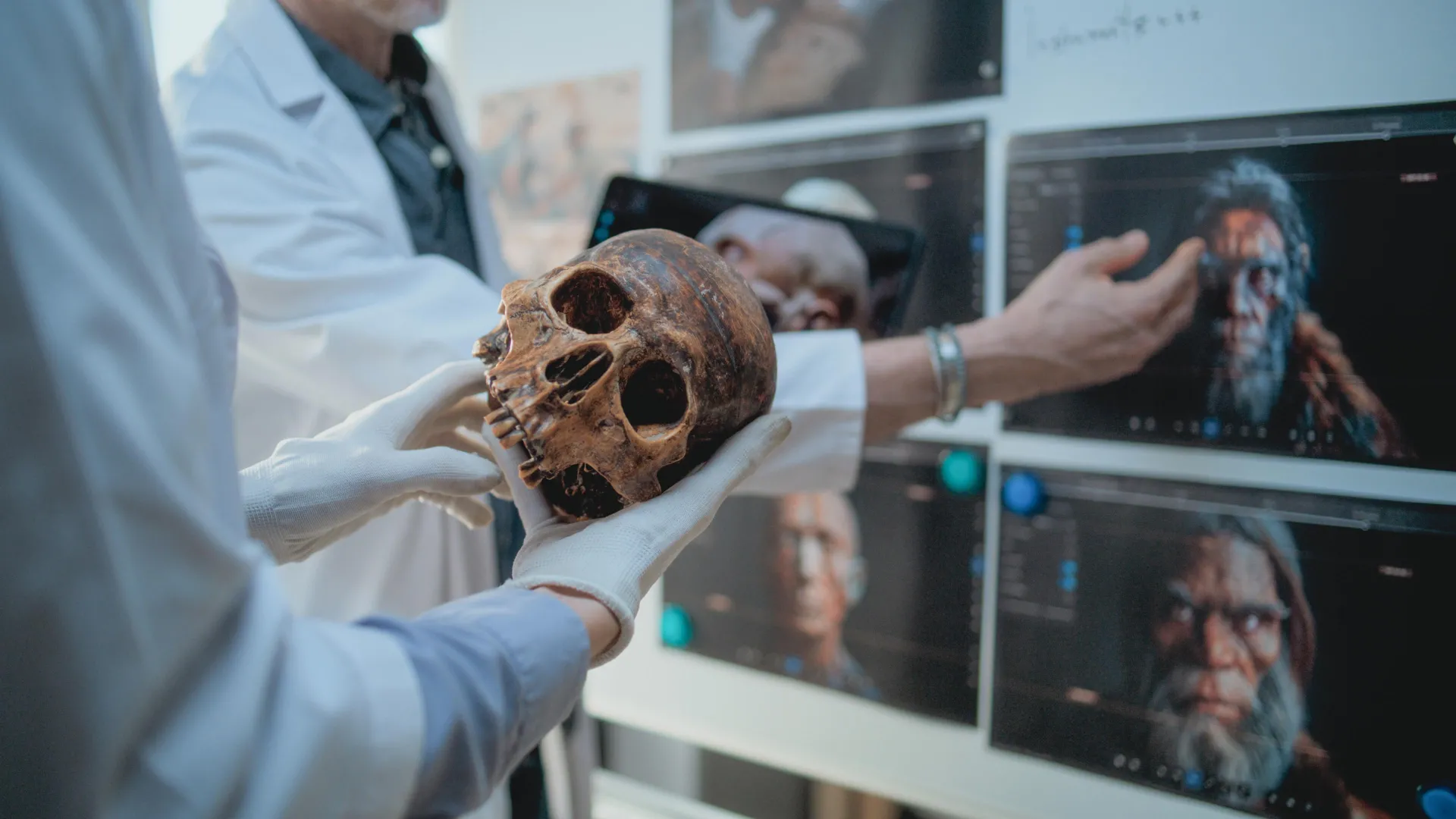
A team of international scientists has discovered new fossils at a field site in Africa that indicate Australopithecus, and the oldest specimens of Homo, coexisted at the same place in Africa at the same time — between 2.6 and 2.8 million years ago. The paleoanthropologists discovered a new species of…