Planets may start forming before stars even finish growing

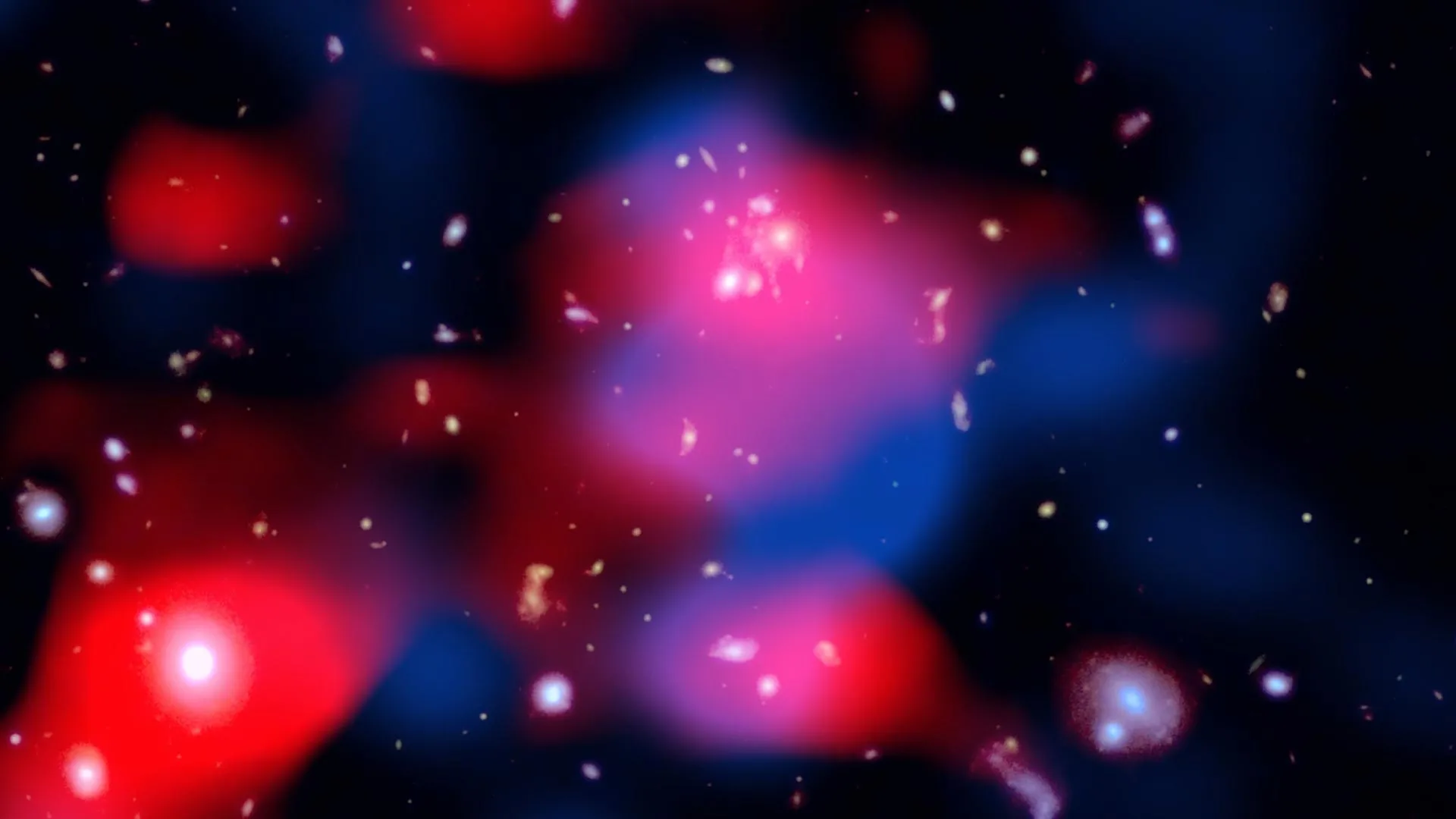
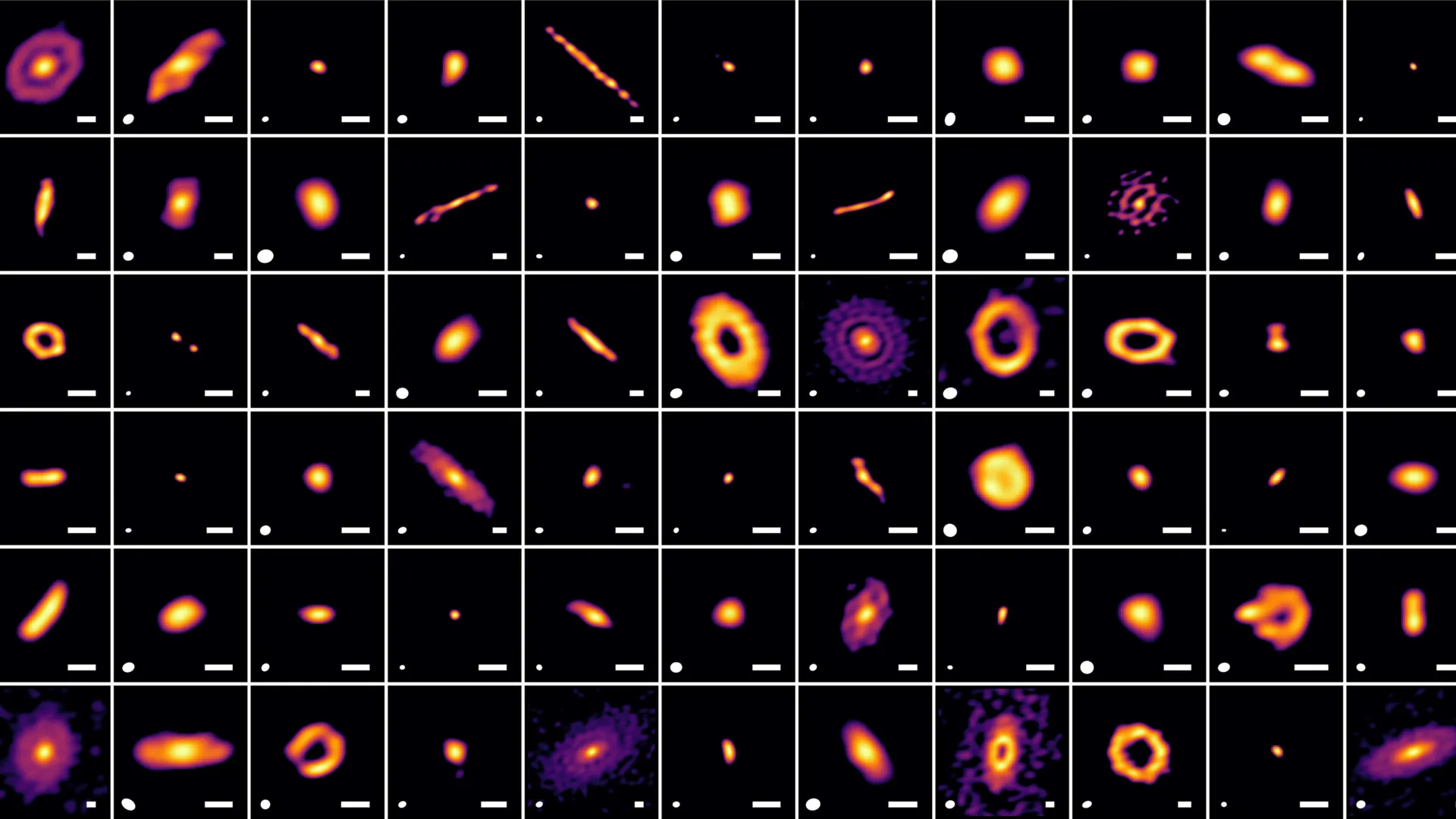
Signs of planet formation may appear earlier than expected around still-forming baby stars, according to new results of higher resolution images produced using new improved techniques to reanalyze radio astronomy archive data. These newly discovered signs of planet formation will provide a better understanding of when it begins around a…
Fire smoke exposure leaves toxic metals and lasting immune changes

Healthy adults exposed to fire smoke — which can be composed of gases, particulate matter, and toxins — showed alterations to their immune systems, including changes in the regulation of genes associated with asthma and allergies, and in immune cells that play a key role in fighting pathogens, compared to…

Buried for 23,000 years: These footprints are rewriting American history

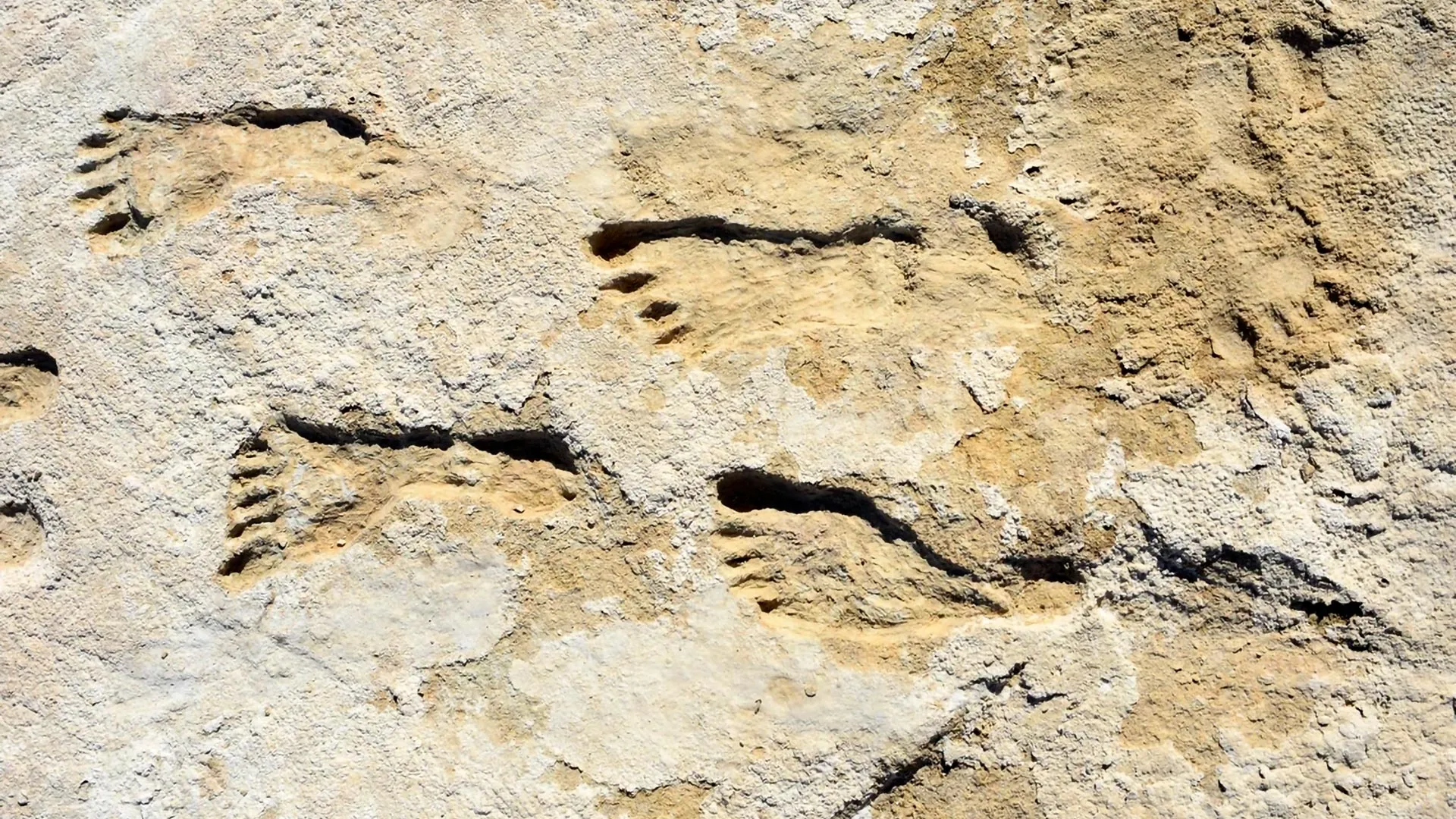
Vance Holliday jumped at the invitation to go do geology at New Mexico’s White Sands. The landscape, just west of Alamogordo, looks surreal – endless, rolling dunes of fine beige gypsum, left behind by ancient seas. It’s one of the most unique geologic features in the world. But a national…

Scientists just reconstructed half the neanderthal genome—thanks to Indian DNA

India’s population is genetically one of the most diverse in the world, yet it remains underrepresented in global datasets. In a study publishing in the Cell Press journal Cell, researchers analyzed genomic data from more than 2,700 people from across India, capturing genetic variation from most geographic regions, linguistic groups,…

The gene that hijacks fear: How PTEN rewires the brain’s anxiety circuit

PTEN Connection to Autism: Up to 25% of those with brain overgrowth and autistic spectrum disorder (ASD) carry variations in a gene called PTEN; PTEN-deficient mouse models exhibit ASD-like characteristics Cell-type Specific Model: PTEN loss in specific neurons leads to circuit imbalance and altered behavior Excitation-Inhibition Imbalance: Strengthened excitatory drive…

Brain scan breakthrough reveals why Parkinson’s drugs don’t always work

Simon Fraser University researchers are using a new approach to brain imaging that could improve how drugs are prescribed to treat Parkinson’s disease. The new study, published in the journal Movement Disorders, looks at why levodopa – the main drug used in dopamine replacement therapy – is sometimes less effective…

This brain scan sees Alzheimer’s coming—but only in some brains

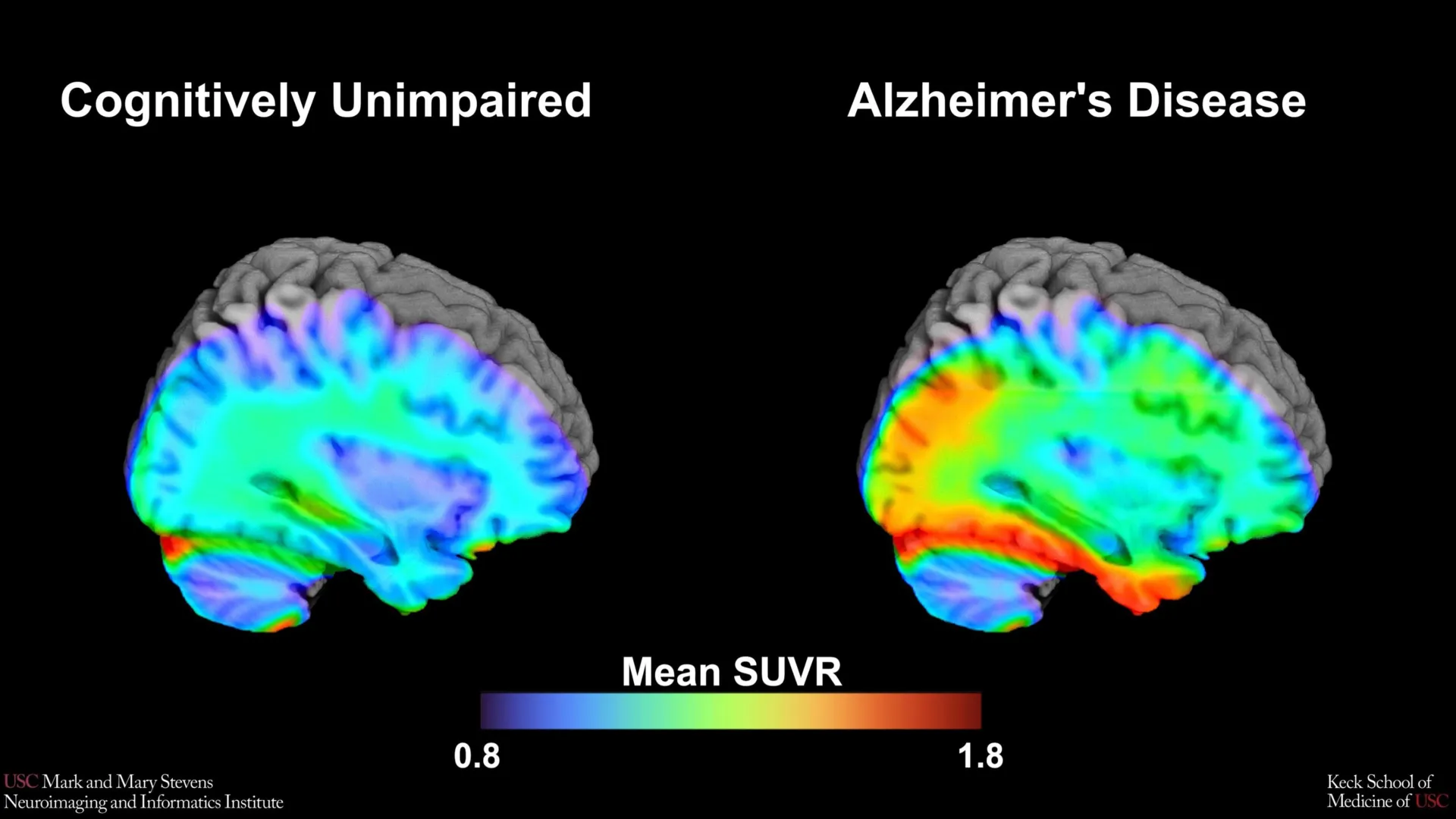
A team of researchers from the Keck School of Medicine of USC’s Mark and Mary Stevens Neuroimaging and Informatics Institute (Stevens INI) has identified a new brain imaging benchmark that may improve how researchers classify biologically meaningful changes associated with Alzheimer’s disease, especially in Hispanic and non-Hispanic White populations. The…

Scientists reveal a spontaneous reaction that could have started life

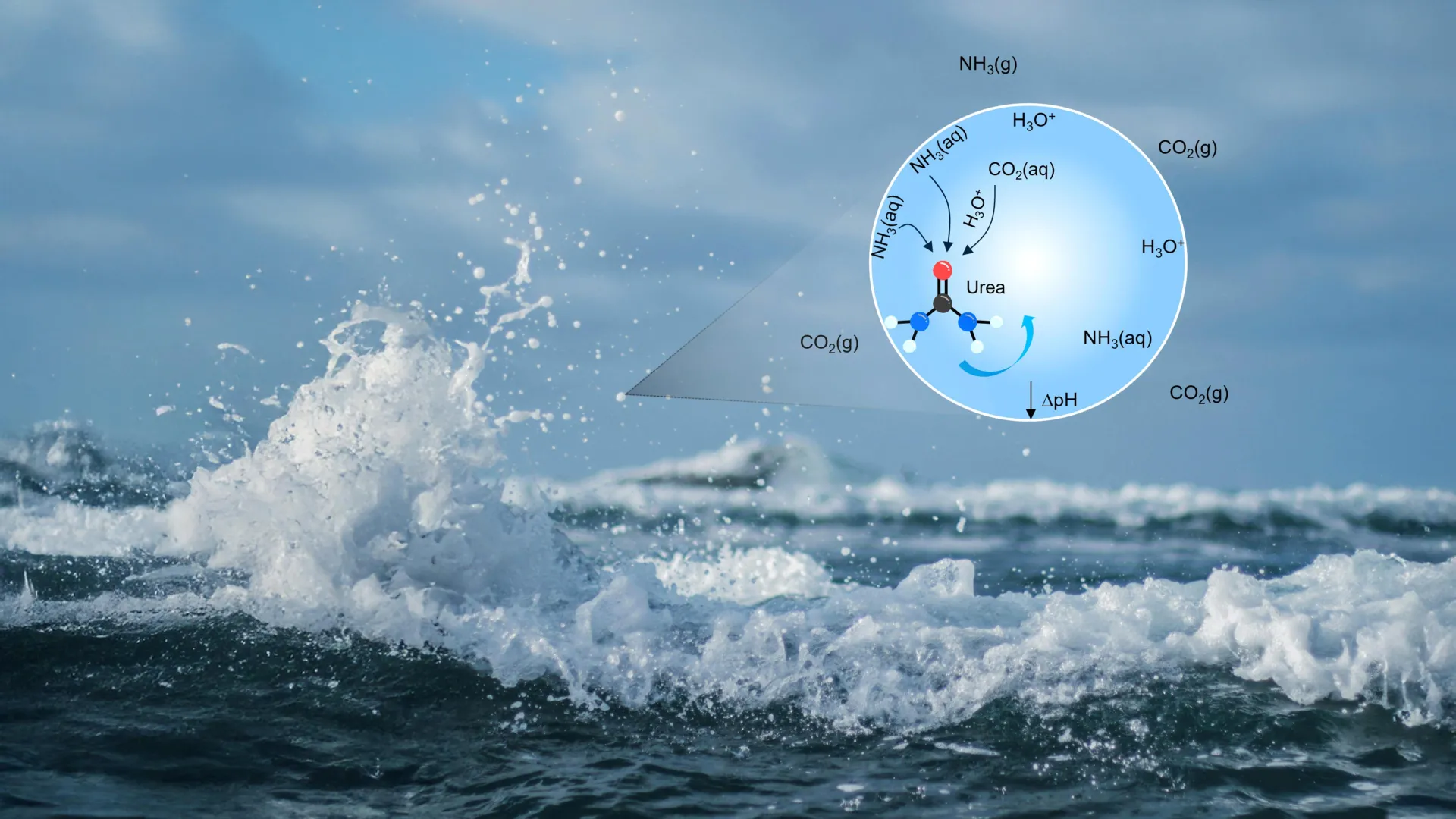
Urea is one of the most important industrial chemicals produced worldwide. It is used as a fertiliser, for the production of synthetic resins and explosives and as a fuel additive for cleaning car exhaust gases. Urea is also believed to be a potential key building block for the formation of…

New Orleans is sinking—and so are its $15 billion flood defenses

Parts of New Orleans and its surrounding wetlands are gradually sinking, and while most of the city remains stable, a new study from Tulane University researchers suggests that sections of the region’s $15 billion post-Katrina flood protection system may need regular upgrades to outpace long-term land subsidence. The study, published…

A tiny implant just helped paralyzed rats walk again—is human recovery next?

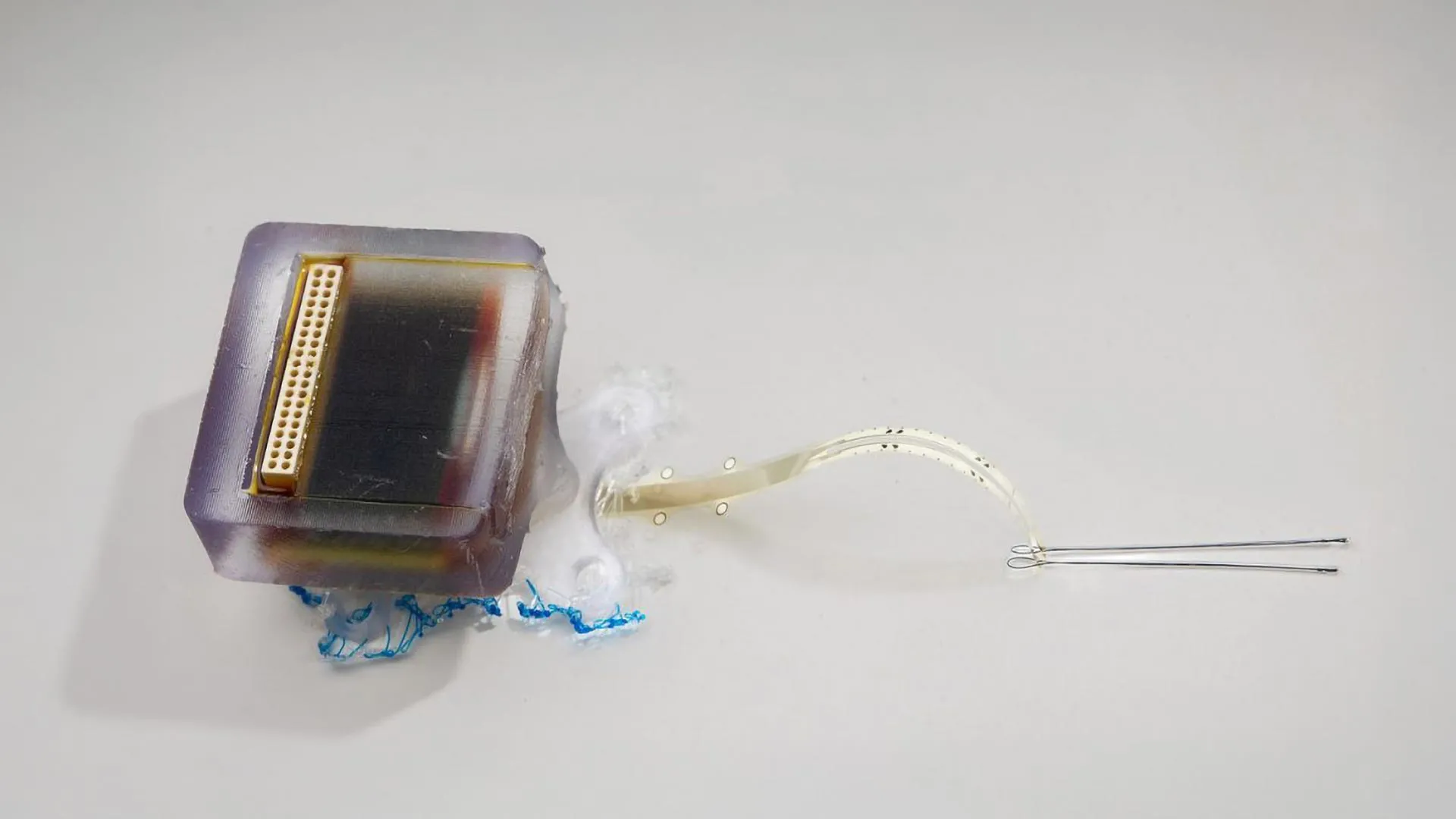
Spinal cord injuries are currently incurable with devastating effects on people’s lives, but now a trial at Waipapa Taumata Rau, University of Auckland offers hope for an effective treatment. Spinal cord injuries shatter the signal between the brain and body, often resulting in a loss of function.”Unlike a cut on…

Scientists turn beer yeast into mini factories for smart drugs

Scientists at Ca’ Foscari University of Venice, in collaboration with researchers from Japan, China, Switzerland, and Italy, have developed an innovative method to produce and rapidly analyze a vast array of macrocyclic peptides, molecules increasingly used in modern medicine. The research, published in Nature Communications, harnesses the familiar brewer’s yeast,…

Candy colors, THC inside: How cannabis edibles are tricking teen brains

Bright colors, fruit imagery, and labels like “locally made” or “vegan” might seem harmless — but when used on cannabis edibles, they can send misleading messages to teens. That’s according to a new Washington State University-led study examining how adolescents perceive the packaging of cannabis-infused products such as gummies, chocolates…

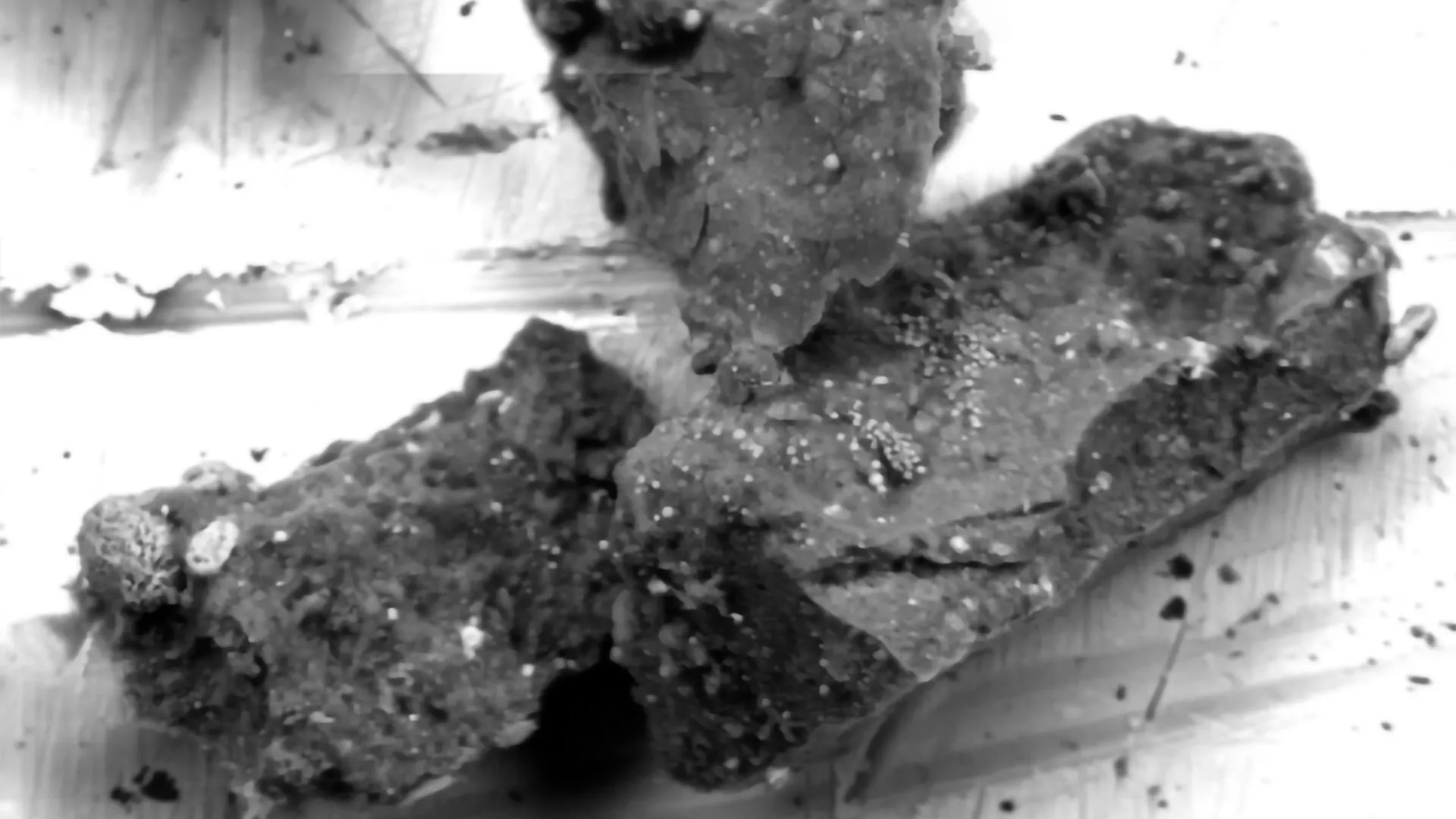
A mysterious mineral in asteroid Ryugu may rewrite planetary history

The pristine samples from asteroid Ryugu returned by the Hayabusa2 mission on December 6, 2020, have been vital to improving our understanding of primitive asteroids and the formation of the Solar System. The C-type asteroid Ryugu is composed of rocks similar to meteorites called CI chondrites, which contain relatively high…

A giant pulse beneath Africa could split the continent — and form an ocean

Research led by Earth scientists at the University of Southampton has uncovered evidence of rhythmic surges of molten mantle rock rising from deep within the Earth beneath Africa. These pulses are gradually tearing the continent apart and forming a new ocean. The findings, published in Nature Geoscience, reveal that the…

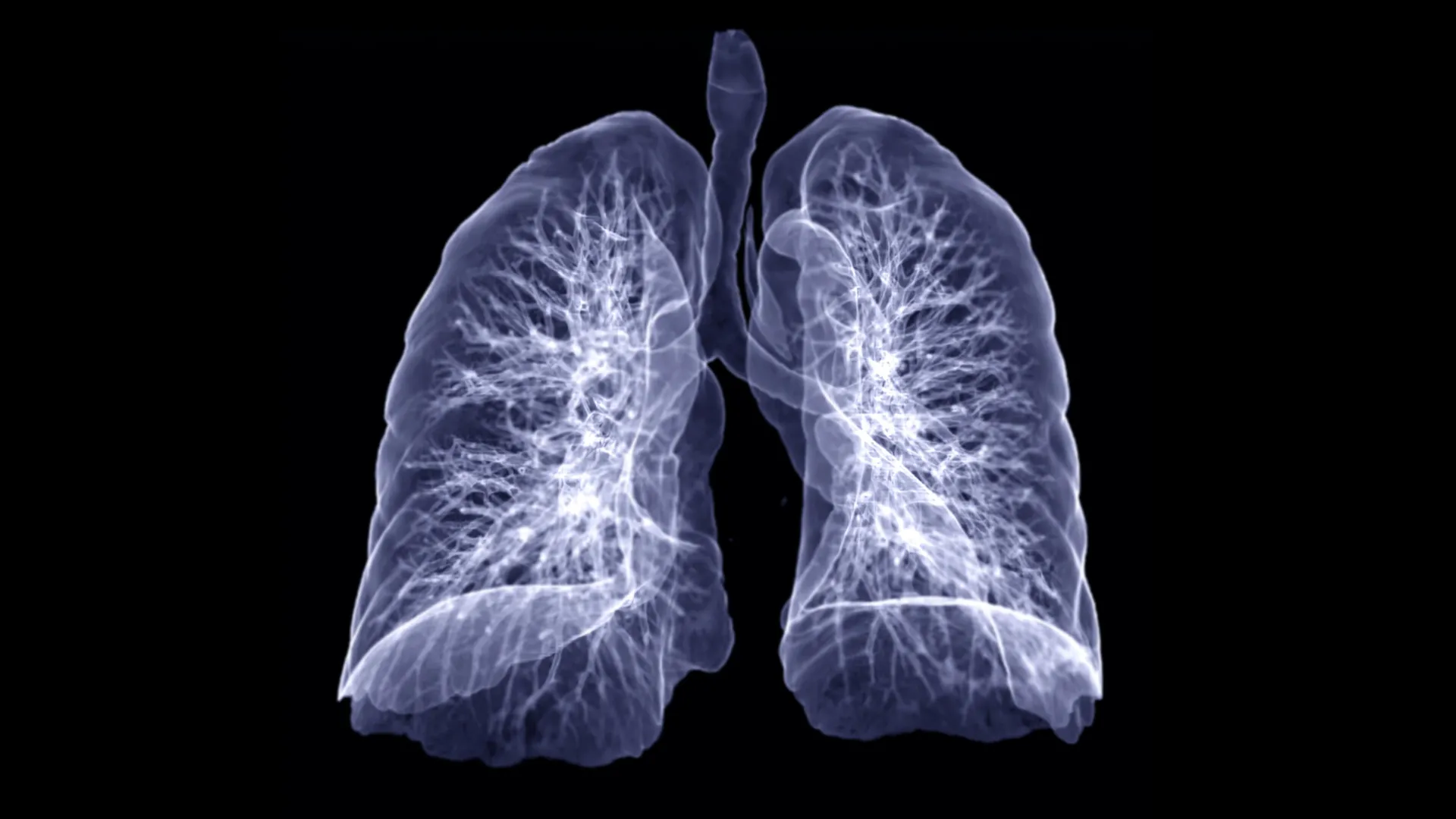
Why asthma often comes back—even with powerful drugs

Biological drugs have improved the lives of many people with severe asthma. However, a new study from Karolinska Institutet in Sweden shows that some immune cells with high inflammatory potential are not completely eradicated after treatment. Biological drugs (biologics) have become an important tool in the treatment of severe asthma.…

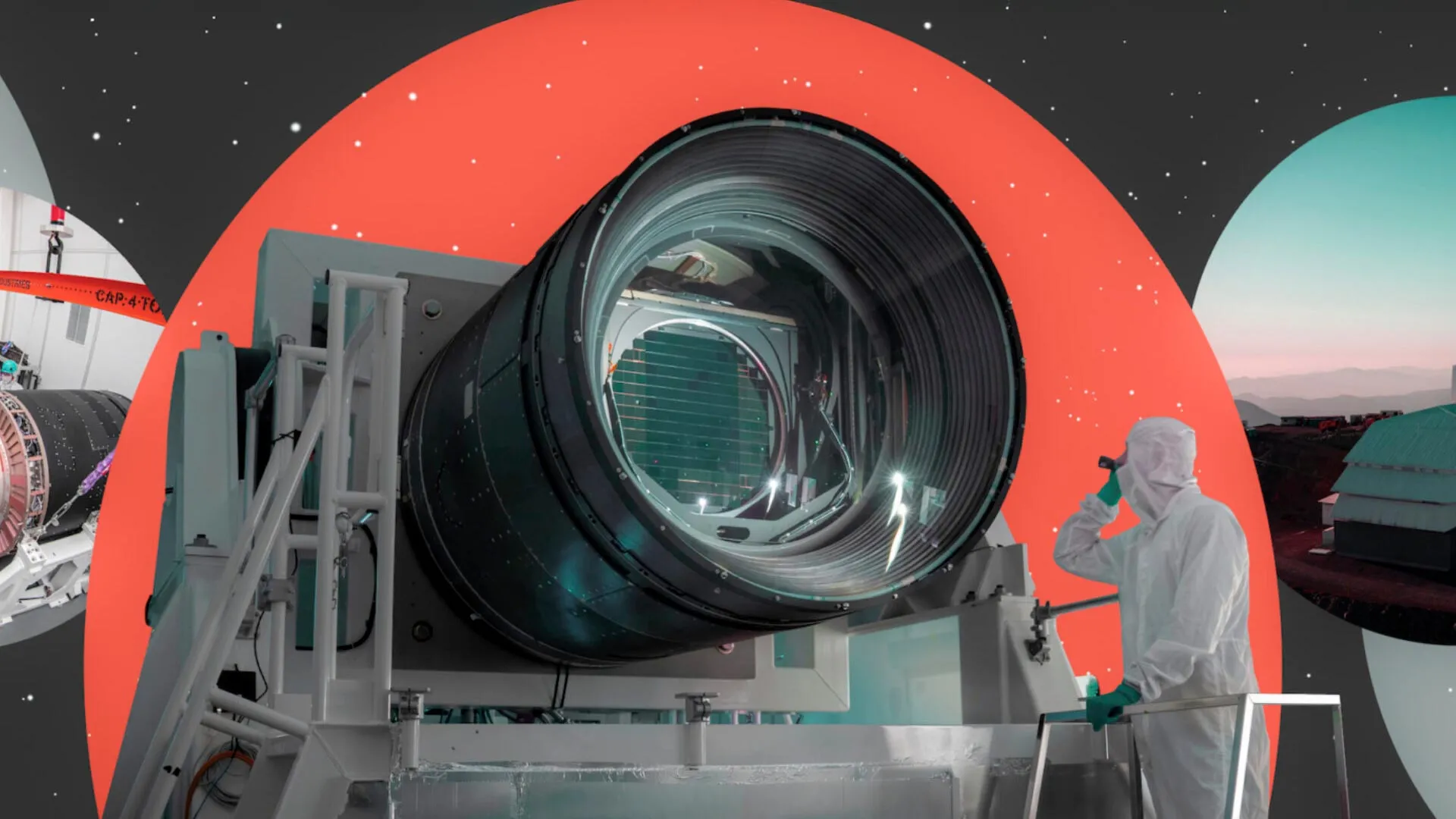
World’s largest camera just snapped the Universe in 3,200 megapixels

The NSF-DOE Vera C. Rubin Observatory in Chile has unveiled the very first “mega” images of the cosmos obtained thanks to the extraordinary features and wide-field view of its LSST camera — the largest in the world. The camera took nearly two decades to build and involved hundreds of scientists…

NASA discovers link between Earth’s core and life-sustaining oxygen

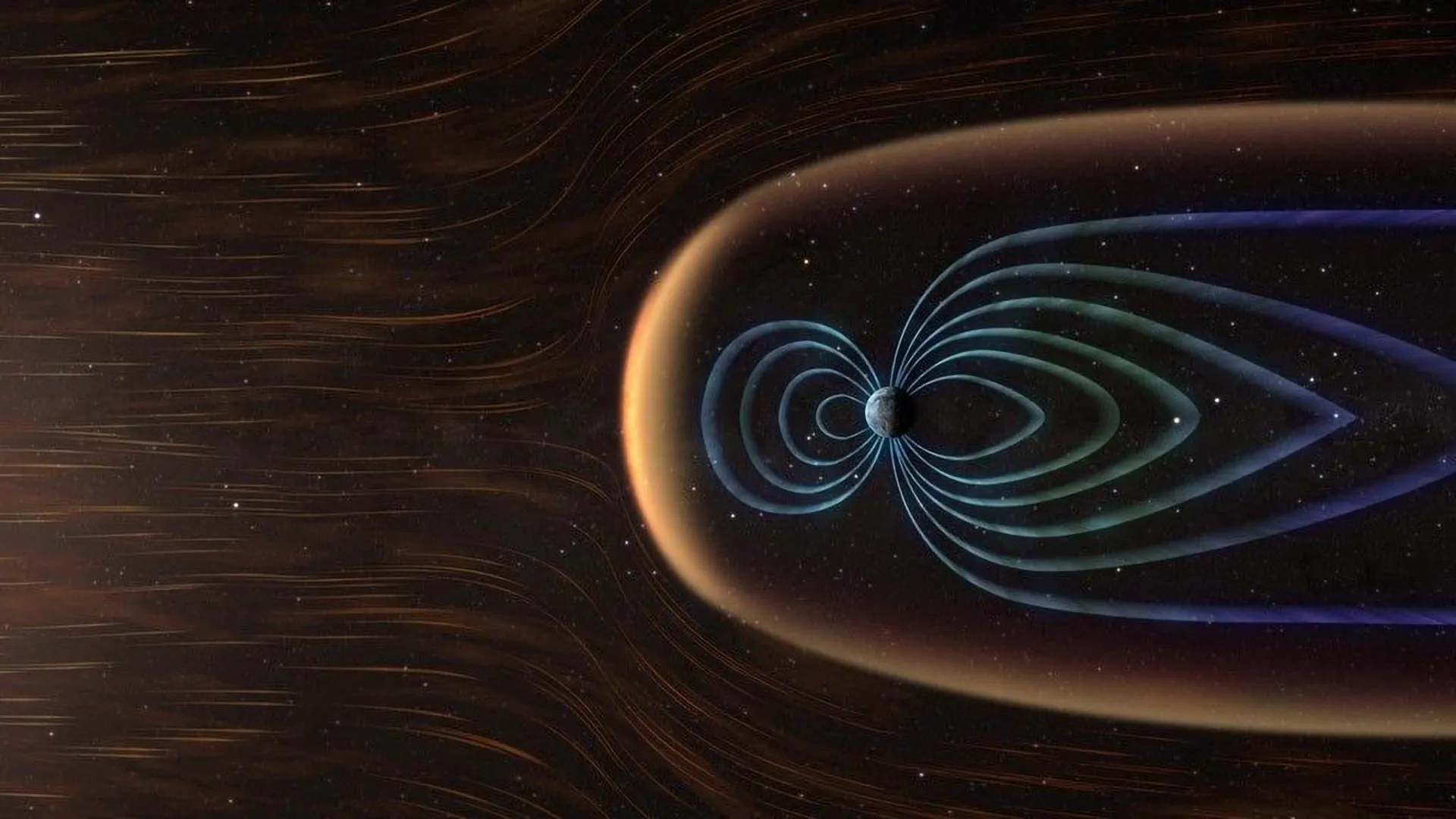
For 540 million years, the ebb and flow in the strength of Earth’s magnetic field has correlated with fluctuations in atmospheric oxygen, according to a newly released analysis by NASA scientists. The research suggests that processes deep inside the Earth might influence habitability on the planet’s surface. Earth’s magnetic field…

Only 3 years left: The carbon budget for 1. 5 °C is almost gone

The central estimate of the remaining carbon budget for 1.5°C is 130 billion tonnes of carbon dioxide (CO2) (from the beginning of 2025). This would be exhausted in a little more than three years at current levels of CO2 emissions, according to the latest Indicators of Global Climate Change study…

Sex swap in seconds: The fish that takes charge and changes gender

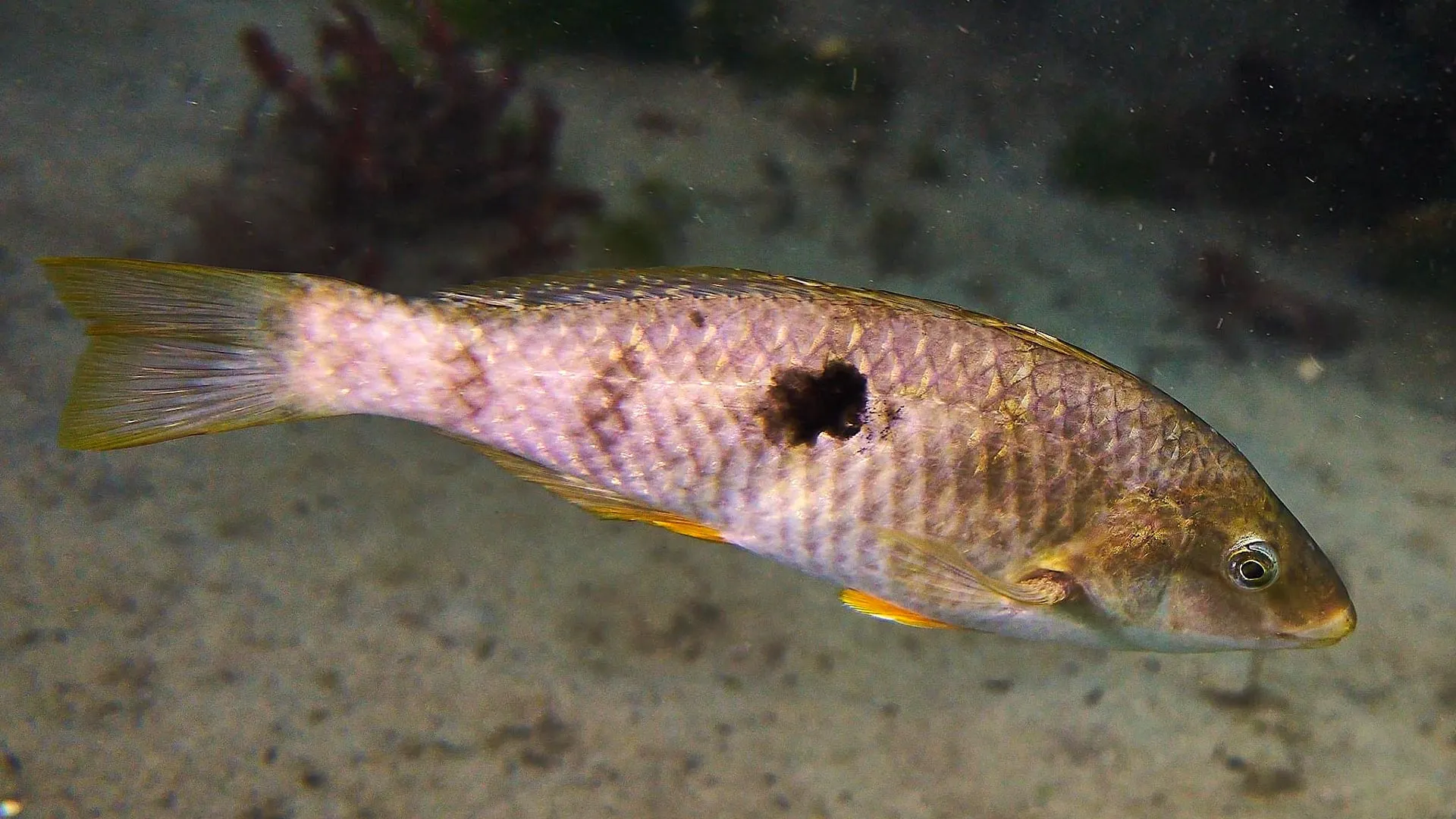
Ōtākou Whakaihu Waka scientists have discovered that it takes mere minutes for a species of sex-changing fish to develop dominant behavior after a change in the pecking order. The new study led by the Department of Anatomy and published on Proceedings of the Royal Society B, examines the New Zealand…

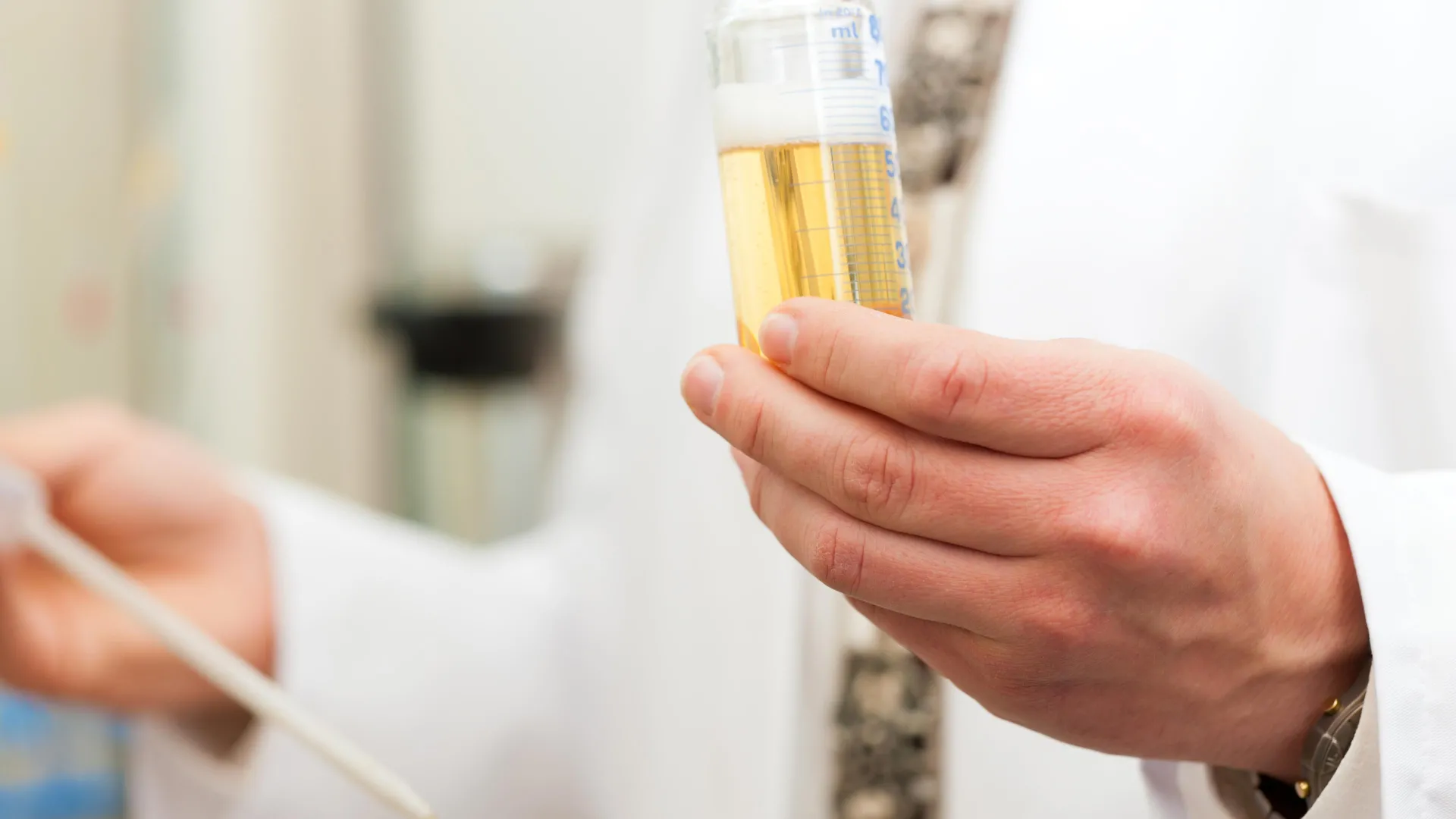
AI sees what doctors miss: Fatty liver disease hidden in chest x-rays

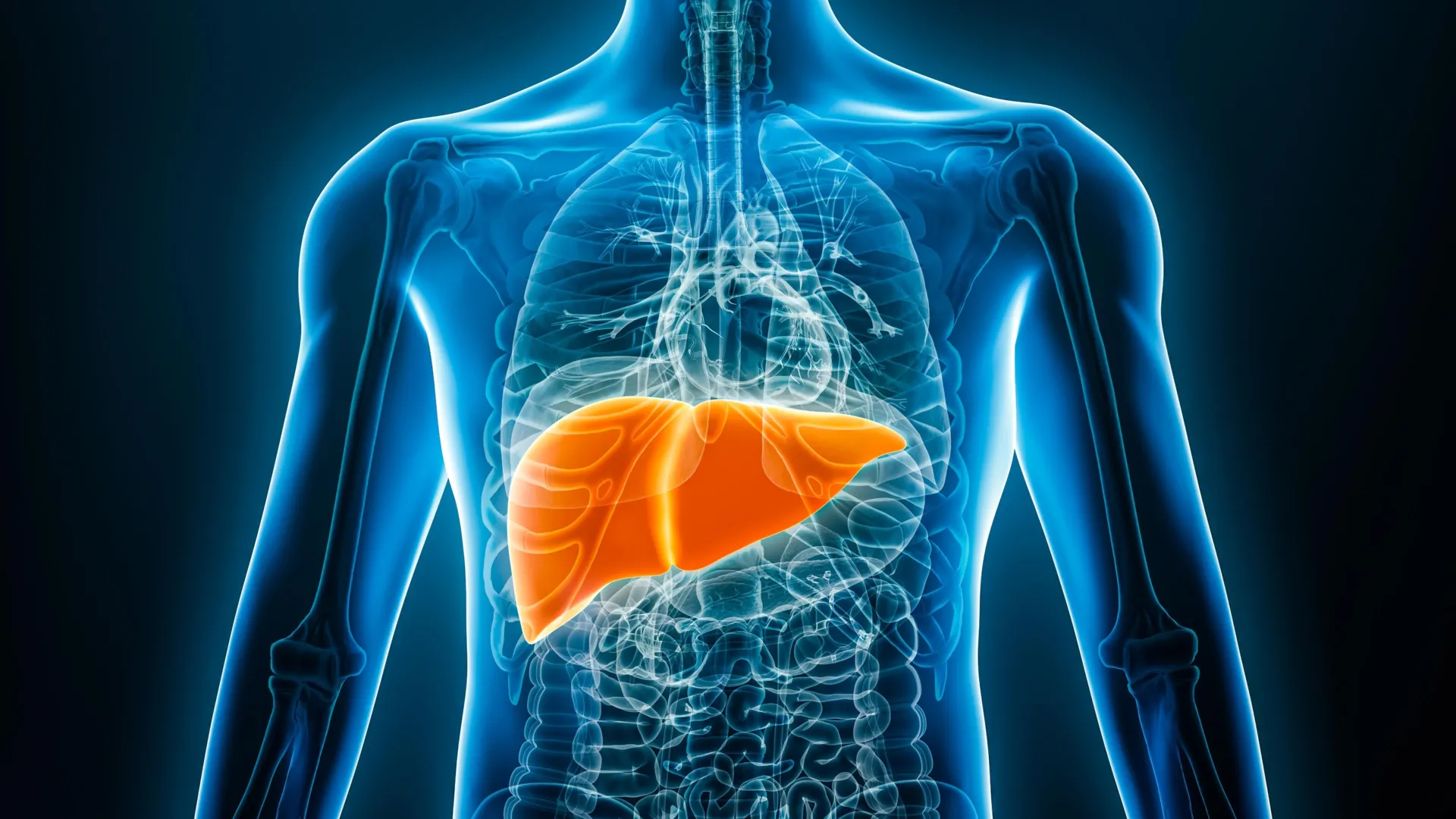
Fatty liver disease, caused by the accumulation of fat in the liver, is estimated to affect one in four people worldwide. If left untreated, it can lead to serious complications, such as cirrhosis and liver cancer, making it crucial to detect early and initiate treatment. Currently, standard tests for diagnosing…

Graphene just unlocked “impossible” quantum currents without magnets

Scientists from TU Delft (The Netherlands) have observed quantum spin currents in graphene for the first time without using magnetic fields. These currents are vital for spintronics, a faster and more energy-efficient alternative to electronics. This breakthrough, published in Nature Communications, marks an important step towards technologies like quantum computing…

Self-lighting chip uses quantum tunneling to spot a trillionth of a gram

Optical biosensors use light waves as a probe to detect molecules, and are essential for precise medical diagnostics, personalized medicine, and environmental monitoring. Their performance is dramatically enhanced if they can focus light waves down to the nanometer scale – small enough to detect proteins or amino acids, for example…