
One shot, game changed: How RAVEN captured a petawatt laser and supercharged fusion research

Ultra-intense lasers can accelerate electrons to near-light speeds within a single oscillation (or ‘wave cycle’) of the electric field, making them a powerful tool for studying extreme physics. However, their rapid fluctuations and complex structure make real-time measurements of their properties challenging. Until now, existing techniques typically required hundreds of…


Acid-busting diet triggers 13-pound weight loss in just 16 weeks

Compared with a Mediterranean diet, dietary acid load decreased significantly on a low-fat vegan diet and was associated with weight loss, according to a randomized cross-over trial conducted by the Physicians Committee for Responsible Medicine and published in Frontiers in Nutrition. “Eating acid-producing foods like meat, eggs, and dairy can…

Can these endangered lizards beat the heat? Scientists test bold relocation plan

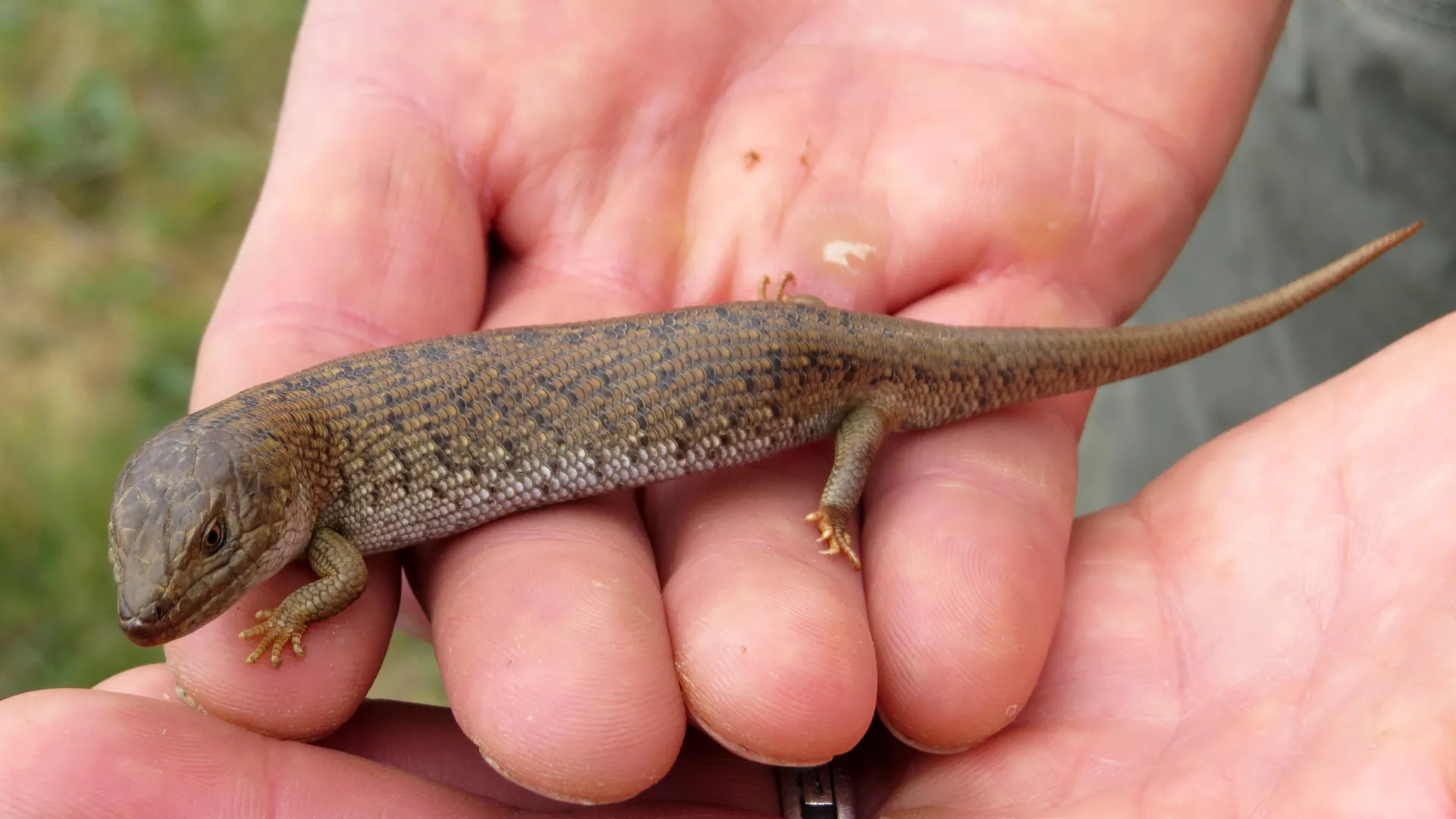
Climate change and habitat loss are affecting animal populations around the world and reptiles such as South Australia’s own endangered pygmy bluetongue are susceptible to higher temperatures and declining long-term rainfall trends. Flinders University scientists are working on securing a sustainable future for the burrow-dwelling endemic skink (Tiliqua adelaidensis) by…

Skull study shows Chicago's rodents are rapidly evolving

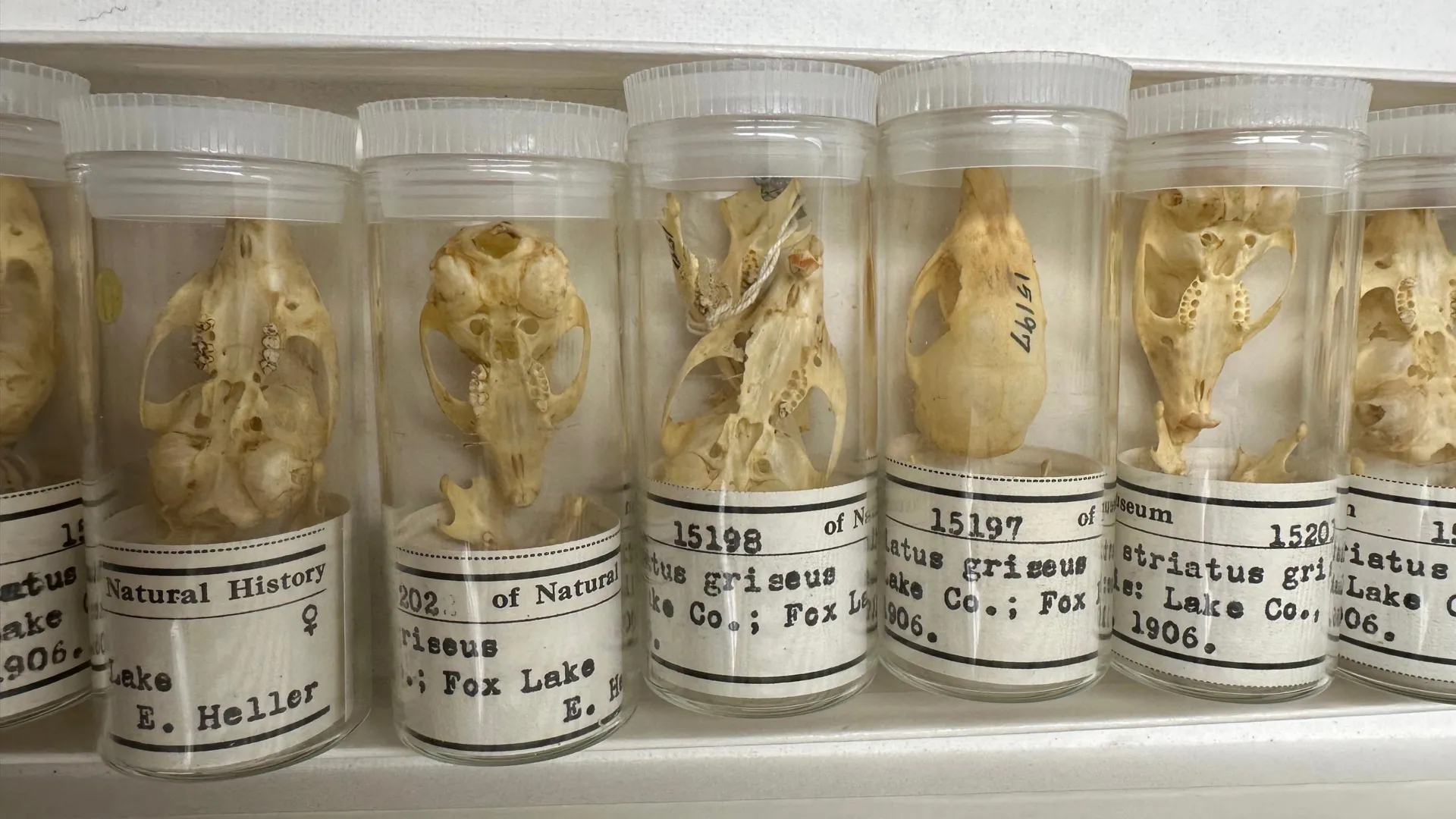
In general, evolution is a long, slow process of tiny changes passed down over generations, resulting in new adaptations and even new species over thousands or millions of years. But when living things are faced with dramatic shifts in the world around them, they sometimes rapidly adapt to better survive.…

Scientists finally know why early human migrations out of Africa failed

Today, all non-Africans are known to have descended from a small group of people that ventured into Eurasia after around 50 thousand years ago. However, fossil evidence shows that there were numerous failed dispersals before this time that left no detectable traces in living people. In a paper published in…

New test unmasks illegal elephant ivory disguised as mammoth

To save elephant populations from extinction, the international community banned the sale of their ivory — but selling mammoth ivory remains legal, and the two are difficult to tell apart, especially for non-experts. This leaves a possible loophole for sellers of poached ivory to exploit. Now stable isotope analysis could…

Hot tubs outperform saunas in boosting blood flow and immune power

Hot tubs and saunas can both soothe aching muscles and provide welcome warmth, but hot tubs might offer greater health benefits. That’s the takeaway from a new study done by researchers in the Bowerman Sports Science Center at the University of Oregon, which compared the physiological effects of soaking in…

Scientists reveal your morning coffee flips an ancient longevity switch

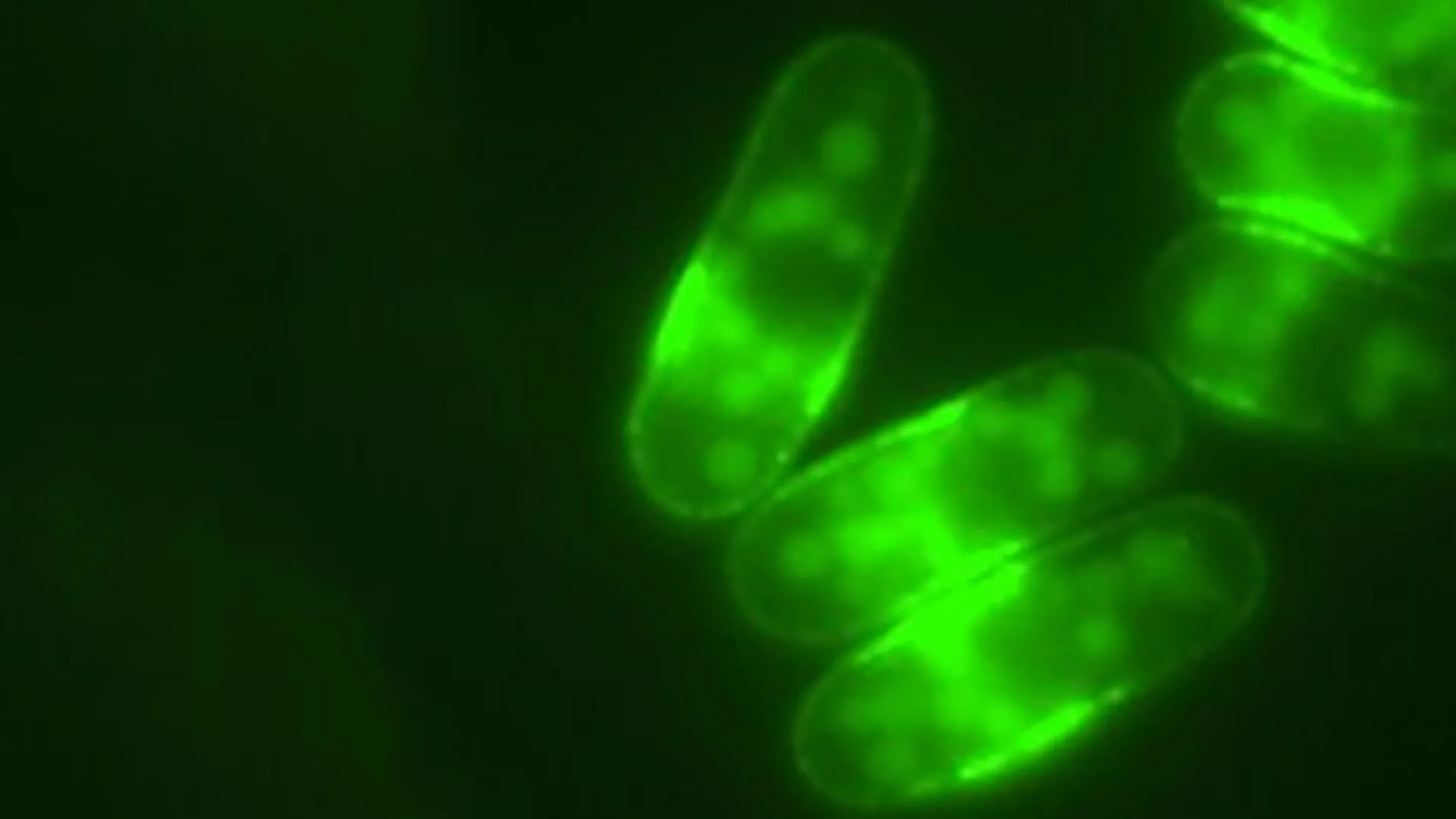
A new study from the Cellular Ageing and Senescence laboratory at Queen Mary University of London’s Cenfre for Molecular Cell Biology, reveals how caffeine — the world’s most popular neuroactive compound — might do more than just wake you up. The study in the journal Microbial Cell shows how caffeine could…

Martian dust to dream homes: How microbes can build on the red planet

Inhabiting Mars has long been a futuristic fantasy fueled by science fiction. However, successful landings on our neighboring planet over the past half-century have made this seemingly far-fetched idea increasingly plausible. But don’t start packing just yet. First, we must figure out how to build structures millions of miles from…

New viruses discovered in bats in China could be the next pandemic threat

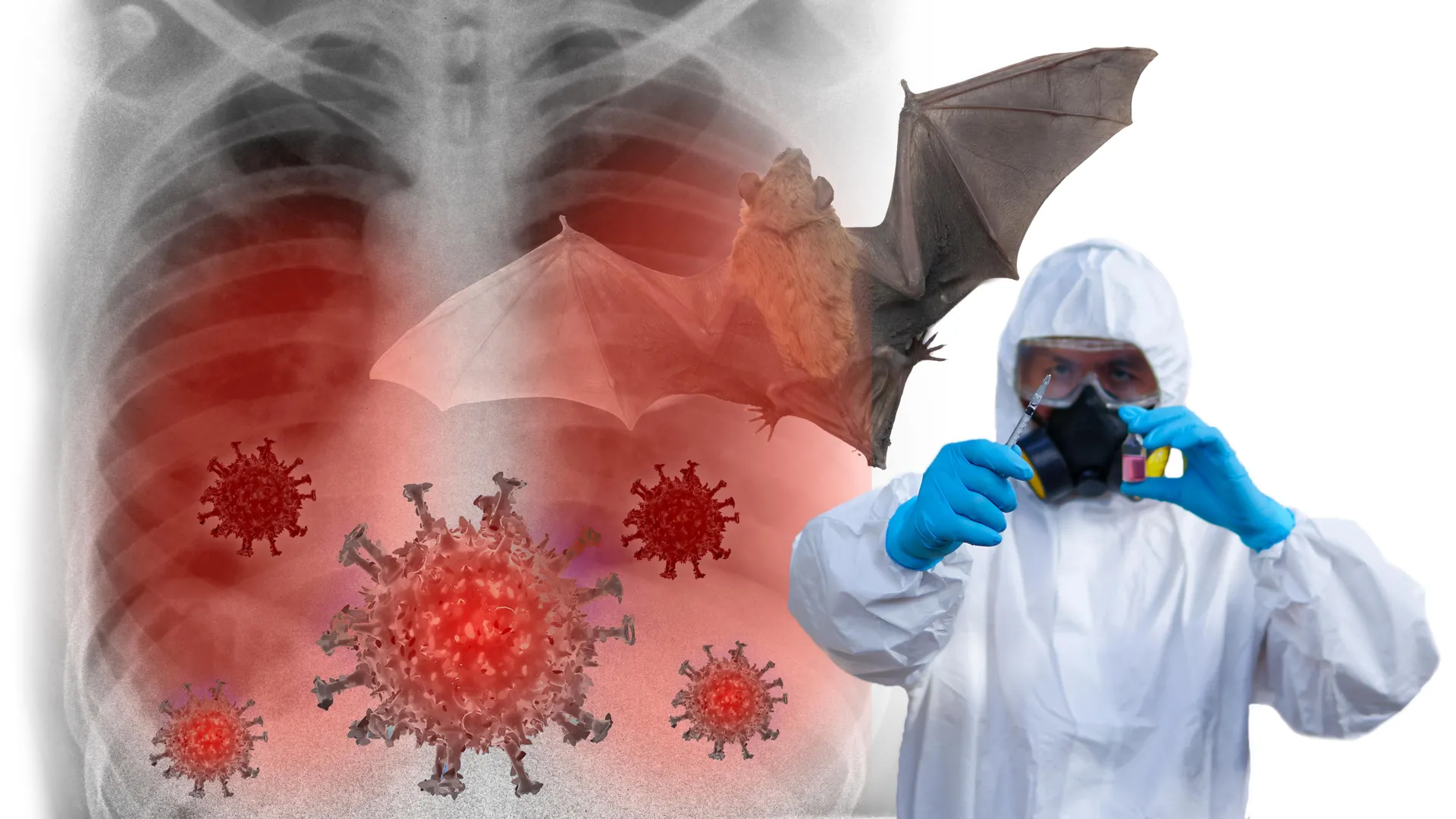
Researchers have discovered two new viruses in bats that are closely related to the deadly Nipah and Hendra viruses — pathogens that can cause severe brain inflammation and respiratory disease in humans. The viruses, as well as other new viruses, bacteria, and parasites identified from bat kidneys, were reported this…

Mammals didn’t walk upright until late—here’s what fossils reveal

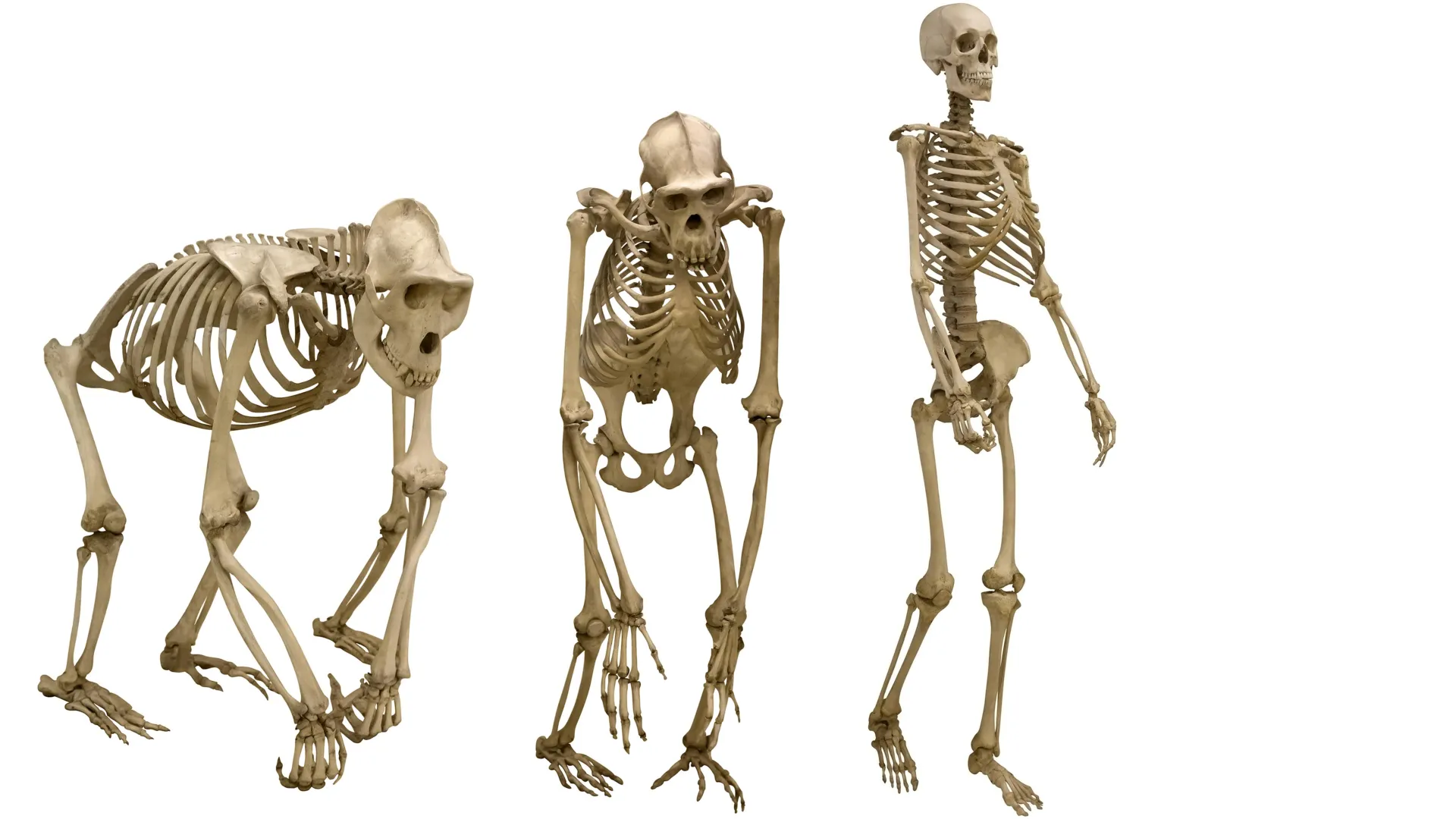
For over a century, scientists have puzzled over a fundamental mystery in our evolutionary history: how did mammals go from sprawling like lizards to striding like cats and dogs? This transition — from a sprawled stance (like a lizard) to an upright (parasagittal) posture — marked a pivotal moment in…

Inside the tumor: AI cracks five hidden cell types to stop cancer’s comeback

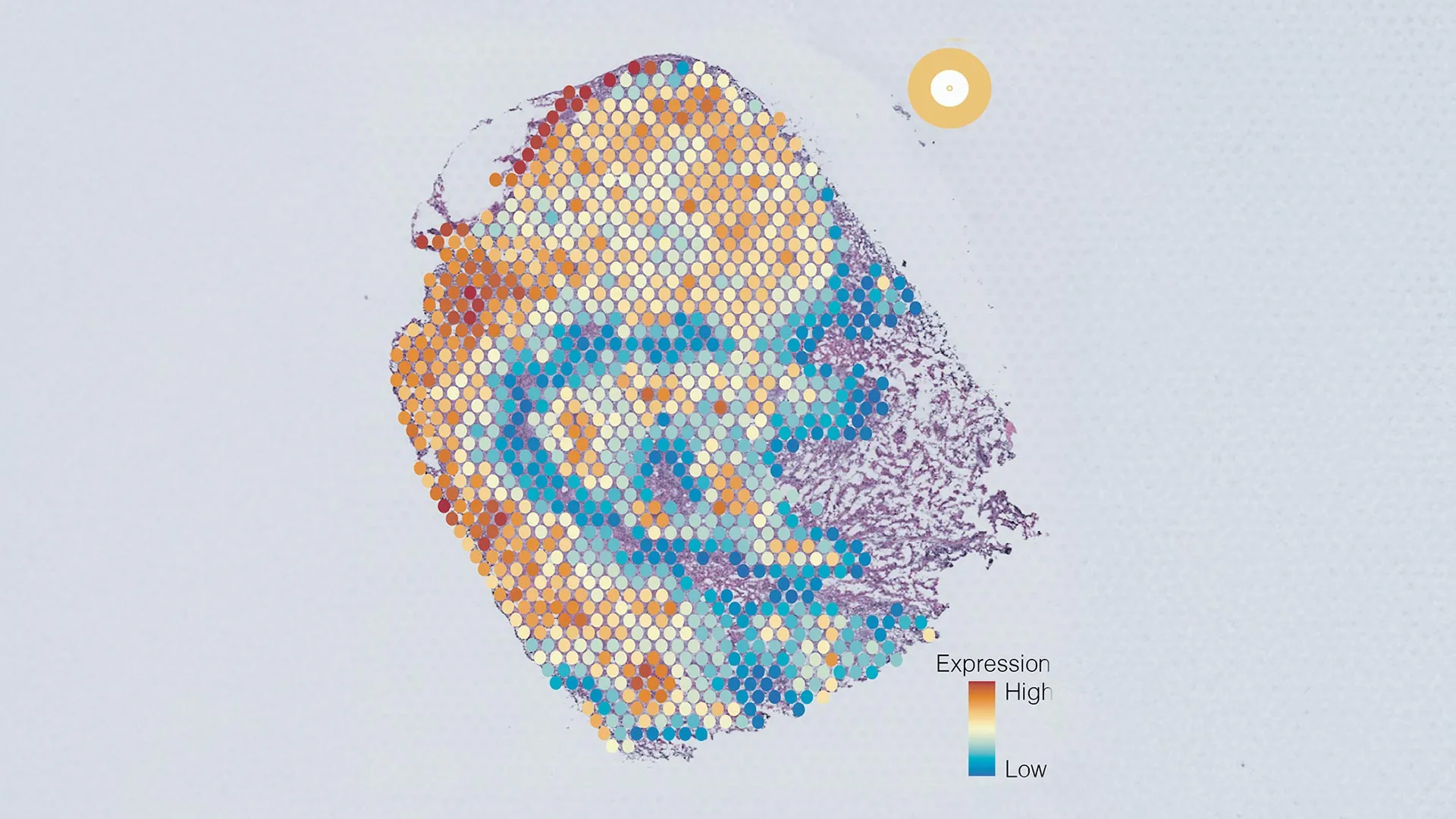
A multinational team of researchers, co-led by the Garvan Institute of Medical Research, has developed and tested a new AI tool to better characterize the diversity of individual cells within tumors, opening doors for more targeted therapies for patients. Findings on the development and use of the AI tool, called…

Scientists reprogram ant behavior using brain molecules

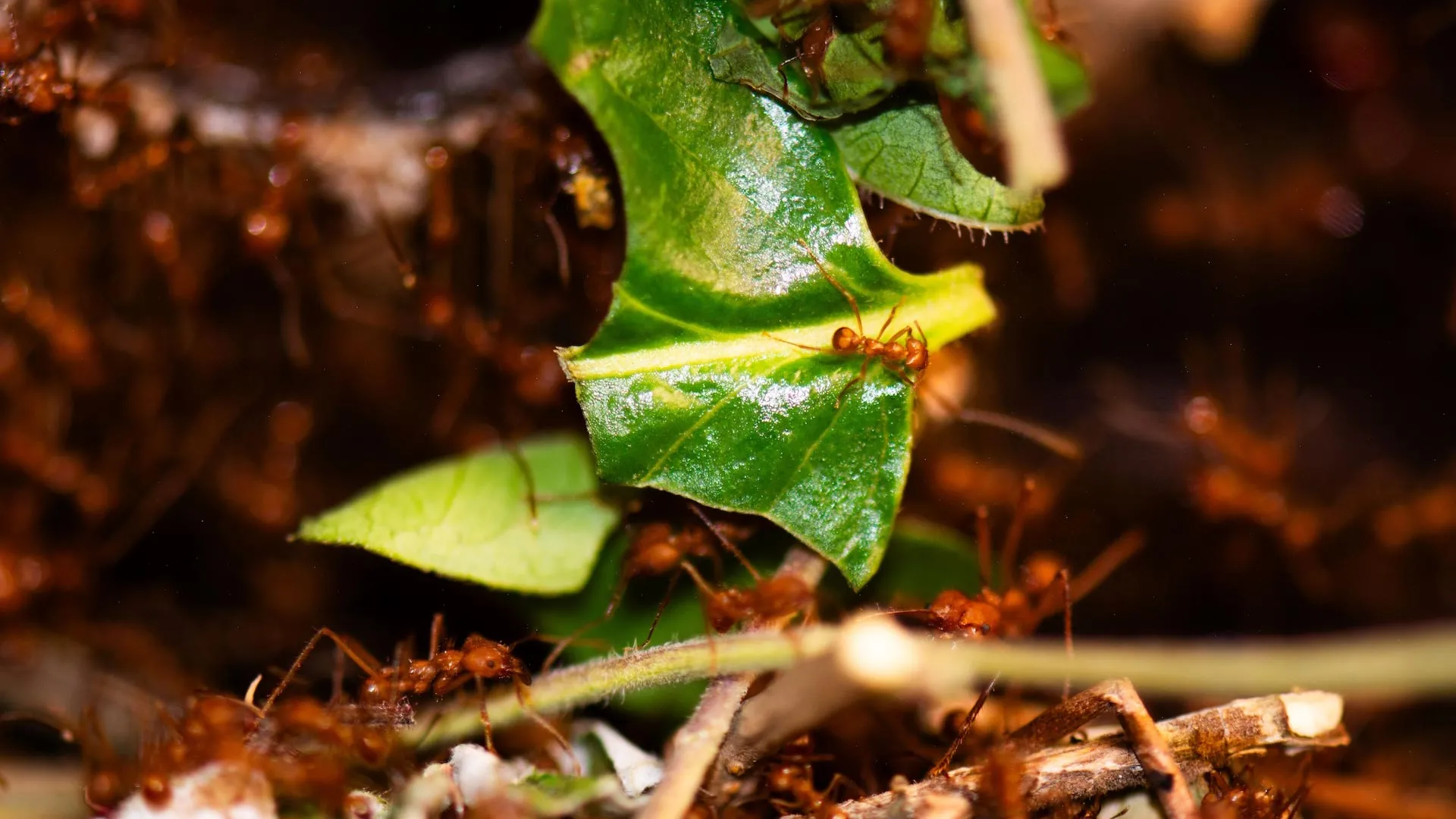
From the bright lights of cities that don’t sleep — where people hustle and bustle through the night to keep subways, servers, and supply chains alive — to the whisper-dark understory of tropical forests where ants hum in syncopated lines, the planet’s most intricate societies hinge on round-the-clock cooperation and…

The pleasure prescription: Why more sex means less menopause pain

It’s no secret that women often become less interested in sex with age. However, orgasm and satisfaction have been shown to not decline significantly with age. A new study suggests regular sexual activity may limit vulvar pain, irritation, and dryness, which are all common reasons women have less sex as…

Quantum computers just got an upgrade – and it’s 10× more efficient

Quantum computers can solve extraordinarily complex problems, unlocking new possibilities in fields such as drug development, encryption, AI, and logistics. Now, researchers at Chalmers University of Technology in Sweden have developed a highly efficient amplifier that activates only when reading information from qubits. Thanks to its smart design, it consumes…

The molecule that might save your sight—and your heart

A new study from Washington University School of Medicine in St. Louis identifies a possible way to slow or block progression of age-related macular degeneration, a leading cause of blindness in people over age 50. The WashU Medicine researchers and their international collaborators implicated problems with cholesterol metabolism in this…

Mojave lichen defies death rays—could life thrive on distant exoplanets?

The question of whether Earth is alone in harboring life has captivated humanity for millennia. In recent years, scientists have turned to Earth-like planets in other solar systems that may show the most promise, but many revolve around stars that emit much stronger solar radiation than our own. Now, a…

Wildfires threaten water quality for up to eight years after they burn

Years after wildfires burn forests and watersheds, the contaminants left behind continue to poison rivers and streams across the Western U.S. — much longer than scientists estimated. A new study, published on June 23 in Nature Communications Earth & Environment, analyzed water quality in more than 500 watersheds across the Western…

How brain cells meant to help may be making depression worse

Major depressive disorder (MDD) is a mental health condition that negatively affects the mood of a person and causes a loss of interest in activities that were previously associated with happiness. In addition to cognitive impairments and forgetfulness, MDD can significantly affect social and occupational areas of functioning. Studies investigating…

Brain reboot: Gene therapy reverses Alzheimer’s memory loss in mice

Researchers at University of California San Diego School of Medicine have developed a gene therapy for Alzheimer’s disease that could help protect the brain from damage and preserve cognitive function. Unlike existing treatments for Alzheimer’s that target unhealthy protein deposits in the brain, the new approach could help address the…

Killer whales use seaweed tools in never-before-seen grooming behavior

Primates, birds, and elephants are all known to make tools, but examples of tool use among marine animals are much more limited. Reporting in the Cell Press journal Current Biology on June 23, a team of whale experts has found widespread tool manufacture and usage in an endangered population of…