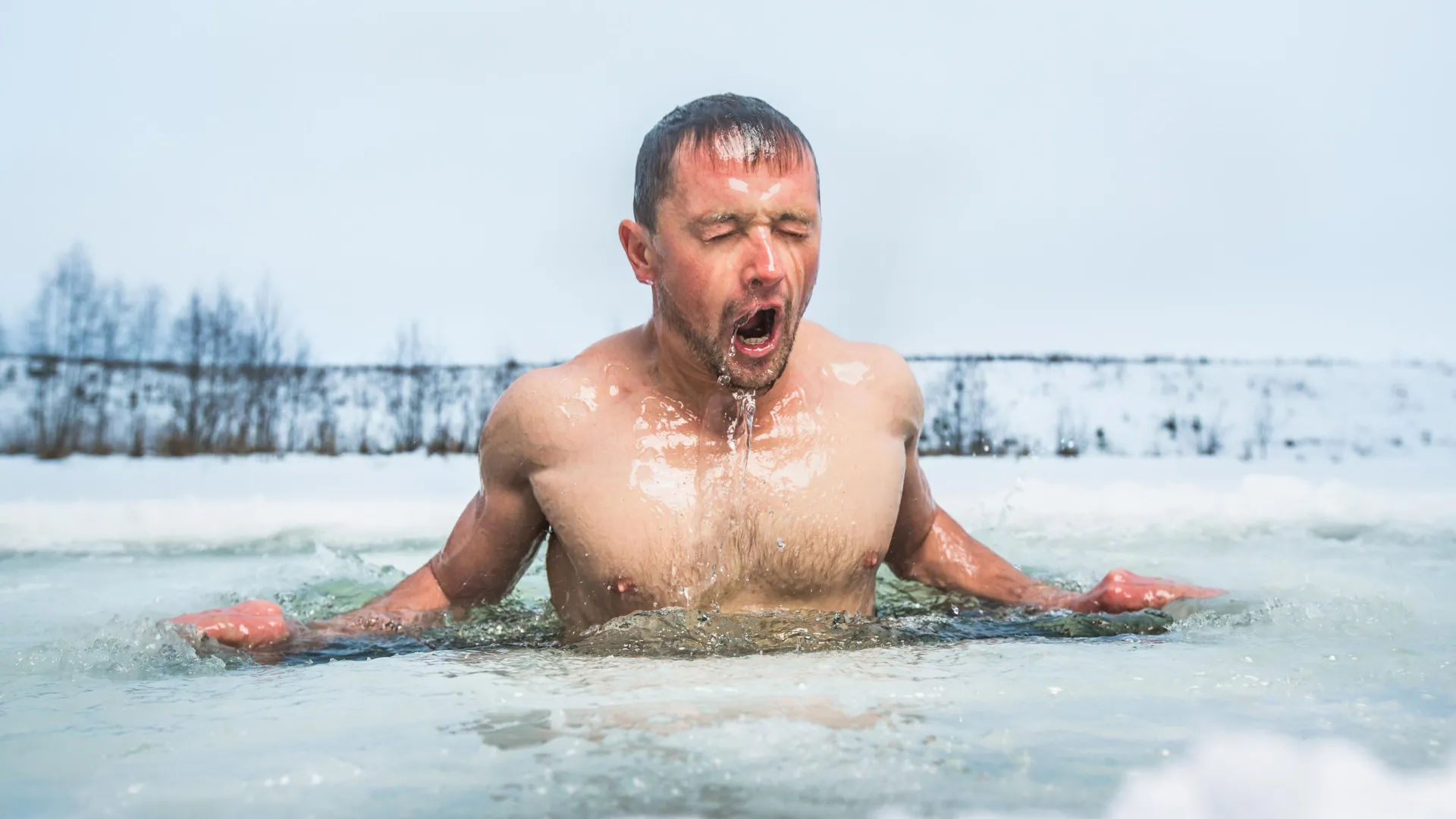
Why cold feels good: Scientists uncover the chill pathway

Researchers at the University of Michigan have illuminated a complete sensory pathway showing how the skin communicates the temperature of its surroundings to the brain. This discovery, believed to be the first of its kind, reveals that cool temperatures get their own pathway, indicating that evolution has created different circuits…
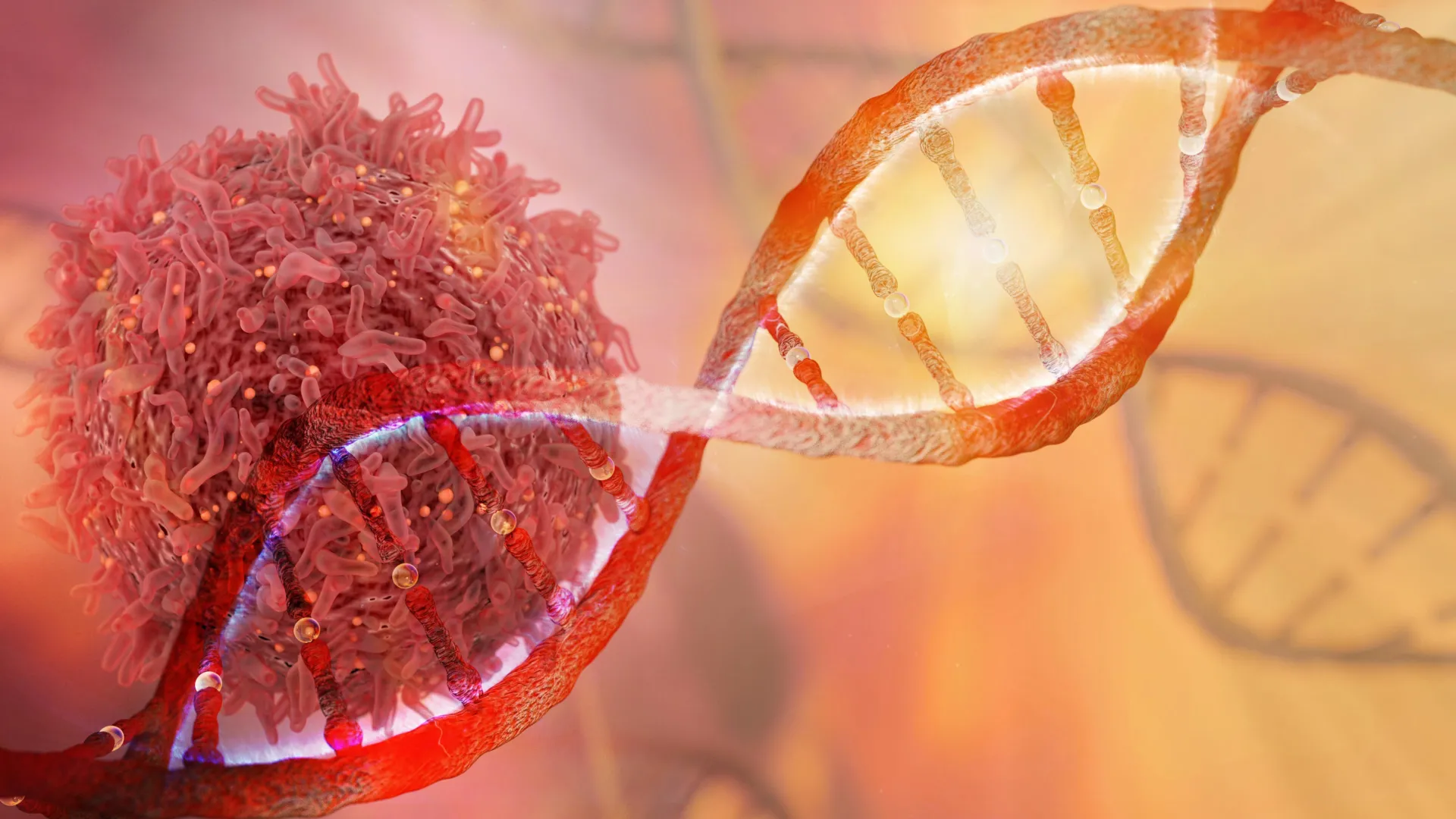
The 0.05% RNA Process That Makes Cancer Self-Destruct

Australian researchers have discovered a promising new strategy to suppress the growth of aggressive and hard-to-treat cancers by targeting a specialized molecular process known as ‘minor splicing’. Published in EMBO Reports, the study shows that blocking minor splicing can markedly slow tumor growth in liver, lung and stomach cancers, while…

How AI is supercharging plant immunity to fight deadly bacteria

Scientists at the University of California, Davis, used artificial intelligence to help plants recognize a wider range of bacterial threats — which may lead to new ways to protect crops like tomatoes and potatoes from devastating diseases. The study was published in Nature Plants. Plants, like animals, have immune systems.…

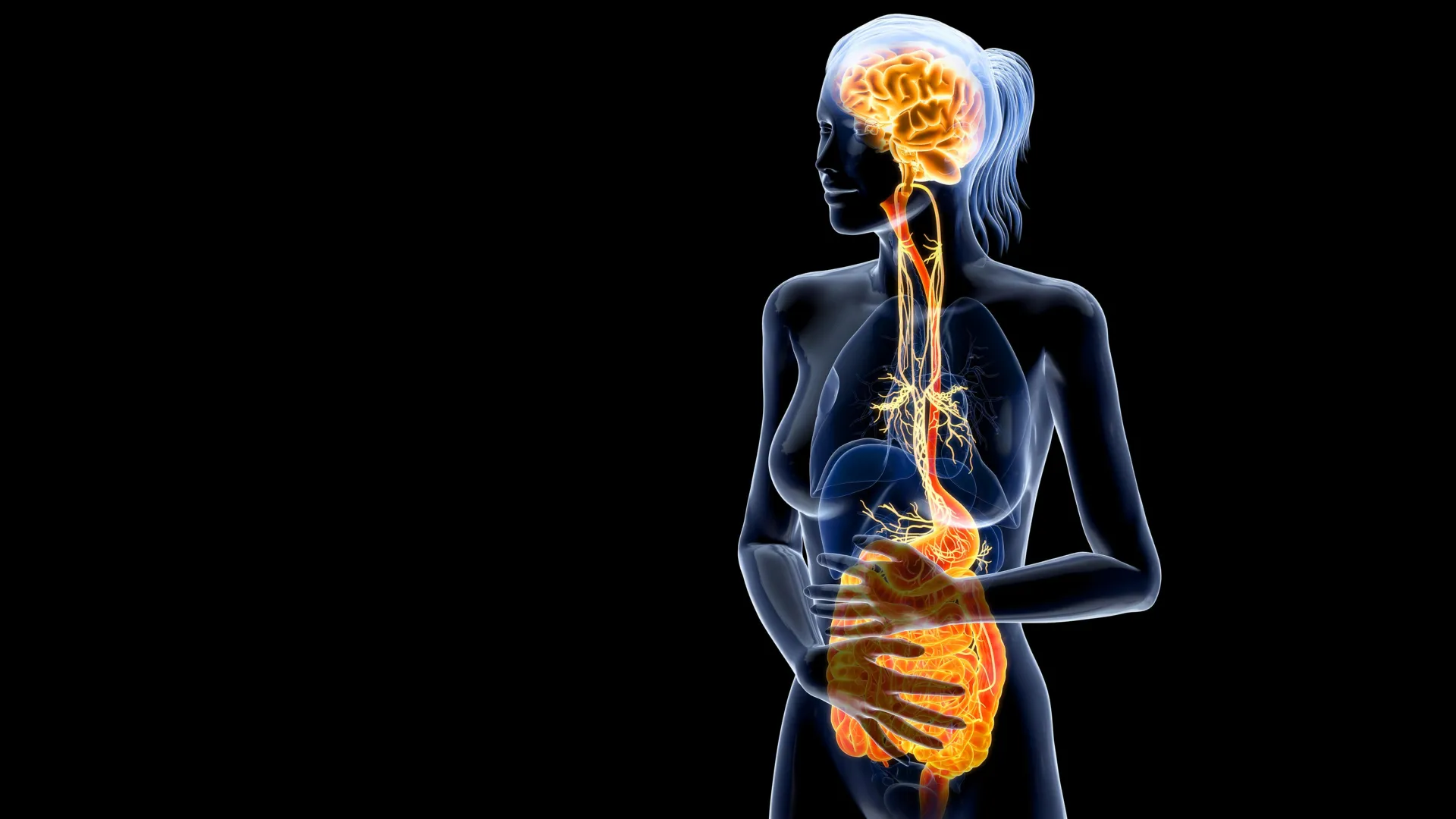
The pandemic’s secret aftershock: Inside the gut-brain breakdown

A new international study confirmed a significant post-pandemic rise in disorders of gut-brain interaction, including irritable bowel syndrome (IBS) and functional dyspepsia, according to the paper published in Clinical Gastroenterology and Hepatology. Building on prior research, investigators used Rome Foundation diagnostic tools to analyze nationally representative samples from both 2017…

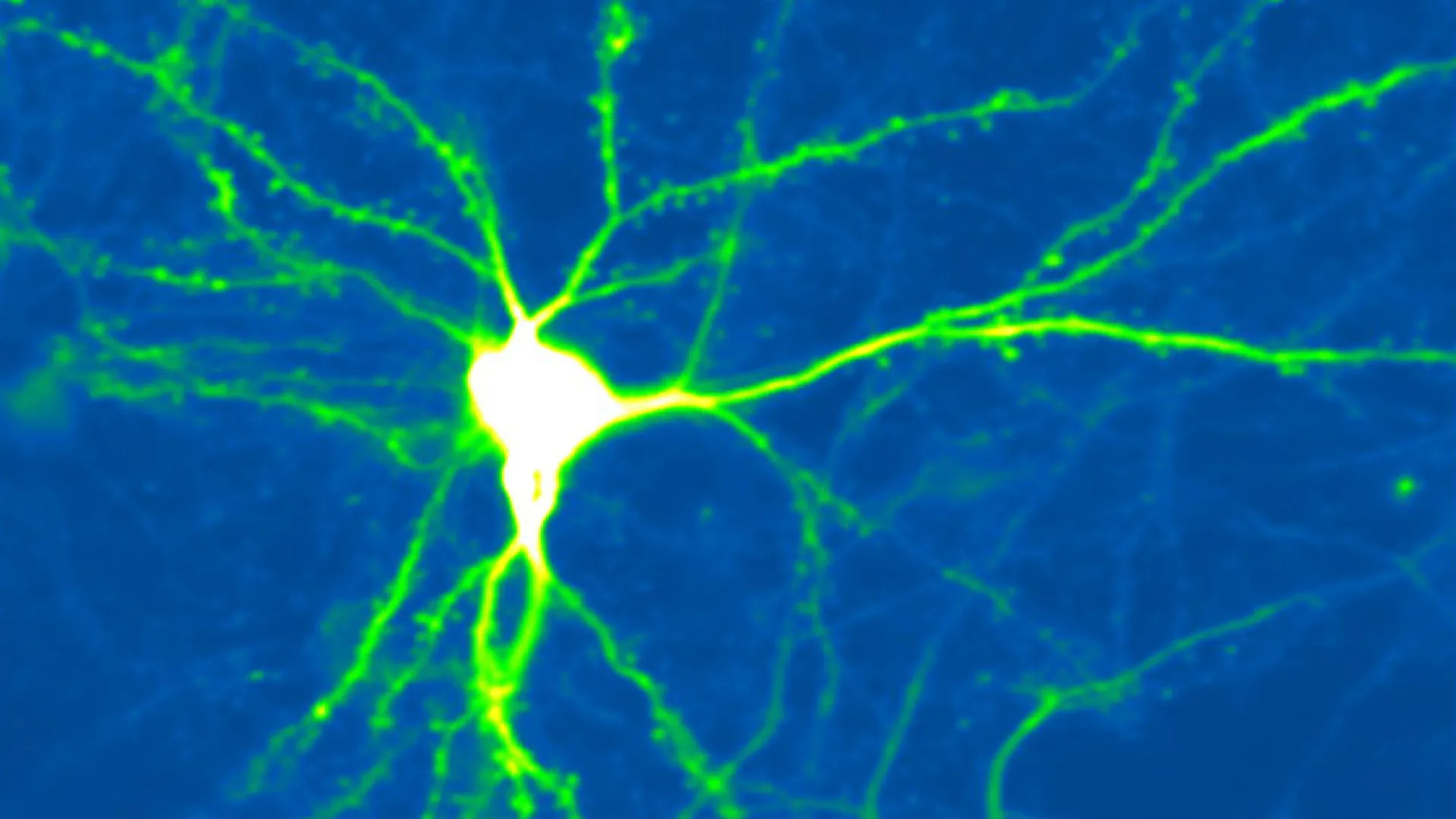
This brain circuit may explain fluctuating sensations—and autism

The cerebral cortex processes sensory information via a complex network of neural connections. How are these signals modulated to refine perception? A team from the University of Geneva (UNIGE) has identified a mechanism by which certain thalamic projections target neurons and modify their excitability. This work, published in Nature Communications,…

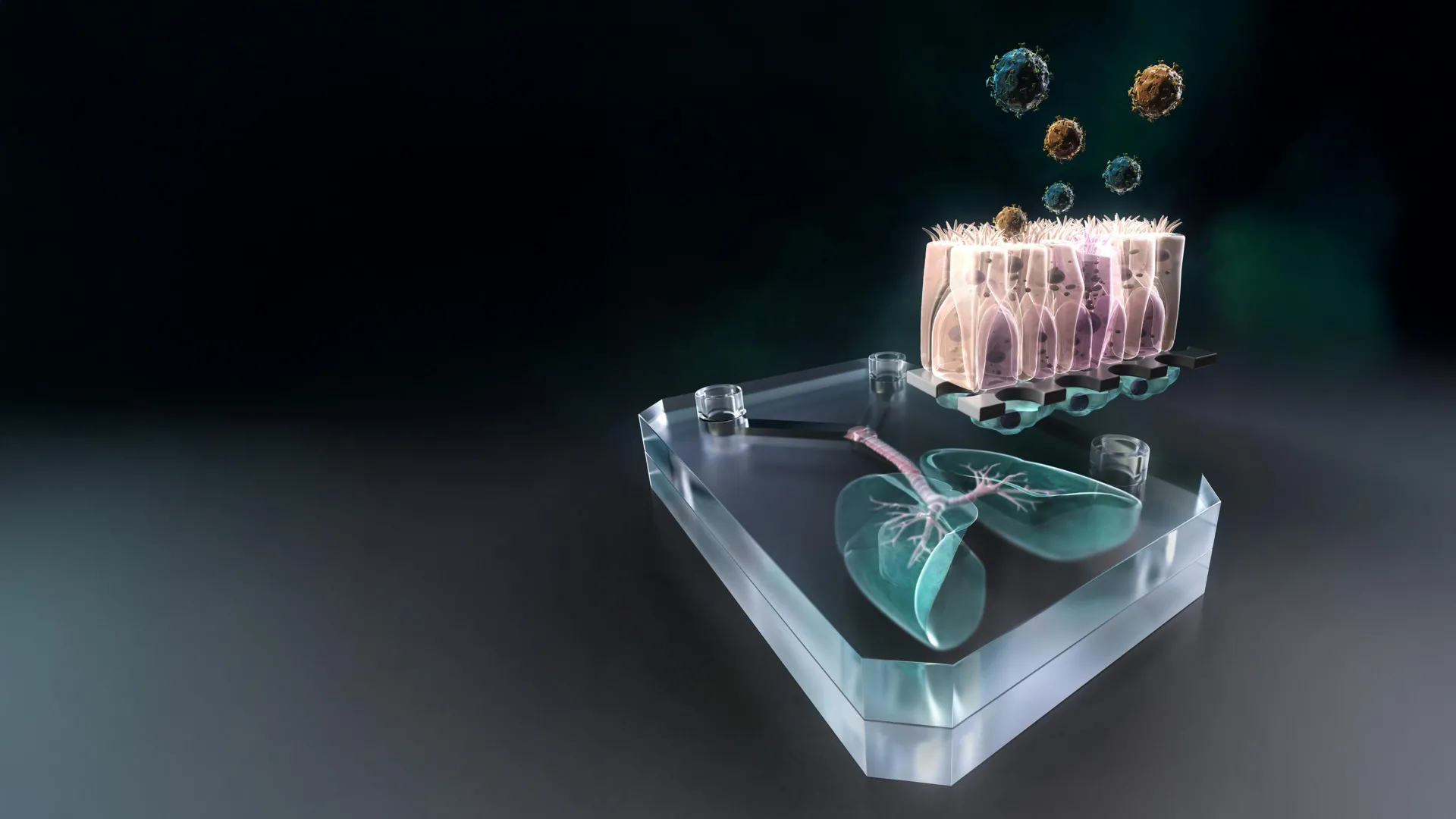
This tiny lung-on-a-chip could predict—and fight—the next pandemic

Respiratory infections such as COVID-19 have been responsible for numerous pandemics and have placed a substantial burden on healthcare systems. Such viruses can cause significant damage to our lungs, especially to the proximal region, or airway, and distal region, also known as the alveoli. The responses of different lung regions…

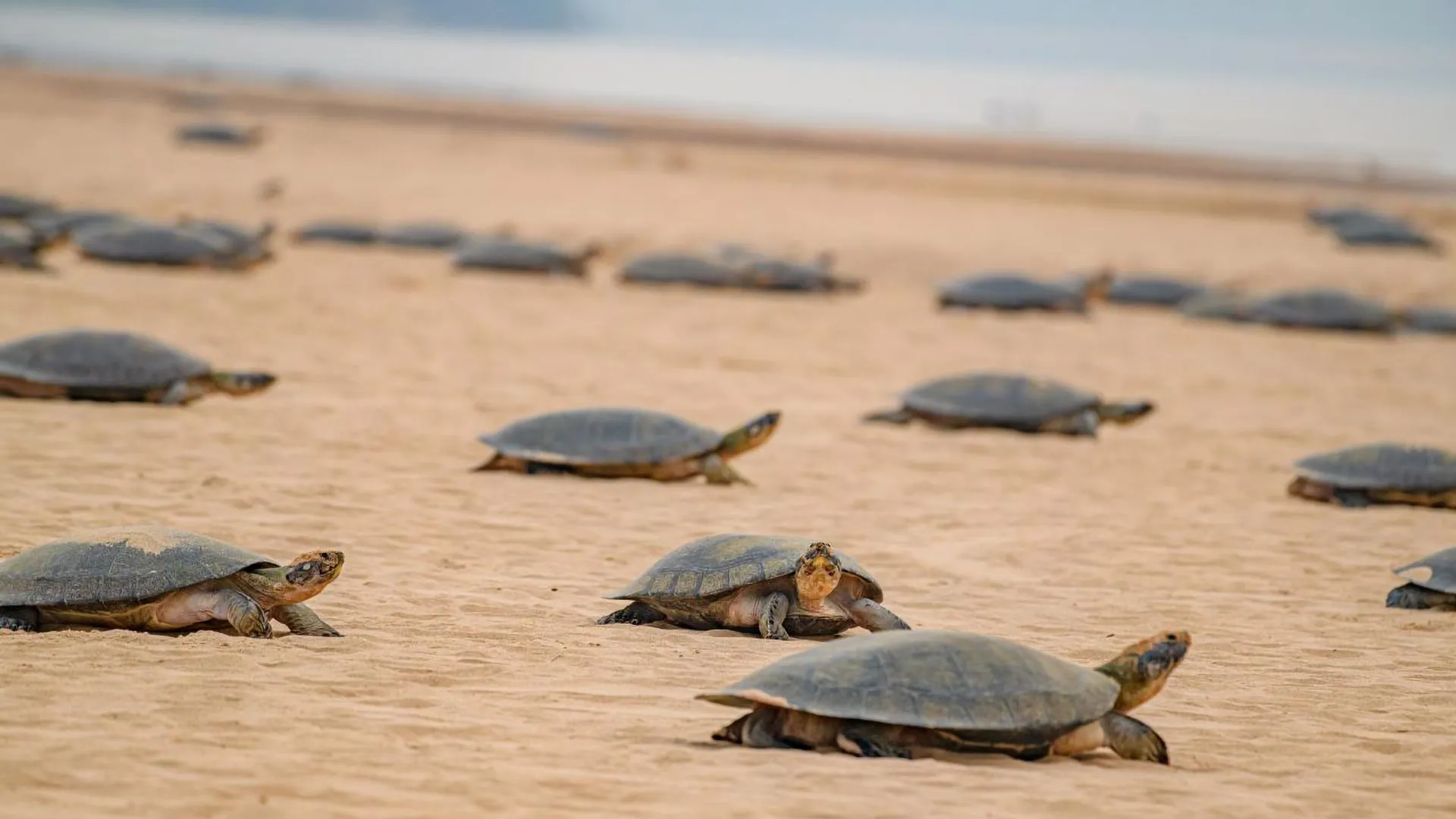
Drones reveal 41,000-turtle nesting mega-site hidden in the Amazon

A University of Florida research team has developed a more accurate way to count wildlife using drones — an innovation that helped confirm the world’s largest known nesting site for a threatened turtle species. By combining aerial imagery with statistical modeling, the researchers documented more than 41,000 Giant South American…

Your sleep schedule could be making you sick, says massive new study

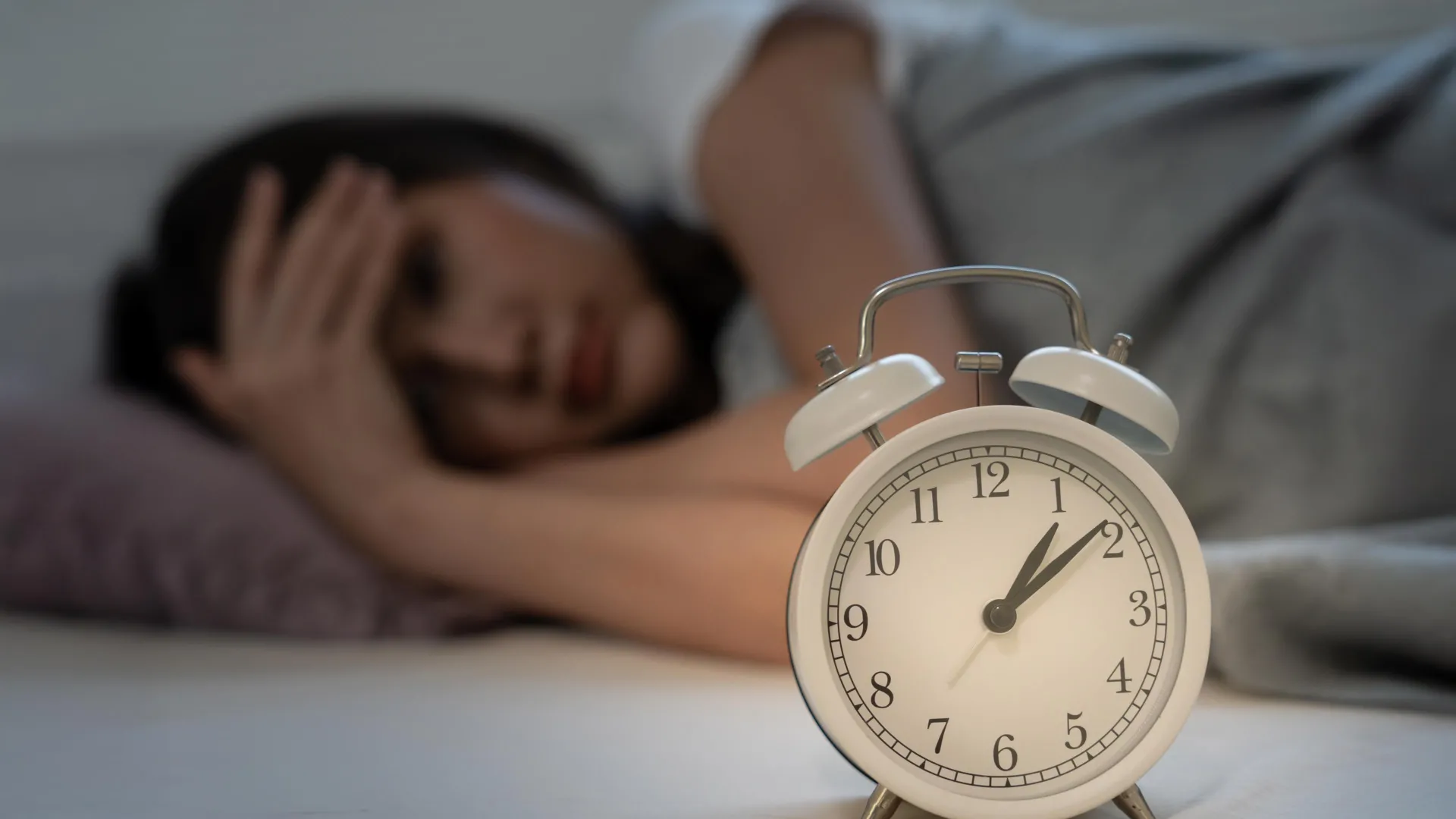
A groundbreaking international study, recently published in Health Data Science, analyzed objective sleep data from 88,461 adults in the UK Biobank and found significant associations between sleep traits and 172 diseases. The research, led by teams from Peking University and Army Medical University, highlights sleep regularity — such as bedtime…

400-million-year-old fish exposes big mistake in how we understood evolution

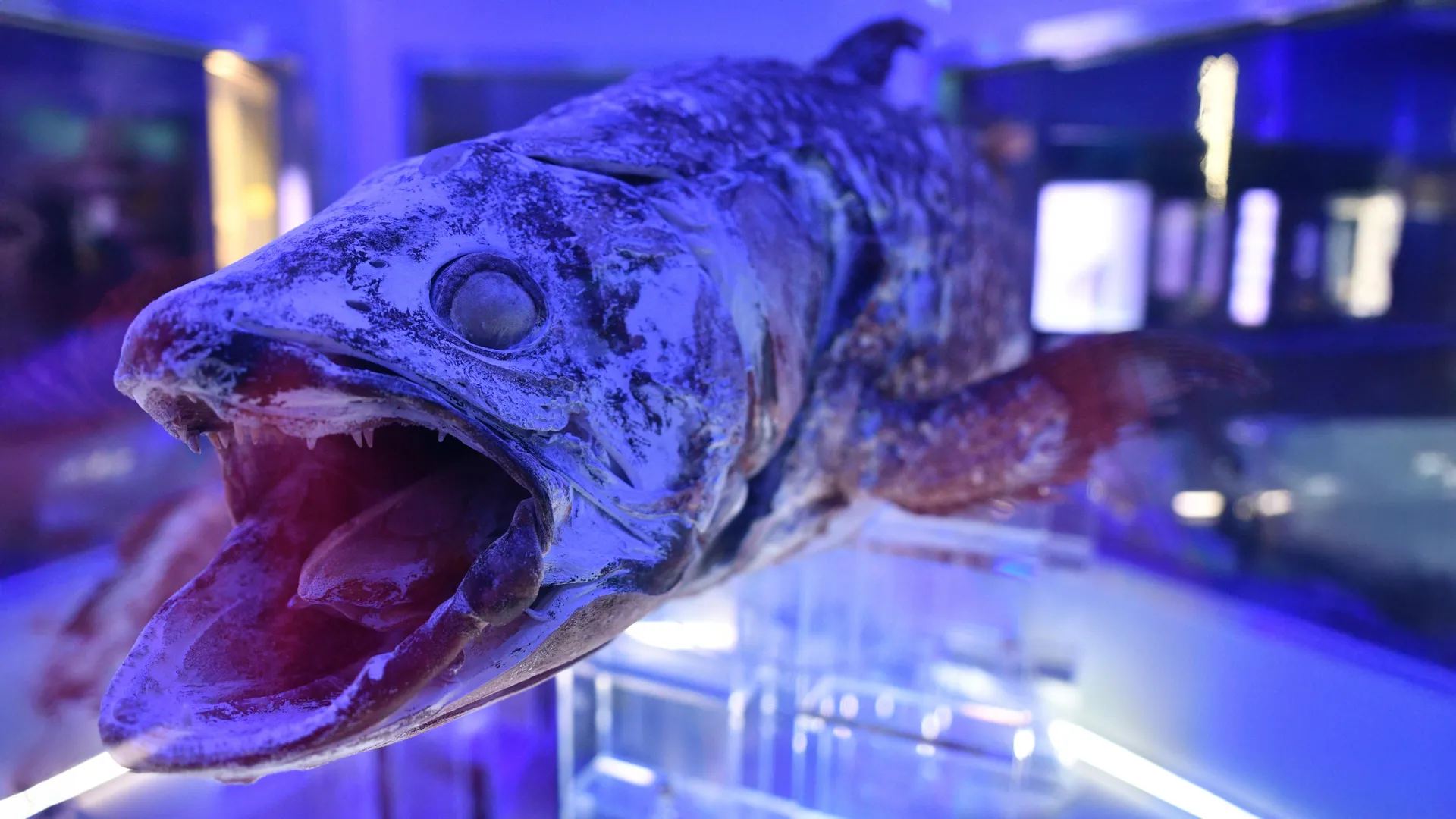
The coelacanth is known as a “living fossil” because its anatomy has changed little in the last 65 million years. Despite being one of the most studied fish in history, it continues to reveal new information that could transform our understanding of vertebrate evolution. This is revealed in a study…

Clockwork from scratch: How scientists made timekeeping cells

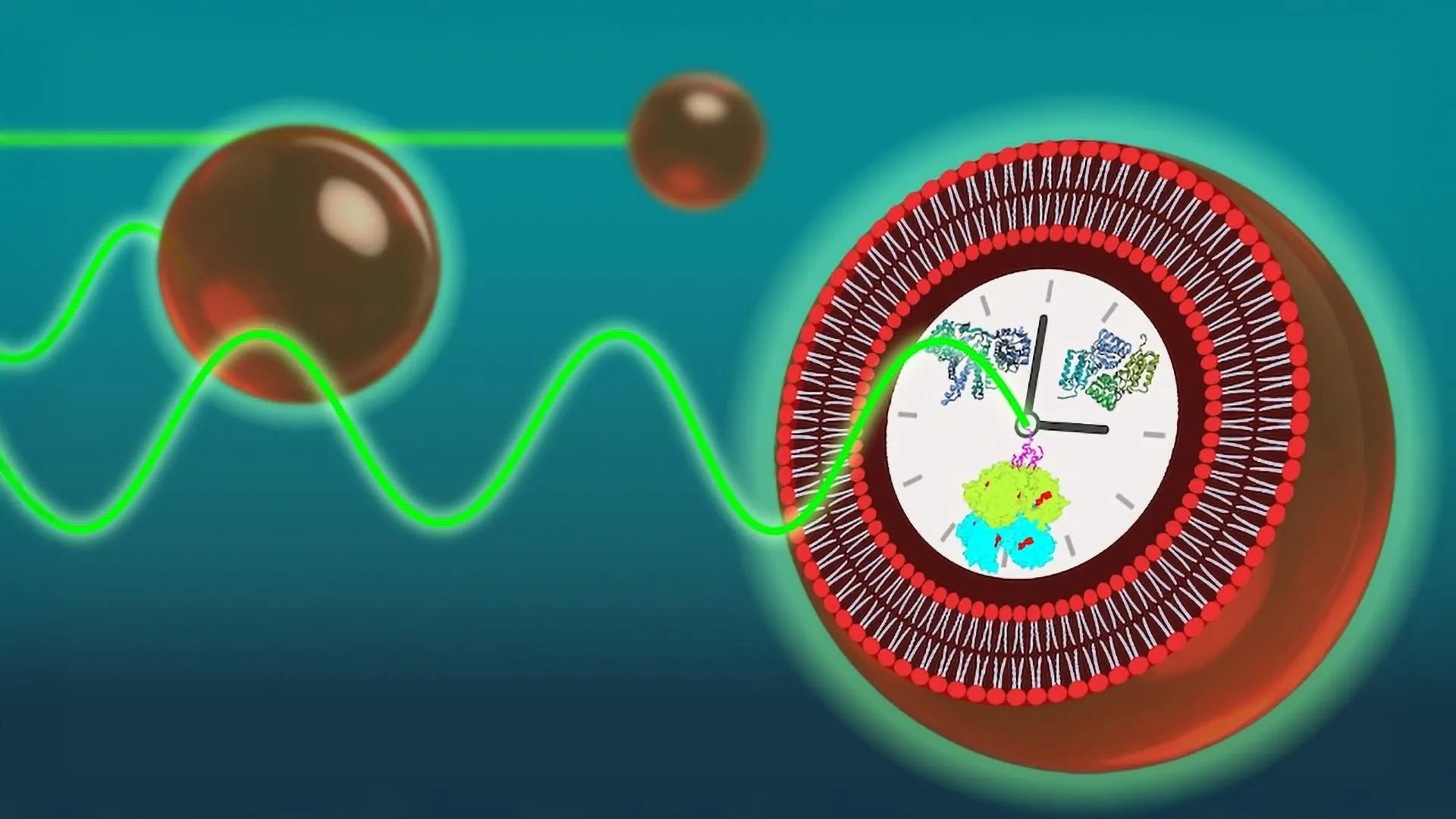
A team of UC Merced researchers has shown that tiny artificial cells can accurately keep time, mimicking the daily rhythms found in living organisms. Their findings shed light on how biological clocks stay on schedule despite the inherent molecular noise inside cells. The study, recently published in Nature Communications, was…

Building electronics that don’t die: Columbia's breakthrough at CERN

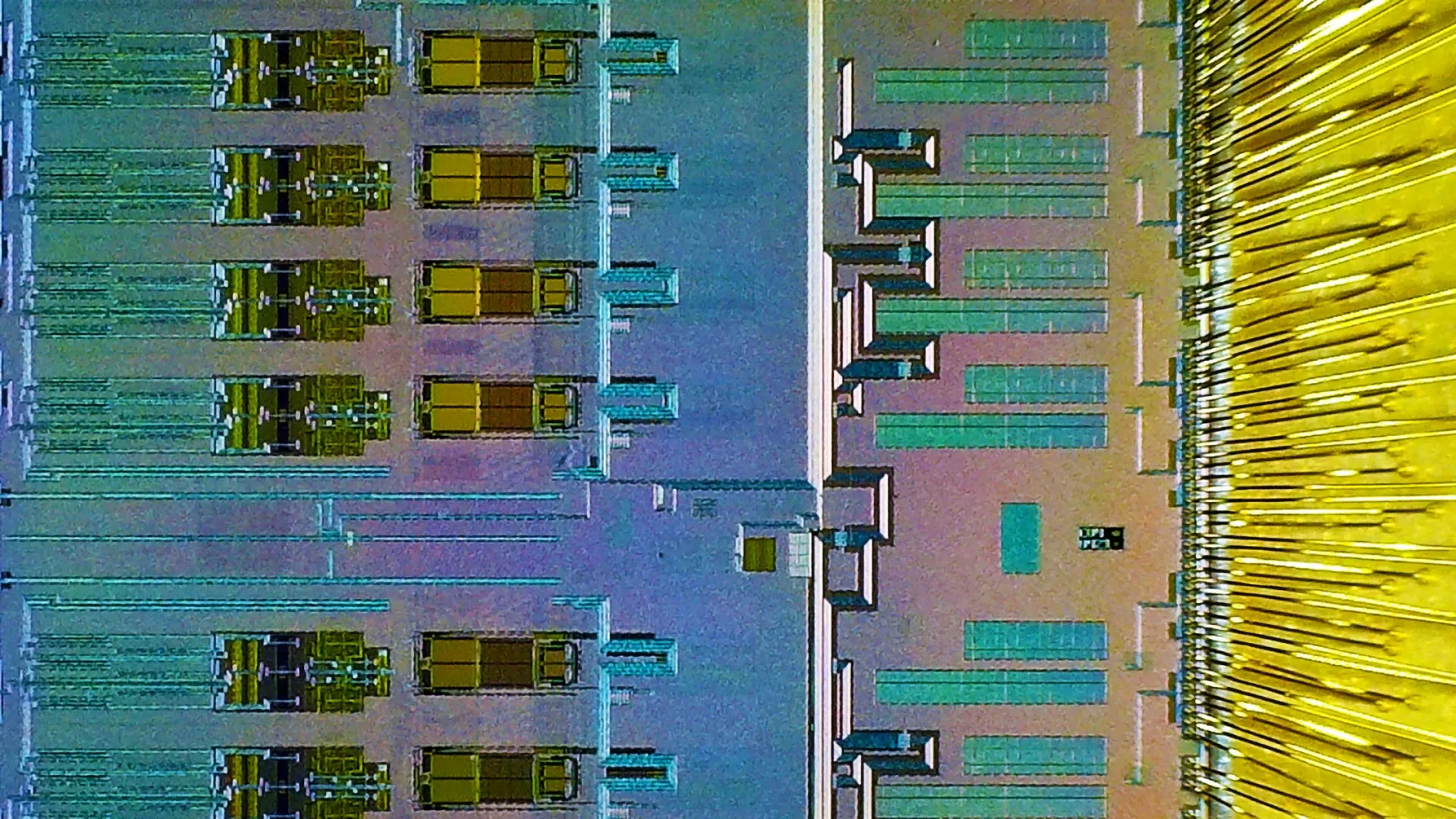
The Large Hadron Collider (LHC) is tough on electronics. Situated inside a 17-mile-long tunnel that runs in a circle under the border between Switzerland and France, this massive scientific instrument accelerates particles close to the speed of light before smashing them together. The collisions yield tiny maelstroms of particles and…

Digital twins are reinventing clean energy — but there’s a catch

As the world grapples with the urgent need to reduce carbon emissions and combat climate change, researchers at the University of Sharjah are turning to a cutting-edge technology that could reshape the future of energy: AI-powered digital twins. According to the researchers, these digital replicas of the physical world have…

This spectrometer is smaller than a pixel, and it sees what we can’t

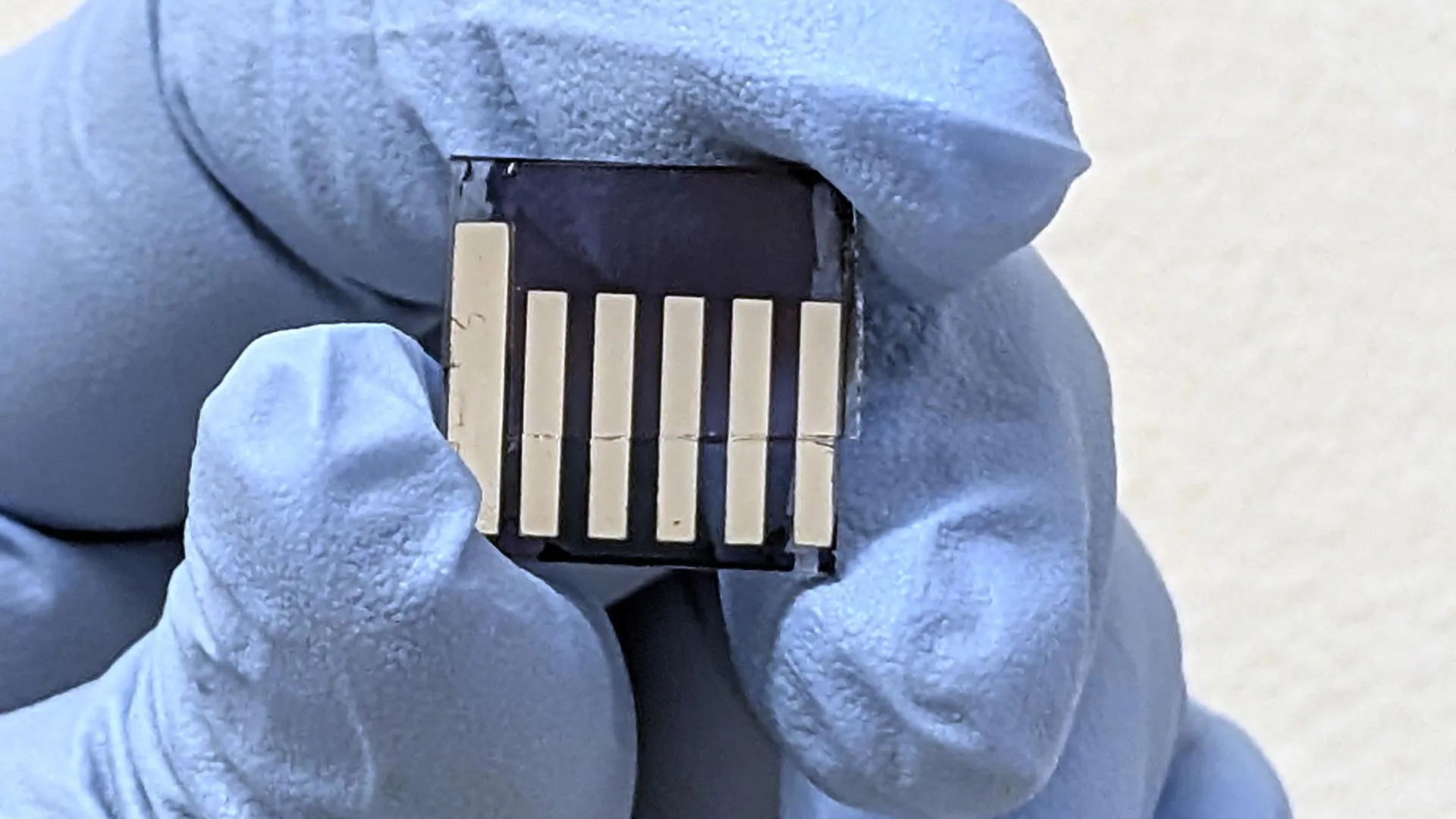
Researchers have successfully demonstrated a spectrometer that is orders of magnitude smaller than current technologies and can accurately measure wavelengths of light from ultraviolet to the near-infrared. The technology makes it possible to create hand-held spectroscopy devices and holds promise for the development of devices that incorporate an array of…

Walk faster, live longer: How just 15 minutes a day can boost lifespan

Regular walking is widely recognized for its significant benefits to overall health and well-being. Previous research has primarily focused on middle-to-high-income White populations. Now, a novel analysis using data from the Southern Community Cohort Study, involving 79,856 predominantly low-income and Black individuals across 12 southeastern US states, confirms the benefits…

This gut hormone could explain 40% of IBS-D cases—and lead to a cure

High levels of a hormone found in cells in the gut could underlie many cases of chronic diarrhea and help explain up to 40% of cases of patients with irritable bowel syndrome with diarrhea, according to a new study led by scientists at the University of Cambridge. The research, published…

Did humans learn to walk in trees?

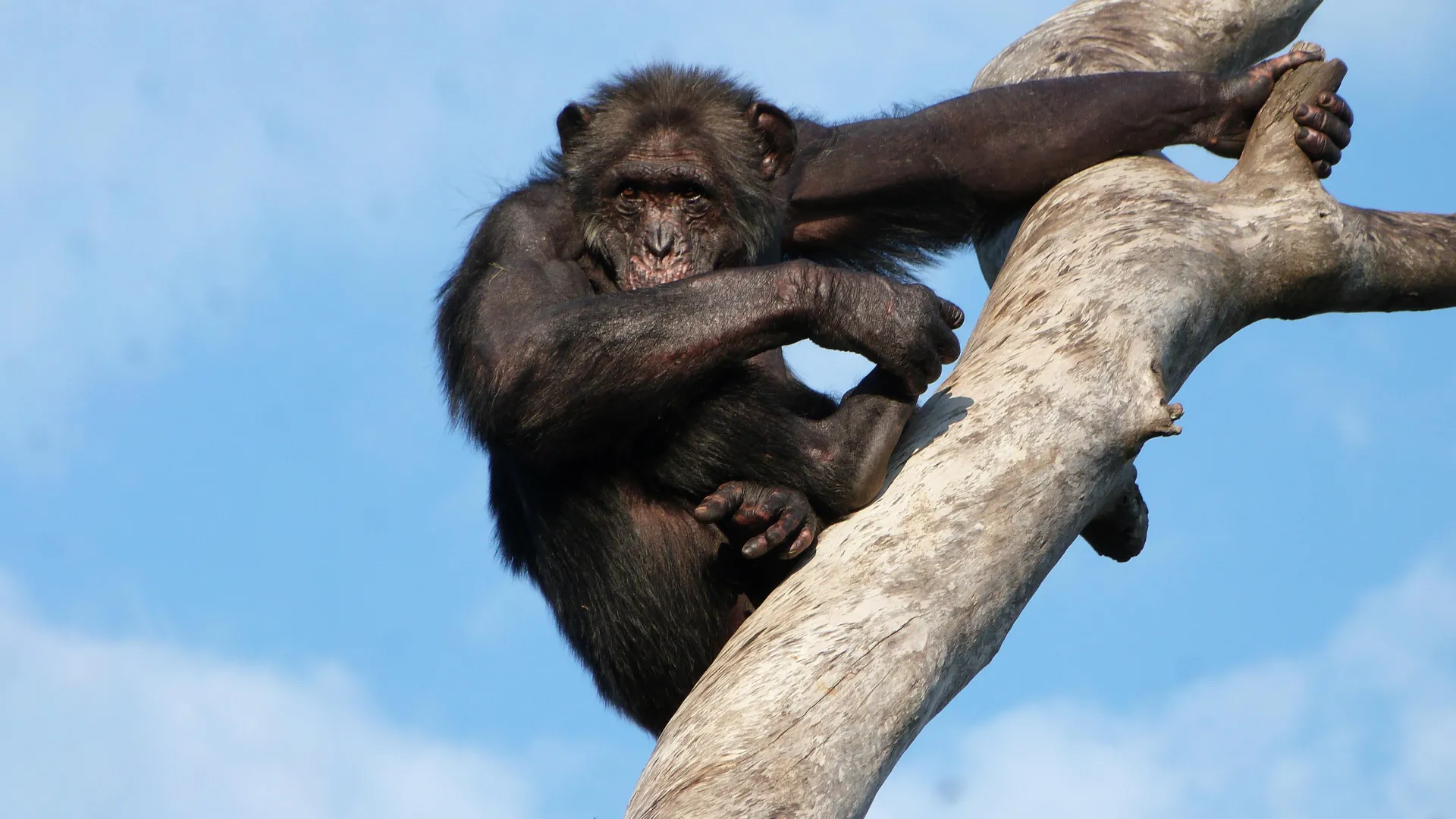
It’s hard to tell when — and why — our ancestors got down from trees and started walking on two legs. Many early hominins capable of bipedal walking were also well-adapted for climbing, and we lack fossil evidence from a key period when climate change turned forests into open, dry…

Atomic-scale secrets: What really happens inside your battery

Electrochemical cells – or batteries, as a well-known example – are complex technologies that combine chemistry, physics, materials science and electronics. More than power sources for everything from smartphones to electric vehicles, they remain a strong motivation for scientific inquiry that seeks to fully understand their structure and evolution at…

Columbia scientists turn yogurt into a healing gel that mimics human tissue

Researchers from Columbia Engineering have established a framework for the design of bioactive injectable hydrogels formulated with extracellular vesicles (EVs) for tissue engineering and regenerative medicine applications. Published on July 25 in Matter, Santiago Correa, assistant professor of biomedical engineering at Columbia Engineering, and his collaborators describe an injectable hydrogel platform…

Ghost particles may secretly decide the fate of collapsing stars

Neutrinos are cosmic tricksters, paradoxically hardly there but lethal to stars significantly more massive than the sun. These elementary particles come in three known “flavors”: electron, muon and tau. Whatever the flavor, neutrinos are notoriously slippery, and much about their properties remains mysterious. It is almost impossible to collide neutrinos…

Scientists just cracked the cryptographic code behind quantum supremacy

Experts say quantum computing is the future of computers. Unlike conventional computers, quantum computers leverage the properties of quantum physics such as superposition and interference, theoretically outperforming current equipment to an exponential degree. When a quantum computer is able to solve a problem unfeasible for current technologies, this is called…

Walk faster, age slower: The 14-step boost that builds strength

Frailty is a medically defined condition in older adults that increases vulnerability to everyday stresses, leading to a higher risk of falls, hospitalization and loss of independence. Warning signs of frailty include: Unintentional weight loss Moving slowly Feeling weak Persistent tiredness Low levels of physical activity Because most of these…

Sunny side up for eggs and cholesterol

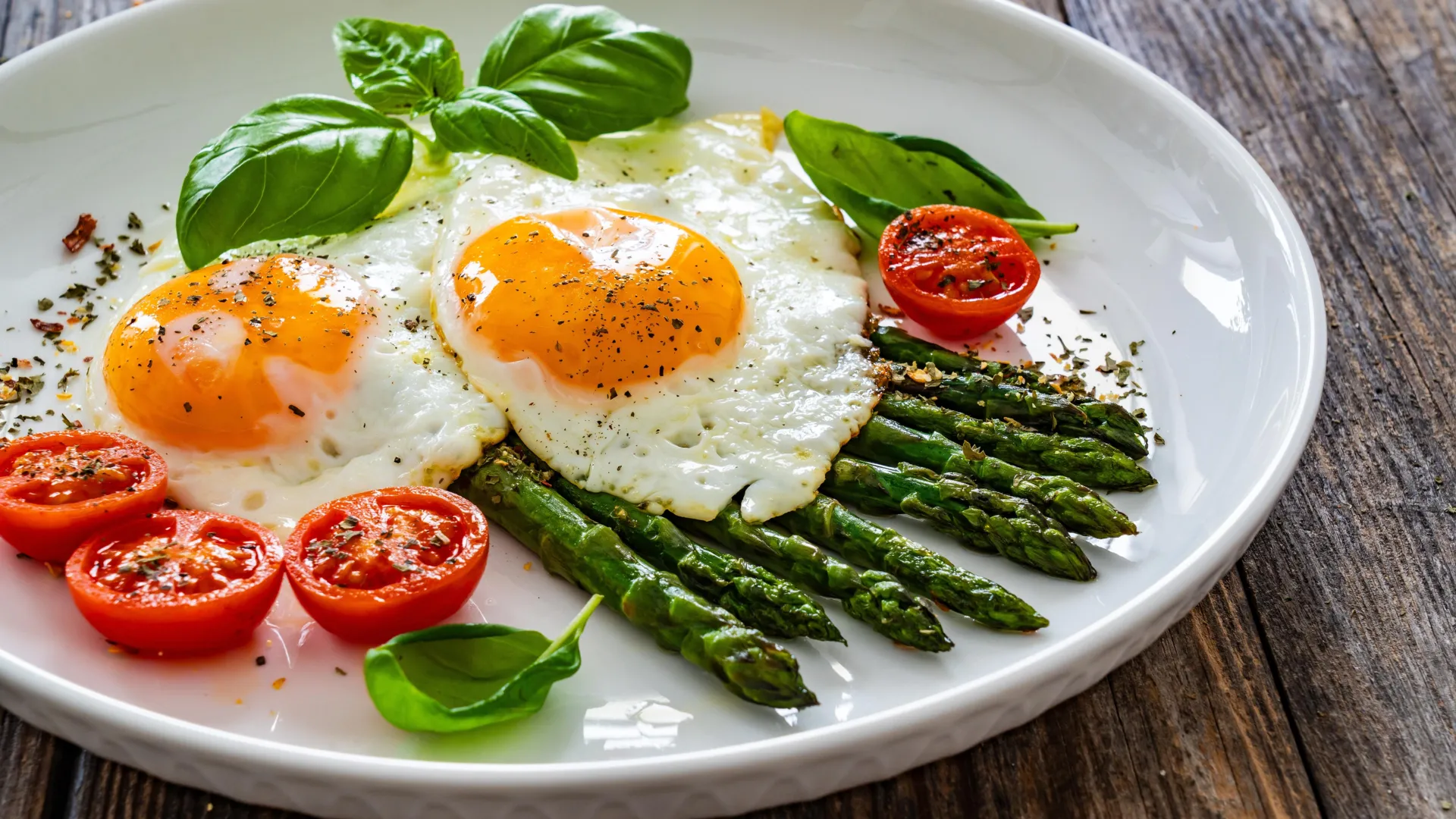
From poached to panfried, when it comes to eggs, it’s all sunny side up, as new research from the University of South Australia confirms that this breakfast favourite won’t crack your cholesterol. Long blamed for high cholesterol, eggs have been beaten up for their assumed role in cardiovascular disease (CVD).…

Science tested 64 natural remedies for depression—only a few actually work

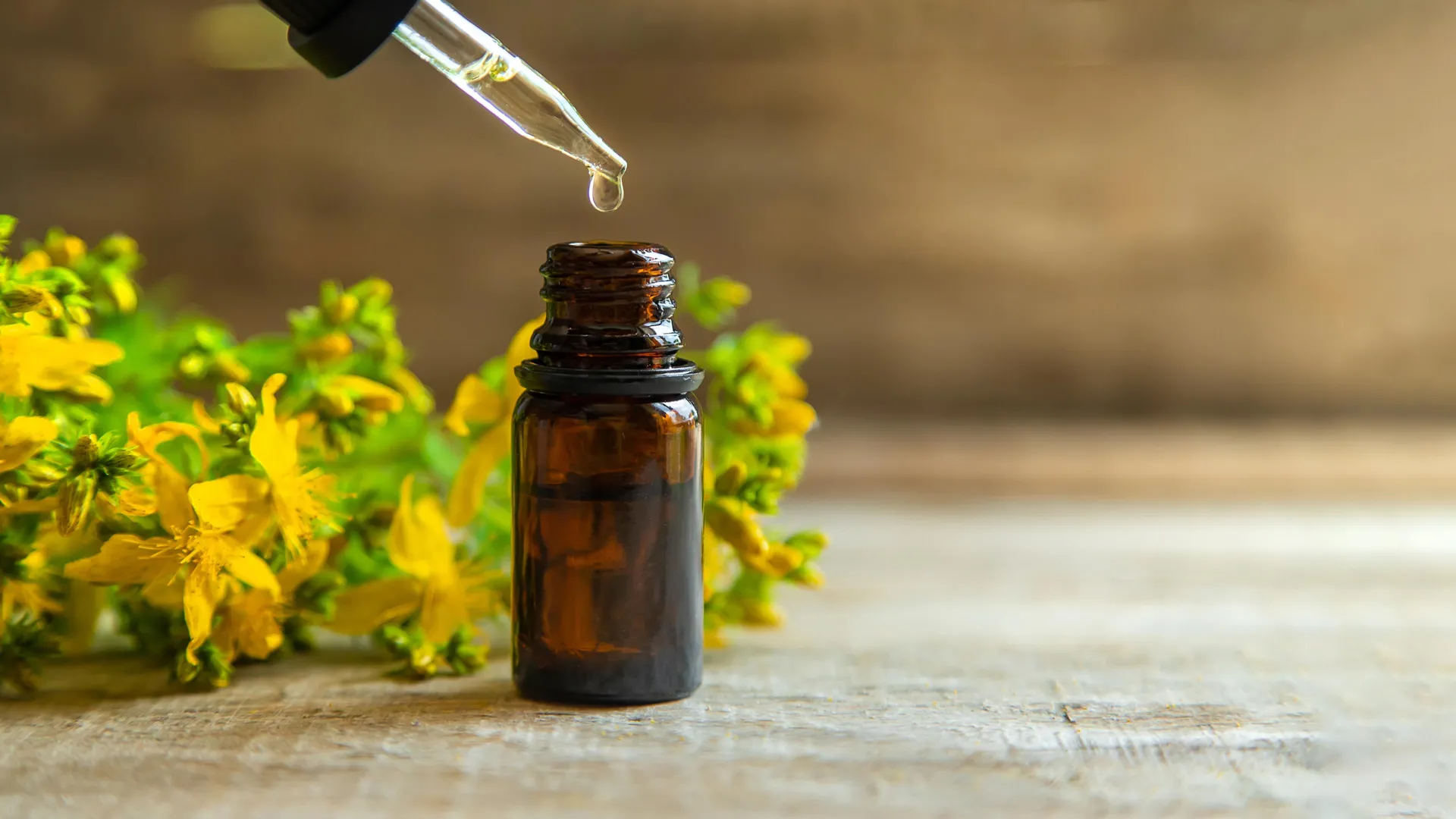
Most people have heard of St John’s Wort and omega-3s. But did you know there are a lot more over-the-counter herbal products and supplements out there targeting depression?In our review of clinical trials of these products, we found 64 different over-the-counter (OTC) products that have been evaluated for depression –…

Think it’s just aging? Why dementia is missed for 3. 5 years on average

People with dementia are diagnosed an average of 3.5 years after symptoms are first noticed, or even longer (4.1 years) for those with early-onset dementia, finds a new study led by UCL researchers. The study, published in the International Journal of Geriatric Psychiatry, is the first systematic review and meta-analysis…

Decades of chemistry rewritten: A textbook reaction just flipped

Speeding up chemical reactions is key to improving industrial processes or mitigating unwanted or harmful waste. Realizing these improvements requires that chemists design around documented reaction pathways. Now, a team of Penn State researchers has found that a fundamental reaction called oxidative addition can follow a different path to achieve…

An ‘impossible’ 20-electron molecule challenges 100 years of chemistry

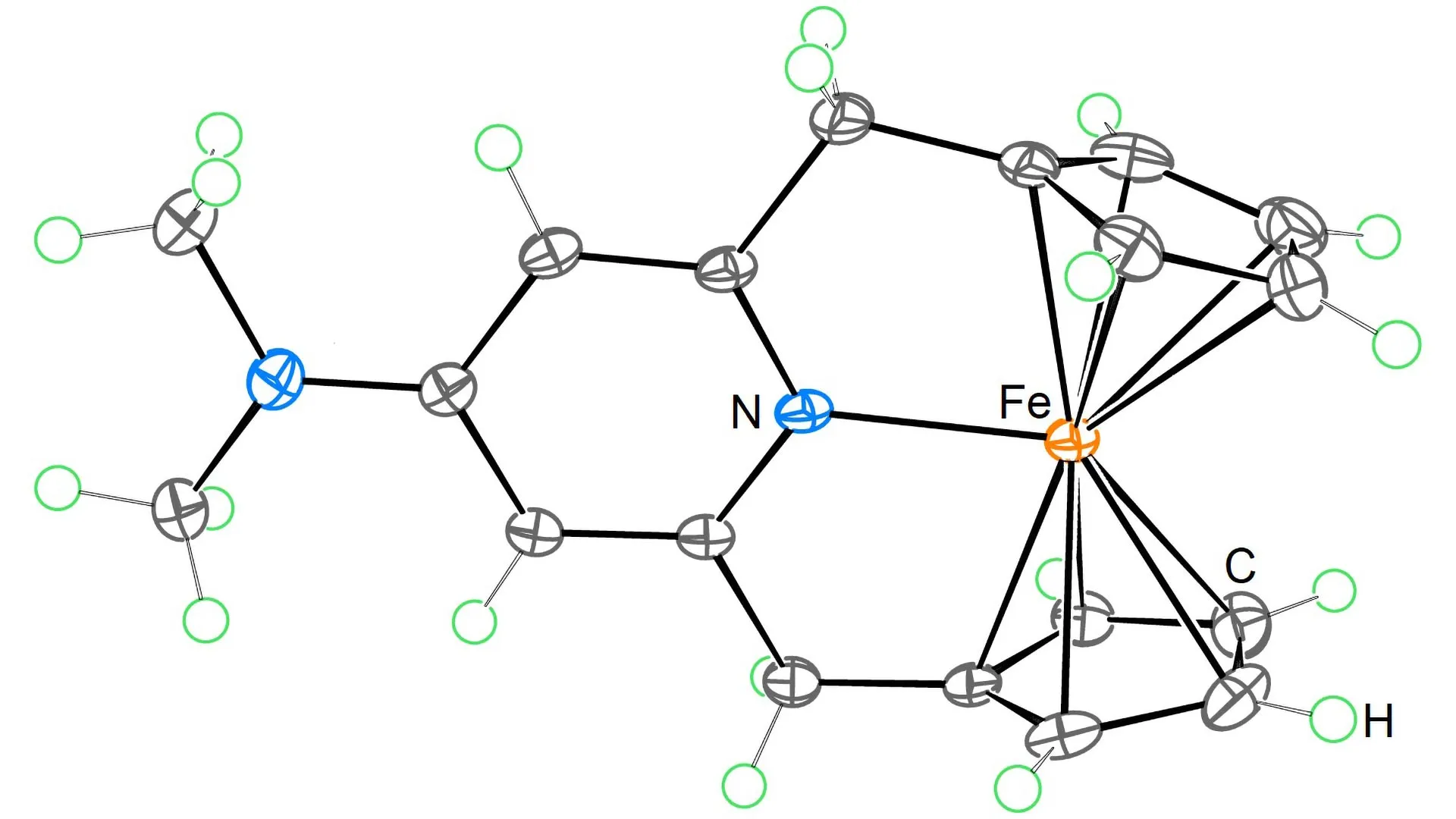
For over a century, the well-known 18-electron rule has guided the field of organometallic chemistry. Now, researchers at Okinawa Institute of Science and Technology (OIST) have successfully synthesized a novel organometallic compound that challenges this longstanding principle. They have created a stable 20-electron derivative of ferrocene, an iron-based metal-organic complex,…

The real-life Kryptonite found in Serbia—and why it could power the future

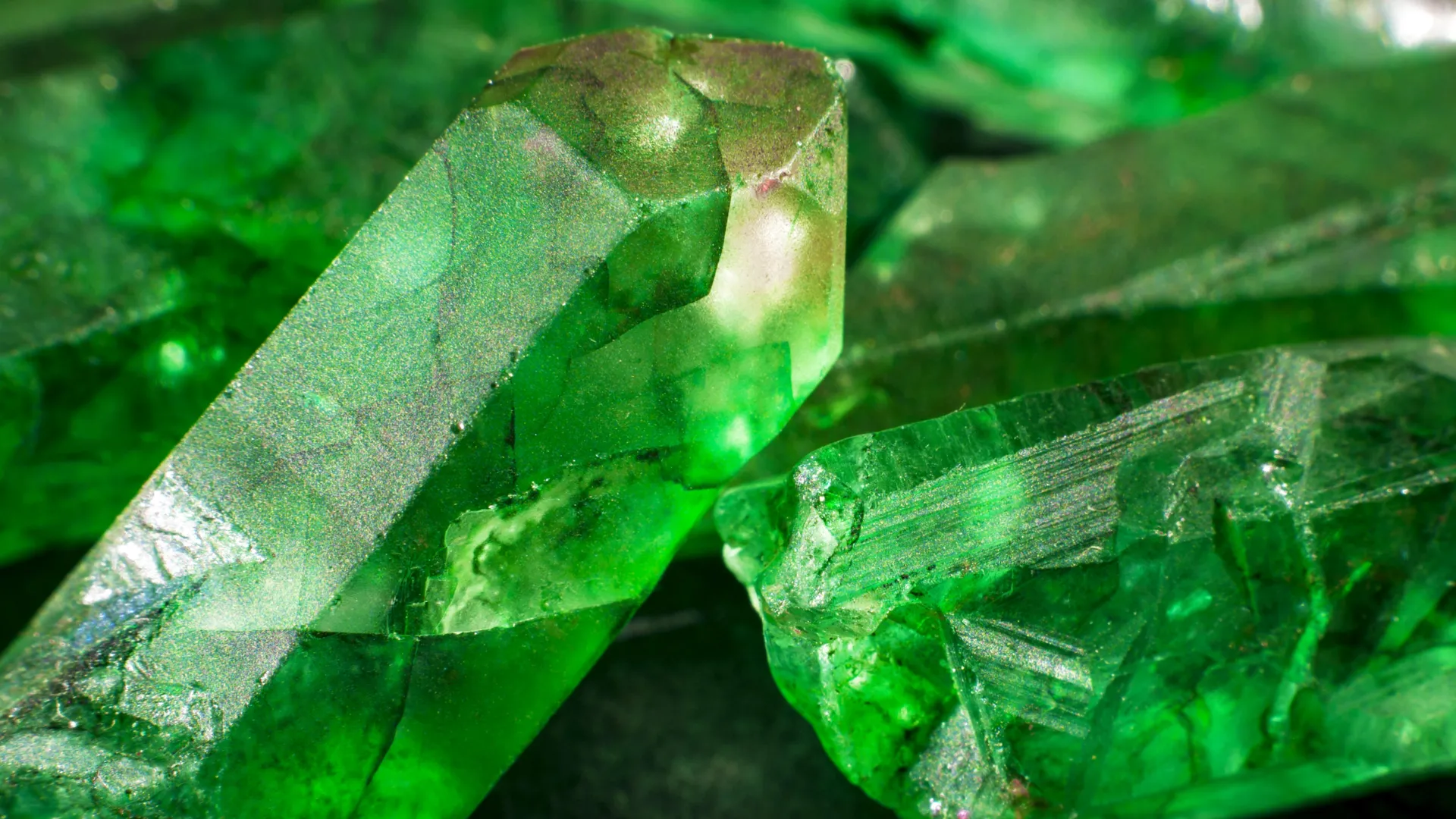
Jadarite has been likened to Superman’s ‘kryptonite’ based on their similar chemical compositions. It was discovered in the Jadar Valley of Serbia and officially recognized as a new mineral in 2006. Whilst lacking any actual superpowers, jadarite has great potential as an important resource of lithium and boron. Kryptonite’s twin…

Can AI predict cancer? New model uses genomics to simulate tumors

In the same vein as weather forecast models that predict developing storms, researchers now have developed a method to predict the cell activity in tissues over time. The new software combines genomics technologies with computational modeling to predict cell changes in behavior, such as communication between cells that could cause…