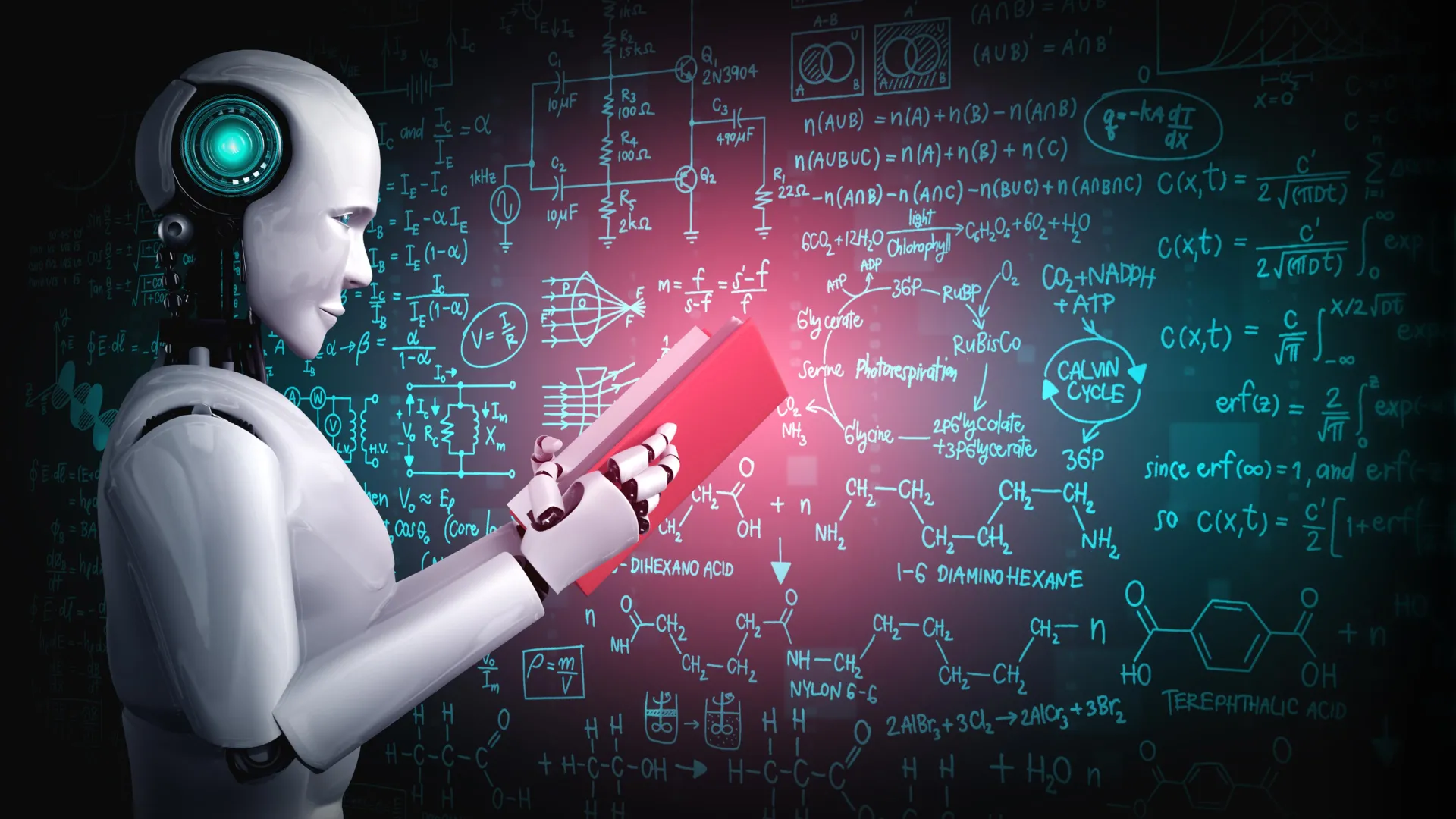

Scientists discover the moment AI truly understands language

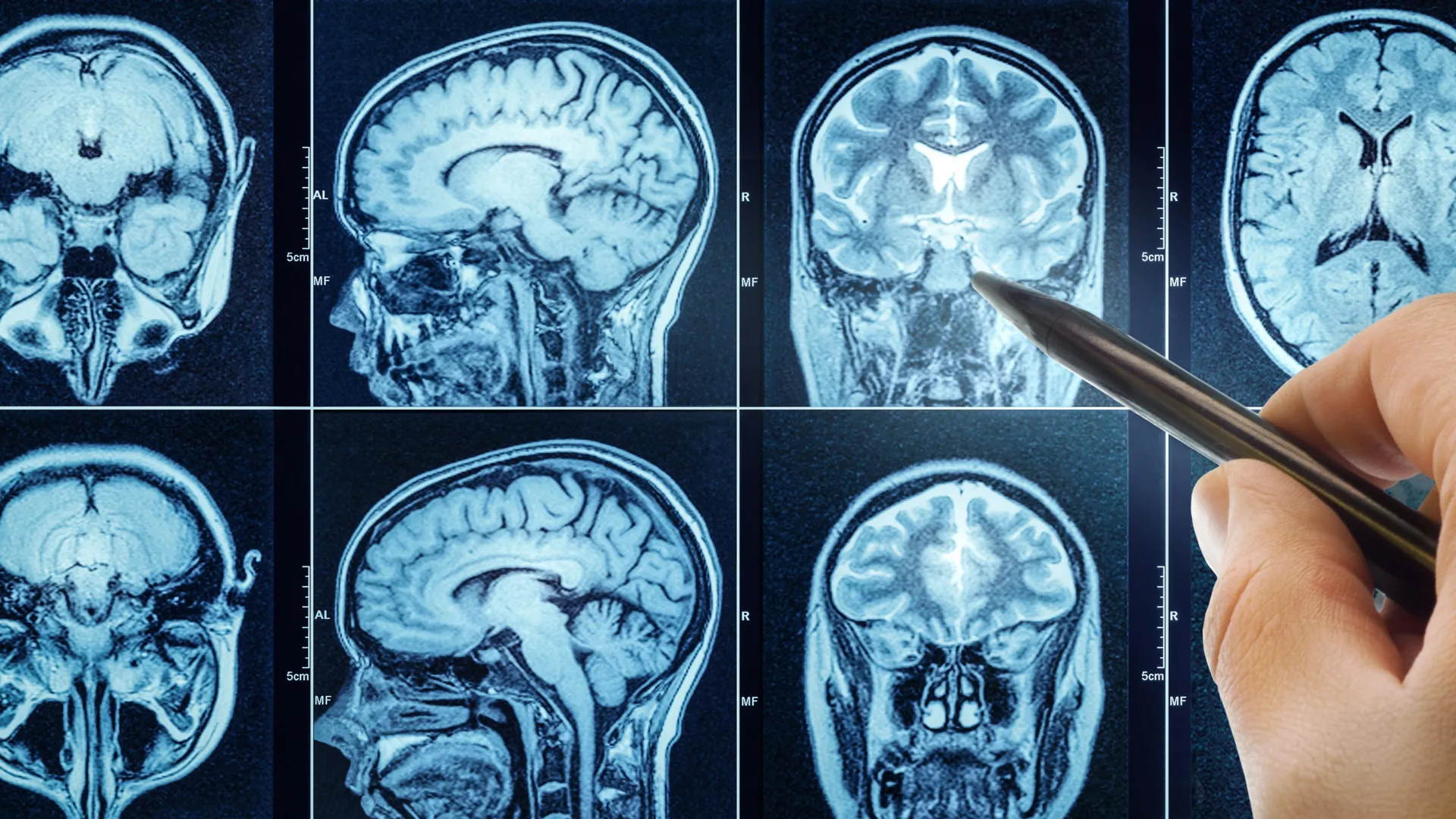
The language capabilities of today’s artificial intelligence systems are astonishing. We can now engage in natural conversations with systems like ChatGPT, Gemini, and many others, with a fluency nearly comparable to that of a human being. Yet we still know very little about the internal processes in these networks that…

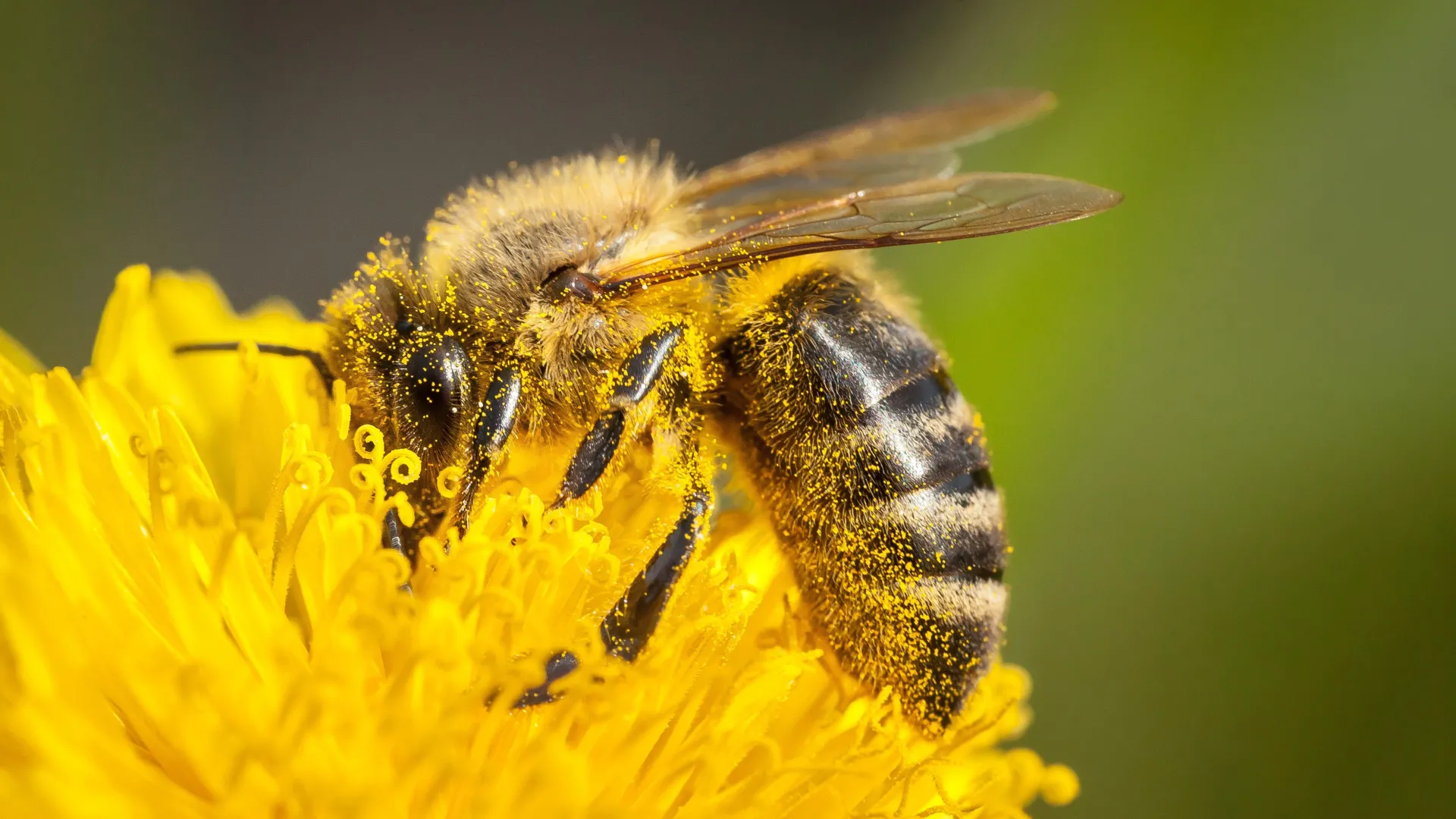
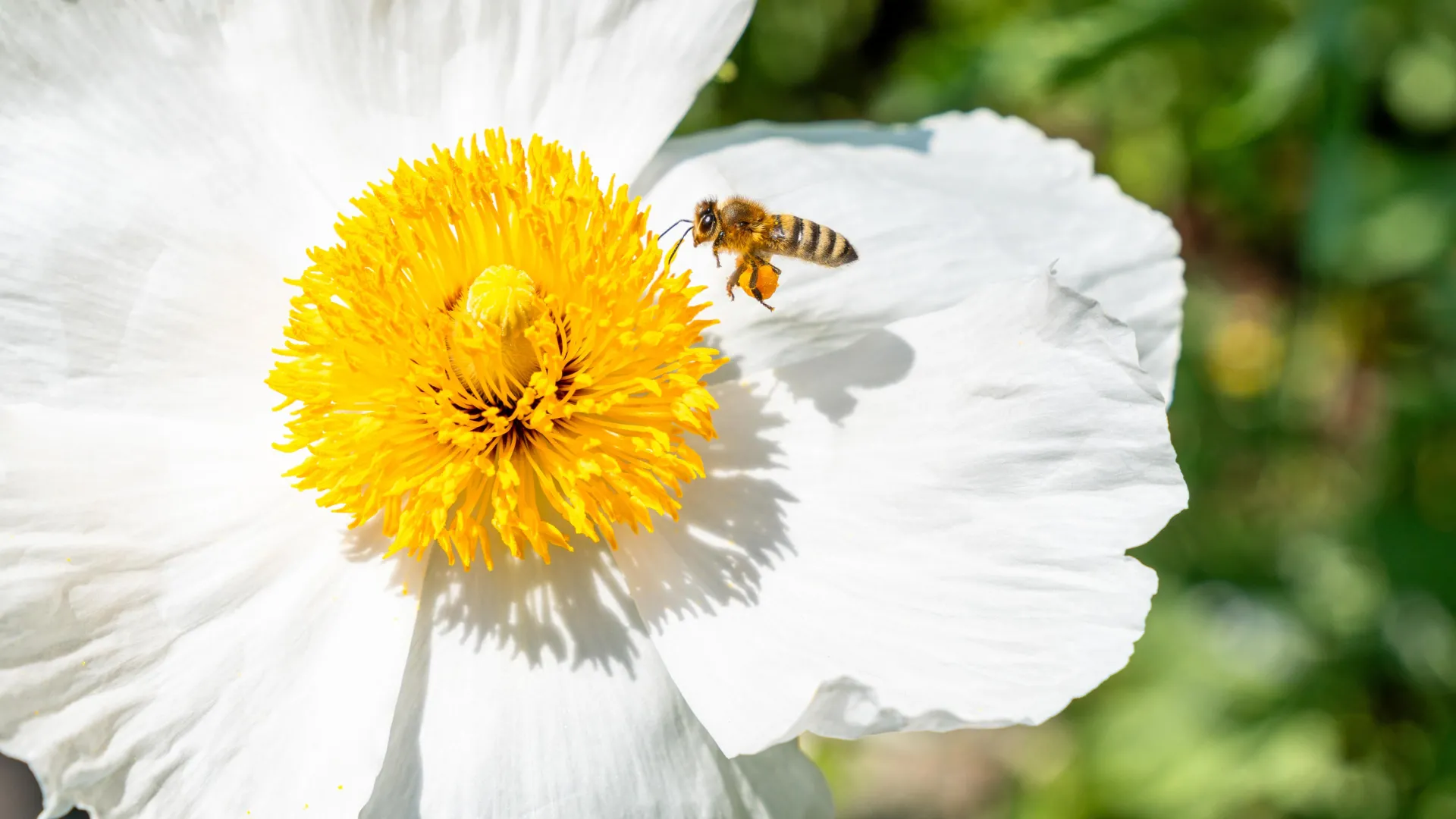
Honey bees remove 80% of pollen—leaving native bees with nothing

The majority of the Earth’s plant species, including our crop plants, rely on the services of animal pollinators in order to reproduce. Honey bees and other pollinating insects annually contribute billions of dollars to the U.S. economy, and are responsible for nearly a third of the food that ends up…

Alzheimer’s doesn’t strike at random: These 4 early-warning patterns tell the story

UCLA Health researchers have identified four distinct pathways that lead to Alzheimer’s disease by analyzing electronic health records, offering new insights into how the condition develops over time rather than from isolated risk factors. The study, published in the journal eBioMedicine, examined longitudinal health data from nearly 25,000 patients in…

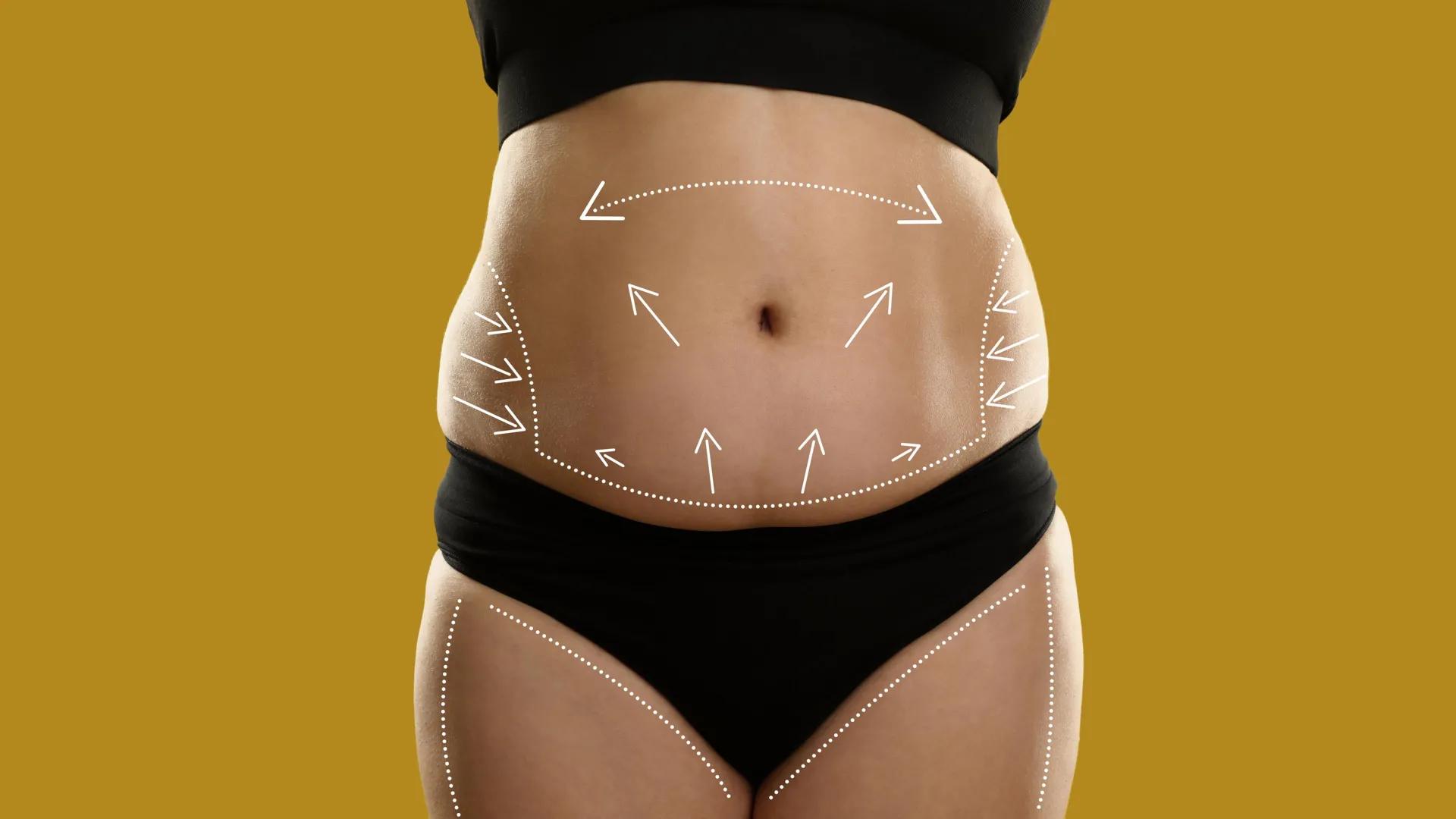
Study finds tummy-tuck patients still shedding pounds five years later

Most patients undergoing “tummy tuck” surgery (abdominoplasty) to remove excess skin and tissue after weight loss continue to lose weight in the months and years after surgery, suggests a follow-up study in the July issue of Plastic and Reconstructive Surgery®, the official medical journal of the American Society of Plastic…

Where wild buffalo roam free — and collide with city life in Hong Kong

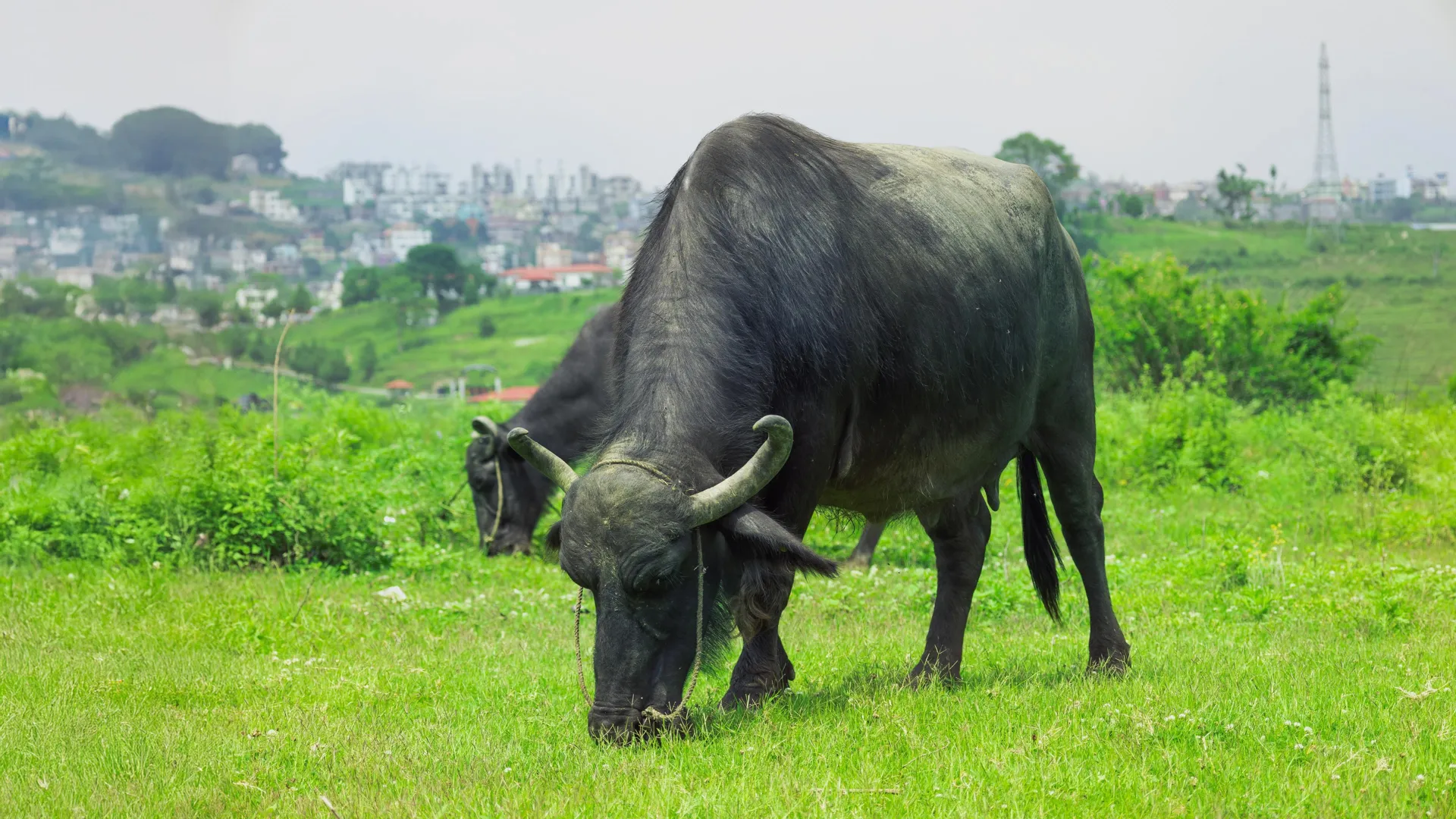
Most people associate Hong Kong with skyscrapers and shopping malls, but a small population of feral water buffalo calls the marshlands of South Lantau Island home. And they’re sparking a mix of curiosity, concern, and connection among locals. A new study published in People and Nature in July 2025 led…

Whispers in the womb: How cells “hear” to shape the human body

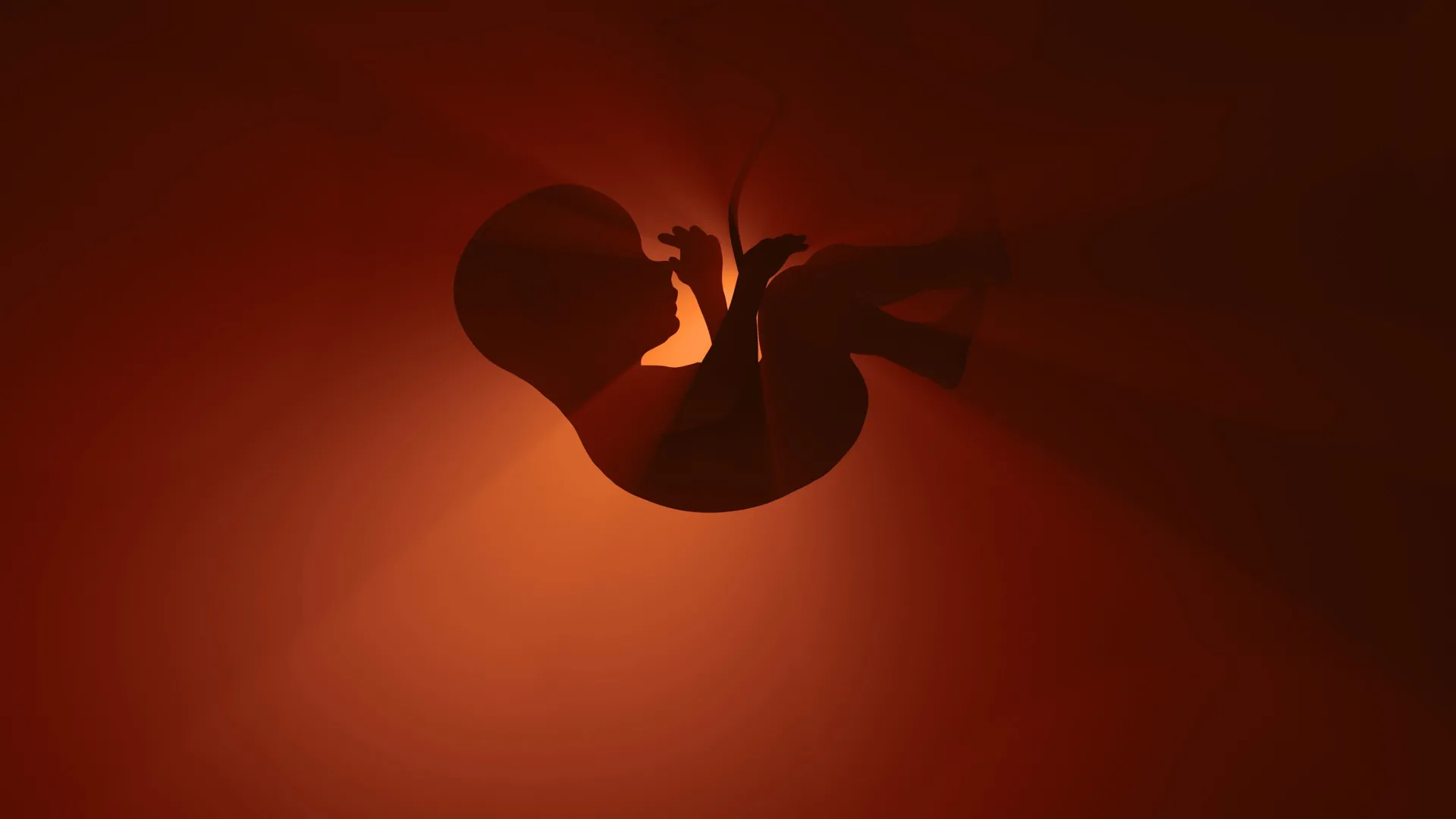
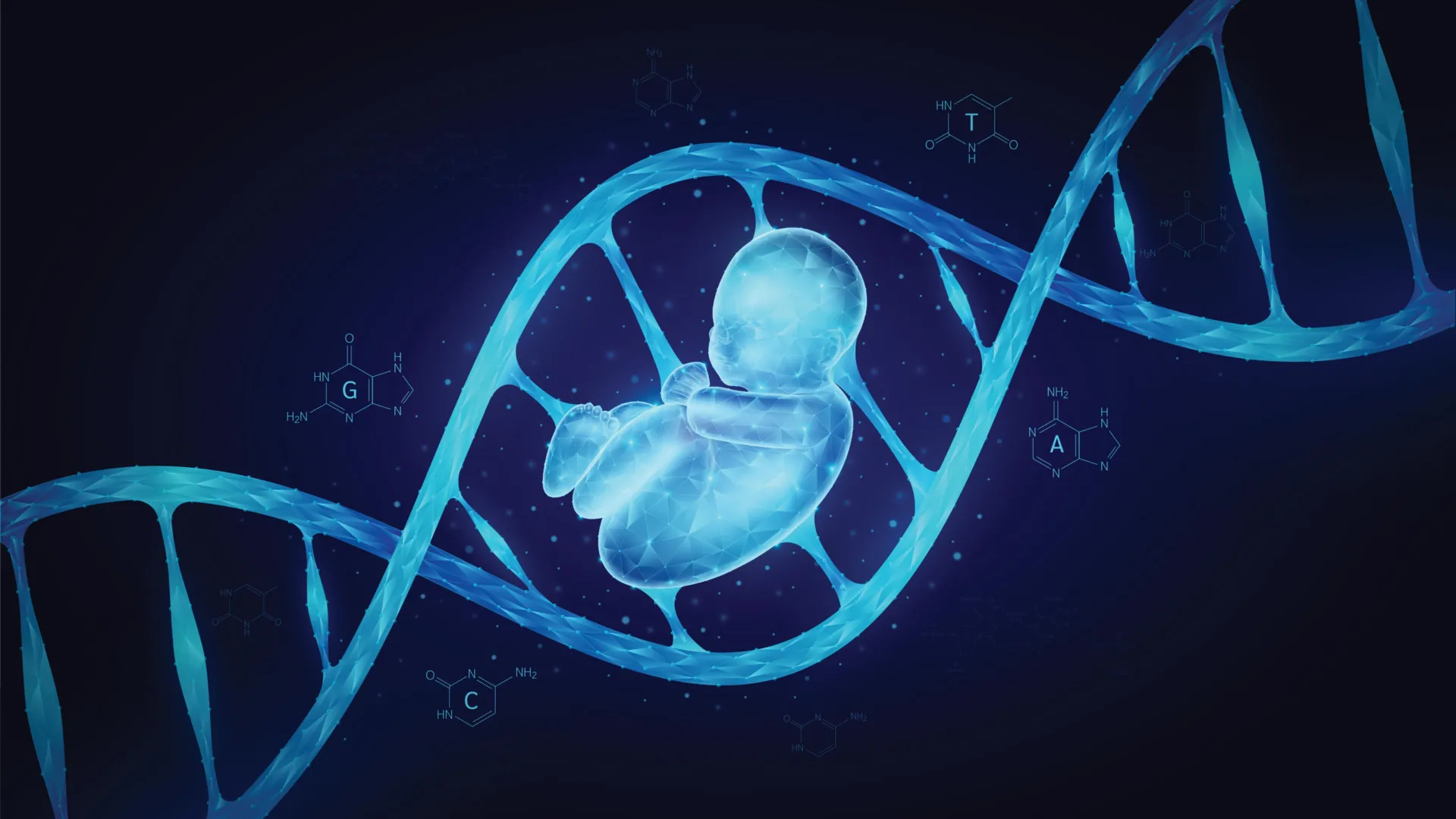
Like all complex organisms, every human originates from a single cell that multiplies through countless cell divisions. Thousands of cells coordinate, move and exert mechanical forces on each other as an embryo takes shape. Researchers at the Göttingen Campus Institute for Dynamics of Biological Networks (CIDBN), the Max Planck Institute…

Breakthrough battery lets physicists reverse entanglement—and rewrite quantum law

Just over 200 years after French engineer and physicist Sadi Carnot formulated the second law of thermodynamics, an international team of researchers has unveiled an analogous law for the quantum world. This second law of entanglement manipulation proves that, just like heat or energy in an idealized thermodynamics regime, entanglement…

How a lost gene gave the sea spider its bizarre, leggy body

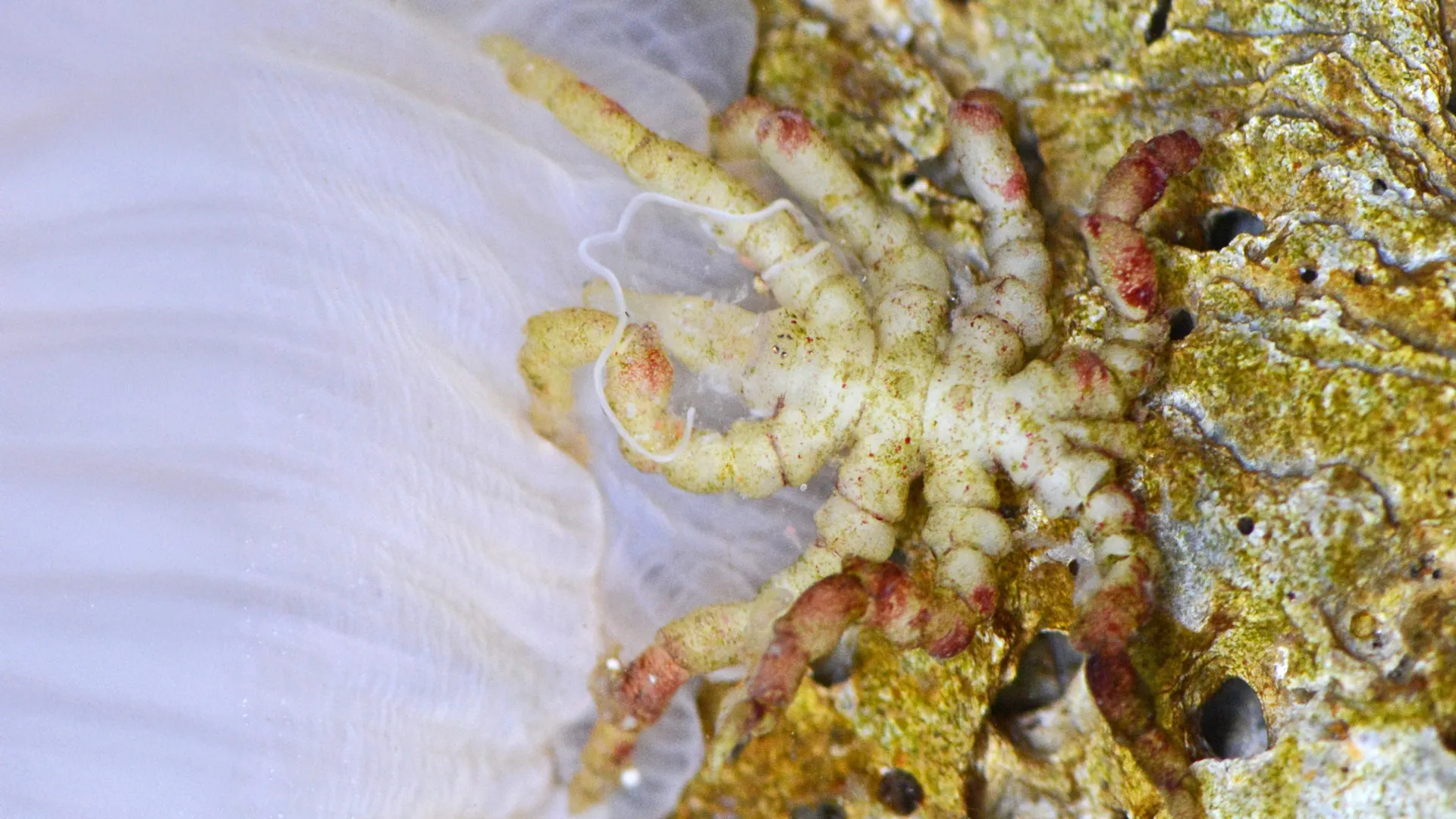
An international collaboration featuring the University of Vienna and the University of Wisconsin-Madison (USA) has led to the first-ever chromosome-level genome assembly of a sea spider (Pycnogonum litorale). The genome informs about the development of the characteristic sea spider body plan and constitutes a landmark for revealing the evolutionary history…

New research shows Monday stress is etched into your biology

A research study led by Professor Tarani Chandola from the Department of Sociology, Faculty of Social Sciences at the University of Hong Kong (HKU) has revealed that Mondays uniquely drive long-term biological stress, regardless of working status, with implications for heart health. The research has identified a striking biological phenomenon:…

Antarctica’s slow collapse caught on camera—and it’s accelerating

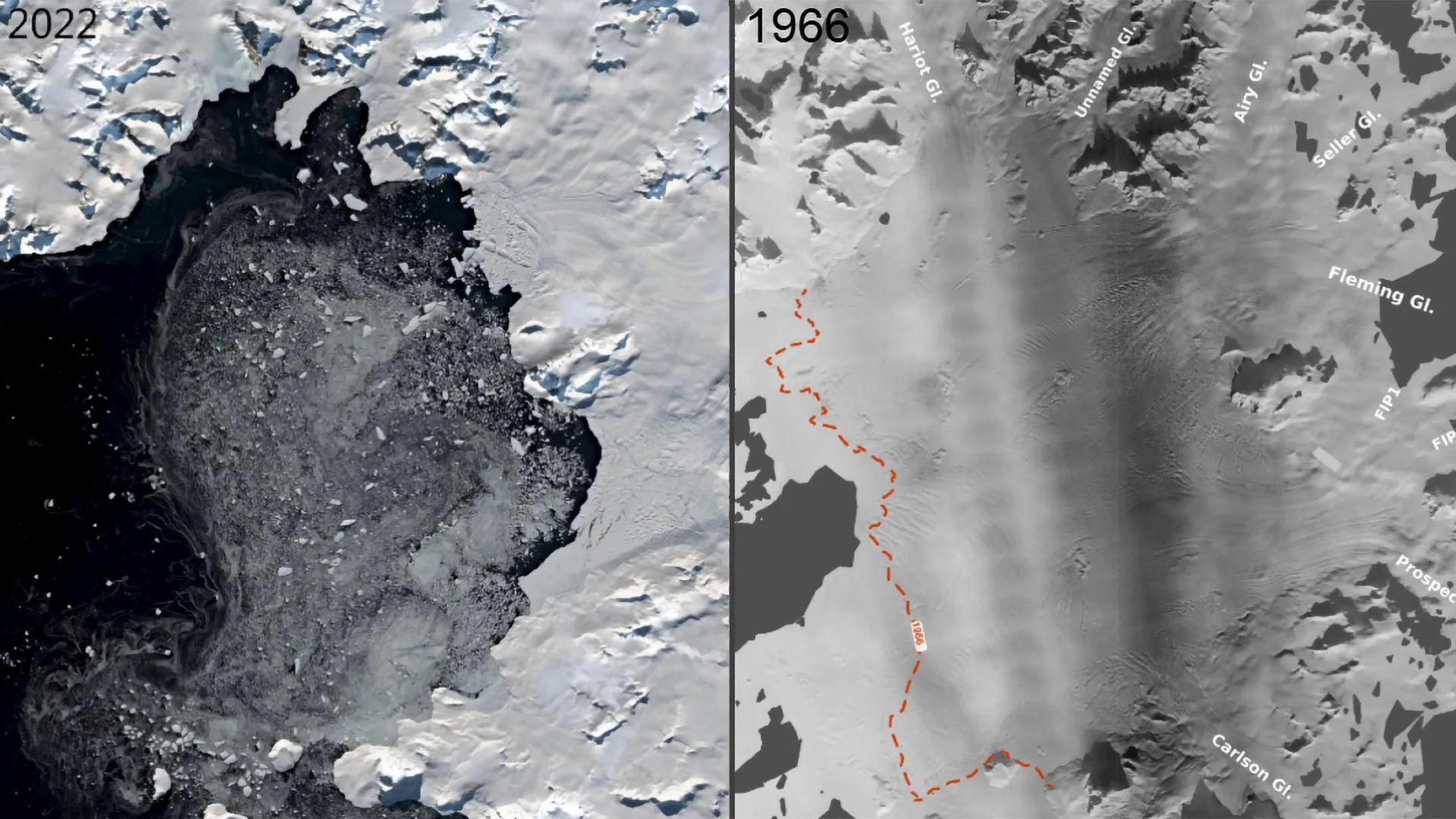
Researchers from the University of Copenhagen have gained unique insight into the mechanisms behind the collapse of Antarctic ice shelves, which are crucial for sea level rise in the Northern Hemisphere. The discovery of old aerial photos has provided an unparalleled dataset that can improve predictions of sea level rise…

From air to stone: The fig trees fighting climate change

Some species of fig trees store calcium carbonate in their trunks – essentially turning themselves (partially) into stone, new research has found. The team of Kenyan, U.S., Austrian, and Swiss scientists found that the trees could draw carbon dioxide (CO2) from the atmosphere and store it as calcium carbonate ‘rocks’…

Cough medicine turned brain protector? Ambroxol may slow Parkinson’s dementia

Dementia poses a major health challenge with no safe, affordable treatments to slow its progression. Researchers at Lawson Research Institute (Lawson), the research arm of St. Joseph’s Health Care London, are investigating whether Ambroxol — a cough medicine used safely for decades in Europe — can slow dementia in people…

Multisensory VR forest reboots your brain and lifts mood—study confirms

In Japan, Shinrin Yoku or forest bathing has already been used for therapeutic applications, for instance, to lower blood pressure and stress levels. For their study, the researchers wanted to find out whether forest bathing – consciously immersing oneself in nature – can also be effective when done virtually, and…

Scientists capture real-time birth of ultrafast laser pulses

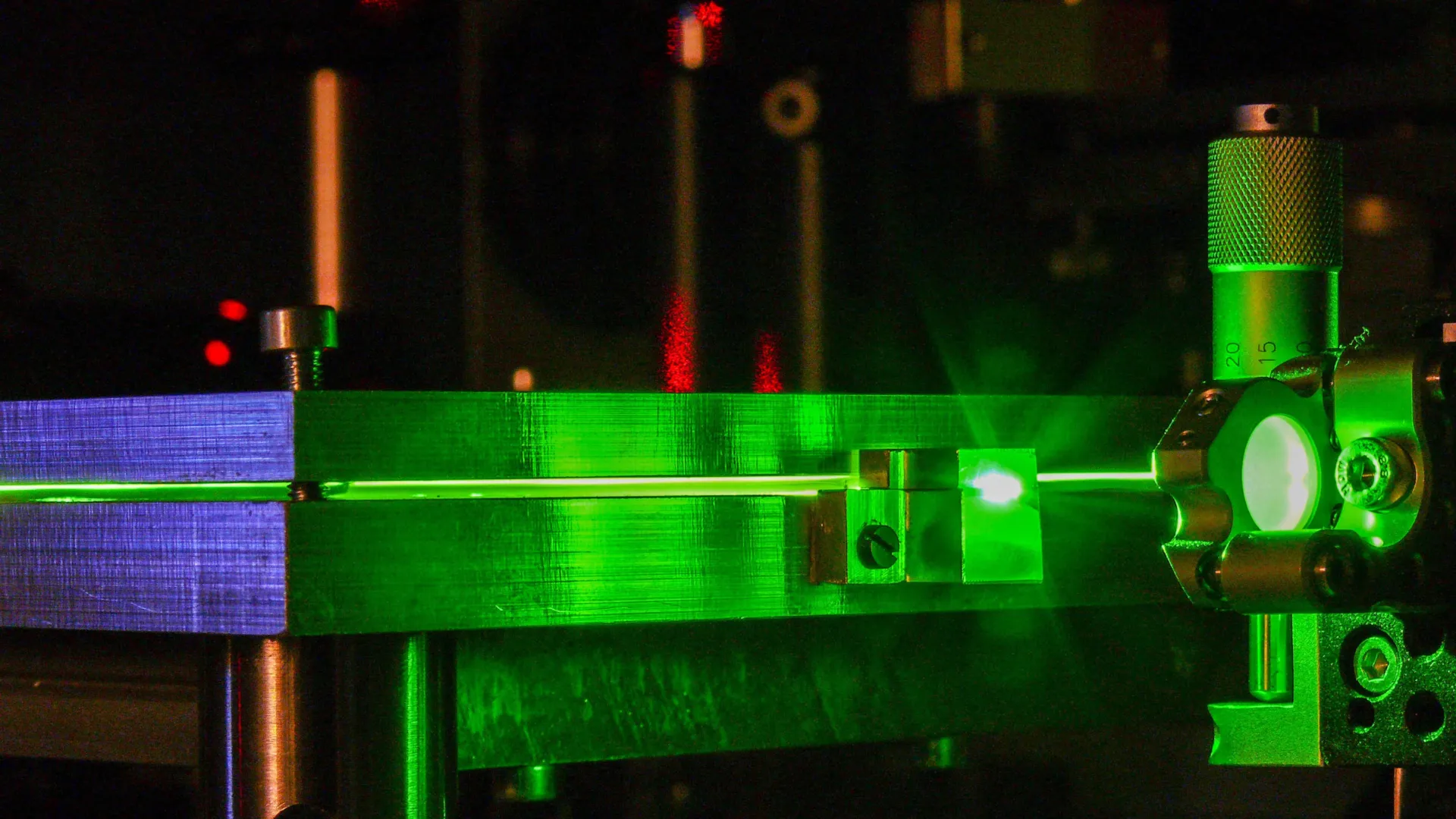
The Mamyshev oscillator (MO) is a type of fiber laser capable of producing high-energy laser pulses at a tunable repetition rate. It is a mode-locked laser which uses light travelling within a closed-loop cavity to produce laser emission. Harmonic mode-locking (HML) is an advanced form of mode-locking process where multiple…

New tech tracks blood sodium without a single needle

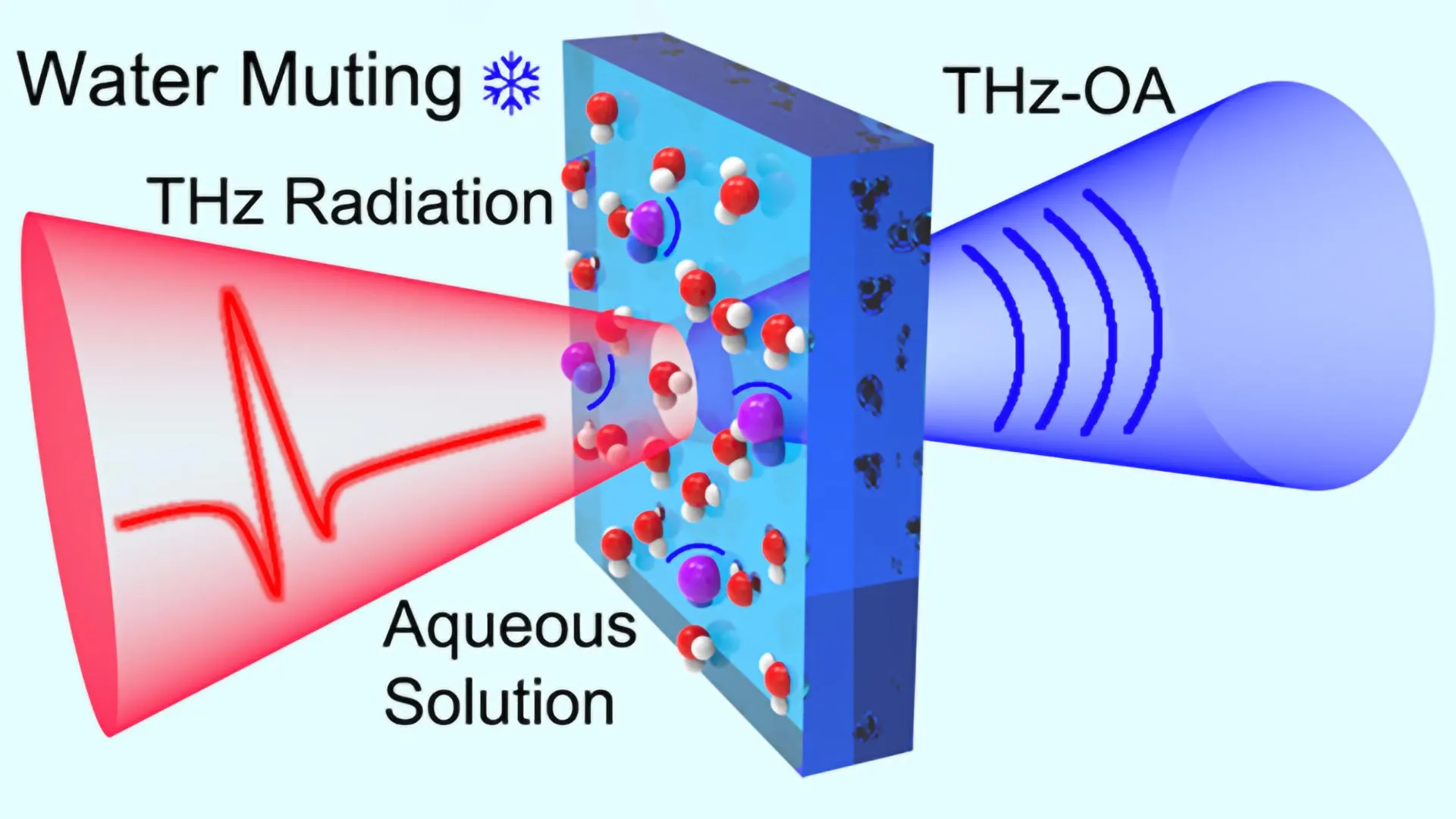
In a new study, researchers demonstrated long-term, non-invasive monitoring of blood sodium levels using a system that combines optoacoustic detection with terahertz spectroscopy. Accurate measurement of blood sodium is essential for diagnosing and managing conditions such as dehydration, kidney disease and certain neurological and endocrine disorders. Terahertz radiation, which falls…

Defying physics: This rare crystal cools itself using pure magnetism

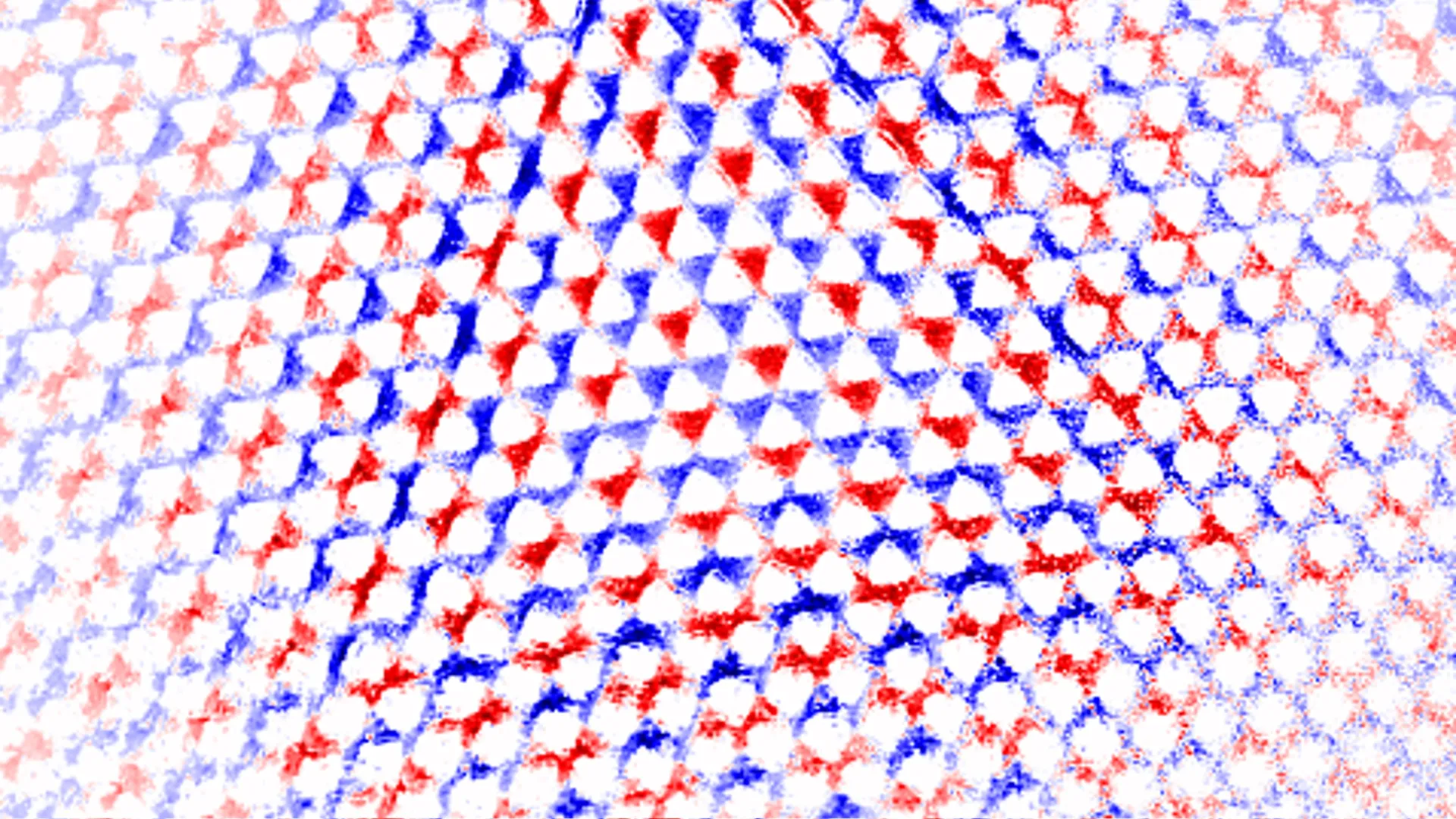
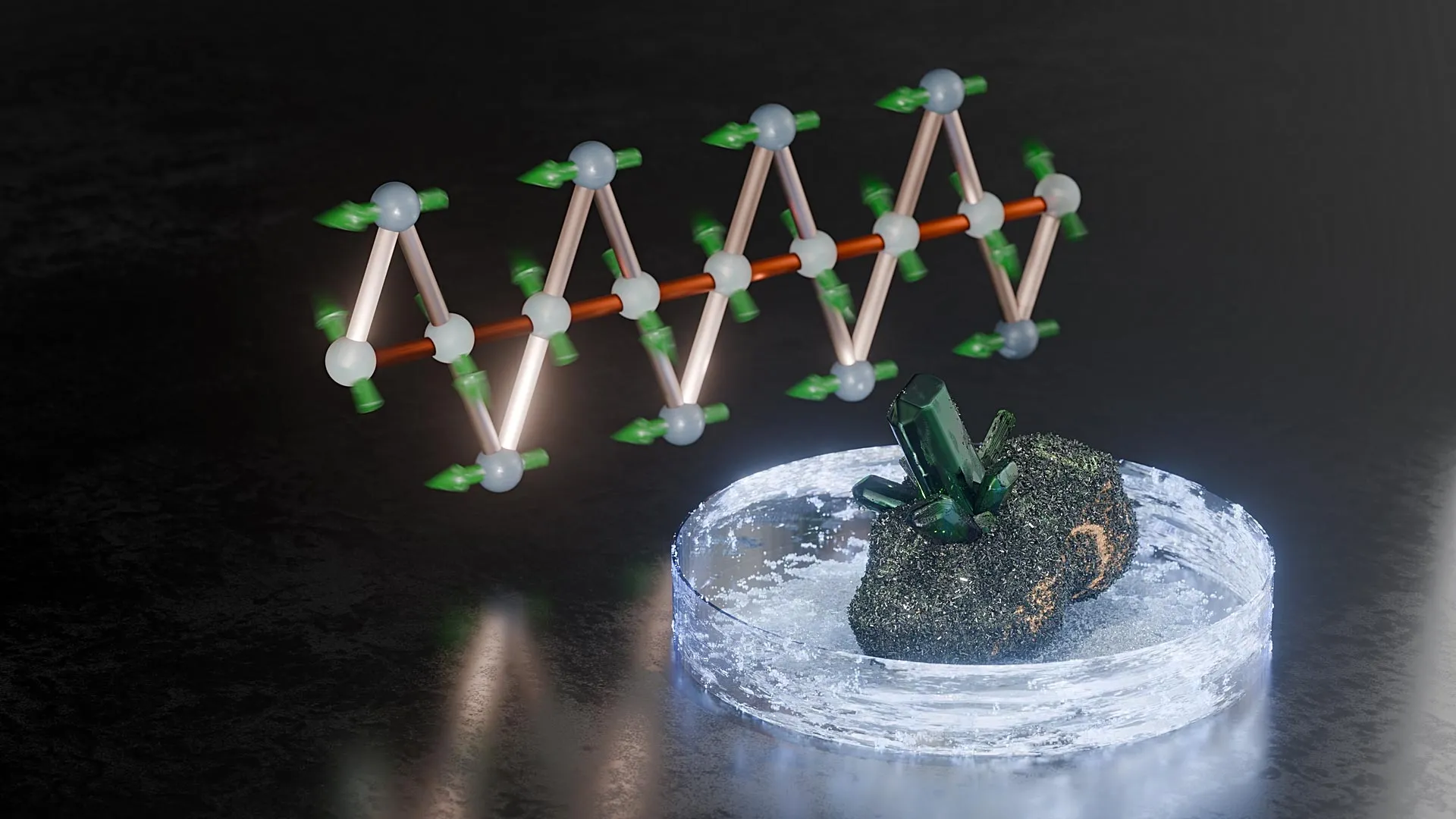
Natural crystals fascinate with their vibrant colors, their nearly flawless appearance and their manifold symmetrical forms. But researchers are interested in them for quite different reasons: among the countless minerals already known, they always discover some materials with unusual magnetic properties. One of these is atacamite, which exhibits magnetocaloric behavior…

Scientists reverse Parkinson’s symptoms in mice — Could humans be next?

Groundbreaking research by the University of Sydney has identified a new brain protein involved in the development of Parkinson’s disease and a way to modify it, paving the way for future treatments for the disease. Parkinson’s disease is the second most common neurological condition after dementia, with over 150,000 people…

The surprising link between hearing loss, loneliness, and lifespan

Hearing loss doesn’t just affect how people hear the world — it can also change how they connect with it. A new study from the USC Caruso Department of Otolaryngology – Head and Neck Surgery, part of Keck Medicine of USC, published today in JAMA Otolaryngology – Head & Neck…

Scientists thought the Arctic was sealed in ice — they were wrong

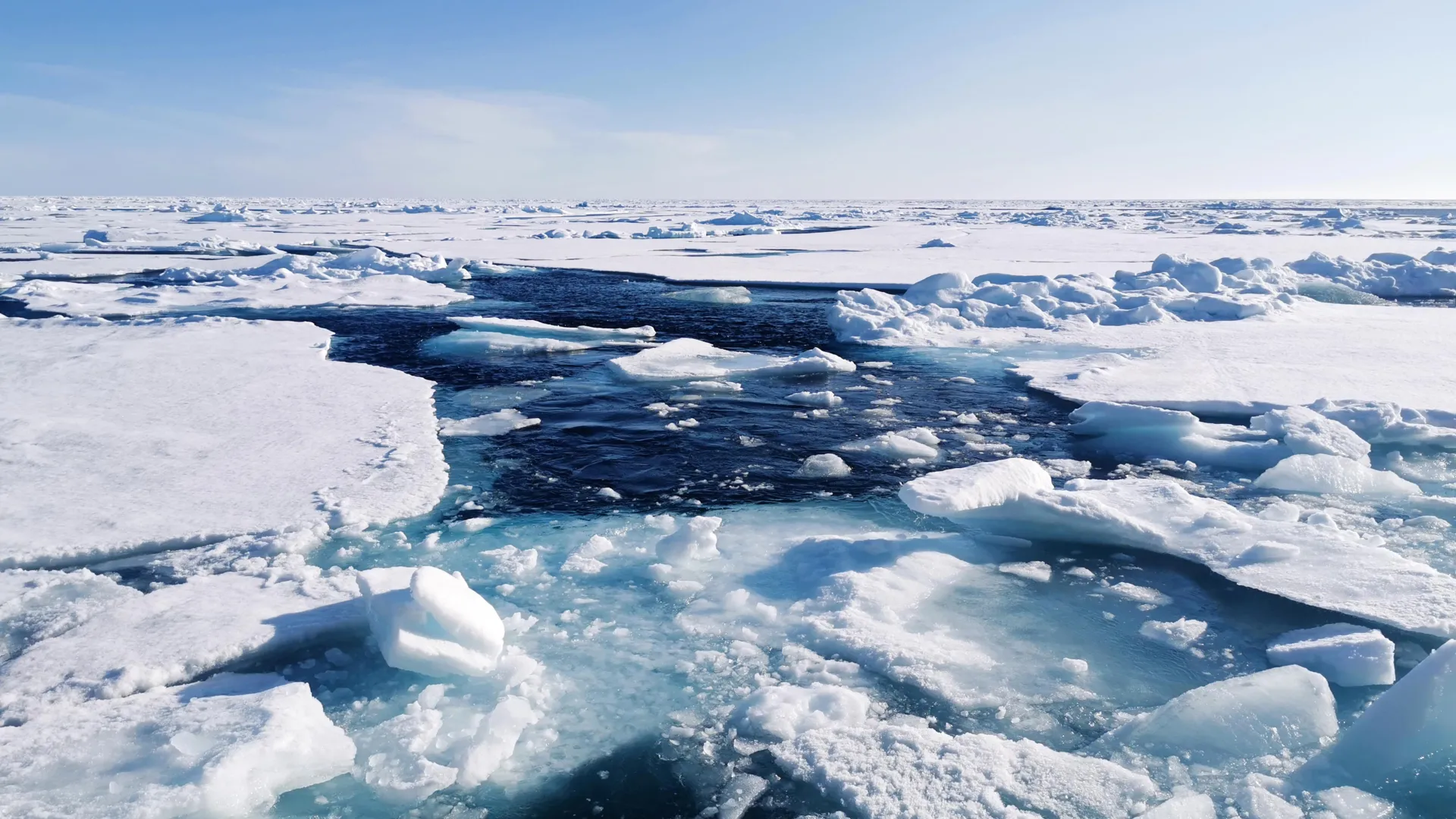
For years, scientists have debated whether a giant thick ice shelf once covered the entire Arctic Ocean during the coldest ice ages. Now a new study published in Science Advances, challenges this idea as the research team found no evidence for the presence of a massive ~1km ice shelf. Instead,…

Frozen light switches: How Arctic microbes could revolutionize neuroscience

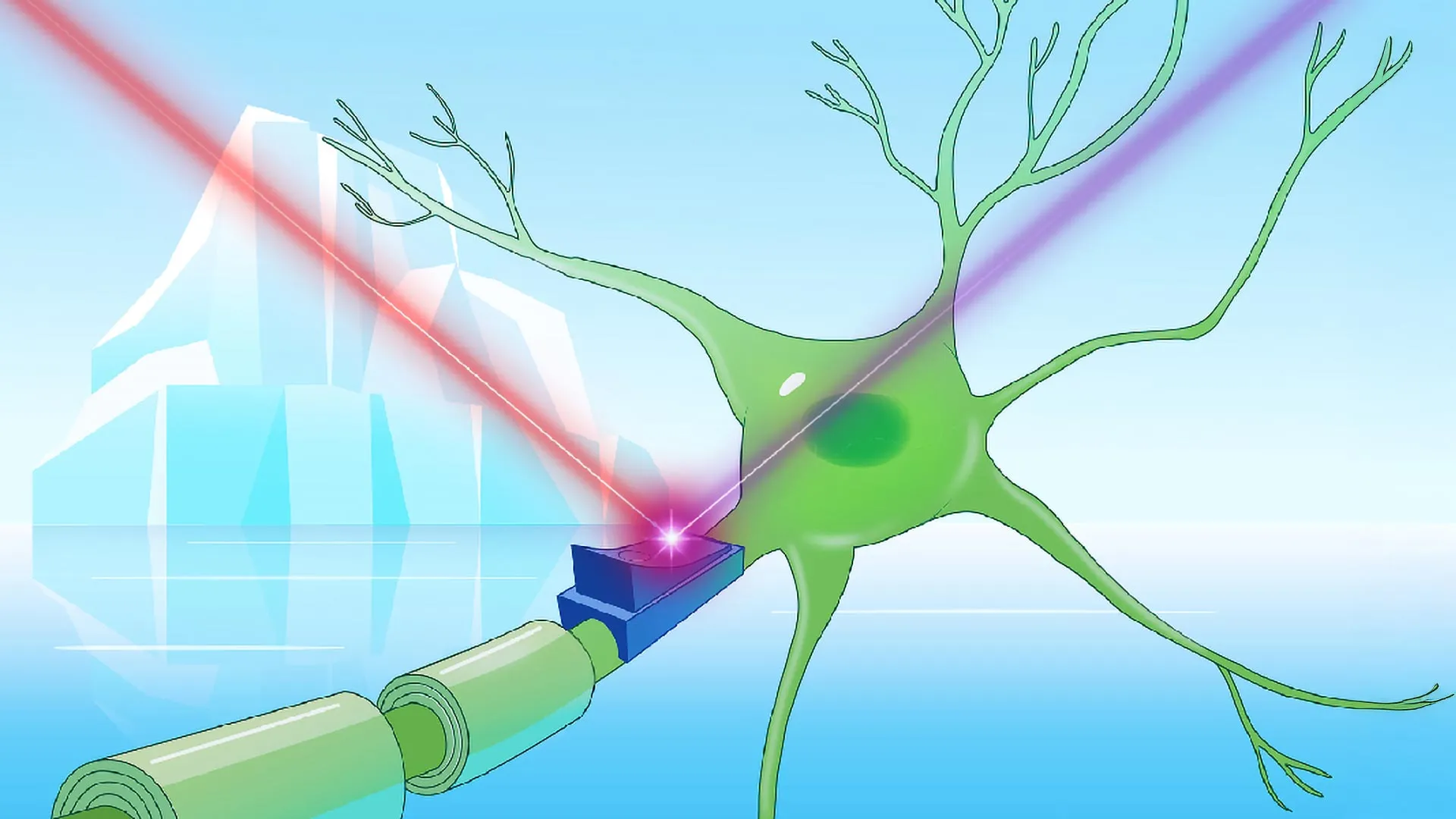
Imagine the magnificent glaciers of Greenland, the eternal snow of the Tibetan high mountains, and the permanently ice-cold groundwater in Finland. As cold and beautiful these are, for the structural biologist Kirill Kovalev, they are more importantly home to unusual molecules that could control brain cells’ activity. Kovalev, EIPOD Postdoctoral…

Can one vanishing particle shatter string theory — and explain dark matter?

Researchers from Penn and Arizona State University pinpoint a lone five-particle package (a 5-plet) that could upend string theory by detecting it at the Large Hadron Collider. “Ghost” tracks that vanish mid-flight may be the smoking gun physicists are chasing. Early data squeeze the search window, but the next collider…

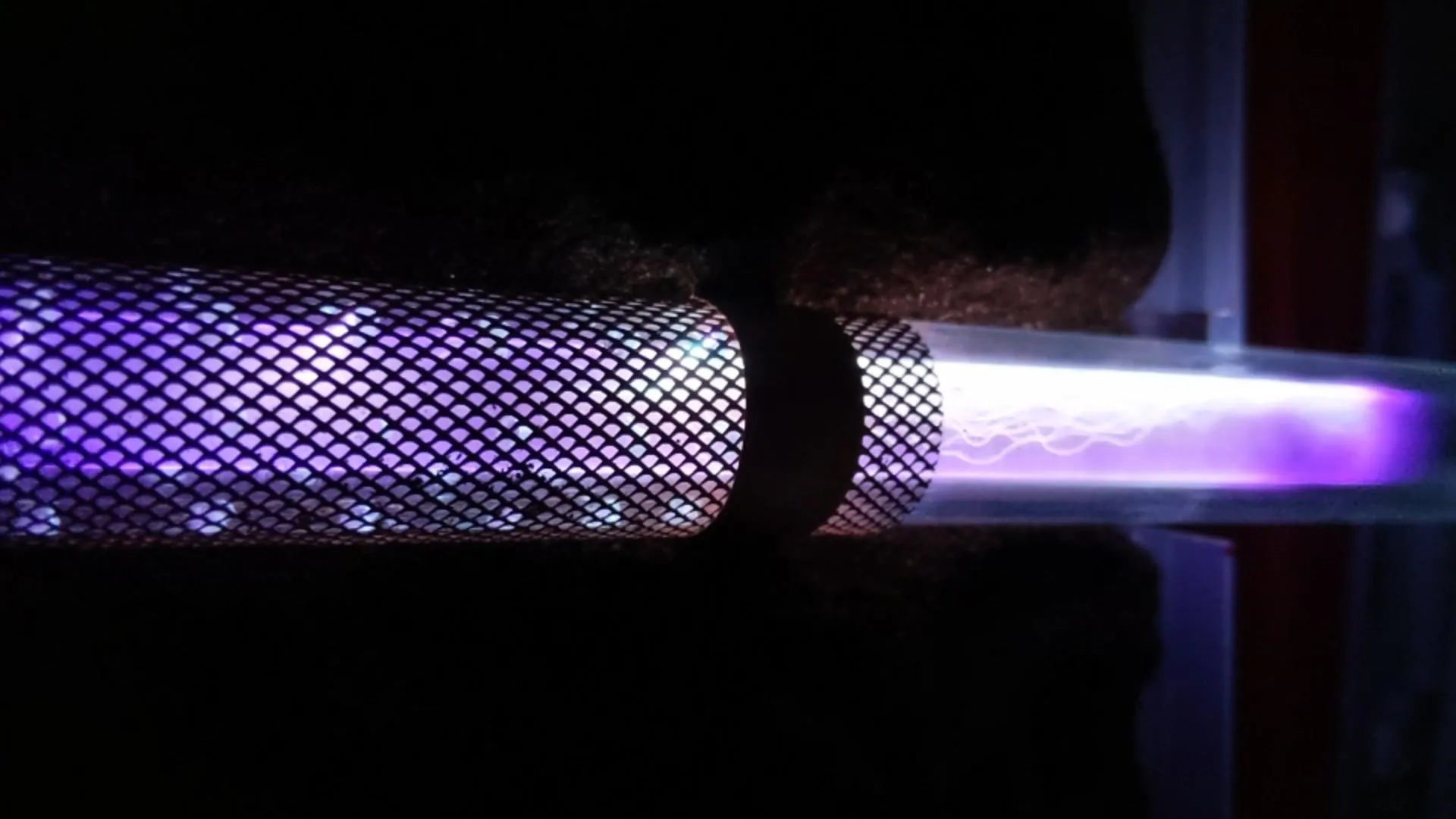
A shocking new way to make ammonia, no fossil fuels needed

University of Sydney researchers have harnessed human-made lightning to develop a more efficient method of generating ammonia – one of the world’s most important chemicals. Ammonia is also the main ingredient of fertilizers that account for almost half of all global food production. The team have successfully developed a more…

Scientists discovered how a scent can change your mind

Mice taught to link smells with tastes, and later fear, revealed how the amygdala teams up with cortical regions to let the brain draw powerful indirect connections. Disabling this circuit erased the links, hinting that similar pathways in humans could underlie disorders like PTSD and psychosis, and might be tuned…

New IQ research shows why smarter people make better decisions

A new study from the University of Bath’s School of Management has found that individuals with a higher IQ make more realistic predictions, which supports better decision-making and can lead to improved life outcomes. The research, published in the Journal of Personality and Social Psychology, shows that people with a…