



Stanford scientists discover a seafood that can reverse signs of aging

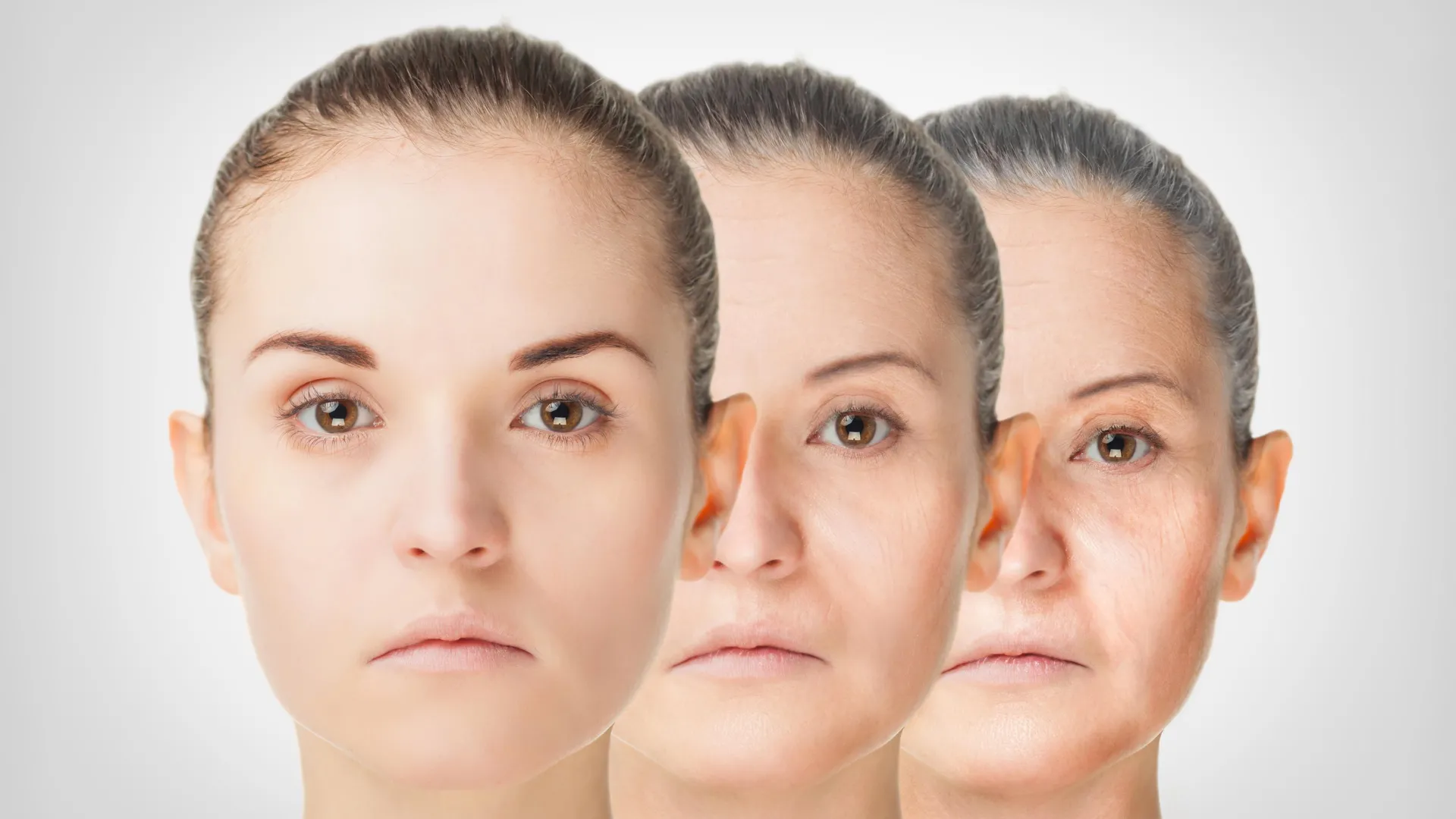
Aging often makes itself visible in familiar ways, from gray hair and wrinkles to lapses in memory. That has fueled a longstanding scientific question: Could some of those changes eventually be slowed, prevented, or even reversed? Research involving a group of scientists from Xi’an Jiaotong-Liverpool University, Stanford University, Shanghai Jiao…

Extreme drought now covers 44% of Puerto Rico

Puerto Rico typically enters its wet season in May, but 2026 has unfolded very differently. By late August, rainfall had remained scarce across much of the U.S. territory, allowing drought conditions to spread rapidly. The lack of rain has contributed to water shortages and rationing in some communities, prompting Puerto…

MIT turns bacteria into living transistors

MIT researchers have engineered bacteria to work like transistors, creating living “circuit boards” that can be printed onto growth material inside a Petri dish. In conventional electronics, transistors act as switches that control whether electrical current can pass through a circuit. In the MIT system, engineered bacterial cells perform a…

A longer exhale may push your brain toward bolder decisions

A new study suggests that deliberately changing the rhythm of your breathing can influence how you make decisions by altering activity in both the heart and brain. Researchers from the German Institute of Human Nutrition Potsdam-Rehbruecke (DIfE) and Charité — Universitätsmedizin Berlin found that longer exhalations increased heart rate variability…

Giant Greenland iceberg slams into Joe Island and survives

Summer is the busiest time of year for iceberg activity in Greenland’s glacier-fed fjords, and 2026 delivered a particularly dramatic example. In August, a huge iceberg broke away from Petermann Glacier on Greenland’s northwest coast. About the size of St. Thomas in the U.S. Virgin Islands, it marked the largest…

Dying radio galaxies fade faster than scientists expected

Astronomers have identified a little-studied population of faint remnant radio galaxies that appear to fade quickly after their central supermassive black holes stop producing powerful radio jets. The findings provide a closer look at what happens during the final stages of a radio galaxy’s evolution. Researchers from the University of…

Estratti vivi due operai intrappolati nei tunnel in Nepal – Notizie – Ansa.it

Le squadre di soccorso sono riuscite a estrarre vivi oggi due lavoratori rimasti intrappolati in tunnel nel nord del Nepal in seguito alla catastrofica inondazione del 26 agosto, hanno annunciato le autorità locali.  “Siamo stati informati che una persona è appena stata estratta sana e salva dal tunnel Trishuli-3”, ha…

Mattarella: “Si riaffaccia l’uso della forza per le proprie pretese internazionali” – Notizie – Ansa.it

“Per un verso, si amplia repentinamente il novero delle sfide globali la cui soluzione richiede maggiore cooperazione tra gli Stati – dal cambiamento climatico, alle crisi sanitarie pandemiche, dalla disponibilità di risorse energetiche, alimentari e idriche, all’impatto dell’Intelligenza Artificiale. Per l’altro, si affaccia nuovamente una pretesa predatoria delle risorse esistenti,…

Dark matter detector finds a strange signal scientists can’t yet explain

For nearly a century, scientists have been trying to identify dark matter, the invisible material thought to account for about 85% of all matter in the universe. Its gravitational effects can be seen throughout the cosmos, yet no experiment has directly detected the substance itself. Discovering what dark matter is…

Scientists reveal the hidden instructions that build the human brain

Before birth, the human brain is assembled through an enormous series of cellular choices. At the center of this process are radial glia, a special type of stem cell that helps create many of the features that distinguish the human brain. These cells produce large numbers of the neurons and…

New injectable treatment helps the brain rebuild after stroke

Biomedical engineers at Duke University have created an injectable biomaterial that may help the brain recover from damage left behind by an ischemic stroke. In experiments with mice, the material transformed the cavity created by lost brain tissue into a more favorable environment for healing. The treatment recruited the body’s…

Scientists discover a bizarre “devil flower” hidden in Thailand

Scientists have identified a remarkable new species of leafless flowering plant growing on the forest floor of a national park in western Thailand. Its unusual, almost supernatural appearance inspired its name: Thismia daemona, the “devil flower.” The plant belongs to Thismia, a genus of tiny species sometimes known as “fairy…

Plants may be evolving the wrong traits for a warming world

Plants facing both a warming climate and rapidly declining pollinator populations may be pulled in competing evolutionary directions. A University of Michigan study suggests that, instead of adapting primarily to climate pressures, some plants may be evolving traits that help them attract pollinators. In morning glories, researchers found that the…

Deep beneath Mars, scientists find a vast hidden magma system

Researchers at the University of Oxford have found evidence that Mars may once have contained enormous Earth-like magmatic systems deep below its surface, even though the planet does not have the plate tectonics that scientists have long associated with this level of geological complexity. The findings, published in Nature Astronomy,…