

Magic mushrooms may reshape the brain long after the trip ends

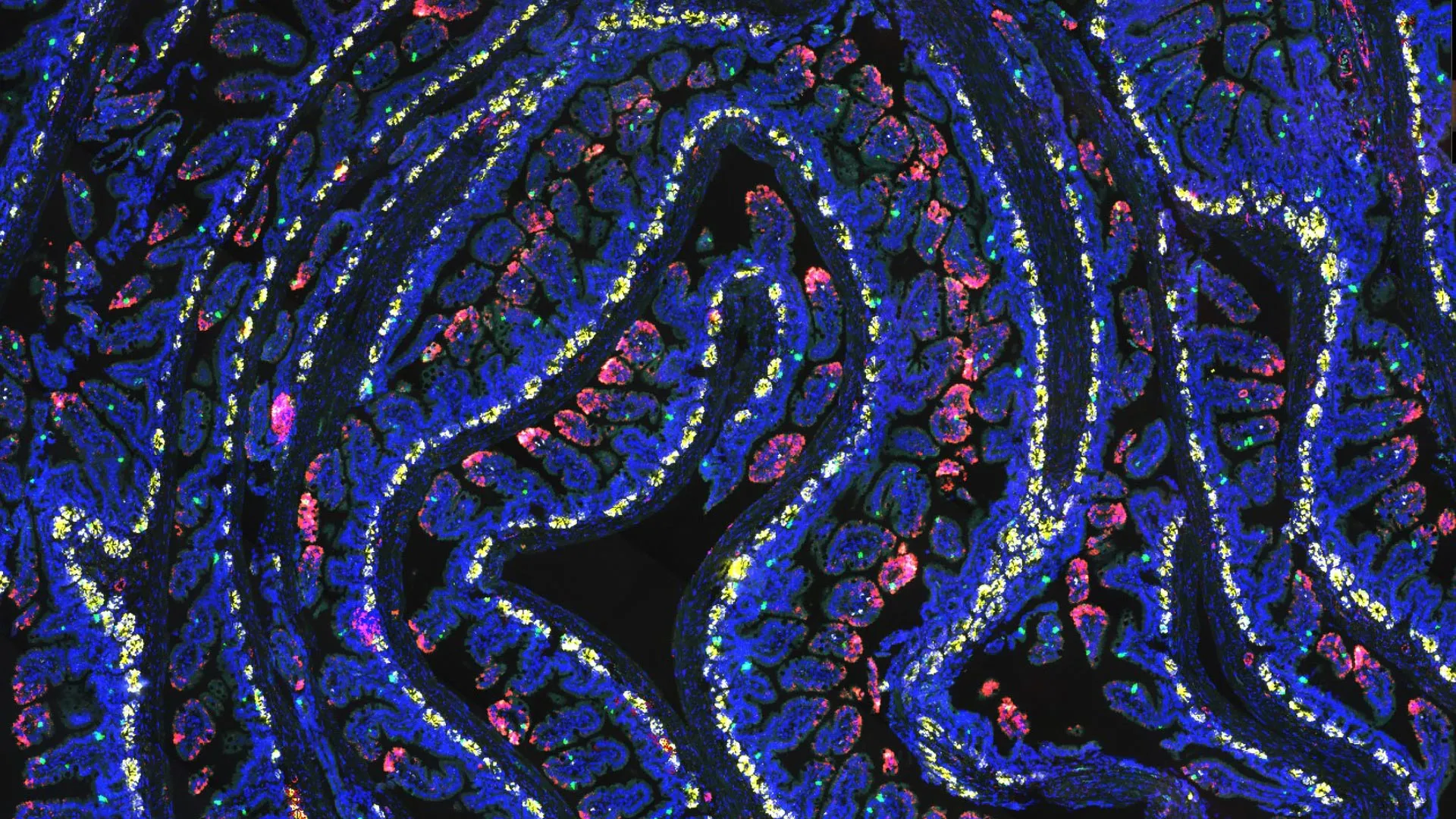
A single dose of psilocybin, the psychedelic substance in magic mushrooms, may produce physical changes in the brain that remain detectable for as long as a month, according to researchers at UC San Francisco and Imperial College London. The study, published in Nature Communications, involved healthy adults who had never…

New programmable photonic chip can control how fast light moves

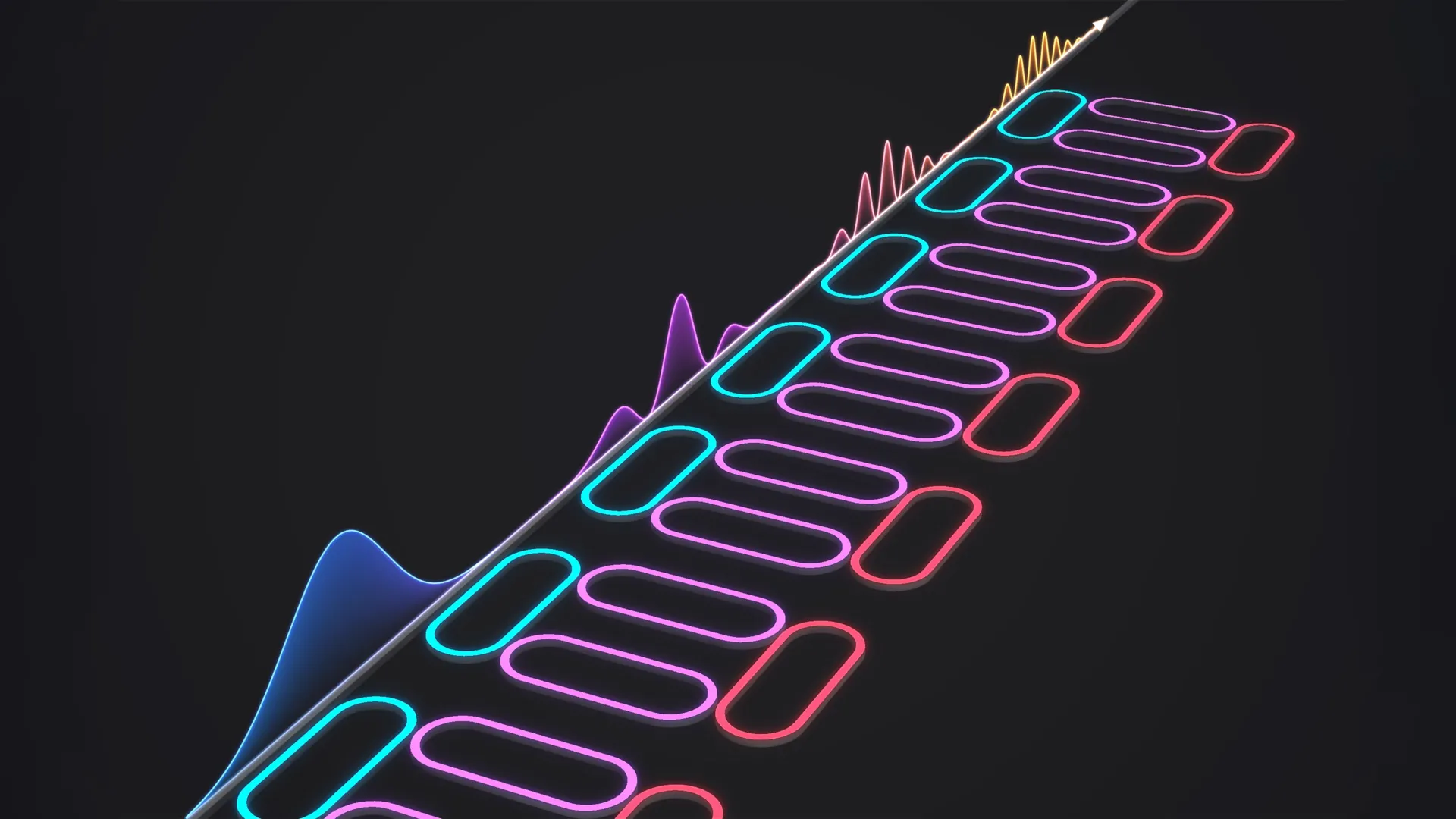
Researchers at Seoul National University and the University of Seoul have developed a programmable photonic integrated circuit that can slow light whenever needed. The team was led by Professors Namkyoo Park and Sunkyu Yu of the Department of Electrical and Computer Engineering at Seoul National University, working with Professor Xianji…

Coffee may protect your heart but energy drinks could harm it

Caffeine is the most widely used stimulant and psychoactive substance in the world, and coffee is how most people consume it. According to a new scientific statement from the American Heart Association, most adults can safely consume up to 400 mg of caffeine/day (or up to five 8-ounce cups of…

Rahul Gandhi fermato dalla polizia dopo le proteste – Asia – Ansa.it

Il leader del Partito del Congresso indiano Rahul Gandhi e altri oppositori sono stati fermati dalla polizia dopo aver protestato davanti alla residenza ufficiale del primo ministro Narendra Modi, riportano diversi media locali. Gli oppositori sono stati portati in tre diverse stazioni di polizia, scrive l’agenzia Pti, secondo cui tra…

I fratelli Tate verso l’estradizione, ‘intervenga Trump’ – Notizie – Ansa.it

(di Antonio Fatiguso) I fratelli Andrew e Tristan Tate restano in custodia cautelare dopo l’arresto di sabato a Miami, ma puntano anche sull’intervento del presidente Donald Trump per sfuggire alla richiesta di estradizione avanzata alle autorità americane dalla Gran Bretagna. I loro avvocati hanno esplicitamente invocato l’intervento del…

Watching too much TV in midlife may shrink the brain

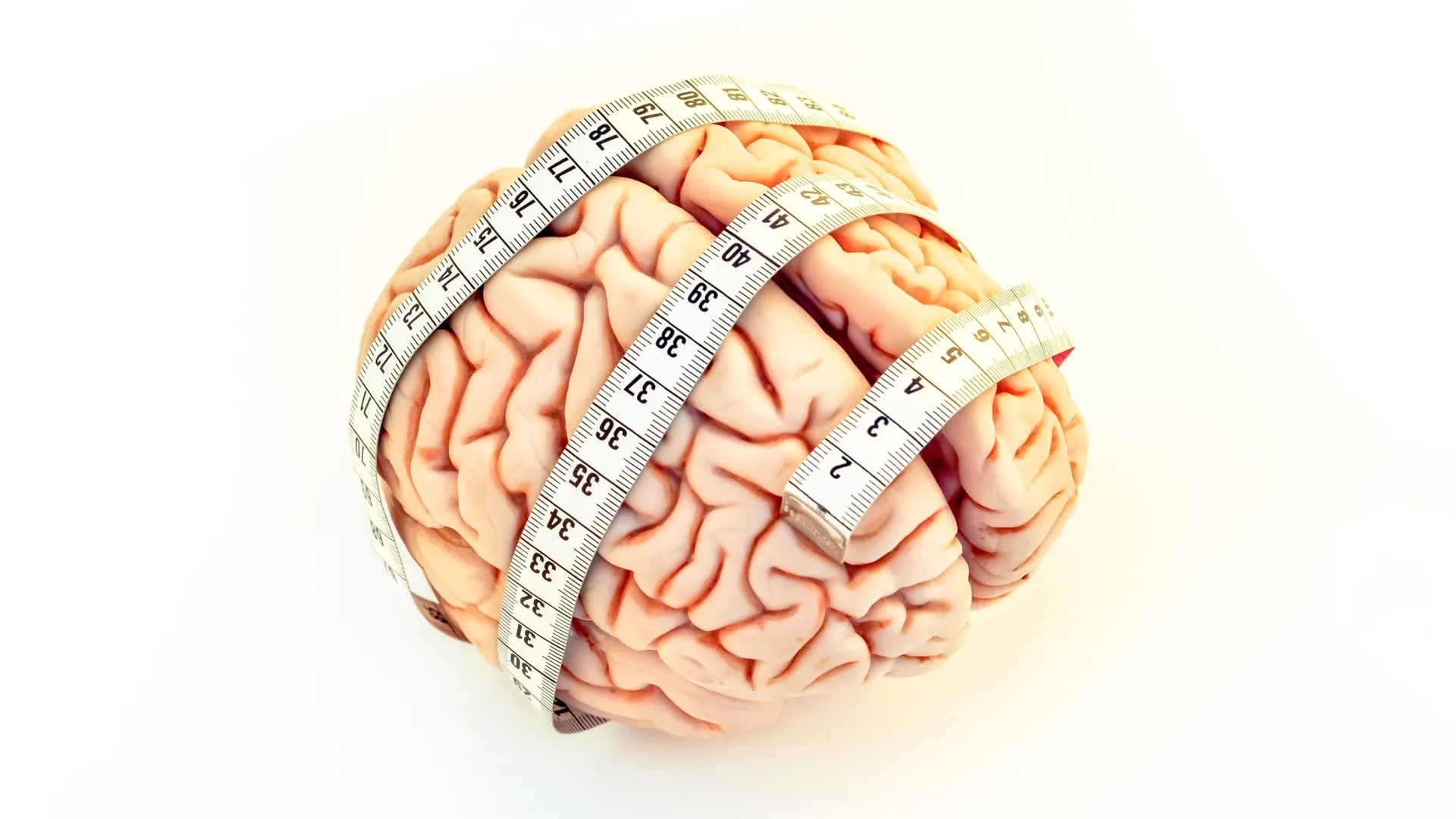
“Turn off that TV, it’ll rot your brain!” has been repeated in households for generations. The word “rot” is clearly an exaggeration, but new research suggests that heavy television viewing may still have meaningful consequences for brain health. A recent study published in Alzheimer’s and Dementia: Journal of the Alzheimer’s…